25 Spectacular Pink and Purple Flowers
Updated: November 7, 2026
10
Discover the charm of 25 spectacular pink and purple flowers that can transform any ordinary garden into a colorful floral paradise. From delicate pink blooms to stunning purple varieties, these flowers bring beauty, elegance, and vibrant color to every outdoor space. Keep reading to explore these beautiful flowers, discover their growing needs, and find the perfect blooms for your garden!
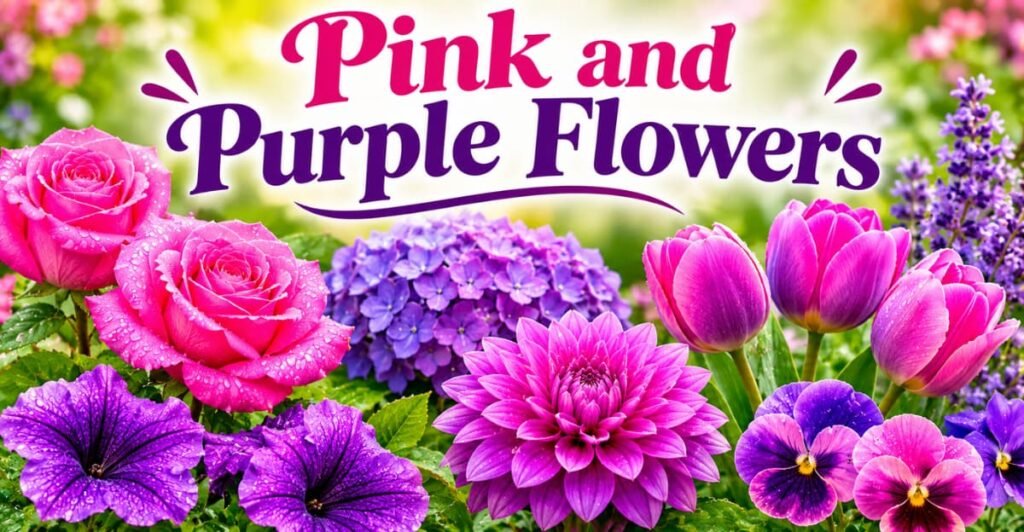
Table of Contents
Meaning of Pink and Purple Flowers

Pink and purple flowers hold a special place in the world of color and emotion, as their soft hues express different feelings through flower symbolism. Pink represents love, admiration, affection, warmth, and tenderness, while purple is associated with creativity, mystery, and spirituality. Flowers like peonies, roses, lavender, and violets bring together these meanings, creating stunning visual harmony and adding joy and beauty to gardens and floral arrangements.
- Pink flowers: Symbolize love, affection, admiration, warmth, and tenderness.
- Purple flowers: Represent mystery, creativity, spirituality, and elegance.
- Pink flower meaning: Often reflects romance, emotional expression, and gentle feelings.
- Purple flower meaning: Connects with mystery, imagination, and symbolic meaning.
- Floral beauty: Both colors complement each other and create beautiful color combinations.
- Garden aesthetics: Their delicate colors uplift any space and enhance floral composition.
Together, these complementary colors create romantic flowers displays that express emotions while bringing balance, charm, and beauty to any floral setting.
10 Stunning Pink Flowers
Explore these 10 stunning pink flowers featuring beautiful blooms, vibrant colors, and charming flower varieties that bring floral beauty, garden enhancement, and elegance to any outdoor space.
1. Rose (Rosa spp.)
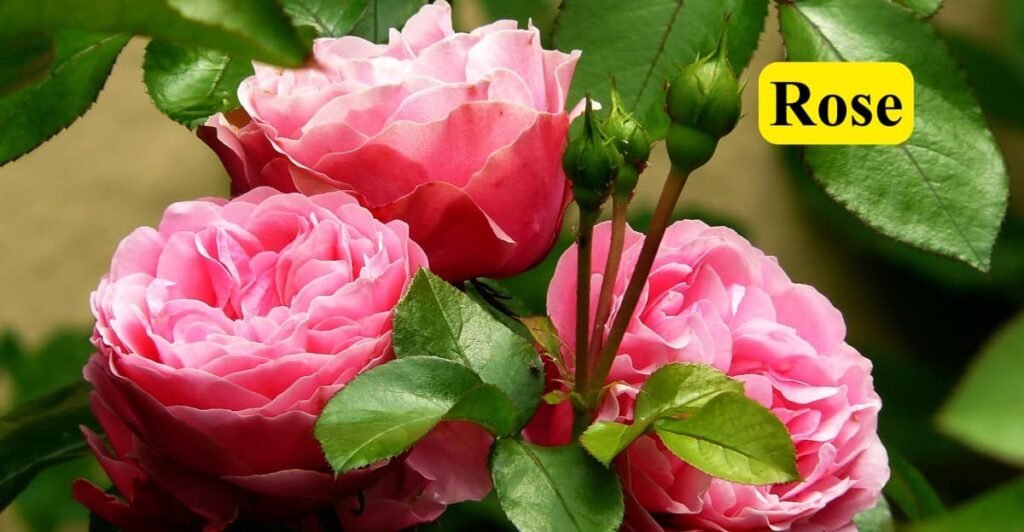
Roses (Rosa spp.) are among the most beloved pink and purple flowers, offering an enchanting palette that can transform any garden into a vibrant spectacle. They grow well in USDA Hardiness Zones 3 to 11, adapting to varied climates and producing beautiful blooms from spring to late fall.
- Bloom Time: Most roses bloom from late spring to early fall, providing a long season of stunning displays.
- Soil: Prefer well-draining soil rich in organic matter to develop healthy, strong roots.
- Sun Exposure: Need at least six hours of full sunlight daily for healthy growth and abundant flower production.
- Care Tip: Regular deadheading removes faded flowers and encourages more blossoms, helping maintain continuous blooms.
2. Peony (Paeonia lactiflora)
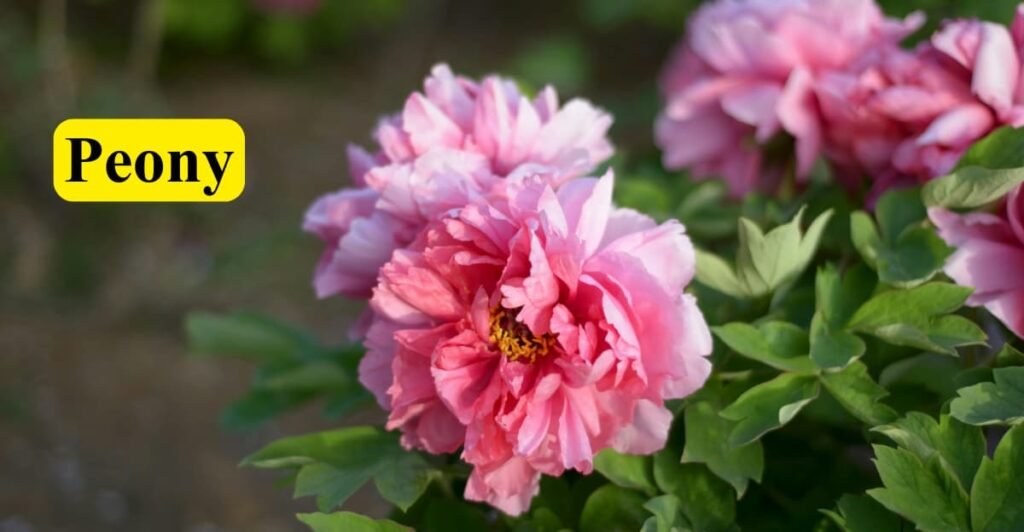
Peonies (Paeonia lactiflora) are enchanting garden additions known for their beautiful pink and purple flowers and vibrant petals. These perennial favorites produce stunning spring blooms and early summer flowers, attracting pollinators and creating a lively atmosphere in your yard. They thrive in USDA Hardiness Zones 3–8 and can flourish for many years once established.
- Bloom Time: Bloom from late spring to early summer, offering several weeks of beautiful flowers.
- Soil: Prefer well-draining soil enriched with organic matter for healthy growth.
- Sun Exposure: Thrive in full sun but can tolerate partial shade.
- Care Tip: Once established, peonies require minimal care, making them a wise investment for flower lovers.
3. Camellia (Camellia japonica)

Camellia (Camellia japonica) is a beautiful flowering shrub that produces stunning pink and purple flowers from late winter to early spring. Known as the Queen of Winter Flowers, it brings color to gardens when many other plants are not blooming. Its lush, glossy leaves and vibrant hues create a striking contrast against the cold backdrop of early seasons. Camellias generally thrive in USDA Hardiness Zones 7 to 9.
- Bloom Time: Flowers typically appear from late winter to early spring.
- Soil: Prefer well-draining, acidic soil enriched with organic matter for optimal growth.
- Sun Exposure: Enjoy partial shade, particularly in hot climates, to protect delicate blossoms.
- Care Tip: Regular pruning after blooming helps maintain the plant’s shape and encourages more flowers in the following season.
4. Pink Tulip (Tulipa gesneriana)
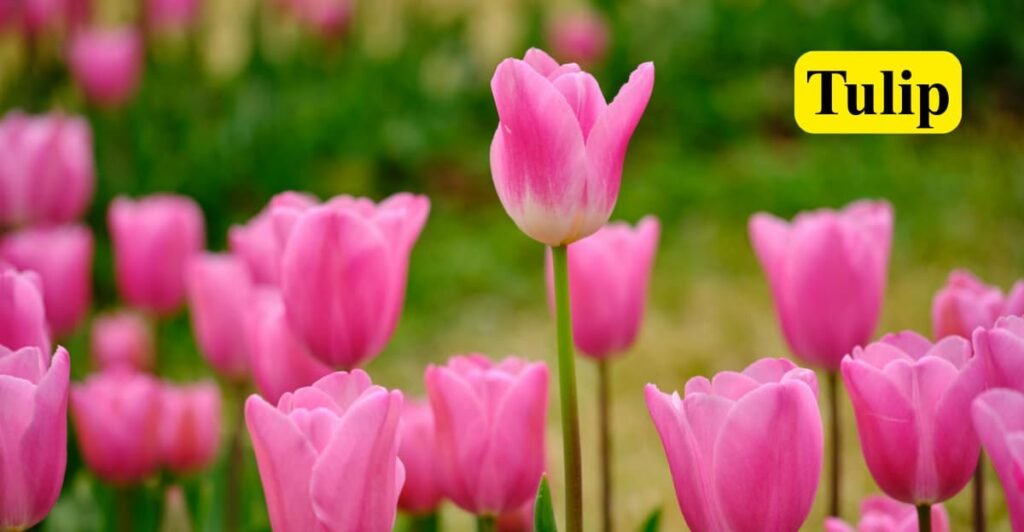
Pink tulips (Tulipa gesneriana) brighten gardens with their beautiful pink and purple flowers, creating a delightful contrast with purple counterparts. These seasonal flowers thrive in USDA Hardiness Zones 3–8 and are popular among gardeners for their vibrant spring displays. Their strong stems and colorful blooms also make them excellent choices for mixed borders and floral arrangements.
- Bloom Time: Typically flower in spring, bringing color and beauty after the colder months.
- Soil: Prefer well-drained, fertile soil to support healthy growth.
- Sun Exposure: Full sun encourages vibrant blooms and strong stems.
- Care Tip: Try layering different tulip varieties in mixed borders to create a stunning display. Their flowers also attract pollinators and bring life to your outdoor space.
5. Azalea (Rhododendron spp.)
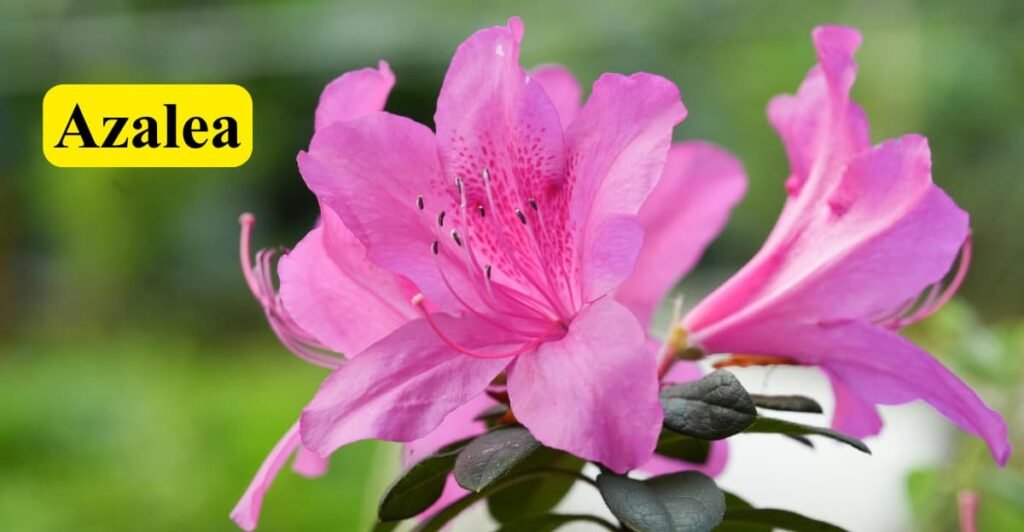
Azaleas (Rhododendron spp.) are stunning flowering shrubs celebrated for their vibrant pink and purple flowers. They thrive in USDA Hardiness Zones 5 to 9 and can transform a dull garden space into a colorful floral delight. Their dazzling early spring display brings fresh beauty to the landscape just as winter fades.
- Bloom Time: Typically bloom in early spring, producing abundant flowers and colorful displays.
- Soil: Prefer well-drained, acidic soil with a pH of 4.5–6, enriched with organic matter.
- Sun Exposure: Thrive in partial shade but some varieties can tolerate full sun.
- Care Tip: Regular pruning after flowering encourages bushier growth and more abundant blooms in future seasons.
6. Carnation (Dianthus caryophyllus)

Carnations (Dianthus caryophyllus) are beloved pink and purple flowers known for their charming appearance, vibrant colors, and delightful fragrance. These stunning flowering plants thrive in USDA Hardiness Zones 5 to 9, making them versatile choices for various climates. Their colorful blooms are especially popular in bouquets and floral arrangements because they symbolize love and admiration.
- Bloom Time: Carnations typically bloom from late spring to early summer, with some varieties continuing their fall flowering for an extended blooming season.
- Soil: Prefer well-drained, loamy soil enriched with organic matter to maintain healthy soil conditions.
- Sun Exposure: Thrive in full sun and need approximately six hours of sunlight daily.
- Care Tip: Provide proper care through regular watering and maintenance to encourage healthy blooms and maintain their beauty.
7. Zinnia (Zinnia elegans)

Zinnias (Zinnia elegans) are stunning pink and purple flowers that bring vibrant color and cheerful blooms to garden containers and outdoor landscapes. Their diverse color palette includes beautiful pink and purple shades, creating a delightful mix that adds garden life and charm. These eye-catching flowering plants also attract butterflies, beneficial insects, and other pollinators, making them excellent choices for a colorful garden. They thrive in USDA Hardiness Zones 2–11, offering versatility across various climates.
- Bloom Time: Zinnias flower from summer to frost, providing months of beauty and continuous color.
- Soil: Prefer well-drained, sandy soil with a neutral pH for optimal growth.
- Sun Exposure: Require full sun and approximately six to eight hours of sunlight daily.
- Care Tip: These low-maintenance, drought-tolerant flowers are ideal for busy gardeners. Regular deadheading encourages more blooms.
8. Pink Hibiscus (Hibiscus rosa-sinensis)
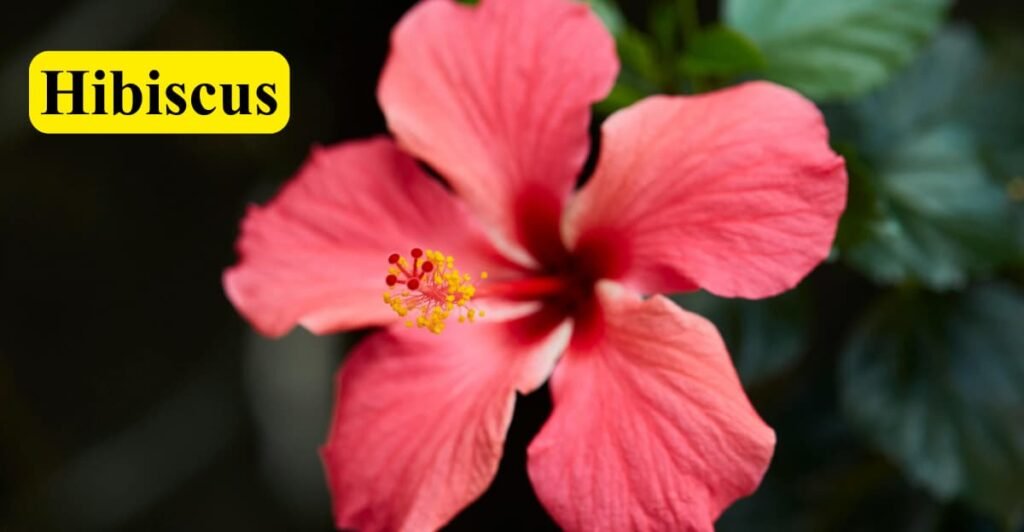
Pink Hibiscus (Hibiscus rosa-sinensis) brings a vibrant splash of color to gardens with its striking pink and purple flowers. These tropical flowers produce eye-catching blooms in rich colors and thrive in warm climates, particularly in USDA Hardiness Zones 9 to 11. Their beautiful flowers attract pollinators, including bees and butterflies, transforming an ordinary garden into a lively haven.
- Bloom Time: Pink hibiscus flowers bloom from spring to fall, offering a long season of colorful blooms.
- Soil: Prefer well-draining soil enriched with organic matter to support healthy growth and maintain soil quality.
- Sun Exposure: Thrive in full sun and need at least six hours of sunlight daily.
- Care Tip: Provide the right growing conditions and regular maintenance to enjoy these easy-care flowers with minimal fuss.
9. Cherry Blossom (Prunus serrulata)

Cherry Blossoms (Prunus serrulata) are mesmerizing flowering trees known for their pink cherry blossoms, purple cherry blossoms, and occasional white flowers. These beautiful trees transform landscapes into dreamy vistas, producing bursts of color during early spring. Growing well in USDA Hardiness Zones 5–8, they are favorite flowering trees for various climates. Their vibrant blooms and graceful appearance make them wonderful accent plants in spring gardens.
- Bloom Time: Cherry blossoms typically flower in early spring, creating a breathtaking seasonal display.
- Soil: Prefer well-drained, loamy soil to encourage healthy growth.
- Sun Exposure: Full sunlight supports abundant and vibrant blooms.
- Garden Design Tip: Combine cherry blossom trees with shrubs bearing purple leaves and pink flowers to create attractive landscape combinations.
10. Pink Dahlia (Dahlia pinnata)

Pink Dahlia (Dahlia pinnata) stands out with its stunning pink and purple flowers, transforming gardens into vibrant oases. These versatile flowering plants thrive in USDA Hardiness Zones 8 to 11 and are available in beautiful pink and purple shades. Their colorful flowers create a long-lasting display from mid-summer to fall, making them popular among both seasoned and beginner gardeners. Dahlias can also complement a shrub with purple leaves and pink flowers, adding extra depth and color to garden landscapes.
- Bloom Time: Dahlias bloom from mid-summer to fall, providing a long-lasting seasonal color display.
- Soil: Prefer well-drained, nutrient-rich soil to develop healthy roots and plentiful blooms.
- Sun Exposure: Need full sun and approximately six to eight hours of sunlight daily for thriving growth.
- Care Tip: Maintain optimal growing conditions and remove faded flowers to encourage continuous blooming.
10 Enchanting Purple Flowers
Explore these 10 enchanting purple flowers and discover their beauty, colors, and unique charm for your garden.
1. Lavender (Lavandula angustifolia)
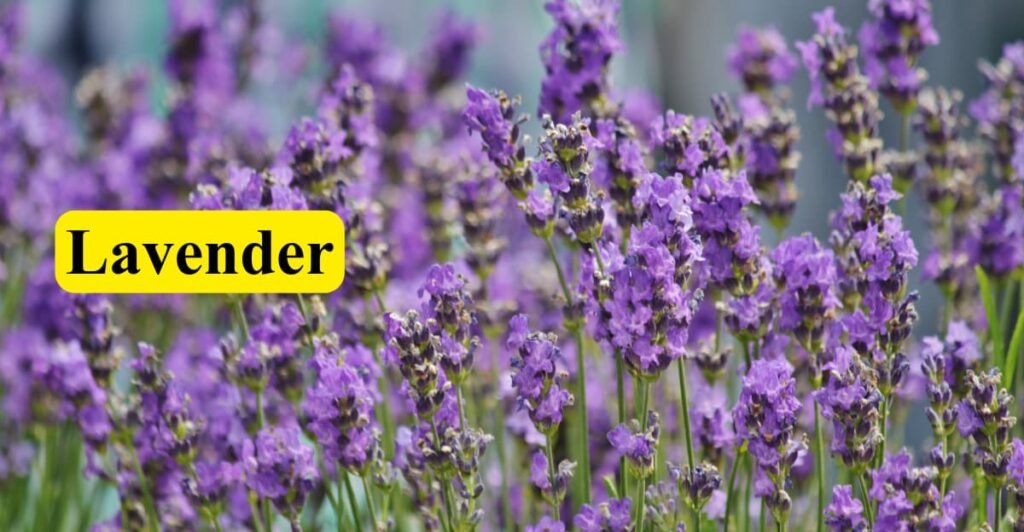
Lavender is one of the most beautiful flowers among pink and purple flowers, admired for its vibrant purple hues, occasional pink blooms, and delightful fragrance. This fragrant shrub grows well in USDA Hardiness Zones 5 to 9 and produces its purple blooms from late spring to early summer. For healthy growth and abundant flower production, plant lavender in well-drained soil with a slightly alkaline pH and provide full sun throughout the day. Its aromatic flowers attract pollinators, support the garden ecosystem, and add lasting garden charm to ornamental spaces.
- Bloom Time: Late spring to early summer.
- Soil: Well-drained soil with a slightly alkaline pH.
- Sun Exposure: Full sun for healthy growth and vibrant blooms.
- Care Tip: Avoid excessive watering and prune lightly after flowering to maintain the shrub’s shape.
2. Purple Iris (Iris germanica)\
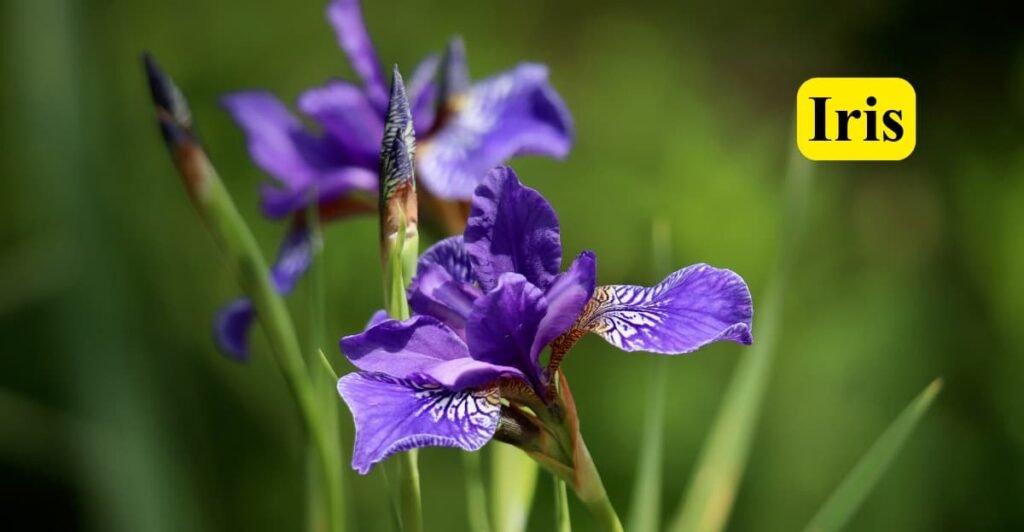
The Purple Iris (Iris germanica) is a hardy perennial admired by garden enthusiasts for its breathtaking purple flowers and occasional pink and blue flowers. It grows well in USDA Hardiness Zones 3–9, making it suitable for a variety of climates. Its bloom time usually falls between late spring and early summer, when its captivating blooms bring vibrant colors and garden beauty to outdoor spaces. Plant irises in well-draining soil enriched with organic matter and choose a location with full sun to encourage robust growth. These ornamental flowers can also attract butterflies and other pollinators, adding more life to your garden.
- Bloom Time: Late spring to early summer.
- Soil: Well-draining soil enriched with organic matter.
- Sun Exposure: Full sun for strong growth and colorful flowers.
- Care Tip: Avoid planting rhizomes too deeply, as good air circulation helps prevent rot.
3. Lilac (Syringa vulgaris)
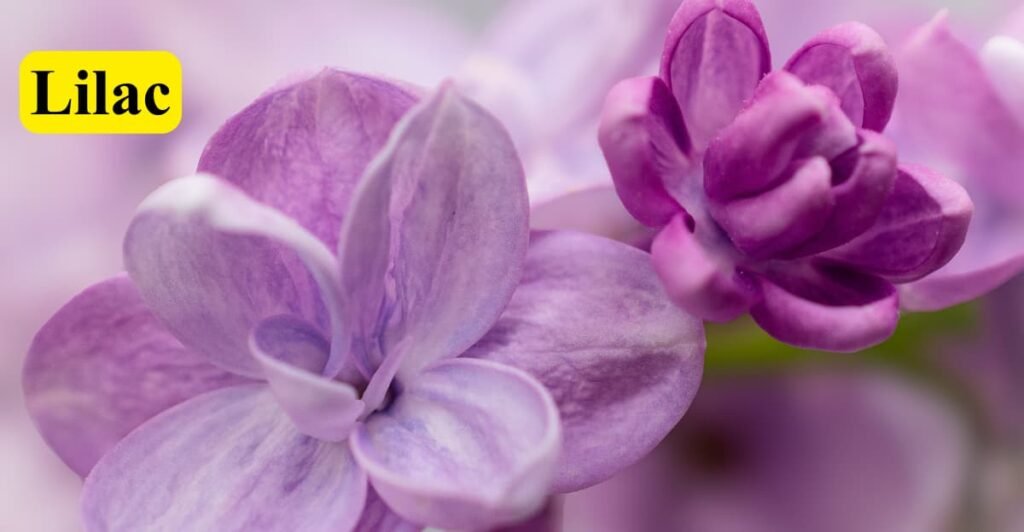
Lilac (Syringa vulgaris) is one of the most delightful pink and purple flowers, loved for its stunning blooms, sweet fragrance, and vibrant spring displays. This ornamental shrub grows best in USDA Hardiness Zones 3–7 and typically flowers in late spring, transforming garden landscapes with beautiful purple and pink flowers. For abundant blooming and healthy flower growth, plant lilacs in well-drained loamy soil enriched with organic matter and provide full sun. Their fragrant flowers also attract pollinators, bringing springtime joy and natural beauty to your yard.
- Bloom Time: Late spring.
- Soil: Well-drained, rich loamy soil.
- Sun Exposure: Full sun encourages abundant flowering.
- Care Tip: Prune soon after flowering because next season’s flower buds develop during the growing season.
4. Verbena (Verbena bonariensis)
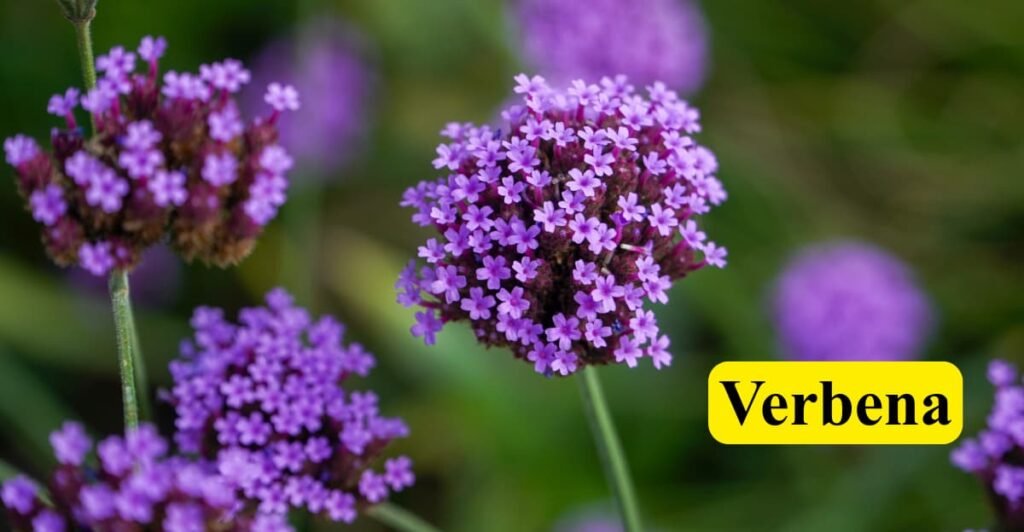
Verbena (Verbena bonariensis) is a graceful flowering plant that adds height, movement, and color to gardens. Its clusters of small purple blooms create a beautiful display from mid-summer to early fall, making it a lovely choice for pink and purple flowers collections. It grows well in USDA Hardiness Zones 7–11 and prefers well-drained soil with plenty of full sun. Its airy flowers attract butterflies and bees, helping support garden biodiversity while adding lively color to outdoor spaces.
- Bloom Time: Mid-summer to early fall.
- Soil: Well-drained soil; avoid areas that remain waterlogged.
- Sun Exposure: Full sun.
- Care Tip: Remove spent flower heads if you want to limit self-seeding, or leave some to encourage new plants.
5. Salvia (Salvia nemorosa)

Salvia (Salvia nemorosa) is a vibrant perennial known for its graceful purple blooms and easy-care nature. It grows well in USDA Hardiness Zones 4 to 8 and produces colorful flowers from late spring to early summer. This adaptable plant thrives in well-drained soil and prefers drier conditions, as excessive moisture can affect its growth. Give salvia full sun to encourage healthy flowering and attract pollinators, supporting garden biodiversity. Its drought-tolerant nature and low-maintenance requirements make it an excellent choice for busy gardeners seeking a lively garden display.
- Bloom Time: Late spring to early summer.
- Soil: Well-drained soil; avoid excessive moisture.
- Sun Exposure: Full sun.
- Care Tip: Trim faded flower spikes to encourage fresh growth and maintain a tidy appearance.
6. Allium (Allium giganteum)
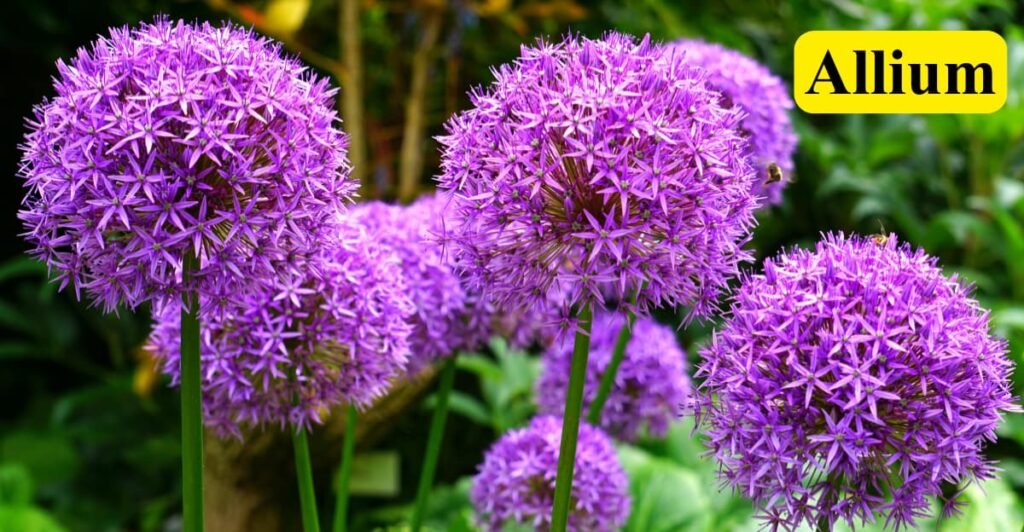
Allium (Allium giganteum) is a striking addition to collections of pink and purple flowers, known for its globe-shaped clusters and bold splash of color. It grows well in USDA Hardiness Zones 4–8 and produces its dramatic blooms from late spring to early summer. For healthy growth, plant allium in well-drained soil enriched with organic matter and provide full sun. Its tall stems add garden height and garden drama, while the eye-catching flowers attract pollinators and enhance your garden landscape.
- Bloom Time: Late spring to early summer.
- Soil: Well-drained, fertile soil enriched with organic matter.
- Sun Exposure: Full sun for vibrant growth and strong stems.
- Care Tip: Allow the foliage to die back naturally after flowering so the bulbs can store energy for the next season.
7. Bellflower (Campanula medium)
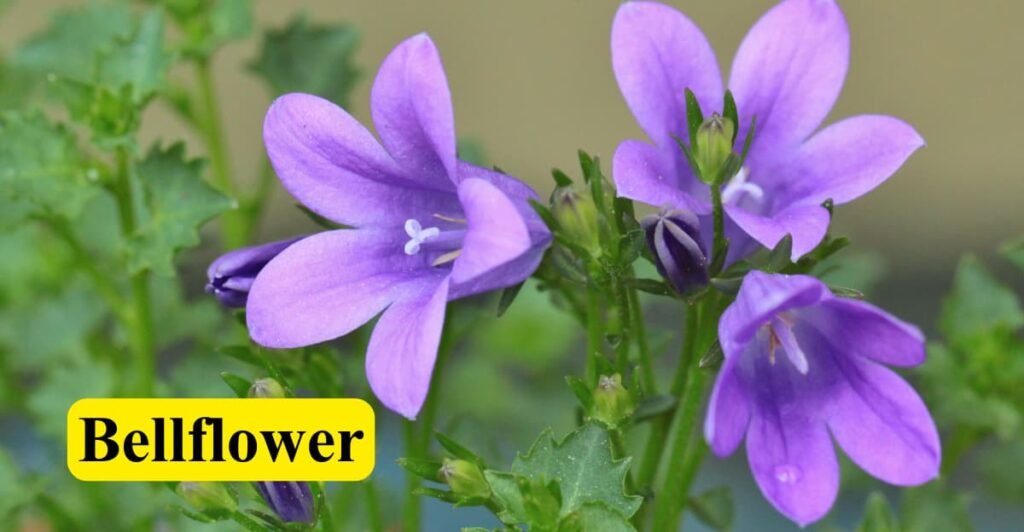
Bellflower (Campanula medium), also known as Canterbury Bells, is admired for its charming bell-shaped flowers in shades of purple, pink, and blue. These delightful blooms create a colorful showcase from late spring to early summer, bringing a cottage-like feel to garden designs. Bellflowers grow well in USDA Hardiness Zones 5–8 and prefer well-drained, fertile soil with full sun to partial shade. Their vibrant flowers can attract butterflies and bees, making them a lovely choice for gardeners who want to support pollinators and add ornamental beauty to their outdoor spaces.
- Bloom Time: Late spring to early summer, with flowering often lasting around a month.
- Soil: Well-drained, fertile soil.
- Sun Exposure: Full sun to partial shade.
- Care Tip: Allow a few flowers to produce seeds if you want bellflowers to self-seed and spread naturally.
8. Wisteria (Wisteria sinensis)

Wisteria (Wisteria sinensis) is a beautiful climbing vine known for its breathtaking cascades of purple and pink flowers. Its graceful blooms add a dreamy touch to fences, walls, and trellises, creating a whimsical look in garden landscapes. Wisteria grows best in USDA Hardiness Zones 5–9 and usually flowers in late spring to early summer. For optimal growth, choose well-drained, slightly acidic soil and a location with full sun. Although this vigorous grower can attract pollinators and enhance the garden ecosystem, regular pruning is essential to control its growth and encourage flowering.
- Bloom Time: Late spring to early summer.
- Soil: Well-drained, slightly acidic soil.
- Sun Exposure: Full sun for the best flowering.
- Care Tip: Prune regularly in summer and winter to manage vigorous growth and maintain a reliable flowering display.
9. Clematis (Clematis jackmanii)

Clematis (Clematis jackmanii) is a popular flowering vine admired for its stunning purple flowers and rich-colored blooms. It grows well in USDA Hardiness Zones 4–9 and typically reaches its peak blooming period in late spring to early summer. This adaptable plant thrives in well-drained soil and grows best with full sun to partial shade. Its lovely vines can climb fences and trellises, adding beauty to garden landscapes while attracting butterflies and bees. With proper care and regular pruning, clematis can produce plentiful blooms and vibrant displays in following seasons.
- Bloom Time: Late spring to early summer.
- Soil: Well-drained soil with consistent moisture.
- Sun Exposure: Full sun to partial shade; keep the roots cool.
- Care Tip: Follow the pruning requirements of your clematis variety, as pruning needs differ among types.
10. Purple Orchid (Phalaenopsis spp.)

The Purple Orchid (Phalaenopsis spp.) brings floral elegance to indoor spaces with its stunning purple and pink blooms. These elegant orchids generally flower in late winter and spring, creating a vibrant display that can brighten a dull corner and enhance home decoration. They are tropical plants best suited to warm indoor environments and are commonly associated with USDA Hardiness Zones 10–12 when grown outdoors. For healthy orchid care, use a well-draining potting mix, provide bright indirect light, and maintain suitable humidity through misting or a pebble tray. Proper watering and good airflow also support healthy roots and help with root rot prevention.
- Bloom Time: Late winter to spring, depending on growing conditions.
- Soil: Use a well-draining orchid potting mix rather than ordinary garden soil.
- Sun Exposure: Bright indirect light; avoid harsh direct sunlight.
- Care Tip: Water when the potting mix is nearly dry and never let the roots sit in standing water.
5 Flowers with Shades of Both Pink and Purple
Discover five beautiful flowers that blend pink and purple shades, adding vibrant color and charm to any garden.
1. Fuchsia (Fuchsia magellanica)
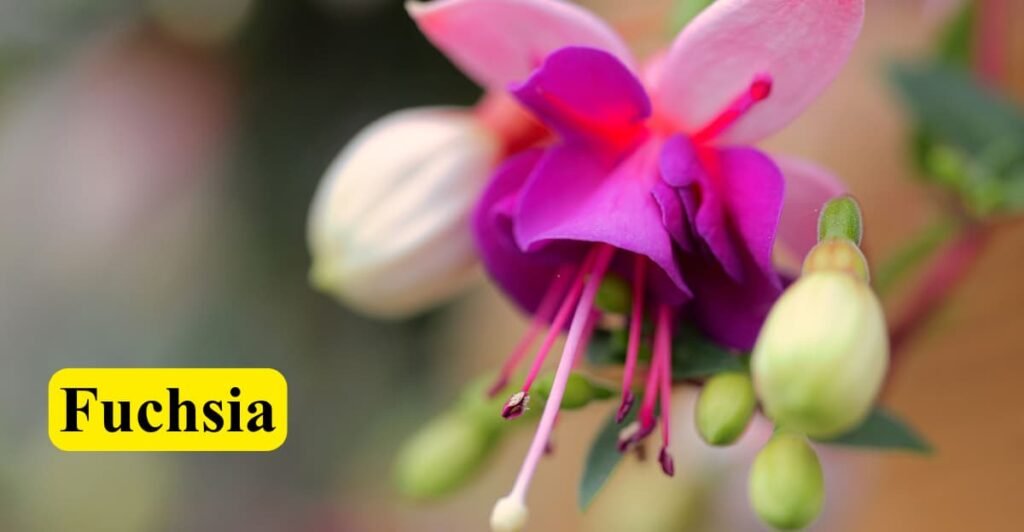
Fuchsia (Fuchsia magellanica) is admired for its delicate, teardrop-shaped blooms that dangle gracefully from its branches. These pink, purple, and blue flowers add vibrant colors and a unique charm to garden landscapes. Fuchsias grow best in USDA Hardiness Zones 10–11 and bloom from late spring to early fall, offering a long flowering season. Plant them in well-drained, rich soil with a slightly acidic pH and provide partial shade to protect their bright flowers from harsh direct sunlight. Their dangling blooms also attract hummingbirds, butterflies, and other pollinators.
- Bloom Time: Late spring to early fall.
- Soil: Well-drained, rich soil with a slightly acidic pH.
- Sun Exposure: Partial shade; protect from intense direct sunlight.
- Care Tip: Provide wind protection to prevent delicate blooms and branches from becoming damaged.
2. Hydrangea (Hydrangea macrophylla)
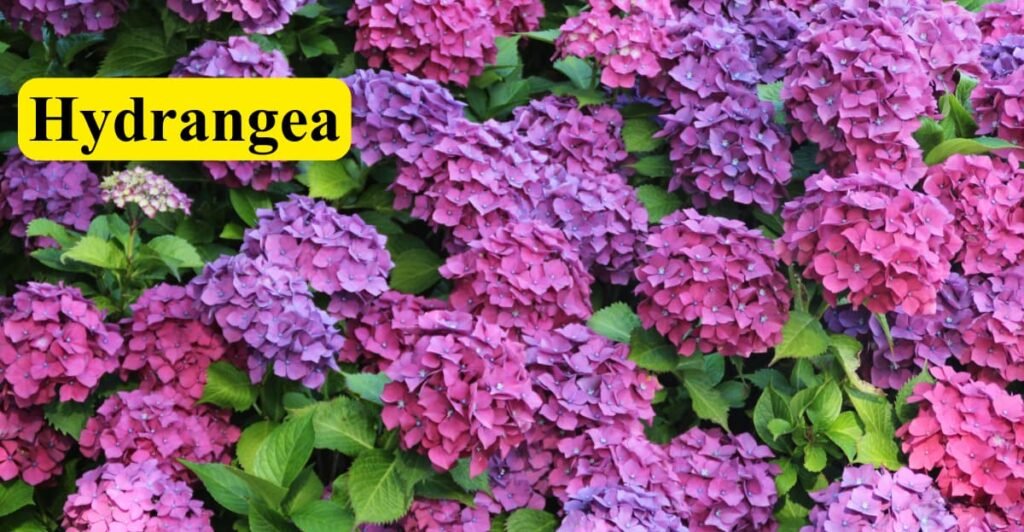
Hydrangea (Hydrangea macrophylla) is a stunning flowering shrub known for its beautiful pink, purple, and blue flowers. Its bloom color can change depending on soil pH: acidic soils often encourage blue blooms, while alkaline soils generally produce lovely pink hues. Hydrangeas grow well in USDA Hardiness Zones 6–9 and usually flower from late spring to early fall. For healthy flower development, plant them in well-drained soil enriched with organic matter and provide partial to full sun, depending on the climate and variety.
- Bloom Time: Late spring to early fall.
- Soil: Rich, well-drained soil with suitable organic matter.
- Sun Exposure: Partial sun to full sun; afternoon shade is helpful in hot climates.
- Care Tip: Adjust soil pH carefully if you want to influence flower color, and keep the soil consistently moist without waterlogging it.
3. Petunia (Petunia hybrida)

Petunia (Petunia hybrida) is a favorite among passionate gardeners because of its vibrant pink, purple, and blue flowers. Its beautiful blooms appear in various shades, from deep purples to soft pinks, creating a cheerful display in garden landscapes. Petunias grow well in USDA Hardiness Zones 9–11 and typically flower from spring until the first frost, providing months of color. For healthy growth and abundant blooms, plant them in well-drained, nutrient-rich soil and provide full sun with at least six hours of sunlight daily. Their colorful flowers can also attract butterflies and hummingbirds.
- Bloom Time: Spring until the first frost.
- Soil: Well-drained, nutrient-rich soil.
- Sun Exposure: Full sun, ideally six hours daily.
- Care Tip: Remove faded flowers and trim leggy stems to encourage fresh growth and a fuller display.
4. Morning Glory (Ipomoea purpurea)

Morning Glory (Ipomoea purpurea) is one of the most attractive pink and purple flowers, admired for its stunning blooms and joyful display. These delicate beauties produce vibrant flowers in shades of pink and purple, adding color to fences, trellises, and other garden features. Morning glories grow across USDA Hardiness Zones 2–11 as annuals, although their growing season varies by climate. They usually flower from spring through frost and thrive in well-drained sandy or loamy soil with plenty of full sun. As aggressive climbers, they can spread quickly and bring lively growth to outdoor spaces.
- Bloom Time: Spring through frost, depending on the climate.
- Soil: Well-drained sandy or loamy soil.
- Sun Exposure: Full sun for healthy flower production.
- Care Tip: Provide a sturdy trellis and control vigorous growth to prevent the vines from overtaking nearby plants.
5. Sweet Pea (Lathyrus odoratus)
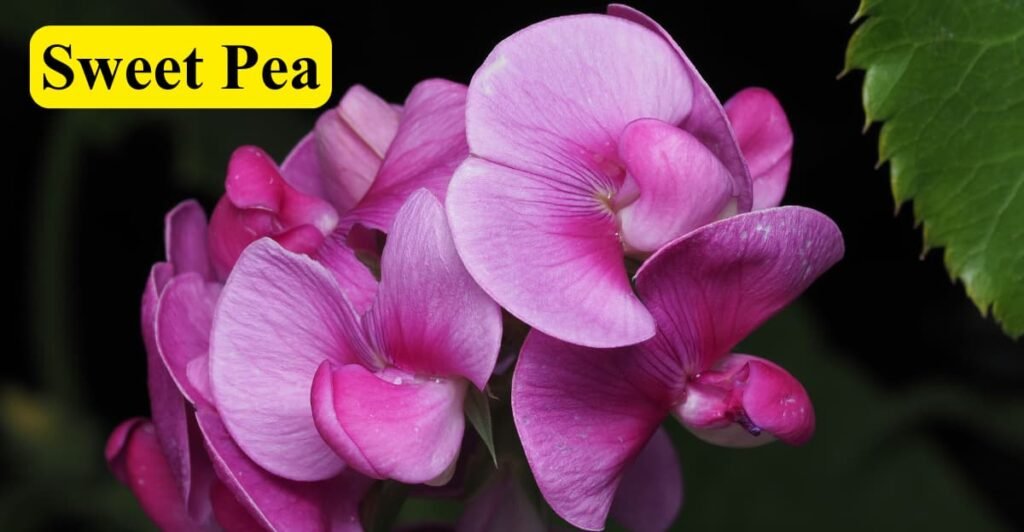
Sweet Pea (Lathyrus odoratus) is a charming climbing annual known for its pink, purple, and white flowers and delightful floral fragrance. Its vibrant blooms create a breathtaking array of color combinations while adding a sweet scent to any outdoor space. Sweet peas grow in USDA Hardiness Zones 2–11 as annuals and generally flower during spring and early summer. They prefer well-drained loamy soil enriched with organic matter and grow best in full sun to partial shade. Their fragrant flowers also attract pollinators, making them a lovely choice for garden lovers.
- Bloom Time: Spring to early summer.
- Soil: Rich, well-drained loamy soil with organic matter.
- Sun Exposure: Full sun to partial shade.
- Care Tip: Provide climbing support and practice regular deadheading to encourage prolonged blooms and continued flower production.
Conclusion
Pink and purple flowers bring beauty, elegance, and vibrant color to any garden. From fragrant lavender and charming sweet peas to stunning roses and hydrangeas, these 25 varieties offer something for every gardening style. Choose flowers that suit your climate, soil, and sunlight conditions to create a colorful garden that attracts pollinators and blooms beautifully throughout the seasons.
Frequently Asked Questions
1. What are the most popular pink and purple flowers?
Roses, lavender, peonies, hydrangeas, petunias, lilacs, and sweet peas are popular choices because of their beautiful colors, attractive blooms, and garden appeal.
2. What do pink and purple flowers symbolize?
Pink flowers commonly symbolize love, affection, admiration, and tenderness, while purple flowers represent creativity, mystery, spirituality, and elegance.
3. Which pink and purple flowers attract pollinators?
Lavender, salvia, zinnias, allium, fuchsia, verbena, and sweet peas can attract pollinators such as bees, butterflies, and hummingbirds.
4. How can I grow pink and purple flowers successfully?
Choose varieties suited to your climate and provide the right growing conditions. Most prefer well-drained soil, while sunlight needs vary from full sun to partial shade. Regular watering, pruning, and deadheading can help maintain healthy plants and encourage beautiful blooms.
Please Write Your Comments