Winter Flowers: A Complete Guide to Brighten Your Garden in the Cold Season
Updated: October 13, 2026
6
Winter doesn’t have to mean a dull, lifeless garden! Winter flowers bring vibrant colors, beautiful blooms, and natural charm to outdoor spaces, even during the coldest months. From frost-resistant pansies to elegant hellebores, discover the best flowers to brighten your garden and keep it looking inviting all season. Explore our complete guide for expert growing tips, flower varieties, and easy care advice to create a thriving winter garden.
Table of Contents
What Are Winter Flowers?
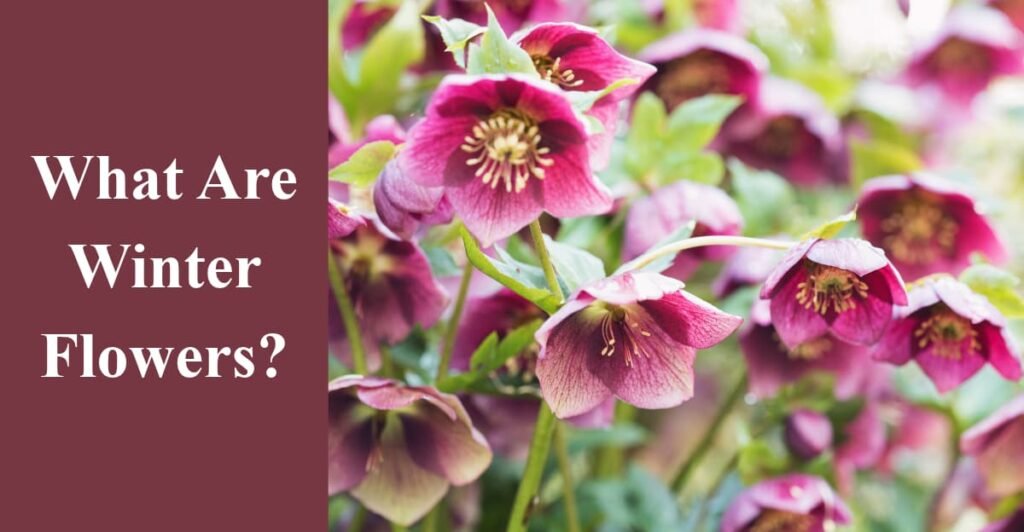
In professional botany, winter flowers are winter-blooming plants that continue active growth and anthesis during plant dormancy in much of the plant kingdom. Unlike summer varieties that depend on high heat and long photoperiods, these resilient species use specialized cellular structures, plant sap, and high concentrations of sugars and salts as a natural antifreeze, helping prevent cell wall rupture on frosty nights.
A plant’s hardiness rating is a technical metric showing the minimum temperatures it can tolerate in a specific region. These winter performers, including bulbs and woody shrubs with colorful bark, bring vibrant color, sweet scents, and seasonal blooms to a drab landscape, demonstrating botanical resilience, cold tolerance, frost resistance, cellular adaptation, and temperature resistance through winter flowering.
In my gardening experience, choosing winter plant varieties suited to your regional climate and plant hardiness helps improve plant survival and creates a beautiful winter landscape.
Why Grow Winter Flowers in Your Garden?
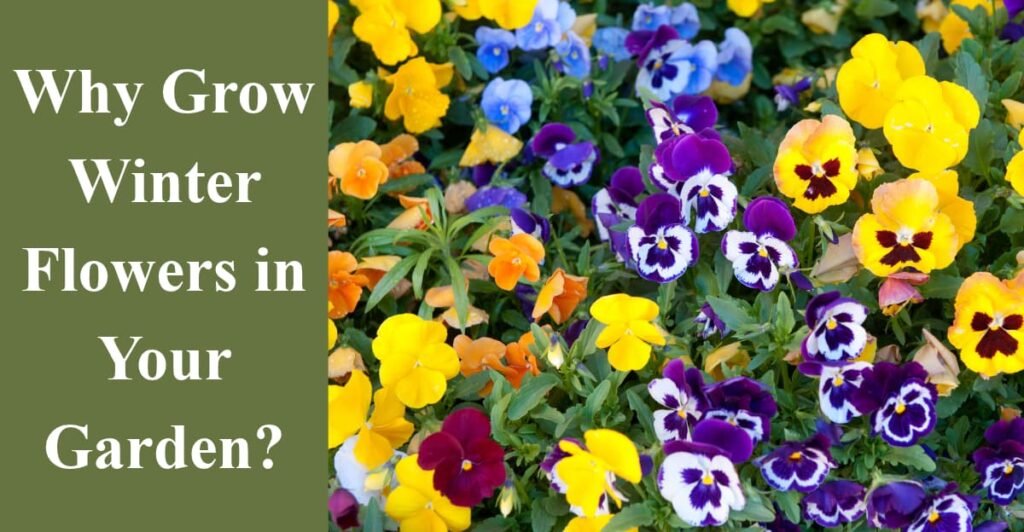
Adding cold-season flora to your home exterior through thoughtful landscape design prevents a visual vacuum in the garden from December through March and creates year-round visual interest. Winter-blooming shrubs provide a structural purpose, while evergreen foliage maintains the garden shape even when perennials stop flowering.
From a psychological perspective, blooming plants brighten the darkest months, ease the winter blues, and offer a splash of color that can provide a mental health boost. They also improve curb appeal and property value, helping homes stand out in the neighborhood and the competitive real estate market. With smart seasonal planting and winter landscaping, residential gardens can remain inviting, bright and beautiful, and full of year-round beauty, even in a February garden.
In my gardening experience, planting winter flowers near entrances and walkways makes outdoor spaces feel more welcoming while keeping the garden attractive throughout the colder months.
Top Benefits of Winter-Blooming Plants
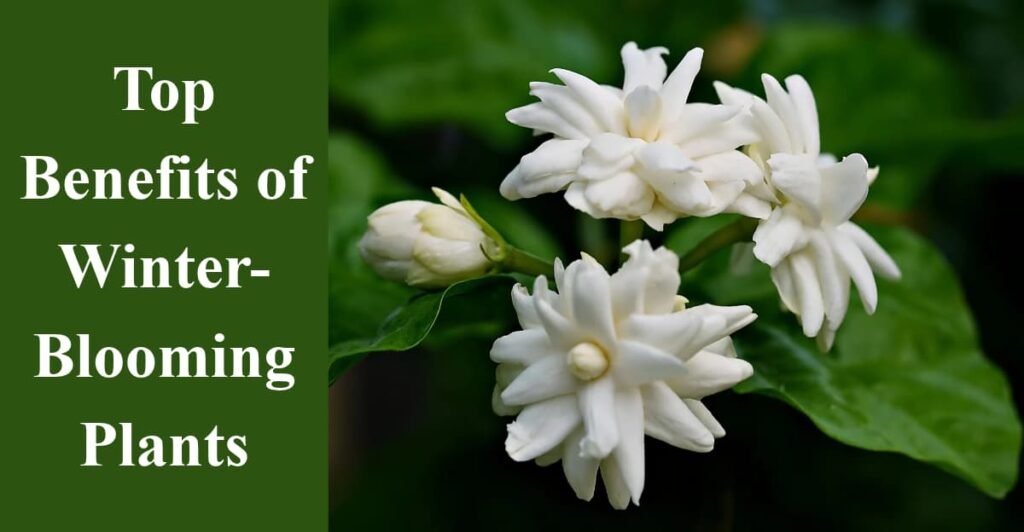
Winter-blooming plants offer more than beauty; they support wildlife, protect soil, and make a winter-active garden easier to maintain during the colder months.
- Aesthetic Benefits: Winter flowers add beauty to the garden and create a biological bridge for local wildlife when many other plants are dormant.
- Pollinator Support: Some insects and pollinators, including the buff-tailed bumblebee, may emerge during unseasonably warm spells. Nectar sources from winter flora support insect survival, providing food for bees and hoverflies during the off-season.
- Soil Protection: Using ground cover helps prevent soil erosion caused by heavy winter rains and snowmelt. This natural approach supports soil conservation and keeps the ground protected.
- Low Maintenance: Winter gardens often require less work than during the summer months, with fewer pest infestations and less weed growth in many conditions. Regular garden maintenance still helps keep plants healthy.
- Fragrance: Some winter species, such as Witch Hazel, produce fragrant flowers that help with insect attraction during cold weather.
- Wildlife and Biodiversity: Flowering plants provide wildlife support, while natural ground cover and varied blooms contribute to winter biodiversity and improve the garden’s overall aesthetic benefits.
In my gardening experience, combining winter-flowering shrubs with ground-cover plants creates a more attractive garden while offering shelter and food for wildlife when resources are limited.
Best Winter Flowers to Grow at Home
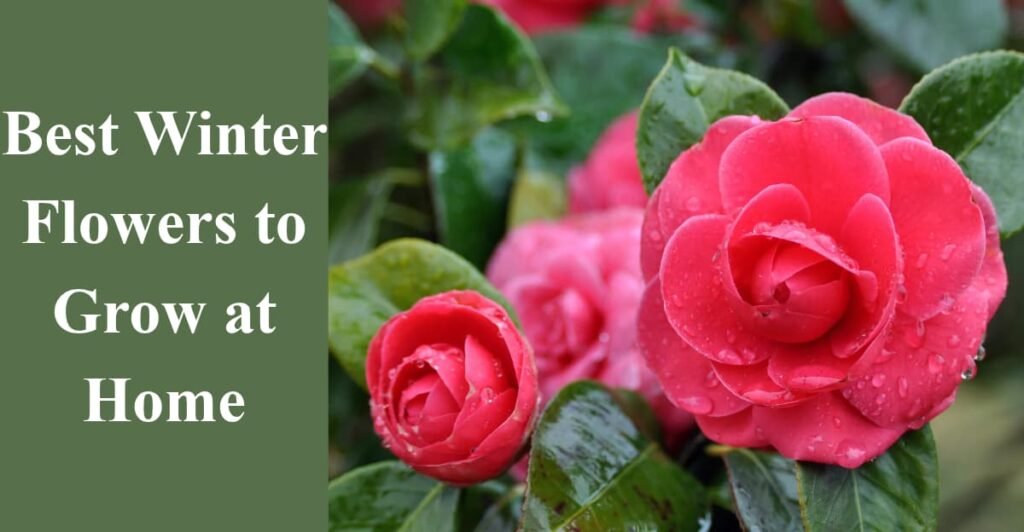
Choosing winter flowers for your outdoor garden means balancing hardiness with personal taste and adding varied textures. Hellebores, also called the Lenten Rose, thrive in shaded areas, producing leathery leaves, cup-shaped blooms, and long-lasting flowers. Winter Jasmine brings verticality with trailing green stems and yellow blossoms, making it perfect for a stone wall. For a formal garden, Camellias offer glossy leaves, dark-green foliage, and rose-like flowers, creating a stunning contrast against white snow.
These flowering shrubs and ornamental flowers need suitable plant selection, proper soil acidity, and the right sun exposure. Camellias prefer acidic soil and a sheltered spot away from strong early morning sun, which can cause frozen buds to thaw quickly and lead to bud drop. Choosing these high-performance plants enhances garden design, supports cold-season landscaping, and creates a thriving sanctuary in your winter garden.
In my gardening experience, combining hellebores with winter jasmine adds beautiful color and structure while matching plants to their preferred growing conditions ensures healthier blooms.
Popular Annual Winter Flowers You’ll Love
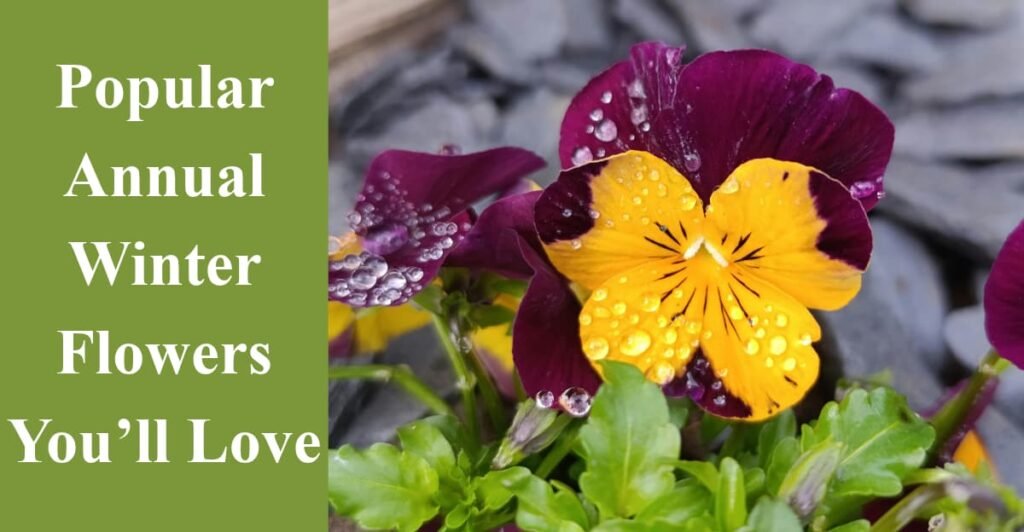
Annuals are a quick fix for gardening, offering colorful seasonal blooms with minimal long-term commitment. In 2026, these popular annual flowers can brighten your garden with attractive colors and textures throughout winter.
- Pansy: These cold-hardy flowers tolerate freezing temperatures and thrive with suitable sunlight. Their striking bi-colors and distinctive flower faces encourage creativity in containers, window boxes, and garden beds.
- Violas: Similar to pansies, these smaller flowers often include hardier varieties that produce abundant blooms, making them ideal for colorful winter displays.
- Snapdragons: In mild climates, these flowers may offer good winter survival and add spiked height to attractive floral displays.
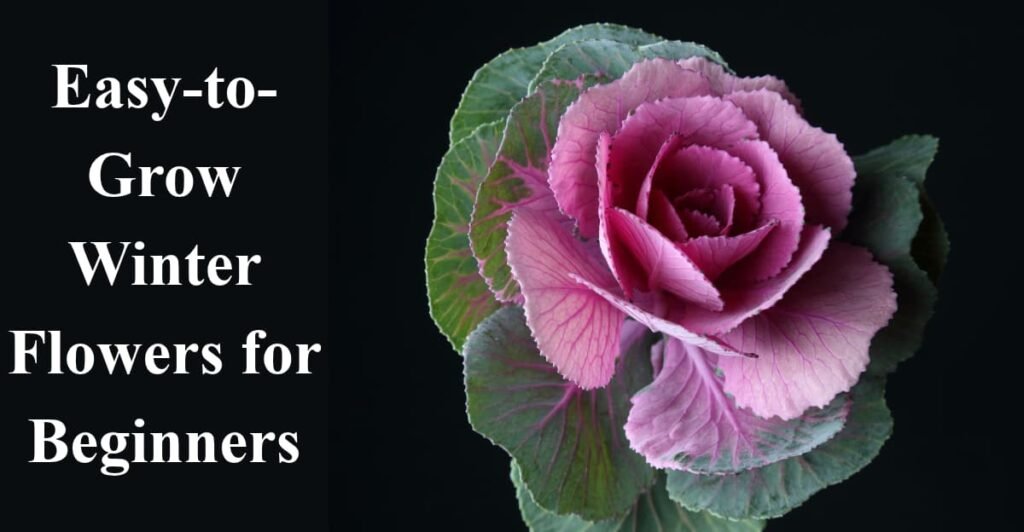
- Ornamental Kale: Its purple foliage and pink foliage provide a beautiful floral substitute, adding texture and color even when flowers are scarce.
- Sweet Alyssum: This low-growing annual creates a white flower carpet and releases a delicate honey scent, making it a charming addition to winter borders.
For successful winter planting and seasonal gardening, combine these flowers in colorful containers and choose varieties suited to your local climate. Their ornamental foliage, varied blooms, and cold tolerance help keep outdoor spaces lively during winter.
In my gardening experience, combining pansies with violas and Sweet Alyssum creates a fuller display with contrasting colors, delicate flowers, and a pleasant fragrance.
Perennial Winter Flowers That Bloom Every Year
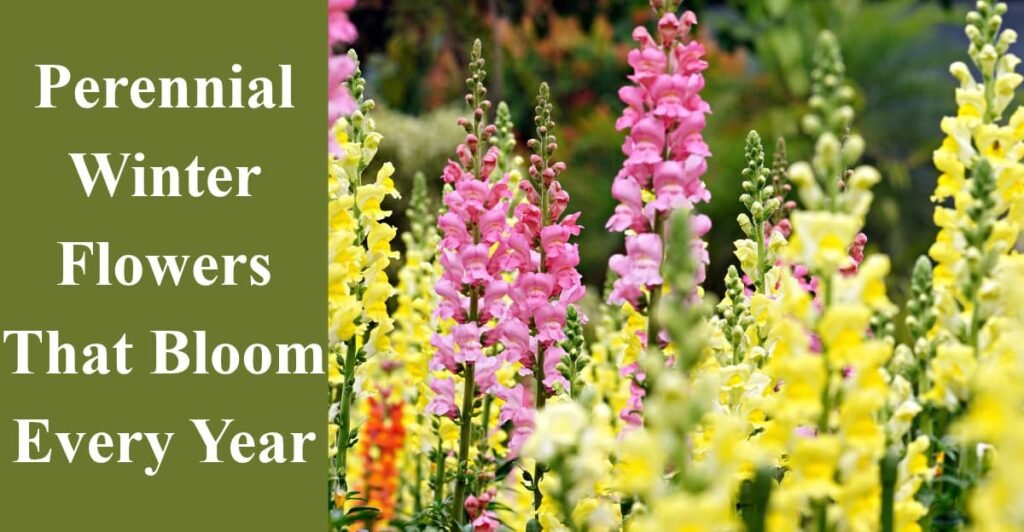
Perennials are a long-term investment for gardeners because they return with recurring blooms after seasonal summer dormancy. The Snowdrop (Galanthus) is an iconic winter flower, with delicate white bells that often appear among the first signs of life in January. These bulbous plants are easy-to-grow flowers that spread through naturalization, creating beautiful naturalized flower drifts beneath trees. Winter Aconite adds cheerful buttercup-yellow flowers surrounded by a green ruff, bringing color to cold-season perennials and the winter garden.
These perennial flowers support soil health, while spreading plants help with weed suppression. During bulb planting, add organic mulch for root system protection and to reduce damage from the heave-thaw cycle. Suitable potting soil, soil stability, and protection from extreme temperature swings improve plant survival and simplify garden maintenance.
In my gardening experience, planting snowdrops in groups creates a more natural display and allows their delicate blooms to stand out.
Easy-to-Grow Winter Flowers for Beginners
Beginner gardening becomes easier when you start with bulbs, which are like pre-packaged flowers containing stored energy for growth. Crocuses are excellent for entry-level gardening because they require low maintenance and thrive with fall planting, producing resilient blossoms in late winter or early spring. Plant them in garden beds or outdoor containers to enjoy colorful seasonal blooms without complicated care.
Another option is English Primrose, often available in grocery stores during winter. For successful outdoor planting, use a suitable potting mix and maintain damp soil in partial shade. These hardy plants work well in difficult garden corners and help build gardening confidence before tackling larger landscaping projects. With proper soil moisture, garden preparation, and suitable plant establishment, these shade-tolerant plants are ideal beginner-friendly flowers for winter gardening and simple easy-care flowers.
In my experience, starting with crocuses and primroses makes winter gardening less intimidating and helps beginners develop consistent plant-care habits.
How to Choose the Right Winter Flowers for Your Climate
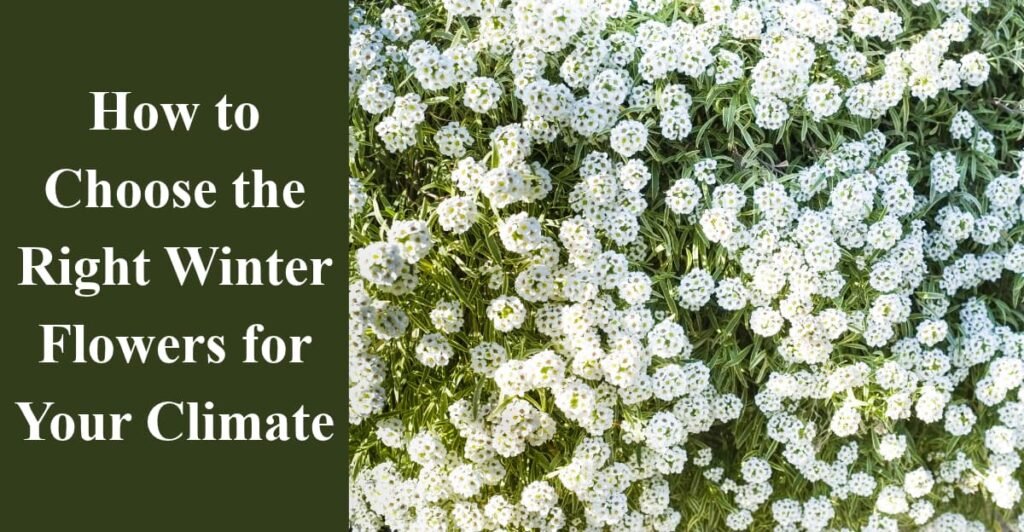
Successful garden preparation starts with understanding your USDA Hardiness Zone and local plant hardiness. Flowers suited to a mild coastal winter may struggle in a continental deep freeze, so consider climate suitability, regional climate, and local temperature variation before making your winter plant selection. Microclimates, including warmer areas near a south-facing wall and colder areas exposed to wind, create temperature differences that affect delicate plants and their seasonal color.
Check light levels, as the low sun angle reduces winter sunlight during the winter months. Place sun-loving plants where they receive enough light instead of leaving them in the permanent shade or house shadow. Good drainage is equally important because wet feet and waterlogged roots can cause plant death. Use raised beds in heavy clay soil to improve proper drainage, maintain healthy soil conditions, and support suitable growing conditions through careful site assessment, winter gardening, and garden planning.
In my gardening experience, observing sunlight and drainage after rainfall helps identify the best planting spots before buying winter flowers.
When to Plant Winter Flowers for Best Results
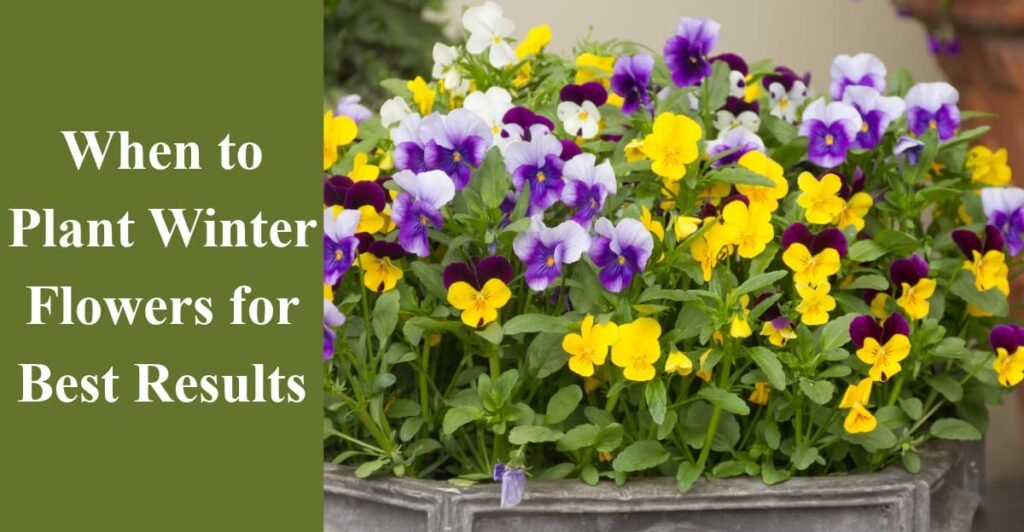
Correct planting timing gives winter-blooming bulbs enough time for root establishment before the first hard frost. Autumn planting allows roots to develop in cool soil before the frozen ground arrives. For potted annuals such as Pansies, planting after the summer heat eases gives them time to settle during mild weather before frosty temperatures begin.
For shrubs and larger perennials, late fall is often suitable because the dormant period encourages root development rather than leaf growth. This settling-in period prepares plants to produce blossoms, including January blooms and February blooms. Good soil preparation, deep watering, and removing air pockets around roots improve perennial establishment, bulb planting, and overall plant growth, supporting successful winter flower planting, seasonal gardening, and cold-season blooms.
In my experience, planting at the right time and watering thoroughly after planting helps flowers establish stronger roots before winter intensifies.
Essential Care Tips for Healthy Winter Blooms
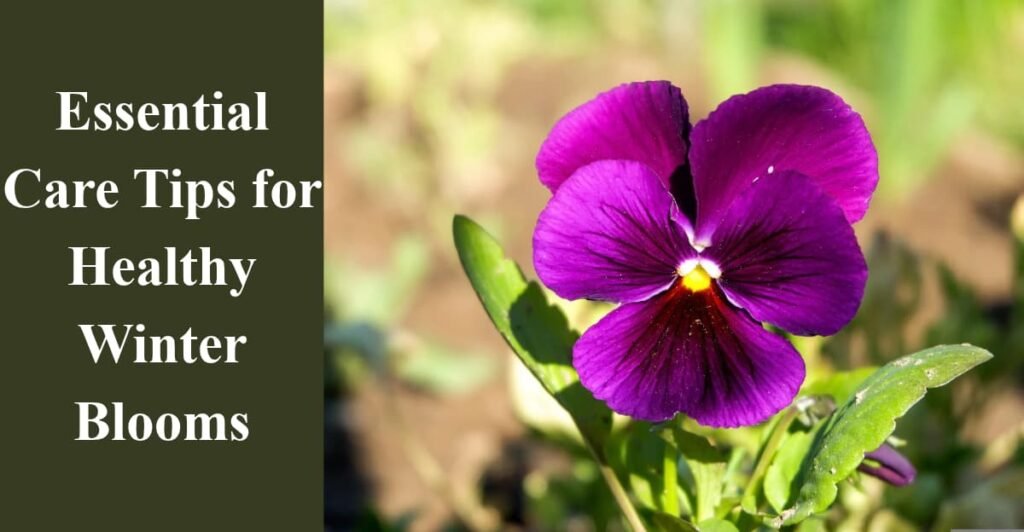
Maintaining a healthy garden through cold-weather gardening requires consistent essential care, especially mulching. A 2-to-3-inch layer of bark mulch or leaf mold helps stabilize soil temperature, prevent temperature shocks, and provide root protection. Watch for windburn, as cold winds and dry winds can cause moisture loss from evergreen leaves, particularly when roots cannot absorb enough water.
Install burlap screens or use natural windbreaks, such as fences and larger hedges, to protect exposed plants. Avoid unnecessary winter pruning because flower buds may develop on the previous year’s growth. Excessive cutting can damage your floral wonderland, so remove only dead wood and diseased wood. Proper winter plant care, frost protection, and soil insulation help preserve plant energy, encourage flower production, maintain root health, and support colorful seasonal blooms with less demanding garden maintenance.
In my gardening experience, adding mulch before severe cold arrives and protecting exposed plants from wind helps maintain healthier winter growth.
Watering and Sunlight Needs in Winter Season
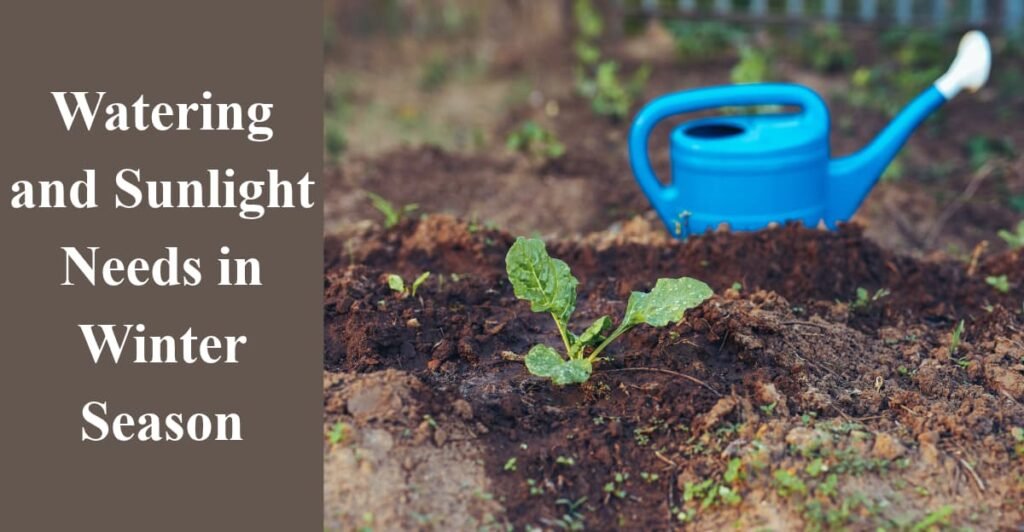
Winter watering remains essential for plant hydration, especially for evergreen plants, even though they need less water than during summer watering. When the frozen ground is not an issue and there has been little rainfall or snowfall, a deep soaking helps maintain soil moisture. Container gardening needs extra attention because pots can experience rapid drying, making regular checks important for container plants and overall garden hydration.
Understanding sunlight requirements also improves winter growth because many opportunistic plants use whatever low light is available. Position flowering plants to receive the maximum winter sun, and place indoor winter flowers near a south-facing window with suitable light. For outdoor plants, remove harmful salt spray from foliage in roadside gardens to maintain leaf cleanliness and support photosynthesis. Balanced winter sunlight, plant nutrition, and water absorption improve seasonal care, light exposure, and winter plant maintenance.
In my experience, checking soil moisture before watering prevents overwatering and helps winter flowers remain healthy during dry spells.
Common Problems and How to Protect Winter Flowers
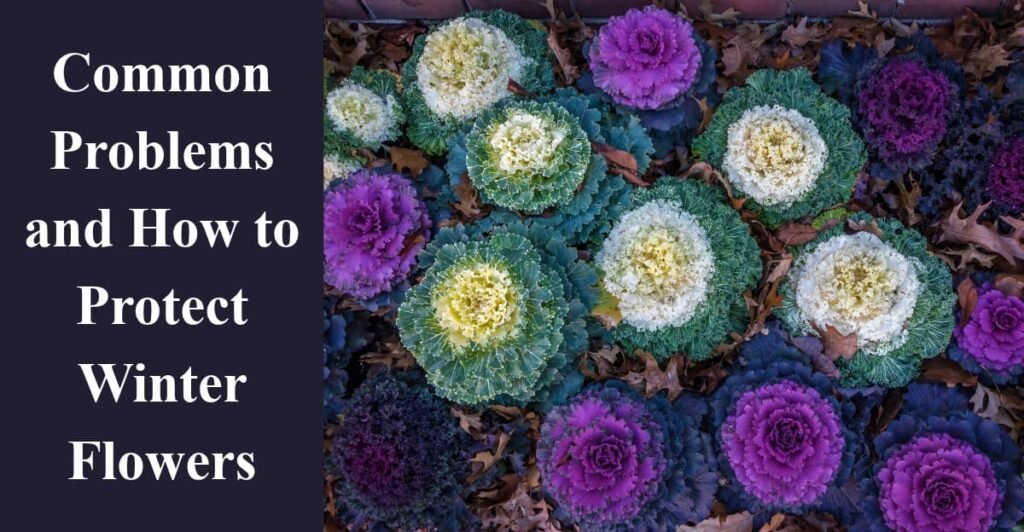
The freeze-thaw cycle, involving frozen ground and repeated thawing, can damage delicate roots and disturb plants. Applying mulch helps protect roots, while wildlife can become a problem during food scarcity, when deer and rabbits may feed on pansies. Using natural repellents and physical barriers helps protect your outdoor garden from wildlife damage and reduces the risk of root damage caused by harsh weather.
Another concern is Botrytis, or grey mold, which thrives in damp air and stagnant air. Maintain good air circulation through proper plant spacing and avoid crowded plants. If you notice fuzzy grey patches on leaves or flowers, remove the affected plant parts promptly to support disease prevention and stop fungal spores from spreading across seasonal blooms. Good winter garden protection, pest control, moisture management, and regular monitoring help prevent fungal infections, protect plant health, and reduce frost damage and other winter plant diseases.
In my gardening experience, inspecting leaves weekly and clearing damaged growth early helps catch winter problems before they spread throughout the garden.
Indoor Winter Flowers to Brighten Your Space
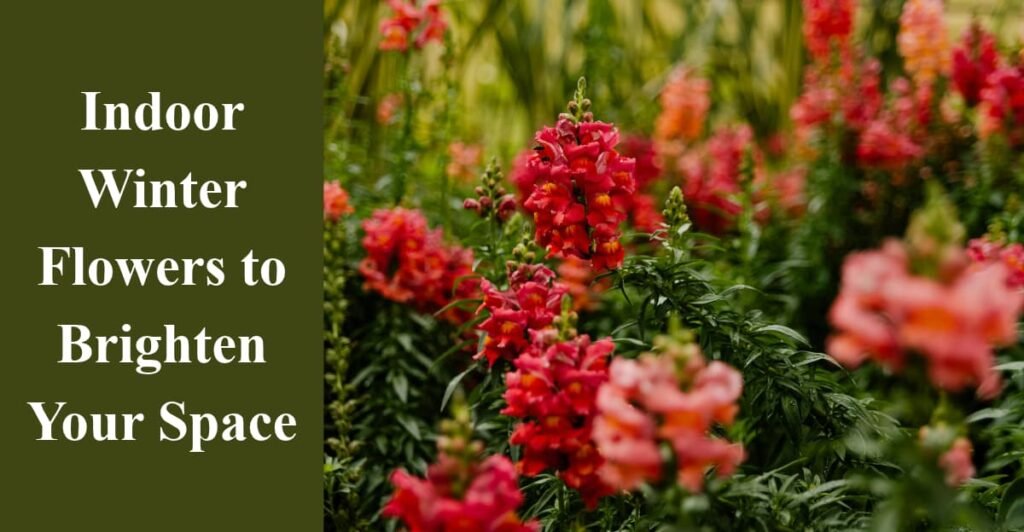
You can bring warmth and seasonal color indoors during winter by choosing attractive, easy-care flowers that thrive in suitable indoor conditions.
- Amaryllis and Paperwhite Narcissus are popular flowering bulbs that use forced blooming to produce beautiful indoor blooms. Their vibrant color creates a stunning contrast with your indoor decor and home interiors.
- Christmas Cactus features hanging branches and tubular flowers and prefers a humid environment with appropriate humidity requirements.
- Cyclamen offers marbled leaves and delicate butterfly flowers, growing best in cool indoor temperatures.
- Orchids, especially Cymbidium, are known for winter flowering and elegant, long-lasting flowers with waxy flowers.
- Kalanchoe is one of the popular succulent plants, producing flower clusters of tiny bright flowers and making a good choice for beginner gardening.
Through thoughtful indoor gardening, regular indoor plant care, and suitable houseplants, you can create beautiful winter decorations without demanding maintenance. These indoor winter flowers can brighten your home during harsh weather. Provide bright indirect light, occasional watering, and suitable conditions for healthy growth with relatively low maintenance.
In my experience, grouping Amaryllis, Cyclamen, and Kalanchoe in areas with suitable light creates a balanced indoor display with different flower shapes and colors.
Comparison of Popular Winter Bloomers
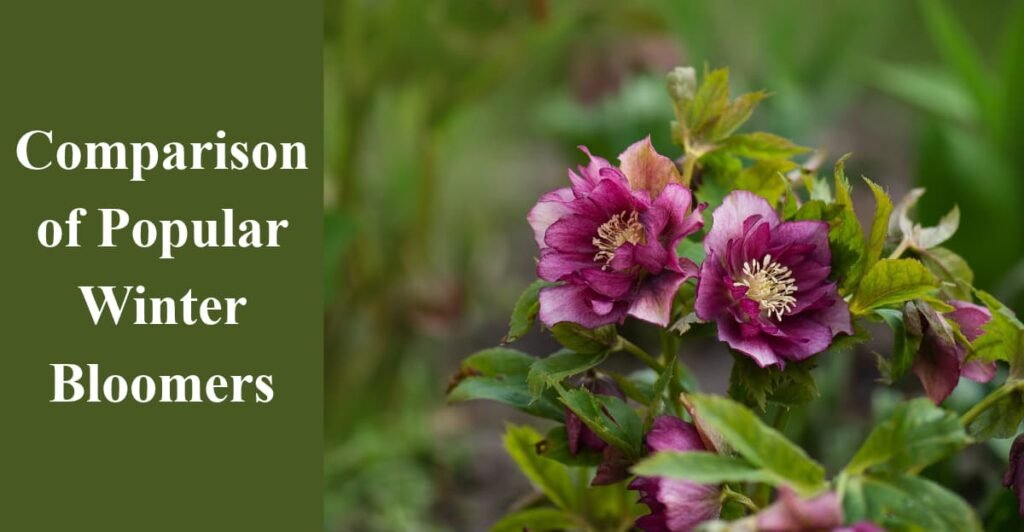
Choosing suitable winter bloomers becomes easier when you compare their plant types, flowering duration, maintenance requirements, and growing needs.
- Hellebore: A perennial known for its long bloom time and moderate care needs, making it suitable for a lasting winter display.
- Pansy: An annual that provides instant color and easy care, ideal for gardeners who want quick seasonal results.
- Snowdrop: A bulb that often provides the first sign of winter, bringing delicate blooms to the garden.
- Winter Jasmine: A shrub with structural yellow blooms that add height and shape to winter landscaping.
A varied garden plan creates more visual interest by combining annuals with perennial winter flowers. Annuals offer instant gratification, while perennials provide long-term reliability. Consider your skill level, home exterior, preferred seasonal color, and overall landscape design when making a flower comparison. Thoughtful garden planning, winter gardening, and suitable plant selection help you choose attractive ornamental flowers for your space.
In my gardening experience, combining snowdrops, pansies, and winter jasmine creates a pleasing mix of early blooms, bright colors, and garden structure with manageable care.
Conclusion
Winter flowers can transform a cold, dull garden into a colorful and inviting space with the right plant selection and care. From hardy pansies and hellebores to elegant camellias and indoor blooms, there are options for every garden and skill level. Choose flowers suited to your climate, provide proper watering and drainage, and enjoy a thriving winter garden throughout the cold season.
Frequently Asked Questions
1. What are the best flowers to grow in winter?
Pansies, violas, hellebores, snowdrops, winter jasmine, camellias, and winter aconites are excellent choices for adding color and beauty to winter gardens.
2. When should I plant winter flowers?
Plant most winter-blooming bulbs in autumn before the first hard frost. Pansies and other annuals can be planted when summer temperatures begin to cool.
3. How do I protect winter flowers from frost?
Use organic mulch to protect roots, choose cold-hardy varieties, and cover sensitive plants with suitable protective materials during severe frosts. Ensure proper drainage to prevent root damage.
4. Can winter flowers grow indoors?
Yes, flowers such as amaryllis, paperwhite narcissus, cyclamen, Christmas cactus, and kalanchoe can brighten indoor spaces. Provide suitable light, appropriate watering, and the right temperature for healthy growth.
Please Write Your Comments