Easter Flowers: Meaning, Best Blooms & Beautiful Spring Arrangements
Updated: October 3, 2026
7
Bring fresh Easter Flowers into your home and welcome spring with beauty, color, and renewal. From the classic white lily to cheerful tulips and daffodils, discover blooms full of meaning and seasonal charm. Explore beautiful floral arrangements, centerpiece ideas, and simple ways to brighten your home decor. Keep reading for the best Easter blooms, their symbolism, and inspiring spring arrangements you can create.
Table of Contents
What Are Easter Flowers
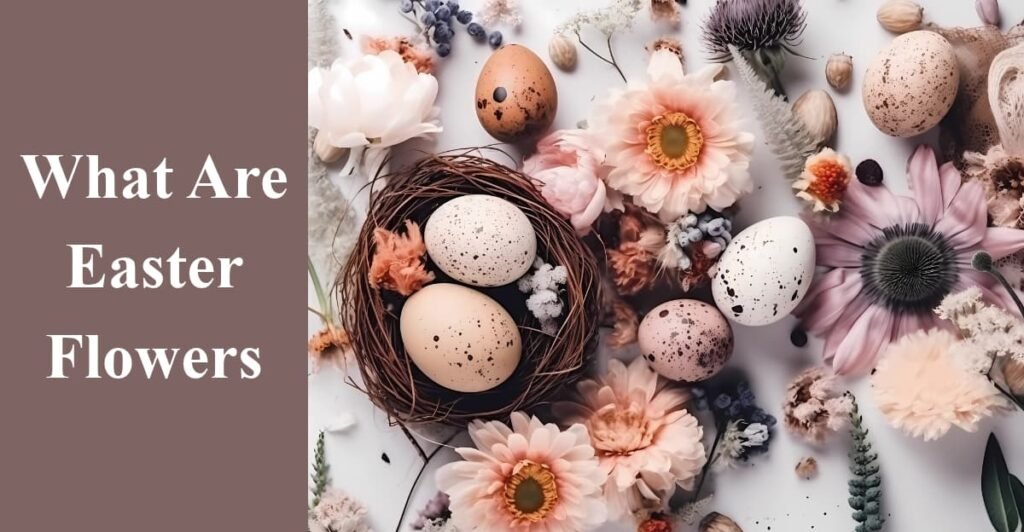
Easter flowers are seasonal blossoms associated with the vernal season, including bulb plants and perennials that emerge as the soil warms. These botanical blooms thrive in mild spring temperatures after winter dormancy, bringing fresh flora to gardens and homes.
Their seasonal petals represent the beauty of March and April, when many flowers reach peak bloom. In horticulture, these plants are valued as seasonal symbols of spring and renewal.
In my experience, choosing early-blooming bulb plants and perennials creates a natural Easter display while celebrating the arrival of spring.
Why Flowers Are Important for Easter
Plants have both a functional and emotional role in spring festivities, connecting the natural world with indoor celebrations. A floral arrangement adds a warm, inviting atmosphere to a family gathering, while fresh blooms help decorate spaces and strengthen the visual identity of the holiday through natural ornamentation.
I often use seasonal flowers in Easter displays because they instantly make a room feel warmer and more welcoming, especially during family gatherings.
Meaning Behind Easter Flowers
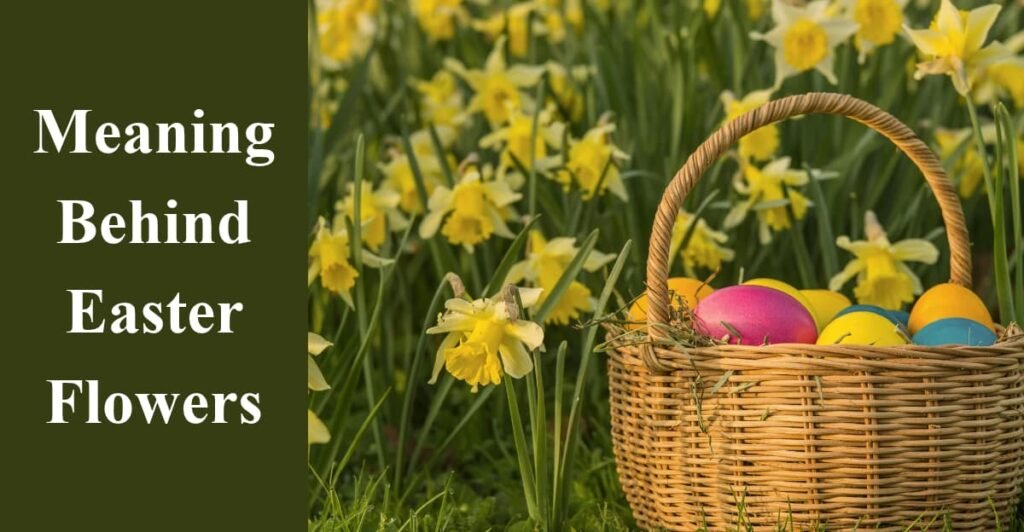
The symbolism of spring growth is reflected in every petal and stem, representing renewal, hope, and joy. Through the language of flowers, these natural details express emotions, while a thoughtful gift, bouquet, or ornament can carry a deeper spirit and meaningful gesture of sincerity for the recipient.
In my experience, choosing flowers according to their symbolism makes an Easter bouquet feel more personal and memorable.
Most Popular Easter Flowers
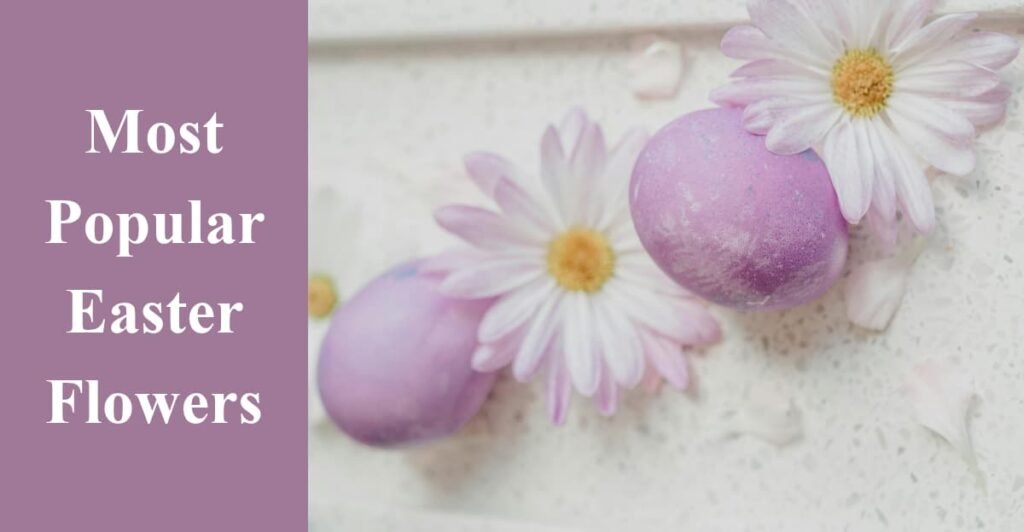
Popular Easter blooms include the Easter Lily, Tulips, Daffodils, and Hyacinths, each offering a distinct springtime appeal. The white trumpet-shaped flower of the Easter Lily feels classic, while Tulips bring sleek lines and colorful choices; Daffodils add bright yellow cheer for the new season, and Hyacinths provide an intense, fragrant scent, clustered petals, lasting fragrance, and impressive longevity, supported by their historical connection with spring.
I regularly combine these varieties because their different shapes, colors, and fragrances create a balanced Easter centerpiece with plenty of seasonal character.
Easter Lily Meaning and Symbolism
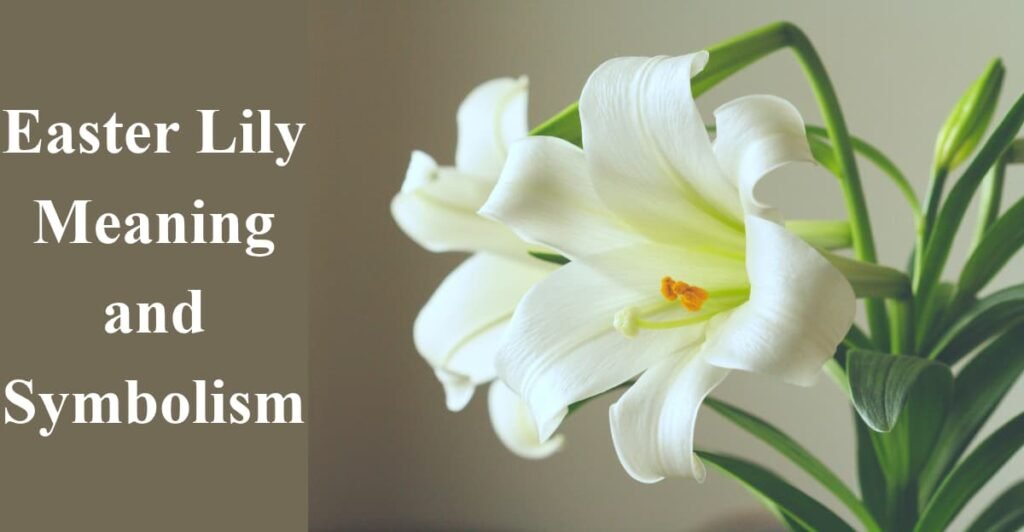
The Lilium longiflorum, commonly called the white lily, is one of the most recognized Easter Flowers, with its pure white blooms symbolizing purity and virtue. Often described as a white-robed apostle of hope, this botanical representation of rebirth brings a clean, elegant feel to home decor and complements many interior design styles.
From my experience, Easter lilies work especially well as focal flowers because their tall form and white color create a calm, polished display.
Tulips for Easter Celebrations
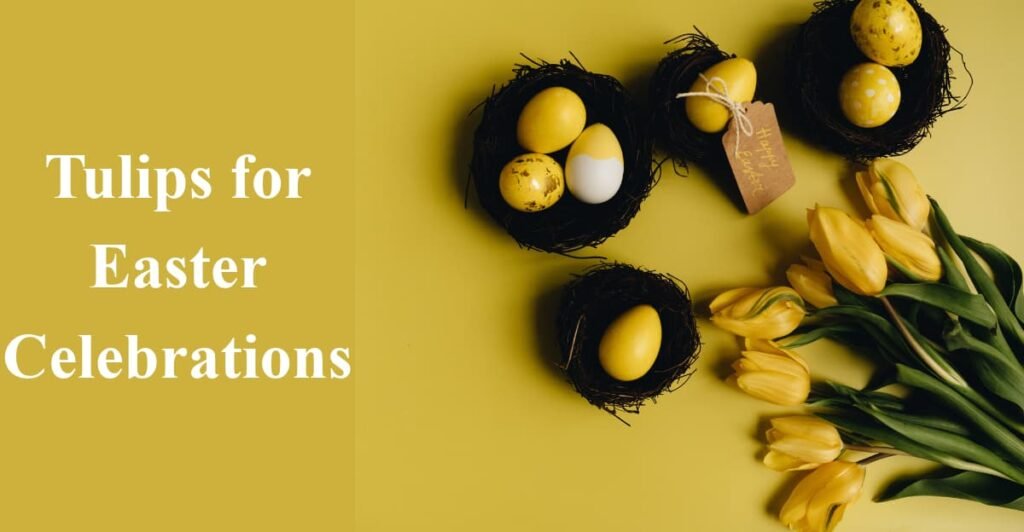
Tulips add playful color and modernity to any Easter celebration, while their continued active growth after cutting makes them a symbol of resilience. Available in pink, purple, and other shades, their flexible stems move toward the light, making them eye-catching centerpieces for traditional holiday settings.
I often use tulips in spring displays because their natural movement gives centerpieces a fresh and lively appearance.
Daffodils and Spring Renewal
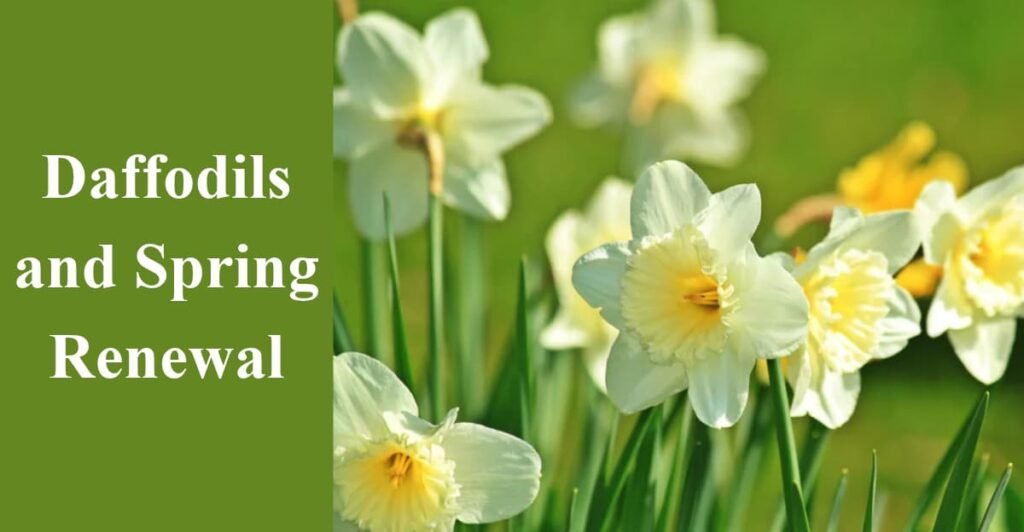
The cheerful Daffodil is known for its yellow color and bright blossoms, often emerging early as a sign of happiness, spring renewal, and new beginnings. Its distinctive trumpet center and star-shaped petals make it ideal for garden-style bouquets that recreate the relaxed beauty of a sunny meadow.
In my experience, daffodils bring instant seasonal energy to arrangements and pair beautifully with informal greenery.
Hyacinths for Easter Decoration
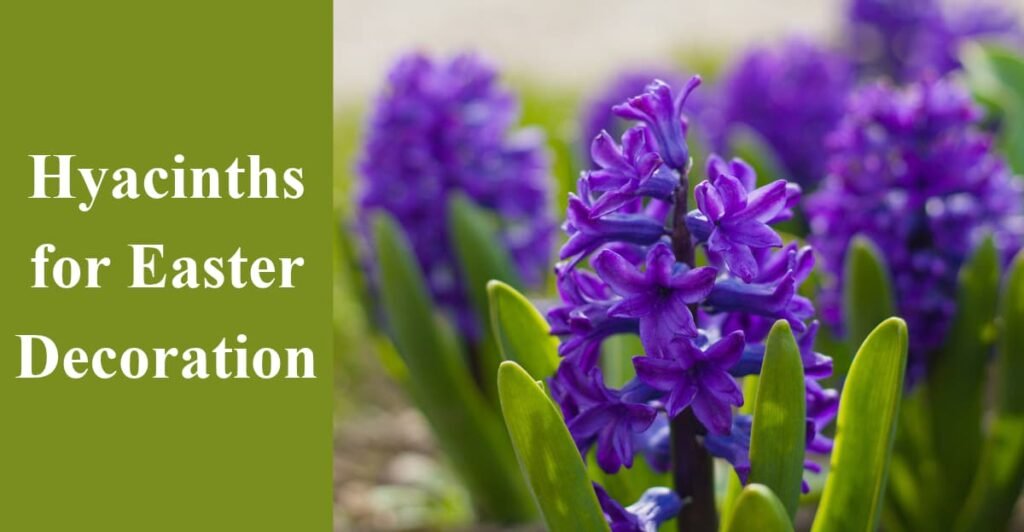
Hyacinths are excellent for adding fragrance and color to the home, producing fragrant blooms on dense spikes covered with tiny flowers. Available as potted plants, they can be enjoyed indoors before transplanting them into an outdoor garden, while their vibrant purples and blues add visual interest to a mantle or side table.
I particularly like using potted hyacinths because their fragrance fills a room naturally while their compact shape keeps smaller displays attractive.
Roses for Easter Gifts
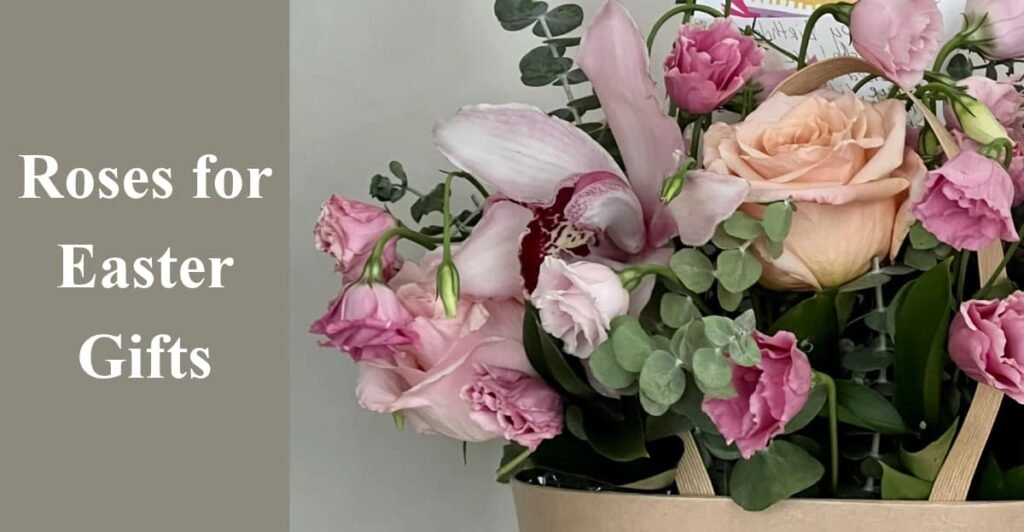
Roses in pastel shades make elegant Easter gifts, especially when arranged in a bouquet of peach or cream roses. Their soft appearance can express appreciation, grace, love, and joy, making them a refined floral choice for a host or family member during a holiday meal.
From my experience, pastel roses add a graceful touch to Easter tables and gift bouquets without overpowering other seasonal flowers.
Best Easter Flower Colors and Their Meanings
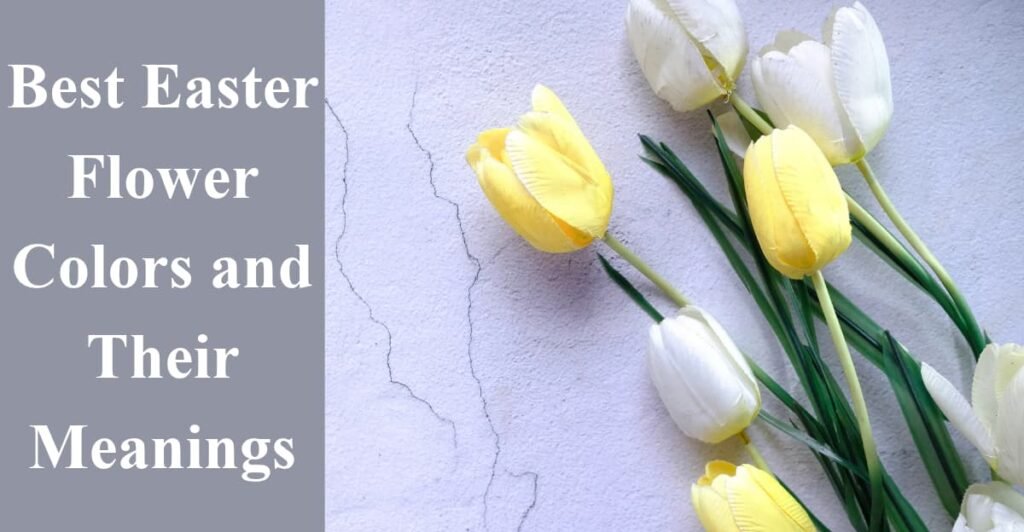
Using color theory can help guide on-page optimization for interior spaces, as different colors influence the energy of a room and its atmosphere. White represents Purity and Peace with the Easter Lily; Yellow suggests Happiness and Energy through the Daffodil; Purple conveys Spiritual Meaning and Royalty with the Hyacinth; while Pink expresses Love, Joy, and Gentleness through Tulips. For a celebration, a serene environment can come from a white arrangement, while a multicolored, vibrant mix creates a sense of playfulness.
I have found that choosing flower colors according to the mood of a room makes an Easter display feel more intentional and balanced.
Best Easter Flower Arrangements
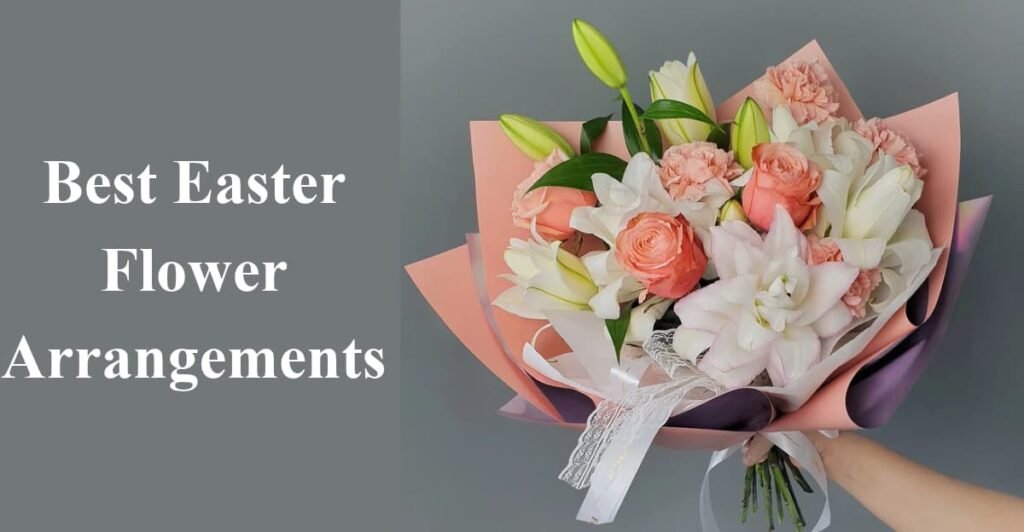
A professional floral arrangement should balance height, texture, and varied stems to create a natural tapestry effect. A Monochromatic display of white flowers gives a sophisticated, pure appearance, while Wildflower Style arrangements combine daffodils, tulips, and greenery for a natural look; for a more structured ornament, Topiary Style can feature potted azaleas or forced bulbs.
In my arrangements, varying stem heights and textures usually creates more depth while keeping the overall display visually relaxed.
Easter Flowers for Home Decoration
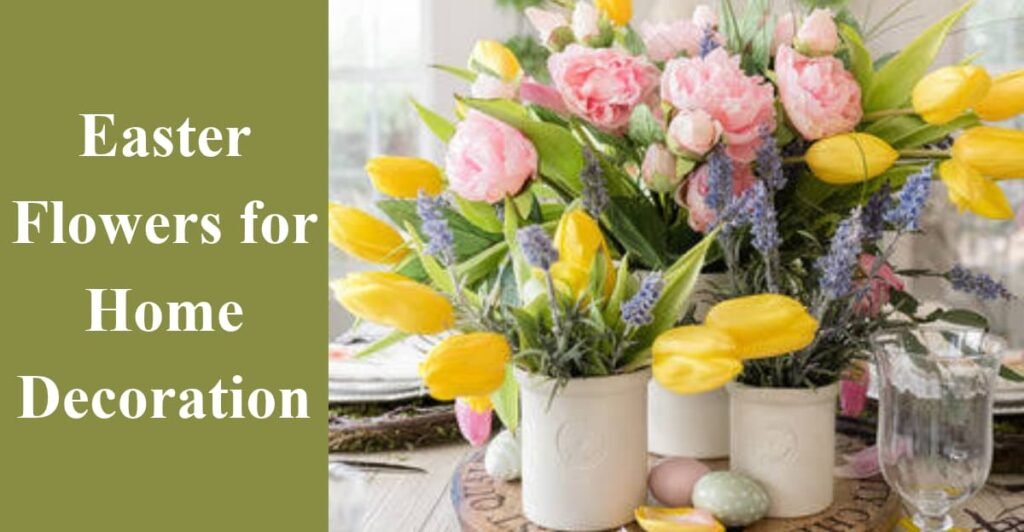
For home decoration, flowers can extend beyond the dining table; a bouquet of fragrant blossoms in the entryway immediately creates an inviting welcome for guests. Vases at varying heights on a mantle add visual movement, while 2026 decorating trends favor sustainable vessels, including repurposed glass and ceramic crocks, supporting a nature-focused lifestyle.
I enjoy using repurposed containers because they give seasonal flowers a personal character while keeping the decoration simple and sustainable.
Easter Table Centerpiece Ideas
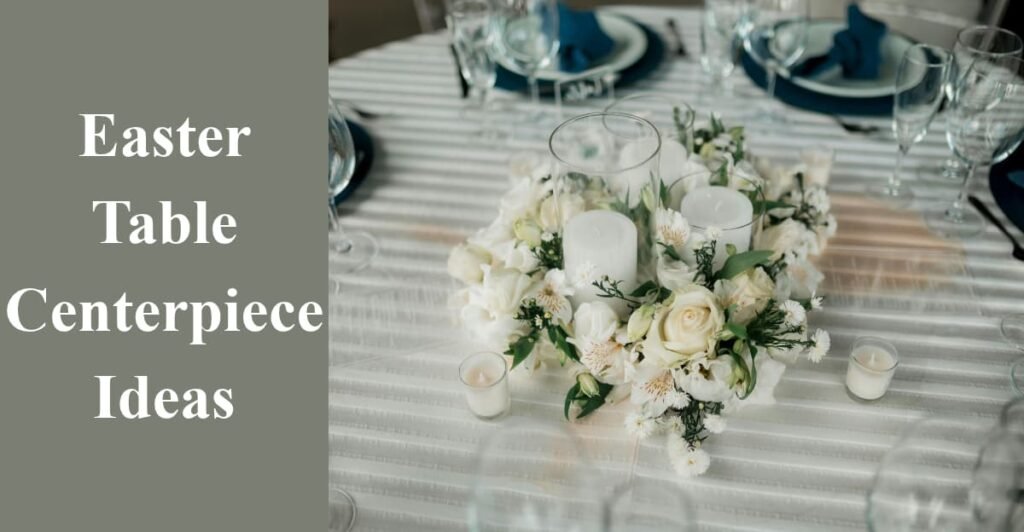
The centerpiece anchors a family gathering, so Easter table arrangements should remain low enough for guests to converse comfortably. Adding painted eggs and botanical mosses around the base of the floral display creates a charming festive theme without taking attention away from the flowers.
In my experience, a low centerpiece works best for family meals because it keeps conversation open while still making the table feel festive.
Easter Flowers for Church Decoration
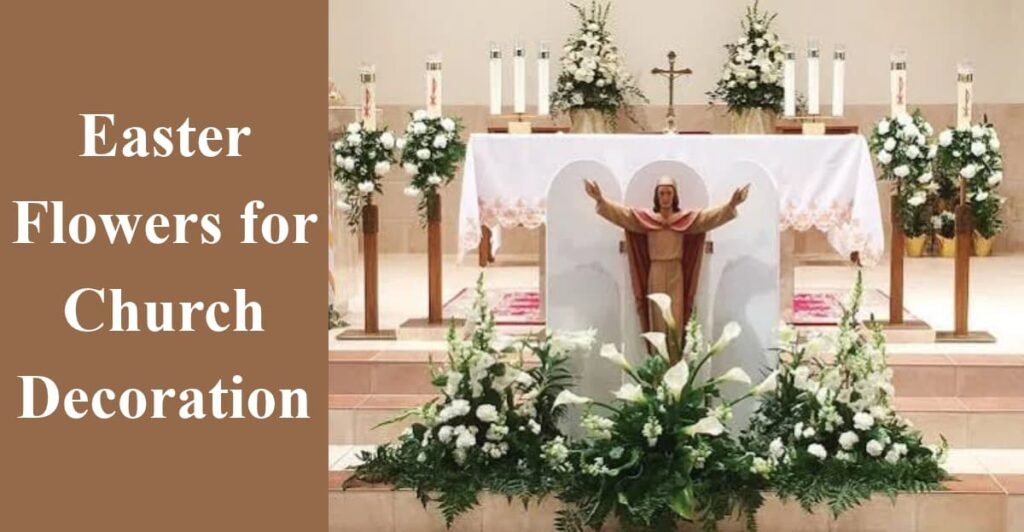
For church decoration, scale matters because larger spaces require flowers with strong height and visibility. The Easter Lily works especially well when blossoms are arranged in large clusters near the altar, where their white color symbolizes communal hope and purity while standing out against traditional architectural elements throughout the sanctuary.
When preparing large displays, I prefer grouping Easter lilies rather than scattering them, as clusters create stronger visual presence and suit spacious church interiors.
Conclusion
Easter Flowers bring together the beauty of springtime, meaningful symbolism, and fresh seasonal charm. From the classic Easter Lily and cheerful Daffodils to colorful Tulips, fragrant Hyacinths, and elegant Roses, each bloom can brighten your home decor, Easter table, gifts, or church displays. Choose flowers and arrangements that reflect renewal, hope, joy, and the welcoming spirit of the holiday.
Frequently Asked Questions
1. What are the most popular Easter flowers?
The most popular Easter flowers include Easter Lily, Tulips, Daffodils, Hyacinths, and Roses. They are valued for their seasonal beauty, colors, fragrance, and symbolism.
2. What does the Easter Lily symbolize?
The Easter Lily symbolizes purity, virtue, hope, and rebirth. Its pure white blooms are strongly associated with Easter traditions.
3. What flowers are best for an Easter centerpiece?
Tulips, Daffodils, Easter Lilies, and Hyacinths are excellent choices for an Easter centerpiece. Combining different heights, textures, and colors creates an attractive display.
4. What color flowers are best for Easter?
White, yellow, purple, and pink are popular Easter flower colors. White suggests purity and peace, yellow represents happiness and energy, purple conveys spirituality and royalty, while pink represents love and gentleness.
Please Write Your Comments