State Flower of Utah: The Meaning, History, and Beauty of the Sego Lily
Updated: September 5, 2026
31
Discover the remarkable story behind the state flower of Utah, the Sego Lily, a delicate yet resilient wildflower shaped by the rugged beauty of the Great Basin and Western United States. From its role in pioneer history and survival to its meaning as a symbol of heritage, resilience, and natural beauty, this iconic flower reveals a fascinating side of Utah’s landscape. Explore the history, meaning, appearance, symbolism, and beauty of the Sego Lily, and uncover why this hardy native plant remains an enduring floral emblem of the Beehive State.
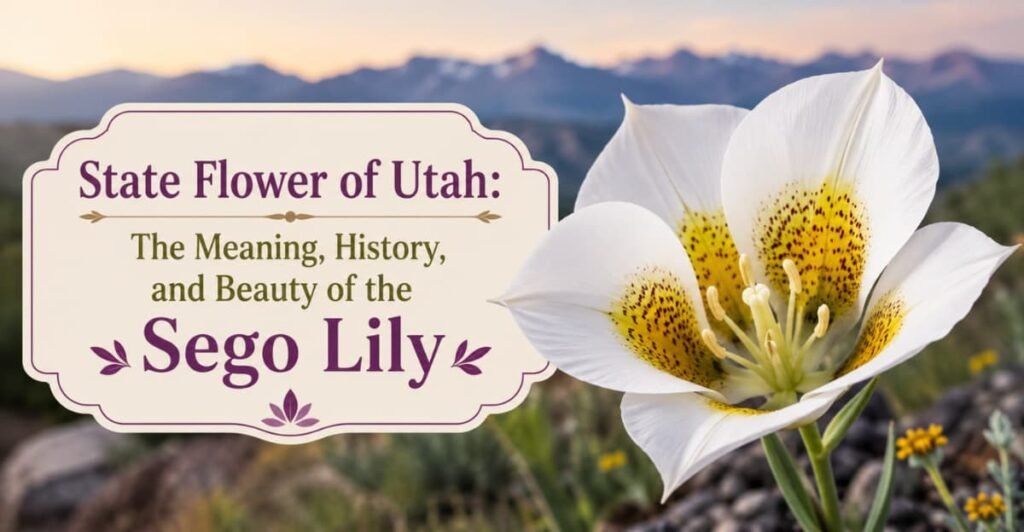
Table of Contents
What Is the State Flower of Utah?
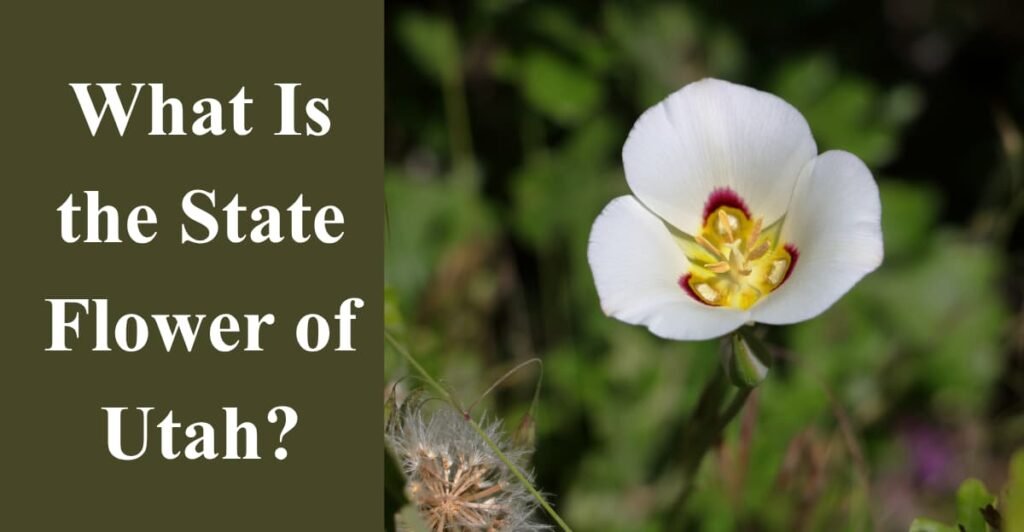
The Sego Lily is the official state flower of Utah, a perennial plant in the Liliaceae family and the genus Calochortus, a name derived from Greek meaning “beautiful grass.” Its slender, grass-like appearance, bell-shaped flowers, and bulbous growth help it thrive across the Intermountain West, where harsh sun, limited rainfall, and arid climate demand strong drought tolerance and efficient water use.
As a native plant and recognizable Utah wildflower, the Sego Lily reflects the region’s natural habitat, biodiversity, and botanical identity. Its underground bulb, seasonal growth, and ability to survive rainfall scarcity demonstrate remarkable biological endurance, while its floral beauty and adaptation to the Intermountain ecosystem make it a distinctive state symbol of Utah’s rugged landscape.
From my experience studying native wildflowers, the Sego Lily is especially fascinating because its delicate appearance contrasts with its exceptional plant adaptation and resilience in demanding desert conditions.
History of the Utah State Flower
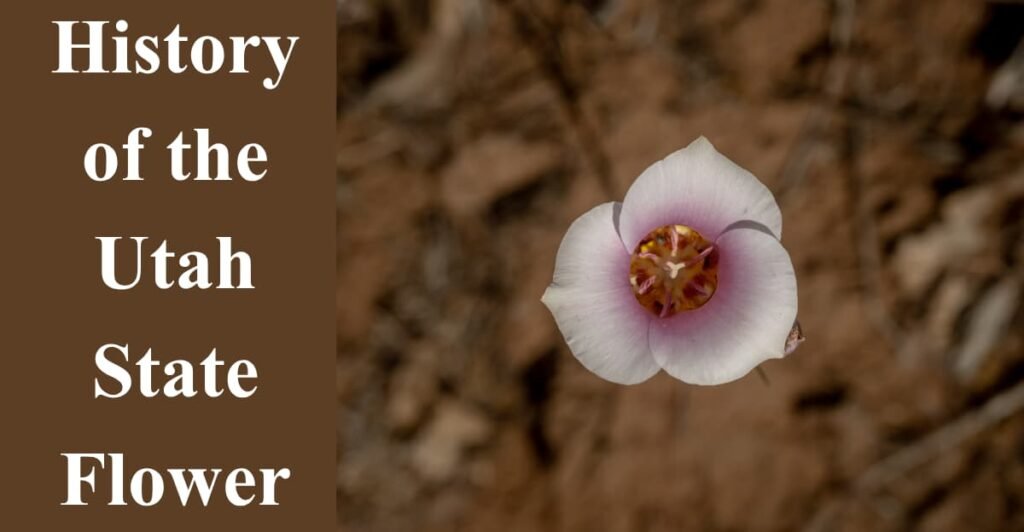
The Sego Lily has a remarkable history rooted in the human history of Utah, where Indigenous peoples, including the Ute, Paiute, and Shoshone tribes, held the plant in high regard and developed an intimate knowledge of the local flora. Its bulbs became a reliable source of nutrition, with edible bulbs being roasted, boiled, or ground into meal to provide essential carbohydrates and nourishment during periods of food scarcity.
When Mormon pioneers reached the Salt Lake Valley in the late 1840s, agricultural hardships, crop-destroying insects, unexpected frosts, and crop failure contributed to severe famine and food shortage. Following Native American guidance, pioneer settlers harvested Sego Lily bulbs to supplement meager rations, turning the desert plant from a perceived desert weed into a life-saver and lasting survival resource within Utah’s pioneer history, state heritage, and cultural heritage.
From my experience studying native flora, the Sego Lily stands out because its traditional food value reveals a powerful human-plant relationship between Indigenous traditions, regional ecology, subsistence, and food security.
Why the Sego Lily Was Chosen as the State Flower of Utah
The Sego Lily became the state flower of Utah because its symbolic connection to survival, resilience, and gratitude reflects the experiences of the people of Utah. Rather than choosing only for its colorful appearance or widespread growth, Utah recognized a native plant whose life-saving properties helped keep pioneer ancestors alive during the earliest days of settlement, creating a lasting survival story and historical significance.
Its quiet strength, natural beauty, and ability to flourish despite adversity create a deep connection with the soil, Utah landscape, and rugged environment. The three-petaled structure symbolizes purity and harmony, while its unique botanical specimen status gives Utah a distinct floral representative unlike the flora of neighboring states, strengthening state pride, Utah identity, and its role as a state symbol, floral emblem, and expression of cultural heritage.
From my experience studying Utah flora and native wildflowers, the Sego Lily is especially compelling because its botanical uniqueness combines floral beauty, desert adaptation, and a meaningful survival heritage in one representative flower.
What Does the Sego Lily Look Like?
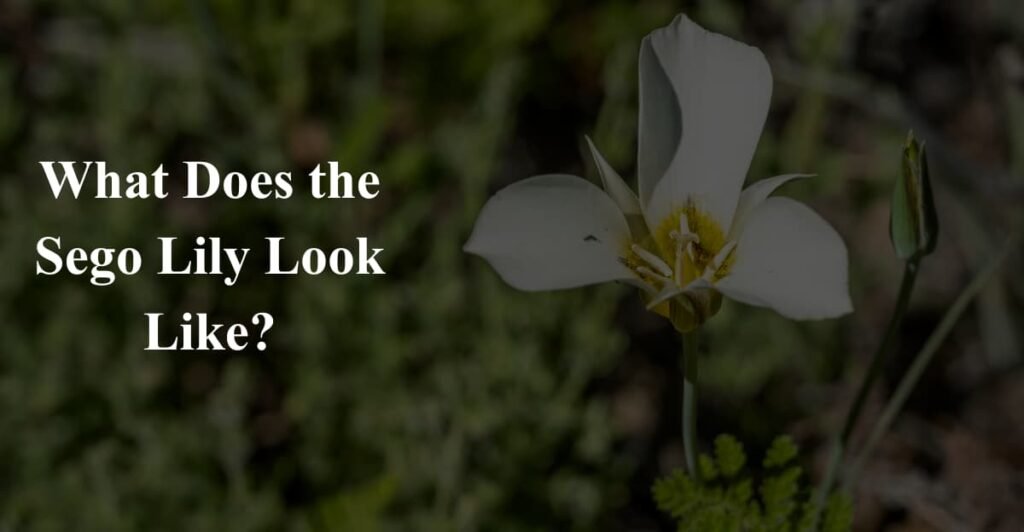
The Sego Lily has a distinctive natural design, typically growing on a single stem or unbranched stem that reaches about 6 to 18 inches in plant height. Its blossom features three large petals with a waxy, cup-like shape, usually creamy white to light lilac, while a purplish-red band or crescent mark at the petal base surrounds a bright yellow center and yellow gland; glandular hairs and tiny hairs may fringe the center to support pollination by pollinators.
The plant has few leaves, including thin leaves and tapered leaves that support moisture conservation and moisture retention in arid landscapes and a dry desert environment. Its three pointed sepals are green and positioned behind the petals, while after blooming, it develops seed pods in an erect capsule with a three-angled capsule structure containing flat seeds, revealing its specialized reproductive structures, seed production, and flower anatomy as a bulbous perennial and native wildflower of Utah flora.
From my experience identifying native wildflowers, the Sego Lily is particularly easy to recognize once its flower color, petal markings, crescent markings, and distinctive appearance become familiar.
Meaning and Symbolism of the Sego Lily
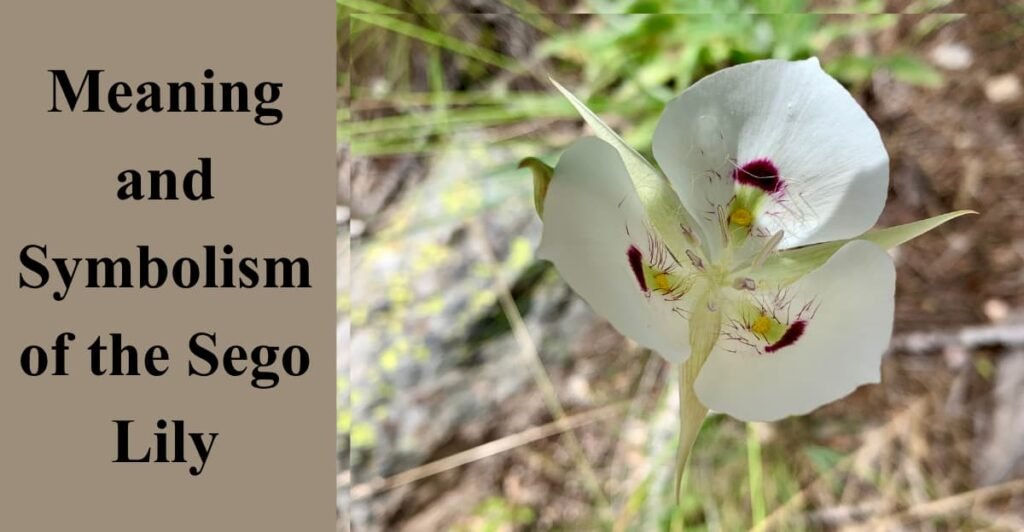
The Sego Lily symbolizes survival, resilience, peace, and endurance, reflecting how its nutrients and nourishment helped people during starvation and food scarcity. Native American traditions also connect it with truce, reconciliation, and peace and harmony.
Today, the flower represents environmental stewardship and protection of the fragile desert ecosystem. Its white color suggests purity, while blooming through cracked earth symbolizes beauty in hardship, biodiversity, and Utah identity.
From my experience studying native flora, the Sego Lily is remarkable because its delicate beauty reflects exceptional resilience in Utah’s harsh arid landscape.
Interesting Facts About the State Flower of Utah
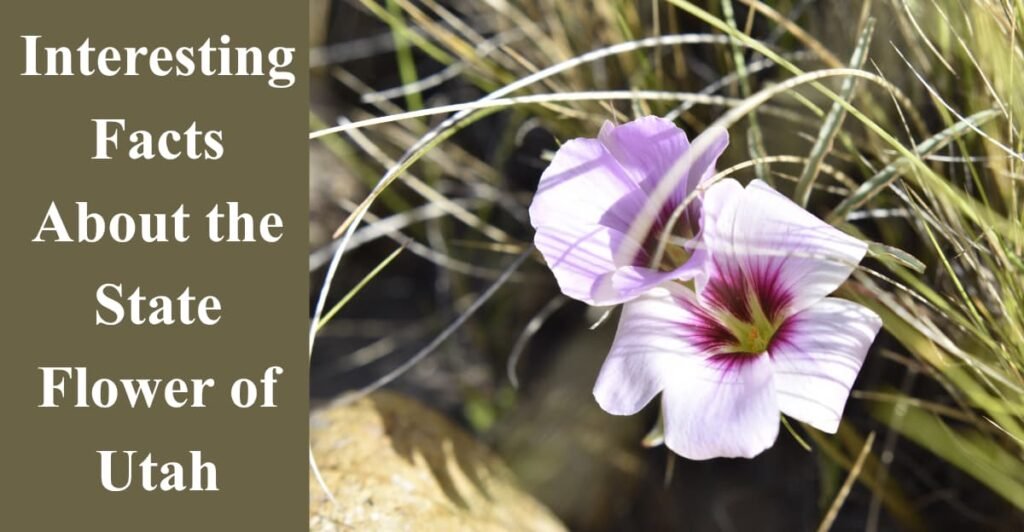
The Sego Lily has remarkable dormancy and can remain dormant for several years when rainfall is insufficient. This waiting strategy helps the native plant survive extreme droughts, multi-year droughts, and severe water scarcity through exceptional drought tolerance and plant adaptation.
From my experience observing desert plants, the Sego Lily is particularly impressive because its dormant state allows it to conserve resources and withstand harsh periods that would challenge less-adapted species.
How to Identify a Sego Lily in the Wild
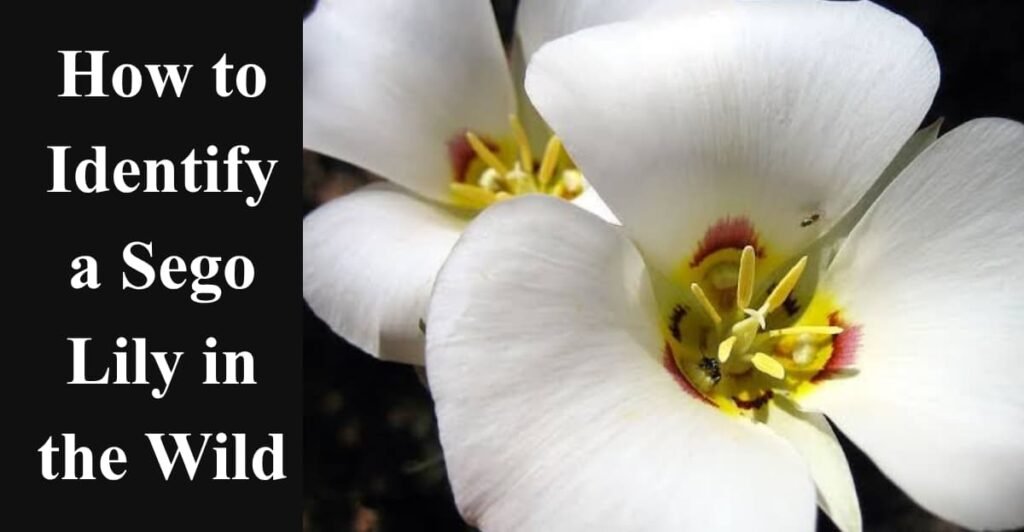
The Sego Lily, Utah’s state flower, can be difficult to spot because it blends with surrounding grasses and other grass-like vegetation until blooming begins. Look for a solitary white flower with white petals on a thin, slender, almost invisible stem, especially across the high desert, Intermountain West, and other arid landscapes.
For accurate flower identification, focus on its delicate flower appearance, unbranched stem, bulbous perennial growth, and lily family characteristics. Unlike many garden lilies, the Sego Lily has a weak fragrance or nearly unscented flower, making its visual traits more useful for wildflower recognition and botanical identification.
From my experience identifying Utah flora, its solitary bloom and nearly invisible stem are among the easiest features to notice once you become familiar with this native wildflower.
Key Identification Markers:
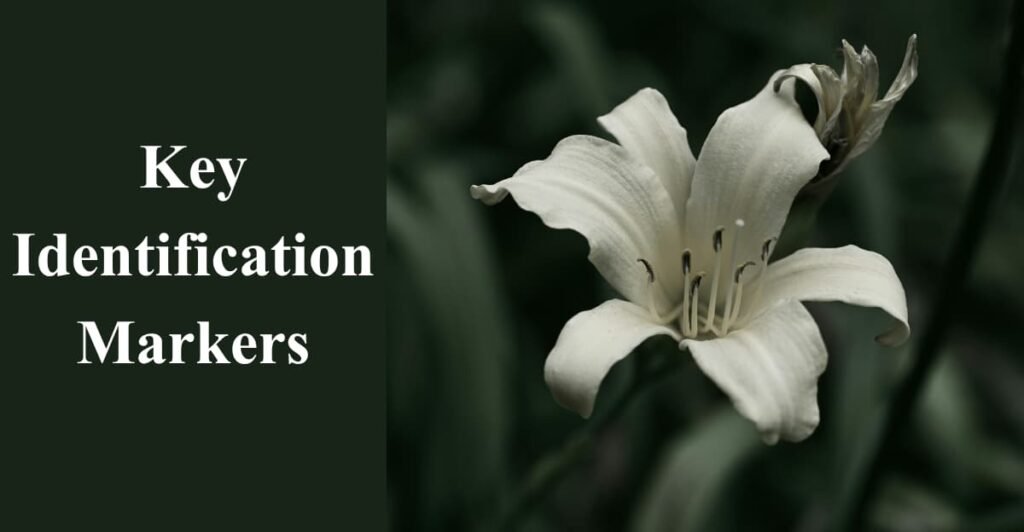
- Three Petals: The Sego Lily has three large petals and three smaller sepals, creating its distinctive three-petaled flower structure.
- Flower Eye: A dark maroon band and yellow gland at the petal base form a clear identification mark.
- Dry Habitat: It grows in dry, well-drained sandy soil and arid environments, not wet or marshy areas.
- Leaves & Color: Look for a single, long grass-like leaf and white or pale lavender flowers; unlike the colorful Mariposa Lily, the Sego Lily is usually pale.
Growing the State Flower of Utah at Home
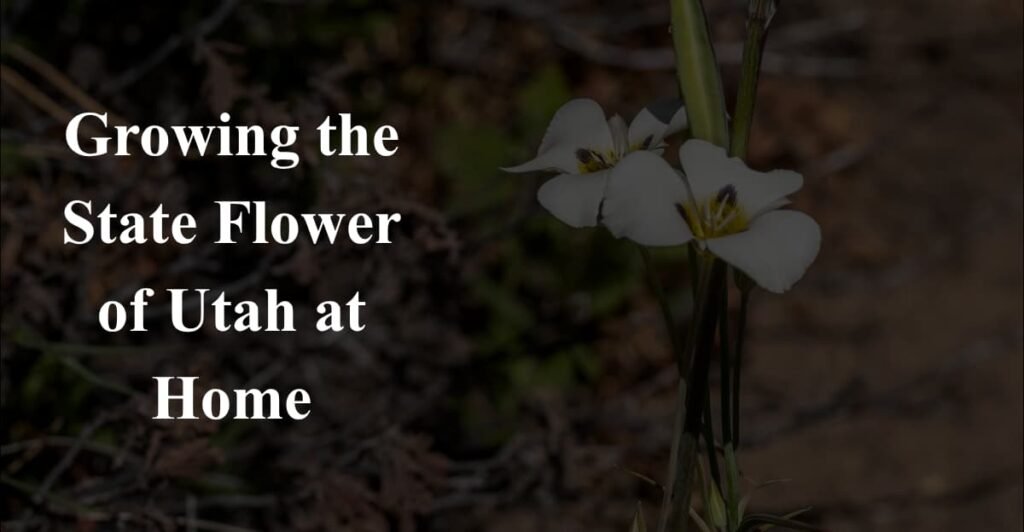
Growing the Sego Lily at home requires conditions that closely match its natural habitat. This native plant prefers dry soil, strong sunlight, and careful watering rather than traditional highly irrigated flower beds.
- Soil: Use native soil mixed with coarse sand to provide excellent drainage and prevent excess moisture.
- Water: Water during early spring, then keep the bulbs dry through summer to prevent rot.
- Sunlight: Provide full sun for at least 8 hours daily to encourage healthy growth and blooming.
- Sourcing: Purchase seeds or bulbs from reputable native plant nurseries instead of digging plants from the wild.
Conservation and Protection of the Sego Lily
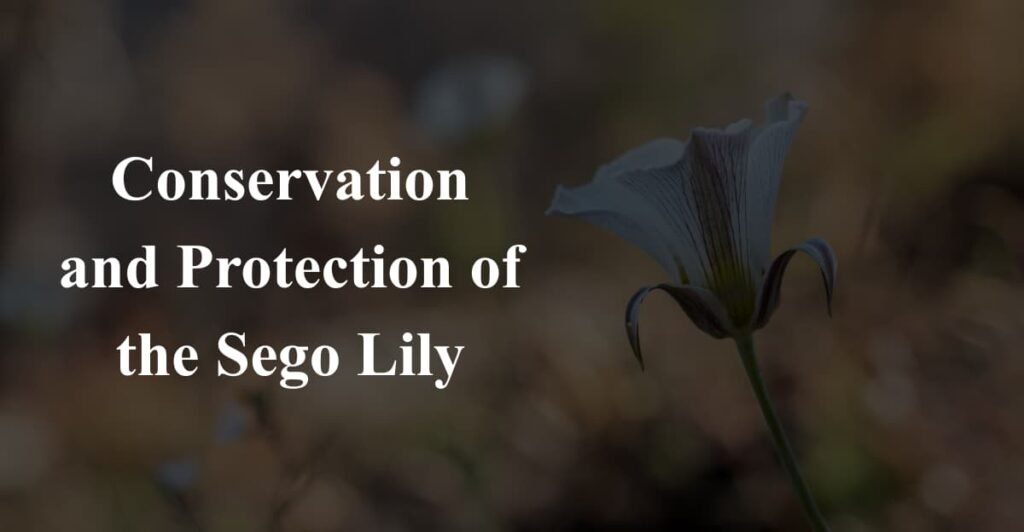
The Sego Lily is a protected species whose natural habitat faces threats from urban sprawl, foothill development, habitat loss, and invasive grasses such as cheatgrass. Changes in fire cycles, wildfire, and habitat destruction can damage desert ecosystems, flowering areas, and wild populations.
Protecting this native wildflower requires responsible land management, habitat preservation, and Leave No Trace practices in National Parks, State Parks, and other protected lands. Nature lovers and hikers should stay on trails to prevent soil compaction and protect the mycorrhizal networks that support lily bulbs and nutrient absorption.
From my experience observing Utah flora, careful hiking and responsible recreation are simple but effective ways to protect the Sego Lily and its fragile desert habitat.
Why the State Flower of Utah Is Important Today
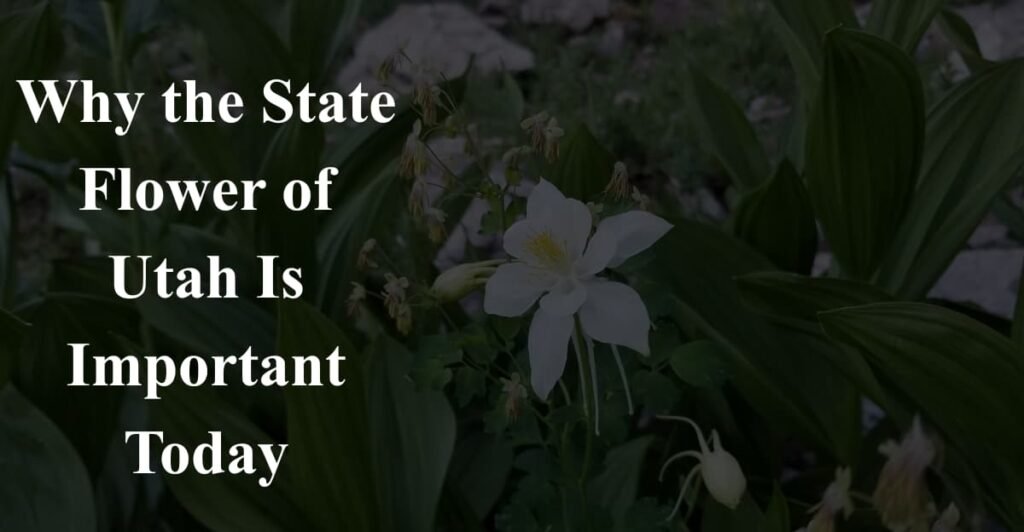
In 2026, the Sego Lily remains an important state symbol because its ability to survive water scarcity, climate change, and harsh conditions demonstrates natural resilience and sustainability. As a water-wise and drought-tolerant plant, it supports water conservation and can serve as a bio-indicator of a healthy, intact desert ecosystem.
The flower also connects Indigenous history, pioneer history, and modern Utah identity through shared heritage, community, and appreciation of the Western United States. For nature lovers, casual hikers, and anyone interested in wildflower observation, seeing a Sego Lily in bloom highlights the natural beauty, biodiversity, and enduring power of the American West.
From my experience observing native flora, the Sego Lily is especially meaningful because its quiet beauty reflects the ecological health, cultural heritage, and remarkable resilience of Utah’s desert landscape.
Conclusion
The state flower of Utah, the Sego Lily, represents far more than natural beauty, combining survival, resilience, heritage, and cultural history in one remarkable native wildflower. From its importance to Indigenous peoples and pioneers to its ability to thrive in Utah’s harsh desert environment, this flower remains a powerful symbol of the Beehive State. Its unique beauty and ecological value make protecting the Sego Lily essential for preserving Utah’s natural and cultural heritage.
Frequently Asked Questions
What is the state flower of Utah?
The Sego Lily (Calochortus nuttallii) is the official state flower of Utah, recognized for its delicate white or pale lavender blooms and remarkable ability to survive arid conditions.
Why was the Sego Lily chosen as Utah’s state flower?
The Sego Lily was chosen because of its connection to survival, resilience, and pioneer history. Its edible bulbs helped provide nourishment during periods of food scarcity.
When did the Sego Lily become Utah’s state flower?
The Sego Lily officially became Utah’s state flower in 1911, establishing it as an important floral emblem and state symbol.
What does the Sego Lily symbolize?
The Sego Lily symbolizes survival, peace, resilience, purity, and endurance. It also represents Utah’s connection to its natural landscape and cultural heritage.
Please Write Your Comments