Start Planting Flowers: The Complete Seasonal Planting Guide for a Beautiful Garden
Updated: September 18, 2026
20
Knowing when you can start planting flowers is essential for avoiding frost damage and encouraging strong, healthy growth. Discover the best seasonal planting times from early spring and summer to fall and winter using soil temperature, frost dates, and your hardiness zone for healthier blooms. Keep reading to choose the right planting window, protect young plants, and create a vibrant garden that thrives throughout the growing season.

Table of Contents
Understanding the Best Time to Start Planting Flowers
Choosing the right moment to place a seedling or bulb into the earth is a critical decision for every gardener. Avoid the urge to plant at the first sign of sunshine, as acting too early can expose planting flowers to late-season frosts and cause devastating losses.
I always check the frost risk before planting, because waiting for the right conditions gives my garden a much stronger start.
Why Timing Matters for Flower Growth
Timing acts as a biological trigger for the plant life cycle, making proper timing essential for healthy flower growth. If a flower is planted too early in cold soil, it may develop root rot or damping off, causing young stems to wither and die, while planting too late can expose young plants and tender plants to intense heat before they develop an established, deep root system to survive. With the right soil temperature, light, moisture, and warmth, plants can perform photosynthesis, produce energy, and support successful blooming and stronger roots.
I have found that monitoring soil temperature instead of relying only on the calendar helps me avoid weak starts and gives flowers better conditions for growth.
How Climate Affects Flower Planting
Climate is the atmospheric trend of a region and strongly influences the growing season and planting season. In 2026, volatile weather patterns and false springs, including unseasonably warm weeks followed by a hard freeze, make understanding your local climate especially important; checking the average date of the last killing frost in your area gives you a practical starting gun for gardening activities, flower planting, and other seasonal work while accounting for seasonal weather, frost, freeze, temperature, and changing conditions.
I always compare local frost information with actual weather conditions before planting, as sudden temperature changes can quickly alter the safest planting window.
When Can You Start Planting Flowers in Spring
Spring offers several planting opportunities, but soil temperature, light, and the growing season determine whether early spring, mid-spring, or late spring is most suitable for planting flowers. The ground, frost, last frost date, and soil warming should guide your timing, while cool-season flowers, warm-season annuals, and seedlings each require different conditions; hardening off indoor seedlings through gradual exposure to outside air can prepare them for the safe zone, while root expansion, light frost, damp air, cool air, and summer heat also influence successful growth.
I have found that checking soil conditions alongside the last frost date gives a much more dependable planting schedule than following the calendar alone.
Early Spring Flower Planting
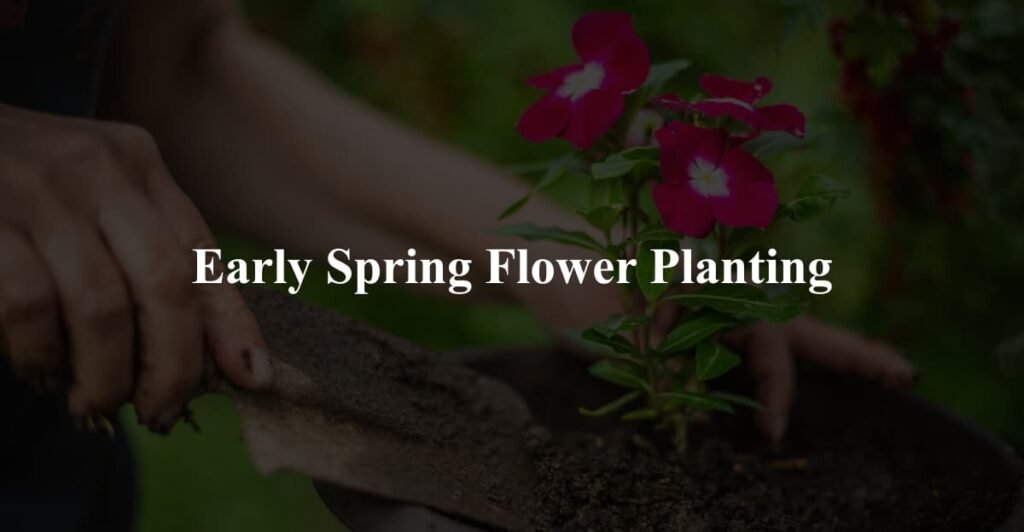
In early spring, wait until the ground is no longer frozen and the worked soil does not form a muddy ball when squeezed. This is the ideal period for cool-season flowers and hardy plants that tolerate light frost, damp air, and cool air, while good frost tolerance helps them establish before summer heat; checking soil temperature before planting supports healthier flowers during the early spring season.
I usually test the soil by hand before early planting because workable ground is a better signal than a warm afternoon.
Mid-Spring Flower Planting
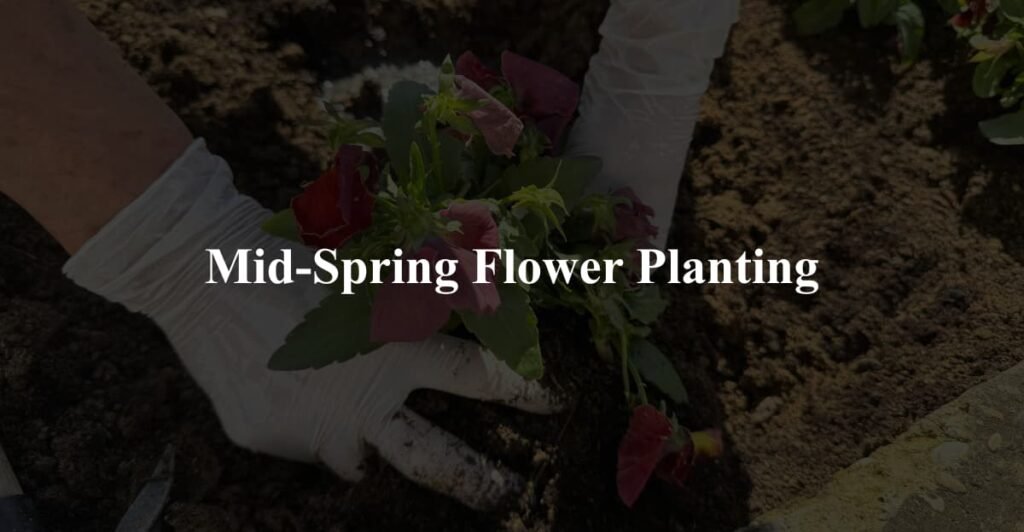
Mid-spring surrounds the last frost date and acts as a transitional phase between cool and warm conditions. This is a useful period for hardening off indoor seedlings through gradual exposure to outside air, while soil continues warming, allowing root expansion and faster root growth; monitoring frost, planting, spring, and soil temperature helps seedlings adjust safely to outdoor gardening conditions.
I have had better results by gradually exposing seedlings instead of moving them outdoors suddenly, especially when nighttime temperatures remain unpredictable.
Late Spring Flower Planting
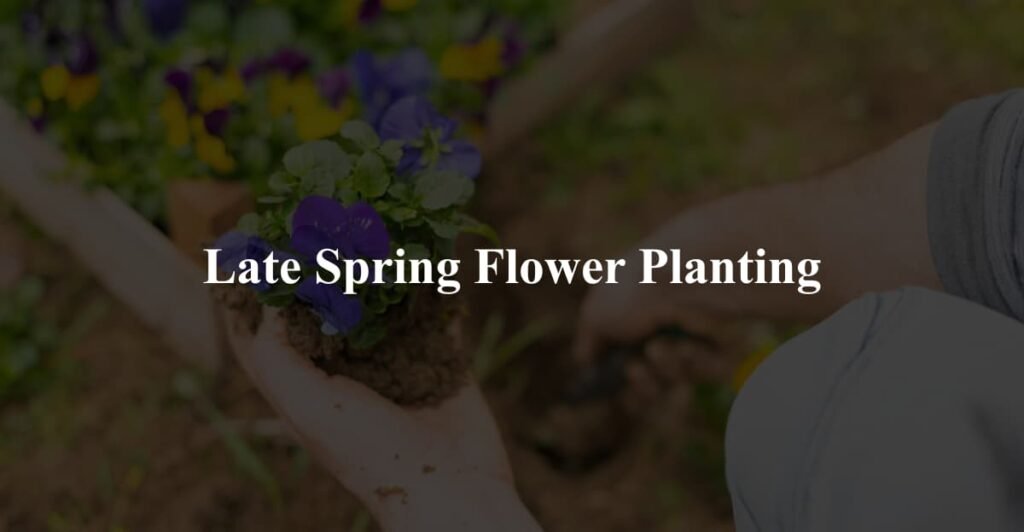
Late spring becomes the safe zone once the threat of frost has passed and the soil temperature consistently reaches around 60°F. These conditions favor warm-season annuals and other plants that may struggle during the earlier weeks and cooler weeks of spring, as increasing warmth creates better growing conditions for annuals, planting, and successful flower planting.
I find late spring much easier for warm-loving flowers because stable warmth gives newly planted plants a stronger start.
Best Flowers to Plant in Early Spring
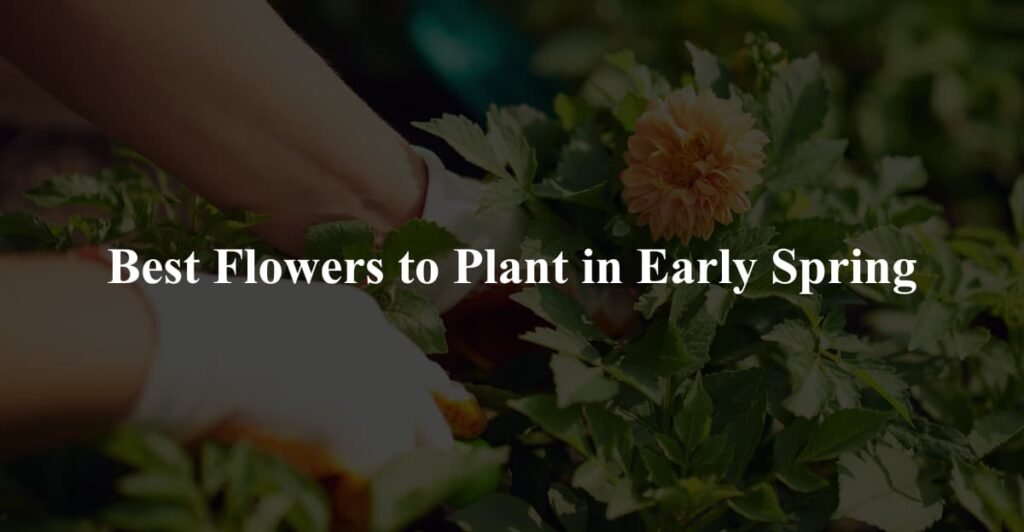
Early spring gives the garden a refreshing splash of color after a long winter, but successful early planting depends on careful species selection. Choose plant species with antifreeze properties in their cell walls, including cold-hardy flowers and bulbs that can tolerate freezing temperatures, snow, and changing winter to spring conditions while preparing to bloom in the early spring garden.
I prefer starting with naturally cold-tolerant flowers in early spring because they handle unpredictable temperature changes much better than tender varieties.
Cold-Hardy Flowers for Early Planting
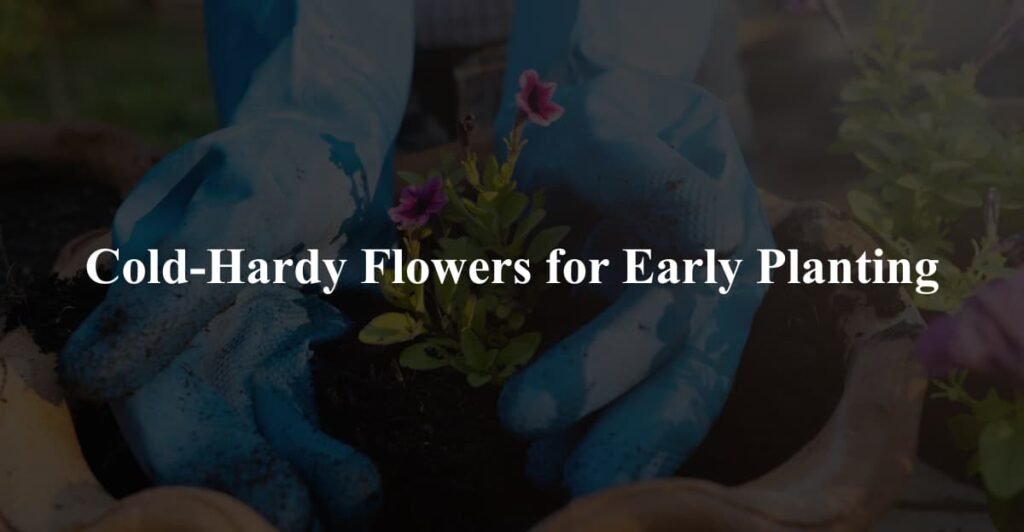
Pansies and Violas are dependable cold-hardy flowers for the early spring garden, tolerating temperatures below freezing and often recovering after light snow. Snapdragons also add vertical interest while many other dormant plants remain in dormancy, and their frost tolerance makes them resilient plants for early spring planting.
Pansies have been among my most reliable early-season choices because they can recover surprisingly well after a brief cold spell.
Bulbs That Bloom in Early Spring
Many early flowers begin with bulbs that were planted during the previous autumn, including Snowdrops, which can emerge among the snow as some of the first flowers of early spring. Crocus provides valuable early-season nectar for bees, while Daffodils are popular spring bulbs because they resist common pests such as deer and rabbits, supporting pollinators and creating attractive flowering bulbs displays.
I find autumn-planted bulbs especially rewarding because their early spring appearance provides color before many other garden plants begin growing.
Best Flowers to Plant in Mid-Spring
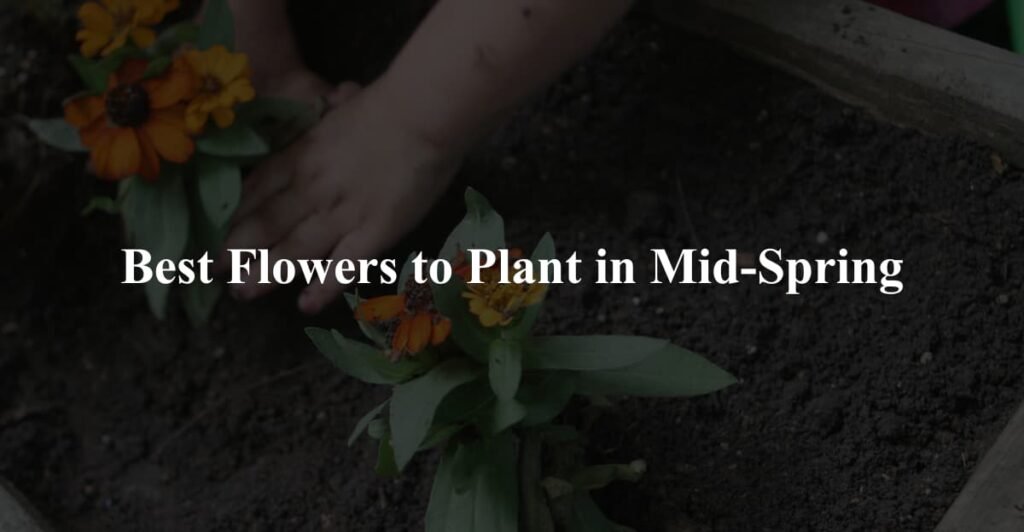
As mid-spring arrives, soil gradually starts warming, expanding the variety of available plants and creating favorable conditions for hardy annuals, flowers, and steady plant growth. Monitor soil temperature before planting, as warming ground helps annuals establish more successfully and keeps the garden productive through spring.
I find mid-spring one of the easiest periods for planting because the combination of warmer soil and moderate weather gives new plants a strong start.
Colorful Mid-Spring Flower Choices
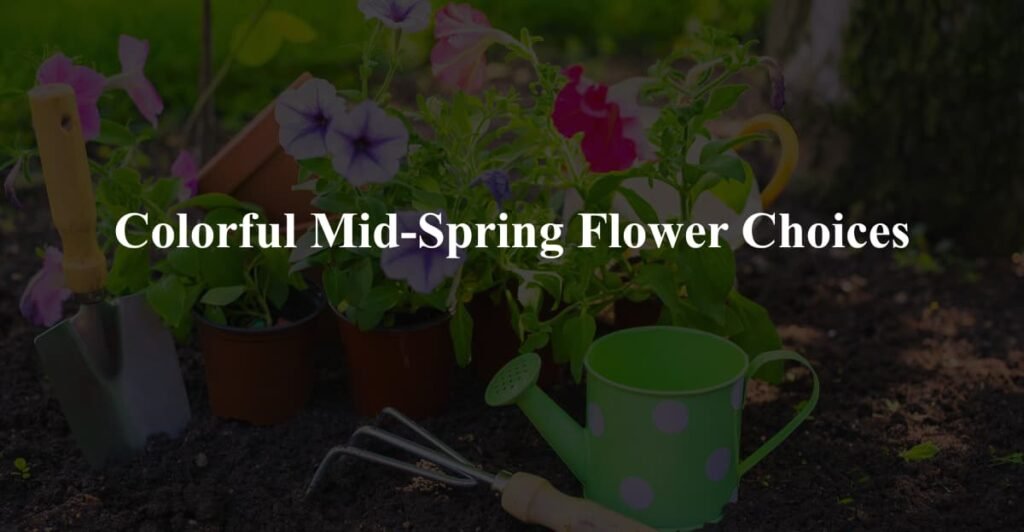
Tulips and Peonies bring a rich color palette to mid-spring, with pinks, purples, and bright yellows adding variety to spring blooms. While peonies are perennials that remain in the ground, providing suitable nutrients as they break dormancy supports healthy flowering plants and long-term growth in the garden and surrounding soil.
I have found that feeding established Peonies as they break dormancy helps support stronger foliage and more impressive seasonal flowers.
Low-Maintenance Spring Flowers
For low-maintenance spring flowers, perennials such as Bleeding Hearts (Lamprocapnos spectabilis) offer natural beauty with minimal maintenance once established in suitable soil. These perennial flowers thrive in the dappled sunlight and shade of mid-spring, requiring little intervention when their growing conditions are appropriate for healthy gardening.
Bleeding Hearts have been a favorite for low-maintenance areas because their graceful flowers perform well where direct sunlight is limited.
Best Flowers to Plant in Late Spring
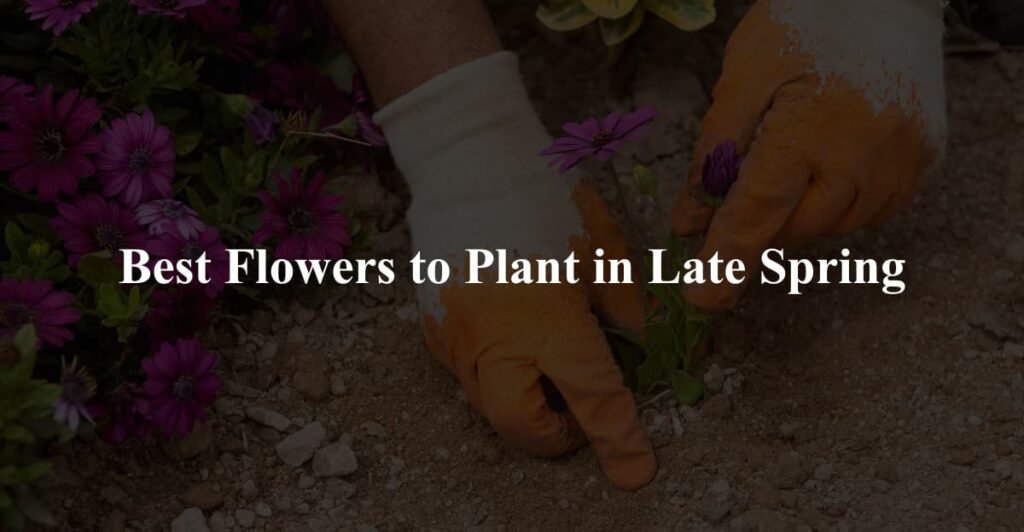
Late spring is the definitive turning point in the garden, when soil temperature reaches around 60°F and steady warmth acts as a biological green light for tender annuals such as Zinnias, Marigolds, and Sunflowers. Unlike the damp chill of earlier months, the increasing day length supplies greater solar energy, allowing fast-growing species to develop robust stems and vibrant pigment; for the long haul, Geraniums and Vinca are reliable long-blooming favorites, while the passing killing frost in 2026 makes it safer to transplant nursery-grown starts or sow seeds directly into the earth without protective covers, giving planting flowers greater stability during the spring growing season.
I find late spring especially dependable because stable warmth helps tender flowers establish quickly without the setbacks caused by cold soil or unexpected frost.
Long-Blooming Spring Flowers
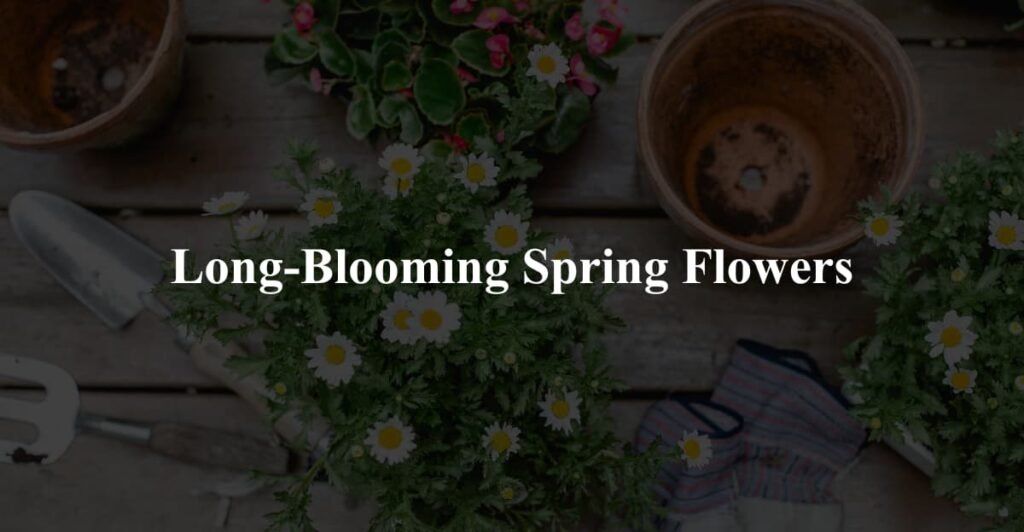
Geraniums are valued as long-blooming spring flowers because they can bloom from late spring through autumn and continue until the first frost. Their drought-tolerant nature, strong frost tolerance, and ability to benefit from increasing day lengths make them dependable flowers for May and June, while drought tolerance, sunlight, and suitable spring conditions support their extended growing season.
Geraniums have performed best in my experience when given plenty of sunlight and allowed to dry slightly between watering periods.
Popular Late Spring Garden Flowers
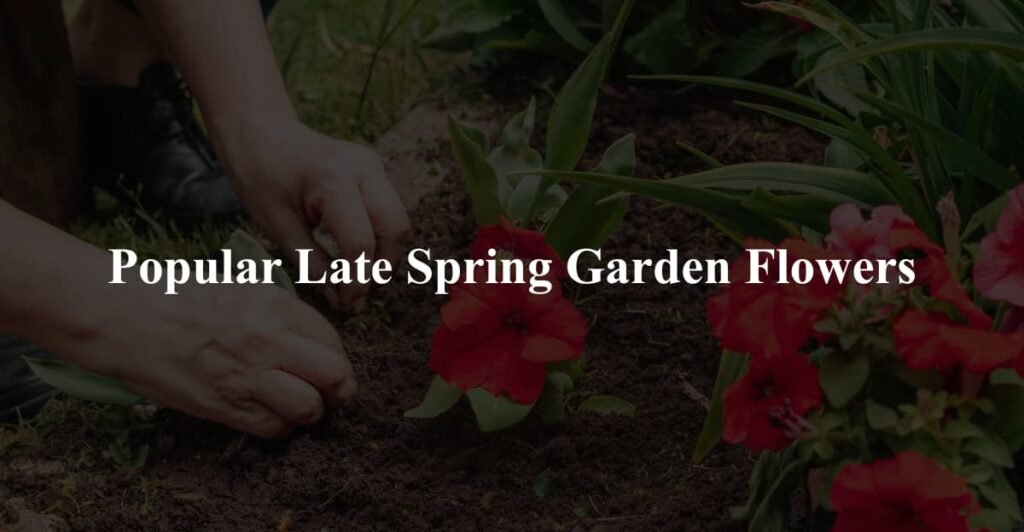
Sunflowers remain a favorite among late spring garden flowers because they become tall, fast-growing plants that need stable conditions during the late season. Their rapid plant growth requires strong stalks and sturdy stems to support their massive seed heads, making consistent sunlight and well-timed spring planting important for a healthy garden display.
I have found that giving Sunflowers plenty of sunlight and stable growing conditions helps them develop stronger stalks and larger seed heads.
Can You Start Planting Flowers in Summer?
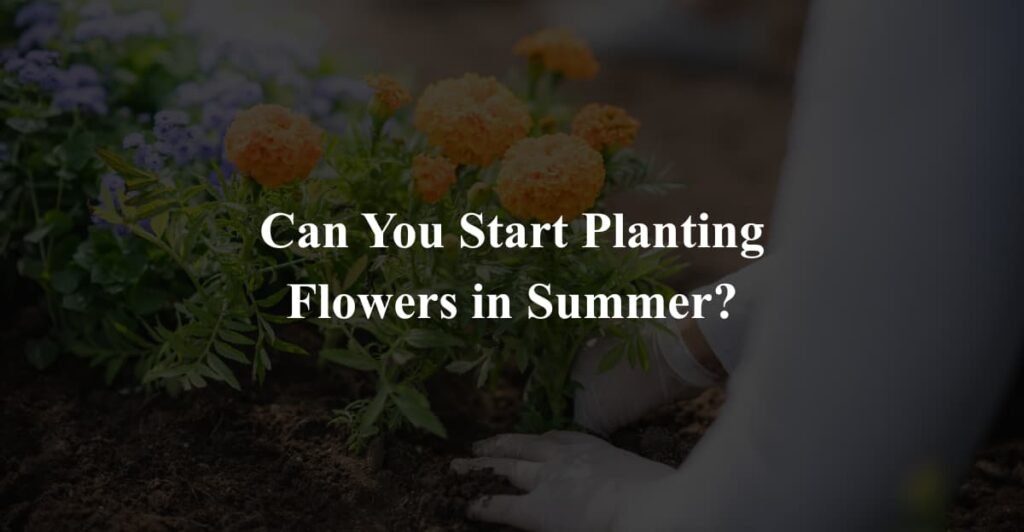
Summer planting flowers is entirely possible even through the heat of June, provided you use the right care and understand the needs of summer flowers. During this growing season, warm weather, careful planting, heat tolerance, and proper irrigation help the garden maintain healthy growth despite challenging summer conditions.
I have found that summer planting works best when new flowers receive consistent moisture and protection during the hottest part of the day.
Heat-Tolerant Summer Flowers
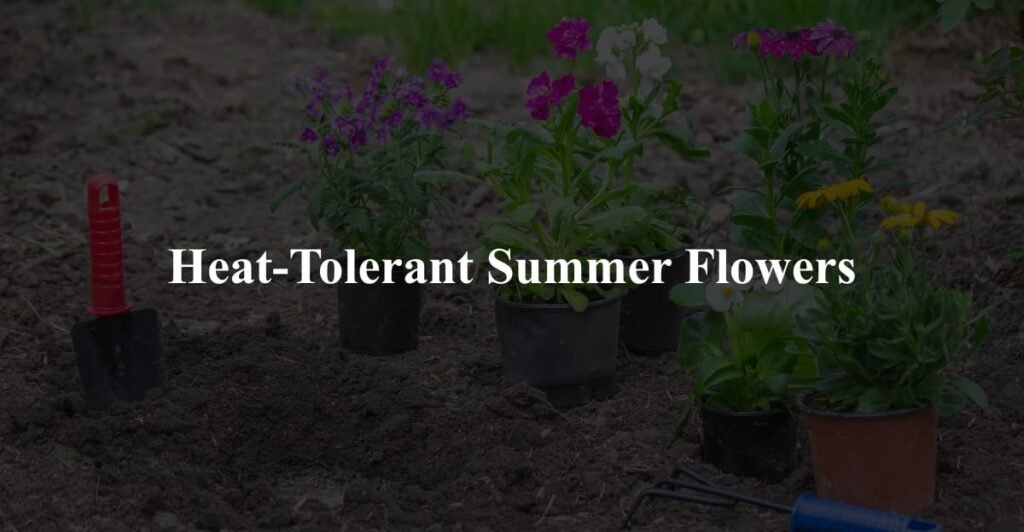
Lantana and Pentas are excellent summer flowers for mid-summer because they are naturally heat-tolerant and handle the summer swelter well. Their waxy leaves help reduce moisture loss, while their drought tolerance allows them to keep producing blooms as the temperature and heat rises, making them reliable choices for summer planting in the garden.
Lantana has been particularly dependable in hot conditions for me because it continues flowering even when temperatures remain high.
Fast-Growing Summer Blooms
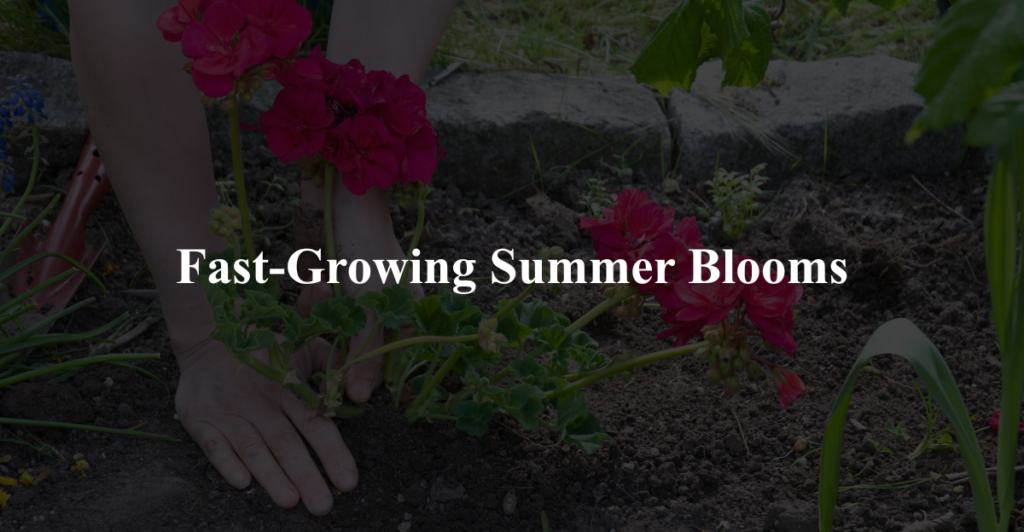
Cosmos are ideal for summer sowing, especially in July, when they can reach maturity quickly and create a second wave of summer blooms. Their fast-growing habit provides fresh flowers in late summer and early fall, helping replace spring plants that are fading and extending flowering throughout the garden.
I like sowing Cosmos in summer because their rapid growth can refresh garden color after early-season flowers begin to fade.
Summer Flower Planting Tip
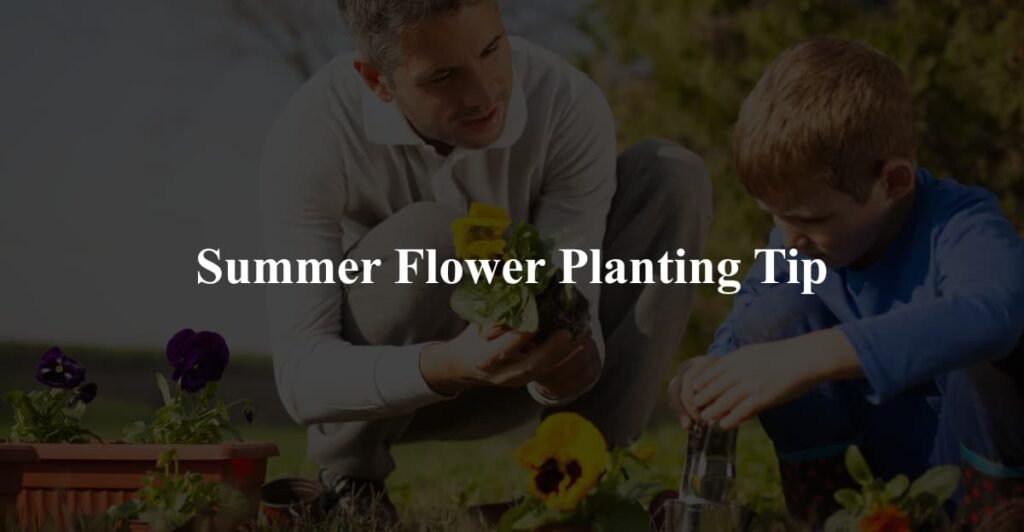
Successful summer planting depends heavily on irrigation, especially for new plants exposed to summer heat. They should be watered deeply and frequently, sometimes twice a day, until their roots reach the cooler soil and moister soil deep underground, allowing the developing root system to access sufficient moisture and supporting better plant care, flowers, and gardening results.
I have found deep, consistent watering much more effective than frequent shallow watering because it encourages roots to move deeper into the soil.
When to Start Planting Flowers in Fall
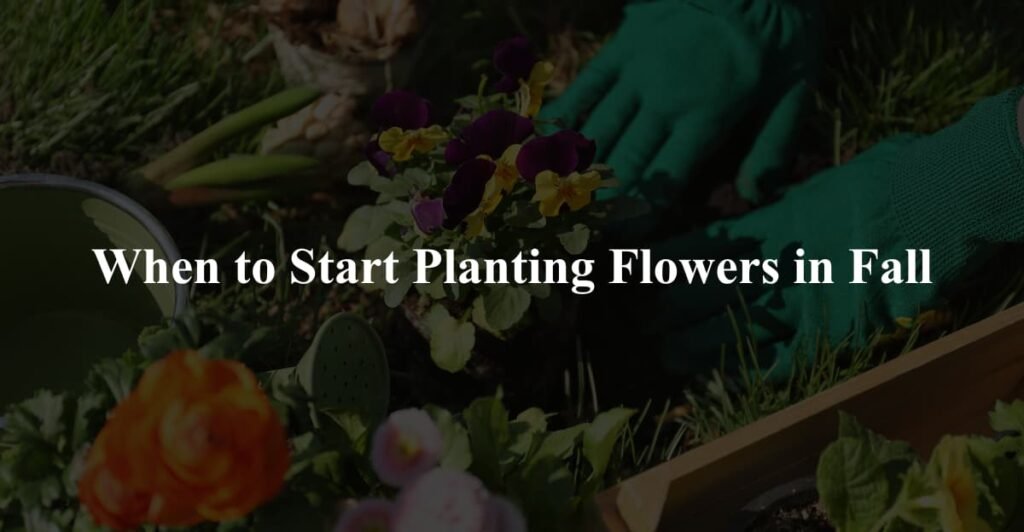
Fall is often called the second spring because cooling air combines with warm soil to create favorable conditions for root growth without the stress of intense sun. This makes fall gardening an excellent period for planting flowers, as moderate soil temperature, lower air temperature, and the remaining growing season support healthy flowers through autumn and seasonal planting.
I find fall especially rewarding for planting because warm soil allows roots to establish steadily while cooler air reduces stress on new plants.
Cool-Season Flowers for Fall
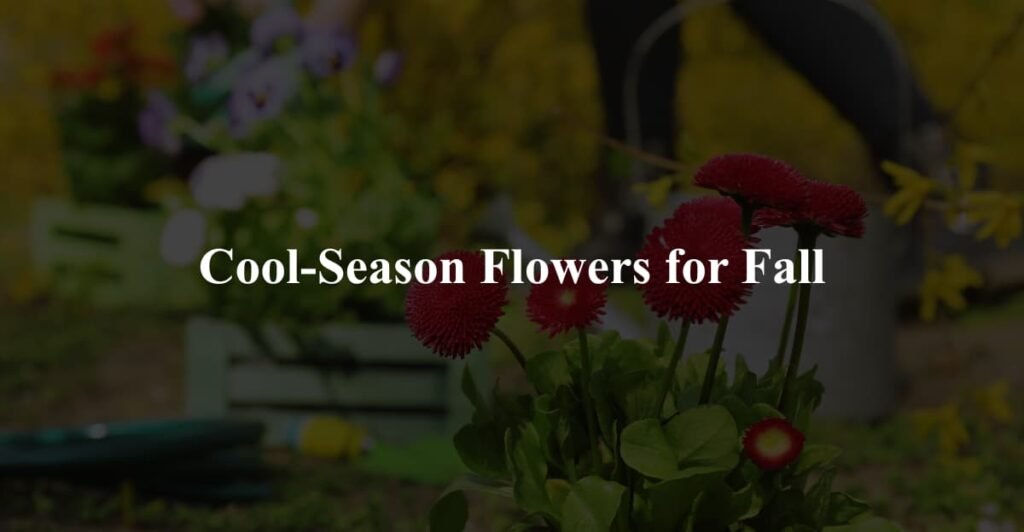
Cool-season flowers such as Pansies can be replanted in fall and often continue providing color into early winter. Their cold tolerance allows them to handle first frosts and winter conditions better than many summer flowers, giving the garden attractive seasonal flowers after summer zinnias have faded and making fall planting a practical choice.
Pansies are among my favorite fall plants because they can continue flowering well after the first frost when other garden flowers have disappeared.
Fall Bulbs for Spring Blooms
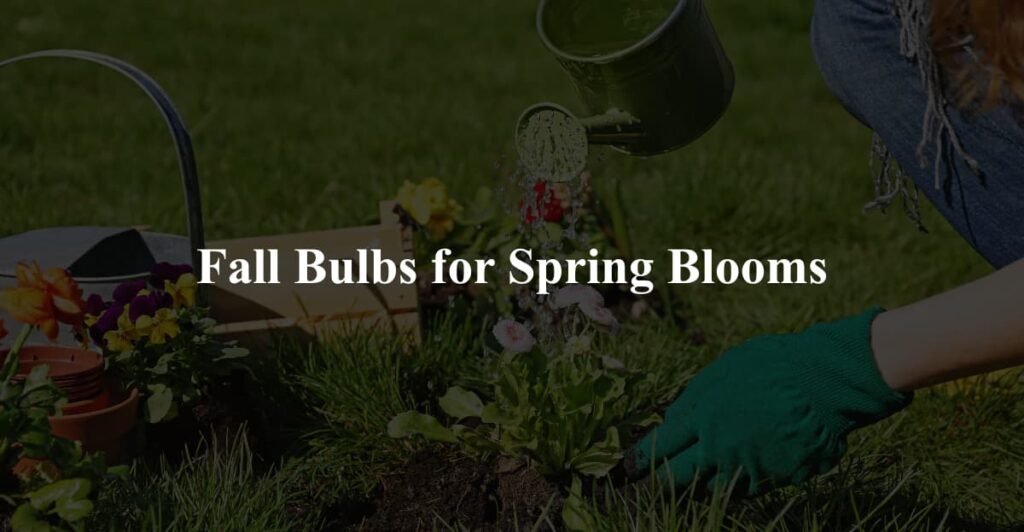
September and October are ideal for fall bulbs and planting in the future, as Tulips, Hyacinths, and Alliums can be placed in the ground before winter. These bulbs require cold dormancy, or vernalization, to prepare for flowering in the following spring, making autumn planting essential for attractive spring blooms and successful spring planting.
I enjoy planting bulbs in autumn because the quiet preparation of September and October leads to an impressive burst of spring color.
Perennials to Plant in Autumn
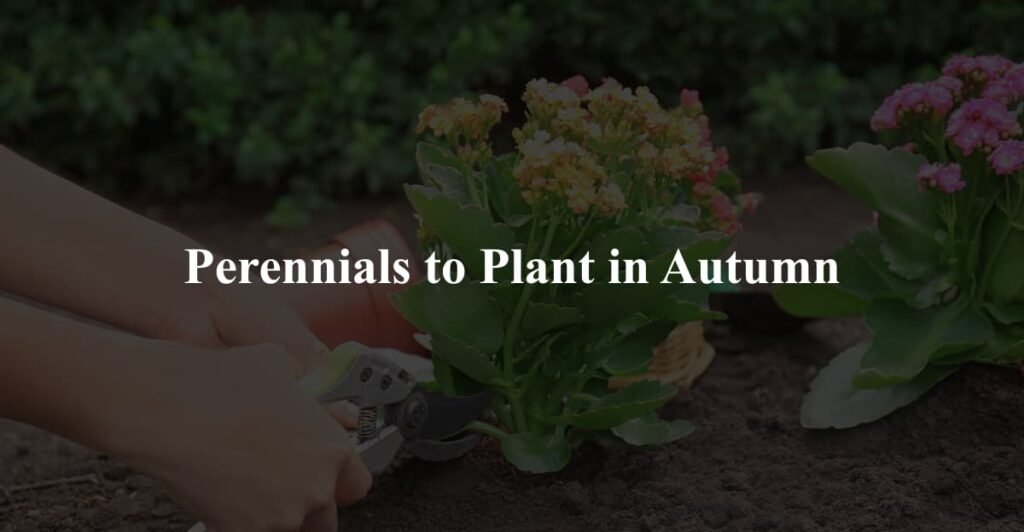
Autumn is an excellent time for planting perennials and shrubs because plants entering dormancy can direct their energy toward establishing roots rather than producing flowers or leaves. Strong root growth during this period helps create a stronger plant for next year, making perennial plants, garden preparation, and seasonal planting especially effective.
I have found that autumn-planted perennials often settle more naturally and return with stronger growth the following year.
Can You Plant Flowers in Winter?
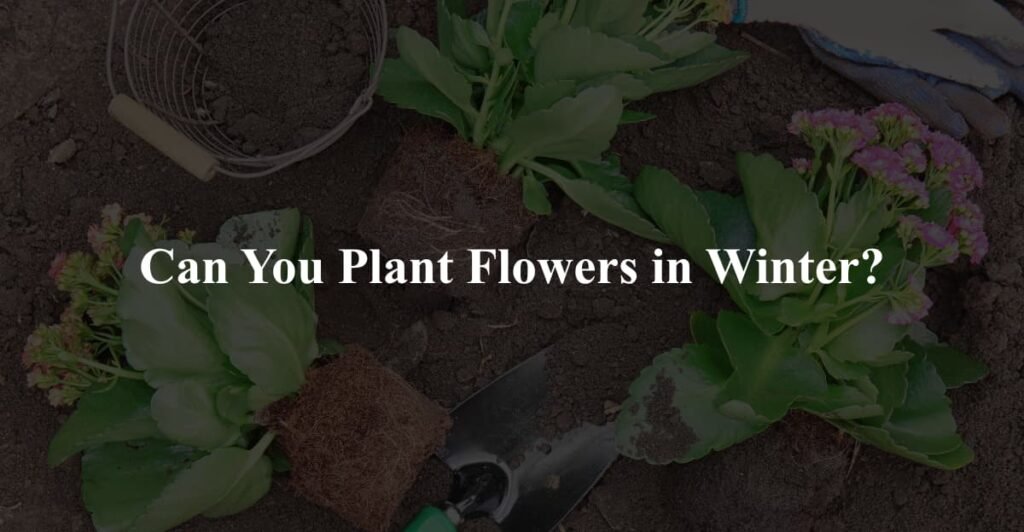
Winter does not completely stop planting flowers, especially when outdoor gardening is limited by cold climates. While the winter season slows outdoor growth, winter gardening, indoor cultivation, strategic preparation, and choosing suitable indoor flowers can keep the garden productive while helping gardeners prepare for the return of warmer conditions.
I use winter as a preparation period, focusing on indoor flowers and garden planning while cold weather limits outdoor planting.
Indoor Flowers to Plant in Winter

Amaryllis and Paperwhites are excellent winter indoor crops that grow from bulbs and can be encouraged into a forced bloom in pots inside the home. Their bright flowers add color during the darkest months, making indoor cultivation, flowering bulbs, planting, and indoor gardening practical ways to enjoy flowers throughout winter.
Amaryllis has been one of my favorite winter choices because its bright blooms provide a welcome burst of color when outdoor gardens are dormant.
Winter Gardening Preparation
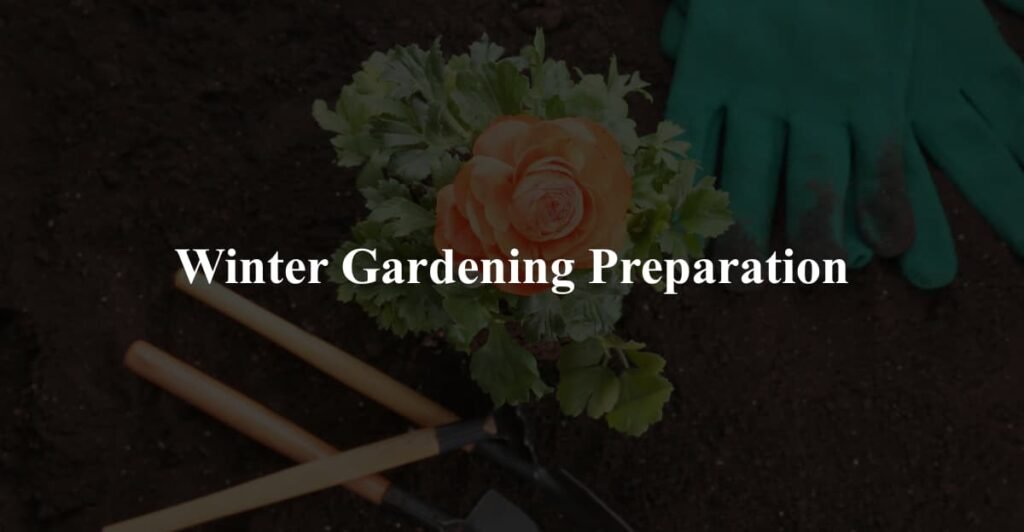
Winter is an ideal period for hardscaping, planning, and preparing the garden’s structural elements before the ground thaws. Building raised beds, checking soil pH, ordering seeds, and completing soil testing make garden planning, winter preparation, planting, and future gardening more organized when warmer weather returns.
I find winter preparation saves considerable time in spring because raised beds, soil testing, and seed planning are already completed before planting season begins.
Flowers That Grow in Cold Weather
In milder climates, particularly Zones 8-11, winter can become a peak growing season for certain flowers. Hellebores, also called Lenten Roses, can bloom in the dead of winter, often pushing through frost with their distinctive nodding bells, making them excellent cold weather flowers for winter blooms, continued growing season, cold tolerance, planting, and the garden.
Hellebores have impressed me with their ability to flower through cold conditions, making them valuable additions to winter gardens where the climate allows.
Essential Data for Planting Success
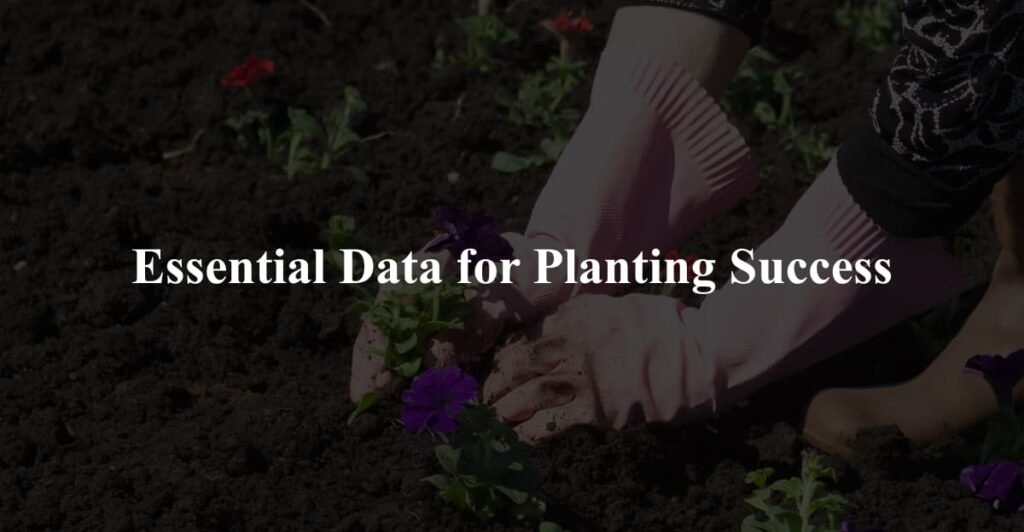
A reliable planting schedule should consider the temperature requirements of different flower categories, especially the difference between soil temperature and air temperature. Tender annuals may struggle when the soil is too cold, even during warm weather, because they need suitable growing conditions to absorb nutrients effectively; matching temperature, seasonal planting, and soil conditions with the needs of your flowers supports stronger planting success and a healthier garden.
I always check soil temperature before planting tender flowers because suitable soil conditions often make a noticeable difference in early growth and nutrient uptake.
Conclusion
Knowing when you can start planting flowers depends on your hardiness zone, soil temperature, frost dates, and seasonal weather conditions. From early spring to summer, fall, and even winter, choosing the right planting window helps flowers establish stronger roots and produce healthier blooms. With careful timing, suitable flower choices, and proper garden preparation, you can create a vibrant, colorful garden that thrives throughout the growing season.
Frequently Asked Questions
1. When can you start planting flowers?
You can start planting flowers when the soil temperature, local frost dates, and weather conditions are suitable for the specific flower species you want to grow.
2. What month is best for planting flowers?
Late spring is often ideal for many warm-season flowers, while cool-season flowers can be planted in early spring and some flowers can also be planted during fall.
3. Can I plant flowers before the last frost?
Some cold-hardy flowers, such as Pansies and Violas, can tolerate light frost, but tender annuals should generally wait until the threat of killing frost has passed.
4. What temperature is best for planting flowers?
The ideal temperature varies by species. Many warm-season annuals perform best when soil temperatures reach around 60°F, while cold-hardy flowers can tolerate cooler conditions.
Please Write Your Comments