Flower Gardening for Beginners: A Complete Step-by-Step Guide to Growing Beautiful Blooms at Home
Updated: September 5, 2026
49
Turn even a small backyard into a vibrant retreat with this flower gardening for beginners guide, designed to make growing beautiful blooms simple and rewarding. Learn how to choose the right plants, prepare healthy soil, provide natural sunlight, master regular watering, and create a thriving garden with confidence. Whether you’re starting with seeds, seasonal flowers, or low-maintenance varieties, follow these practical steps and start growing your beautiful flower garden today then keep exploring for more expert gardening tips.
Table of Contents
Understanding the Basics of Flower Gardening
Successful flower gardening begins with understanding the biological needs of different plant species, including light, water, and nutrient density. A sustainable environment helps foliage and flowering plants thrive while supporting plant health and natural growth. Your garden is a living system where pollinators, bees, butterflies, and other beneficial insects support pollination, biodiversity, and overall floral health. With thoughtful gardening and proper management, you can create a healthy garden ecosystem that needs less constant intervention.
From my own gardening experience, I’ve found that understanding soil, sunlight, and plant health first makes it much easier to grow healthy, long-lasting blooms.
Importance of Choosing the Right Location
Choosing the right location is one of the most important steps for new gardeners, as the placement of garden beds directly affects how well plants grow. Before planting, observe your yard, microclimates, sun exposure, and the movement of shadows throughout the day to determine whether flowering plants need full sun, around six hours of direct sunlight, or partial shade. Delicate varieties benefit from shade and heat protection, especially during intense afternoon heat, which can damage petals and cause stress.
From my gardening experience, careful garden planning and choosing the right planting location have consistently improved plant growth, growing conditions, and overall garden success, reducing the risk of failure.
Best Flowers for Beginner Gardeners
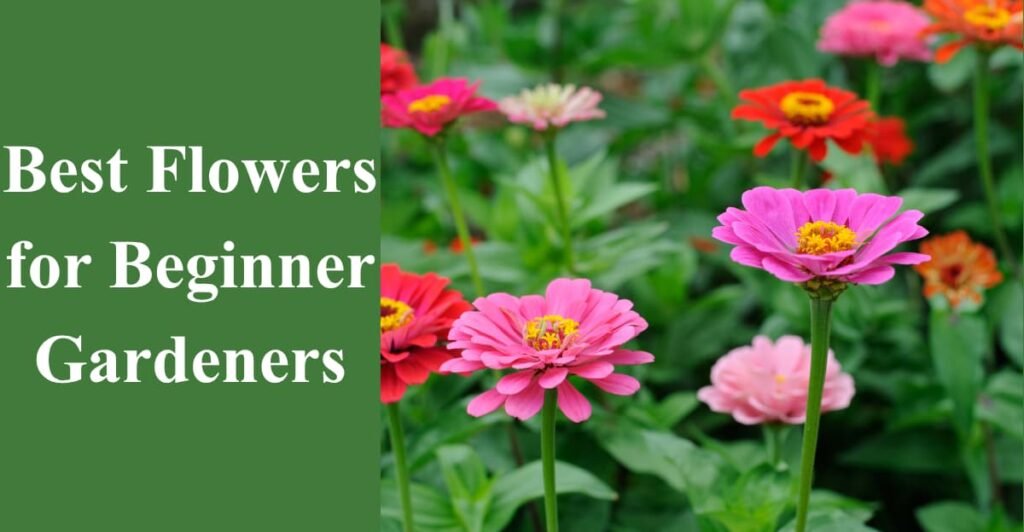
For beginner gardeners, starting with low-maintenance varieties is a smart way to build confidence while choosing plants that can handle climate fluctuations and common garden pests. These dependable flower varieties are easy to grow and offer attractive seasonal color:
- Marigolds: Known for their vibrant colors, Marigolds can naturally repel certain insects, making them useful for natural pest control.
- Zinnias: Easy to grow from seeds, Zinnias offer a massive variety of heights and shades, making them ideal for colorful garden displays.
- Sunflowers: These hardy flowers create dramatic vertical interest and add striking flower colors to the garden.
- Pansies: Perfect for cooler temperatures, Pansies provide beautiful color during early spring and late autumn.
From my gardening experience, beginning with these reliable flowers makes plant selection easier and helps beginners develop gardening confidence while creating resilient, colorful flowering plants.
Preparing Soil for Flower Gardening
Think of soil as your garden’s engine, providing structural support, moisture retention, and healthy root development. In 2026, regenerative gardening protects natural fungal networks through minimal disturbance, while organic matter, good soil structure, aeration, and air circulation support strong plant roots.
From my gardening experience, maintaining soil health and soil quality creates more resilient plants and consistent flowering.
Soil Testing and Improvement
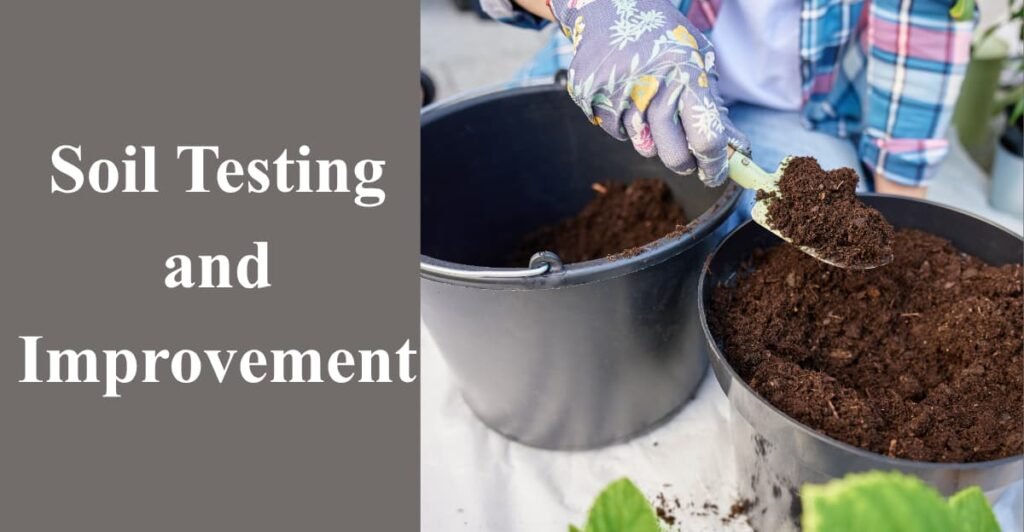
Before applying fertilizer, start with a soil test to understand the baseline, nutrient levels, and soil composition, including Nitrogen (N), Phosphorus (P), Potassium (K), NPK, and pH level. Most flowers prefer a slightly acidic to neutral range, while heavy soil, clay soil, and sandy soil may need a suitable soil amendment such as perlite, compost, peat moss, or well-rotted manure to improve soil drainage, moisture retention, water retention, and nutrient retention. Proper soil fertility, soil texture, soil management, soil conditioning, and fertility management improve plant nutrition and nutrient availability, creating healthier conditions for flower gardening and better growth.
From my gardening experience, testing the soil first makes fertilizer application more precise and helps maintain long-term soil health.
Planting Flowers the Right Way
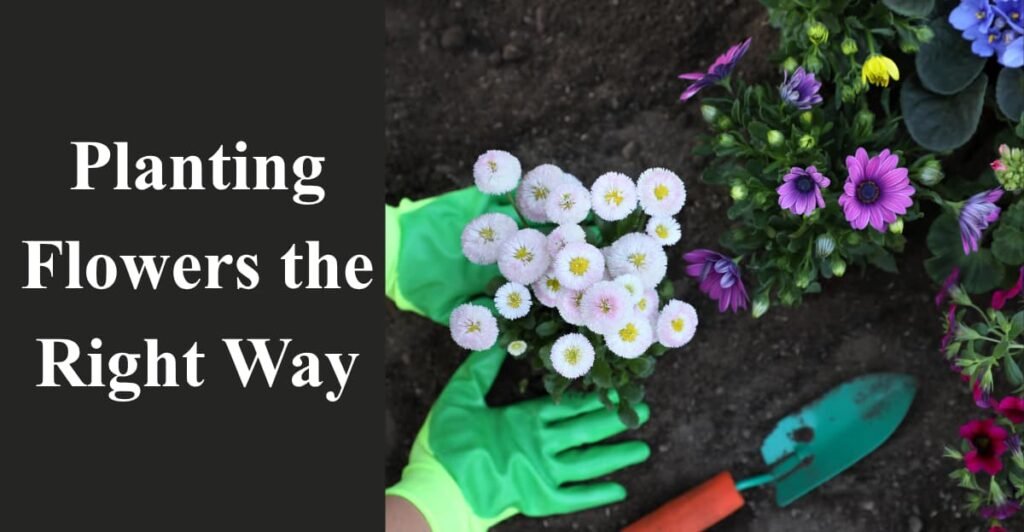
Successful planting flowers starts with a proper planting technique that helps seedlings and potted plants make a smooth transition into their new home. Dig a hole that is twice as wide as the root ball, but keep it no deeper than necessary so new roots can spread through the surrounding soil. When removing a plant from a plastic nursery pot or nursery pot, gently tease the roots if they are root-bound or circling the pot, encouraging them to grow outward. After careful plant placement, firm the soil gently to eliminate air pockets, then water immediately to settle the earth and improve soil contact and moisture around the roots. This approach supports root growth, root development, healthy plant establishment, and stronger garden plants and flowering plants.
From my gardening experience, giving roots enough room and establishing good soil contact from the beginning makes flower planting much more successful.
Watering and Maintenance Tips
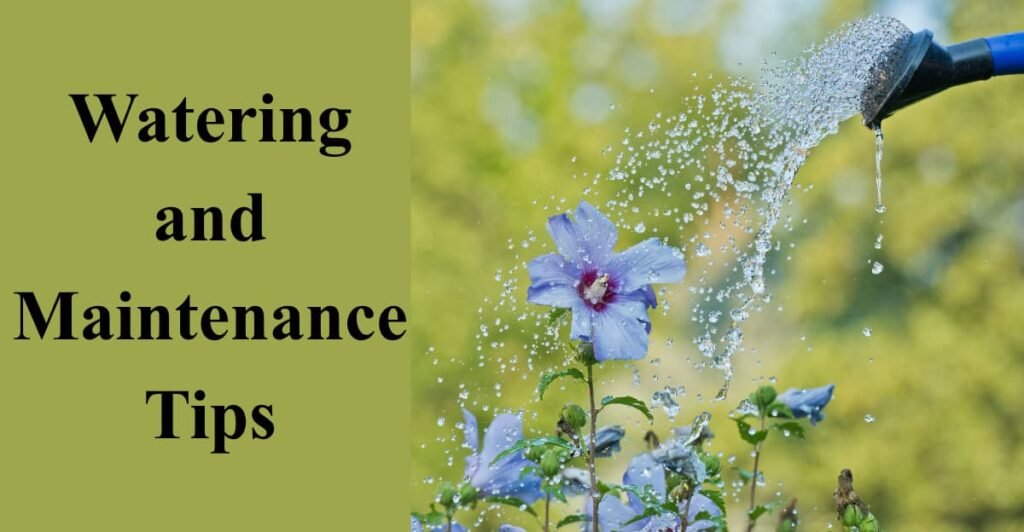
Proper watering and regular maintenance are essential for consistent hydration, healthy plant care, and a thriving flower garden. Focus watering on the root zone rather than the leaves, because wet foliage left overnight can encourage fungal diseases such as powdery mildew and other fungal infection. During the summer, especially at the height of summer, use an effective watering technique and careful water management to maintain plant hydration, moisture management, and root health. Adding mulch, including wood chips or straw, provides soil protection, helps maintain a stable soil temperature, and can suppress weeds, supporting better weed control and overall garden health.
From my gardening experience, consistent watering combined with organic mulch keeps plants healthier and prevents a wilting garden from losing its lush landscape.
Creating a Watering Schedule
Create a consistent watering schedule based on the plant’s species, soil moisture, season, and local climate.
Fertilizing for Healthy Blooming
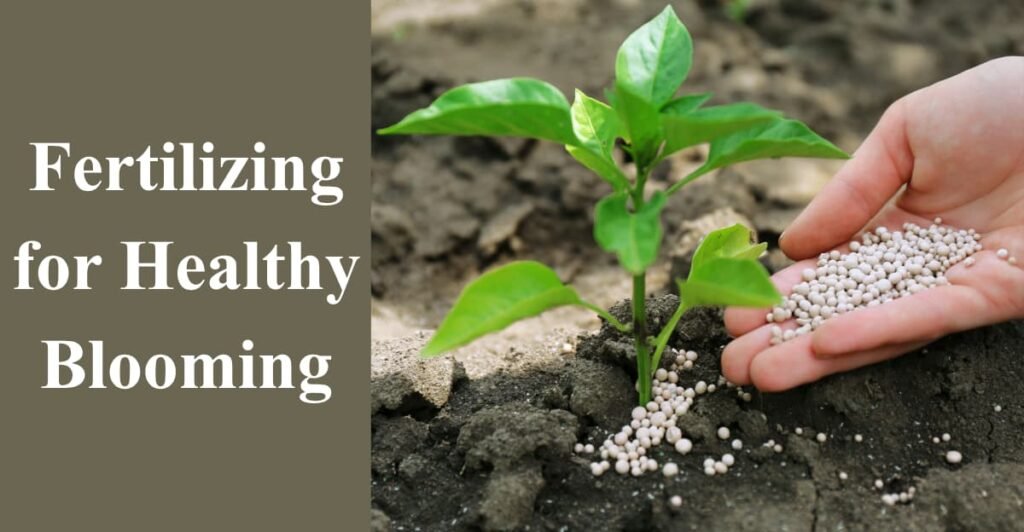
Proper fertilizing supports healthy blooming, maximum bloom density, and stronger flower blooms by giving plants the right nutrients at the right time. Organic fertilizers such as compost tea and fish emulsion provide a slow-release nutrient source that supports root health and soil health, while synthetic fertilizers deliver a quick hit of energy but may cause salt buildup in the soil when overused.
For better flower production, choose a bloom booster formula with a higher middle number, representing Phosphorus, to encourage flowering rather than excessive green leaf growth or leaf growth. Careful fertilizer application improves plant nutrition and nutrient availability while supporting consistent blooming.
From my gardening experience, using organic fertilizer moderately has helped maintain healthy roots and encourage fuller blooms without stressing the soil.
Dealing with Common Gardening Problems
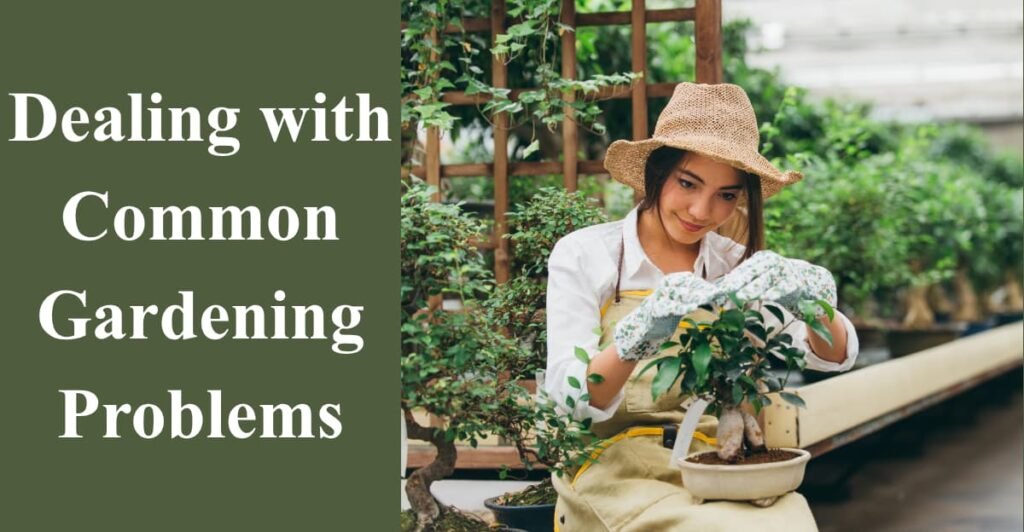
Every gardener faces common gardening problems and challenges, but Integrated Pest Management (IPM) offers an effective approach to handle issues in 2026 by first identifying the problem. Monitor garden pests such as aphids, slugs, and snails before taking action; ladybugs can provide natural biological control against aphids, while physical barriers and non-toxic baits can manage slugs and snails without relying on heavy chemicals. This balanced pest management strategy supports natural pest control, insect control, pest identification, pest prevention, plant protection, and overall garden health.
From my gardening experience, early observation and chemical-free gardening usually prevent small garden problems from becoming serious issues and make garden maintenance much easier.
Seasonal Flower Gardening Tips
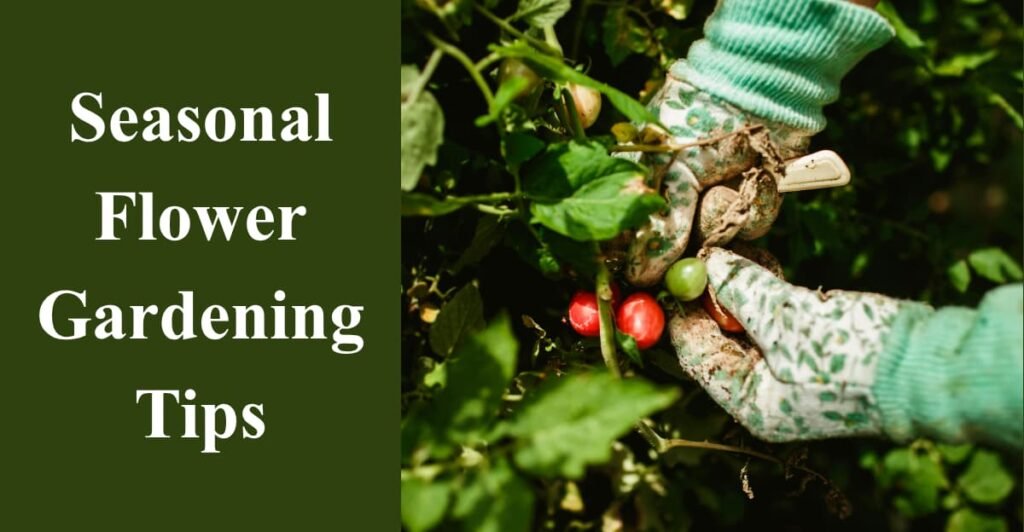
Gardening follows a year-round cycle, so each season brings a different task for successful flower gardening. In spring, focus on soil preparation, planting, and cool-season annuals; during summer, prioritize deadheading, removing dead flowers, and deep watering to encourage new flowers.
In autumn, practice perennial division and planting bulbs such as tulips for the following year, while winter is ideal to plan your garden layout and clean garden tools for disease prevention. This approach to seasonal gardening helps manage seasonal plants, annuals, perennials, and bulbs while maintaining proper watering, flower removal, plant maintenance, garden planning, and garden hygiene.
From my gardening experience, following seasonal tasks makes garden care more organized and keeps flowering displays healthy throughout the year.
Tips to Improve Flower Blooming Naturally
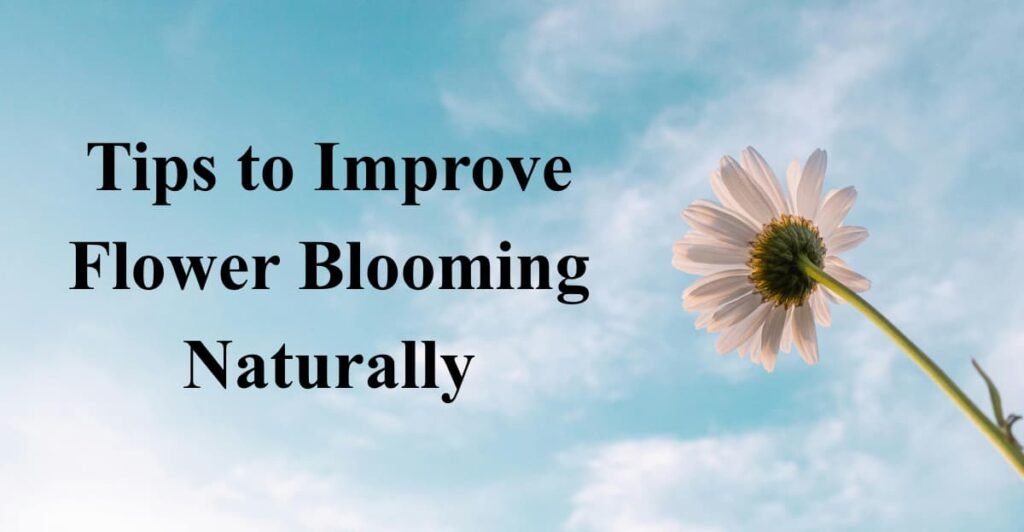
To encourage flower blooming naturally, provide adequate sunlight exposure and practice regular deadheading by removing spent flowers, which redirects plant energy away from seed production and toward new buds and flower buds. Good plant spacing and air circulation improve airflow, reduce stress, and help prevent premature bloom drop, while a biodiverse environment with organic nutrients, organic matter, and essential nutrients supports healthy growth, plant health, and a resilient system. These natural gardening practices strengthen the garden ecosystem, encourage pollination and biodiversity, and promote garden resilience, resulting in abundant flower production, beautiful blooming, and stunning floral displays from healthy flowering plants.
From my gardening experience, combining proper sunlight, consistent deadheading, and healthy soil consistently produces stronger blooms and a more vibrant floral display.
Conclusion
Flower gardening for beginners becomes much easier when you combine the right location, healthy soil, suitable flowers, proper watering, and regular maintenance. By following these practical steps, you can build a healthier garden, encourage beautiful blooms, and enjoy a rewarding gardening experience throughout the seasons. Start small, care for your plants consistently, and let your flower garden grow into a colorful space you can enjoy at home.
FAQs
What are the best flowers for beginner gardeners?
Marigolds, Zinnias, Sunflowers, and Pansies are excellent choices because they are relatively easy to grow, adaptable, and provide attractive seasonal color.
How much sunlight do flowers need?
Most flowering plants prefer full sun, which generally means around six hours of direct sunlight each day, while some delicate varieties perform better in partial shade.
How should I prepare soil for a flower garden?
Start with a soil test, then improve the soil with suitable organic matter such as compost. Good soil should provide proper drainage, moisture retention, aeration, and nutrient availability.
How often should I water a flower garden?
Water according to the plant and weather conditions, focusing on the root zone rather than the leaves. Consistent moisture is especially important during hot summer periods.
Please Write Your Comments