Sprout Flower Guide: How Sprout Flowers Grow, Types, Benefits, and Care Tips
Updated: September 5, 2026
65
Discover the fascinating world of sprout flowers, from the first signs of germination to vibrant blooms that can transform your garden into a thriving backyard habitat. Learn how sprout flowers grow, explore their types and benefits, and uncover practical care tips for healthier plants, stronger roots, and beautiful seasonal blooms. Keep reading to discover simple growing techniques and expert insights that can help you create a more sustainable garden filled with color, nature, and pollinators.
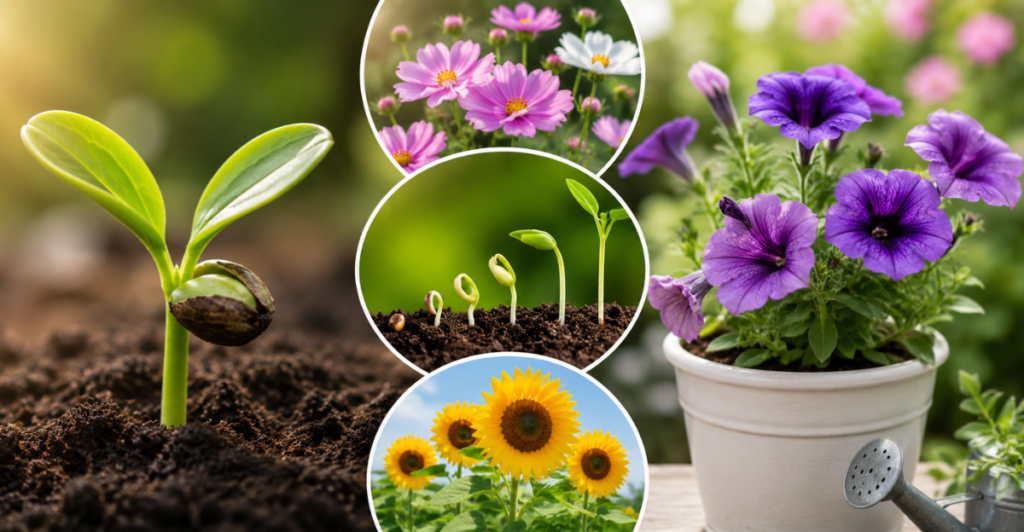
Table of Contents
What Is a Sprout Flower
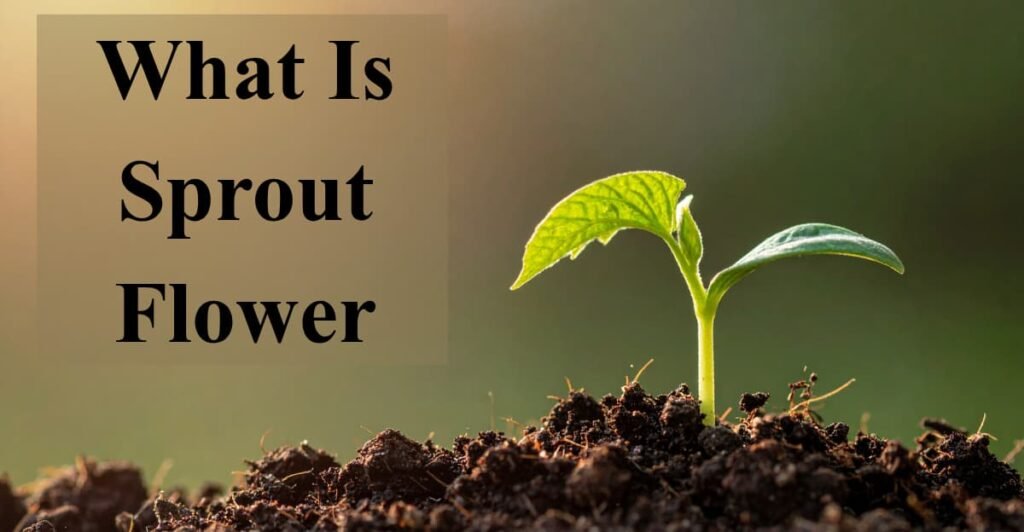
A sprout flower begins in botany as the initial stage of a plant’s reproductive journey, when a germinated seed develops into a seedling and progresses through the plant life cycle toward floral blooms. It moves from the vegetative state toward the flowering stage as growth continues.
Inside the seed coat, a dormant embryo develops a primary root for a water supply and a plumule or shoot that seeks light. Once the green tip breaks through the surface of the soil, the plant uses metabolic energy from its internal food stores before producing energy through photosynthesis, setting the foundation for a future flower.
How Sprout Flowers Grow
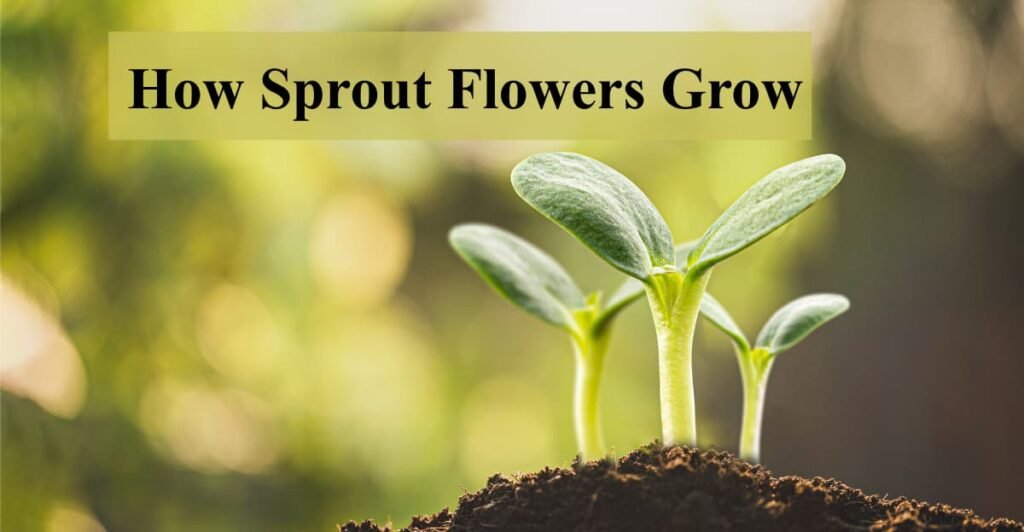
The growth of sprout flowers begins with a series of biological reactions after moisture absorption activates the seed. An enzymatic breakdown of stored starches provides energy, allowing cell division and germination to begin as the shoot emerges. As it grows, phototropism, a natural instinct, guides the shoot toward the light source, while the root system develops into the growing medium to anchor the plant and absorb mineral nutrients such as nitrogen and phosphorus. These nutrients support tissue development and a healthy growth rate, helping the plant stay strong rather than becoming leggy or weak. With proper development, flower buds can eventually form and become strong enough to hold their weight.
Benefits of Growing Sprout Flowers
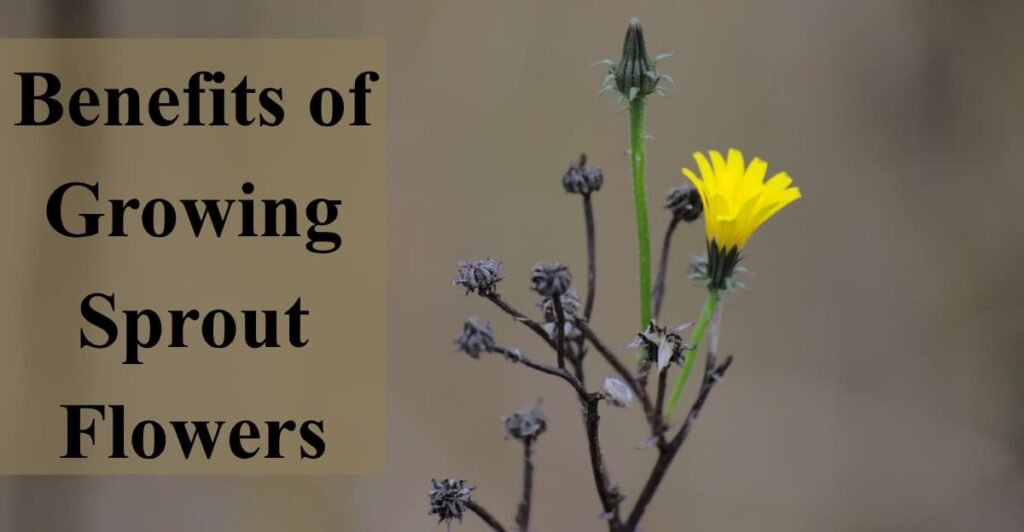
Growing flowers from the sprouting stage offers several environmental benefits and personal rewards, making it a meaningful activity for gardeners and communities.
- Supports Biodiversity: Planting a variety of species in your local area creates valuable pollinator habitats for bees, butterflies, and birds, helping maintain a healthy ecosystem and strengthen biodiversity.
- Promotes Well-Being: Spending time with nature and caring for soil health can support stress reduction and provide a calming sensory delight. Gardening can also encourage relaxation and positive feelings within the community.
- Improves Air Quality: Living plants work as natural air filters, helping absorb certain toxins while releasing oxygen. A vibrant landscape can also add aesthetic value and potentially increase property value.
- Encourages Sustainable Gardening: Growing flowers from seeds can reduce the carbon footprint linked to transporting mature plants from commercial nurseries. This makes sustainable gardening a practical choice while combining environmental care with personal enjoyment.
Best Sprout Flowers to Grow at Home
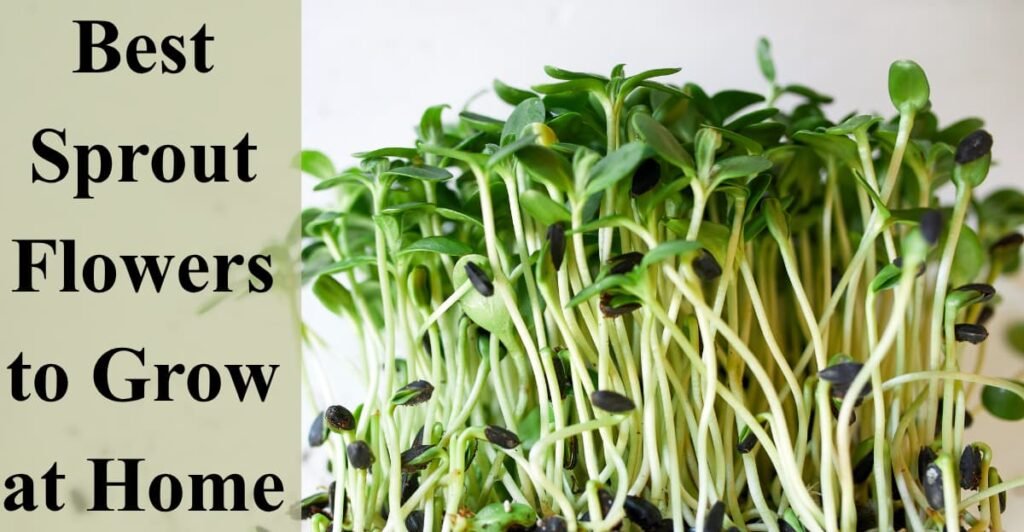
Selecting the right flower species depends on your local climate, available space, and growing conditions. For home gardeners, container gardening is an excellent option because it allows you to manage environmental factors more closely and create the ideal conditions for healthy growth.
- Zinnias: Known for their vibrant petals, long-lasting blooms, and impressive resilience, zinnias are a reliable choice for many gardens.
- Marigolds: Valued for their role in pest control, marigolds can help deter many harmful insects while adding bright color to garden beds and containers.
- Sunflowers: These fast-growing flowers create a striking garden display and are especially enjoyable for children to watch as they develop.
- Sweet Peas: Sweet peas provide a wonderful sensory delight through their intense fragrance, colorful blooms, and delicate climbing vines.
Easy Sprout Flower Seeds for Beginners
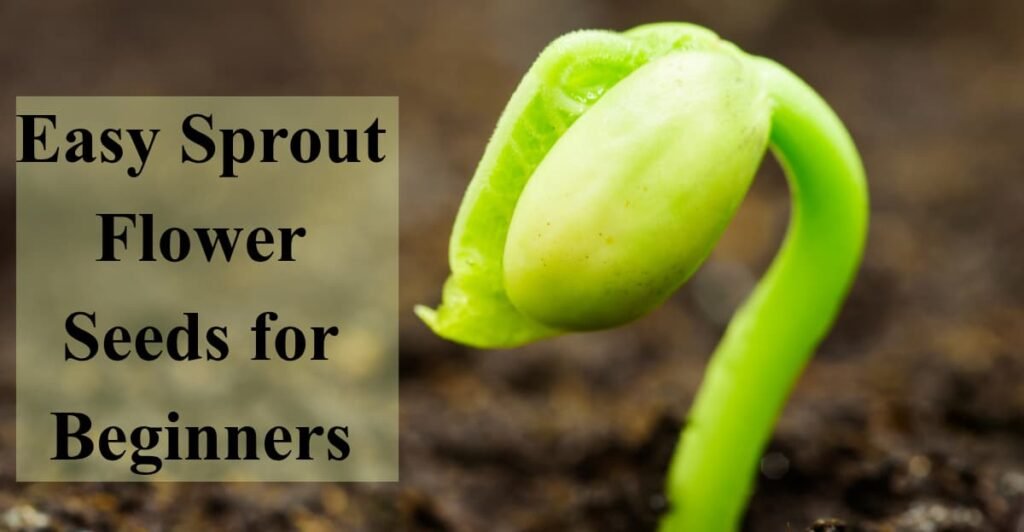
For beginners entering the horticultural world, easy seeds such as Nasturtiums, Cosmos, and Morning Glories offer a strong success rate and reliable germination rate across suitable soil conditions. Nasturtiums have large seeds that are easy to handle and sprout within days, while Cosmos can tolerate poor soil and provide a seasonal bloom lasting for months. Morning Glories are fast-growing climbers known for rapid foliage growth, making all three excellent choices for learning how flowers develop from seed.
How to Grow Sprout Flowers Step-by-Step

Following a simple sprout guide can make it much easier to help your seeds grow into healthy plants and eventually reach the flowering stage. Start by preparing the right growing environment, then give your seeds the moisture, warmth, and space they need to develop.
- Preparation: Clean your planting trays thoroughly and make sure they have proper drainage to prevent excess water from building up around the seeds.
- Sowing: Place each seed at the correct planting depth, which is generally about twice the width of the seed. Cover it lightly with soil or potting mix.
- Hydration: Mist the seeds gently with a spray bottle to maintain consistent moisture without disturbing or washing away the potting mix.
- Warmth: Keep the growing area at a stable temperature to create favorable conditions for the embryo to break dormancy and begin growing.
- Thinning: When the first true leaves appear, carefully remove the weaker seedlings. This gives the healthiest plants enough room, light, and nutrients to expand.
Best Soil for Sprout Flower Growth
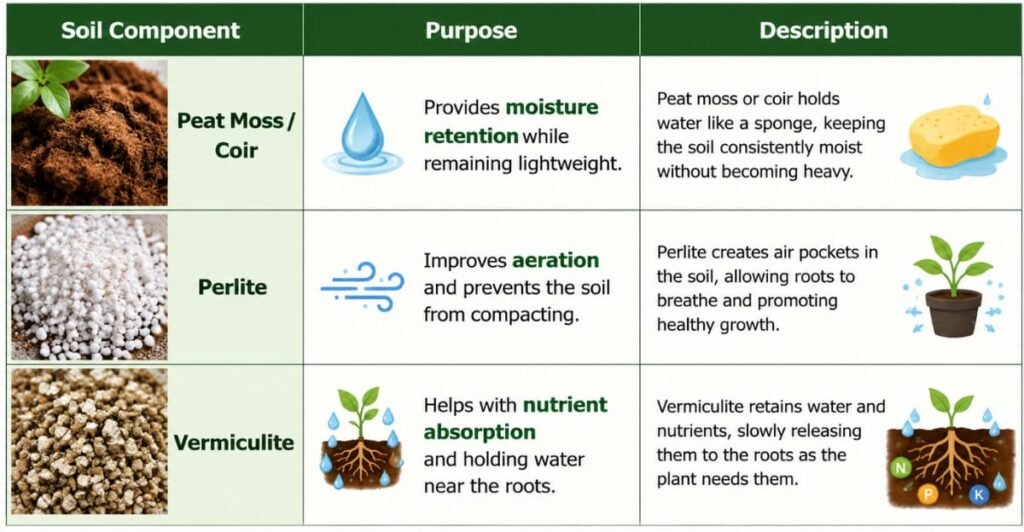
The growing medium plays a vital role in healthy sprout development, so young plants benefit from a light, fluffy, and sterile seed-starting mix that supports strong root growth. Unlike regular garden soil, which can be too heavy and may contain soil-borne pathogens that increase the risk of damping off, a quality seed-starting medium provides a cleaner environment for delicate seedlings. A high Cation Exchange Capacity (CEC) also helps the soil retain and supply essential minerals, while organic matter improves nutrient availability and supports steady plant growth.
Watering Tips for Sprout Flowers
Good water management requires a delicate balance because overwatering can cause root rot, while underwatering reduces turgor pressure and makes the plant wilt. Follow the Goldilocks method by keeping the soil consistently damp, similar to a wrung-out sponge, and adjust your watering routine as conditions change.
Apply water at the base of the plant to keep the foliage dry and reduce the risk of fungal diseases, while using room temperature water to protect the delicate root system. As the plant develops, practice deep watering so the roots grow farther into the earth and establish a stronger foundation.
Sunlight Requirements for Sprout Flowers
Light is the primary fuel for photosynthesis, so most flowering plants perform best in Full Sun, receiving around 6–8 hours of direct sunlight per day. For indoor plants, LED grow lights can provide extra illumination and help prevent stems from becoming thin and weak. Photoperiodism also influences growth because periods of darkness can affect the development of flower buds, so check whether your chosen species is a long-day plant or short-day plant.
Best Temperature for Flower Sprouting
Maintaining the right soil temperature is essential for helping seeds germinate effectively, with 18°C to 24°C (about 65°F to 75°F) generally providing favorable conditions for the germination process. If the ground becomes too cold, a seed may rot before it can sprout, especially during early spring. Using heat mats beneath seedling trays can provide steady warmth and encourage faster, more reliable germination.
Indoor Sprout Flower Growing Guide
An indoor sprout flower growing guide is useful when growing indoors to avoid unpredictable weather and create a more controlled environment. Good environmental stewardship means working with nature by maintaining suitable humidity levels and proper ventilation, while preventing stagnant air that can encourage pest infestations, especially spider mites.
Outdoor Sprout Flower Growing Tips
Before moving a seedling into the outdoor environment, begin hardening off, a gradual process of gradually exposing the plant to changing conditions over 7 to 10 days. Start by placing it in shade, then slowly increase its exposure to wind and direct sun, allowing the plant to adapt without unnecessary stress. This gradual transition strengthens the plant’s cell walls and helps it adjust more confidently to outdoor growing conditions.
Common Problems When Growing Sprout Flowers
One of the common challenges for gardeners is damping off, a fungal issue that causes the stem to shrivel near the soil line, especially when the growing medium is too wet. Maintain good airflow and avoid letting the soil over-saturate to reduce the risk of this problem. Another concern is nutrient deficiency, which may appear as yellowing leaves or chlorosis; applying a balanced organic fertilizer or suitable organic fertilizer can help restore healthy plant growth.
How to Care for Sprout Flowers After Germination
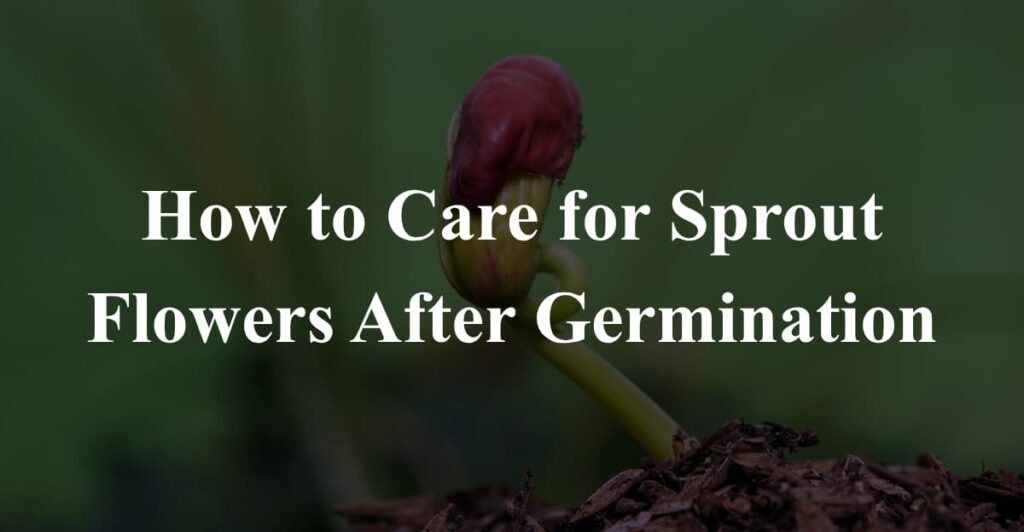
Once a sprout flower has completed germination and established its true leaves, consistent care becomes important for healthy growth and future floral blooms. Along with regular water, follow a suitable fertilization schedule using a formula containing phosphorus to support strong root development and flowering potential. Applying mulching around the base of the plant also helps with weed suppression and moisture retention, keeping the growing area more stable as the plant develops.
Best Time to Grow Sprout Flowers
The ideal time for sowing sprout flowers depends more on your local hardiness zone than a fixed calendar date, especially as changing seasonal cycles continue to influence growing conditions in 2026. In most regions, planting after the last frost date in spring provides the best start for healthy development. For a thriving ecosystem, consider staggered planting every two weeks, which can extend the continuous bloom period and keep your garden colorful throughout summer and autumn.
Fastest Growing Sprout Flowers
For gardeners seeking quick results, several species can move from seed to bloom in just 50 to 60 days, making them ideal for a fast and rewarding display. Sunflowers can grow several inches in a single week, while Marigolds are known for fast germination and quickly developing vibrant petals. California Poppies are another excellent choice, following a rapid natural growth cycle that makes these among the fastest growing sprout flowers for gardeners who want noticeable progress in a short time.
Expert Tips for Healthy Sprout Flowers

As a professional content creator and horticultural enthusiast, I recommend paying close attention to the microbiome of your soil by adding mycorrhizal fungi to the planting hole, where they can form a symbiotic relationship that improves nutrient absorption and drought resistance.
Regularly deadhead spends flowers so the plant can direct more energy toward new flower buds instead of seed production, while maintaining organic matter and observing plants daily to catch problems early. In my gardening experience, a sustainable garden becomes a more rewarding experience when you combine proper drainage with consistent pest management, helping create a vibrant landscape that flourishes throughout 2026.
Conclusion
Growing sprout flowers successfully starts with the right soil, moisture, temperature, sunlight, and consistent care. From germination and early root development to healthy blooms, simple growing practices can create a vibrant and sustainable garden. Follow these practical tips to nurture stronger plants, enjoy beautiful flowers, and support a healthier garden ecosystem.
FAQs
What is a sprout flower?
A sprout flower refers to the early stage of a flowering plant’s growth, beginning when a germinated seed develops into a seedling and eventually progresses toward the flowering stage.
What soil is best for growing sprout flowers?
A light, fluffy, and sterile seed-starting mix is ideal for young sprouts because it supports root development and reduces exposure to soil-borne pathogens.
How long does it take for sprout flowers to bloom?
Some fast-growing flower species can develop from seed to bloom in around 50–60 days, although the timing varies depending on the species and growing conditions.
How often should I water sprout flowers?
Keep the soil consistently damp without overwatering. Water at the base of the plant and allow the growing medium to drain properly to reduce the risk of root rot and fungal diseases.
Please Write Your Comments