Flower Gardening in June: The Ultimate Guide to a Blooming Summer Garden
Updated: September 5, 2026
36
June can turn an ordinary garden into a burst of color when you choose the right flowers and follow smart summer gardening practices. Discover how to manage soil moisture, sunlight, watering, mulching, pests, and maintenance to keep your blooms healthy, vibrant, and long-lasting. Follow these practical June flower gardening tips and bring your outdoor space to life.
Table of Contents
Best Flowers to Grow in June
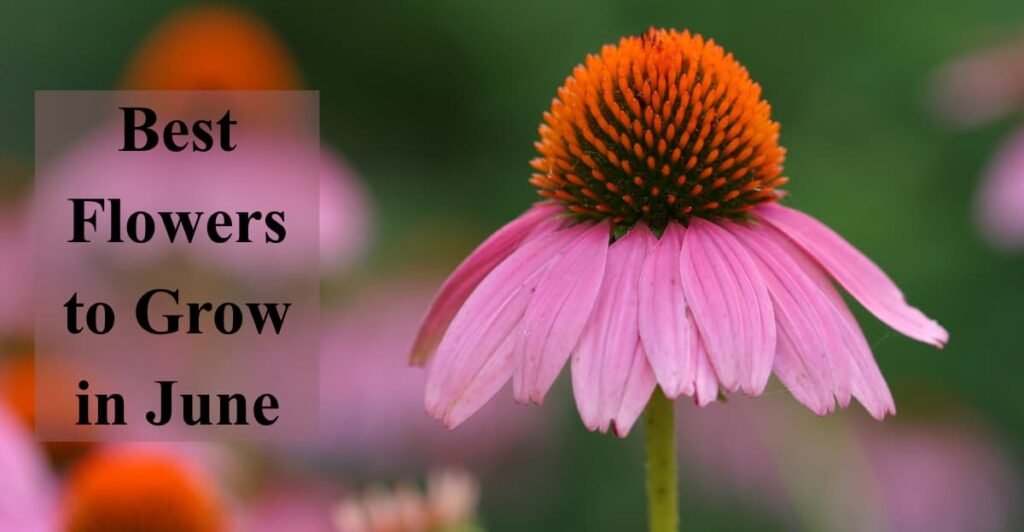
Choosing the right varieties is the foundation of a successful summer display in June, with heat-tolerant species able to withstand the intensity of the mid-year sun. Perennials such as Lavender, Coneflowers (Echinacea), and Black-eyed Susans are top performers, offering resilience and consistent color throughout the season.
For immediate impact, annuals like Zinnias, Marigolds, and Cosmos are excellent choices because of their rapid growth cycles and ability to attract pollinators such as bees and butterflies. When selecting plants, consider foliage density, as silver leaves and waxy leaves often provide higher drought tolerance, making them ideal for shifting climate patterns in 2026.
I’ve found that combining dependable perennials with fast-growing annuals creates a fuller, more colorful June garden with less stress during hot spells.
Ideal Soil Preparation for June Flower Gardening
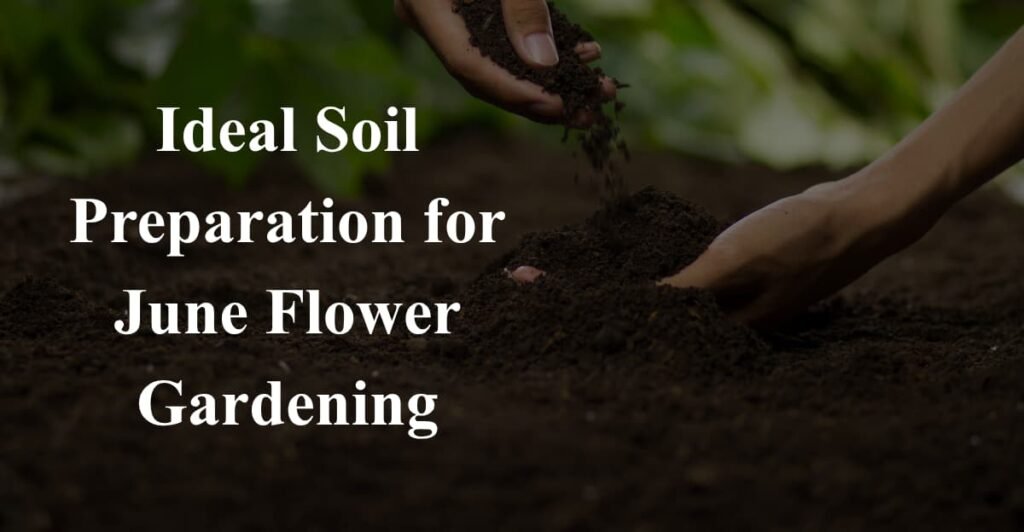
Healthy soil is the literal bedrock of any garden, and in June, it can quickly dry out and compact because of increased evaporation. Prepare garden beds by improving soil moisture retention and structure with organic matter, especially nutrient-rich compost and well-rotted leaf mold, which feeds plants while creating a natural sponge effect within the earth.
Mulching with wood chips or straw is a non-negotiable step, acting like a thermal blanket that keeps root systems cool while preventing competing weeds. This stable underground environment reduces plant stress, helping annuals and perennials conserve energy for producing vibrant, fragrant petals instead of focusing on survival.
I’ve found that adding compost before applying a thick mulch layer keeps June soil noticeably softer, cooler, and easier to manage during hot, dry periods.
Watering Tips for Summer Flower Gardens
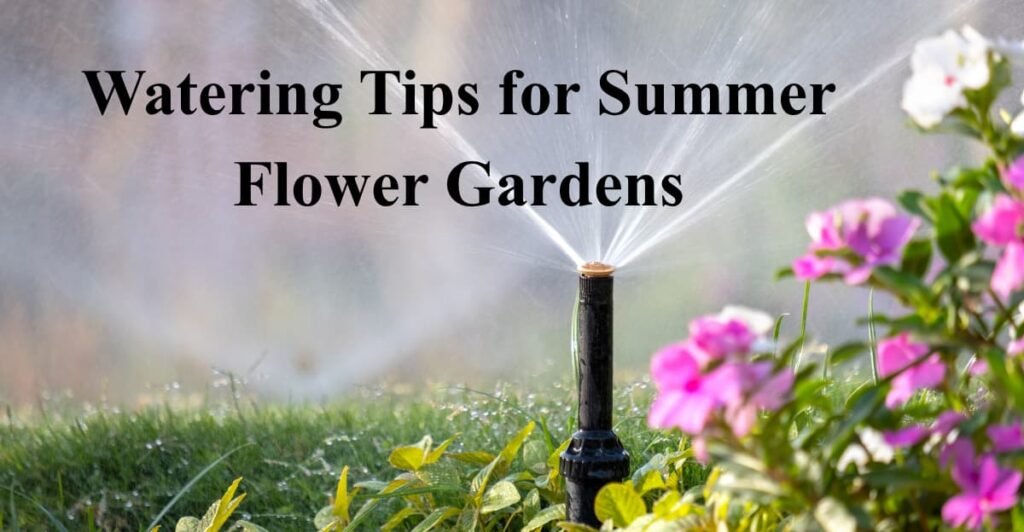
As temperatures rise, consistent watering becomes a critical daily task, but the right timing, method, hydration, and frequency matter just as much. Water in the early morning so moisture reaches the roots before sunlight becomes intense and causes rapid evaporation. Follow key irrigation principles such as Deep Soaking: water the soil deeply instead of relying on frequent shallow sprinkles, encouraging roots to grow deeper into the earth, where conditions remain cooler.
Avoid Foliage by directing water away from leaves to reduce fungal issues, using a soaker hose or watering can at the base of the plant. During a Drainage Check, make sure pots and beds have proper drainage, since wet feet can cause root rot even during summer heat.
I’ve found that deep early-morning watering keeps flowers noticeably stronger through hot days than frequent light sprinkling.
Sunlight Requirements for June Flowers
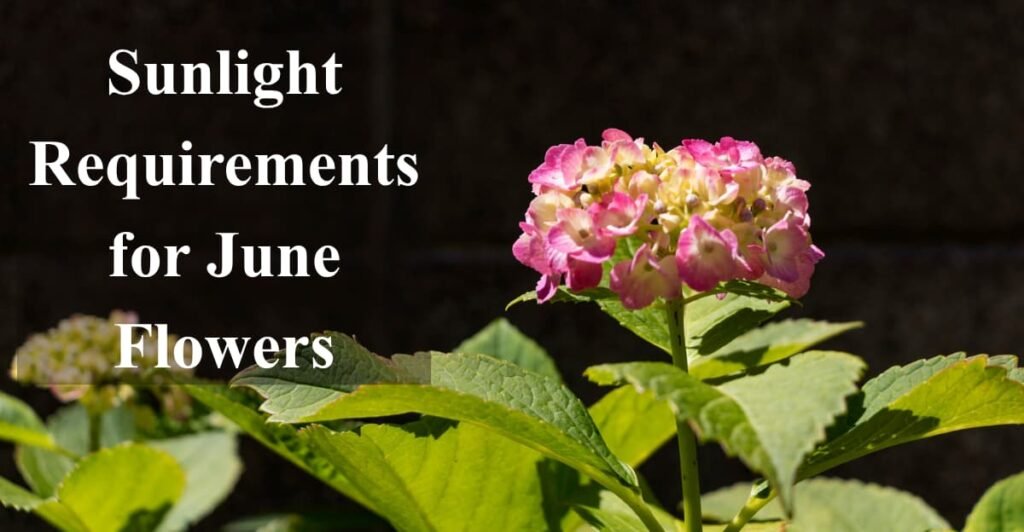
In June, the maximum amount of sunlight of the year can be a double-edged sword for flowering plants. Most need around six hours of direct light to bloom, yet excessive heat may cause wilt and scorched leaves, so understanding specific light needs is essential when planning your botanical collection and placement. Full-sun lovers such as Sunflowers and Hibiscus thrive in the open, while delicate species may benefit from filtered shade during peak afternoon hours.
If plants begin drooping around midday, excessive light intensity may be responsible; temporary shade cloths or strategically positioned taller plants can shield smaller ones, creating a protective microclimate that keeps your outdoor space lush.
I’ve found that watching plants during midday is the easiest way to judge whether their sunlight exposure is truly suitable, especially during intense June heat.
Fertilizing Your Flowers in June
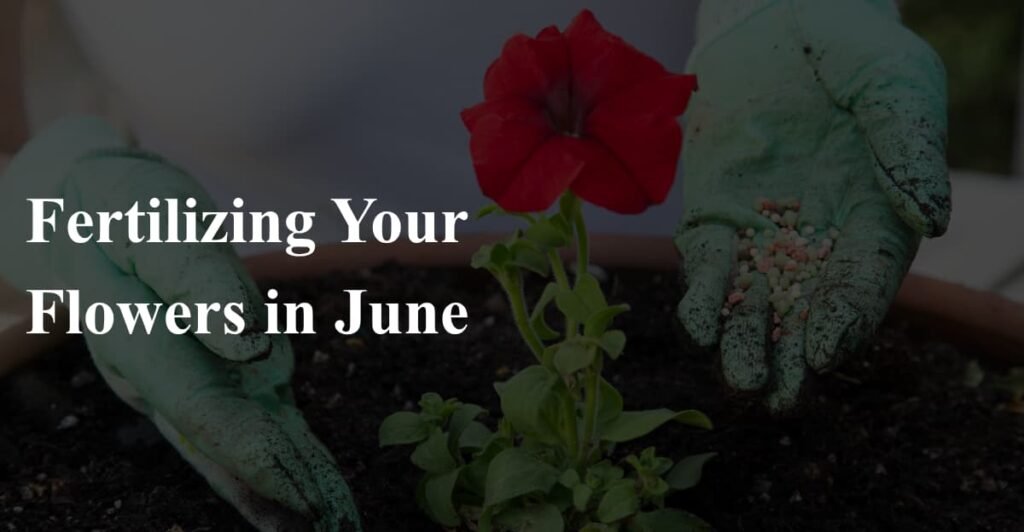
To sustain a heavy bloom cycle, plants need a steady supply of nutrients, particularly in when June flowers enter their peak growth phase and can quickly deplete the surrounding soil. A balanced, slow-release fertilizer provides a consistent drip feed of energy, while liquid fertilizers deliver a quick boost when needed, making them especially useful for heavy feeders such as Roses and Dahlias.
In my June garden, I prefer slow-release feeding for steady growth and reserve liquid fertilizers for roses and Dahlias when they need an extra boost.
Nutrient Comparison for Summer Blooms
During the summer months, flowering plants need a balanced supply of nutrients to support lush foliage, strong roots, vibrant blooms, and overall plant health. Understanding the role of each nutrient helps prevent common deficiencies while avoiding excessive fertilizer that can encourage leaf growth at the expense of flowers.
- Nitrogen: Supports healthy green foliage and strong stem development. A deficiency often causes yellowing of older leaves and slow growth.
- Phosphorus: Encourages strong root systems and supports flower formation. Low phosphorus may result in fewer blooms or purple-tinted leaves.
- Potassium: Improves plant vigor, strengthens stems, and helps increase disease resistance. A deficiency can cause brown or burnt-looking leaf edges.
- Balanced Fertilization: Avoid excessive nitrogen during summer because it can produce abundant leaves with fewer flowers. A balanced or phosphorus-supporting fertilizer can help maintain healthy growth and colorful blooms.
Pest and Disease Control in Summer Gardens
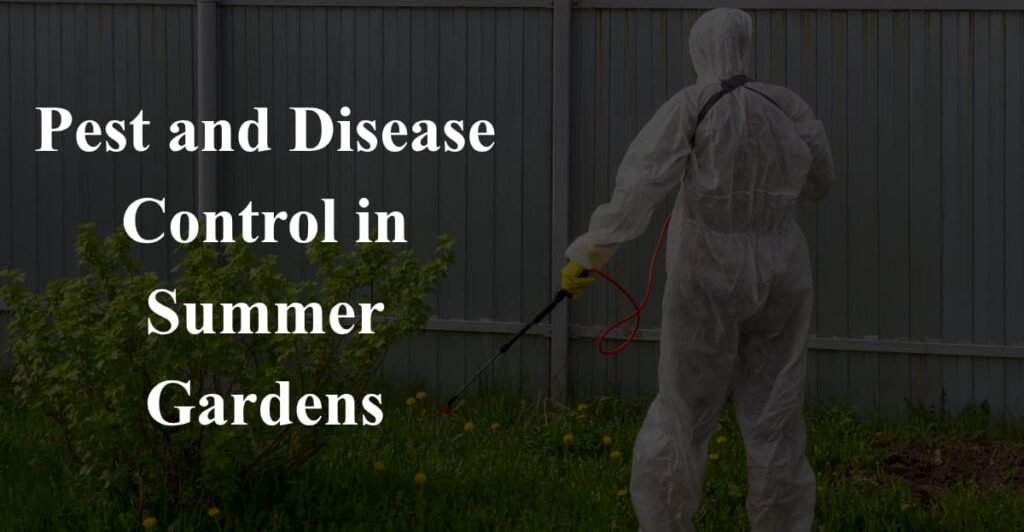
During warm weather, an increase in pests such as aphids, spider mites, and Japanese beetles can quickly harm flowers, as these insects may quickly damage fragrant petals and weaken the overall health of your garden. Early detection is the best defense, so regularly inspect the undersides of leaves and junctions of stems for signs of infestation.
For disease control, high humidity can encourage powdery mildew and black spot, but you can mitigate these problems by improving airflow through plants, maintaining proper spacing, and practicing careful pruning. Organic sprays such as neem oil and insecticidal soaps can help manage common issues while avoiding unnecessary harm to beneficial pollinators that support garden health and reproduction.
I’ve found that checking leaves and stems regularly catches pest problems early, while good spacing and airflow often prevent disease before stronger treatment becomes necessary.
Deadheading and Maintenance Tips
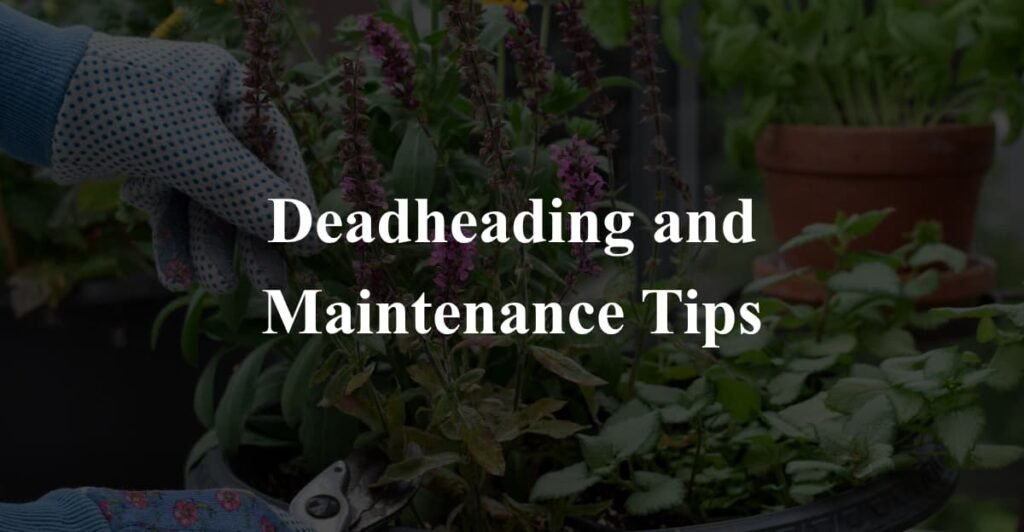
Regular maintenance and deadheading are among the simplest yet most effective garden tasks, especially in June. Removing faded blossoms before they develop seed, or cutting back old flowers, signals the plant to continue producing new buds, and this simple act can extend the life of your landscape display by several weeks.
June tidying also involves removing yellowing leaves and diseased leaves to support aesthetics and health, staking tall plants such as Delphiniums and Foxgloves to protect them from summer thunderstorms, lightly pruning fast-growing shrubs to maintain their shape within garden beds, and checking whether the mulching layer has thinned out or shifted.
I’ve found that a few minutes of deadheading and tidying every few days keeps the garden noticeably fresher while encouraging a longer flowering period.
Creative Flower Garden Design Ideas for June
Designing a garden in June is about playing with colors and textures to create a visual escape, whether you prefer a monochromatic theme such as an All-White Garden that glows under moonlight or a high-contrast Sunset Garden filled with deep oranges and bright purples. Mixing different heights and textures adds a sense of depth, making even a small outdoor space feel expansive, while utilizing containers provides greater versatility because you can move pots to fill gaps left by early spring bulbs that have faded.
Combining trailing plants like Petunias with upright thrillers such as Salvia creates a dynamic look, while thoughtful design choices, healthy soil moisture, and proper nutrition can turn your garden into a masterpiece of botanical art throughout the summer months.
I’ve found that combining containers, varied plant heights, and contrasting flower colors gives even a compact garden a richer, more intentional appearance.
Conclusion
June is the perfect time to build a healthy, colorful, and thriving summer garden with the right flowers, soil preparation, watering, sunlight, feeding, and maintenance. From Lavender, Zinnias, and Sunflowers to thoughtful mulching, deadheading, and pest control, these simple practices can keep your blooms vibrant throughout the season. Start applying these June flower gardening tips today, and turn your outdoor space into a lush, pollinator-friendly garden filled with beautiful summer blooms.
Frequently Asked Questions
What are the best flowers to grow in June?
Lavender, Coneflowers, Black-eyed Susans, Zinnias, Marigolds, and Cosmos are excellent flowers to grow in June because many tolerate summer heat and provide long-lasting color.
How often should I water flowers in June?
Water deeply when the soil begins to dry, preferably in the early morning. Deep watering encourages stronger root growth and reduces moisture loss from evaporation.
What is the best soil for June flower gardening?
Well-drained soil enriched with organic matter, nutrient-rich compost, or well-rotted leaf mold is ideal. Adding mulch can also help retain soil moisture and protect roots from heat.
How much sunlight do flowers need in June?
Many flowering plants perform best with around six hours of direct sunlight, although delicate varieties may benefit from filtered shade during intense afternoon heat.
Please Write Your Comments