Puerto Rico Flower: Meaning, History, Symbolism, and Cultural Importance of the Flor de Maga
Updated: September 23, 2026
19
Discover the Puerto Rico flower, the stunning Flor de Maga, and uncover the meaning, history, symbolism, and cultural importance behind this iconic national flower. From its vibrant petals and natural beauty to its connection with Puerto Rican heritage, resilience, and biodiversity, this remarkable bloom tells a story rooted in the island’s identity. Keep reading to explore its fascinating history, symbolism, unique characteristics, and enduring place in Puerto Rico’s culture.
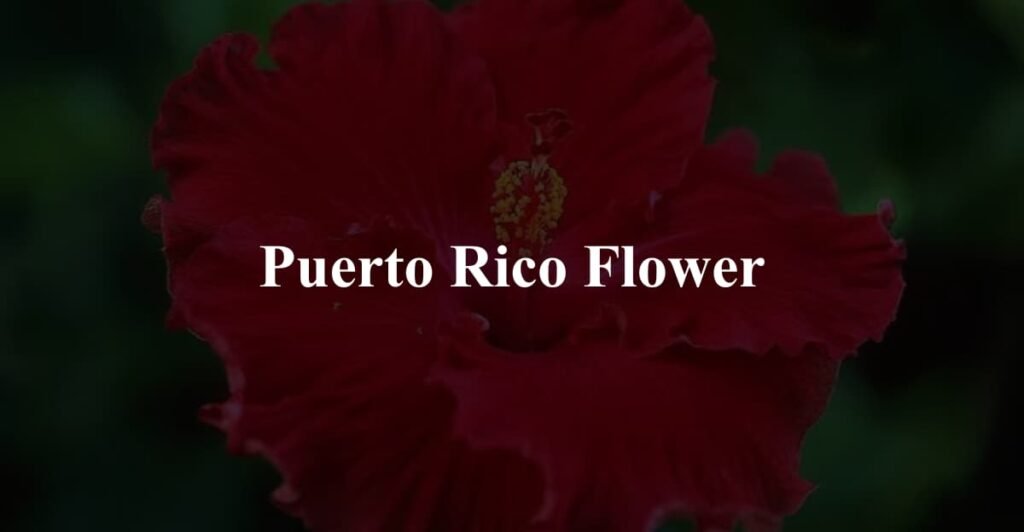
Table of Contents
What Is the National Flower of Puerto Rico?
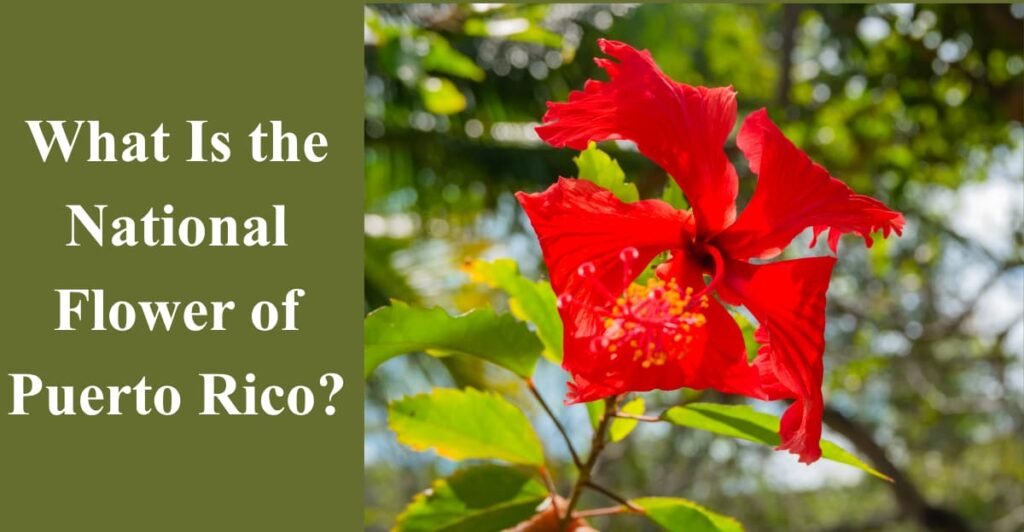
The national flower of Puerto Rico is the Flor de Maga (Thespesia grandiflora), an endemic tree recognized for its large saucer-shaped blossoms, heart-shaped leaves, and connection to the island’s native flora. Unlike the common garden hibiscus, this botanical entity belongs to Puerto Rico’s unique karst limestone forests, moist forests, and tropical ecology.
Its importance extends beyond botanical identification to cultural significance, floral symbolism, and environmental conservation, with 2026 conservation efforts focusing on habitat protection, biodiversity, and the preservation of endemic species. Researchers and eco-tourists increasingly value these unique karst limestone forests as part of Puerto Rico’s natural heritage.
From my experience studying tropical flora, the Flor de Maga is especially remarkable because its botanical identity and cultural significance are closely connected.
History of the Puerto Rico Flower
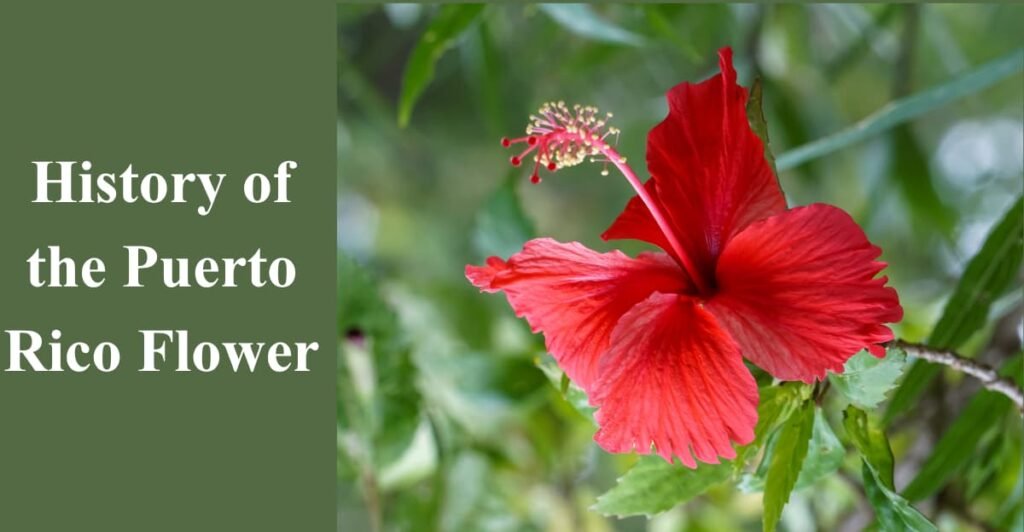
The Flor de Maga has a fascinating history shaped by the Taíno people, Spanish settlers, and Puerto Rico’s period as a Spanish colony. Historically valued for its exceptionally hard wood, timber, and termite resistance, the tree provided noble wood for fine furniture and musical instruments rather than simply serving ornamental purposes.
By the mid-20th century, scientists and cultural leaders increasingly recognized its biological heritage, botanical heritage, and endemic identity as a source of symbolic pride. This historical shift from functional utility toward cultural identity, environmental consciousness, and national heritage strengthened the Flor de Maga’s place in Puerto Rican culture.
In my experience, understanding its timber history makes the flower more meaningful because it reveals how practical use gradually evolved into botanical and cultural appreciation.
Why Flor de Maga Was Chosen as Puerto Rico’s National Flower
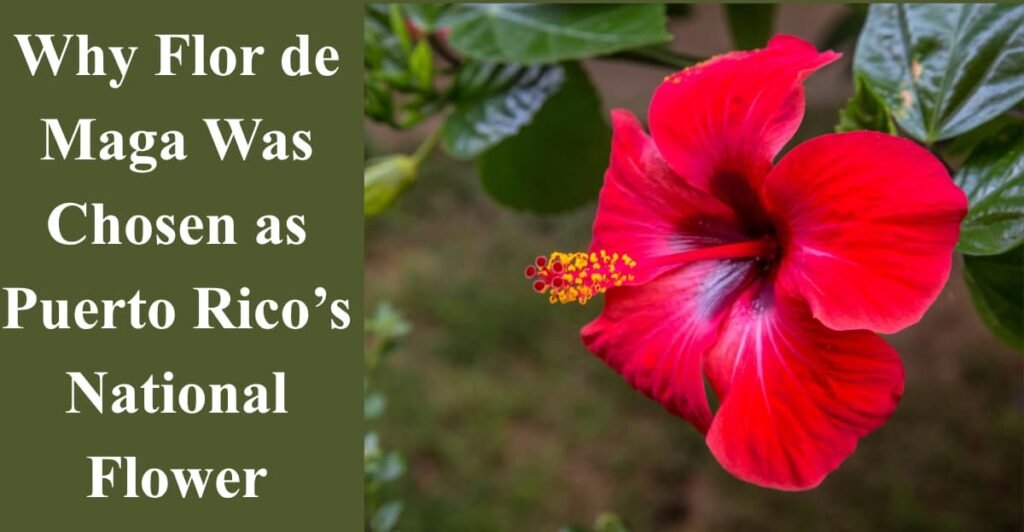
The Flor de Maga was chosen as Puerto Rico’s national flower because its endemism reflects uniqueness and natural sovereignty. As an endemic species confined to a specific location, it represents the island’s distinctive botanical identity, native species, endemic flora, and ecological uniqueness.
Its remarkable resilience, durability, weather resistance, and ability to withstand heavy rains and tropical storms also made it a powerful metaphor for the Puerto Rican people. Officially designated in August 1941, the flower became part of education, schools, government symbolism, and official government iconography, reinforcing national pride, Puerto Rican heritage, and cultural identity.
From my botanical perspective, its natural adaptation to a demanding tropical environment makes its symbolism of resilience particularly convincing.
Meaning and Symbolism of the Puerto Rico Flower
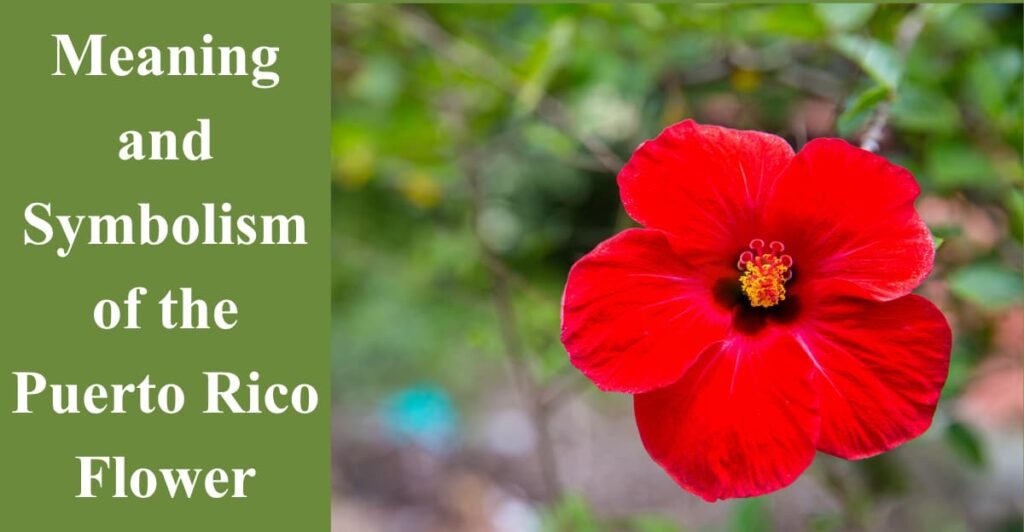
The Flor de Maga represents enduring beauty, resilience, endemic strength, and a connection to Puerto Rican identity. Its delicate bloom resembles a hibiscus, yet its growth on a sturdy, long-lived tree creates a powerful image of a delicate spirit supported by a strong foundation.
In modern 2026 culture, the flower continues to express Boricua pride, national pride, and cultural symbolism through digital art, fashion, and other forms of cultural expression. Its association with Patria (Homeland), ancestors, limestone hills, natural heritage, and island heritage gives the flower a deeper meaning rooted in connection, strength, beauty, and floral identity.
In my experience, the strongest symbolism comes from seeing the Flor de Maga as both a beautiful tropical flower and a living connection between people, land, and heritage.
Physical Characteristics of the Flor de Maga
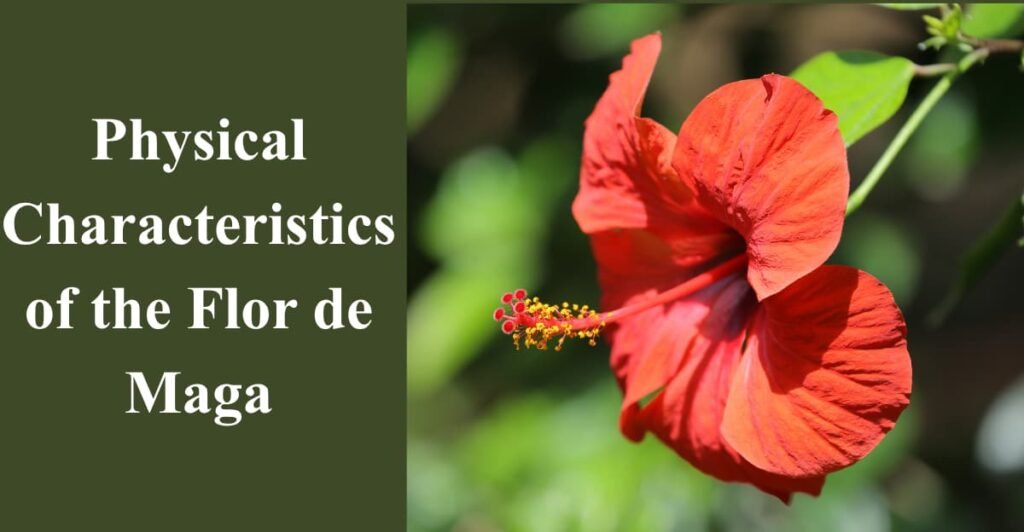
The Flor de Maga is an evergreen tree that can grow 30 to 50 feet tall and belongs to the Malvaceae family, which also includes cotton and okra. Its distinctive bloom, leaves, fruit, trunk, bark, and central stamen column reflect its unique plant structure, floral structure, and botanical characteristics.
Its seeds and cuttings support propagation in modern nurseries, while its growth pattern highlights the plant morphology, reproductive structures, and character of this tropical flowering tree.
From my experience with tropical plants, the Flor de Maga’s evergreen growth and distinctive floral structure make it particularly easy to identify.
Identifying Features of the Maga Tree
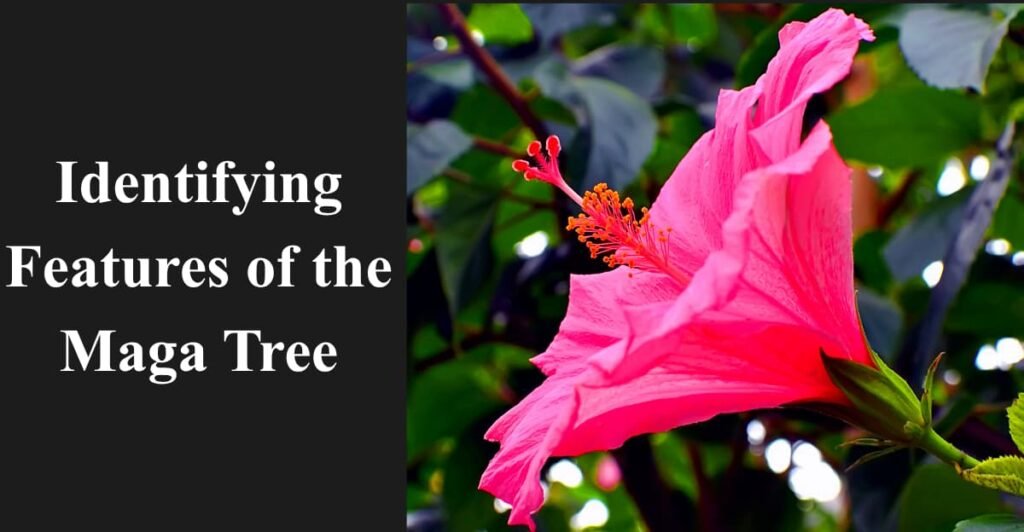
The Maga tree is easy to recognize by its dark green, shiny, heart-shaped (cordate) leaves, dense canopy, and large blossoms that can reach about 6 inches in diameter. After flowering, it develops a leathery, greenish-brown fruit containing seeds, while its thick, furrowed bark and sturdy trunk provide strong support for its heavy floral display.
Leaves: Dark green, shiny, heart-shaped foliage forms a dense canopy.
Flowers: Large blossoms, often around 6 inches wide, create a noticeable floral display.
Fruit: Leathery, greenish-brown fruit contains seeds and supports natural seed production.
Trunk: Thick, furrowed bark creates a sturdy base for the tree.
Colors and Appearance of the Puerto Rico Flower
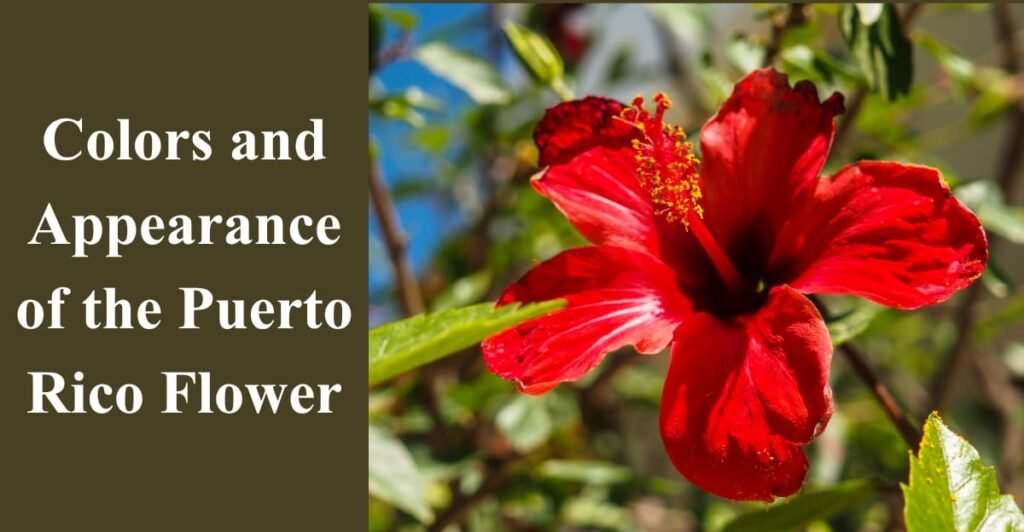
The Puerto Rico flower, or Flor de Maga, has a striking visual impact, with delicate petals whose texture resembles crepe paper or fine silk. Its deep pink, saturated pink, maroon, and burgundy red shades create a vibrant display beneath the Caribbean sun, while the deep red petals and bright yellow center enhance its natural beauty.
At the flower center, a long column of yellow-tipped stamens creates a strong contrast and serves as a visual signal for pollinators. This vivid coloration supports pollinator attraction as birds and insects visit the flower, contributing to pollination, reproduction, and the plant’s reproductive cycle within the Caribbean environment.
From my experience observing tropical flowers, the Flor de Maga’s bold flower pigment, vibrant color, and distinctive botanical appearance make its tropical bloom especially memorable.
Where Does the Puerto Rico Flower Grow?
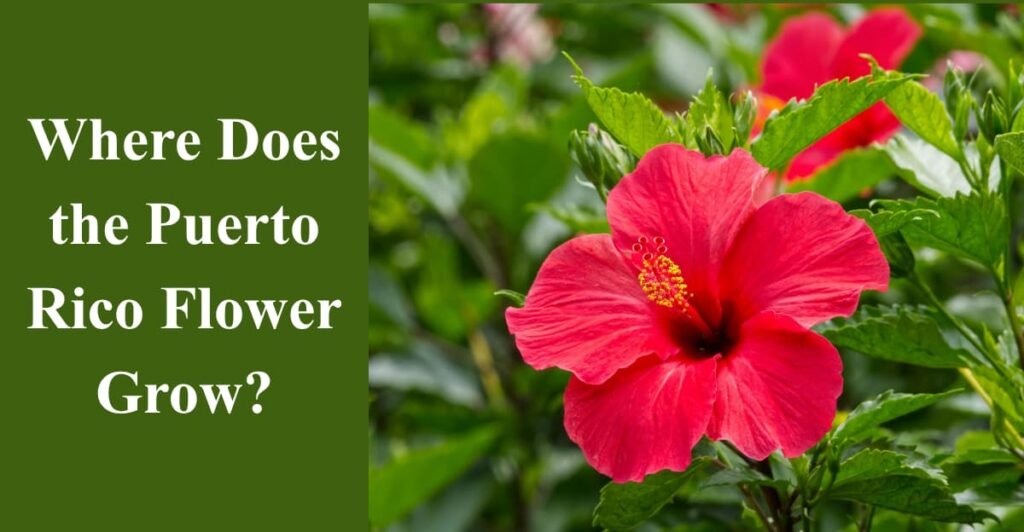
The Flor de Maga, or Puerto Rico flower, grows naturally in the limestone and karst regions of north-central and northwestern Puerto Rico, where its endemic tree habitat provides suitable soil conditions and drainage. These karst landscapes, forest habitats, and gardens support healthy tree growth while contributing to the island’s tropical ecology, native flora, and distinctive Puerto Rican landscape.
Primary Habitats and Locations
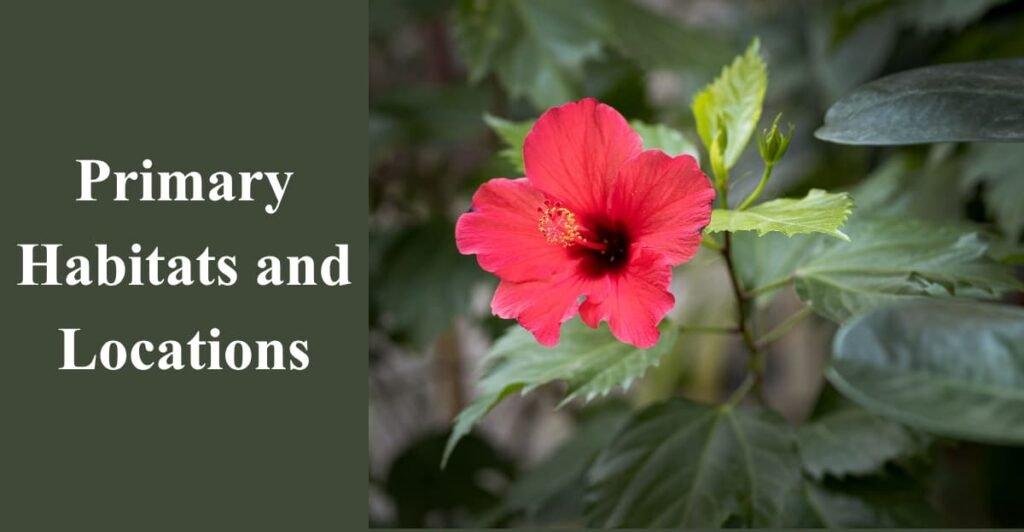
The Maga grows across a range of Puerto Rican settings, from the Karst Belt and rugged limestone hills to cultivated urban and coastal spaces. Its natural habitat benefits from good drainage, while planted specimens can also be found in botanical gardens, public spaces, and historic locations.
Karst Belt: Limestone hills provide natural drainage and suitable habitat.
San Juan Botanical Garden: A curated space where Maga is featured among National Symbols.
Urban Plazas: Municipalities plant the native tree in central squares to encourage local pride.
Coastal Plains: The tree can tolerate lowland areas, although salty soil and coastal conditions may affect growth.
Climate and Growing Conditions
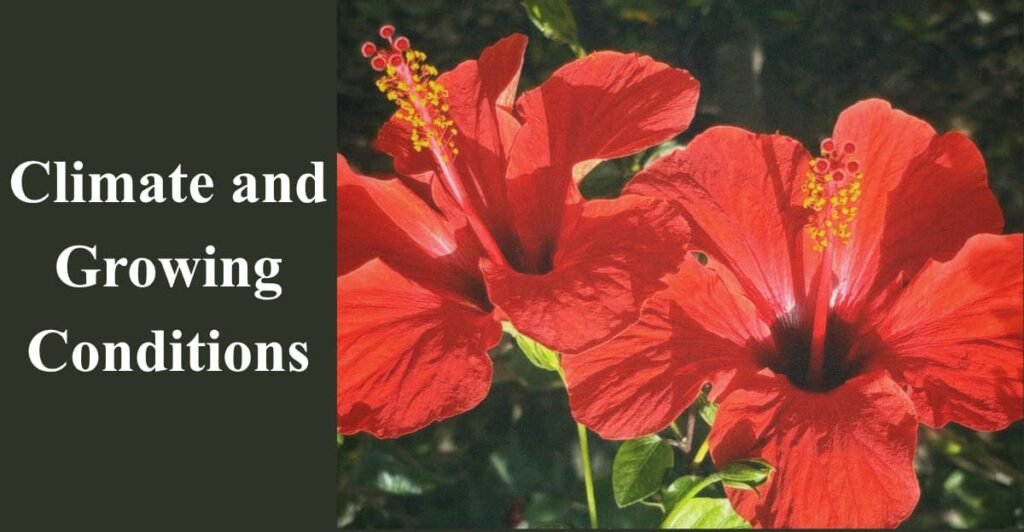
The Maga grows best in Puerto Rico’s tropical maritime climate, where warm temperatures, high humidity, regular rainfall, and good drainage create ideal conditions. It naturally favors subtropical moist forest areas with alkaline, limestone-based clay, while full sun to partial shade supports healthy plant development.
- Temperature: Prefers 70°F to 90°F year-round.
- Rainfall: Needs around 60 to 100 inches annually with good drainage.
- Soil: Performs well in alkaline, limestone-based soil rich in minerals.
- Sunlight: Grows best in full sun to partial shade, making it suitable for tropical gardens and some urban settings.
Cultural Importance of the Puerto Rico Flower
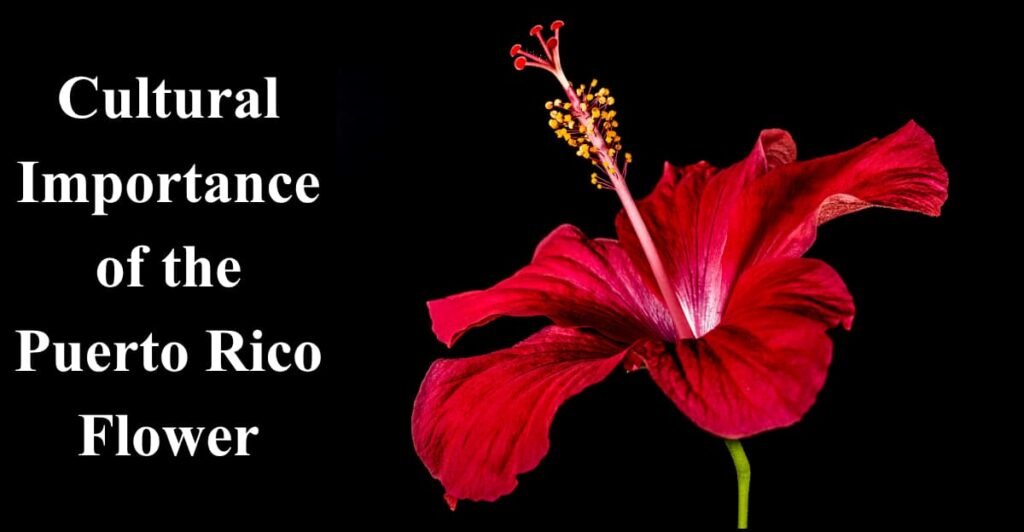
The Flor de Maga holds deep cultural importance across the Arts and Humanities, especially in Puerto Rican poetry, where it can appear as a metaphor for a loved one or the island itself. Artists, including Francisco Oller and modern muralists in Santurce, have used the flower to express a strong sense of place, Puerto Rican art, artistic expression, and cultural heritage.
Beyond art, the national flower represents ecological stewardship, as protecting this endemic species also supports Puerto Rico soil, native flora, habitat protection, and island biodiversity. Environmental groups, conservation groups, and the Green Belt contribute to environmental conservation, ecological protection, restoration, and greater ecological awareness, strengthening environmental identity, natural resources, Puerto Rican landscape, national identity, and cultural symbolism across the Antilles.
From my experience studying botanical culture, the Flor de Maga is especially meaningful because its artistic symbolism and environmental stewardship connect Puerto Rican identity with the living landscape.
Traditional Uses and Modern Celebrations
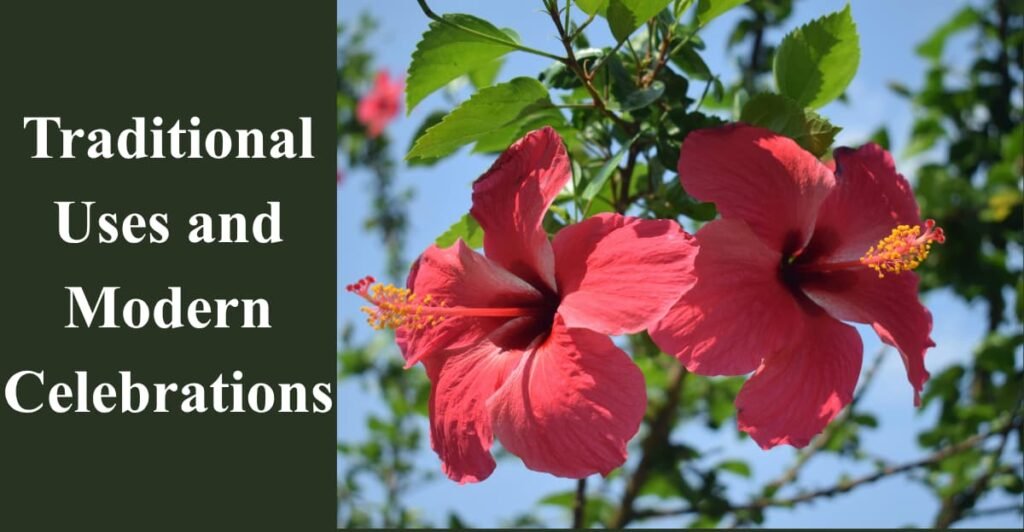
The Flor de Maga continues to connect traditional uses with modern celebrations across Puerto Rican culture. Artisans incorporate the Maga into handicrafts, jewelry, carving, Santos, and other forms of traditional art and religious art, while schools use it for botanical education, teaching children about botany, conservation, and environmental conservation. As a prestige tree, it also appears in government buildings, historic sites, and public spaces, while Maga tattoos have become a modern tradition among the diaspora, creating a permanent link to their roots, Puerto Rican identity, and cultural heritage.
- Handicrafts: Used in carving, jewelry, Santos, and floral art.
- Education: Teaches children about botany and conservation.
- Modern Tradition: Maga tattoos symbolize roots and cultural connection.
- National Symbol: Represents resilience, island pride, and Puerto Rican culture.
Conclusion
The Puerto Rico flower, Flor de Maga, is more than a beautiful bloom; it represents the island’s heritage, resilience, natural beauty, and cultural identity. From its endemic origins and distinctive appearance to its role in Puerto Rican traditions, conservation, art, and national pride, this flower remains deeply meaningful. Explore the Flor de Maga further to appreciate why this remarkable national symbol continues to thrive in Puerto Rico’s landscape and culture.
FAQs
1. What is the national flower of Puerto Rico?
The Flor de Maga (Thespesia grandiflora) is widely recognized as the national flower of Puerto Rico and is valued for its beauty, cultural significance, and connection to the island’s native flora.
2. What does the Flor de Maga symbolize?
The Flor de Maga symbolizes resilience, enduring beauty, Puerto Rican identity, national pride, and cultural heritage.
3. What color is the Puerto Rico flower?
The Flor de Maga typically features deep pink to burgundy-red petals with a contrasting bright yellow center.
4. Where does the Flor de Maga grow?
It naturally grows in Puerto Rico, particularly in limestone and karst regions, moist forests, and other suitable tropical habitats.
Please Write Your Comments