Venezuela National Flower: The Beautiful Orchid Flor de Mayo (Complete Guide)
Updated: September 5, 2026
85
Discover Venezuela National Flower, the stunning Cattleya mossiae, also known as Flor de Mayo, admired for its vibrant colors and delicate beauty. This iconic orchid reflects Venezuela’s natural heritage, biodiversity, tropical beauty, and cultural identity. Explore its history, appearance, blooming season, habitat, and symbolism to discover why this beautiful flower holds a special place in Venezuela.
Table of Contents
What Is the Venezuela National Flower
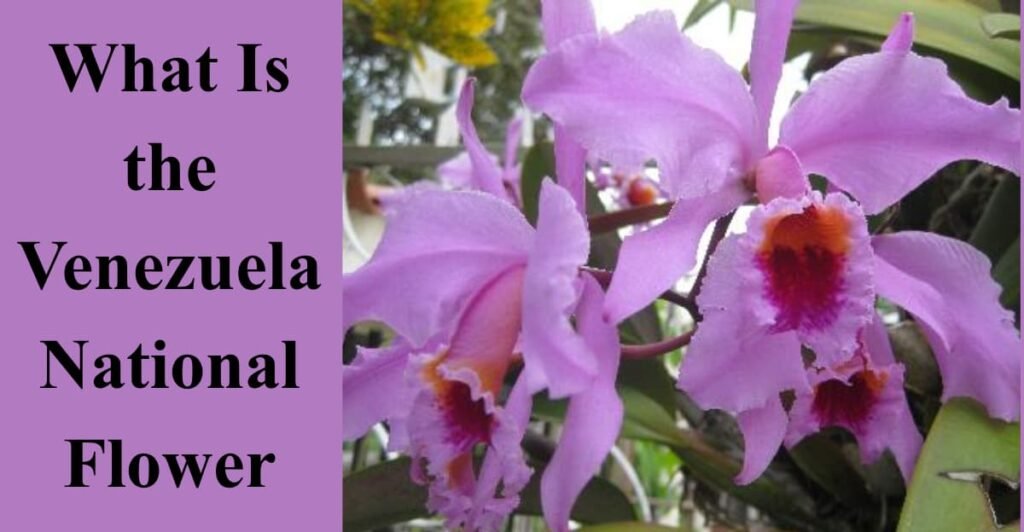
The Venezuela National Flower is an exquisite orchid species and a primary symbol of the nation’s immense natural wealth. With large, showy petals and a captivating scent, this botanical specimen represents the country’s spirit, elegance, and South American landscape.
As an epiphyte, the orchid grows on trees in tropical regions, drawing moisture from humid air. Its diversity within the local flora makes it a focal point for conservation efforts, while its presence in the wild helps indicate the health of the ecosystem and surrounding wildlife.
From my experience with orchids, Cattleya mossiae stands out for its elegant blooms, distinctive fragrance, and remarkable adaptation to tropical forest conditions.
Scientific Name and Common Name
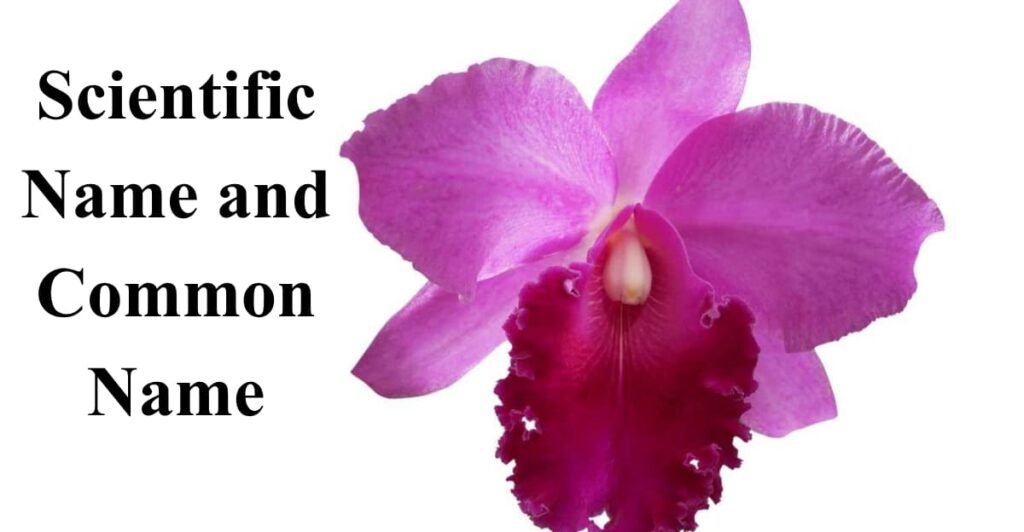
The scientific name of the Venezuela National Flower is Cattleya mossiae, belonging to the Cattleya genus, often called the Queen of Orchids because of the impressive size and beauty of its flowers. The genus honors William Cattley, a famous English horticulturist who successfully bloomed as a member of this family during the 19th century.
In its homeland, locals commonly call it Flor de Mayo, or May Flower, referring to the specific time of year when it reaches its peak blooming period. For the people of Venezuela, the name remains a point of pride, appearing in textbooks and scientific journals as a hallmark of their natural heritage.
In my experience with orchids, connecting the scientific name Cattleya mossiae with the familiar Flor de Mayo makes its botanical and cultural significance especially easy to appreciate.
Why Venezuela Chose This National Flower
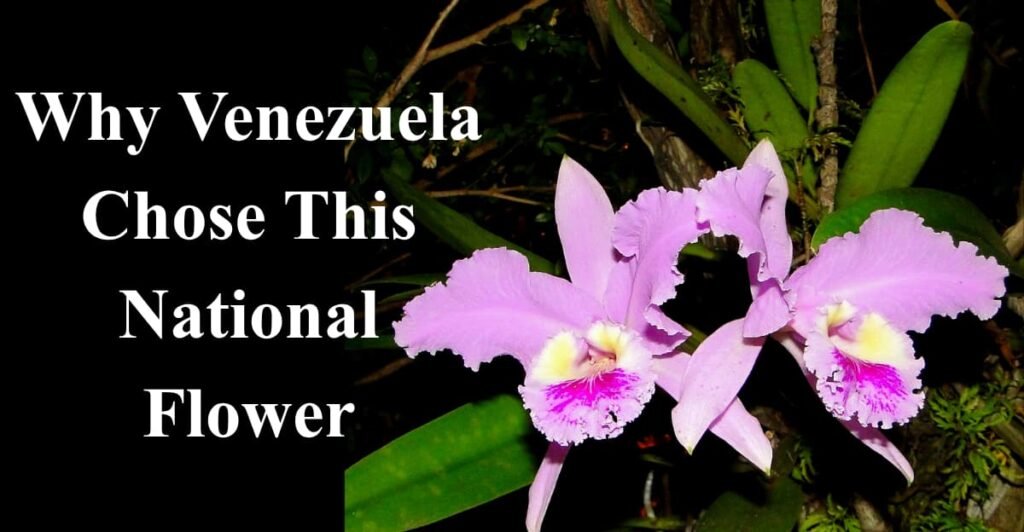
The Cattleya mossiae became Venezuela’s official floral emblem after the Venezuelan Society of Natural Sciences conducted a rigorous search for a plant that was unique to the territory, easily recognized by the public, and deeply connected with the nation’s biodiversity. On May 23, 1951, it was officially decreed as the national flower, selected over species such as the Spear Lily because of its deep-rooted presence and endemic nature in the country.
Its native range in the northern mountain ranges strengthened its importance, while its visual appeal, vibrant colors, and striking appearance made it instantly recognizable. The orchid also carried a strong cultural connection, supported by a long history in traditional celebrations, making these the primary reasons it was selected as Venezuela’s national floral symbol.
In my experience studying native orchids, Cattleya mossiae stands out because its natural beauty and cultural connection make its selection as a national flower feel especially meaningful.
History of Venezuela National Flower
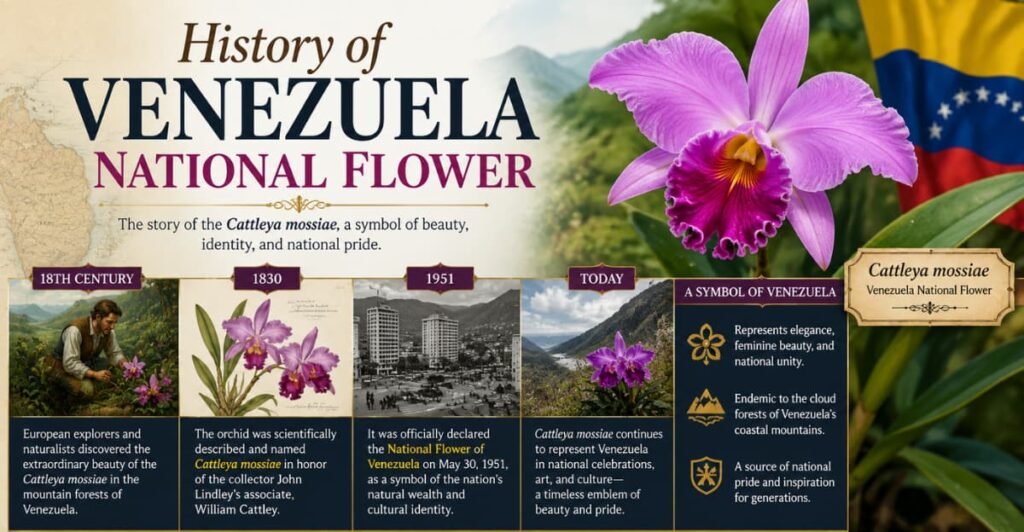
The history of the Venezuela National Flower traces a fascinating journey through the 20th century, when the movement toward national identity encouraged the search for a floral symbol to represent the republic. Before 1951, there was no official consensus, and botanists and enthusiasts considered several candidates, but Cattleya mossiae gained momentum as a beloved cultural emblem across both rural areas and urban areas.
During the mid-1900s, Venezuela experienced increased scientific exploration, including the discovery of exotic species in the cloud forests, strengthening the need for a symbol that encouraged environmental awareness. When the official decree was signed in 1951, Flor de Mayo had already appeared in poetry and folk songs, making its adoption as an official state symbol and expression of national representation widely celebrated.
In my experience studying botanical history, the story of Flor de Mayo shows how a native flower can naturally evolve from a beloved cultural emblem into a powerful national symbol.
Meaning and Symbolism of Venezuela National Flower
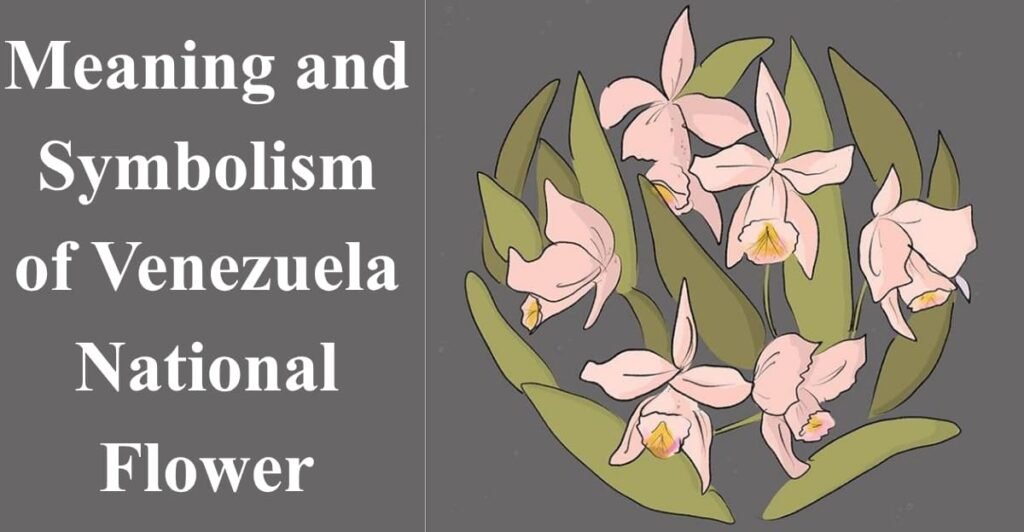
The meaning and symbolism of Cattleya mossiae are multi-layered, reflecting authentic beauty, the resilience of nature, and the refined character of an orchid. Its refinement and rare grace have made the flower an important symbol in Venezuelan culture, where it is associated with motherhood and fertility, especially during its peak bloom, Mother’s Day celebrations, the month of the Virgin Mary, and other cultural traditions.
Growing in high-altitude habitats among trees and mist, the orchid serves as a metaphor for the strength of the Venezuelan people and their ability to endure environmental challenges and social challenges. As a natural heritage and floral symbol, it conveys peace and national pride to citizens, while its lush, tropical beauty and vibrant appearance continue to represent the spirit of their homeland.
In my experience with orchids, Cattleya mossiae beautifully demonstrates how a flower can connect natural resilience with cultural meaning and national pride.
Appearance and Unique Features of Cattleya Mossiae
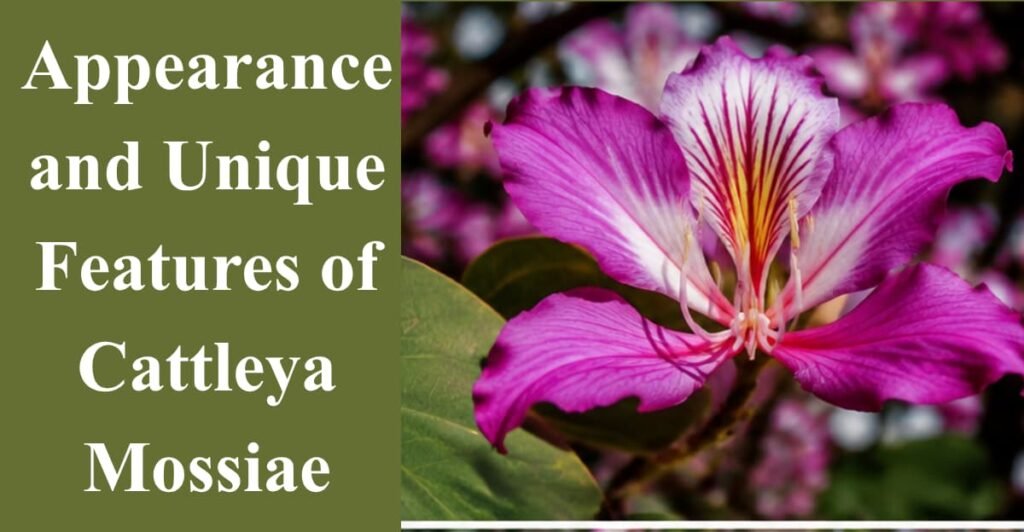
The appearance of Cattleya mossiae is truly spectacular, with this perennial plant displaying a unique shape, delicate petals, and flowers that can reach a diameter of 20 centimeters. Considered among the largest flowers in the Cattleya family, its most distinctive unique features include the labellum, or lip, which is highly ruffled and decorated with intricate patterns that guide pollinators toward the center.
Physiologically, the orchid has thick, leathery leaves and pseudobulbs, which are swollen stem segments that store water and help the orchid survive short dry spells in the canopy. Another standout feature is its fragrance and sweet fragrance, particularly noticeable during the morning hours, when it helps attract specific bees essential for reproduction in the wild.
In my experience observing orchids, the combination of its ruffled lip, sturdy pseudobulbs, and morning fragrance makes Cattleya mossiae especially distinctive.
Colors of Venezuela National Flower
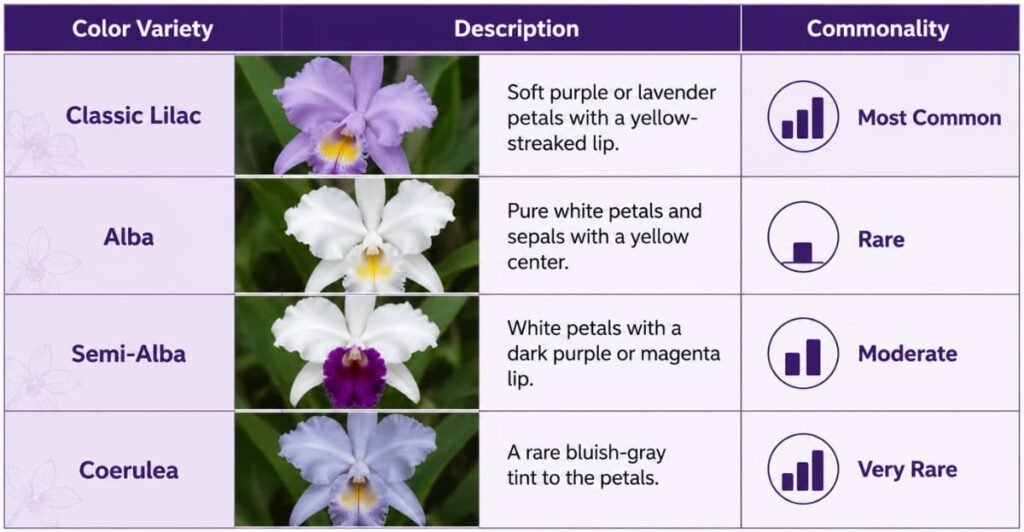
The colors of the Venezuela National Flower are world-renowned for their soft yet vibrant tones, with the common variety displaying beautiful shades of lilac and lavender. This natural variation within the species creates an appealing range of color that highlights the orchid’s delicate character.
In my experience photographing orchids, the lilac and lavender tones are particularly striking because they change beautifully with natural light.
Where the Venezuela National Flower Grows
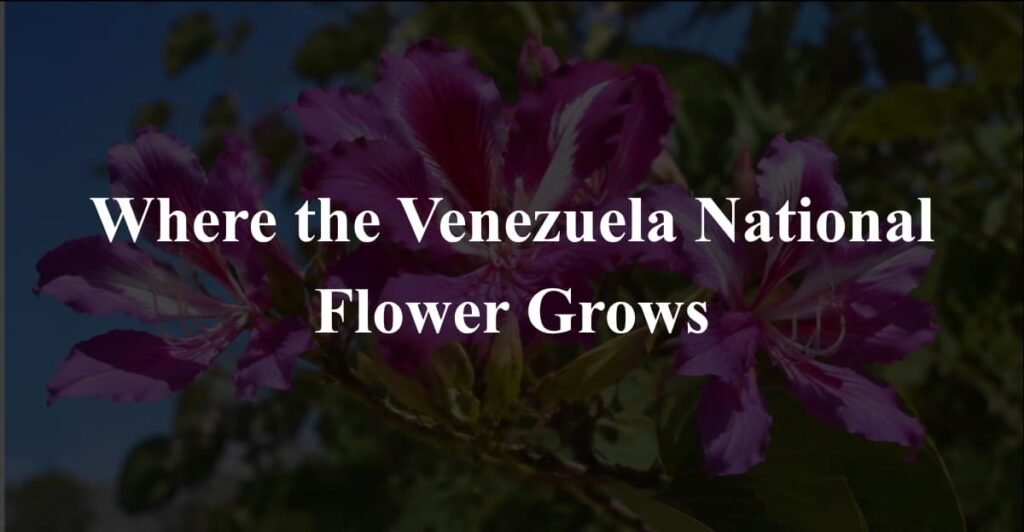
Cattleya mossiae naturally occurs in the northern regions of Venezuela, especially across the Coastal Range and Andean foothills, including Lara, Miranda, Aragua, and Trujillo. It favors an elevation of around 800 to 1,500 meters, where cool air and high humidity remain consistent, creating the ideal native environment for this orchid.
Its preferred setting is the cloud forest, a tropical forest with persistent cloud cover and low-level cloud cover that supports diverse ecosystems. Rather than growing on the ground, the orchid lives among the branches of tall trees, using its elevated position to receive filtered sunlight and fresh air, which help with rot prevention and healthy growth in its wild habitat.
From my experience observing orchids in forest environments, their position high in tree branches is one of the most fascinating adaptations to humid habitats.
Climate and Growing Conditions
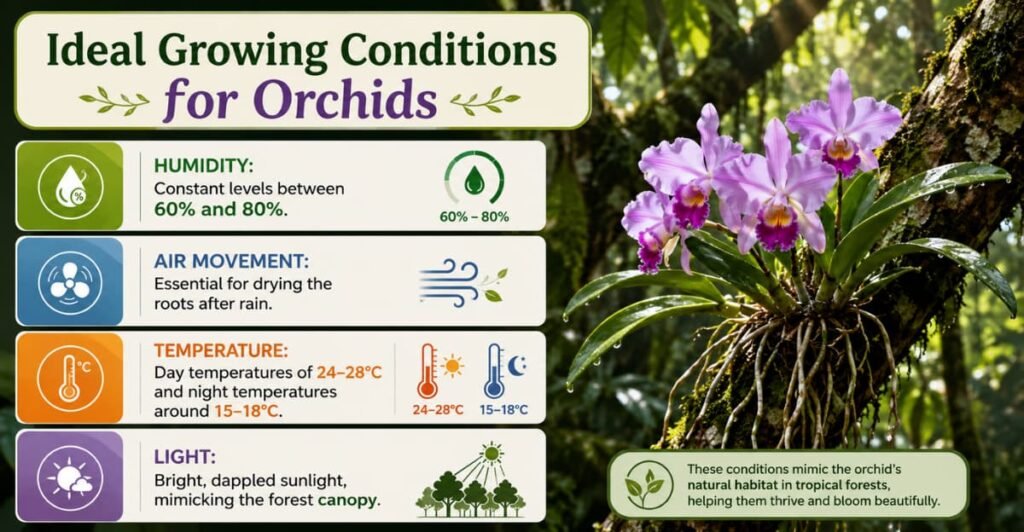
The climate and growing conditions for the Venezuela National Flower are best understood through its natural habitat, and in 2026, hobbyists and botanists can use advanced climate data to replicate these conditions. The plant prefers a temperate-warm environment, where frost is avoided and extreme heat or stagnant heat does not interfere with efforts to grow and maintain the species.
In my experience growing orchids, balanced humidity, airflow, temperature, and filtered light make the greatest difference in maintaining strength.
Blooming Season of Venezuela National Flower
The blooming season of Cattleya mossiae, known by its common name Flor de Mayo, begins when the first buds appear in late March or April, followed by a full, vibrant display in May. This timing is linked to the rainy season in the South American tropics, providing the moisture needed for the energy-intensive process of flowering.
During this prime period, the cloud forests can resemble a sea of lilac and white, attracting botany enthusiasts interested in observation. The flowers generally remain for two to three weeks, releasing a sweet fragrance that attracts pollinators, while in 2026, nature tours give visitors opportunities to experience the orchid’s tropical beauty in its prime.
In my experience observing orchids, the May blooming period is especially rewarding because the vibrant flowers and fragrance make the plant remarkably easy to appreciate in its natural setting.
Cultural Importance in Venezuelan Traditions
The cultural importance of the Venezuela National Flower is deeply woven into Venezuelan traditions, where Flor de Mayo serves as a centerpiece of May Cross celebrations, with altars decorated with orchids as people express gratitude to the earth for its bounty. Its authentic beauty also appears in Venezuelan art, including banknotes such as the 50 Bolivar note, while national painters have celebrated the flower as a reflection of their country.
In 2026, the orchid continues to support environmental education in schools, where children learn about biodiversity and conservation efforts through Flor de Mayo. For Venezuelans, protecting the national flower also means preserving their rich history, diverse ecosystems, and natural wonders, reinforcing the nation’s identity as a global leader in natural heritage and offering an elegant reminder of the harmony between people and their wild surroundings.
In my experience with botanical education, Flor de Mayo is especially effective for showing how a national flower can connect cultural traditions, conservation, and appreciation for nature.
Conclusion
Cattleya mossiae, or Flor de Mayo, beautifully represents Venezuela’s natural heritage, biodiversity, tropical beauty, and cultural identity. From its cloud forest habitat and vibrant blooms to its history and symbolism, the Venezuela National Flower remains a treasured national emblem. Explore and appreciate this remarkable orchid while supporting conservation efforts that help protect its wild habitat for future generations.
Frequently Asked Questions
What is the national flower of Venezuela?
The national flower of Venezuela is Cattleya mossiae, commonly known as Flor de Mayo.
When was Cattleya mossiae chosen as Venezuela’s national flower?
It was officially decreed as Venezuela’s national flower on May 23, 1951.
What is the common name of Cattleya mossiae?
Its common name is Flor de Mayo, meaning May Flower, referring to its peak blooming period.
What colors does the Venezuela National Flower have?
The common variety features soft, vibrant shades of lilac and lavender, with natural color variation within the species.
Please Write Your Comments