Beautiful Vine With Purple Flowers: 15 Stunning Climbers to Transform Your Garden
Updated: September 21, 2026
20
Discover how a beautiful vine with purple flowers can transform ordinary fences, trellises, and walls into a lush, colorful garden sanctuary filled with vivid blooms and natural beauty. From fragrant Wisteria and elegant Clematis to fast-growing climbers, these stunning flowering vines add vertical interest, privacy, and pollinator-friendly charm to any outdoor space. Keep reading to explore 15 breathtaking purple-flowering climbers and find the perfect vine to turn your garden into a vibrant floral paradise.
Table of Contents
Why Choose a Vine With Purple Flowers for Your Garden
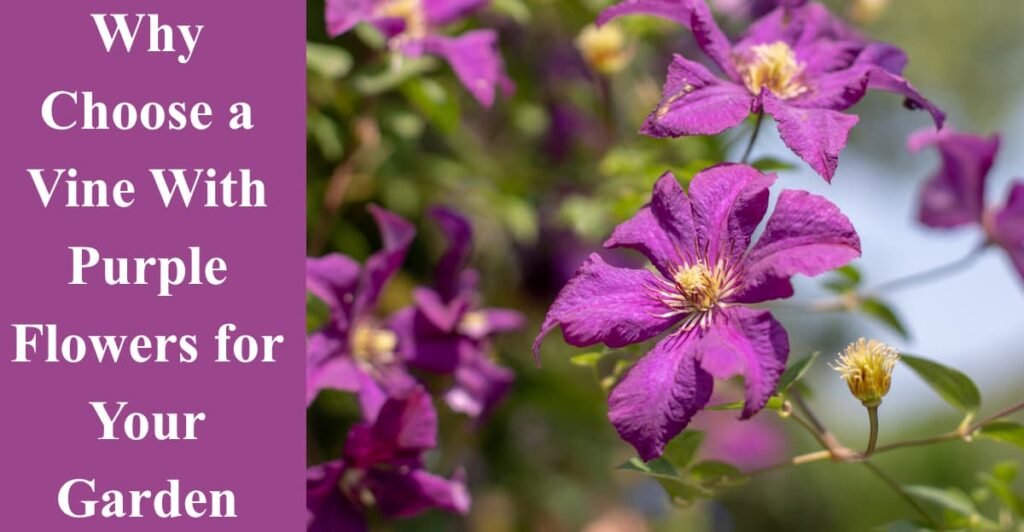
A vine with purple flowers adds aesthetic appeal and royal elegance to any outdoor space, blending beautifully with green foliage while creating vertical interest in small gardens. Beyond decoration, purple blooms support pollinators such as bumblebees and butterflies, contributing to environmental health and biodiversity.
With climbing foliage, a dense canopy can provide shade and thermal insulation for home exteriors, potentially reducing energy costs during intense summer sun. This makes vertical gardening a practical part of garden design, combining natural beauty, visual appeal, and environmental benefits.
In my experience, purple-flowering vines create striking garden focal points while attracting beneficial insects and making walls, fences, and trellises feel more naturally integrated.
Most Popular Vine With Purple Flowers
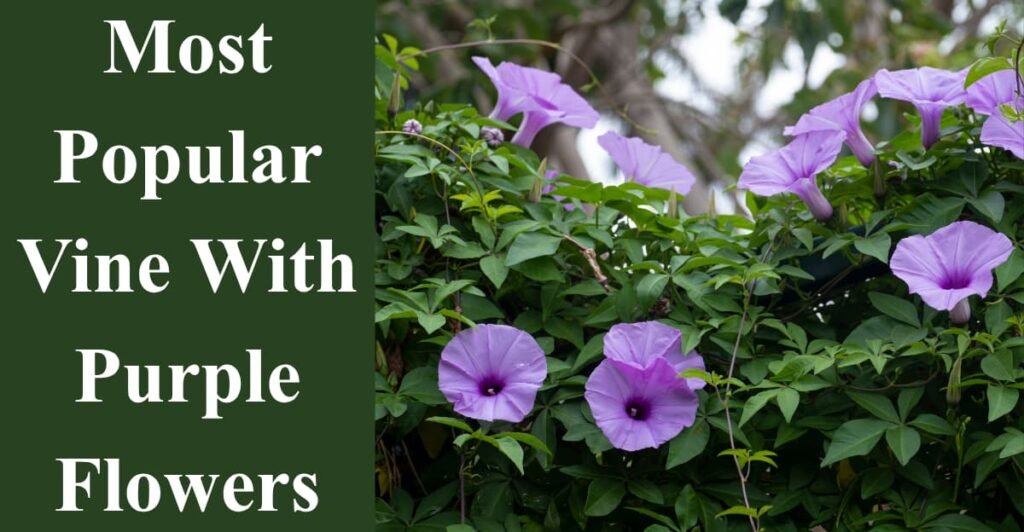
A climber with the right growth habit, maintenance needs, and ornamental plant appeal can turn a garden into a tranquil retreat, while purple flowers, vivid bloom displays, and different variety of choices make each flowering vine distinctive.
I find that selecting a vine according to the available space and desired seasonal effect creates a more balanced and attractive garden display.
Wisteria: The Classic Purple Flowering Vine
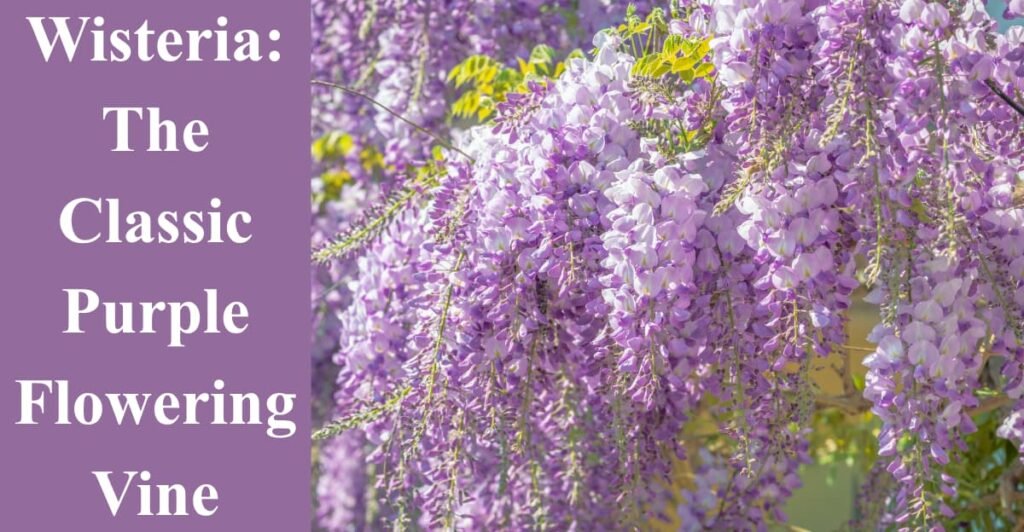
Wisteria is a classic purple flowering vine and perennial vine known for its fragrant clusters and pendulous racemes, transforming a wooden fence into a garden masterpiece, although this powerful woody climber needs a sturdy support and strong support system to prevent structural damage.
In my experience, Wisteria looks spectacular when trained carefully over a strong structure, especially when its cascading blooms become the main garden feature.
Clematis: Elegant Purple Climbing Flowers
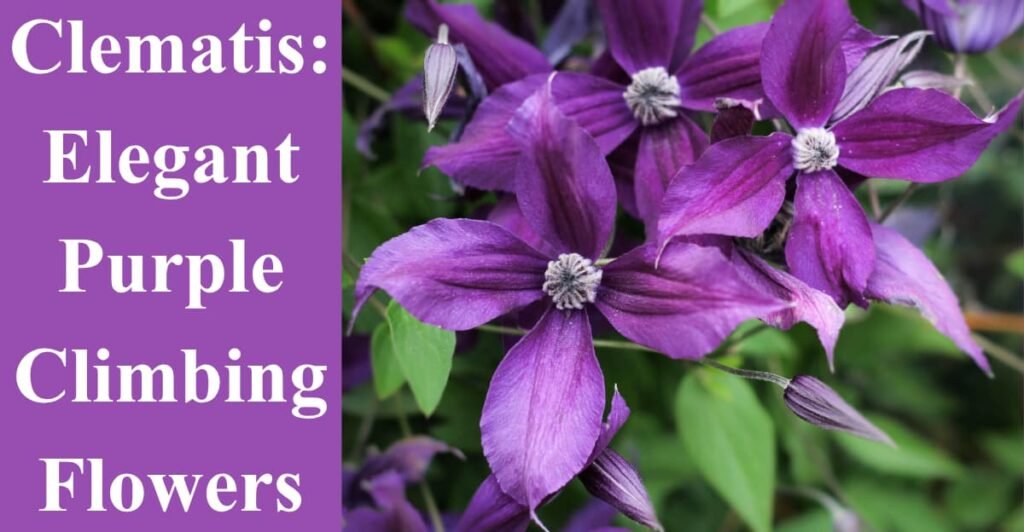
Clematis, often called the Queen of Climbers, delivers elegant purple climbing flowers and a refined look, using twining petioles to climb metal trellises or latticework, while varieties such as Jackmanii produce intense shades of deep violet for a beautiful perennial garden.
I particularly appreciate Clematis for its elegant appearance because it adds height and color without overwhelming a carefully designed garden.
Morning Glory: Fast-Growing Purple Vine
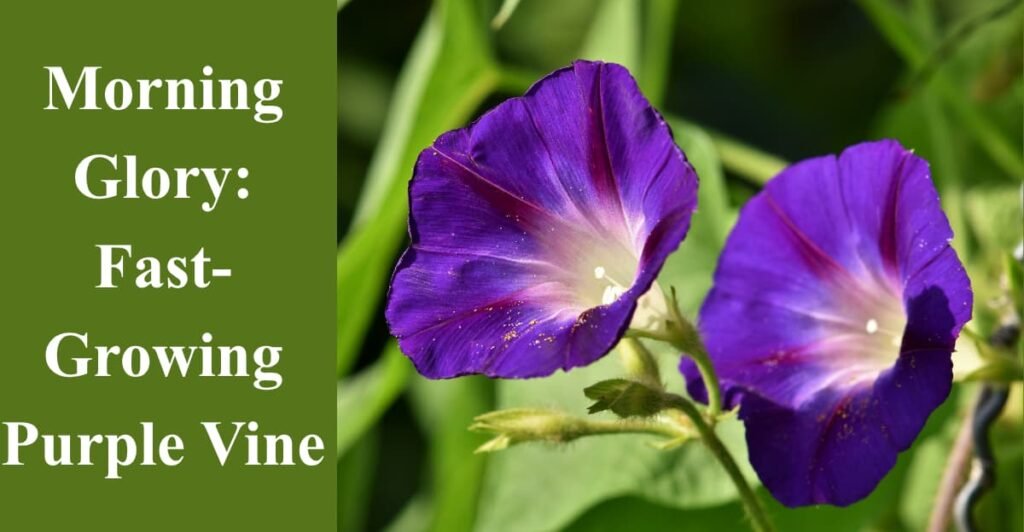
Morning Glory is a fast-growing purple vine and annual climber ideal for single season coverage, with heart-shaped leaves and trumpet-like flowers that open in the early light, making it excellent for quickly covering a chain-link fence during the summer months.
I have found Morning Glory especially useful when quick results are important, as its vigorous growth can create an attractive seasonal screen in a short time.
Bougainvillea: Vibrant Purple Climbing Beauty
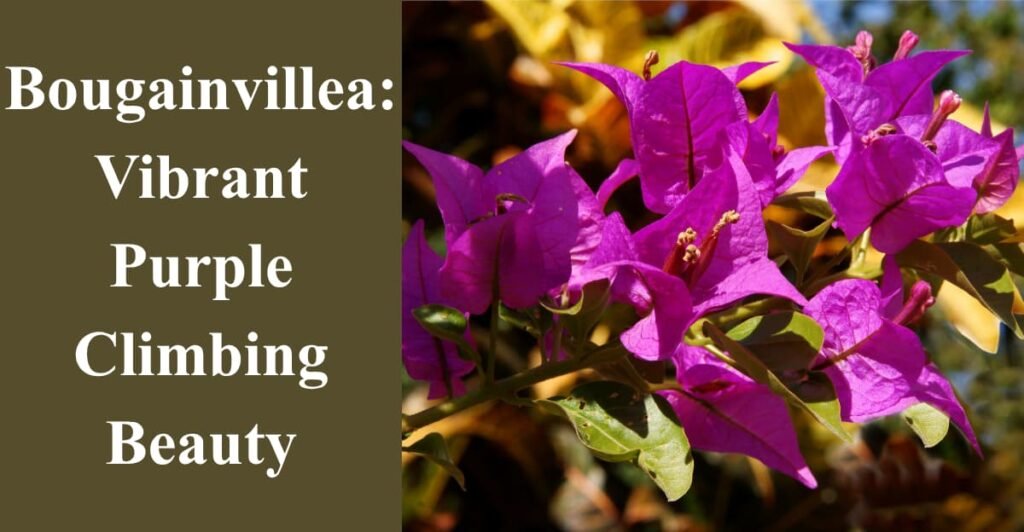
Bougainvillea is a vibrant purple climbing beauty and tropical flowering plant that becomes a showstopper in warmer climates, producing colorful bracts around small white blossoms and thriving as a drought-tolerant vine in full sun, where it can create a cascading wall around a Mediterranean-style villa.
In warm climates, I find Bougainvillea particularly impressive because its vivid color and drought tolerance make it both practical and visually dramatic.
Passion Flower: Exotic Purple Flowering Vine
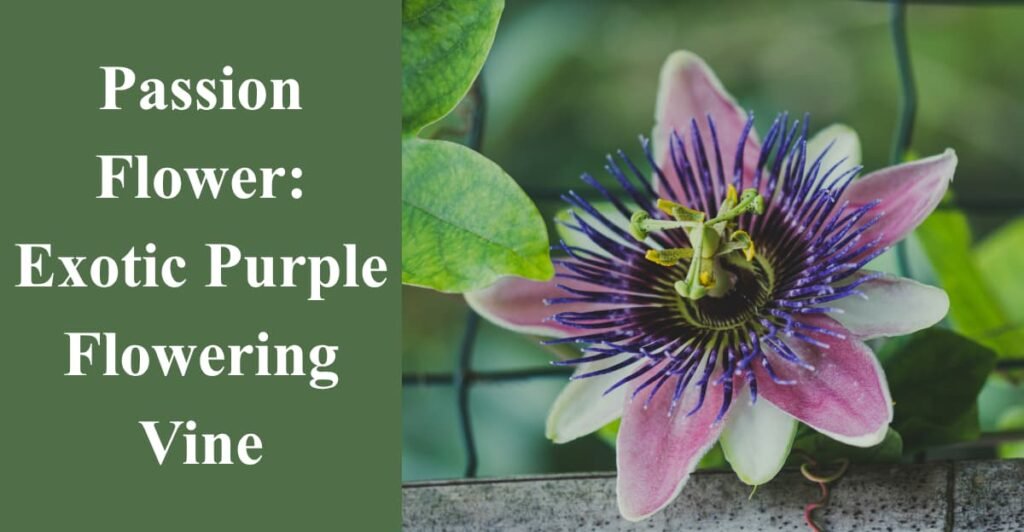
Passion Flower, from the Passiflora genus, is an exotic purple flowering vine celebrated for its intricate floral design, alien-like corona, and striking filaments, while this exotic climber also serves as a vital host plant for several butterfly species, adding ecological value and supporting pollinators, butterflies, and biodiversity in the yard.
I consider Passion Flower one of the most fascinating choices because its unusual blooms provide both strong visual character and meaningful wildlife value.
Purple Hyacinth Bean Vine
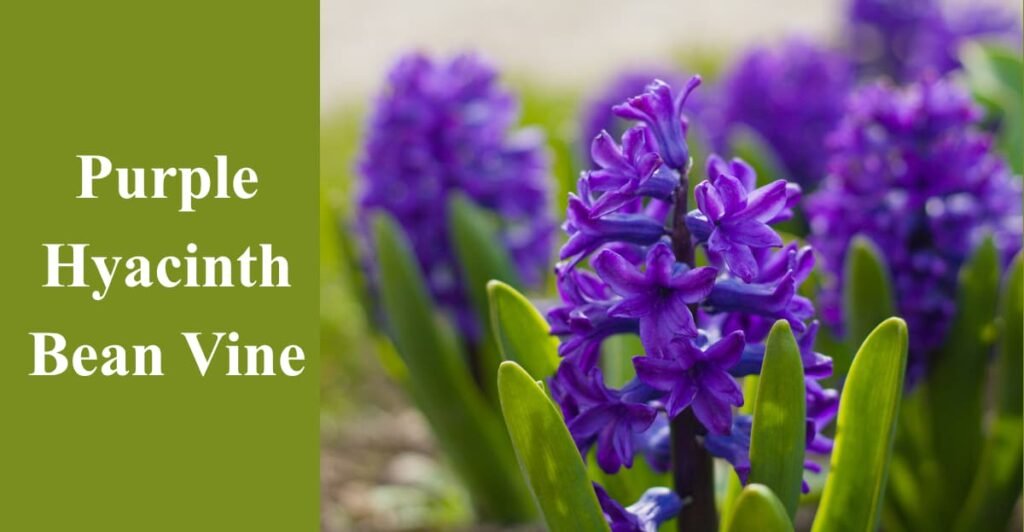
Purple Hyacinth Bean Vine is a vigorous ornamental vine valued for its dark purple pods, lavender flowers, and delicate flowers, bringing a sense of mystery to garden design while its purple pods, climbing vine habit, foliage, and blooms create an attractive ornamental display.
I like using this vine when a garden needs something distinctive, as the combination of purple pods, lavender flowers, and lush foliage creates a memorable seasonal display.
Selecting the Right Vine for Your Environment
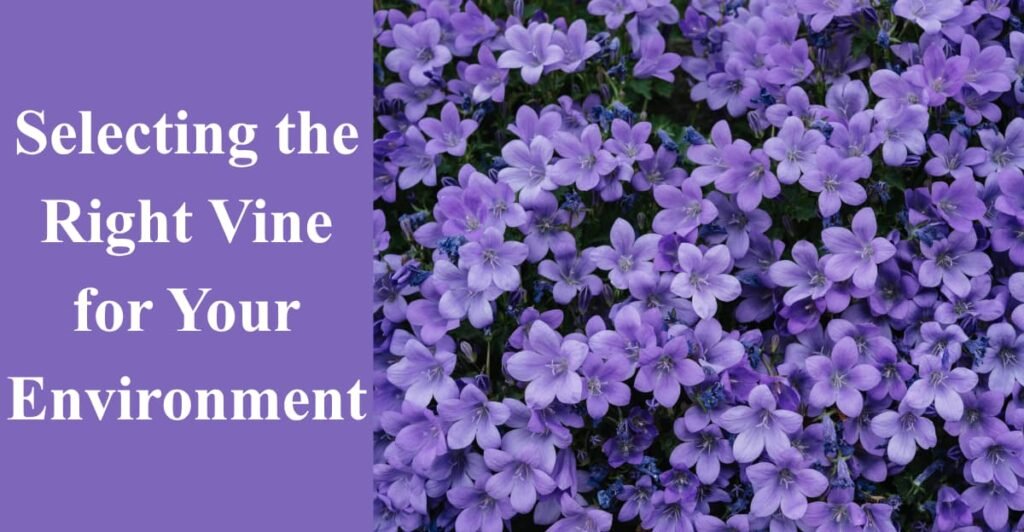
Choosing the right climbing plants begins with understanding your garden’s microclimate, soil conditions, available sunlight, and the functional traits of each species. Consider the plant name, growth type, and primary feature to match your space with vines that provide the right balance of color, coverage, structure, and seasonal interest.
Wisteria: This woody perennial thrives in full sun and is valued for its fragrant, drooping clusters, making it an excellent choice when you want long-term structure and dramatic purple flowers.
Clematis: As a herbaceous perennial, Clematis performs in sun to part shade and produces large, star-shaped sepals, offering an elegant option for gardens that need colorful vines with flexible placement.
Morning Glory: This annual is ideal for rapid coverage and daily blooms, making it useful for temporary landscaping and flexible landscaping needs where quick-growing purple flowers are desired.
Bougainvillea and Hyacinth Bean: Bougainvillea, an evergreen shrub/vine, delivers vivid, papery bracts in warm conditions, while Hyacinth Bean produces decorative pods and attractive foliage; both can bring distinctive seasonal character to the garden.
Growth Conditions: Sun vs. Shade
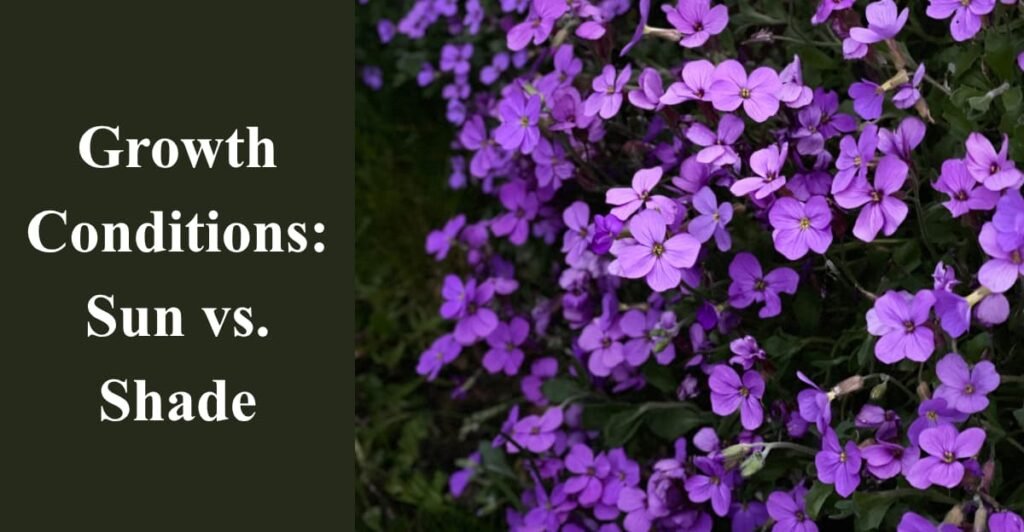
Choosing a vine with purple flowers starts with understanding its preferred light exposure, because proper planting and suitable growth conditions help prevent leggy growth and encourage healthy blooms. A sun-loving vine needs sufficient sunlight, while shade-tolerant flowering climbers are better suited to a dark corner of the garden, depending on the needs of the plants and available light.
In my experience, checking the amount of daily sunlight before planting makes a noticeable difference in vine growth, flowering, and overall garden performance.
Vine With Purple Flowers for Full Sun
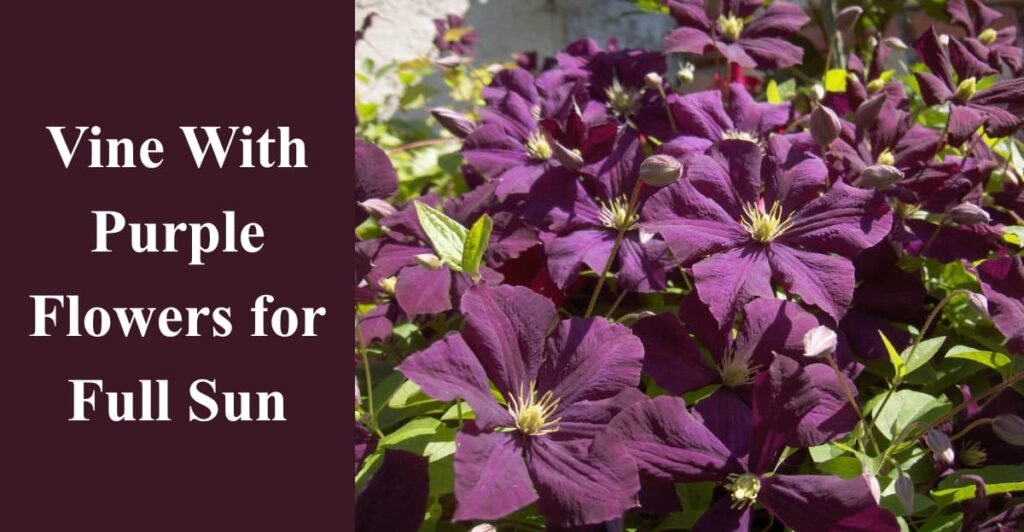
Flowering climbers such as Wisteria and Passionflower perform best with direct light, often requiring 6 to 8 hours of sunlight to develop vivid blooms. Adequate sun exposure supports photosynthesis and encourages heavy flowering, making full sun locations excellent for purple flowers, climbing plants, and a thriving garden.
I have found that placing sun-loving vines where they receive consistent direct light produces stronger growth and noticeably better flowering.
Vine With Purple Flowers for Shade
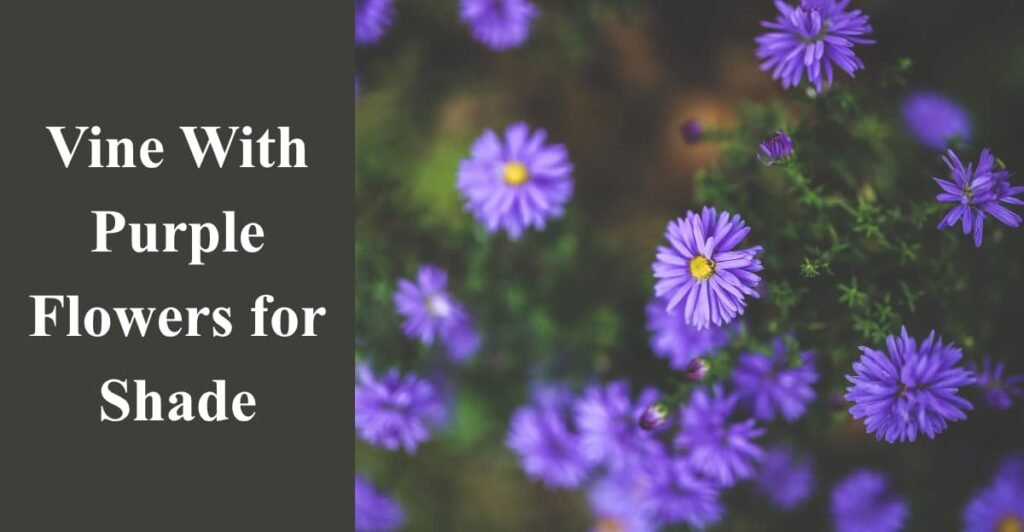
For a shaded garden surrounded by tall trees or buildings, Chocolate Vine (Akebia quinata) can be a useful choice because its flowers have a dusky purple tone and the plant performs well in low-light conditions. This shade-tolerant purple flowers climbing vine can add color and blooms to areas where other plants may struggle.
In shaded areas, I prefer adaptable vines such as Chocolate Vine because they can bring foliage and subtle blooms to spaces that receive limited sunlight.
Maintenance and Utility
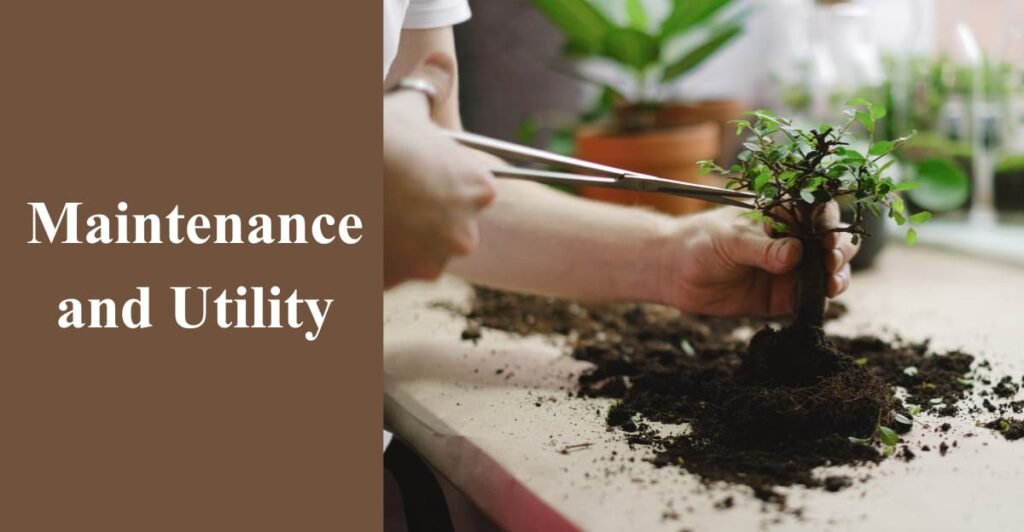
Choosing a low maintenance vine helps homeowners enjoy attractive climbing plants with less frequent care, while proper support, drainage, and pruning can improve long-term maintenance and utility. Hardy, disease-resistant varieties can enhance privacy, curb appeal, and garden design, creating a tranquil retreat that supports the local environment for years.
Choose Hardy Vines: Honeysuckle, Lonicera, and native Clematis varieties are hardy and disease-resistant, making them practical vines for homeowners seeking easier maintenance rather than a completely set and forget plant.
Match Support to Growth: For fences and trellises, consider the vine’s climbing mechanism; vines with tendrils can grow along thin wires, while twining vines such as Wisteria require thick posts and a strong support system for reliable privacy screening.
Protect Roots and Soil: Good soil drainage and organic mulch are essential for preventing root rot, helping climbing plants establish healthier roots and maintain vigorous growth throughout the garden.
Improve Beauty and Ecology: A pollinator-friendly vine can create a lush canopy that enhances curb appeal and benefits the local environment, while smart landscaping hacks can combine privacy, garden design, and practical utility.
In my experience, selecting the right support and improving drainage before planting makes vine maintenance noticeably easier while keeping the garden attractive and healthy.
Conclusion
A beautiful vine with purple flowers can bring color, privacy, vertical interest, and pollinator-friendly beauty to fences, trellises, and walls. From Wisteria and Clematis to Morning Glory, Bougainvillea, and Passion Flower, there is a stunning climber for almost every garden style and growing condition. Choose the right vine based on sunlight, soil, support, maintenance, and space to create a vibrant garden landscape that lasts for seasons.
Frequently Asked Questions
1. What is the best vine with purple flowers?
Wisteria and Clematis are among the most popular choices because they produce beautiful purple blooms and work well for vertical garden designs.
2. Which purple flowering vine grows the fastest?
Morning Glory is a fast-growing annual climber that can quickly cover fences, trellises, and other garden structures during the growing season.
3. Which vine with purple flowers is best for full sun?
Wisteria, Passionflower, and Bougainvillea generally perform well in full sun when provided with suitable soil, water, and structural support.
4. Is there a purple flowering vine that grows in shade?
Yes. Chocolate Vine (Akebia quinata) can tolerate lower-light conditions and is suitable for shaded garden areas.
Please Write Your Comments