Deadly Beauty: Top Poisonous Flower Names You Should Know
Updated: September 10, 2026
24
Discover the most beautiful yet poisonous flower names hiding behind nature’s stunning colors and fragrances, from garden favorites to surprisingly dangerous species. Learn how plant toxicity, deadly chemicals, and harmful flora can affect pets, children, and families while improving your plant identification and garden safety knowledge. Keep reading to identify these toxic blooms, understand their hidden dangers, and create a safer, worry-free garden.
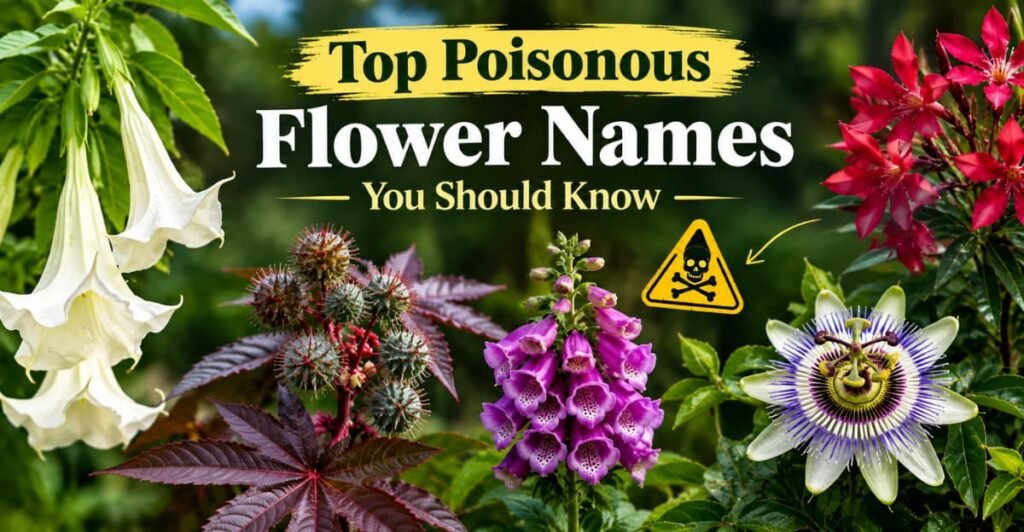
Table of Contents
What Makes a Flower Poisonous?
In the plant kingdom, evolutionary biology explains how poisonous blooms develop secondary metabolites and complex chemical compounds for plant growth, reproduction, and defense against predators and herbivores. These natural defense mechanisms can produce bitter tastes, physical irritation, or systemic illness, depending on the plant and its chemical makeup.
A poisonous flower may release chemicals that become harmful when touched, inhaled, or ingested, interfering with normal physiological functions in a living organism. Toxins can cause localized skin rashes, organ failure, or other harmful effects, while concentration and toxicity classification help determine the severity of ingestion, inhalation, or skin contact.
From my gardening experience, understanding each plant’s chemical compounds and exposure risks makes it much easier to recognize potential toxicity and practice safer plant handling.
Types of Plant Toxins (Alkaloids, Glycosides, etc.)
- Alkaloids: These nitrogenous organic compounds are among the major plant toxins and can strongly affect the nervous system. Examples include nicotine, caffeine, and aconitine, the potent alkaloid found in Monkshood, which can cause serious physiological effects when exposure is significant.
- Cardiac Glycosides: These plant chemicals act on the heart muscle and can alter its normal rhythm. Although some are used in controlled medical doses, excessive exposure can lead to irregular heartbeats, heart failure, or cardiac arrest.
- Oxalates: Found in some common indoor plants, oxalates may occur as needle-shaped crystals that cause intense burning and swelling when they come into contact with the mouth or throat. Direct contact can also cause irritation.
- Saponins: These toxic compounds can create soap-like foam when mixed with water and may cause severe gastrointestinal distress after ingestion. Some saponins can also affect red blood cells, contributing to their toxicity.
Together, these toxin groups demonstrate the diversity of botanical toxicity, with different chemical compounds producing different forms of poisoning depending on the species, dose, and route of exposure.
How Poisonous Flowers Affect Humans and Pets
Botanical toxins can affect humans, pets, and other animals through accidental ingestion, skin contact, or gardening exposure, causing nausea, dizziness, dermatitis, and other symptoms. Children, cats, and dogs may face greater health risks because of curiosity, boredom, smaller body mass, or exposure to leaves, pollen, and fur carrying plant toxins. Some poisonous flowers, including lilies, can produce severe toxic effects, poisoning, or even acute kidney failure and potentially fatal outcomes, making pet safety and awareness of animal toxicity essential.
Most Dangerous Poisonous Flowers
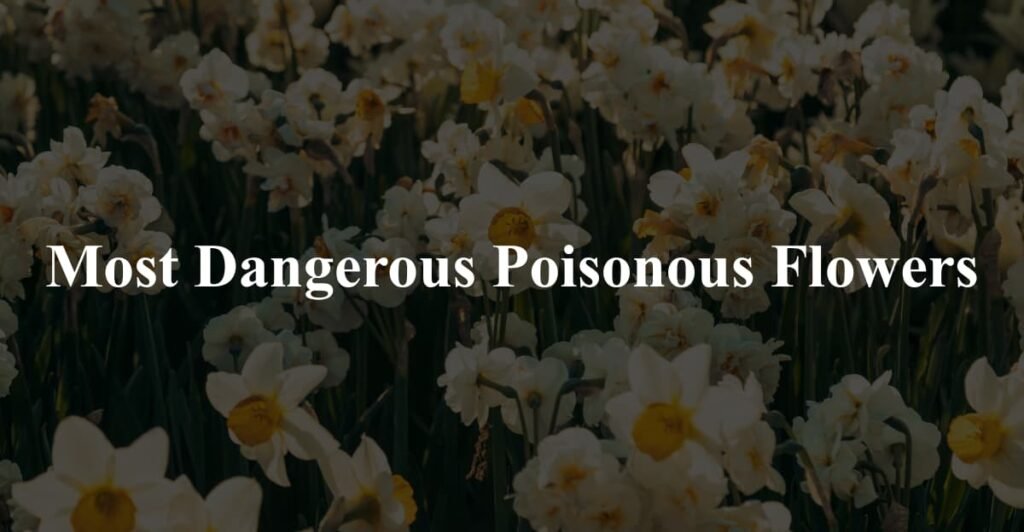
The most dangerous poisonous flowers include several lethal entries from the botanical world that deserve careful attention, whether they grow in public parks or private backyards. Knowing their specific names, practicing accurate plant identification, and understanding botanical toxicity can help safety-conscious gardeners recognize poisonous plants, dangerous species, and potential risks before handling them.
Oleander (Nerium oleander)
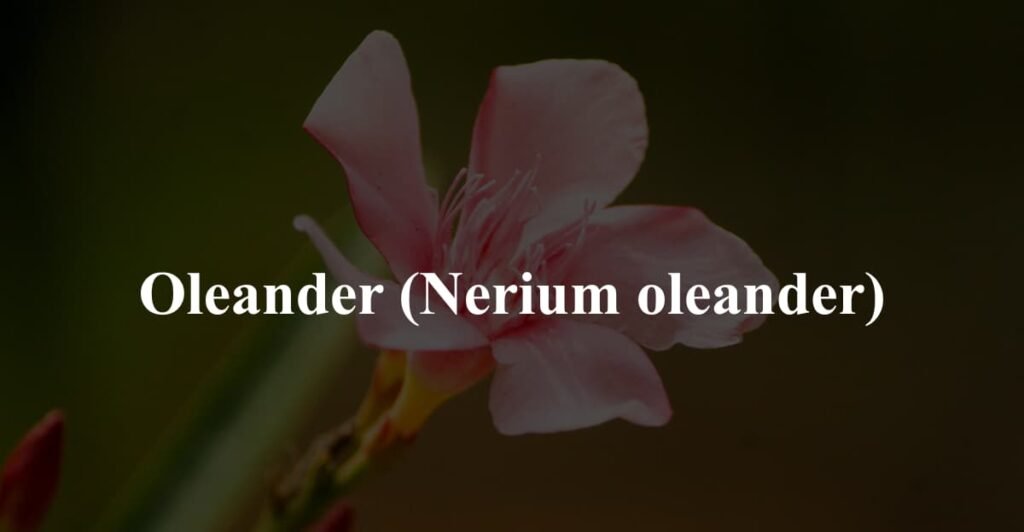
Oleander, scientifically known as Nerium oleander, is a beautiful shrub and hardy shrub commonly grown in warm climates, but it ranks among highly poisonous plants because every part of the plant from its roots to its nectar can contain toxic compounds. Its oleandrin and neriine are potent cardiac glycosides that can cause severe plant toxicity and cardiac toxins exposure, while inhaling smoke from burning oleander branches can also result in toxicosis.
From my gardening experience, I treat Oleander as a plant that should always be handled with caution, especially around children and pets, because its attractive appearance can easily hide its serious toxicity.
Belladonna (Deadly Nightshade)
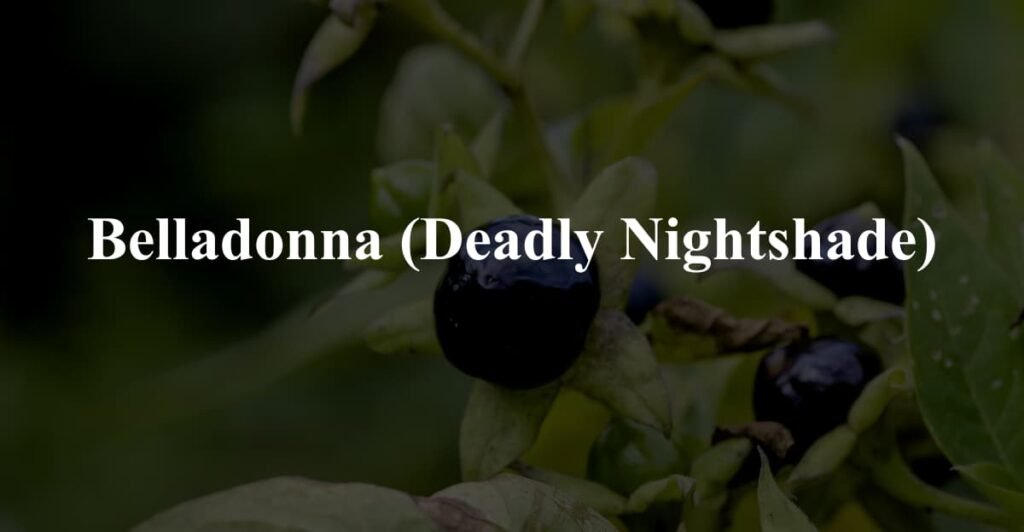
Atropa belladonna, commonly called Belladonna or Deadly Nightshade, has a long history surrounded by folklore, but its tropane alkaloids, particularly atropine and scopolamine, make it a significant danger. Its dark berries may resemble edible cherries, yet consuming them can produce hallucinations, rapid heartbeat, severe poisoning, and potentially death due to powerful toxic compounds and lethal effects.
In my experience studying poisonous plants, Belladonna is a good reminder that attractive toxic berries should never be judged by appearance alone, making careful plant identification essential for preventing accidental exposure.
Foxglove (Digitalis purpurea)
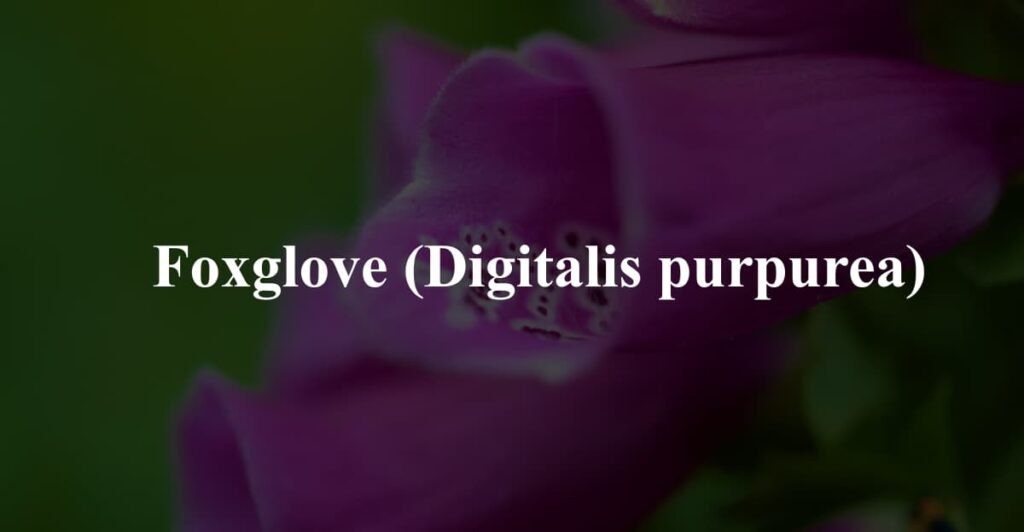
Foxglove, Digitalis purpurea, is known for its majestic tall spikes and attractive purple bell flowers or white bell flowers, but its digitalis compounds make the raw plant extremely dangerous when consumed. Although digitalis has applications in modern medicine, uncontrolled consumption can cause slowed pulse, vomiting, fatal heart arrhythmias, and severe cardiac toxicity due to powerful plant toxins.
From my experience with poisonous garden plants, Foxglove is one I would never treat as harmless simply because of its ornamental appearance, as accidental exposure can result in lethal poisoning and serious toxic effects.
Lily of the Valley (Convallaria majalis)
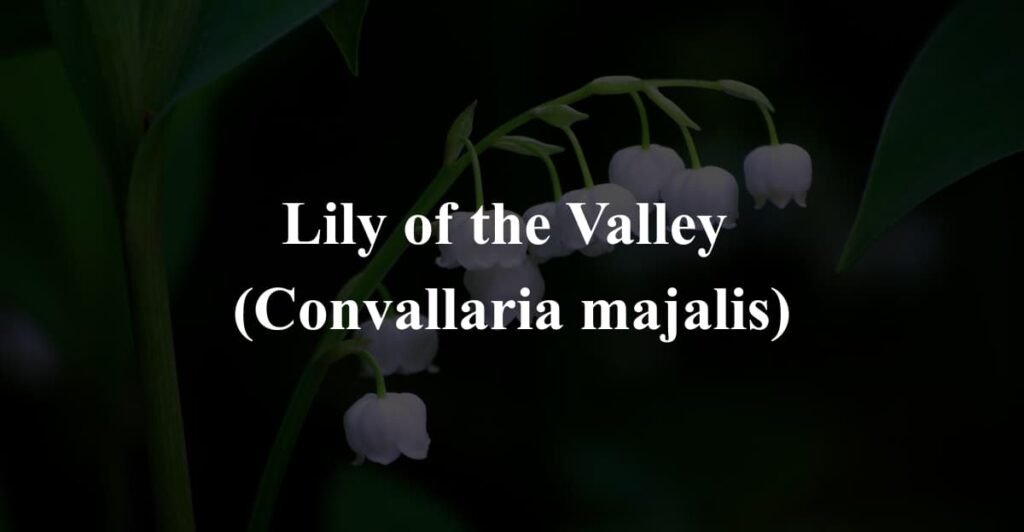
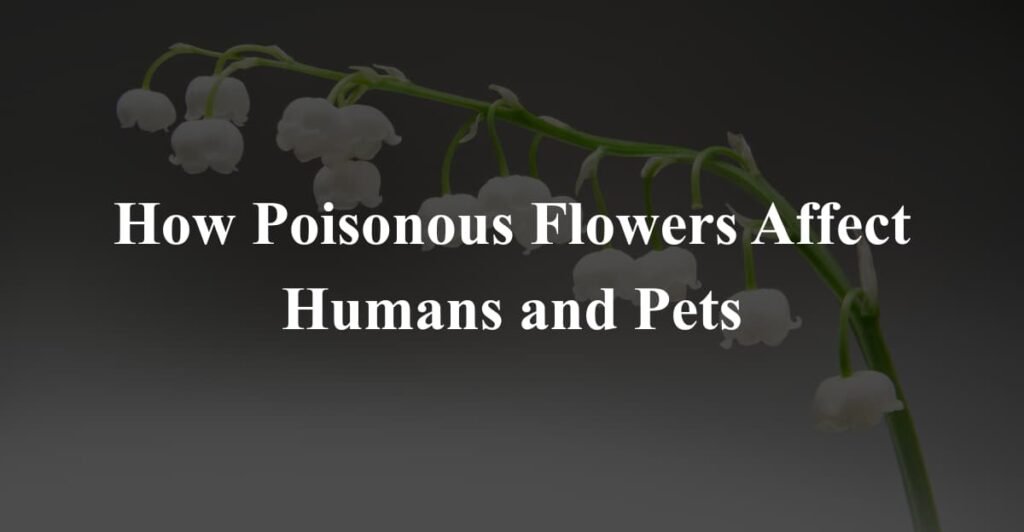
Lily of the Valley, scientifically known as Convallaria majalis, is a delicate groundcover often featured in wedding bouquets, yet it contains cardiac glycosides, with around 30 different cardiac glycosides identified in the plant. Its flowers and even toxic water from a vase can become a concern if a pet or small child takes an accidental sipping, potentially resulting in poisoning, toxic exposure, and serious plant toxicity from its cardiac toxins.
In my experience, keeping cut flowers and vase water away from children and pets is an important precaution when handling potentially dangerous flowers like Lily of the Valley.
Daffodil (Narcissus species)
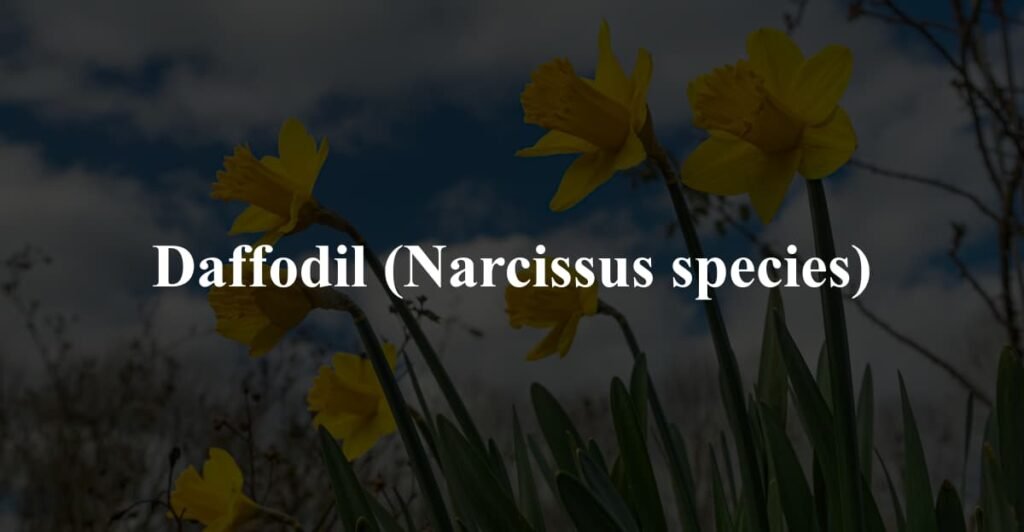
The Daffodil, or Narcissus species, may be a cheerful yellow daffodil, but it contains lycorine, a toxic alkaloid that can trigger intense vomiting when ingested. The highest concentration of this toxin occurs in the bulb, making daffodil bulbs particularly hazardous, especially when they are mistaken for onions.
From my gardening experience, careful labeling and storage of bulbs are essential because this type of mistaken identity can lead to plant poisoning, highlighting why botanical toxins, poisonous bulbs, and every toxic plant deserve respect.
Monkshood (Aconitum napellus)
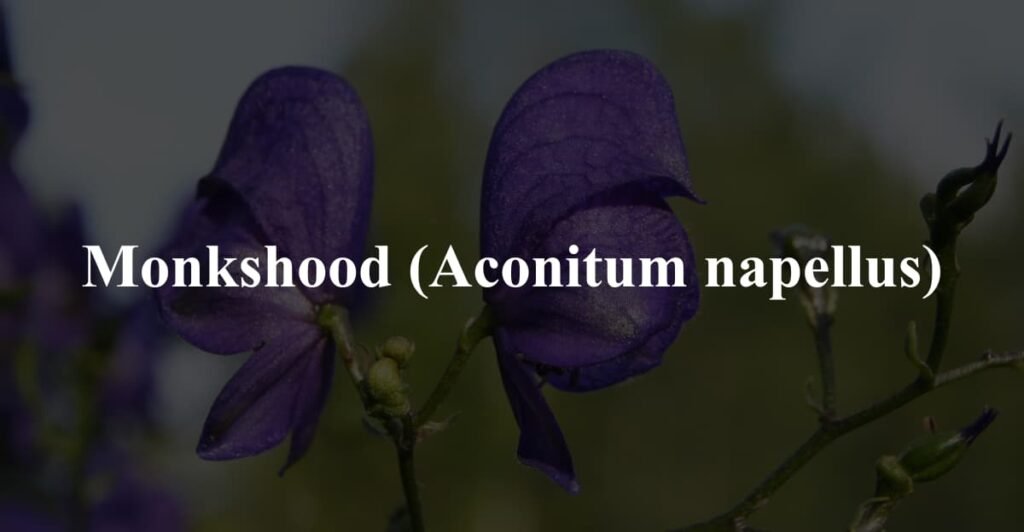
Monkshood, scientifically known as Aconitum napellus, is often called the queen of poisons because it is an incredibly lethal poisonous flower containing aconitine, a powerful plant toxin that can be absorbed through skin. Even picking flowers can create a risk of skin absorption, so wearing gloves is an important precaution when handling this lethal plant. Toxic exposure may cause numbness, serious cardiovascular issues, and cardiovascular toxicity, potentially leading to severe poisoning.
Autumn Crocus (Colchicum autumnale)
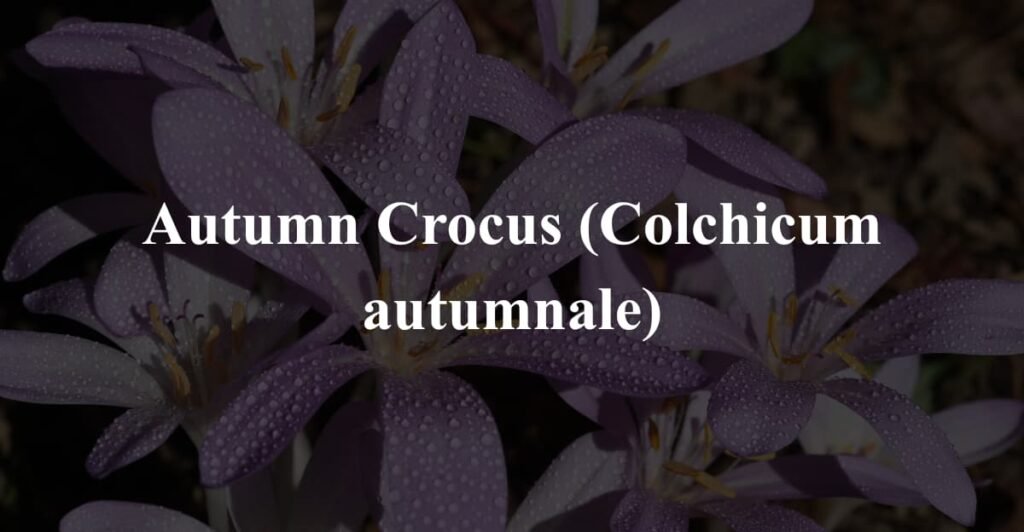
Autumn Crocus, or Colchicum autumnale, may resemble a spring-blooming crocus, but it contains colchicine, a powerful toxin whose effects can resemble those associated with arsenic and may progress to multi-organ failure. Colchicine poisoning is particularly dangerous because there is no known antidote, making this a high-risk plant for any landscape.
From my experience studying botanical toxicity, I consider Autumn Crocus a serious poisonous plant and toxic flower because its lethal toxin can cause organ failure and severe plant poisoning.
Lesser-Known Poisonous Flowers
Beyond the famous killers, many common ornamental plants can still be hazardous, making awareness of these species essential for comprehensive garden safety. These lesser-known poisonous flowers may contribute to the deadly beauty of a garden, but understanding poisonous flower names, toxic plants, and potential hazards helps homeowners maintain safer ornamental plants and better overall garden safety.
Angel’s Trumpet (Brugmansia spp.)
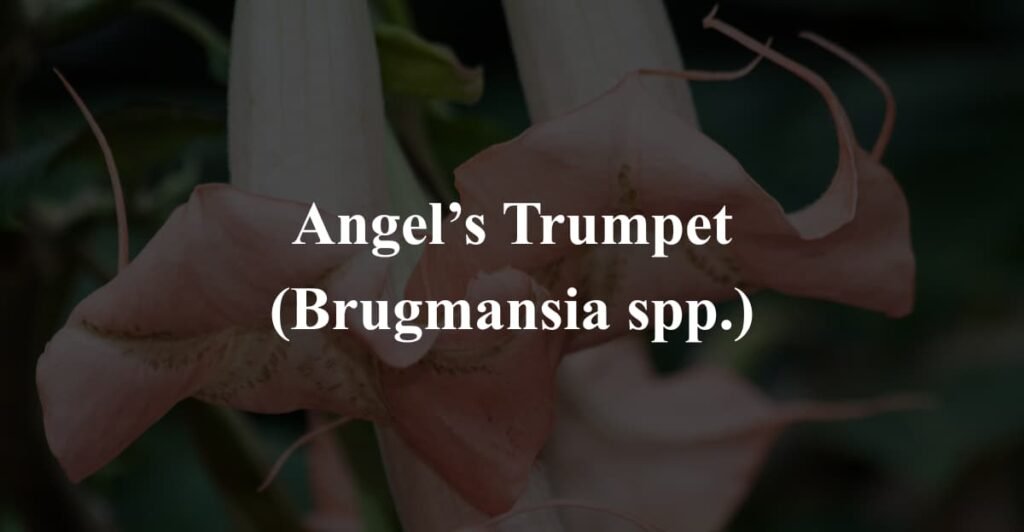
Angel’s Trumpet, or Brugmansia spp., produces large flowers and attractive hanging flowers with an alluring evening fragrance, but it contains powerful hallucinogens such as scopolamine. Ingesting any part of the plant can cause a complete loss of physical control, severe visions, and terrifying visions, making this poisonous plant a significant toxic plant risk despite its appeal as an ornamental flower with fragrant flowers.
From my experience with ornamental gardening, Angel’s Trumpet is a plant I always approach cautiously because its hallucinogenic effects, poisoning, and overall toxicity are easy to overlook when focusing only on its dramatic blooms.
Castor Bean (Ricinus communis)
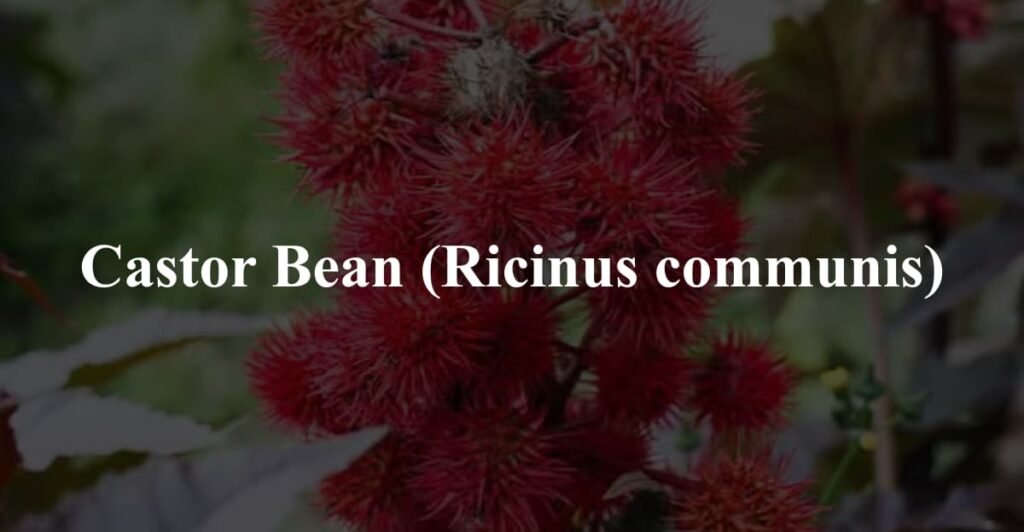
Castor Bean, scientifically known as Ricinus communis, is recognized for its tropical leaves and star-shaped leaves, but the Castor Bean plant produces seeds containing ricin, a potent protein that interferes with cellular protein synthesis by inhibiting protein synthesis. Well-chewed seeds can release this deadly toxin, potentially proving fatal to an adult human, which makes the plant a serious poisonous plant and source of toxic seeds.
In my gardening experience, I consider Castor Bean an ornamental plant that requires particular care because its plant toxicity, poisoning, and potential for severe poisoning are far more important than its striking tropical appearance.
Rhododendron (Rhododendron spp.)
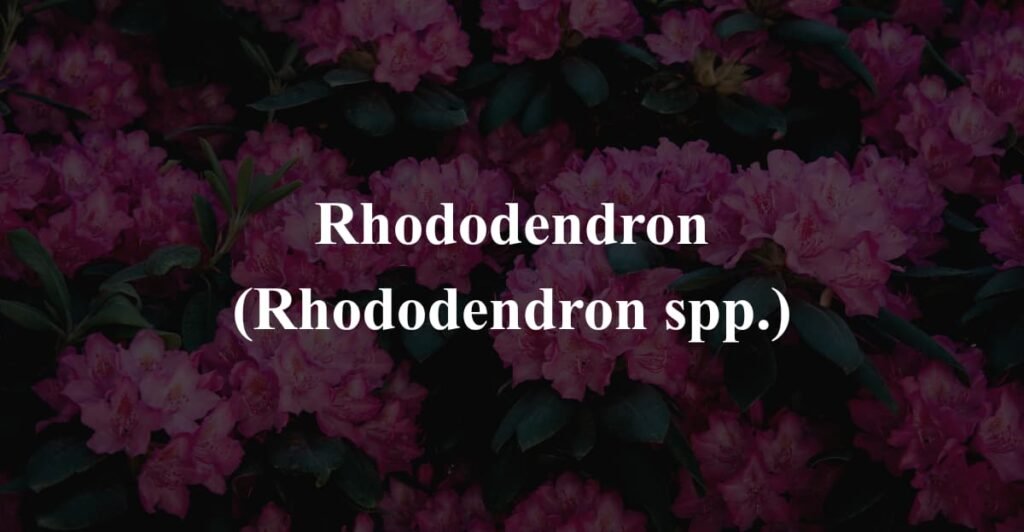
Rhododendron, scientifically known as Rhododendron spp., along with Azaleas, is a staple in many landscapes, but its grayanotoxins are chemicals that can interfere with the nervous system. When bees collect flowers and forage predominantly from these plants, their honey may contain toxins associated with mad honey and mad honey poisoning, making these toxic flowers and poisonous plants a concern for plant toxicity, accidental poisoning, toxic chemicals, and serious nervous system effects.
In my gardening experience, I pay particular attention to plant placement and identification around edible garden products because attractive landscape plants can sometimes create unexpected toxicity concerns.
Wisteria (Wisteria sinensis)
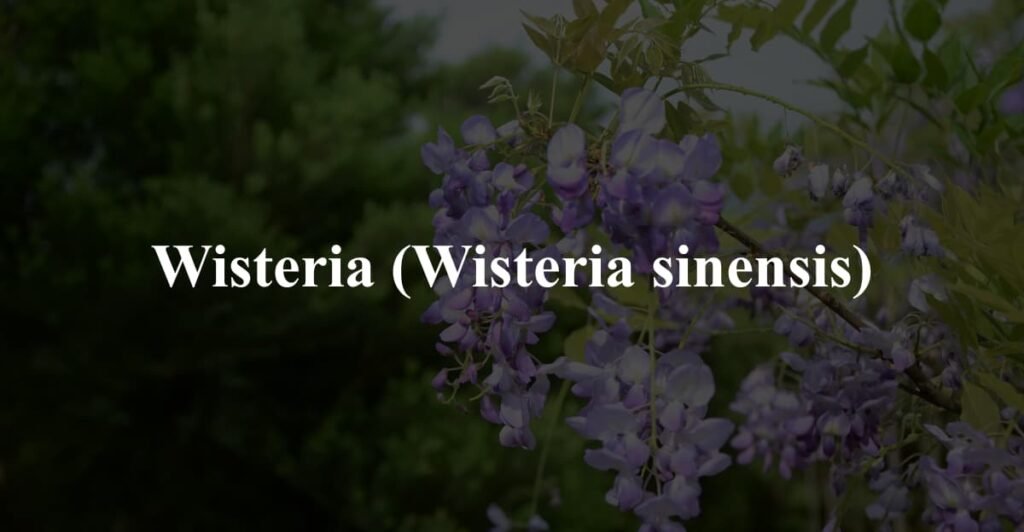
Wisteria, or Wisteria sinensis, is famous for its cascading purple blooms and purple blooms that create an iconic ornamental display, but its seed pods and seeds contain wisterin, a toxic glycoside associated with severe stomach upset, migraines, and dehydration. These toxic seeds make Wisteria a poisonous plant despite its popularity as an ornamental addition, while its plant toxicity, potential poisoning, and harmful toxic compounds deserve attention.
From my experience with ornamental vines, I always recommend removing fallen seed pods from accessible areas, especially where children or pets may investigate them.
Jimsonweed (Datura stramonium)
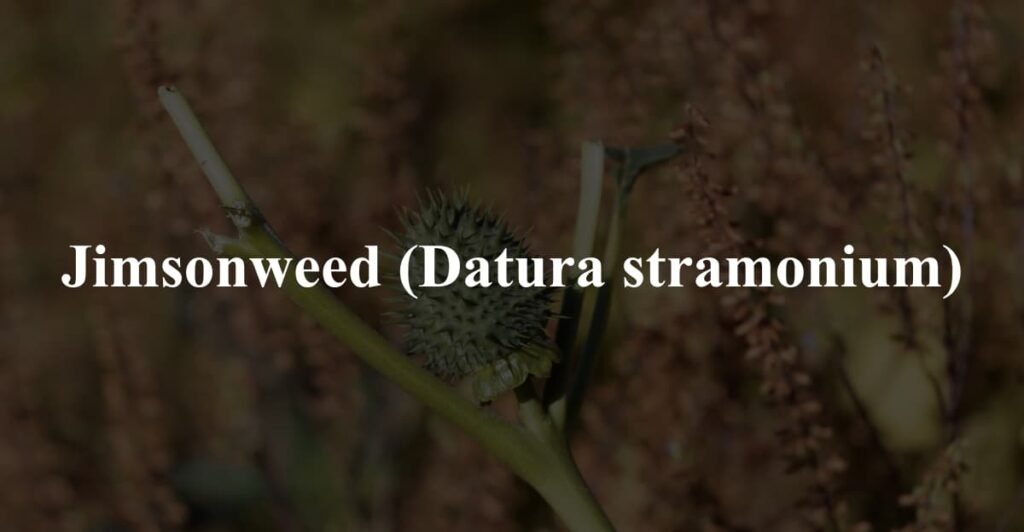
Jimsonweed, scientifically called Datura stramonium, is a relative of Angel’s Trumpet that often appears as a weed in disturbed soil. It is highly toxic because it contains potent tropane alkaloids, including powerful tropane alkaloids that can contribute to accidental poisonings, making it a serious toxic plant and poisonous plant. Its plant toxicity, risk of accidental poisoning, and dangerous toxic compounds and alkaloids are why accurate identification is important.
In my gardening experience, unfamiliar volunteer plants are best identified before they are handled or allowed to remain in frequently used garden areas.
Hellebore (Helleborus spp.)
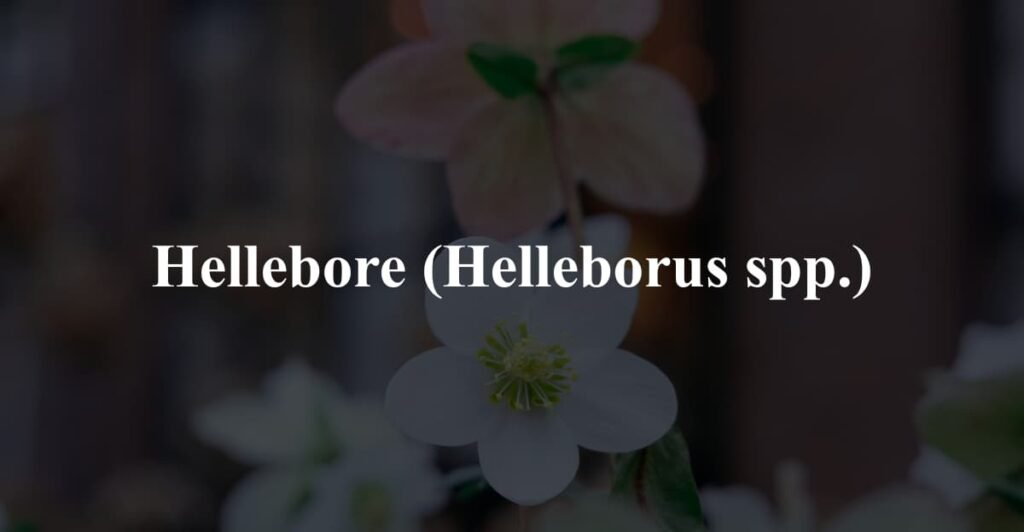
Hellebore, or Helleborus spp., also known as the Lenten Rose, produces its bloom in late winter, but this attractive plant contains protoanemonin and helleborin. Protoanemonin can cause burning of the mouth and skin irritation, while helleborin can affect the heart, making Hellebores a toxic plant and poisonous flower with significant plant toxicity, toxic compounds, heart effects, irritation, and potential poisoning.
From my gardening experience, I handle Hellebore carefully during maintenance because its attractive winter flowers should never distract from its potential toxicity.
Night-blooming Jasmine (Cestrum nocturnum)
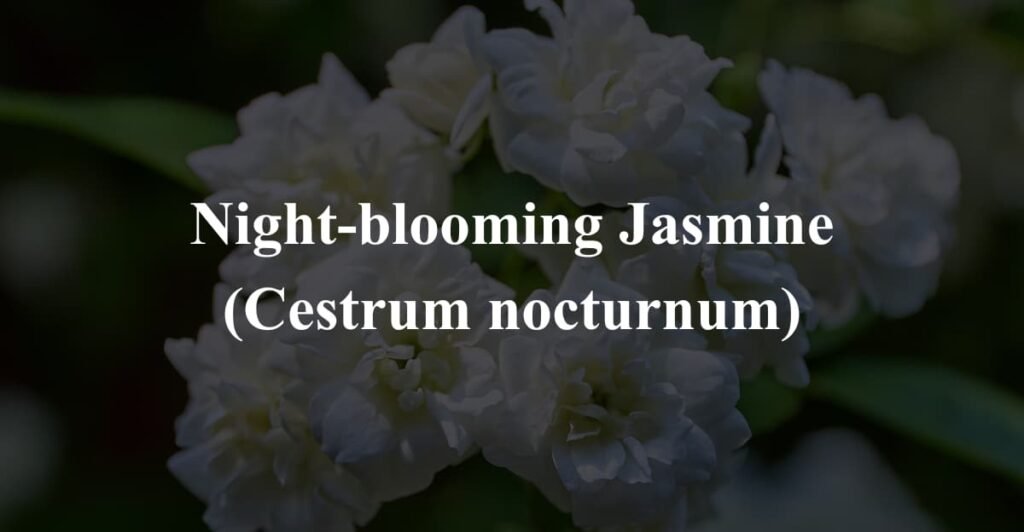
Night-blooming Jasmine, scientifically known as Cestrum nocturnum, is a fragrant shrub recognized for its intoxicating scent, but its berries and leaves can become dangerous when ingested. Exposure may cause fever, rapid pulse, and excessive salivation, particularly affecting pets and livestock, making this a toxic plant and poisonous shrub associated with plant toxicity, poisoning, toxic berries, toxic leaves, and animal poisoning.
In my experience, keeping fallen berries and plant material away from animals is a simple but important garden-safety practice.
Hydrangea (Hydrangea macrophylla)
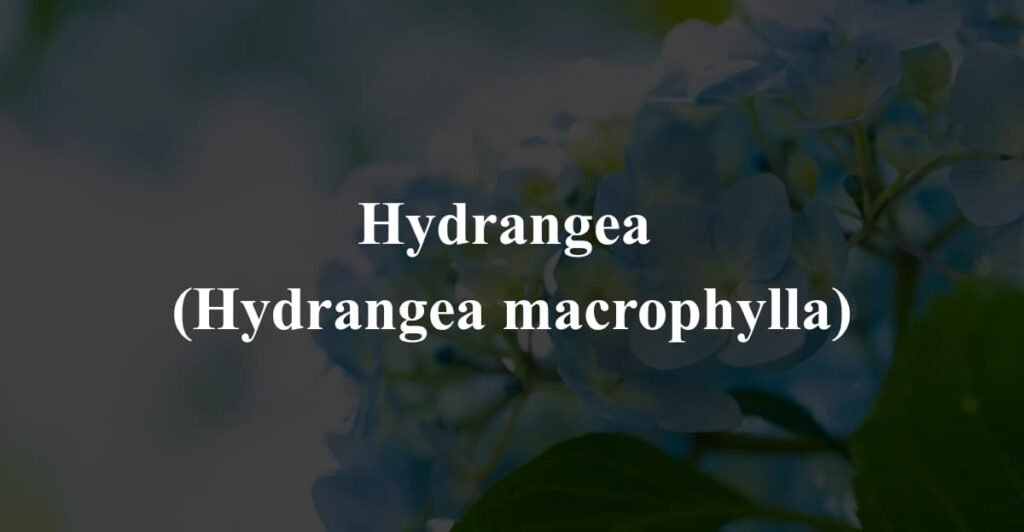
Hydrangea, or Hydrangea macrophylla, includes popular Hydrangeas that contain cyanide-producing compounds known as cyanogenic glycosides, which can release cyanide under certain conditions. Although a human would generally need a significant amount to face serious danger, pets may develop rapid illness after consuming relatively small quantities, making Hydrangea a toxic plant and poisonous flower worth monitoring.
From my gardening experience, I keep pets from chewing ornamental plants because even seemingly mild plant toxicity, toxic compounds, poisoning, and pet poisoning can become a concern when exposure is unexpected.
Tips to Identify Poisonous Flowers in Your Garden
Identifying poisonous flowers requires careful botanical observation, basic botany, and attention to physical indicators rather than relying on appearance alone. A systematic approach to plant identification can help you recognize hazardous plants, understand toxicity, and notice warning signs that support better plant safety and garden safety.
Sap Type: Check the sap type when handling unfamiliar plants. An indicator of potential toxicity is milky sap, latex-like sap, or white sap, which occurs in plants such as Poinsettia and Euphorbia. Caustic sap may cause skin irritation, while toxic sap, plant toxicity, and hazardous sap warrant extra caution.
Seed Pods: Examine seed pods carefully, as their appearance can be an indicator of potential toxicity. Large pods, bean-like pods, and spiky pods may occur on Wisteria and Castor Bean, whose toxic seeds and poisonous seeds can make them hazardous plants. Plant toxicity is especially important when fallen pods are accessible to children or pets.
Bulb Shape: Pay attention to bulb shape, particularly scaly structures or onion-like structures, which can occur in Daffodil and Autumn Crocus. These poisonous bulbs and toxic bulbs can cause plant toxicity, so unfamiliar bulbs should never be mistaken for edible produce.
Scent: An unusually intensely sweet fragrance, cloying fragrance, or strong scent can be another characteristic worth investigating. Angel’s Trumpet and Jasmine may have an intoxicating fragrance, but scent alone cannot confirm toxicity, so unfamiliar toxic flowers and poisonous flowers should be properly identified.
Physical Warning Signs: These physical traits can act as a form of plant signaling that encourages you to stay away until the plant is identified. Milky sap, caustic substances, and signs of immediate skin irritation should be treated as potential hazardous plants indicators, reinforcing the importance of poisonous flowers, toxic plants, garden safety, botanical observation, and careful attention to physical indicators.
Leaf and Stem Characteristics
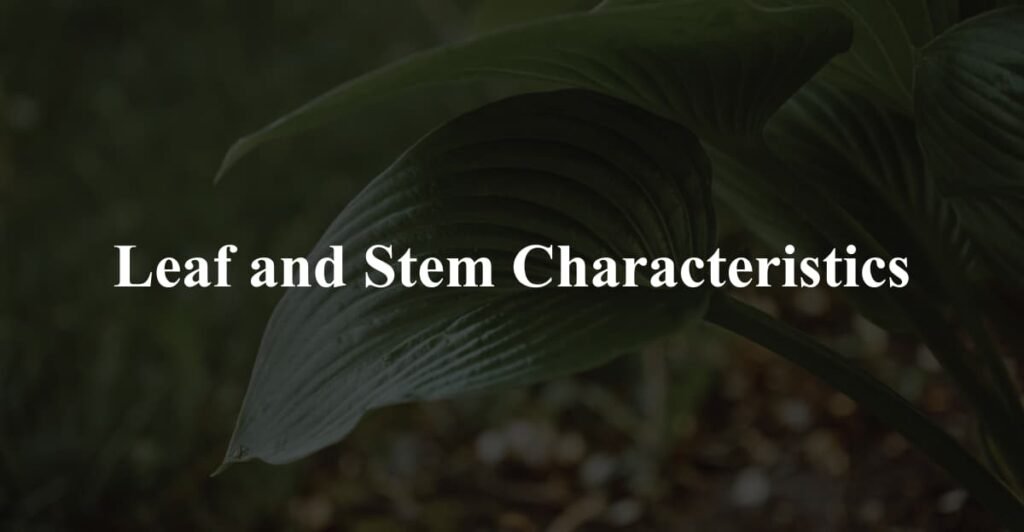
Check leaf characteristics and stem characteristics such as shiny leaves, waxy leaves, and sticky residue on broken plants, especially within the Euphorbia family. Hollow stems and purple mottling, as seen in Water Hemlock, are important warning signs in the wild or garden, supporting safer plant identification, plant safety, and recognition of toxic plants, poisonous plants, hazardous plants, and their morphological traits.
Flower Color and Shape Indicators
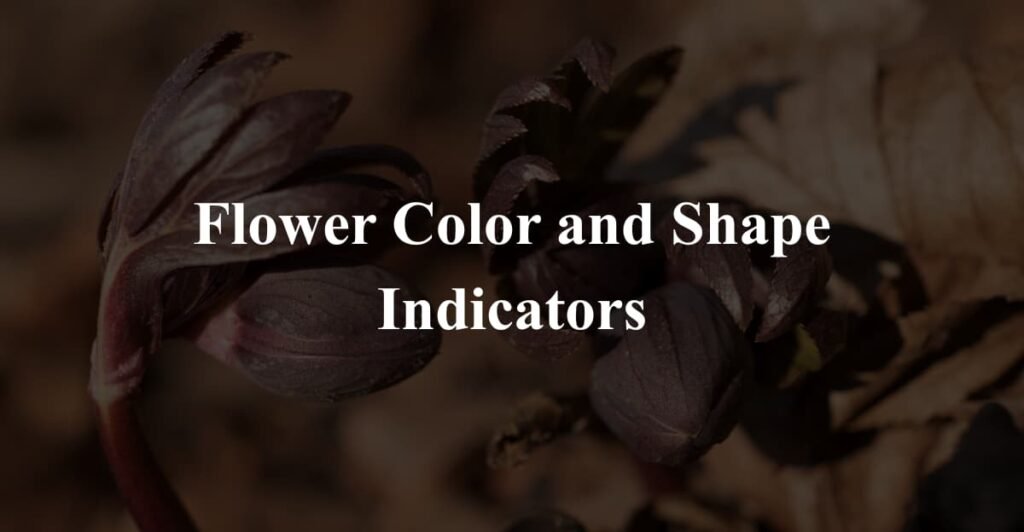
Consider flower color and flower shape as useful indicators, because certain toxic families commonly display bell shape or trumpet shape, including Solanaceae, Nightshade, and Digitalis. Although beauty, bell-shaped flowers, and other deadly flowers cannot confirm toxicity alone, this morphological pattern should prompt a safety check for toxic flowers, poisonous flowers, plant toxicity, plant identification, and other warning signs.
Using Reliable Plant Guides
In 2026, reliable plant guides, high-resolution AI plant identification apps, and established botanical databases can make plant identification easier, but tools such as the RHS, local university extensions, and other botanical databases should be used as reliable sources and cross-referenced for plant safety and safety purposes. From my experience, I always recommend combining plant identification apps with trusted botanical resources when checking toxic plant identification or poisonous plant identification, rather than relying on a single source.
What to Do If Exposed to a Poisonous Flower
Poisonous flower exposure and toxic plant exposure can affect a person or pet, so recognizing symptoms and taking immediate action is a critical factor in managing plant poisoning. Treat suspected exposure as a poisoning emergency and prioritize safety, first aid, and an appropriate emergency response rather than waiting for symptoms to worsen.
First Aid Steps
For skin exposure, immediately wash the affected area with lukewarm water and mild soap for at least 15 minutes; after plant ingestion, remove any remaining pieces from the mouth, but do not induce vomiting unless directed by a medical professional. Because some toxins can cause additional damage to the esophagus, proper treatment, emergency care, and careful management of toxic substances, poisoning, first aid, skin contact, and oral exposure are important.
When to Call a Doctor or Poison Control
Seek professional help immediately when a suspected poisonous flower exposure causes serious or rapidly worsening symptoms. Important warning signs include:
- Breathing or swallowing problems: Difficulty breathing, difficulty swallowing, or swelling of the tongue or throat requires immediate emergency services.
- Heart or neurological symptoms: Irregular heartbeat, dizziness, seizures, or loss of consciousness can indicate severe toxic poisoning and require urgent medical attention.
- Severe or life-threatening symptoms: Contact a doctor, Poison Control, or your local Poison Control Center immediately if symptoms become severe or potentially life-threatening.
- Pets and animals: For pets, contact an emergency veterinarian promptly if there are severe symptoms, suspected toxic poisoning, or signs of animal poisoning.
- Identify the plant: If possible, provide the botanical name or a clear sample/photo to support plant identification and help determine the appropriate treatment process.
- Professional veterinary care: Accurate plant information can help guide timely veterinary care when a pet has been exposed to a poisonous plant.
Interesting Facts About Poisonous Flowers
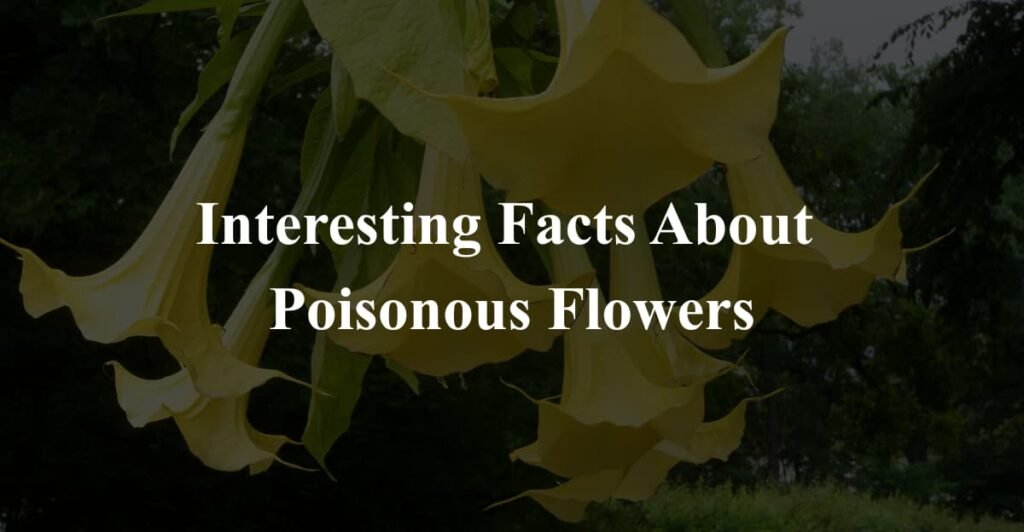
The interesting facts surrounding poisonous flowers reveal the rich history and complex history of toxic plants, whose chemicals and plant chemicals have affected humans and different species for thousands of years, sometimes producing disastrous results and sometimes inspiring incredible ingenuity. Their plant toxicity, poisonous plants, and historical poisoning cases show how nature’s defenses have influenced human history.
Historical Uses of Toxic Plants
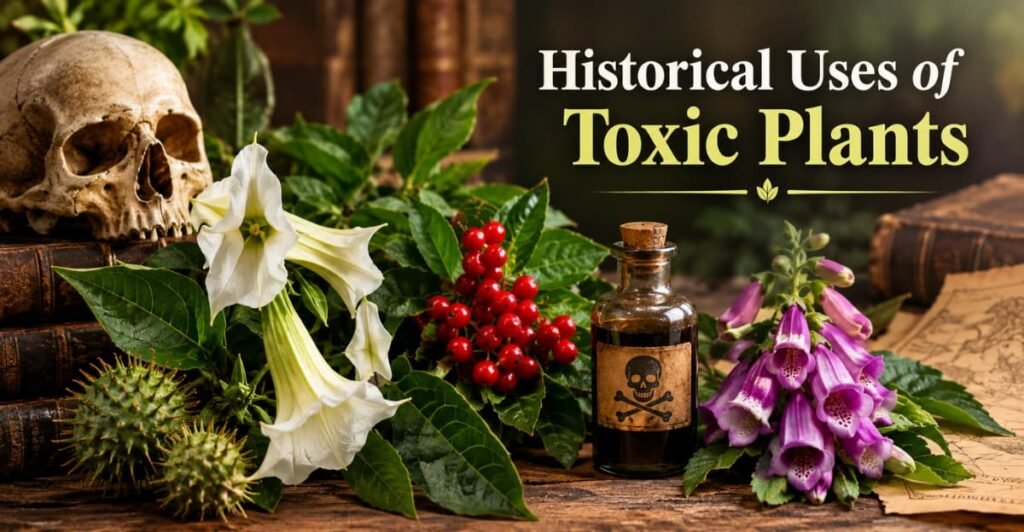
In ancient times, Aconitum extracts from the Aconitum plant were used for tipped arrows in hunting and warfare, while Belladonna gained attention during the Victorian era when women used eye drops to dilate pupils as a symbol of beauty, inspiring the name Beautiful Lady. These historical uses of a poisonous plant, toxic extracts, plant toxins, and toxic substances demonstrate the complex history of historical plant use.
Famous Incidents Involving Poisonous Flowers
Among the most famous incidents involving poisonous flowers is the death of the philosopher Socrates, who was sentenced to die after drinking a tea made from Poison Hemlock or Hemlock; in more recent history, some travelers in South America have been drugged with scopolamine associated with Angel’s Trumpet and its plant-derived scopolamine. These famous blooms, toxic plants, hallucinogen effects, poisoning, and plant toxins illustrate the dangers and historical significance of poisonous flowers.
Conclusion
Poisonous flowers can combine breathtaking beauty with serious plant toxicity, making plant identification and garden safety essential for every gardener. From Oleander and Belladonna to Foxglove, Monkshood, and lesser-known toxic plants, understanding their risks helps protect children, pets, and families from accidental exposure. By learning the warning signs, using reliable botanical resources, and handling unfamiliar plants carefully, you can enjoy a beautiful garden while creating a safer, more worry-free outdoor space.
Frequently Asked Questions
1. What is the most poisonous flower?
Monkshood, also called Aconitum napellus, is considered one of the most dangerous poisonous flowers because it contains aconitine, a powerful toxin that can cause severe cardiovascular effects.
2. What are the most common poisonous flowers?
Common poisonous flowers include Oleander, Belladonna, Foxglove, Lily of the Valley, Daffodil, Autumn Crocus, Angel’s Trumpet, Wisteria, Hellebore, and Hydrangea.
3. Are poisonous flowers dangerous to pets?
Yes. Some poisonous flowers can cause serious or potentially fatal effects in pets. Lilies, for example, can cause severe kidney problems in cats, while other toxic plants may cause gastrointestinal, neurological, or cardiovascular symptoms.
4. Can touching a poisonous flower be dangerous?
Some plants can cause irritation or other toxic effects through skin contact. Monkshood is particularly concerning because its toxins can potentially be absorbed through the skin, so protective gloves are recommended when handling potentially hazardous plants.
Please Write Your Comments