Discover 17 Beautiful Flowers That Start With C
Updated: November 3, 2026
10
Discover a beautiful world of colors, fragrances, and unique blooms with these 17 beautiful flowers that start with C! From elegant Calla Lilies to vibrant Chrysanthemums, these flowers offer something special for every garden and flower lover. Keep reading to explore their fascinating features, growing tips, and amazing facts, and find your next favorite bloom!

Table of Contents
List of 17 Beautiful Flowers That Start With C
Here is the complete list of 17 beautiful flowers that start with C, featuring popular varieties, unique blooms, and lovely garden choices:
- Calla Lily
- Camellia
- Celosia
- Clematis
- Candytuft
- Cattleya Orchid
- Cosmos
- Crocosmia
- Chrysanthemum
- Chocolate Cosmos
- Canterbury Bells
- Crown Imperial
- Columbine
- Coreopsis
- Cyclamen
- Coneflower
- Carnation
Calla Lily – Elegant Trumpet Shaped Flower
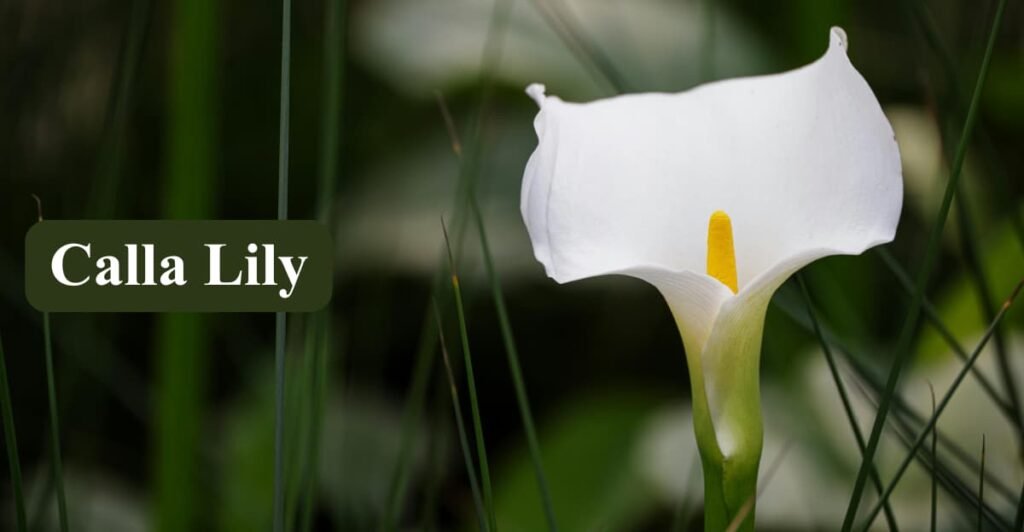
The Calla Lily (Zantedeschia) is an elegant flower admired for its distinctive, trumpet-shaped flower and smooth blooms. Available in white, yellow, pink, orange, and deep purple, these African flowers typically grow 2 to 3 feet tall and produce beautiful spring and summer blooms. They thrive in full sun or light shade, preferring consistently moist, well-drained soil and growing well in USDA hardiness zones 8 to 10. Their attractive appearance makes them popular garden flowers for outdoor spaces and landscaping.
Beyond their beauty, Calla Lilies hold deeper flower symbolism, representing purity, rebirth, love, and devotion, which makes them popular wedding flowers for special events, bouquets, and floral arrangements. Their fragrance and visual appeal can attract butterflies and bees, supporting local pollinators and inviting nature into the garden. However, despite their elegance and natural beauty, these plants are toxic to pets if ingested, so pet owners should take precautions to ensure pet safety when making their garden selection.
Camellia – Rose Like Elegant Blooms

Camellia flowers are admired for their beautiful, showy, and elegant rose-like blooms, available in white, pink, red, and mixed shades. Their flower shapes range from single to semi-double and fully double flowers, while glossy, evergreen leaves provide year-round greenery; these ornamental shrubs can grow 3 to 20 feet tall and spread widely across gardens and landscapes.
Native to eastern and southern Asia, especially China, Japan, and Korea, Camellias usually bloom from late fall through spring, depending on the variety. They prefer partial shade, rich, slightly acidic, and well-drained soil, making proper soil requirements, sunlight, and planting conditions important gardening tips for successful plant cultivation and landscape gardening.
Celosia – Fiery Feather Like Blooms
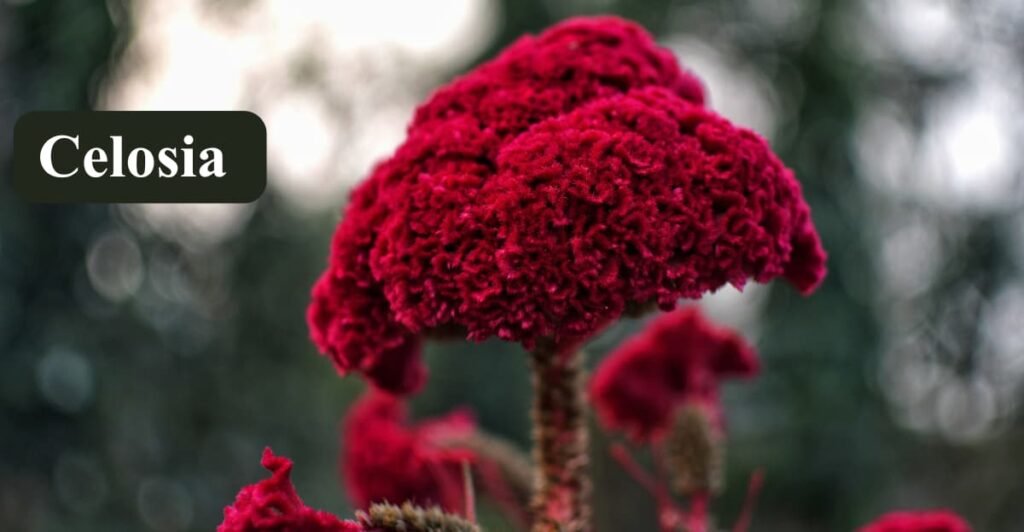
Celosia is a beautiful and unique C flower famous for its fiery, flame-like, and cockscomb-shaped blooms that resemble colorful feathers. Its vibrant red, yellow, and orange flowers make eye-catching garden additions and flower arrangements, while its African, Asian, and South American origins explain its preference for warm climates and full sunlight.
Celosia produces cheerful summer and early fall blooms and grows best in well-drained soil with moderate watering, as waterlogged soil can affect its growth. Besides its ornamental value, Celosia offers several interesting uses, including dried decorations and edible leafy vegetables that can be added to salads, stir-fries, and traditional dishes; proper plant care, soil moisture, and sunlight help support healthy flower cultivation.
Clematis – Climbing Vine with Star Shaped Blooms
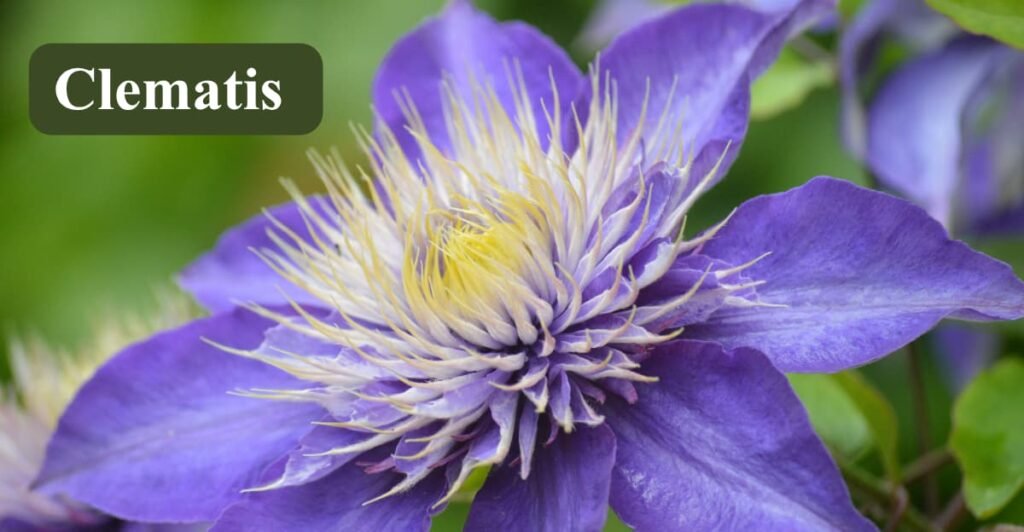
Clematis is a beautiful climbing vine admired for its large, star-shaped flowers in purple, pink, white, blue, and red. Native to different regions of the Northern Hemisphere, these ornamental vines are popular among gardeners for their long blooming season, vertical interest, and ability to enhance landscape beauty with colorful seasonal displays.
Most Clematis varieties bloom from late spring to early fall and grow best in fertile, well-drained soil, with full sun above ground and cool, shaded roots. They look beautiful covering trellises, fences, arbors, pergolas, and walls, while their flowers attract bees, butterflies, and other pollinators, supporting biodiversity and wildlife-friendly gardens; some evergreen varieties also provide year-round foliage and garden structure.
Candytuft – Delicate White Blooms
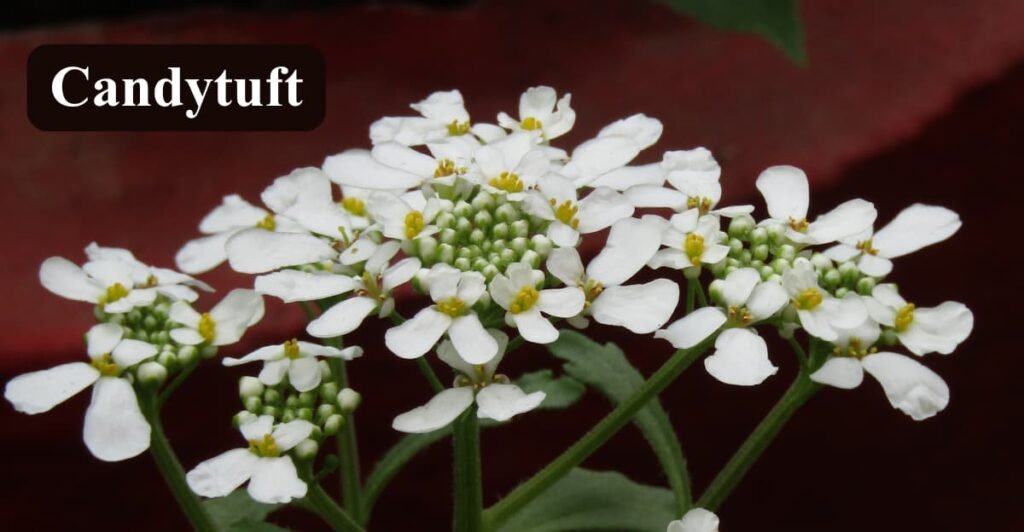
Candytuft (Iberis) is a charming perennial admired for its delicate white blooms, fragrant clusters, and small flowers that create a beautiful floral carpet in spring. Although its blossoms are mostly pure white, some varieties also produce pink and purple flowers, adding subtle shades and landscape beauty to gardens; these low-growing evergreen plants are perfect for compact spaces and thrive in well-draining soil.
Native to Europe and the Mediterranean, Candytuft is widely used as a ground cover in rock gardens, garden borders, and pathway edging. Its vibrant blooms attract bees, butterflies, and other pollinators, supporting garden biodiversity, while its plant resilience, evergreen habit, and ability to suppress weeds make it a low-maintenance gardening favorite that provides year-round interest and an easy-care addition to any outdoor space.
Cattleya Orchid – Exotic Orchid Flowers
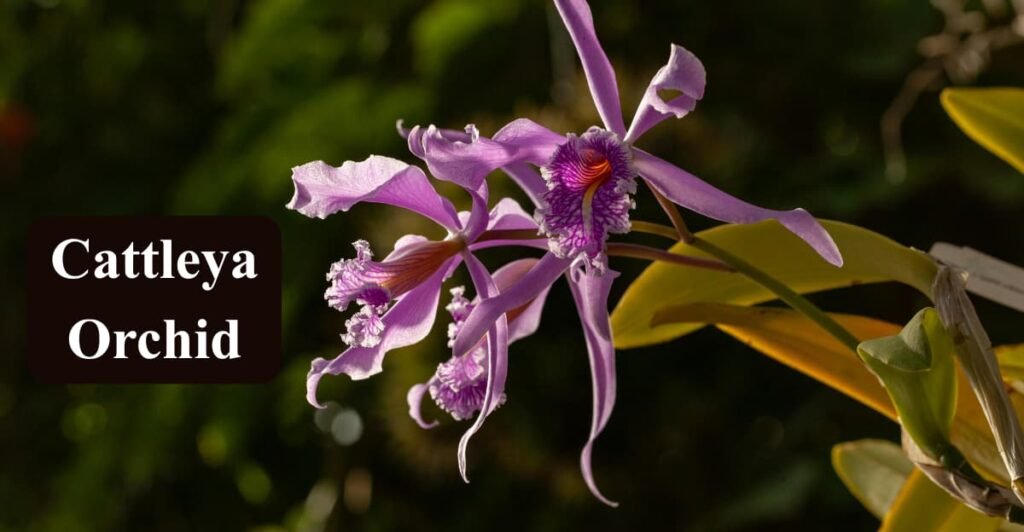
Often called the Queen of Orchids, the Cattleya Orchid is a stunning tropical flower admired for its large, ruffled, and fragrant blooms. These exotic orchids come in vibrant shades of purple, pink, white, yellow, and orange, making them popular for floral arrangements and corsages; native to the tropical regions of Central and South America, they flourish in warm, humid environments.
Cattleyas usually bloom between late winter and early spring, although proper orchid care can extend their flowering period. They need bright, indirect light, warmth, humidity, and a well-draining potting mix for healthy growth, making their growing conditions important for successful plant cultivation; their resilience, delightful fragrance, and eye-catching colors make these ornamental indoor plants rewarding choices for novice and experienced gardeners alike.
Cosmos – Cheerful Daisy Like Flowers
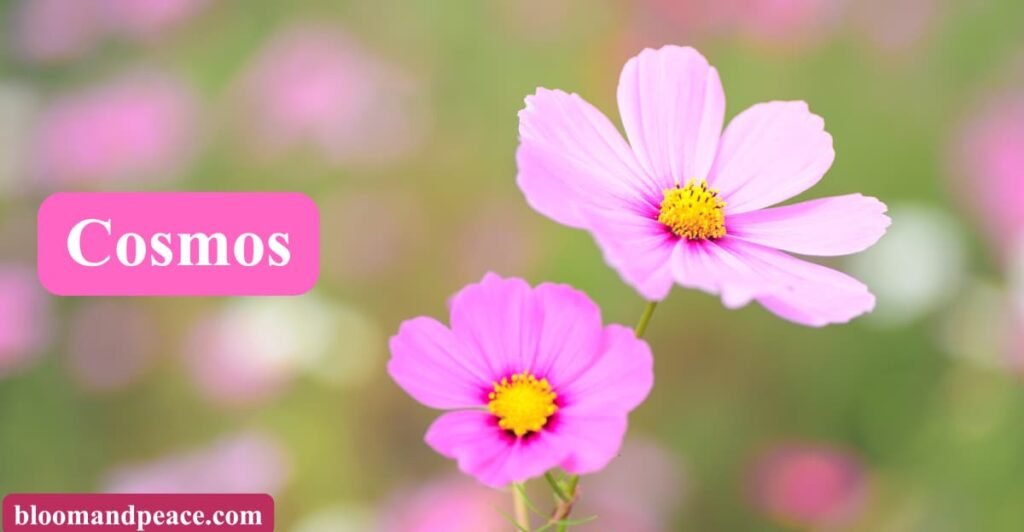
Cosmos flowers are cheerful garden favorites known for their delicate, daisy-like blooms and whimsical charm. Their airy, fern-like foliage adds graceful movement as the flowers sway in a gentle breeze, while vibrant shades of pink, white, orange, and purple create an enchanting palette that brightens colorful landscapes; these easy-to-grow flowers thrive in sunny conditions and suit gardeners of different skill levels.
Native to Mexico and the United States, Cosmos blooms from late spring until the first frost, offering a colorful display throughout the growing season. Their seasonal blooms attract butterflies, bees, and other essential pollinators, supporting local ecosystems and wildlife-friendly gardening, while their beauty suits cottage gardens, wildflower meadows, and cut flower arrangements; another appealing feature is their ability to self-seed, producing new plants in the following season and maintaining a vibrant garden with little effort.
Crocosmia – The Fiery Bloom
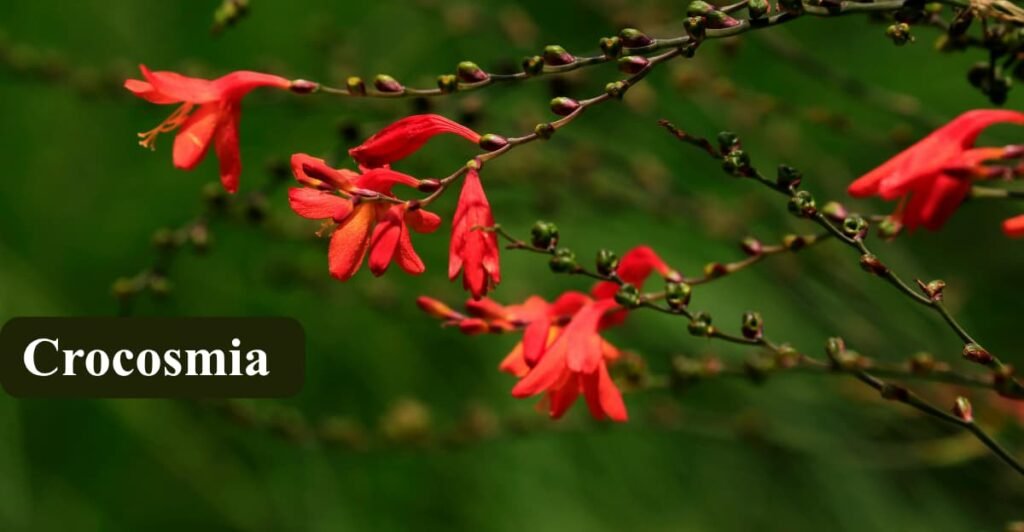
Crocosmia, also known as montbretia, is a stunning ornamental flower admired for its fiery blooms and vibrant colors, including orange, yellow, and red. Its trumpet-shaped flowers grow in clusters on tall stems, creating a lively display that adds garden beauty and a splash of color during late summer when many other flowers begin fading. Its long, slender leaves provide elegant foliage even outside the full bloom season, making it an attractive choice for a colorful garden.
One of Crocosmia’s special qualities is its ability to attract butterflies, hummingbirds, and other pollinators, turning a backyard garden into a lively haven for beautiful creatures. These hardy plants adapt to various growing conditions and offer low-maintenance beauty for gardeners who want a dynamic garden landscape.
I particularly like how their flowers sway in a gentle breeze, creating a cheerful atmosphere while adding natural charm and decoration to outdoor spaces.
Chrysanthemum – Colorful Autumn Blooms
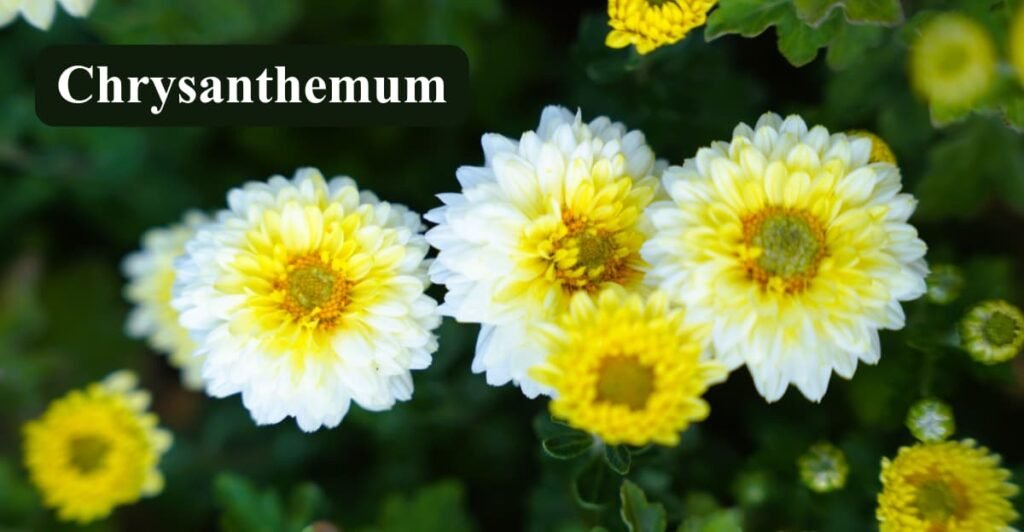
Chrysanthemums, commonly called mums, are bright, cheerful flowers famous for their colorful blooms in yellow, white, pink, and red. Their autumn blooms make them popular choices for fall flowers and autumn gardens, where their vibrant hues bring life to seasonal landscapes. Beyond their beauty, these flowers carry meaningful flower symbolism, often representing joy and optimism and appearing in cultural celebrations across different cultures, particularly in Asia.
Chrysanthemums also have interesting culinary uses, especially in traditional beverages such as chrysanthemum tea, which is enjoyed in various Asian countries. Some people traditionally associate this tea with health benefits, including soothing headaches, although such benefits should not be considered a proven treatment. Their long-lasting blooms make excellent cut flowers for bouquets and floral arrangements, while their natural beauty brightens indoor spaces and homes.
In my experience, their cheerful colors and extended flowering season make them especially rewarding ornamental plants for flower lovers.
Chocolate Cosmos – Chocolate Scented Blooms
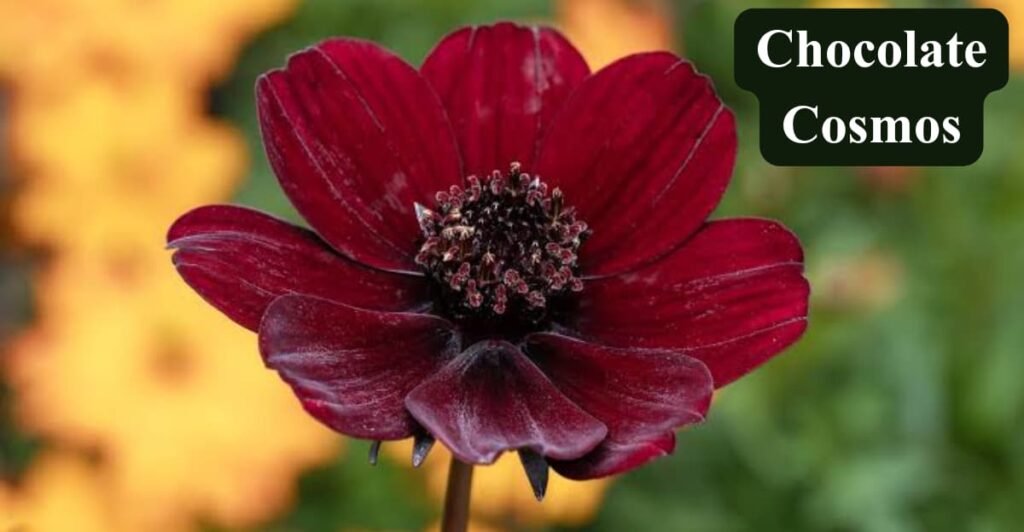
Chocolate Cosmos is one of the most unique flowers that start with C, admired for its stunning blooms and deep burgundy petals that resemble the rich appearance of dark chocolate. These elegant flowers are not only attractive but also produce a delightful chocolate-like fragrance with a sweet, aromatic scent that appeals to both sight and smell. Native to Mexico, they bloom from summer through fall, adding unusual beauty and rich colors to gardens.
Chocolate Cosmos thrives in full sun and well-drained soil, while its velvety petals make it an excellent choice for flower borders, garden borders, containers, and cut flower arrangements. An especially fascinating fact is that the original wild Chocolate Cosmos is extinct in the wild, so the plants grown today are cultivated clones maintained through careful cultivation and flower propagation.
I find these rare flowers particularly interesting because their luxurious appearance and distinctive fragrance make them stand out among other ornamental and flowering plants.
Canterbury Bells – Bell Shaped Colorful Blooms
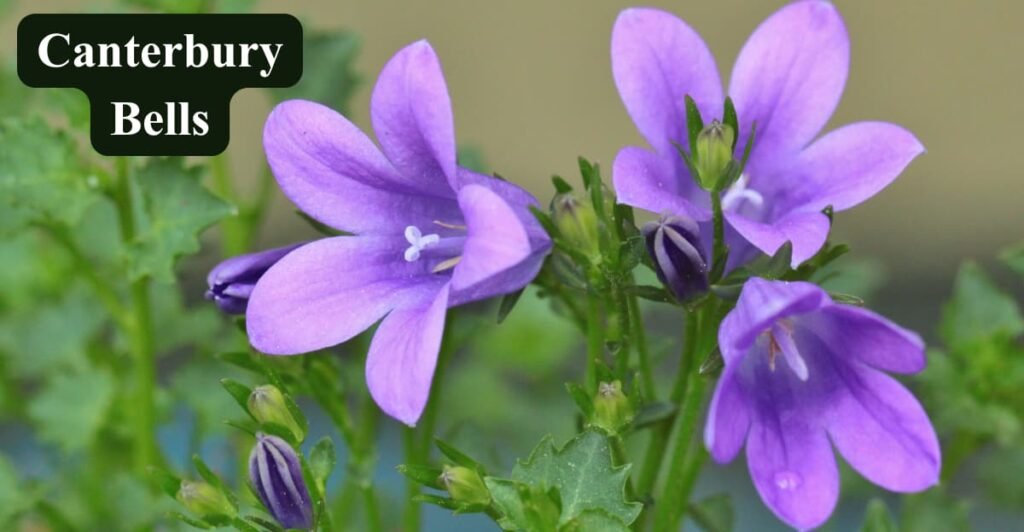
Canterbury Bells are beautiful ornamental flowers admired for their large, bell-shaped blooms and stunning shades of blue, purple, pink, and white. Native to southern Europe, these charming flowers usually bloom from late spring to early summer, bringing fresh garden color and lovely hues to any colorful garden.
They grow well in full sun or partial shade and prefer well-drained soil, making them suitable for cottage gardens and garden borders where their tall stems create an attractive upright growth pattern. These biennial plants are also popular for cut flower arrangements because their long-lasting blooms look beautiful in floral arrangements and indoor displays. Depending on climate conditions, gardeners may need to plant them every other year to enjoy their seasonal flowers.
In my gardening experience, Canterbury Bells are especially attractive when planted in groups, as their colorful flowers create a lovely display among other garden plants and flowering plants.
Crown Imperial – Crown Shaped Orange Blooms

Crown Imperial (Fritillaria imperialis) is a unique spring flower recognized for its crown-shaped blooms and unusual bell-shaped flowers that dangle beneath a leafy crown. Its orange, red, and yellow flowers create a colorful display, while the leafy bracts at the top enhance its flower crown formation and visual appeal. Native to the Middle East and parts of Asia, these plants bloom from mid-spring to late spring, adding seasonal beauty to flower beds and garden beds.
Crown Imperials grow best in full sun and well-drained soil, producing tall stems that can reach up to three feet high. These bulbous plants are often used as a dramatic focal point in garden borders, and their strong scent helps deter rodents such as moles and voles, offering a natural pest control benefit.
I find their combination of charm and functionality particularly useful for garden landscaping, as they provide ornamental beauty while supporting healthy landscape maintenance.
Columbine – Graceful Spurred Blooms
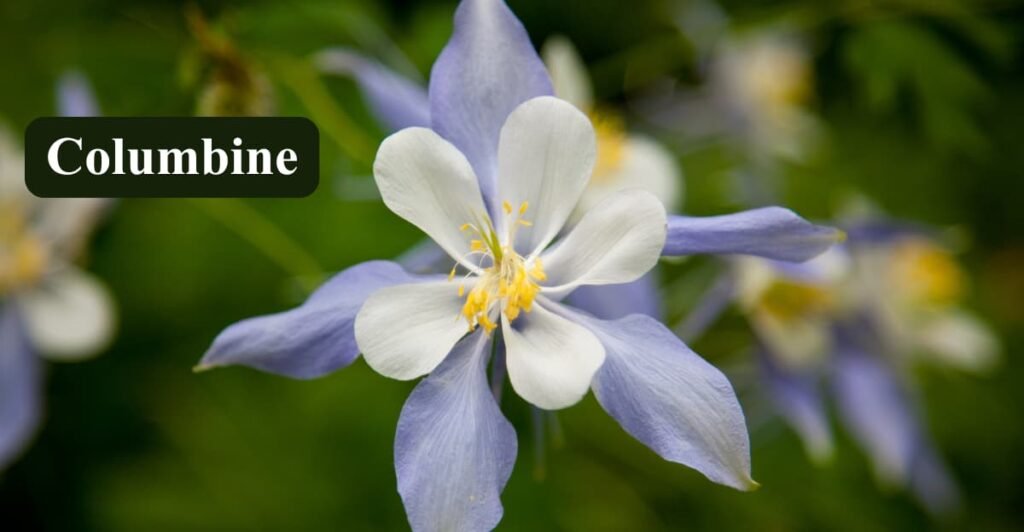
Columbine (Aquilegia) is among the most elegant flowers that start with C, admired for its distinctive spurred blooms, delicate beauty, and eye-catching flower appearance. Its unique flower shape features nectar-filled spurs and graceful nodding flowers in blue, purple, pink, red, yellow, and white, often displaying striking two-tone combinations that bring vibrant colors to colorful gardens and natural landscapes.
Native to the Northern Hemisphere, including North America and Europe, Columbine usually produces spring blooms through early summer, making it a lovely seasonal garden addition as the weather warms after winter dormancy. Its flowers attract bees, butterflies, and other pollinators, helping support a healthy garden ecosystem and lively atmosphere.
In my experience, Columbine looks especially beautiful in natural-style garden settings, where its graceful flowers complement other ornamental varieties and flowering plants.
Coreopsis – Bright Daisy Like Blooms
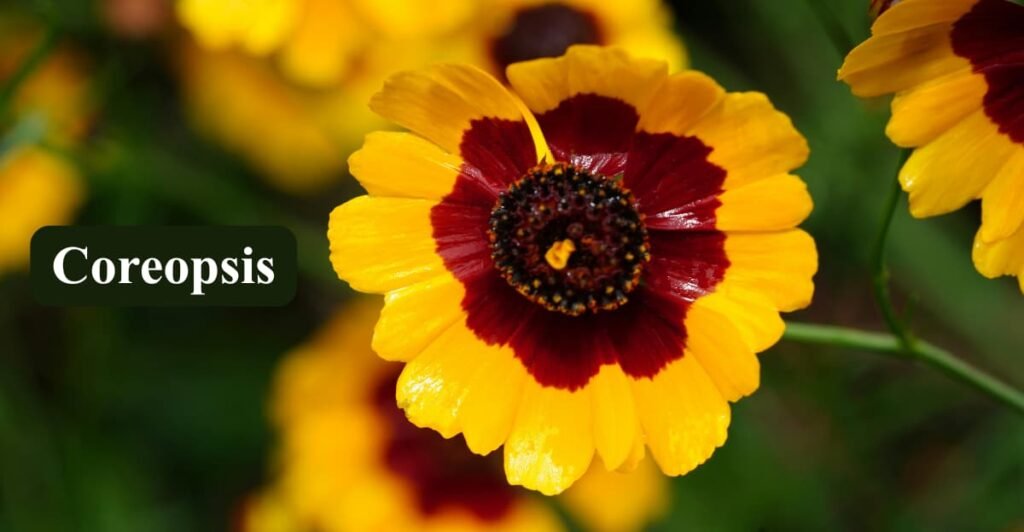
Coreopsis, also known as tickseed, is a cheerful flower admired for its bright blooms and delicate daisy-like blooms. Its golden-yellow petals and central dark disc create an attractive flower structure that makes it a favorite among gardeners. These reliable garden flowers bloom from late spring to early fall, adding lasting color throughout the growing season.
Coreopsis is one of the most easy-to-grow flowers, thriving in full sun with six to eight hours of daily sunlight and well-drained soil. These tough plants offer excellent drought tolerance, making them ideal for low-maintenance gardens. Their vibrant blooms attract butterflies and bees, supporting pollinators and local ecosystems.
I find Coreopsis especially rewarding because its long-lasting flowers bring cheerful garden beauty with very little plant care.
Cyclamen – Elegant Upswept Blooms
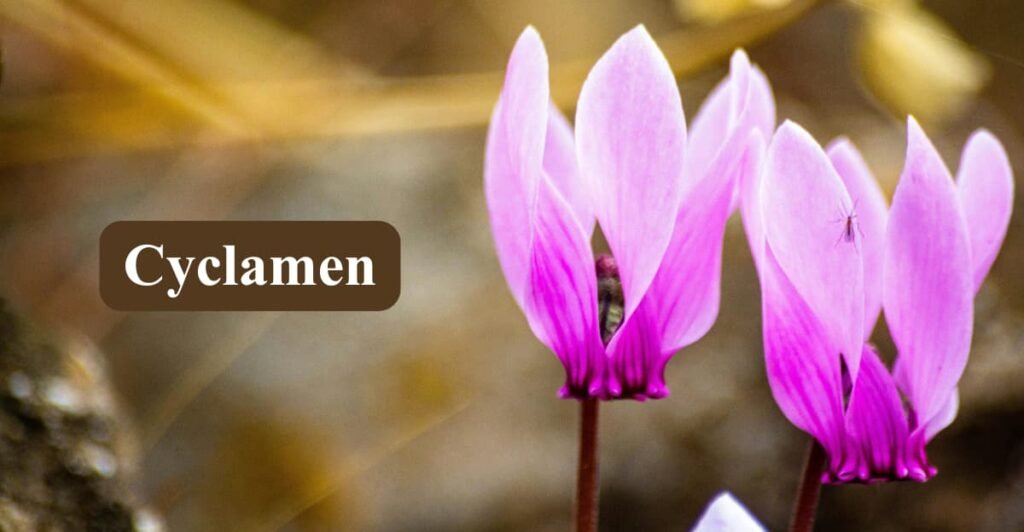
Cyclamen is admired for its colorful blooms in shades of pink, white, and red, along with distinctive heart-shaped leaves decorated with beautiful silver patterns. Its unusual upswept blooms resemble little butterflies rising on thin stems, giving these unique plants a graceful appearance. Both wild and cultivated varieties add visual appeal to indoor gardens, especially during the cooler winter months.
These cool-weather plants prefer shady areas and cooler temperatures, making them suitable indoor plants for winter flowering. During hotter months, Cyclamen naturally enters summer dormancy, storing energy in its underground tubers before producing stronger growth when temperatures fall. With suitable plant care and growing conditions, these low-maintenance ornamental flowers can reward gardeners with lovely seasonal displays.
I particularly enjoy their patterned foliage and delicate blooms, which make them stand out among other flowering plants.
Coneflower – Vibrant Cone Centered Blooms
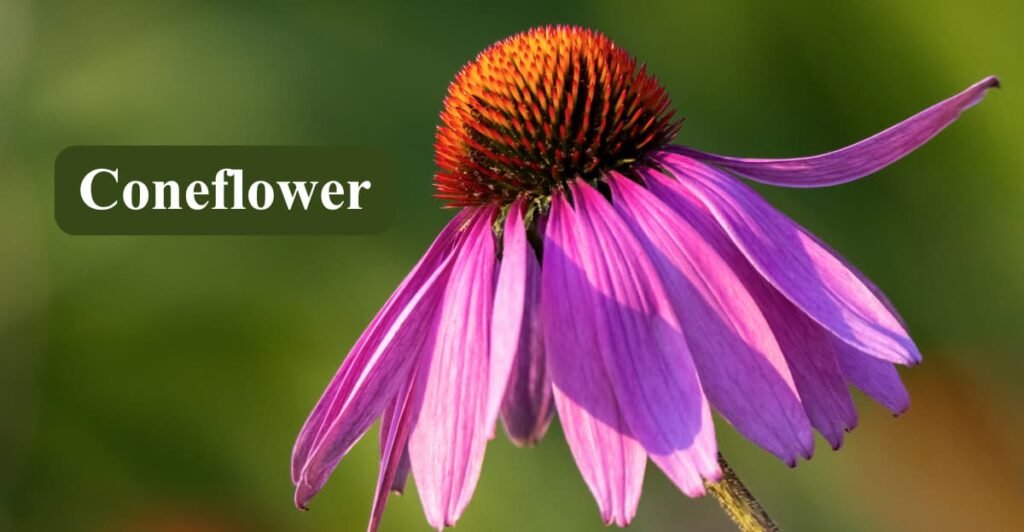
Coneflower (Echinacea) is a vibrant member of the daisy family (Asteraceae), recognized for its distinctive cone-shaped center and colorful petals. Purple, pink, and white varieties create an attractive flower appearance, while their hardy nature and plant resilience make them excellent garden additions. These drought-resistant plants adapt to various soil types and provide beautiful summer blooms that often continue into early fall.
Beyond their ornamental value, coneflowers attract butterflies and bees, helping support pollinators and local ecosystems. Some Echinacea species also have traditional medicinal qualities and have been used in herbal products associated with immune support and cold relief, although they are not proven to prevent or cure colds. Their continuous flowering and low-maintenance nature make them suitable for novice and experienced gardeners alike.
I love how these hardy flowers bring lasting color, garden charm, and natural beauty to outdoor spaces.
Carnation – Ruffled Fragrant Blooms
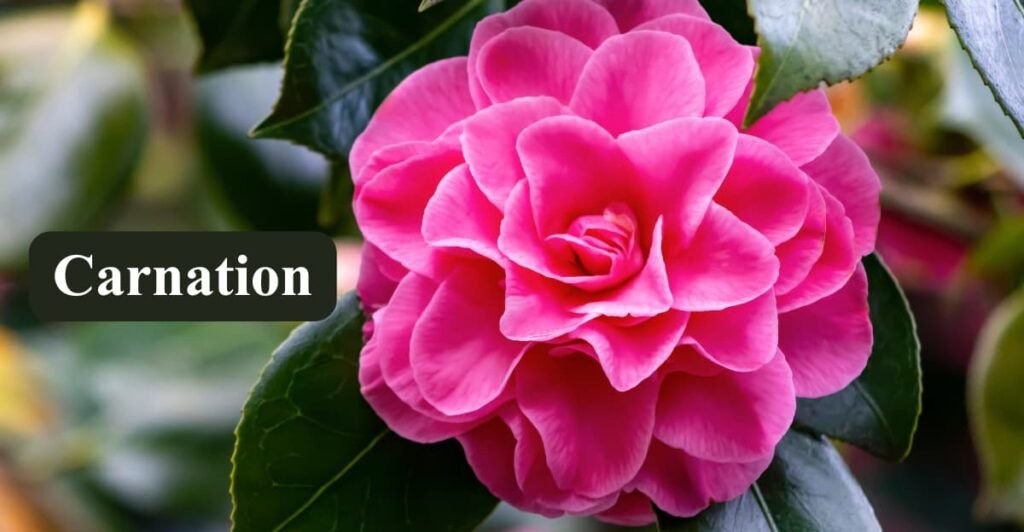
Carnations are popular cut flowers admired for their beautiful ruffled blooms, fragrant blooms, and wide range of colorful flowers. They come in pink, red, white, yellow, purple, orange, and attractive bi-colored varieties, offering plenty of flower colors for gardens and floral arrangements. Native to the Mediterranean region, these flowers typically bloom from late spring through summer, bringing vibrant colors and lasting beauty to outdoor spaces.
Carnations grow best in sunny spots with plenty of sunlight and well-drained soil, making them easy-to-grow flowers for beginner and seasoned gardeners. Their spicy, clove-like fragrance adds to their visual appeal, while their long vase life makes them favorites among florists and flower lovers. Often used in bouquets, wedding flowers, and birthday flowers, carnations also carry meaningful flower symbolism associated with love, admiration, and gratitude.
I especially appreciate their versatility because they look beautiful in garden beds and cut flower arrangements alike.
Why Do C Flowers Feel More Dramatic Than Most?

Flowers that start with C often stand out because of their striking presence, vibrant colors, and unique shapes. From the elegance of Calla Lilies to the bold beauty of Chrysanthemums and Carnations, these dramatic flowers bring eye-catching forms and colorful blooms to ordinary spaces, making them feel extraordinary.
Beyond their stunning appearances, many C flowers carry meaningful flower symbolism, representing love, admiration, and other deep feelings. Their emotional appeal, dramatic forms, and memorable blooms make them popular choices for special occasions, flower arrangements, and expressing personal emotions through nature.
I especially love how C flowers combine floral elegance with bold visual impact, making every arrangement feel more expressive and memorable.
Why Do Flowers Starting With C Dominate Visual Design?

Flowers starting with C are popular in visual design because of their distinctive flower shapes, strong edges, and interesting silhouettes. From the layered petals of Cosmos to the bold forms of Carnations and Chrysanthemums, these eye-catching flowers create depth, color separation, and visual balance in photographs, paintings, and artistic designs.
Their vibrant colors and recognizable forms also make them useful in logos, graphic design, floral patterns, and creative projects. Whether used in flower illustrations, floral artwork, or decorative elements, these ornamental flowers offer strong visual impact and artistic appeal while making designs more attractive and memorable.
In my experience, flowers with bold shapes and layered petals make floral compositions more dynamic and give creative projects a natural touch of beauty.
Girls Flower Names That Start With C
Here are some beautiful girls’ flower names starting with C, along with their meanings and floral inspiration:
- Chrysanta: Inspired by the Chrysanthemum flower, this name is associated with joy, positivity, and happiness.
- Calla: Derived from the elegant Calla Lily, this name represents beauty, purity, and elegance.
- Camellia: Inspired by the Camellia flower and its delicate petals, this name symbolizes love, devotion, and admiration.
- Clover: Inspired by the cheerful clover plant, this nature-inspired name is associated with good luck and good fortune.
These beautiful names have special backgrounds and meaningful flower associations, making them lovely choices for parents who appreciate nature-inspired baby names. Each name reflects positive emotions and personal values through the natural beauty and symbolism of flowers.
Conclusion
From elegant Calla Lilies to vibrant Chrysanthemums and fragrant Carnations, these 17 beautiful flowers that start with C offer something special for every garden and flower lover. Their stunning colors, unique shapes, and fascinating meanings make them wonderful choices for landscaping, bouquets, and floral arrangements. Whether you want easy-to-grow garden flowers or inspiration for your next planting project, these C flowers are sure to brighten your space.
Frequently Asked Questions
1. What are some popular flowers that start with C?
Some popular flowers that start with C include Calla Lily, Camellia, Celosia, Clematis, Cosmos, Chrysanthemum, Carnation, and Coneflower.
2. Which C flowers are easiest to grow?
Coreopsis, Cosmos, Candytuft, and Coneflower are generally easy-to-grow options. They can thrive with suitable sunlight, well-drained soil, and basic plant care.
3. Which flowers that start with C attract butterflies and bees?
Coreopsis, Coneflower, Cosmos, Clematis, and Candytuft can attract pollinators such as butterflies and bees, helping support a healthy garden ecosystem.
4. Are there any fragrant flowers that start with C?
Yes! Carnations, Camellias, Cattleya Orchids, and Chocolate Cosmos are known for their fragrance. Chocolate Cosmos is especially interesting for its distinctive chocolate-like scent.
Please Write Your Comments