Pink & White Lady Slipper: The Rare Wildflower Everyone Is Talking About
Updated: September 15, 2026
30
Discover the Pink & White Lady Slipper, a breathtaking rare wildflower prized for its delicate beauty, striking colors, and unusual pouch-shaped bloom. This stunning orchid thrives in specialized natural habitats, making every sighting feel like a glimpse of a botanical treasure hidden in the wild. Keep reading to explore its appearance, meaning, habitat, blooming season, rarity, protection, and essential care tips.
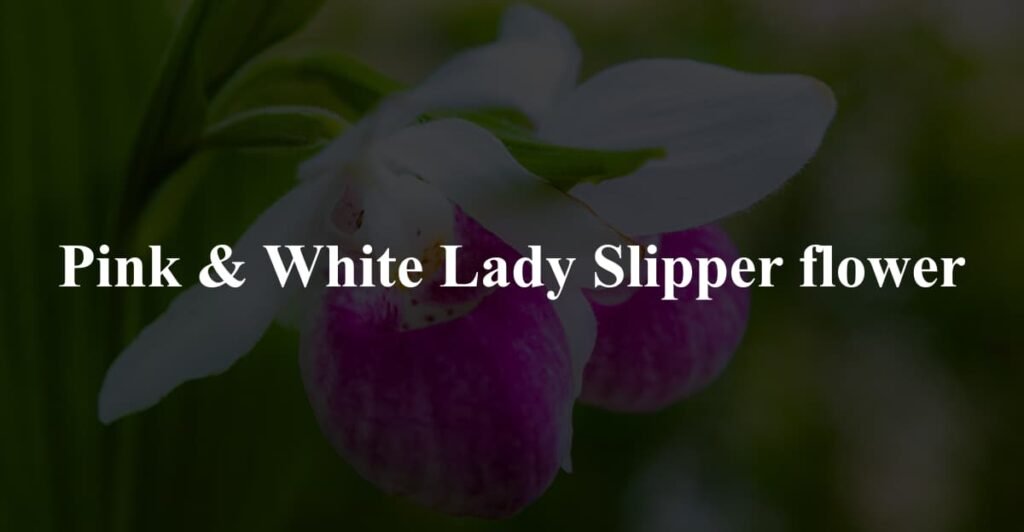
Table of Contents
What Is Pink & White Lady Slipper
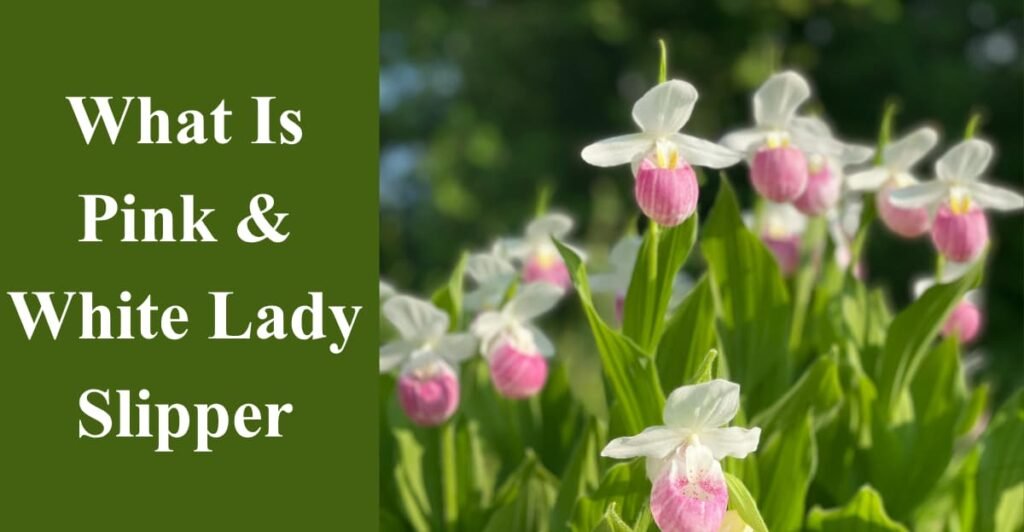
The Pink & White Lady Slipper is a regal member of the Orchidaceae family, a visually striking native plant of North America and a remarkable wild orchid in the Cypripedium genus. As a herbaceous perennial, its root system, rhizomatous structure, roots, and rhizome remain beneath the forest floor, supporting each new flower and blooming cycle.
This slow-growing organism reflects a healthy ecosystem, taking years for a seed to become a flowering adult because of its protracted lifecycle. Ecologists value it as an ecological indicator of biological integrity, soil chemistry, water quality, pollinator populations, habitat, soil, and overall environmental health and perfect balance.
I find this orchid especially fascinating because its slow seed development and close connection with ecology reveal how delicately a wildflower depends on its surrounding landscape and ecosystem.
Pink & White Lady Slipper Meaning and Symbolism
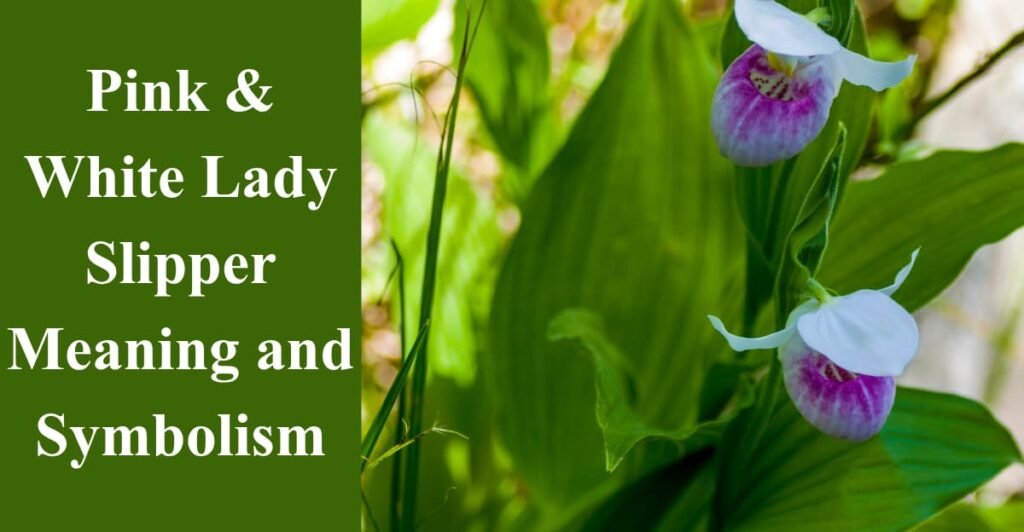
The Pink & White Lady Slipper holds deep symbolism in botany and cultural history, representing capricious beauty, rare elegance, and a symbol of grace through its unique shape, folkloric tales, Indigenous cultures, and connection between the earth and spirit world.
Today, it symbolizes conservation, the fragility of nature, and natural heritage, while as the state flower of Minnesota, it reflects regional pride and the importance of habitat protection, biodiversity, and preserving nature’s best treasures.
I find its rare beauty especially striking because it blends culture, nature, and conservation in one remarkable flower.
Pink & White Lady Slipper Scientific Name
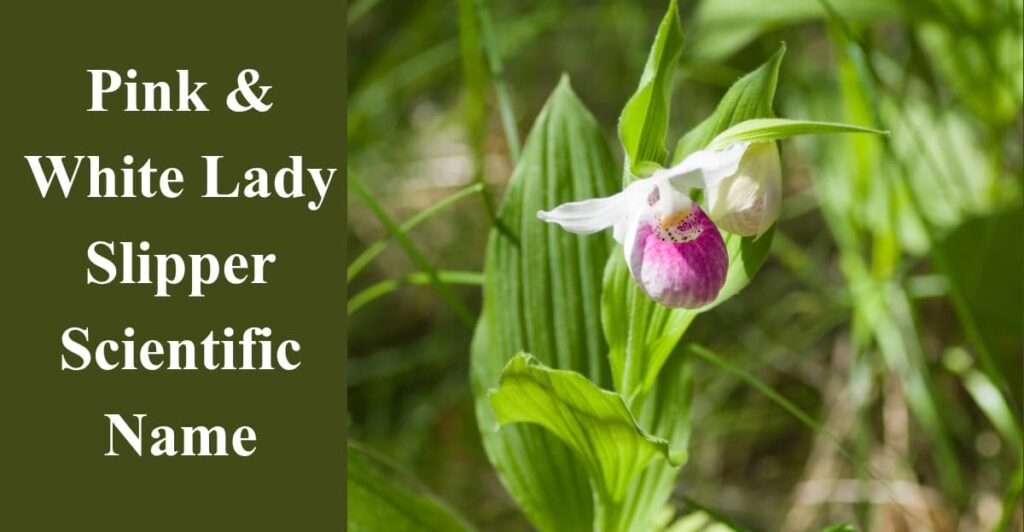
The Pink & White Lady Slipper has the scientific name Cypripedium reginae. Its etymology comes from Greek words including Kypris, associated with Aphrodite, the goddess of beauty, and pedilon, meaning slipper. The species name reginae is Latin for queenly. Taxonomists classified it as the Showy Lady Slipper because of its superior stature, towering height, and vivid coloration. This botanical classification helps researchers understand its taxonomy, plant genetics, evolutionary biology, and place within the Orchidaceae family.
I find its scientific name especially interesting because its etymology and classification reveal how closely botanical naming connects genetics, evolution, and the flower’s elegant identity.
Pink & White Lady Slipper Appearance
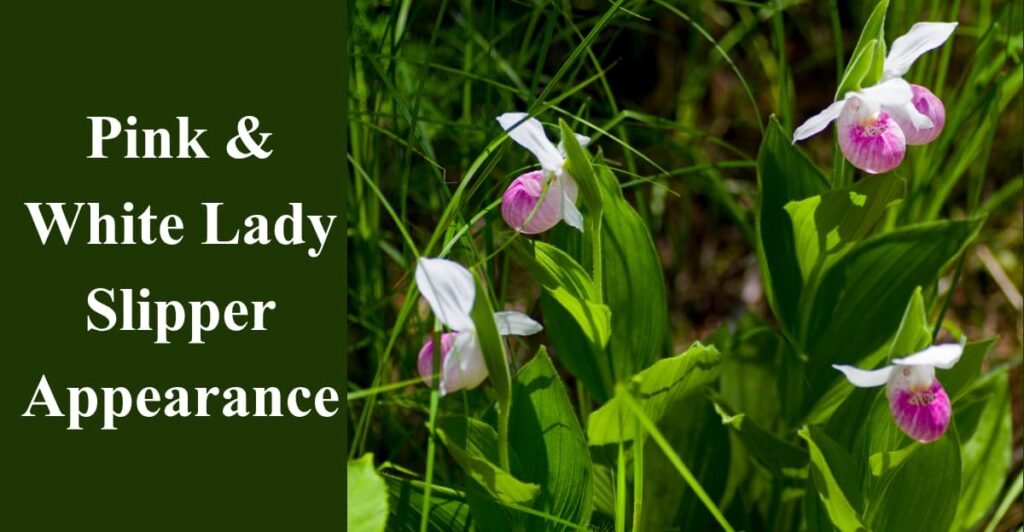
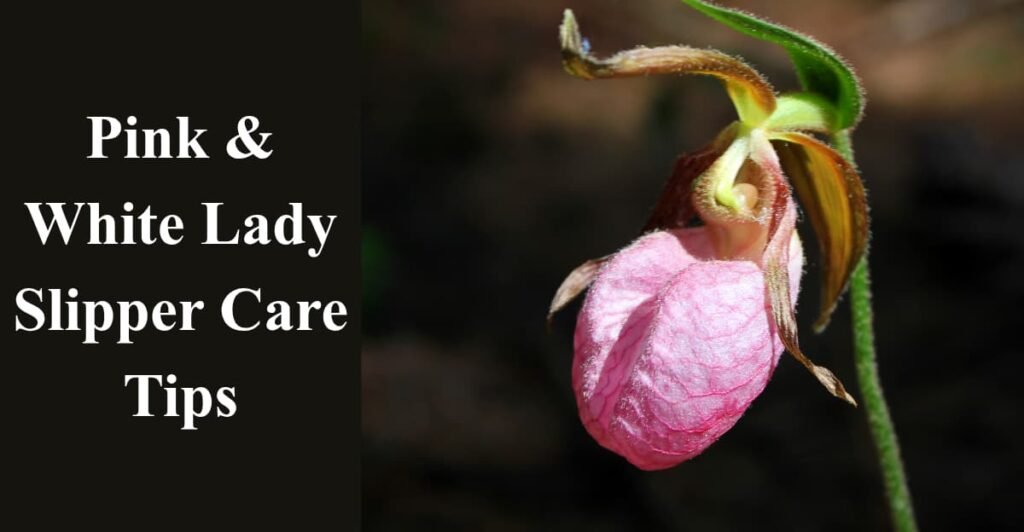
The physical appearance of this orchid is easy to recognize. This robust plant can reach two to three feet tall and has thick stems covered with fine silver-white hairs called trichomes. These hairs may cause a dermatitis reaction similar to poison ivy and provide a natural defense against herbivores. Its foliage includes oval leaves with prominent parallel veins and a ribbed texture, while the blossom forms the true centerpiece with an inflated labellum or pouch. The pouch shows a gradient from white to deep rose-pink, surrounded by three pure white sepals and two white petals that spread like wings. This color contrast against the green backdrop of the forest helps attract pollinators and highlights its distinctive plant structure.
When observing this orchid, I am always drawn first to its pouch, color contrast, and unusual plant structure, which make its blossom stand out beautifully in a natural forest environment.
Where Does Pink & White Lady Slipper Grow
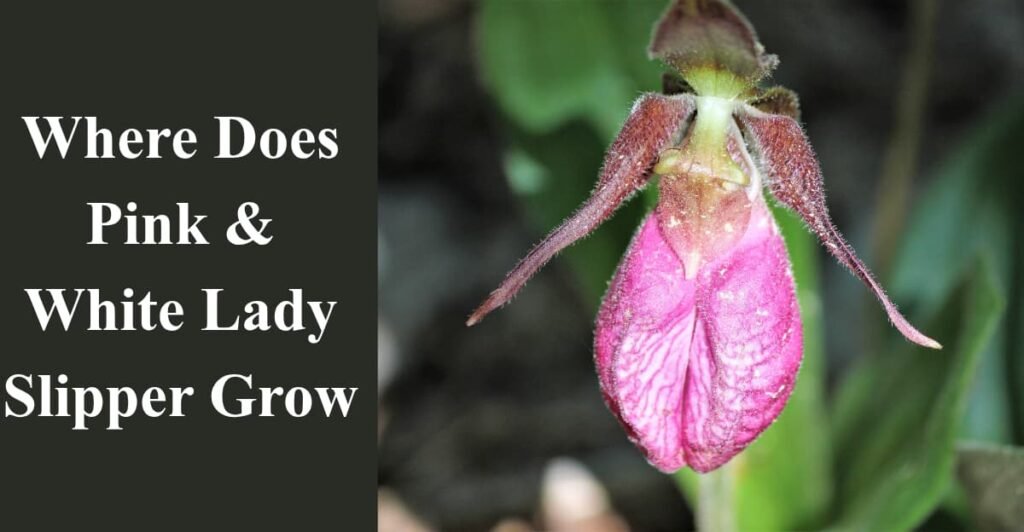
The Pink & White Lady Slipper has a broad geographic range across the northeastern United States and eastern Canada, especially around the Great Lakes region, Minnesota, Wisconsin, New England, and the Maritime Provinces. It prefers temperate regions with cold winters and mild summers rather than arid climates or tropical zones. In 2026, distribution maps increasingly show this wild orchid within protected parklands and nature preserves as suburban development and land development continue to reduce its historic growing sites. Protecting these natural areas is therefore important for its native range, regional habitat, growing range, and long-term conservation.
I have found that understanding the plant’s climate and regional distribution makes it much easier to appreciate why habitat loss can quickly affect this rare orchid.
Pink & White Lady Slipper Habitat
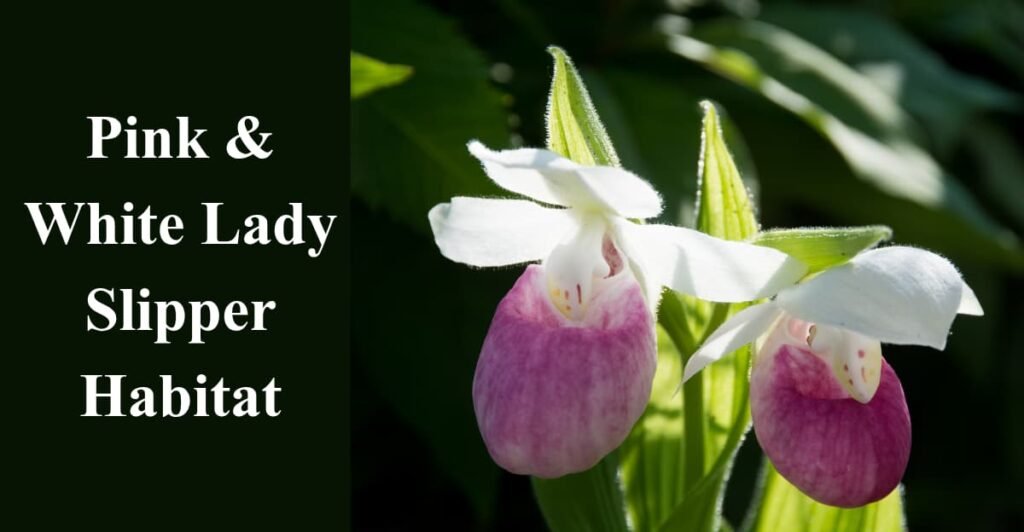
The Pink & White Lady Slipper is a highly specialized wetland orchid, so its survival depends on specific moisture, soil, sunlight, and habitat conditions.
- Calcareous bogs: Soil containing calcium and lime creates the alkaline conditions favored by this orchid.
- Soil conditions: The plant prefers alkaline soil pH to neutral soil pH with rich soil chemistry and good moisture retention.
- Water requirements: A constant moisture source is important, but prolonged standing water can damage the root system.
- Sunlight and shade: Canopy cover provides partial sun and protection from intense heat and midday sun while supplying enough energy for its heavy blooms.
- Growing conditions: Stable moisture, suitable sunlight, and natural forest canopy help maintain healthy growing conditions.
- Habitat protection: Preserving wetlands, coniferous forest, and surrounding natural areas supports its plant habitat, orchid habitat, and wetland ecology.
- Flowering and conservation: Healthy habitat conditions encourage flowering and blooms while supporting long-term conservation.
I have found that the best habitats combine steady moisture with gentle shade and undisturbed soil. This balance is especially important for healthy growth and reliable flowering.
Pink & White Lady Slipper Blooming Season
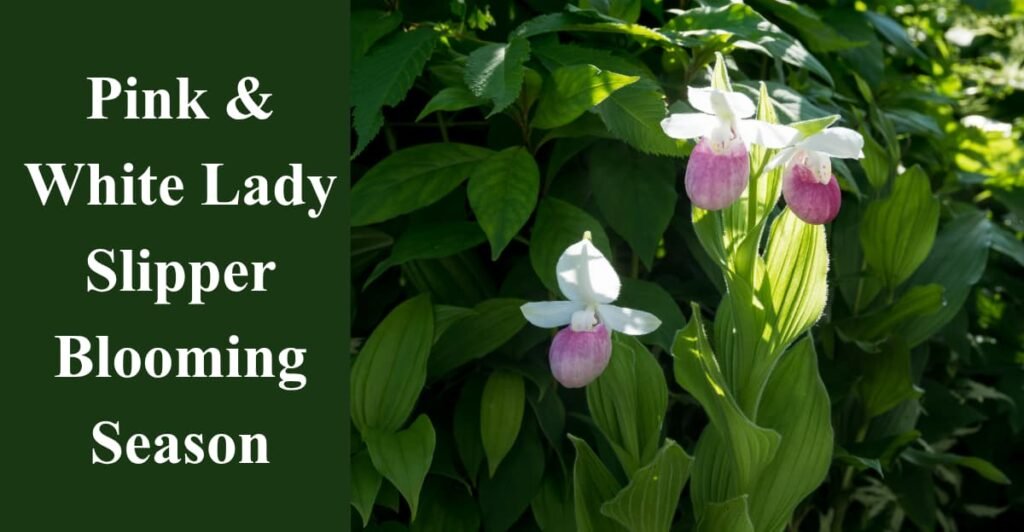
The Pink & White Lady Slipper has a brief and spectacular blooming season, with flowers open from late June to mid-July. The timing depends on the spring thaw, ground temperatures, and weather, while leafcutter bees and syrphid flies support pollination.
In 2026, botanists have observed that unpredictable weather patterns may cause some colonies to bloom earlier. After being pollinated, the vibrant pouch withers as the plant uses its resources for a seed pod containing thousands of microscopic seeds, completing its flowering cycle and reproduction.
I find this short flowering period fascinating because the orchid quickly shifts from attracting bees and flies to seed development.
Why Pink & White Lady Slipper Is Rare
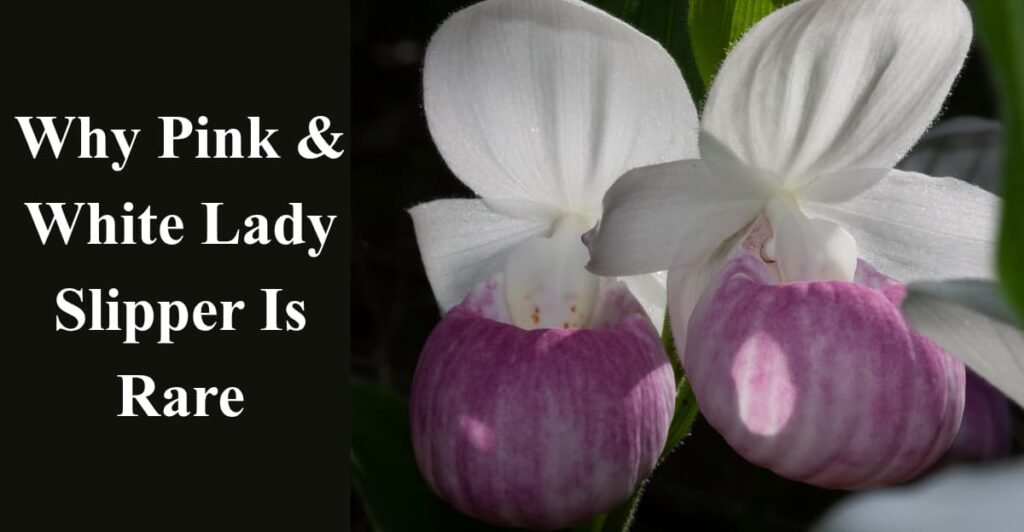
The Pink & White Lady Slipper is an exquisite wildflower with complex biology that makes its rarity understandable. Its seeds lack endosperm or a food supply, so they need specific soil fungi and a symbiotic relationship to germinate and support plant reproduction.
Habitat loss also threatens this rare orchid as wetlands are drained for agriculture and construction, while pollution, pesticides, development, and deer browsing damage its habitat. White-tailed deer can reduce populations through over-browsing because they consider the succulent flower buds a delicacy, making conservation, soil ecology, fungal association, and biodiversity increasingly important.
What fascinates me most is the orchid’s dependence on both specific soil fungi and healthy wetlands, showing how delicate nature and wildlife relationships can be.
Is Pink & White Lady Slipper Protected
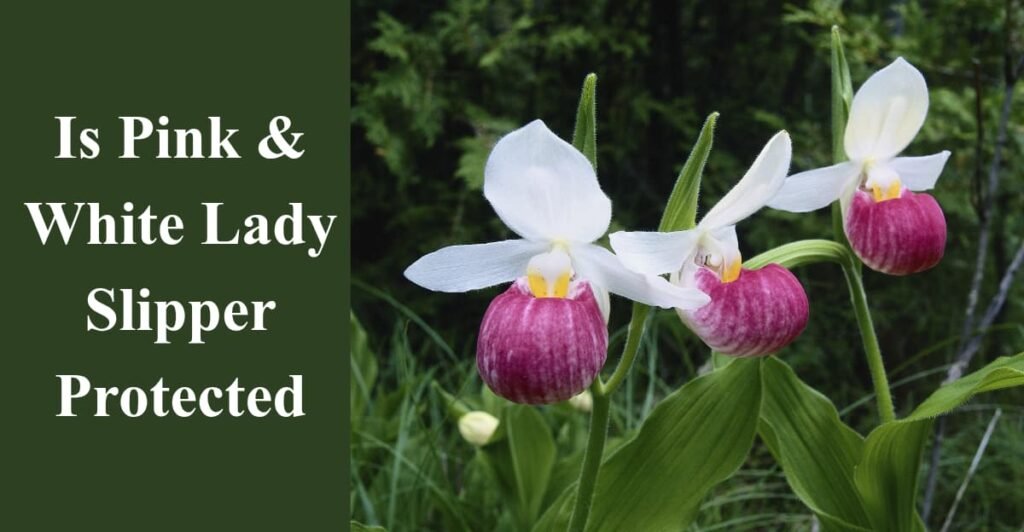
The Pink & White Lady Slipper is a protected species in many areas where it grows. In Minnesota, for example, it is illegal to pick, transplant, or sell wild specimens, with legal statutes supporting species protection and harvesting restrictions.
Its state flower status also encourages cultural protection and public awareness, while conservation status may range from Special Concern to Endangered in various regions. Habitat protection is supported through Scientific and Natural Areas (SNAs) and other natural areas, while enforcement, laws, and conservation laws help protect colonies and the wild population.
I believe leaving wild-dug plants in their original site is essential because their survival depends on the local mycorrhizal network and surrounding fungal network.
Can You Grow Pink & White Lady Slipper at Home
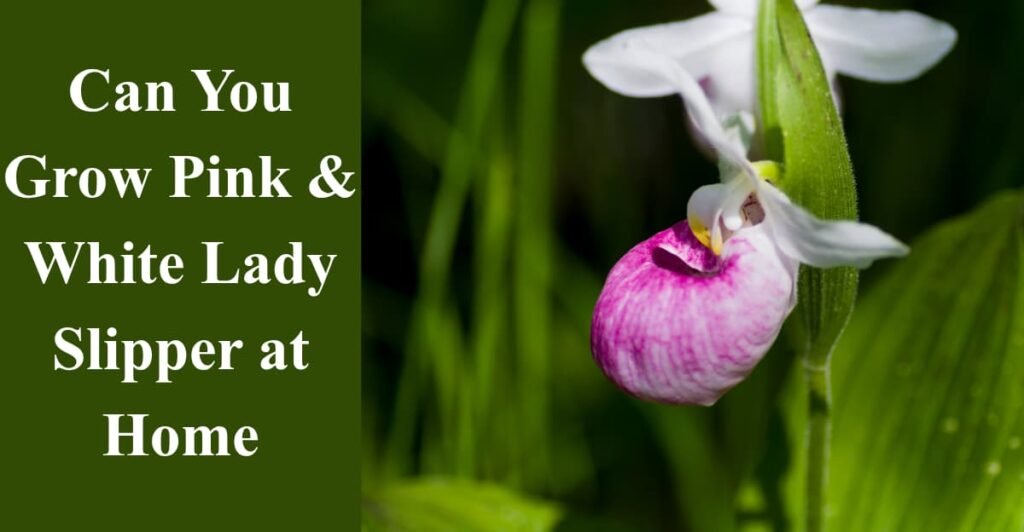
It is technically possible to grow at home, but Pink & White Lady Slipper cultivation is extremely difficult and best suited to experienced orchid enthusiasts. Never move a plant from the wild; instead choose a lab-propagated specimen from a reputable nursery specializing in native orchids.
Nursery-grown plants are often weaned onto artificial substrates, making them more resilient than their wild counterparts, but they still require a high level of care and a specific garden setup that mimics their natural wetland environment. Successful cultivation, orchid growing, home cultivation, and propagation depend on the right nursery, native plant material, artificial substrate, wetland habitat, garden environment, plant care, and careful habitat simulation.
I would always recommend a legally propagated plant because growing cultivated plants is far safer for the orchid than disturbing wild plants.
How to Grow Pink & White Lady Slipper Successfully
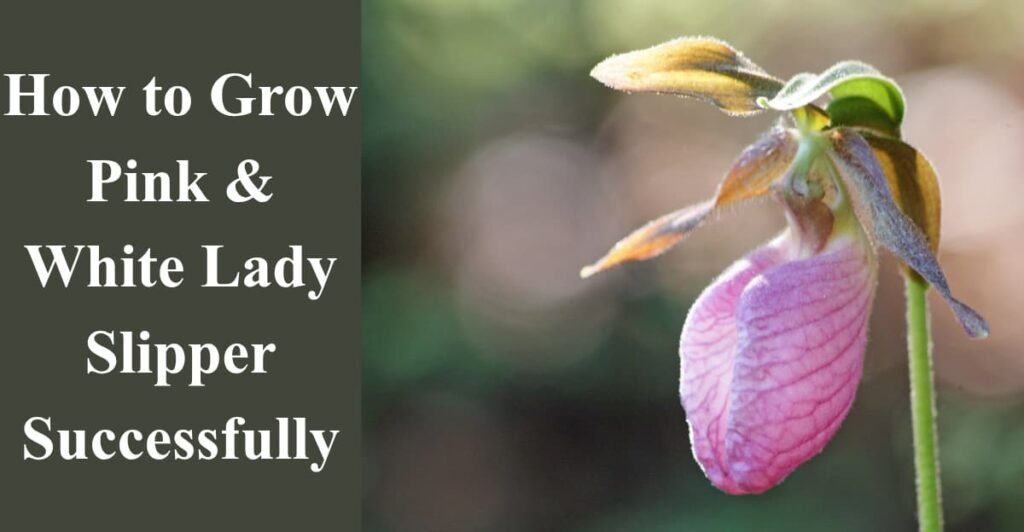
To successfully grow the Pink & White Lady Slipper, recreate its native habitat with a specialized bog garden that provides the right sunlight, shade, moisture, and soil conditions.
Site selection: Choose a location with morning sun and afternoon shade to protect the plant from excessive heat.
Soil preparation: Create a suitable soil mix using chopped sphagnum moss, perlite, and sand to improve aeration, drainage, and moisture retention.
Watering: Use rainwater or distilled water because tap water may contain chlorine and minerals that can be toxic to the orchid.
Root care: Protect the delicate root system by avoiding disturbance and maintaining consistent moisture for good root health.
Mulching: Apply pine needles or leaf mold as a light mulch to keep the roots cool and provide gentle root protection.
Garden environment: Maintain a stable wetland environment with suitable moisture and avoid conditions that leave the roots constantly saturated.
Cultivation: Successful cultivation depends on careful garden setup, good water quality, proper soil mix, and balanced moisture.
I find that maintaining consistent moisture, filtered water, and gentle shade makes the biggest difference when trying to recreate the orchid’s natural bog garden conditions.
Pink & White Lady Slipper Care Tips
Caring for the Pink & White Lady Slipper requires patience because its delicate root system, soil, and fungal relationships need stable conditions. Follow these essential care tips to support long-term plant health:
Avoid fertilizers: Skip standard garden fertilizers because they can be too harsh and may damage the essential soil fungi.
Winter protection: In colder climates, use snow cover or a light mulch to protect the dormant rhizome from extreme fluctuations in temperature.
Do not disturb: These orchids dislike having their roots moved, so leave established plants undisturbed for years and avoid unnecessary root disturbance.
Pest monitoring: Watch for slugs and snails, which can damage a stem or young growth overnight.
Moisture control: Maintain consistent moisture without creating waterlogged conditions, especially during winter and dormancy.
Habitat care: Good habitat management and careful cultivation help preserve the plant’s natural growing conditions while supporting healthy fungi, roots, and rhizome development.
Garden maintenance: Regular observation helps detect pests, moisture problems, or signs of stress early without disturbing the plant unnecessarily.
I find that gentle care works best with this orchid. Stable moisture, proper winter protection, and minimal disturbance are especially important for healthy growth.
Pink & White Lady Slipper vs Other Lady Slipper Orchids
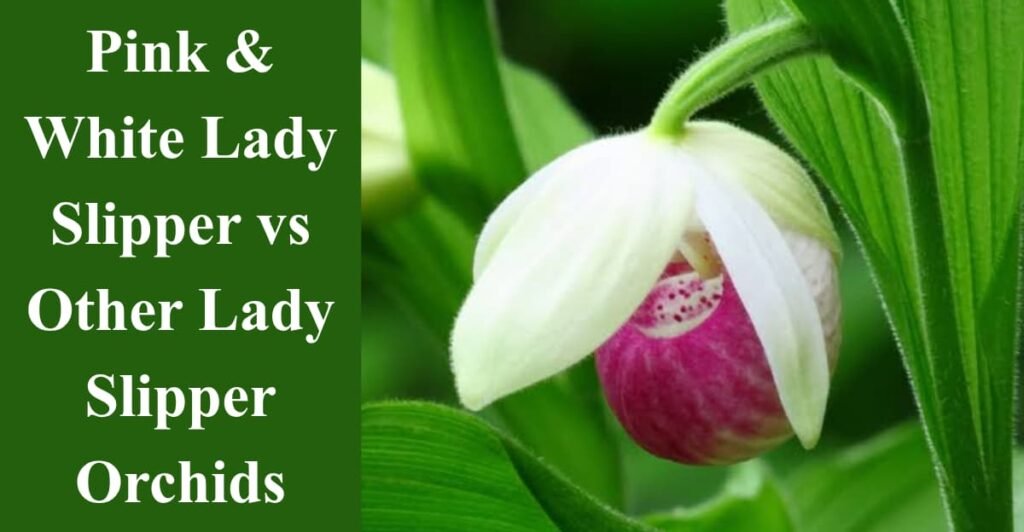
The Pink & White Lady Slipper has several distinct differences from other lady slipper orchids, even though they are close relatives. The Yellow Lady Slipper is smaller and prefers drier forests and upland forests, while the Pink Lady Slipper or Stemless type has a split pouch and grows in acidic pine barrens. By contrast, Pink & White (Cypripedium reginae) favors alkaline wetlands and can produce multiple flowers on a single stalk, making it the most showy of these wild orchids.
For comparison, differences in flower size, pouch shape, growing conditions, and soil pH make each orchid unique. The Pink & White variety is a botanical treasure that deserves admiration and protection, whether you are spotting it in a bog or working to conserve its habitat. Its presence adds to botanical diversity and makes wetlands, forests, and pine barrens important landscapes for conservation and habitat protection. In 2026, these enchanting plants remain among the most fascinating sights in the natural world.
I find comparing these orchid relatives especially useful because their different habitats and flowering patterns make each species distinctive.
Conclusion
The Pink & White Lady Slipper is a rare and remarkable orchid celebrated for its striking beauty, unique pouch-shaped flowers, and specialized wetland habitat. Its rarity makes habitat protection, responsible cultivation, and conservation essential for preserving this botanical treasure for future generations. Explore this enchanting wildflower responsibly and keep learning about its blooming season, care requirements, symbolism, and natural habitat.
Frequently Asked Questions
1. What is the Pink & White Lady Slipper?
The Pink & White Lady Slipper is a native North American orchid scientifically known as Cypripedium reginae. It is also commonly called the Showy Lady Slipper.
2. Where does the Pink & White Lady Slipper grow?
It grows mainly in the northeastern United States and eastern Canada, especially in wetlands, fens, bogs, wet prairies, and suitable forest habitats.
3. When does the Pink & White Lady Slipper bloom?
Its blooming season is generally short, with flowers appearing from late June through mid-July, although weather conditions can affect flowering times.
4. Why is the Pink & White Lady Slipper rare?
Its rarity is linked to its slow growth, specialized soil fungi requirements, habitat loss, wetland drainage, development, pollution, and browsing by white-tailed deer.
Please Write Your Comments