Blue Water Lily: Discover Sri Lanka’s Beautiful National Flower Symbolism & Facts
Updated: November 1, 2026
14
Discover the beauty of the Blue Water Lily, the national flower of Sri Lanka and a cherished symbol of purity, pride, and cultural heritage. Its stunning blooms reflect the island’s rich traditions and deep connection with nature. Keep reading to explore its fascinating history, symbolism, and significance, and uncover why this beautiful flower holds a special place in Sri Lankan hearts!

Table of Contents
What Is the National Flower of Sri Lanka?
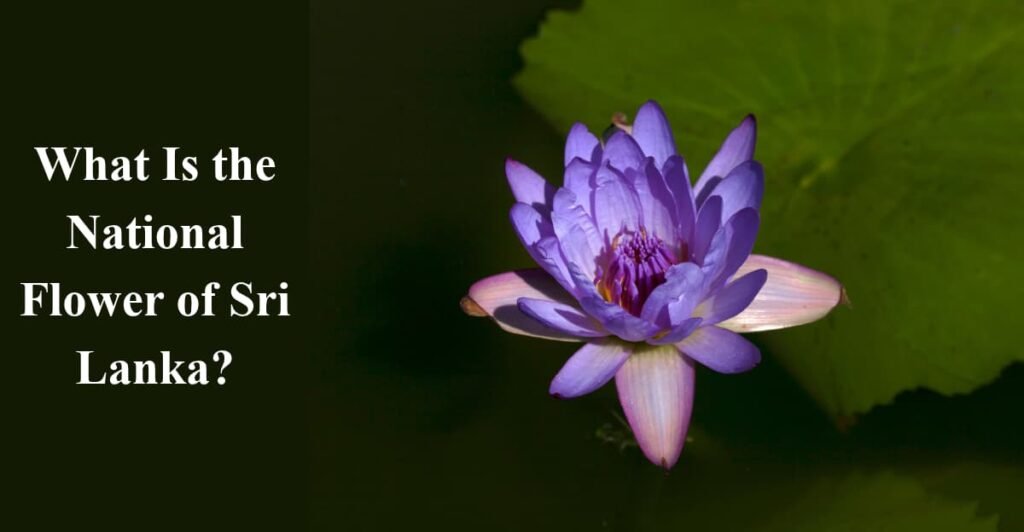
The national flower of Sri Lanka is the beautiful Blue Water Lily, locally known as Nil Manel. Scientifically called Nymphaea nouchali, it was officially declared the country’s national flower on February 26, 1986.
Growing in freshwater ponds and lakes, this stunning aquatic flower symbolizes purity and resilience. Its striking blue hue reflects Sri Lanka’s rich cultural heritage, while its presence in local traditions, festivals, art, and folklore makes it a cherished national symbol.
I find the Blue Water Lily especially fascinating because its beauty and ability to bloom in muddy waters beautifully reflect strength, purity, and hope.
Description and Appearance
Description
- Common Name: Blue Water Lily
- Scientific Name: Nymphaea caerulea
- Family: Nymphaeaceae
- Plant Type: Aquatic perennial plant.
- Habitat: Ponds, lakes, and calm freshwater areas.
- Growth: Grows in freshwater ecosystems with aquatic vegetation.
- Classification: A flowering aquatic plant with perennial growth.
- Natural Habitat: Found in freshwater environments with suitable conditions.
Appearance
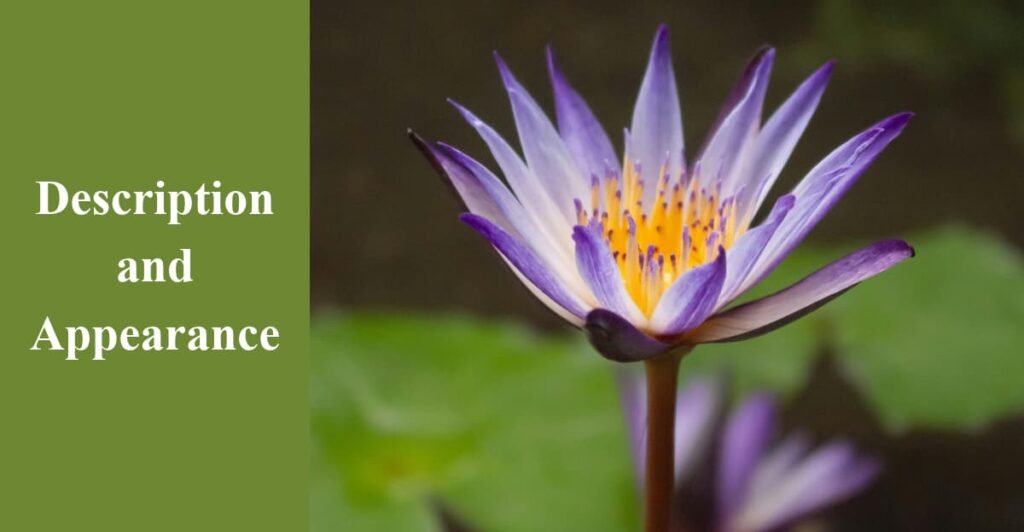
- Produces beautiful blue and blue-violet flowers with vibrant petals.
- Features round, green leaves that float on the water surface.
- Has yellow stamens in the center of each flower.
- Long stems connect the flowers and leaves to the aquatic roots.
- Its flowers float gracefully on the water or rise slightly above the surface.
- Its distinctive leaf shape, floral structure, and vibrant colors make it visually appealing.
- The natural arrangement of floating flowers and green leaves gives the plant its characteristic appearance.
Symbolism and Meaning of the Blue Water Lily

The Blue Water Lily, known as Nil Manel in Sri Lanka, carries deep symbolism rooted in purity, serenity, and resilience. Its beautiful petals floating on still waters represent peace and the ability to flourish even in difficult circumstances.
In Sri Lankan culture, this enchanting flower reflects the island’s historical struggles, triumphs, and inner strength. Its daily blooming cycle, opening at dawn and closing at dusk, also reminds people of life’s fleeting beauty and the importance of appreciating every moment.
I find the Blue Water Lily’s symbolism inspiring because its ability to bloom in murky waters beautifully represents strength, hope, and inner peace.
Importance of Blue Water Lily in Sri Lankan Culture and Religion

The Blue Water Lily, locally known as Nil Manel, holds a special place in Sri Lankan culture and spirituality. In both Buddhism and Hinduism, it represents purity and enlightenment, symbolizing the human spirit’s journey towards spiritual awakening.
In Buddhism, the flower reflects transformation and overcoming obstacles to achieve inner peace. In Hinduism, it is associated with deities like Lakshmi and represents prosperity, abundance, devotion, and spiritual growth. Its presence in festivals and religious rituals also strengthens cultural connections and communal ties.
I find it fascinating how one flower can connect nature, religious beliefs, and cultural traditions while representing such meaningful values as purity and enlightenment.
Ecological Importance
Sri Lanka’s lush landscapes and rich biodiversity highlight the importance of maintaining a healthy natural environment. The Blue Water Lily, along with the Sri Lankan elephant, represents the country’s ecological beauty and harmony between nature and wildlife.
The Blue Water Lily contributes to freshwater ecosystems, while elephants support forest conservation through seed dispersal and plant growth. Protecting these natural treasures helps preserve diverse species, maintain ecological balance, and support sustainable tourism and conservation efforts.
I find it wonderful how the Blue Water Lily adds beauty to freshwater habitats while reminding us why protecting nature and biodiversity matters.
Where Does the Blue Water Lily Grow?
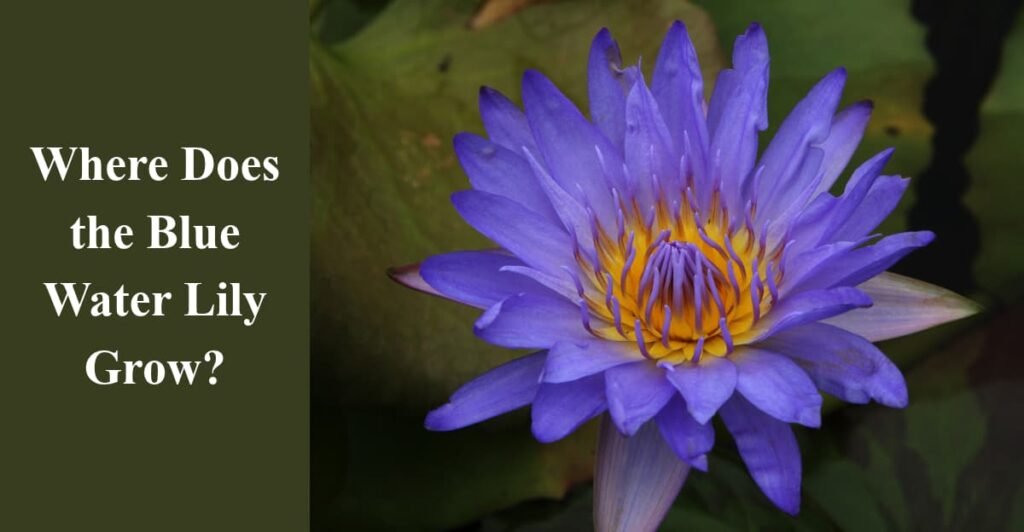
The Blue Water Lily, Sri Lanka’s national flower, thrives in tranquil freshwater lakes, ponds, and other calm aquatic habitats. Its vibrant hues add natural beauty to the landscape, making it an important part of Sri Lankan traditions, art, and literature.
Similar water lilies can be found in different parts of the world, with connections to floral symbols such as Egypt’s national flower and Ghana’s national flower. These flowers highlight the relationship between nature, cultural identity, and the stories and legends that make each nation’s floral heritage unique.
I love how water lilies transform quiet ponds into beautiful natural scenes, and their presence makes freshwater landscapes feel especially peaceful.
Interesting Facts About the Blue Water Lily
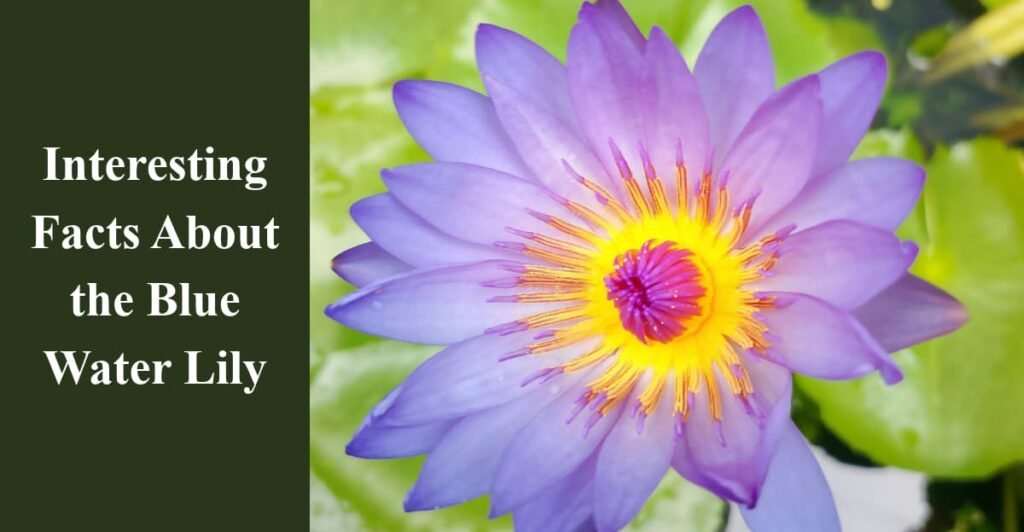
- The Blue Water Lily is the national flower of Sri Lanka and is admired for its striking shades of blue and purple.
- It is an exquisite aquatic plant that floats gracefully on the water’s surface.
- The flower symbolizes purity and tranquility in Sri Lankan culture.
- Its blossoms usually open in the early morning and close around dusk, following a fascinating daily flowering cycle.
- The flowering pattern represents the natural cycle of life and adds to its visual beauty.
- Its aquatic habitat supports biodiversity and provides shelter for various aquatic creatures.
- The plant has roots that remain underwater while its leaves and flowers float on the surface.
- In traditional medicine, parts of certain water lilies have been associated with relaxation and healing.
- The Blue Water Lily holds spiritual significance in Sri Lankan art, meditation practices, and religious symbolism.
- Its beautiful petals and distinctive flower characteristics make it an important part of local cultural traditions.
- The flower represents the close relationship between Sri Lanka’s natural environment, aquatic ecosystems, and spiritual heritage.
Why the Blue Water Lily Was Chosen as the National Flower of Sri Lanka

The Blue Water Lily, locally known as Nil Manel, was chosen as Sri Lanka’s national flower because of its vibrant blue hue, natural beauty, and deep cultural significance. Its delicate appearance and ability to flourish in freshwater lakes reflect purity, tranquility, and the country’s rich biodiversity.
The flower also represents Sri Lanka’s connection with nature and cultural heritage. Alongside the Sri Lankan elephant, it highlights the island’s natural treasures, wildlife, and ecological beauty, making it a cherished symbol of national identity and pride.
I believe the Blue Water Lily is a beautiful national emblem because its peaceful appearance and natural resilience reflect the beauty and heritage of Sri Lanka.
How to Conserve Blue Water Lily?

Protecting the Blue Water Lily, the national flower of Sri Lanka, begins with preserving its natural habitat. Keeping waterways clean, preventing water pollution, and supporting freshwater conservation can help this beautiful aquatic plant continue to thrive.
Local communities can also contribute through conservation efforts, environmental education, and habitat restoration. Promoting sustainable tourism and supporting conservation programs will raise awareness and help protect the flower for future generations.
I feel that even small actions, such as keeping ponds clean and avoiding water pollution, can make a meaningful difference in preserving this beautiful flower for generations to come.
Conclusion
The Blue Water Lily, or Nil Manel, is more than just the national flower of Sri Lanka; it represents purity, resilience, and the island’s rich cultural heritage. From its beautiful blue blooms to its religious symbolism and ecological importance, this flower holds a special place in Sri Lankan identity. Protecting its natural habitats will help preserve this beautiful national symbol for future generations.
Frequently Asked Questions
1. What is the national flower of Sri Lanka?
The Blue Water Lily, locally known as Nil Manel (Nymphaea nouchali), is the national flower of Sri Lanka. It was officially declared on February 26, 1986.
2. What does the Blue Water Lily symbolize in Sri Lanka?
The Blue Water Lily symbolizes purity, serenity, resilience, and spiritual enlightenment. It also represents Sri Lanka’s cultural heritage and connection with nature.
3. Where does the Blue Water Lily grow in Sri Lanka?
The Blue Water Lily grows in freshwater habitats, including ponds, lakes, and calm waterways. It thrives in aquatic environments where its leaves and flowers can float on the water.
4. Why is the Blue Water Lily important in Sri Lankan culture?
The flower holds cultural and religious significance in Sri Lanka, particularly in Buddhism and Hinduism. It represents purity and enlightenment and frequently appears in traditional art, festivals, and religious practices.
Please Write Your Comments