Why do Evergreens Stay Green in the Winter?
Updated: October 20, 2026
17
Evergreens bring lasting green foliage to the winter landscape through remarkable adaptations that support year-round survival. Their evergreen trees, resilient needles, and efficient leaf retention help them remain active when many deciduous trees become dormant. This guide explores the science behind winter greenery, seasonal adaptation, and the natural processes that keep evergreens vibrant in cold weather. Continue reading to uncover the key factors behind their winter resilience and year-round color.
Table of Contents
Why Do Evergreens Stay Green in Winter?
Evergreens stay green through cold weather because their green leaves are built to conserve water and hold onto moisture. Their evergreen trees and evergreen shrubs use sunlight for photosynthesis, allowing them to keep making food and stay active year-round.
Unlike deciduous trees, which become dormant and start dropping leaves, evergreens use special ways to survive winter conditions. Strong water conservation, moisture retention, and plant adaptation help maintain constant foliage, greenery, and healthy active growth.
From my experience observing evergreen landscapes, their constant green leaves are especially noticeable when winter snow highlights their natural resilience.
How Do Evergreens Conserve Water in Cold Weather?
Evergreens conserve water in cold weather through tough, waxy leaves and needles that reduce water loss from evaporation. Evergreen needles are rolled leaves covered with a waxy layer and wax coating that traps moisture, supporting water retention and water conservation.
Broadleaf evergreens, including rhododendrons, have leathery leaves that roll into hollow tubes, while holly leaves curl up in the cold. These forms limit transpiration, reduce freeze-drying, and protect evergreen foliage when the ground is frozen solid, supporting plant survival, drought resistance, winter adaptation, and winter survival in frozen ground and harsh cold conditions.
From my experience observing evergreen plants in winter, leaf curling, needle structure, and moisture retention are some of the clearest signs of their natural water-saving adaptations.
What Are the Antifreeze Adaptations of Evergreens?
Evergreens survive cold winters through special adaptations and natural antifreeze tricks. Their leaves contain substances and chemicals that act like antifreeze, preventing ice crystals from forming and damaging cells, so plant tissue is protected from freezing solid.
Their cone shape and drooping branches help snow and ice slide off, reducing heavy snow and breaking branches. These mechanisms support freeze protection, cellular protection, ice damage prevention, snow shedding, branch protection, plant resilience, and evergreen survival through harsh cold weather and winter conditions.
From my experience with evergreen plants, their shape and winter structure make the effects of these adaptations especially visible after heavy snowfall.
How Do Evergreens Photosynthesize Year-Round?

Evergreens photosynthesize year-round, allowing them to make their own food all year despite the cold. Their green needles contain chlorophyll, a pigment that stays active, supporting sunlight conversion and turning sunlight into food for continued food production and winter growth.
Unlike deciduous trees that drop their leaves and go to sleep during winter, evergreen needles support constant food production and year-round photosynthesis. This helps evergreen plants grow well in soil with limited nutrients, including nutrient-poor soil and acidic soil, supporting steady plant growth.
In my experience observing evergreens through winter, their continued green color is a clear reminder that photosynthesis can remain active when surrounding deciduous trees are dormant.
How Do Evergreens Differ from Deciduous Trees?
Deciduous trees and evergreens respond to the seasons through distinct seasonal differences. Deciduous trees drop leaves in fall to conserve resources during winter drought and cold, allowing them to rest while their roots may freeze, sometimes causing winter burn.
Evergreens retain green leaves and needles year-round, staying active and making food through winter. Their waxy foliage helps them hold onto water, supporting water conservation, cold adaptation, and winter adaptation in poor soil, nutrient-poor soil, and harsh winters.
These differences influence plant survival, seasonal adaptation, and forest ecosystems. Evergreen foliage and leaf retention remain important across forests and important forests, while climate change may allow some deciduous species to spread north into areas where conditions permit.
From my experience observing different tree species, the contrast between evergreen trees and deciduous species becomes especially clear during harsh winter conditions, when frozen roots and persistent foliage reveal different survival strategies.
Do Evergreens Shed Their Leaves?
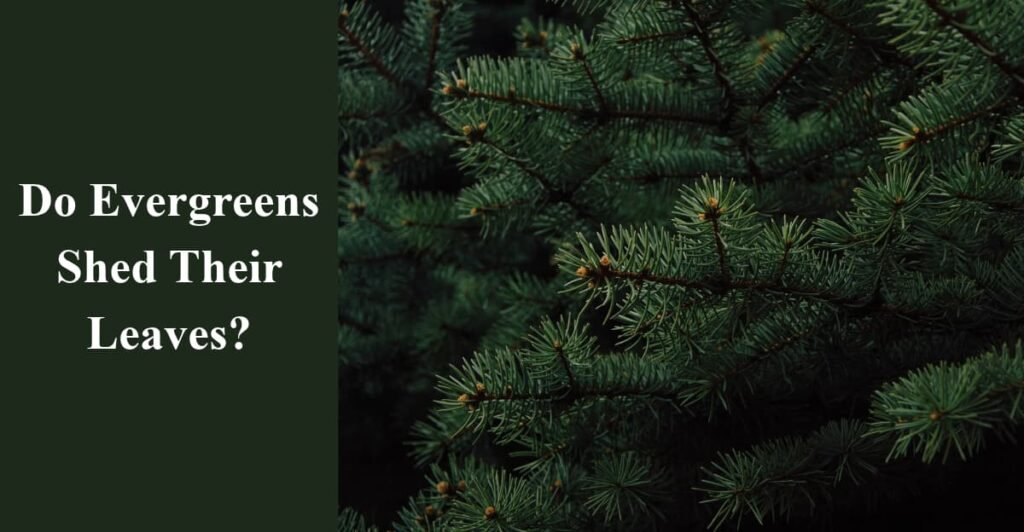
Evergreens do shed their leaves, usually needles, but unlike deciduous trees, they do not lose everything at once. This seasonal needle drop often occurs in spring, when new needles replace old needles, although the gradual process can be easy to miss.
Most conifers are evergreen conifers, but the bald cypress is among the deciduous conifers that lose needles each year. Some cypress species shed needles during dry spells as drought protection, making shedding a normal part of tree growth, seasonal shedding, needle loss, and needle renewal.
From my experience examining evergreen foliage, gradual needle loss is much easier to notice when looking closely at older growth rather than judging the whole tree at once.
How Often Do Evergreen Needles Shed?
Evergreen needles do not last forever; many remain attached for two to four years, depending on the species. During spring and summer, trees produce new needles, while newer needles appear near the branch ends and older needles remain farther back on the inner needles and tips.
Eastern White Pine needles commonly remain for two to three years, while Spruce and Fir may show little visible seasonal needle drop because new growth occurs continuously. This needle lifespan, needle retention, evergreen growth, and needle renewal maintain a tree green appearance year-round, forming a natural seasonal cycle among conifer needles.
In my experience, checking the branch ends and inner foliage makes the pattern of seasonal needle renewal much easier to understand than simply watching for fallen needles.
Why Do Older Evergreen Needles Drop?

Older evergreen needles naturally fall off as they age and become less efficient at photosynthesis. New needles at the branch ends cast shadows over older needles and inner needles, reducing light availability so they work less efficiently; once they stop producing, they turn brown and drop as a normal part of the tree’s renewal and keeping photosynthesis working best.
A branch tips red flag, however, can indicate insects, disease, pest damage, or other tree problems rather than ordinary needle drop or needle aging. A tree care expert can assess tree health, evergreen health, foliage, and branch growth and help fix problems.
From my experience observing evergreen foliage, the distinction between normal needle aging and unusual needle loss is easiest to notice by checking where the needles are dropping.
What Are the Types of Evergreen Plants?

Evergreen plants generally include three main types: needle-leaf, scale-leaf, and broadleaf. Many are conifers, or cone-bearing trees, including pines, firs, junipers, and spruces, while broadleaf evergreens such as rhododendrons and hollies have wide leaves with leathery leaves.
Examples include Concolor Fir, Douglas Fir, Eastern White Pine, eastern Arborvitae, eastern Red Cedar, false Cypress, leyland Cypress, norway Spruce, and Yew. Together, these evergreen plants contribute to forests, making them more diverse and supporting greater forest diversity.
From my experience working around different evergreen species, seeing these forms together makes the diversity of evergreen growth especially easy to appreciate.
What Is the Difference Between Conifers and Broadleaf Evergreens?
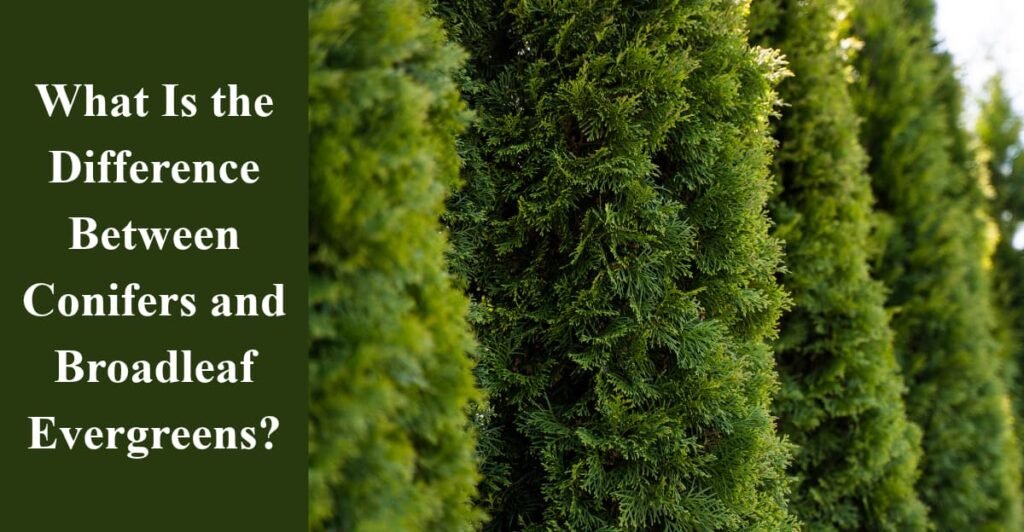
Conifers and broadleaf evergreens are both evergreens, but their leaves differ noticeably. Pines and spruces have needle-like leaves or scale-like leaves, with needles that roll tightly and carry a waxy coating that helps save water.
Broadleaf evergreens, including rhododendrons and hollies, develop wide leaves that are often leathery leaves, while waxy coatings help keep moisture in. The thin needles of conifers provide strong cold tolerance, supporting water conservation while maintaining healthy evergreen leaves and foliage.
In my experience, the waxy texture and different leaf shapes are among the clearest practical ways to distinguish these two evergreen groups.
What Are Semi-Evergreen Plants?
Semi-evergreen plants occupy a middle ground between evergreens and deciduous plants, retaining their leaves and foliage under normal conditions but responding to difficult weather by dropping leaves. During cold snaps, dry spells, cold weather, or drought, they may shed foliage, making them more sensitive to extreme conditions than true evergreens; this pattern of seasonal leaf retention reflects a flexible evergreen adaptation alongside deciduous foliage.
From my experience observing semi-evergreen plants through changing seasons, their foliage retention can vary noticeably as weather conditions shift.
What Evolutionary Advantages Do Evergreens Have?
The evolutionary advantages of evergreens include the ability to make food all year by using sunlight, even during winter in cold places with short growing seasons. Their needles are tough and waxy, containing natural antifreeze that helps conserve water during cold snaps and dry winters, while keeping leaves for a long time reduces the energy required for growing new leaves in spring.
This combination supports year-round food production, photosynthesis, water conservation, and winter survival, particularly in poor soils and acidic soils where resource use matters. Evergreens also provide winter shelter and food for animals, while their foliage can serve as windbreaks or privacy screens, contributing to habitat, animal shelter, and animal food while promoting leaf retention and resource conservation.
From my experience with evergreen landscapes, their year-round foliage provides practical shelter and visual protection long after deciduous plants have lost their leaves.
How Do Evergreens Thrive in Nutrient-Poor Soils?
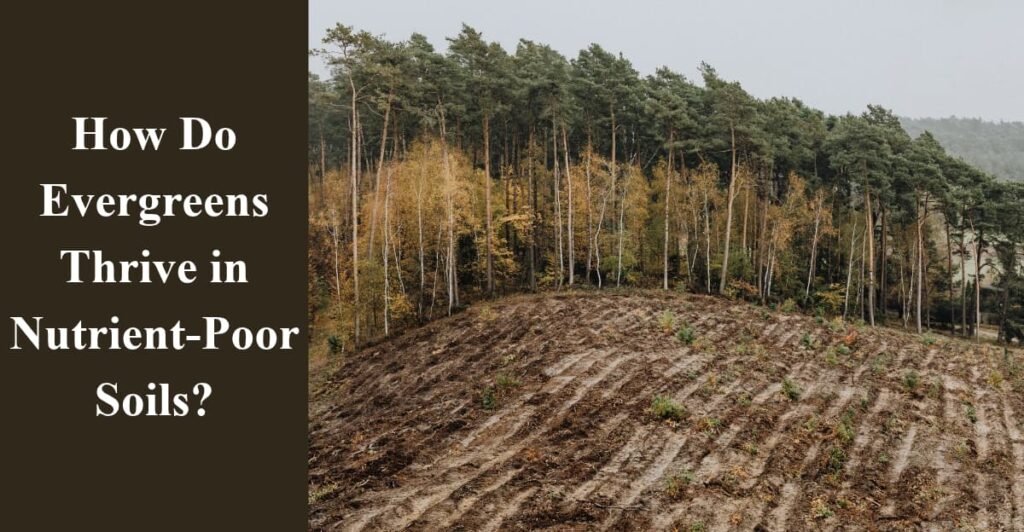
Evergreens thrive in nutrient-poor soils and poor soil partly because they do not need to produce new leaves every spring, conserving energy and resources. Keeping their leaves for years means they require fewer nutrients, allowing them to grow in less fertile ground and acidic dirt while maintaining nutrient conservation, evergreen growth, and resource efficiency.
Good watering and mulching can further support healthy soil, plant health, and evergreen performance in acidic soil. These practices help maintain suitable moisture and soil conditions while supporting long-term leaf retention.
From my experience caring for evergreens, consistent watering and sensible mulching make a noticeable difference in maintaining healthy growth where soil fertility is limited.
Conclusion
Evergreens stay green in winter through water conservation, cold adaptation, year-round photosynthesis, and specialized foliage that supports winter survival. Their waxy needles, antifreeze adaptations, and long-lasting leaves help them remain active through cold and nutrient-poor conditions. Understanding these natural adaptations makes the persistent greenery of evergreen trees easier to appreciate throughout the winter landscape.
Frequently Asked Questions
1. Why do evergreens stay green in winter?
Evergreens retain their green leaves and needles year-round, allowing them to continue photosynthesis and make food even during winter.
2. Do evergreens lose their leaves?
Yes. Evergreens gradually shed older needles rather than losing all their foliage at once, with seasonal needle drop commonly occurring as new needles develop.
3. How do evergreen needles survive cold weather?
Their waxy coatings help reduce water loss, while natural antifreeze compounds help protect plant tissue from ice-crystal damage and freezing.
4. Can evergreens grow in nutrient-poor soil?
Yes. Keeping leaves for several years reduces the need to produce new foliage every spring, helping evergreens conserve energy and nutrients in poor or acidic soils.
Please Write Your Comments