Flowers That Start With “XY”: Rare, Unique, and Surprisingly Beautiful Picks
Updated: September 5, 2026
36
Searching for flowers that start with “XY” can uncover a fascinating world of rare flowers, unusual plant names, and surprisingly beautiful botanical discoveries. From exotic species and wildflowers to unique genera, these plants reveal remarkable biodiversity, distinctive floral features, and fascinating stories from nature. Keep reading to explore these rare, unique, and surprisingly beautiful picks and discover which “XY” flowers deserve a place in your botanical collection.
Table of Contents
List of Flowers That Start With XY
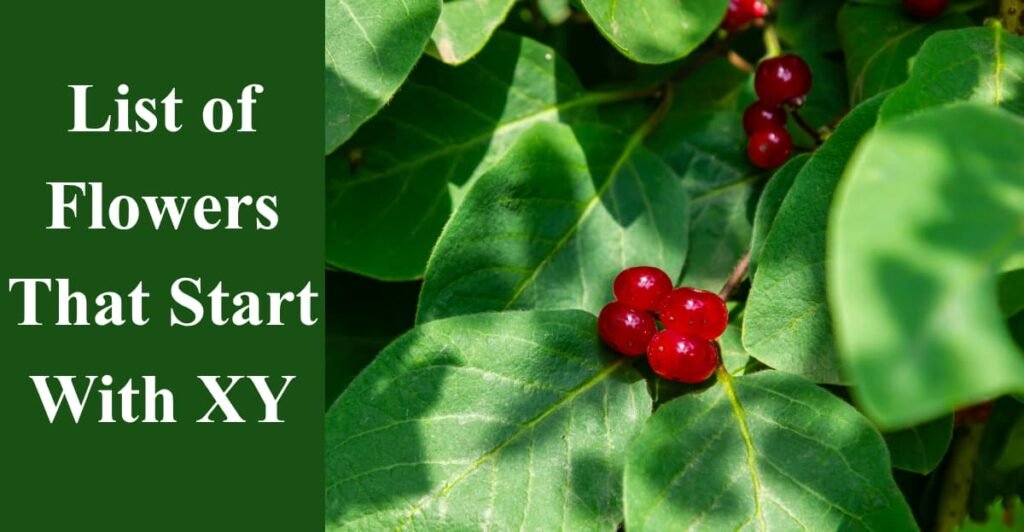
Finding flowers starting with xy leads into a fascinating area of botanical research, where unusual plant genus, plant species, and scientific nomenclature reveal remarkable biological diversity. These XY plants include Xyris, Xylobium, Xylosma, and Xylopia aethiopica, along with other uncommon genera adapted to wetlands, rainforests, coastal habitats, and arid regions. Their distinctive floral anatomy, flower morphology, foliage, and growth habits make them valuable subjects for understanding plant diversity, floral diversity, and botanical classification.
Many of these plants have specialized ecological relationships, including pollination involving bees, hummingbirds, and other beneficial insects. From the yellow petals of Yellow-eyed Grass to the fragrant blooms of Xylobium and the daisy-like flower heads of Xylorhiza, these plants demonstrate how different plant families, habitats, and environmental conditions shape floral structures. Their roles in coastal ecology, estuarine ecosystems, tropical habitats, and other biological habitats also highlight their importance within natural ecosystems.
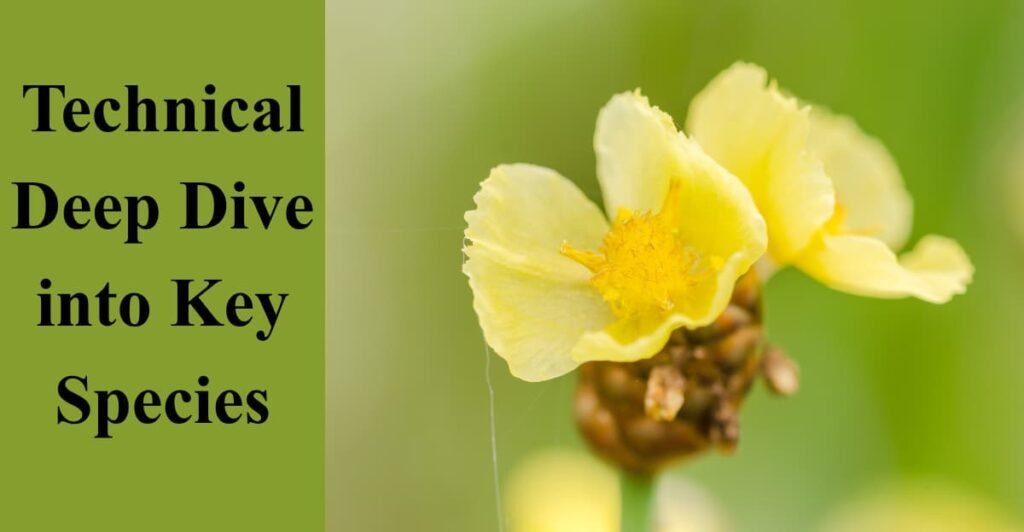
- Xyris (Yellow-eyed Grass): Hardy perennial plants associated with wetland habitats, featuring yellow petals and distinctive flower spikes.
- Xylobium: Tropical orchids found in Central America and South America, known as epiphytes with fragrant, wax-like blooms and pseudobulbs.
- Xylosma: An evergreen shrub or small tree in the Salicaceae family, recognized for shiny foliage and yellowish blossoms.
- Xylopia aethiopica: Also called African Pepper or Ethiopian Pepper, this tree produces fragrant flowers with greenish petals and has aromatic and medicinal value.
- Xylocarpus: Mangrove trees producing four-petaled flowers that contribute to the stability of coastal ecosystems and estuaries.
- Xylanthemum: Flowering plants associated with the Asteraceae family, producing composite flowers suited to arid and mountainous regions.
- Xylorhiza (Woody Aster): Perennial herbs native to North America, with large, daisy-like flower heads, white or lavender rays, and a yellow disk.
- Xylosteum: A sub-genus or section within the Lonicera family, consisting of shrubs with tubular flowers that attract hummingbirds.
Here are the key flower characteristics, including their shape, blooming season, and unique features.
- Habitats: These plants occur across wetlands, rainforests, coastal habitats, arid habitats, mountainous habitats, and tropical habitats.
- Floral structures: Their diverse flower heads, floral rays, floral disks, petals, and other floral structures demonstrate specialized plant anatomy.
- Ecological importance: Specialized pollination, ecological stability, coastal ecology, and estuarine ecosystems connect these plants to wider biological habitats.
- Plant classification: Taxonomy, plant families, monocots, the Asteraceae family, Salicaceae family, and Lonicera family help explain their botanical relationships.
From my experience researching unusual XY flowers, comparing their botanical traits and growing habits firsthand makes their rare names and distinctive characteristics much easier to understand and appreciate.
Technical Deep Dive into Key Species
Understanding the growth habits, reproductive strategies, and genera of rare XY plants reveals how each species contributes to its ecosystem. Their role as a primary food source for specialized insects creates important feeding relationships, while plant reproduction and reproductive biology demonstrate their ecological adaptations. From my experience studying unusual plant species, examining their ecological role, botanical diversity, and plant ecology makes their connection to the local ecosystem much easier to appreciate.
Xyris and Xylobium
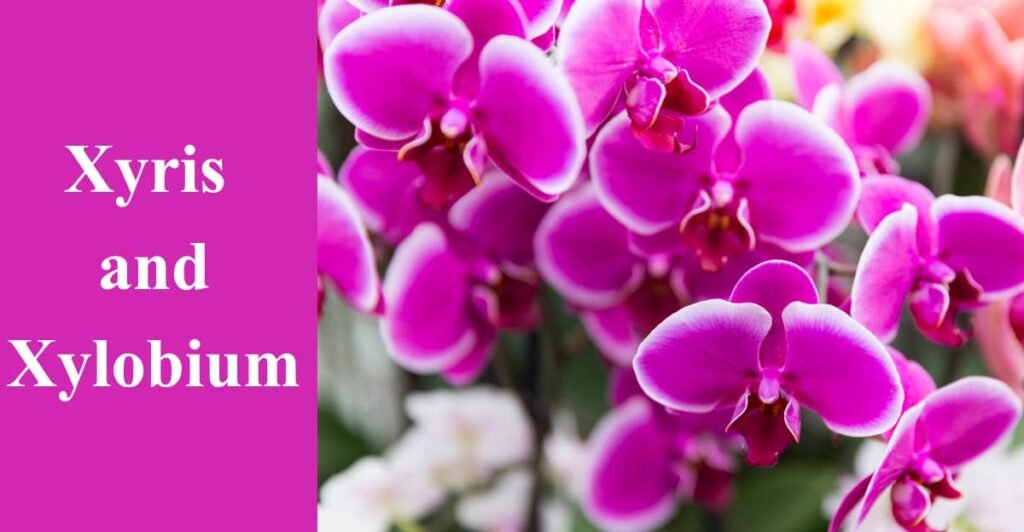
Xyris is a genus of over 250 monocots that thrive in acidic soil and marshy conditions, producing cone-like flower spikes with ephemeral petals that open during the morning hours. Xylobium, from the Orchidaceae family, includes tropical orchids with distinctive pseudobulbs, attracting rare plant collectors interested in tropical flora, orchid diversity, and unusual floral anatomy.
Xylosma and Xylopia aethiopica
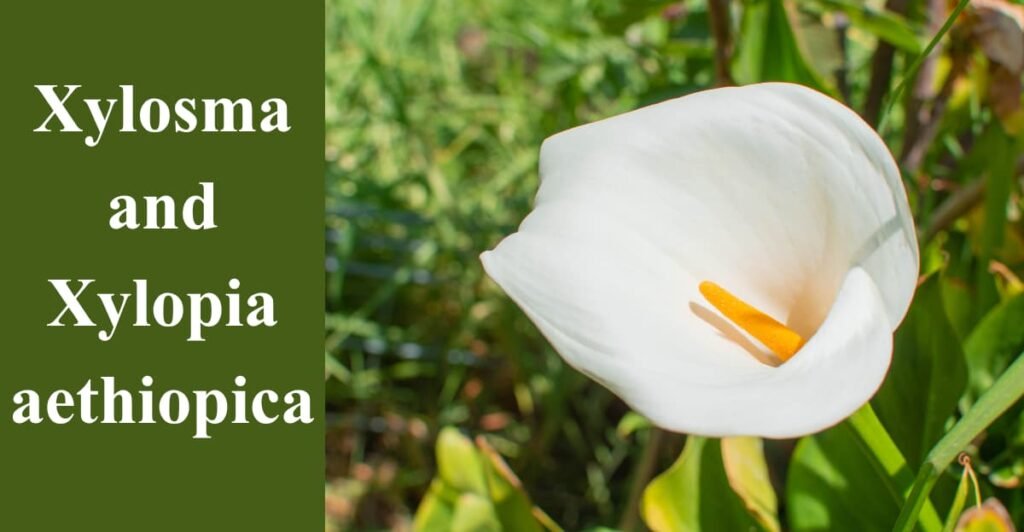
Xylosma is valued in landscaping for its shiny foliage and dioecious nature, producing separate male flowers and female flowers. Xylopia aethiopica, a tree from Africa, produces Grains of Selim, a pepper-like spice, combining ornamental beauty, functional utility, African flora, aromatic spice, culinary spice, and interesting plant reproduction.
Analysis of Related Botanical Entities
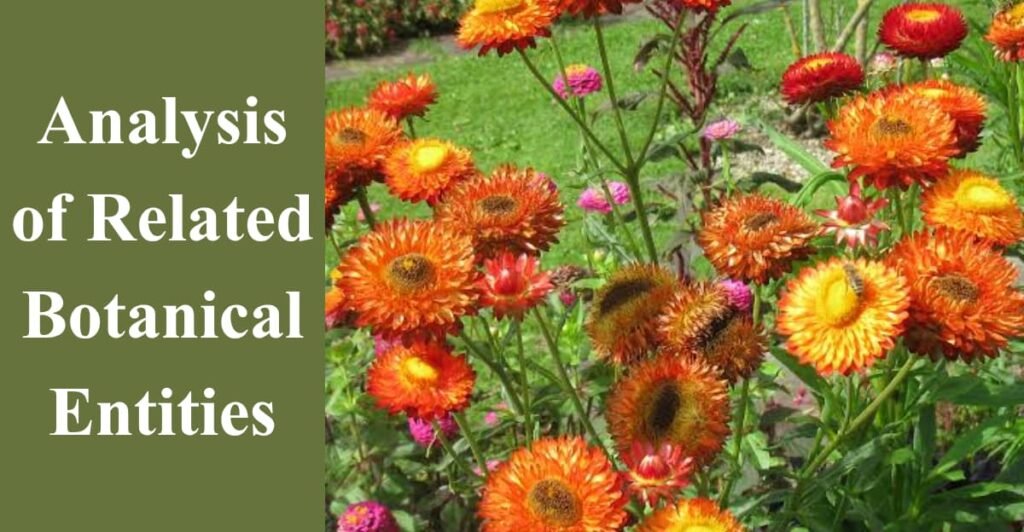
The XY prefix connects several X prefix plants through shared habitats and evolutionary traits. Botanists use botanical classification and plant taxonomy to understand their botanical relationships and plant groups. Evolutionary biology and plant evolution also explain their ecological traits, adaptation, botanical diversity, flora, and related species.
Why Flowers That Start With XY Are So Rare
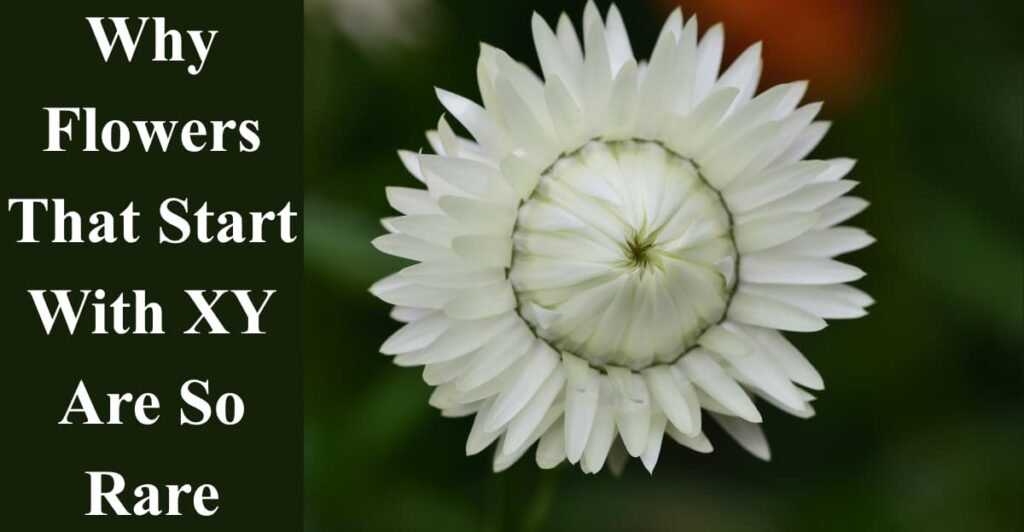
A flower starting with xy is uncommon because of linguistic evolution and word formation in the English language, while Latin roots and Greek roots influence much of botanical nomenclature and scientific nomenclature. The rare X and Y succeeding vowel combination makes these plants and flowers especially unusual.
Many are specialists adapted to undisturbed wetlands or tropical rainforests rather than disturbed soils and backyards. Their habitats, pollination syndromes, and relationships with bees such as Xylocopa or the carpenter bee make conservation and biodiversity conservation increasingly important.
From my experience, studying these rare plants shows how ecological adaptation, plant-pollinator relationships, and specialized habitats shape both their survival and remarkable botanical diversity.
Unique Facts About XY Flowers
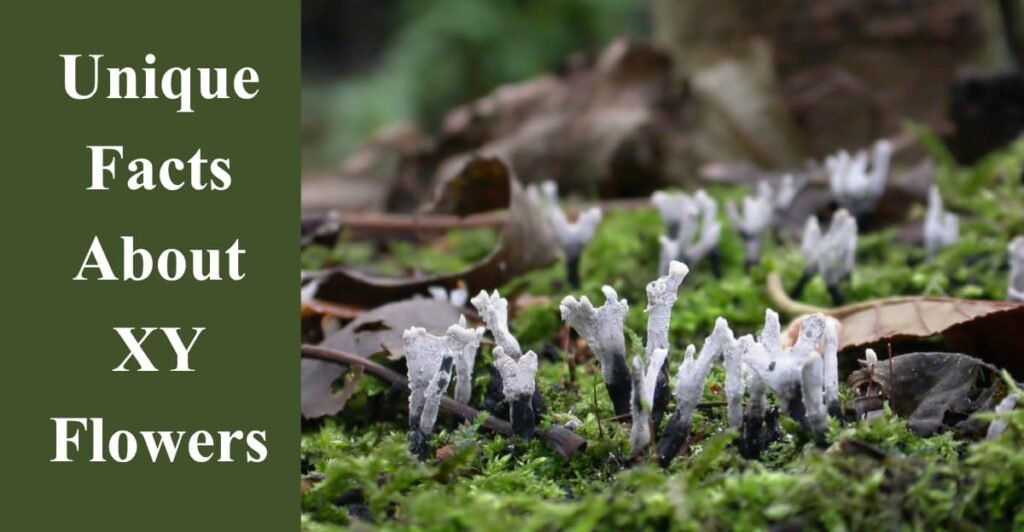
XY plants have fascinating biological properties studied in pharmacology and ecology, while Xylocopa-associated plants rely on carpenter bees for specialized pollination. Their flower morphology and floral morphology can support large insects, showing remarkable pollination adaptation and plant biology.
Xylaria is a fungus-like entity often discussed in botany texts for its wood-decaying role in forest habitats, while Xerophyta includes resurrection plants capable of surviving extreme desiccation before becoming rehydrated by rain. These survival tactics demonstrate drought tolerance, plant adaptation, resilience, and complex ecological relationships.
From my experience, observing these plants and their habitats makes their survival mechanisms, symbiotic relationships, and connection to the natural world especially impressive.
How to Grow Rare XY Flowers
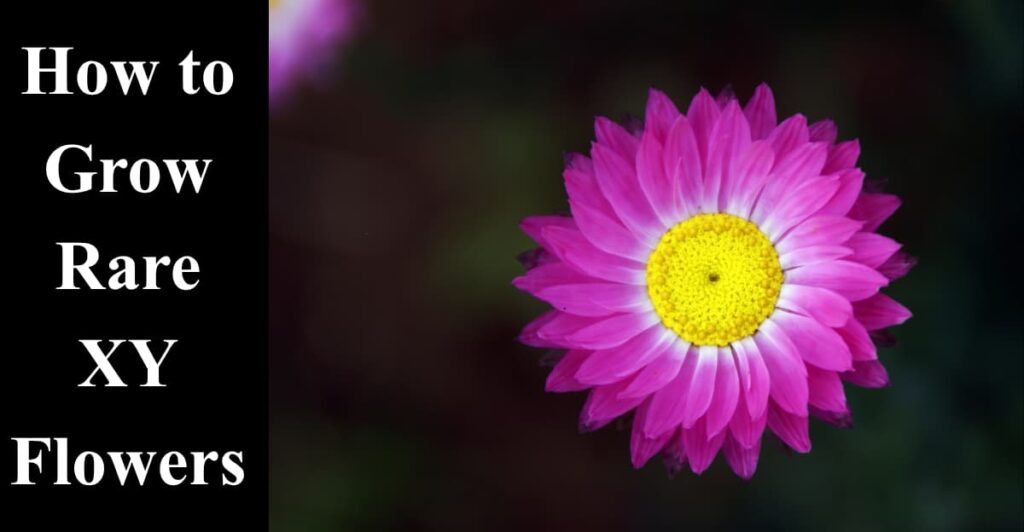
Growing rare flowers requires a careful gardener approach, especially when adding unique specimens to a botanical collection. Choose suitable potting soil, avoid unsuitable tap water when necessary, and match each plant’s growing conditions and specialized growing requirements.
Successful plant cultivation depends on proper soil requirements, water requirements, and consistent plant care. With the right cultivation, horticulture, and attention to individual plant specimens, growing rare plants becomes much more manageable.
Cultivating Xyris (Yellow-eyed Grass)
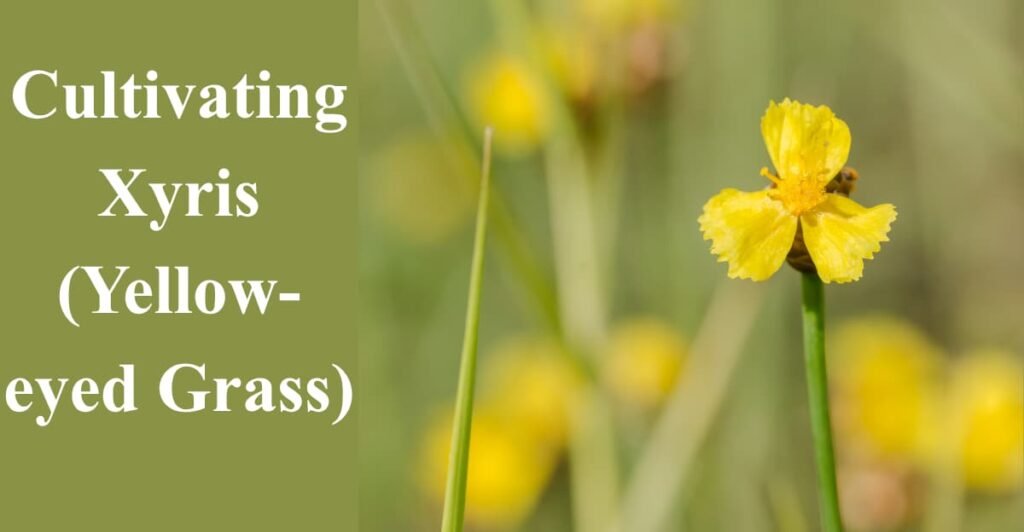
Xyris or Yellow-eyed Grass thrives with consistent hydration and saturated soil, making a bog garden or suitable pot ideal; provide adequate drainage holes where needed and full sun to encourage bright yellow blossoms. Use a soil mix of peat and sand with a low pH and maintain steady moisture, as wetland plants and bog plants prefer waterlogged soil for healthy flowering and plant growth.
For successful cultivation, monitor the growing medium, drainage, soil acidity, and pH level, while regular gardening, horticulture, and plant care support strong perennial plants and vibrant yellow flowers.
Growing Xerochrysum and Xeranthemum
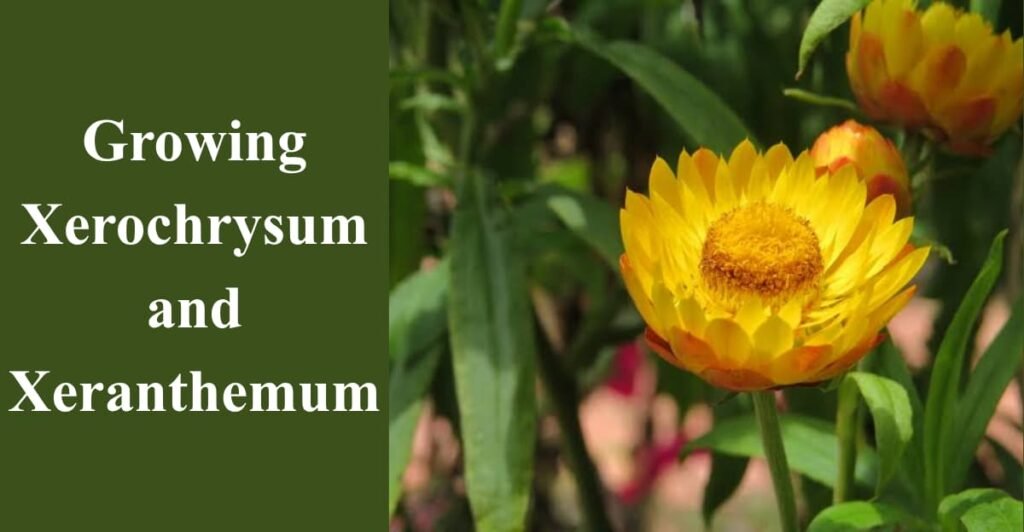
Xerochrysum and Xeranthemum, including the strawflower, are excellent choices for drier climates because they are drought-tolerant and provide vibrant colors in the garden. Their flowers work well as cut flowers and dried flowers, while well-drained soil, minimal fertilization, and proper soil drainage support healthy growth.
These drought-resistant plants suit xeriscaping and xeriscaping projects in 2026, requiring suitable soil requirements, moderate water requirements, and basic plant care. Their value in gardening, horticulture, plant cultivation, landscape gardening, and flower preservation makes them practical low-maintenance plants and resilient plants for dry landscapes.
Similar Flowers That Start With X
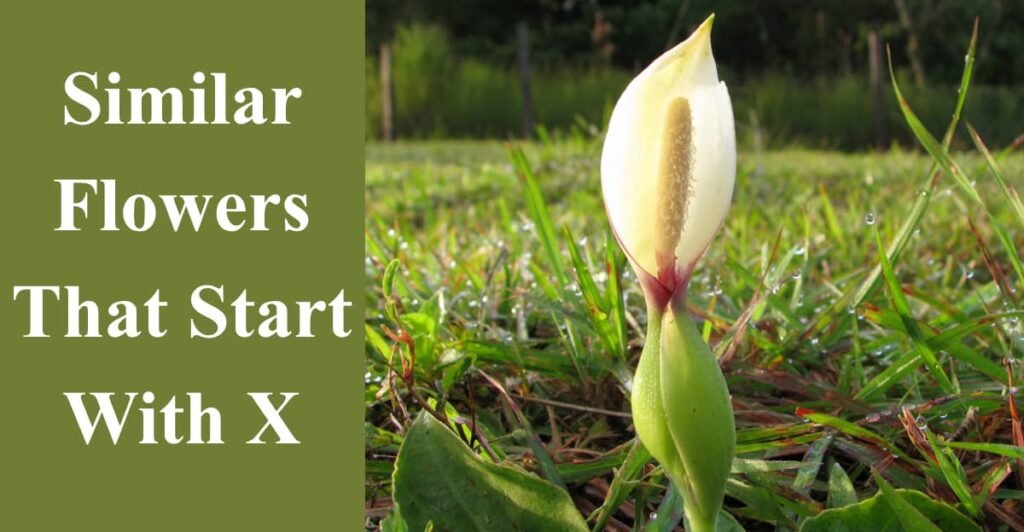
When a flower starting with xy is difficult to find, exploring the wider X genus can reveal stunning perennials, ornamental shrubs, and other flowering plants suited to thoughtful landscape design. These XY cousins often share resilient characteristics, including drought tolerance, specialized soil preferences, and adaptability to different growing conditions.
In horticulture, flower morphology, floral morphology, and flower structure help with plant selection, while botanical collections showcase their ornamental value, visual appeal, and visual texture. From landscape plants and garden plants to drought-tolerant plants, these species add landscape aesthetics, plant resilience, and horticultural value to garden design and landscaping.
Notable Flowers Beginning With X
Xanthosoma or Elephant Ear is a tropical perennial valued for its large foliage and distinctive spathe and spadix flower structure within the Araceae family. Xerochrysum or Strawflower and Xeranthemum or Immortelle are known for silvery leaves, papery petals, long-lasting petals, and dried flowers used in flower preservation.
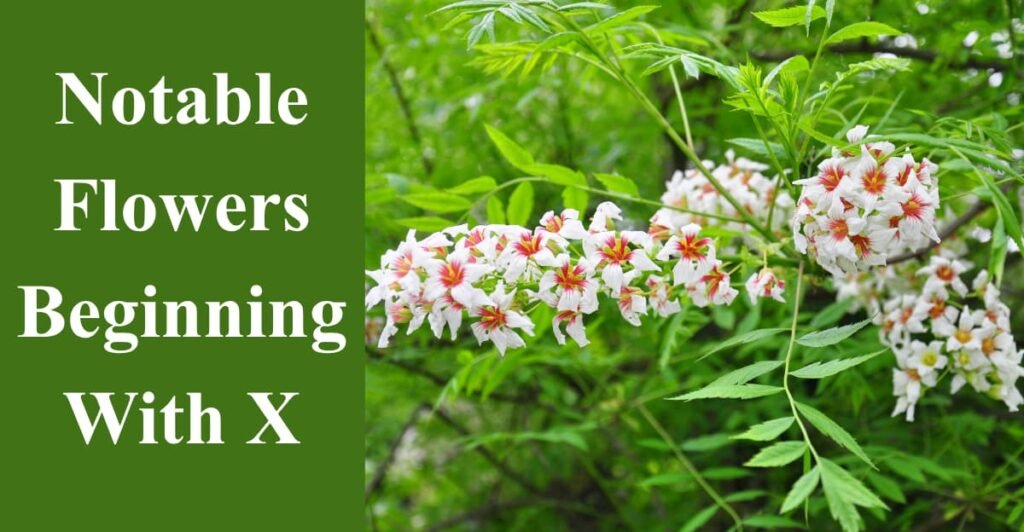
Xanthoceras or Yellowhorn is a deciduous shrub with white blossoms and yellow or red centers, while Xanthorrhoea or Grass Tree is an Australian monocot producing a spear-like flower spike covered in nectar-rich white blooms. Xerophyta thrives around rocky outcrops and forms lily-like flowers after extreme desiccation, demonstrating drought tolerance and desiccation tolerance.
From my experience, these rare species are especially rewarding to study because their floral structures, ornamental value, and unique adaptations reveal the remarkable botanical complexity of plant ecosystems.
Conclusion
Flowers that start with “XY” offer a fascinating look at rare plants, unusual botanical names, and remarkable floral diversity. From Xyris and Xylobium to Xerochrysum and Xerophyta, these species showcase unique adaptations across diverse habitats. Explore these uncommon flowers further and add a distinctive touch of botanical discovery to your garden or plant collection.
FAQs
Are there any flowers that start with XY?
Yes, several plants begin with “XY,” including Xyris, Xylobium, Xylosma, and Xylopia aethiopica.
What is the most common flower that starts with XY?
Xyris, commonly called Yellow-eyed Grass, is one of the best-known genera beginning with “XY.”
Is Xylobium a type of flower?
Yes. Xylobium is a genus of tropical orchids known for fragrant blooms and pseudobulbs.
Where does Xyris Yellow-eyed Grass grow?
Xyris commonly grows in wetland and marshy environments with moist or saturated soil.
Please Write Your Comments