Sahara Desert Flowers: Stunning Plants That Bloom in the World’s Harshest Desert
Updated: September 5, 2026
22
The Sahara Desert may look like an endless sea of sand, but rare rainfall can transform its barren landscape into a spectacular display of Sahara Desert flowers. These resilient blooms survive scorching heat, extreme dryness, and harsh conditions through remarkable adaptations. From vibrant wildflowers to striking desert plants, each bloom reveals the hidden beauty and biodiversity of one of Earth’s most extreme environments. Explore the stunning Sahara Desert flowers below and discover how these extraordinary plants survive and bloom against all odds.
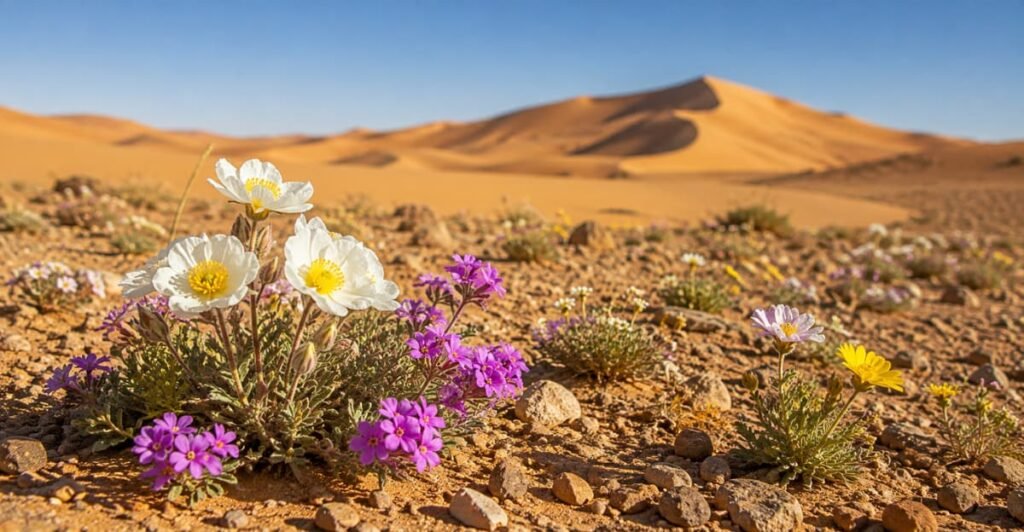
Table of Contents
What Are Sahara Desert Flowers?
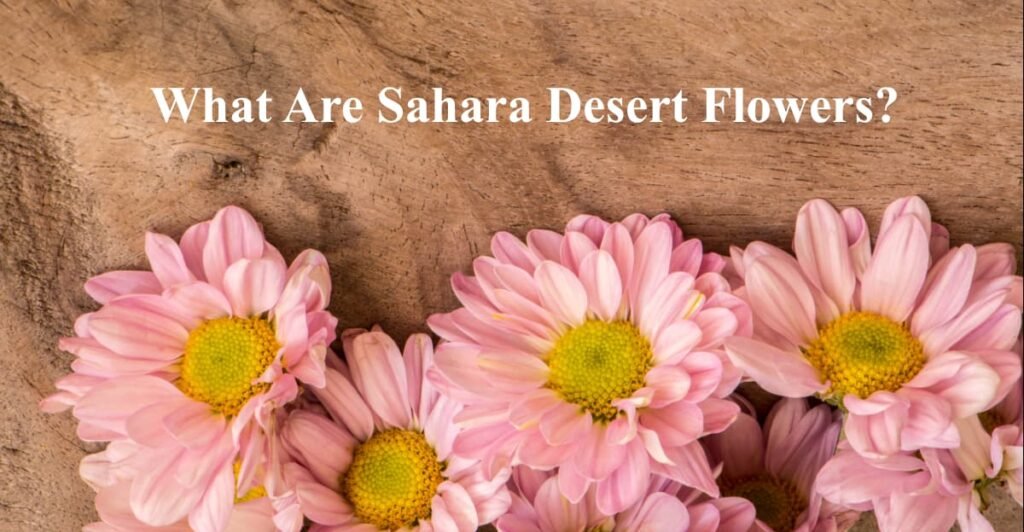
Across the African continent, Sahara vegetation includes highly specialized vascular plants, xerophytes, perennial shrubs, and ephemeral wildflowers adapted to an arid region rather than ordinary garden varieties. These biological survivalists have evolved over millennia to endure significant rainfall cycles, sandy dunes, rocky plateaus, and the inhospitable conditions of the Sahara.
Within this vast ecosystem, viable seeds can remain in the soil for decades, while flowers act as primary producers, converting sunlight and scarce water into energy that supports a hidden web of life. Their hardy blossoms and unique biological diversity reveal how plants can flourish in an environment shaped by extreme dryness.
From my experience studying desert vegetation, these flowers are especially fascinating because their survival strategies show how nature can turn even the harshest landscape into a living ecosystem.
How Flowers Survive in the Sahara Desert?
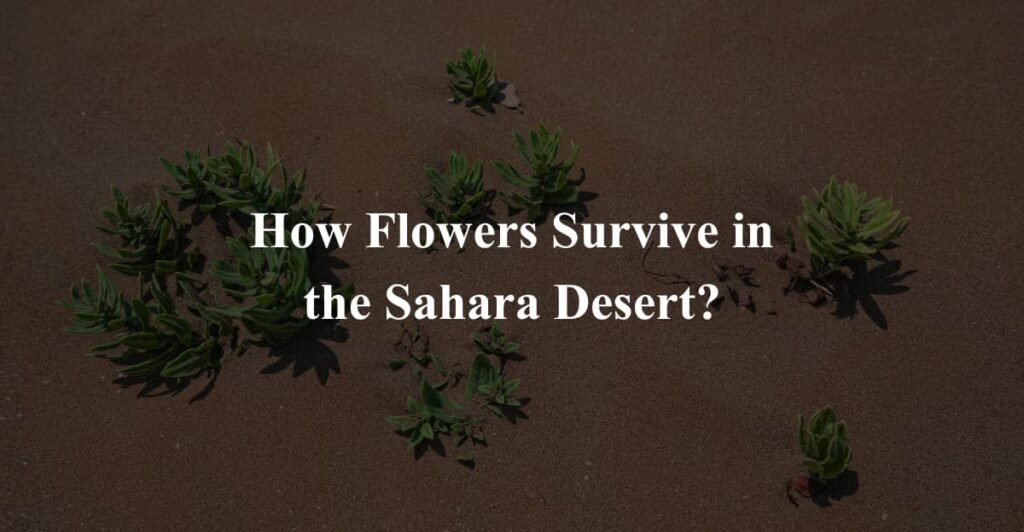
Survival in the Sahara depends on efficient water conservation and thermal regulation, as harsh conditions, scorching heat, and intense sunlight can quickly damage a standard plant. Saharan flora have evolved specialized adaptations, including a waxy coating on their leaves that limits transpiration, while a reduced leaf surface area and tiny spines further reduce exposure and water loss.
Other plants rely on succulence, storing water in thick stems, while CAM photosynthesis allows them to open their pores at night and absorb carbon dioxide when evaporation is lower. This remarkable natural wonder of plant engineering helps maintain precious hydration in an environment with nearly zero humidity.
From my experience observing desert plants, these adaptations are among the clearest examples of how Saharan flowers balance heat, dryness, and limited moisture to remain alive.
Most Beautiful Sahara Desert Flowers
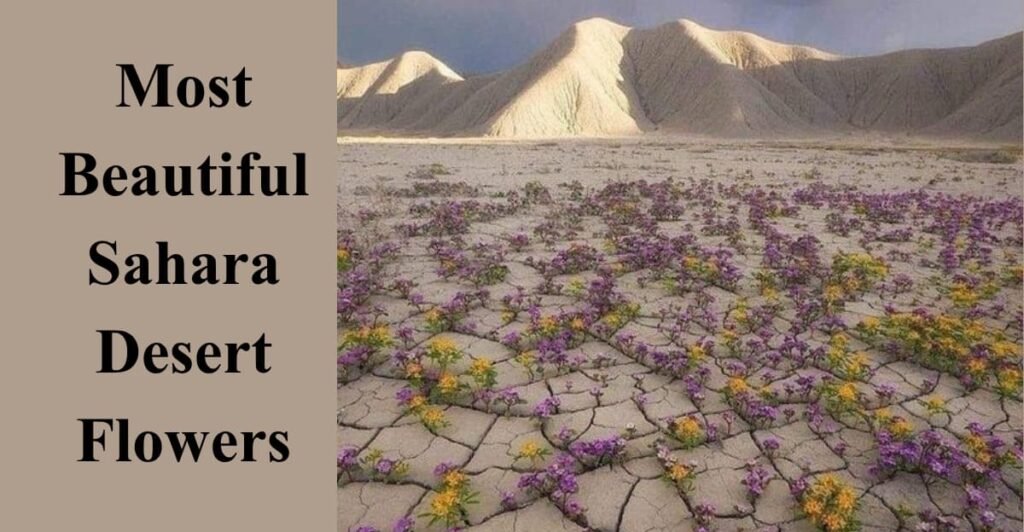
The aesthetic beauty of Sahara blooms is closely tied to survival, as many iconic species must attract pollinators quickly during their short life span. Their striking colors and delicate forms are not simply decorative; each byproduct of adaptation helps ensure successful pollination before the blooms fade.
Desert Rose (Adenium Obesum)
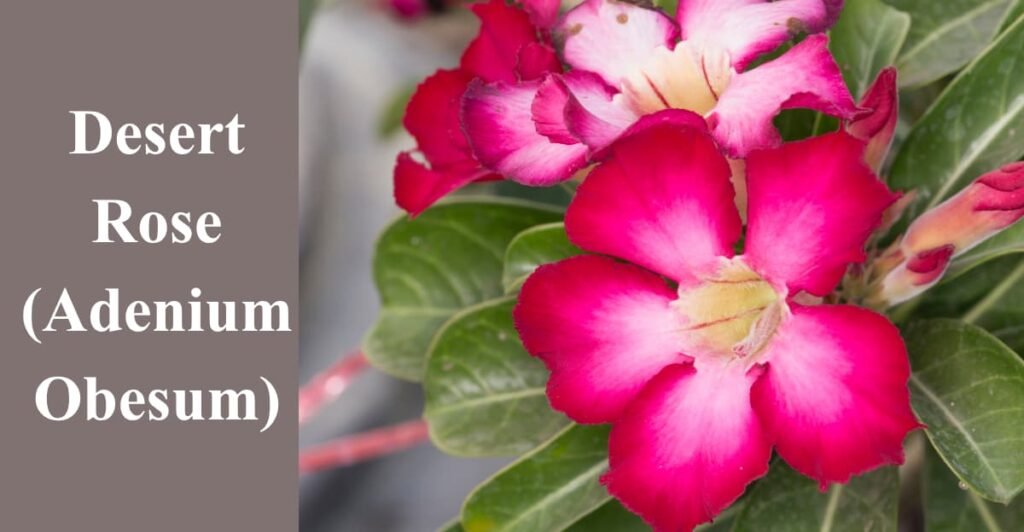
The Desert Rose (Adenium Obesum) is a famous succulent of the southern Sahara and Sahel, recognized for its thick, bulbous trunk, or caudex, which stores water for survival. Its striking pink flowers and red flowers, combined with its resilient nature, make this plant a remarkable masterpiece of adaptation in the rocky parts of the region.
Sahara Mustard
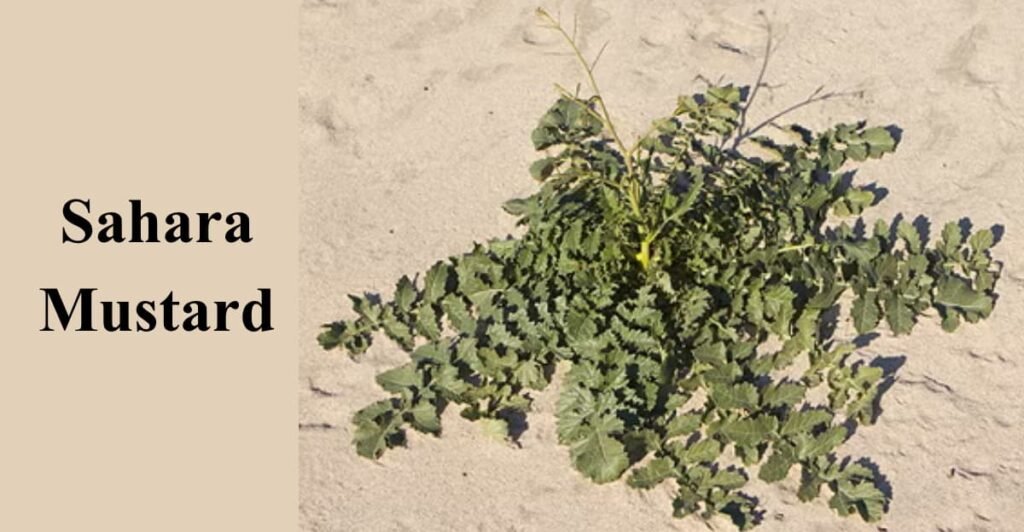
Sahara Mustard (Brassica tournefortii) is a survival specialist that produces small flowers and pale yellow flowers, with seeds able to germinate rapidly after a light mist in suitable regions. Its fast growth can allow it to outcompete native flora, causing the plant to be considered an invasive species in some areas.
Desert Hyacinth
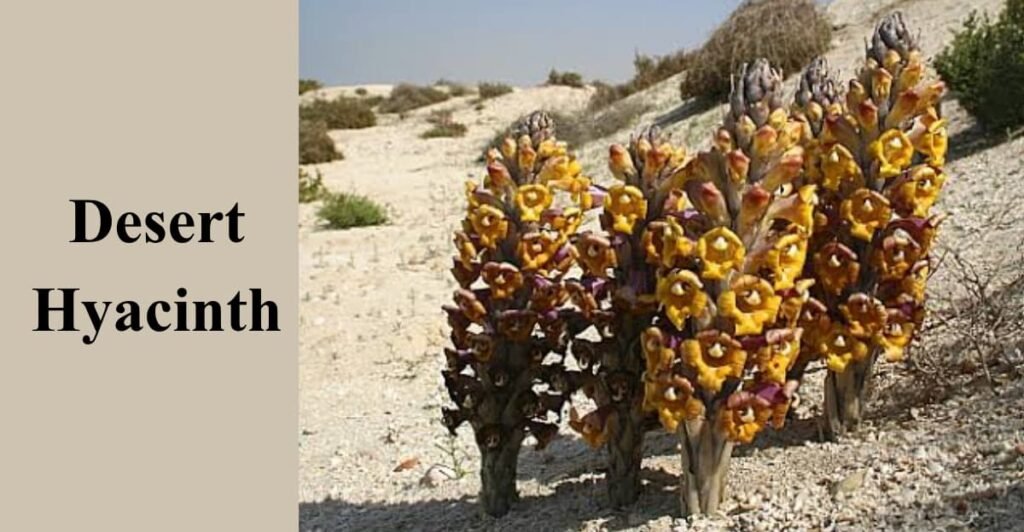
The Desert Hyacinth (Cistanche phelypaea) is a fascinating parasitic plant that lacks chlorophyll and therefore cannot produce food independently. It attaches roots to the root systems of nearby shrubs, obtaining water and nutrients before producing a tall flowering spike of brilliant yellow flowers that can reach two feet in height.
Sand Verbena
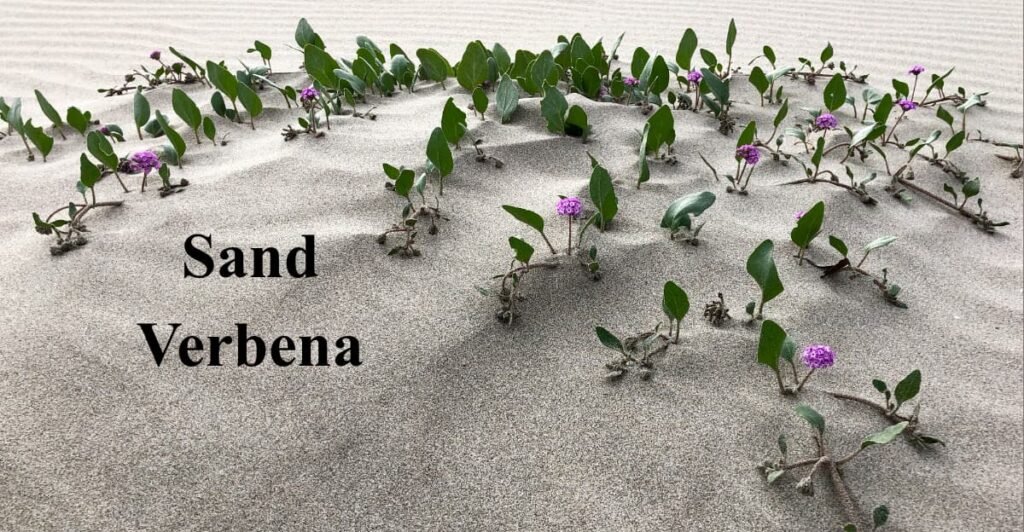
Sand Verbena grows along sandy dunes, where its purple and pink blooms can form a vibrant carpet across the landscape. Its deep roots help stabilize shifting sands, acting as an anchor that protects the local soil from movement and erosion.
Desert Lily
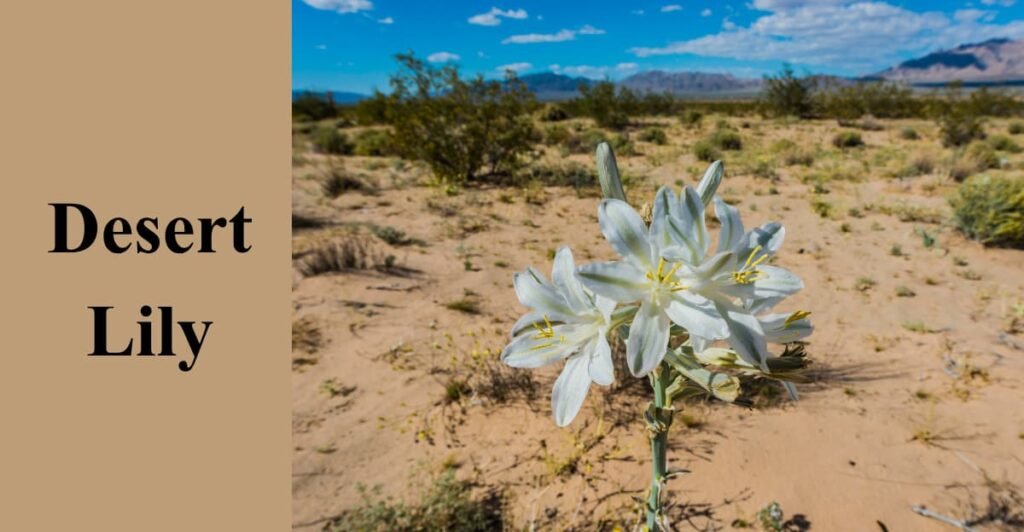
The Desert Lily is a rare sight in extreme climates, recognized for its elegant, white, funnel-shaped flowers. Its bulb remains buried deep underground, sometimes two feet deep, keeping it cool and protected from the intense surface temperature.
Tribulus (Puncture Vine)
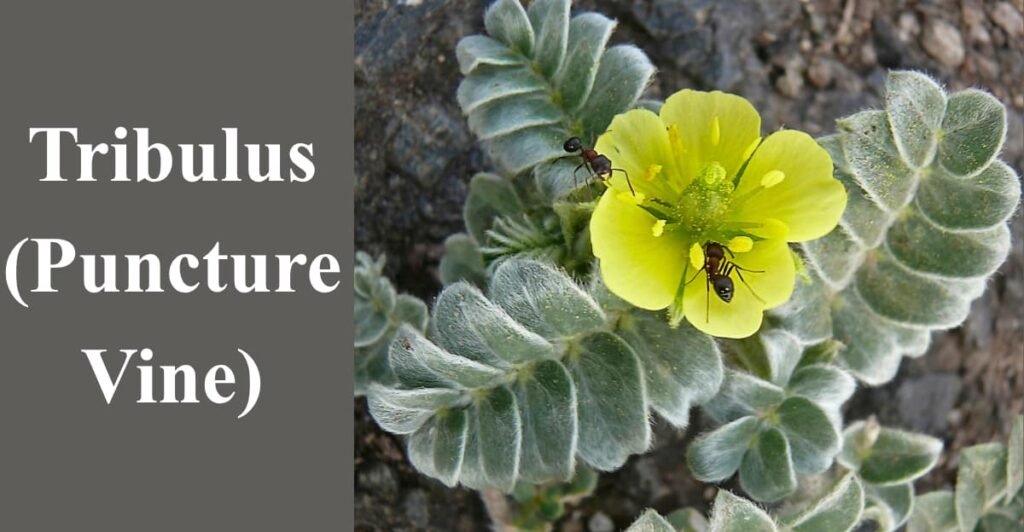
Tribulus, commonly called Puncture Vine, is a hardy plant that produces small yellow flowers despite its delicate appearance. Its hard, spiny fruits can withstand being stepped on or driven over, helping its seeds spread throughout the vast ecosystem.
When Do Sahara Desert Flowers Bloom?
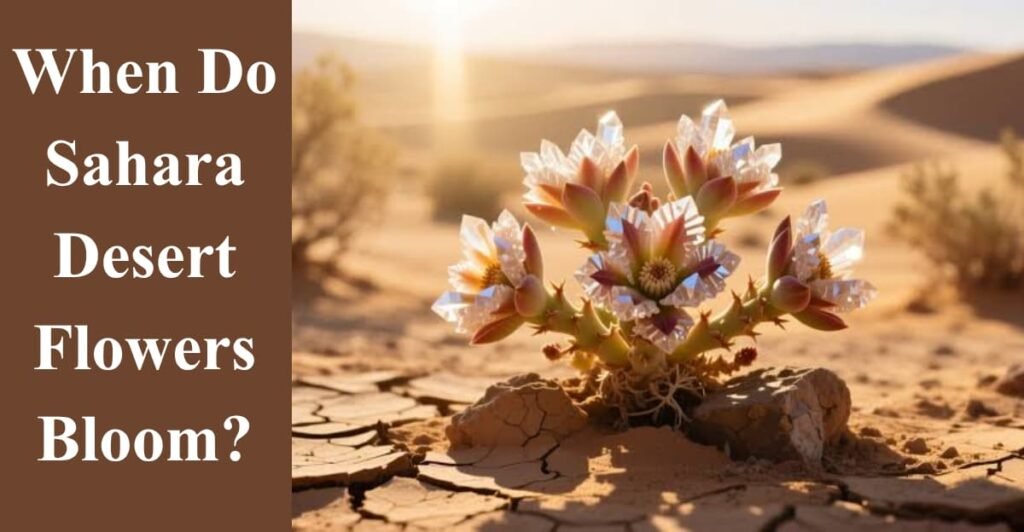
Sahara Desert flowers do not follow a fixed calendar; their Saharan bloom is a seasonal phenomenon controlled by the arrival of rain. In the northern Sahara, rainfall typically arrives between late winter and early spring, especially from February to April, while the southern Sahara may experience a bloom during late summer when monsoon-driven rains reach the Sahel. This unpredictability is part of the desert’s hidden beauty, because the same location can remain bare for five years, covered only by sand, before suddenly revealing a golden horizon filled with flowers in the sixth year.
From my experience observing desert flowering cycles, rainfall timing is the most fascinating factor because even a small change in seasonal moisture can completely alter the timing and intensity of the bloom.
Rare and Seasonal Sahara Desert Flowers
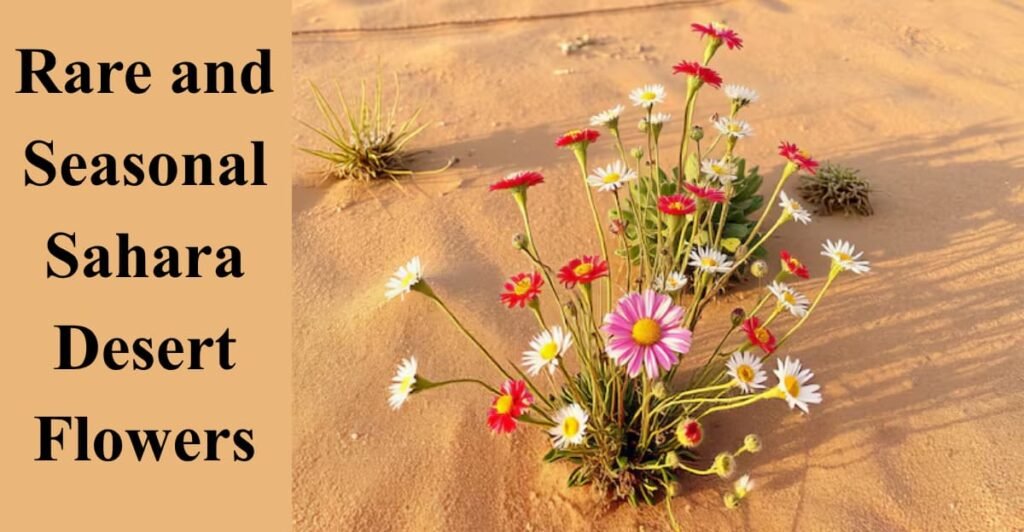
Some rare species of Sahara Desert flowers may appear only once or twice in a decade, making these ephemeral blooms among the desert’s most remarkable botanical events. Often endemic to small regions, rare plants such as the Saharan Cypress (Cupressus dupreziana) represent an ancient lineage; although it is a tree, its tiny cones and reproductive structures add to the ecological story of a dying species surviving in an extreme environment. Each seasonal phenomenon of these rare blooms attracts botanical researchers, who study rainfall patterns to predict where the next resurrection of desert vegetation may occur.
From my experience studying desert flora, these rare flowering events are especially valuable because their timing can reveal subtle changes in rainfall and ecosystem conditions.
Colors of Sahara Desert Flowers
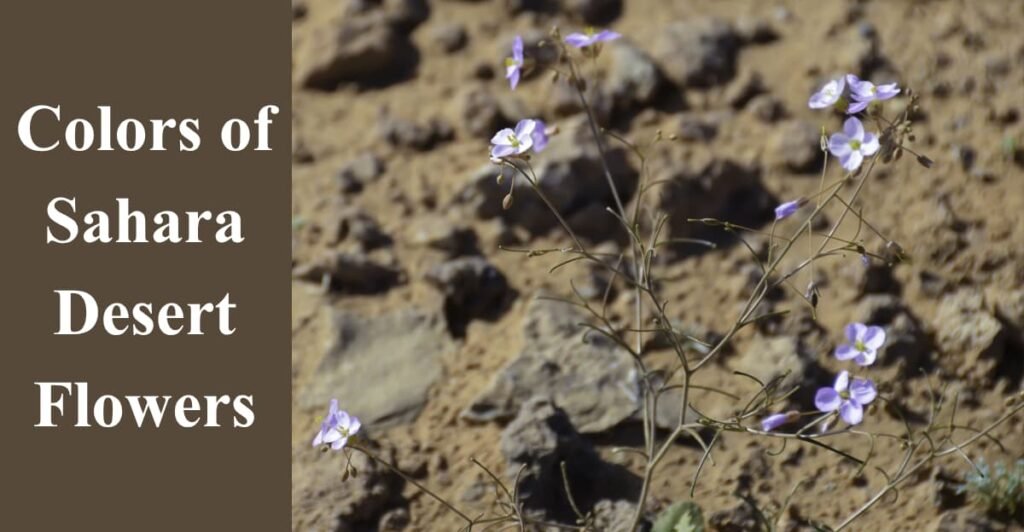
The palette of the Sahara is surprisingly diverse, with yellow remaining a common color because it stands out in bright light and helps attract pollinators. Vibrant purples, such as those seen in Savignya parviflora, add striking contrast, while brilliant whites are common among night-blooming species that attract moths.
Deep reds also appear in succulents such as Adenium, giving the desert bloom an intense visual character. These colors work as a biological signal for insects, supporting efficient pollination while the flower is open and helping the process occur quickly before the bloom wilts.
From my experience observing desert flowers, these color patterns are fascinating because each shade appears to serve both an ecological purpose and a striking visual role.
Importance of Sahara Desert Flowers in Ecosystem
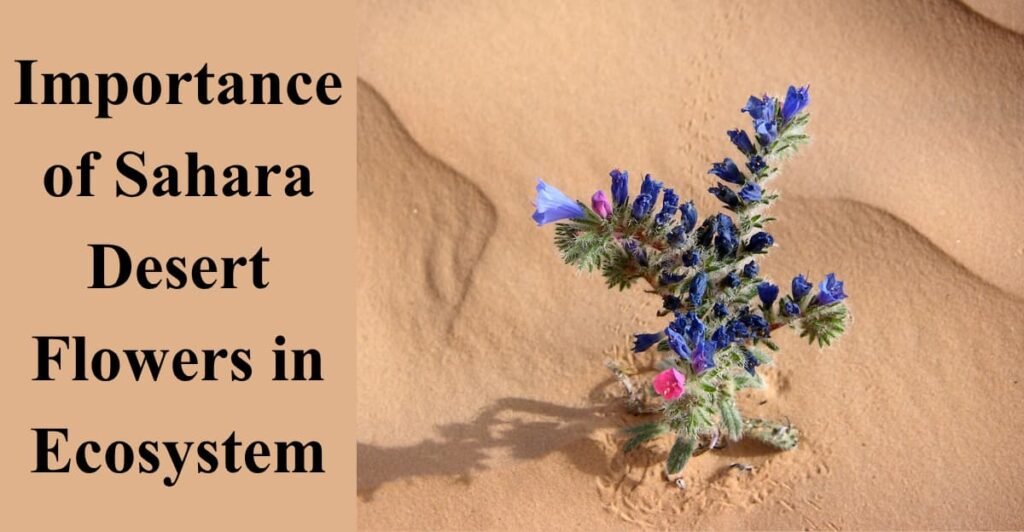
Sahara Desert flowers form the foundation of the desert ecosystem and food chain, providing essential caloric intake for primary consumers while contributing to the biological surprises that sustain life in the desert. Their root systems support soil stabilization, helping prevent wind from stripping away the nutrient-rich top layer of the desert floor.
When plants die, their decaying matter enriches the sand with essential nitrogen, supporting future growth and maintaining the desert’s natural nutrient cycle. This process shows why even delicate flowers can have an important ecological role in such an extreme environment.
From my experience studying desert ecosystems, I have seen how these small blooms can influence soil health and support a surprisingly complex web of desert life.
Medicinal Uses of Sahara Desert Flowers
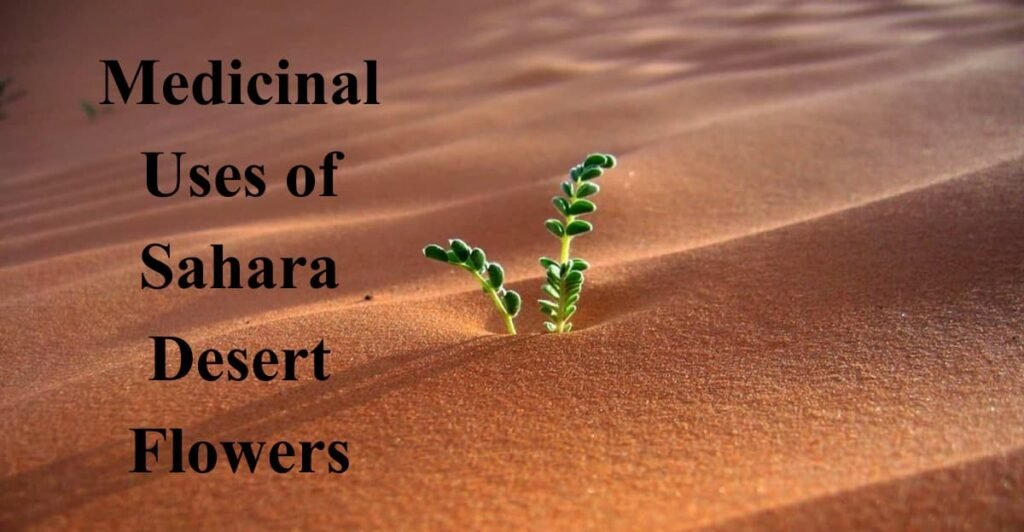
The medicinal uses of Sahara Desert flowers and other plants have been part of the traditions of nomadic tribes, including the Tuareg, for centuries. Cleome has been prepared as traditional poultices for skin irritations, while Artemisia, also called Desert Wormwood, is valued for its strong scent and traditional use for digestive issues.
Lavender and Saharan varieties have also been used in teas traditionally associated with easing anxiety and relieving colds. This ancient knowledge reflects how people living in a harsh environment have developed practical relationships with local plants, passing this knowledge through generations as part of their way of life and home traditions.
From my experience studying desert ethnobotany, these traditional plant uses are especially fascinating because they reveal how closely local people have understood and depended on their surrounding flora.
Threats to Sahara Desert Flowers
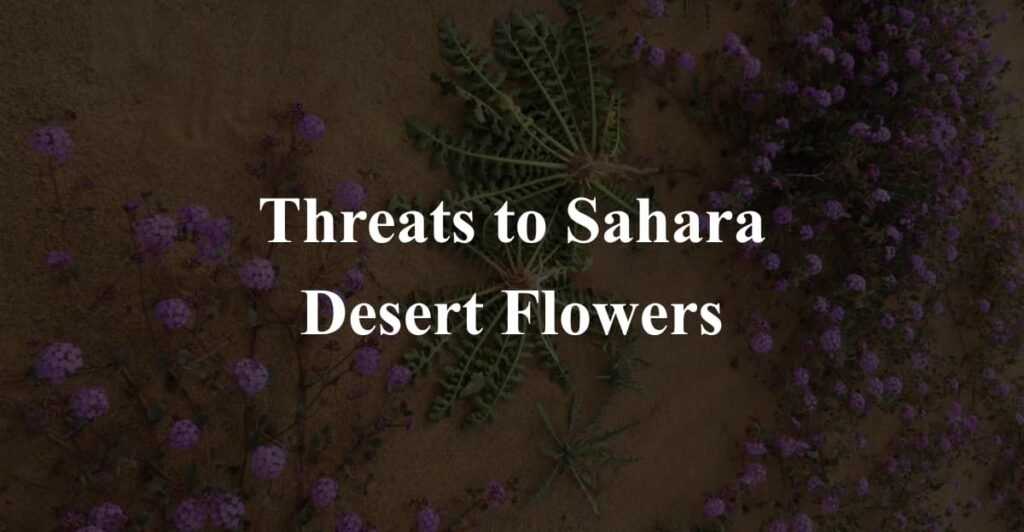
Despite the toughness of Sahara Desert flowers, they face growing modern threats, especially climate change, which can alter the frequency and intensity of the rains needed for flowering. Overgrazing by livestock can also damage a bloom before plants produce new seeds, reducing the strength of the soil seed bank that supports future growth. Human activity, including off-road driving and mining, can destroy the delicate soil crust that protects dormant seeds beneath the surface.
From my experience studying desert vegetation, protecting these fragile habitats is essential because even small disturbances can affect flowering cycles and prevent future generations of desert plants from reaching the sun.
Conclusion
Sahara Desert flowers reveal the remarkable resilience of plants that survive extreme heat, scarce rainfall, and harsh desert conditions through specialized adaptations. From colorful wildflowers to rare seasonal blooms, these plants support biodiversity, soil health, pollinators, and the wider Sahara ecosystem. Protecting their fragile habitats helps preserve the hidden beauty and ecological importance of Sahara Desert flowers for future generations.
Frequently Asked Questions
What are Sahara Desert flowers?
Sahara Desert flowers are specialized plants adapted to the region’s arid climate, including xerophytes, perennial shrubs, and ephemeral wildflowers that bloom after rainfall.
When do Sahara Desert flowers bloom?
Most Sahara Desert flowers bloom after seasonal rainfall, with flowering commonly occurring from late winter to early spring in the northern Sahara and later in the southern regions.
How do flowers survive in the Sahara Desert?
They survive through adaptations such as deep roots, waxy leaves, reduced leaf surfaces, water storage, succulence, and CAM photosynthesis.
What is the most famous Sahara Desert flower?
The Desert Rose (Adenium obesum) is one of the best-known desert flowering plants, recognized for its bulbous water-storing caudex and colorful flowers.
Please Write Your Comments