Flowers That Start With Hydrangeas: Beautiful Varieties, Types, and Growing Guide
Updated: October 8, 2026
10
Discover the beauty of hydrangeas, from showy mophead flowers and delicate lacecap clusters to stunning color-changing petals. These flowering shrubs bring vibrant blooms, lush foliage, and lasting seasonal interest to gardens and outdoor spaces. In this guide, explore popular hydrangea varieties, hydrangea types, growing needs, and simple care tips for healthy plants. Keep reading to find the right cultivar, learn expert growing techniques, and create a beautiful hydrangea display in your garden.
Table of Contents
What Are Hydrangeas?
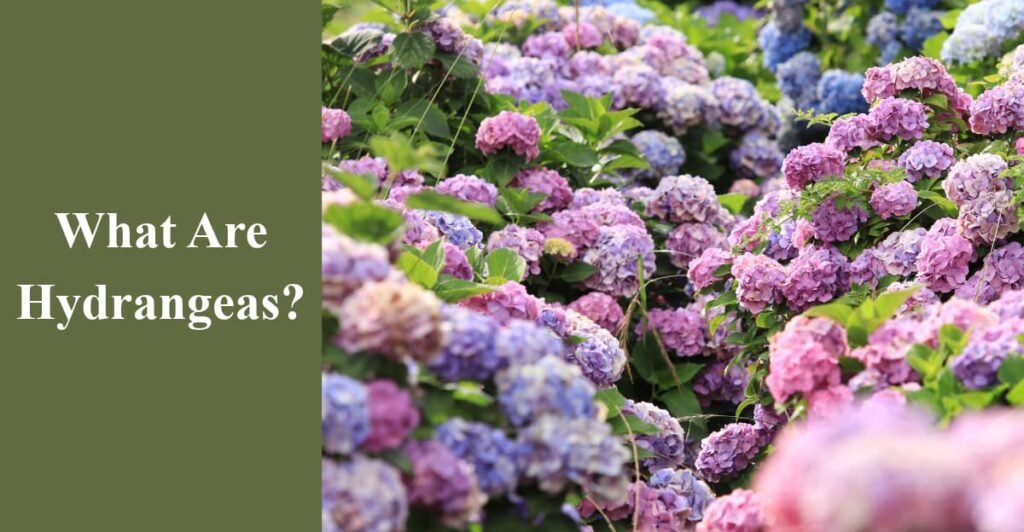
Hydrangeas are a genus of approximately 75 species of flowering plants native to Asia and the Americas. Their name comes from the Greek words hydor (water) and angos (jar or vessel), referring to their consistent moisture needs and seed capsules. These woody shrubs are usually deciduous, losing their leaves in winter, while dried flower heads provide structural interest during the colder months.
In botany, hydrangeas have two types of flowers: small fertile flowers in the center and large, showy flowers that are sterile on the outside. This unique arrangement creates the familiar mophead and lacecap appearance, while understanding plant anatomy, flower buds, old wood, new wood, and flower development helps with successful pruning and maintenance.
I find that learning the moisture requirements and pruning requirements of different hydrangea plants makes their care much easier and keeps their winter interest attractive.
Why Hydrangeas Are So Popular Among Gardeners
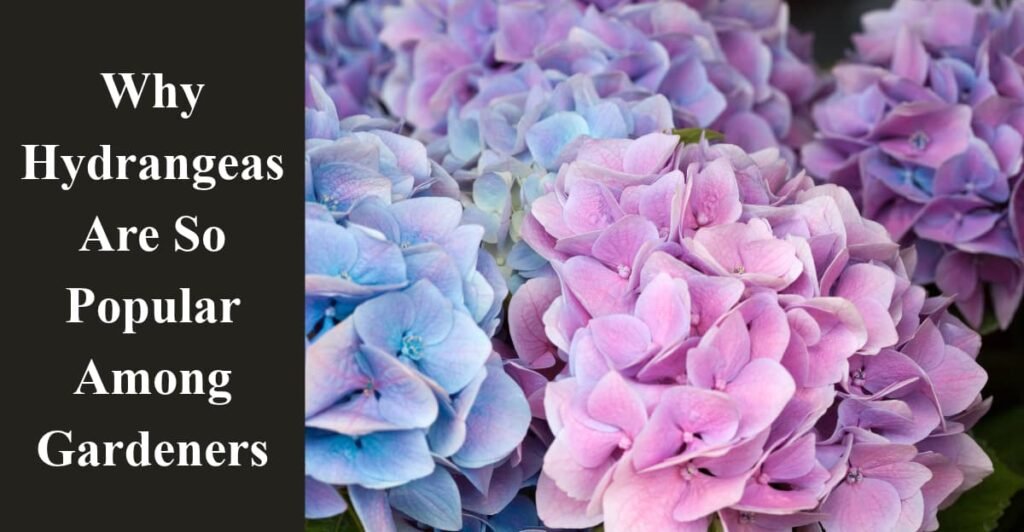
Hydrangeas have lasting popularity among gardeners because of their versatility and impressive floral display. A mature hydrangea in full bloom can transform garden spaces, while these shrubs work well as foundation plants, privacy screens, or standalone specimens. Their ability to handle different light conditions, including full sun and dappled shade, makes them suitable for various yard layouts, from cottage gardens to modern landscapes and structured landscapes.
Their long blooming season, often from early summer to the first frost, adds lasting seasonal color and landscape beauty to a colorful garden. Dried blooms also work beautifully in floral arrangements and indoor decoration, extending their appeal beyond the garden through thoughtful garden design. Their value as ornamental shrubs and flowering plants also supports garden versatility, landscape structure, privacy planting, and attractive specimen plants while offering options for both sunlight and shade.
I have found hydrangeas especially useful when planning a mixed garden because their floral display adds structure while their changing seasonal presence keeps the landscape interesting.
Most Popular Types of Hydrangeas
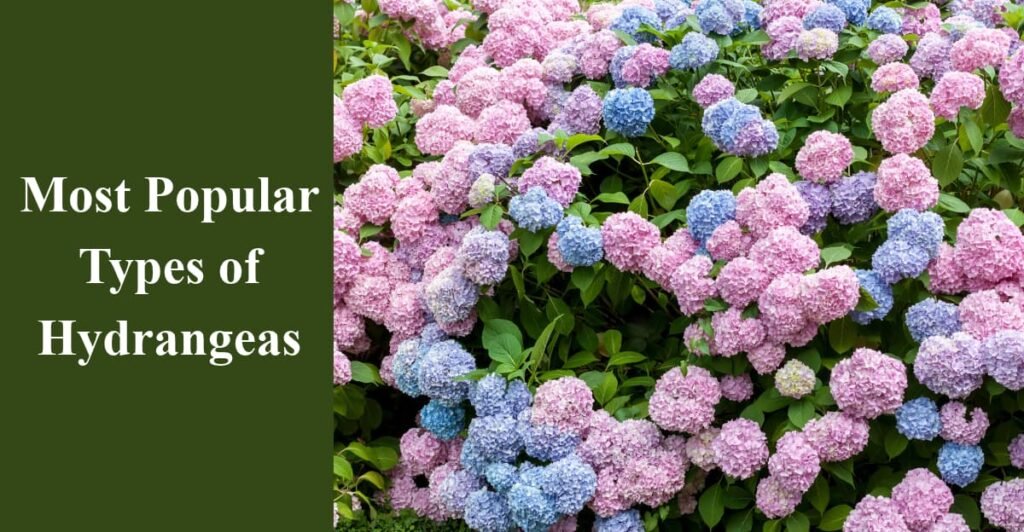
Flowers that start with hydrangeas include diverse hydrangea types and hydrangea varieties within the same genus and range of species. Their different growth habits and requirements make these flowering shrubs versatile garden plants, giving gardeners plenty of options for various landscapes and growing conditions.
Bigleaf Hydrangea (Hydrangea macrophylla)
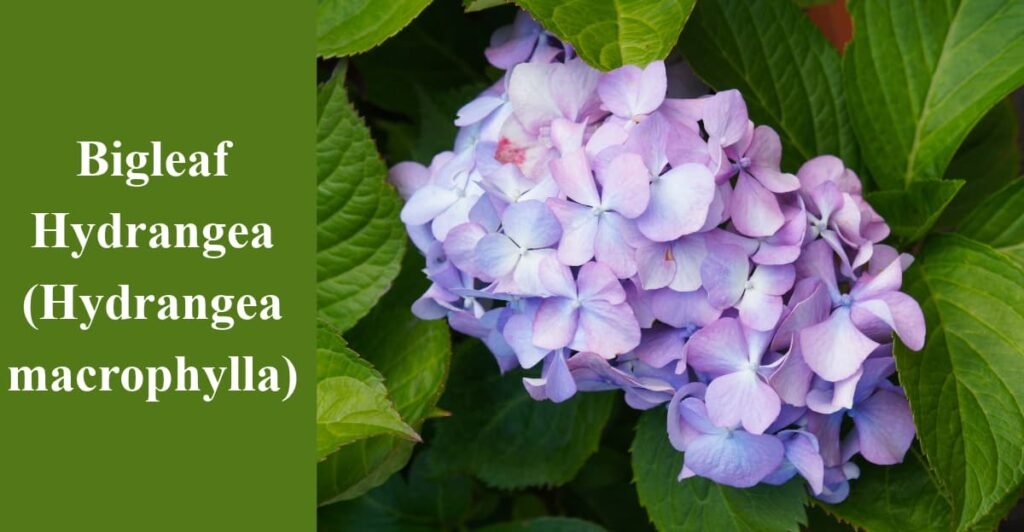
Bigleaf Hydrangea (Hydrangea macrophylla) is known for its beautiful mophead and lacecap forms, with varieties that can show dramatic color change depending on soil chemistry. It prefers morning sun and afternoon shade, especially in warmer climates, because its large leaves can suffer wilting in extreme heat, although these popular flowering plants reward proper care with abundant blooms.
Panicle Hydrangea (Hydrangea paniculata)
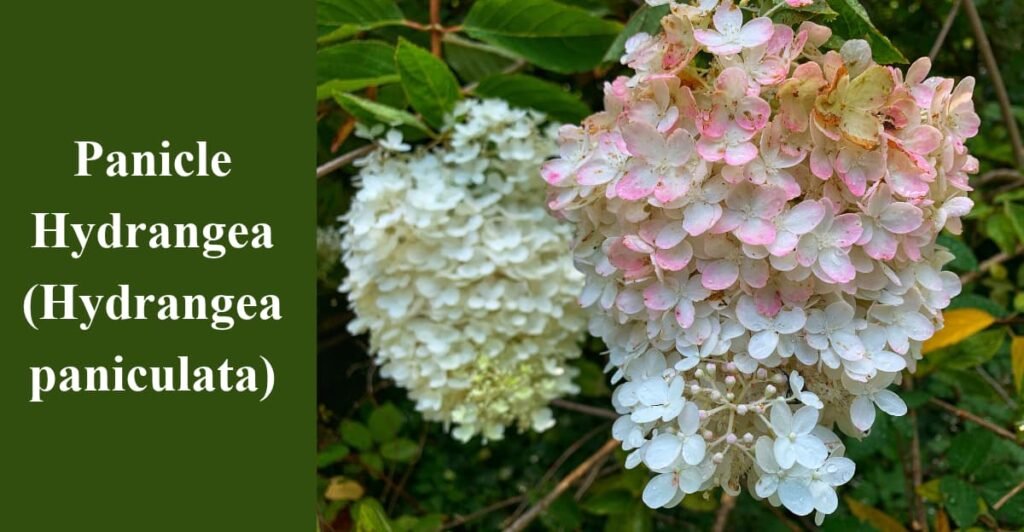
Panicle Hydrangea (Hydrangea paniculata) is a hardy choice that produces impressive cone-shaped flower clusters that can shift from creamy white to pink and strawberry tones as the temperature changes. It thrives in full sun, performs well in urban environments and colder zones, and adds reliable beauty as a flowering shrub with attractive flower clusters.
Smooth Hydrangea (Hydrangea arborescens)
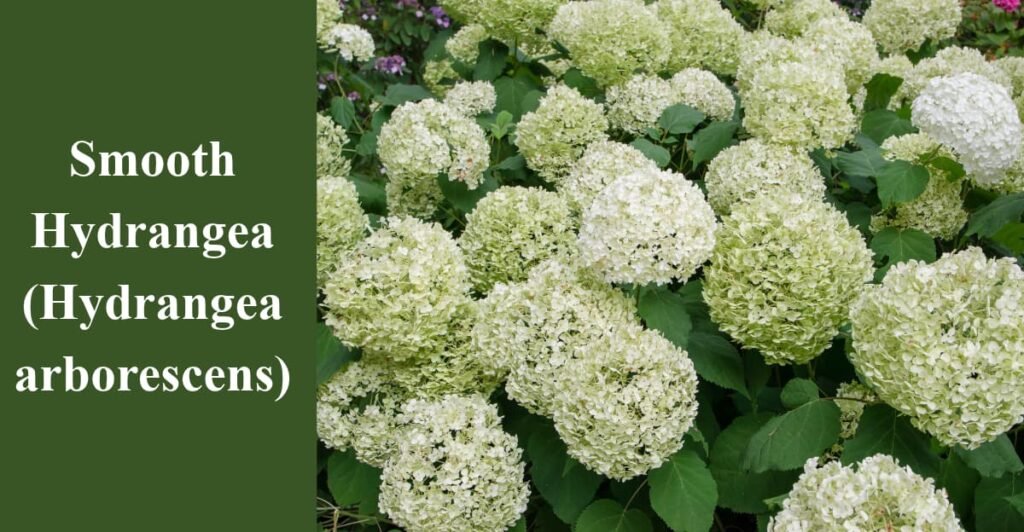
Smooth Hydrangea (Hydrangea arborescens) is native to the United States and forms attractive shrubs with massive blooms, including the famous snowball-like white blooms of Annabelle. As a garden staple, it flowers on new wood, so pruning in late winter can encourage fresh flowers while allowing the plant to return strongly from the ground.
Oakleaf Hydrangea (Hydrangea quercifolia)
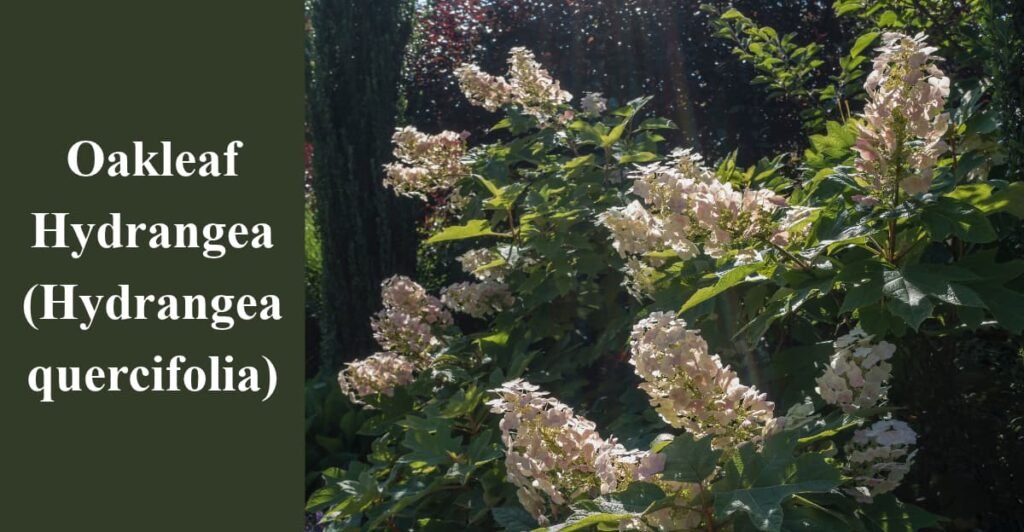
Oakleaf Hydrangea (Hydrangea quercifolia) stands out for its distinctive foliage shaped like an oak leaf and its multi-season interest. Along with white panicle flowers, its leaves develop deep red and mahogany tones in fall, while exfoliating bark adds natural texture and extra seasonal interest to the winter garden.
Mountain Hydrangea (Hydrangea serrata)
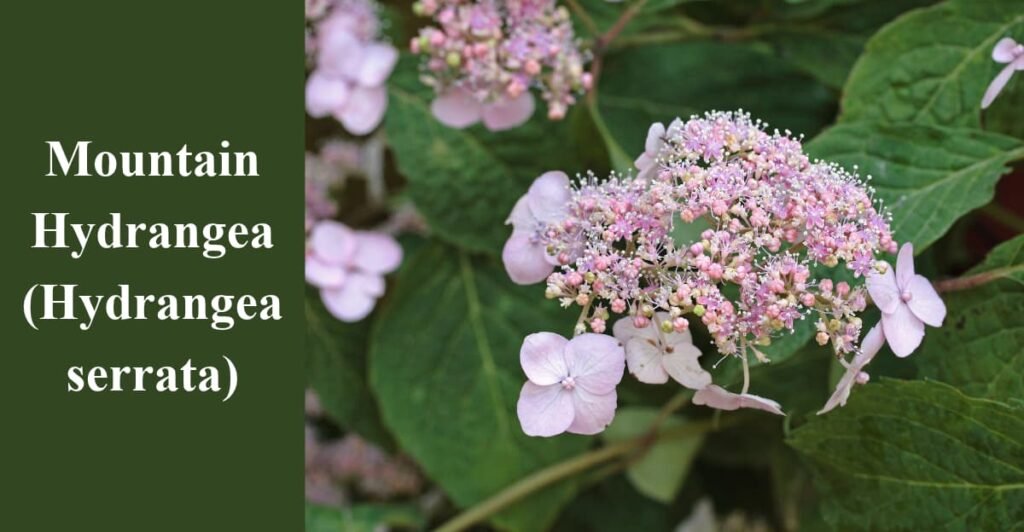
Mountain Hydrangea (Hydrangea serrata) is a Bigleaf relative valued for its compact growth, hardier nature, smaller leaves, and delicate lacecap blooms. It performs especially well in cooler regions, making it a useful choice where Bigleaf varieties may struggle to bloom consistently. As a hydrangea species and one of the attractive ornamental plants, it adds refined texture and reliable flowering to the garden.
Hydrangea Flower Colors and What They Mean
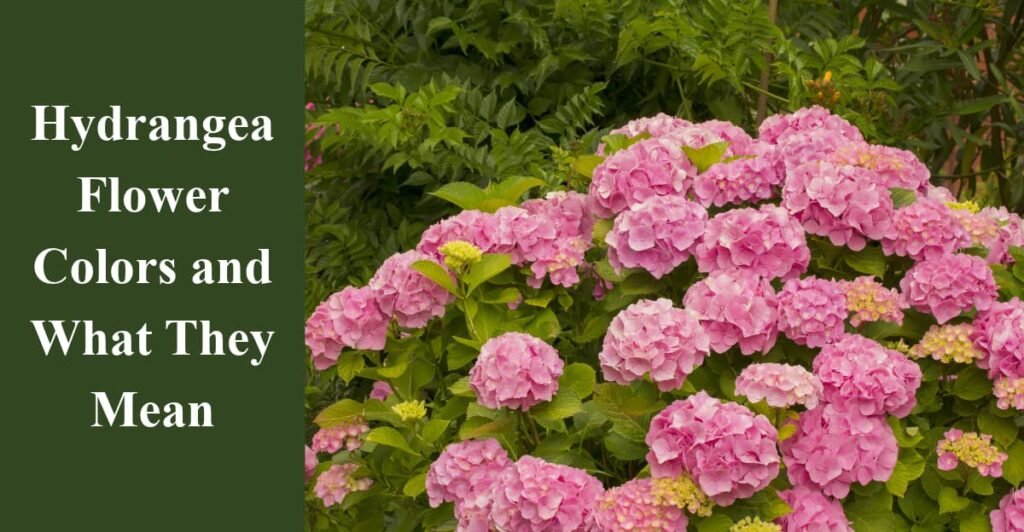
Hydrangea flower colors add more than physical beauty to a garden because they carry cultural significance, symbolic weight, and strong emotional meaning. Blue hydrangeas can express apology, regret, and deep understanding, while pink hydrangeas represent heartfelt emotion, romance, and sincerity. White hydrangeas are associated with purity, grace, and abundance, making them popular for wedding arrangements, while purple hydrangeas can suggest deeper understanding, wealth, and royalty.
- Blue: apologies, peace offerings, and deep understanding.
- Pink: romance, heartfelt emotion, anniversary, and Mother’s Day.
- White: purity, grace, weddings, and formal events.
- Purple: abundance, pride, wealth, and celebration of success.
These meanings remain useful in 2026 floral trends, where blue, pink, white, and purple blooms can be selected according to symbolic meaning, common usage, and decorative intent. For gardeners, choosing the right hydrangea variety adds floral symbolism, garden beauty, and ornamental flowers to a thoughtful planting or flower selection.
Where Hydrangeas Grow Best
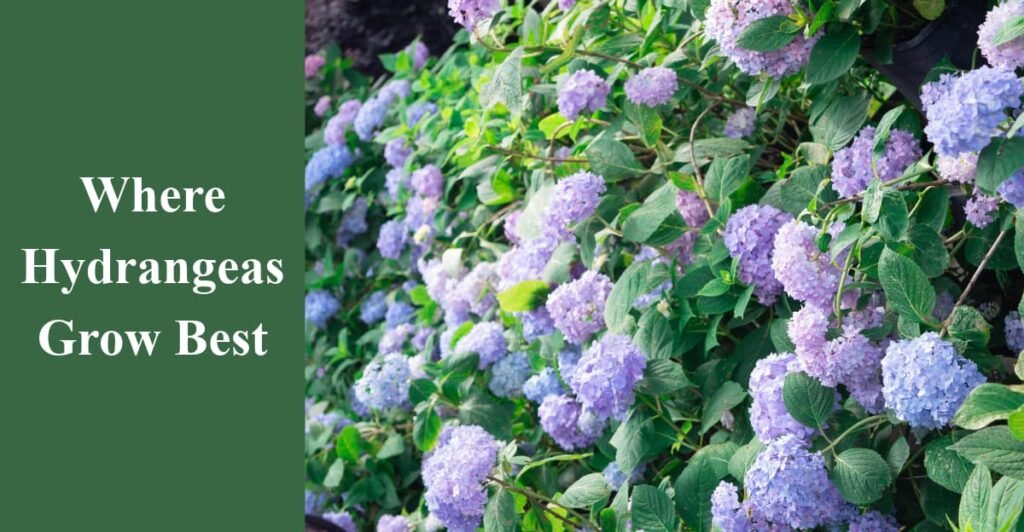
Hydrangeas perform best when their ideal location, USDA Hardiness Zone, and specific light requirements match the variety. Most grow well across Zone 3 to Zone 9, with morning sun, dappled shade, and protection from harsh afternoon sun helping maintain healthy growth.
Choose well-draining soil rich in organic matter, avoiding wet feet and standing water, which can cause root rot. Protect large-leaf varieties from strong winds and drying winds that may cause foliage scorching, while considering local garden conditions and the overall growing environment.
I find hydrangeas perform much better when sunlight, soil drainage, and wind protection are balanced from the beginning.
How to Plant Hydrangeas Successfully
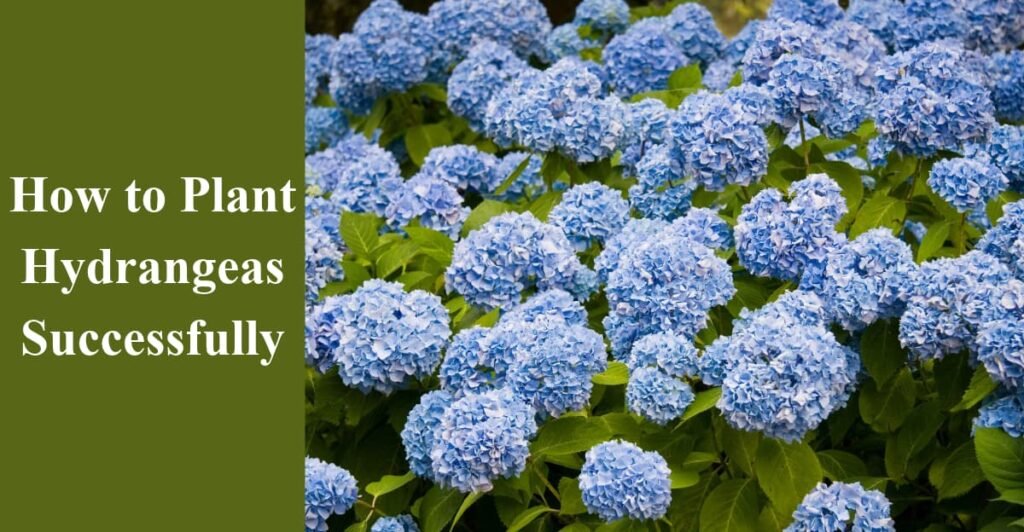
Plant hydrangeas in spring or fall when mild temperatures support successful planting and proper installation. Prepare a wide planting hole, position the root ball correctly, and improve the soil with compost or well-rotted manure to support drainage and nutrient content.
After checking the plant position and soil surface, water thoroughly to saturate the soil and remove air pockets. Add mulch, such as wood chips or pine bark, to improve moisture retention, regulate soil temperature, encourage root growth, and maintain suitable planting depth in the garden soil.
I have had the best results when I water deeply after planting and use a light mulch layer to keep the root area evenly moist.
Hydrangea Care and Maintenance Tips
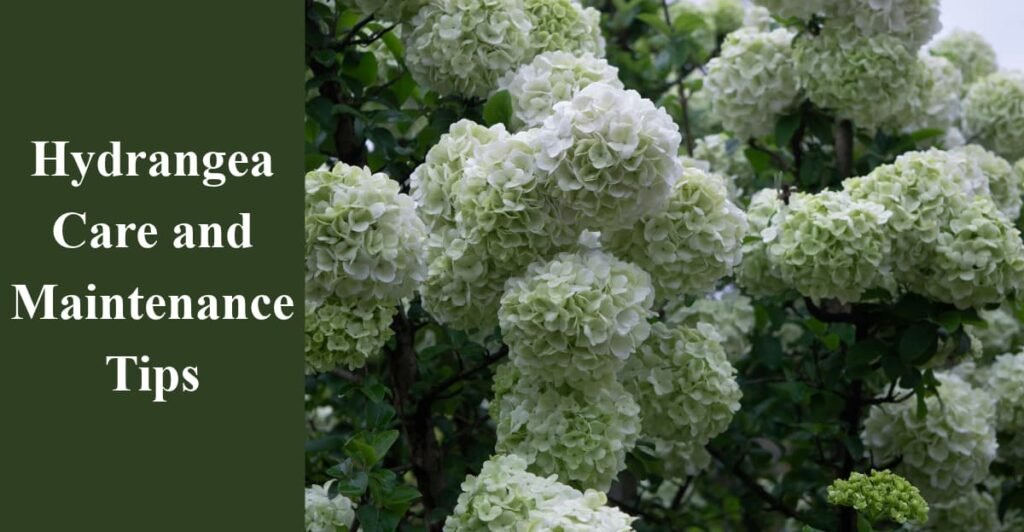
Proper hydrangea care and maintenance help keep healthy hydrangeas vigorous, colorful, and productive. A good balance of hydration, nutrition, and pruning is especially important because their high transpiration rate increases water needs during hot weather.
- Watering: Provide constant watering, especially during July and August heat, aiming for about 1 inch of water per week. Water at the plant base to keep dry leaves and reduce fungal diseases such as powdery mildew.
- Fertilizing: Apply a balanced fertilizer or slow-release fertilizer in early spring. Avoid high-nitrogen products and over-fertilizing, which can produce abundant green leaves but fewer flowers.
- Pruning: Follow the flowering habit carefully. Bigleaf and Oakleaf hydrangeas flower on old wood, while Panicle and Smooth hydrangeas flower on new wood and are generally pruned in late winter or early spring.
- Landscape Maintenance: Consistent care keeps your hydrangea collection healthy and supports a healthy landscape and vibrant landscape for decades, while preserving the beauty of these flowering plants.
I have found that consistent watering and pruning at the correct time make the biggest difference in keeping hydrangeas healthy and full of flowers.
Conclusion
Hydrangeas offer stunning blooms, versatile varieties, and lasting garden beauty for gardeners of many experience levels. From Bigleaf and Panicle Hydrangeas to Oakleaf and Mountain Hydrangeas, each type brings unique color, shape, and growing needs. With the right sunlight, soil, watering, pruning, and seasonal care, hydrangeas can thrive and beautify your landscape for years. Choose the right variety for your garden and start growing these beautiful flowering shrubs with confidence.
Frequently Asked Questions
1. How many types of hydrangeas are there?
There are several popular types, including Bigleaf, Panicle, Smooth, Oakleaf, and Mountain Hydrangeas, each with different growth habits and care needs.
2. Can hydrangeas change flower color?
Yes. Some Bigleaf Hydrangeas can change between blue and pink shades depending on soil chemistry, particularly soil acidity and aluminum availability.
3. How much sunlight do hydrangeas need?
Most hydrangeas prefer morning sun and afternoon shade, although Panicle Hydrangeas generally tolerate and perform well in full sun with adequate moisture.
4. When should hydrangeas be pruned?
Pruning depends on the variety. Bigleaf and Oakleaf Hydrangeas generally bloom on old wood, while Panicle and Smooth Hydrangeas bloom on new wood and are commonly pruned in late winter or early spring.
Please Write Your Comments