National Flower of El Salvador: Meaning, History, and Symbolism of the Flor de Izote
Updated: September 20, 2026
15
Discover the National Flower of El Salvador, the beautiful Flor de Izote, a striking symbol of resilience, heritage, and Salvadoran identity. Explore its meaning, history, symbolism, cultural importance, and traditional uses, from its creamy white blooms to its role in Salvadoran cuisine. Keep reading to uncover why this versatile flower remains one of El Salvador’s most cherished national treasures.
Table of Contents
What Is the National Flower of El Salvador?
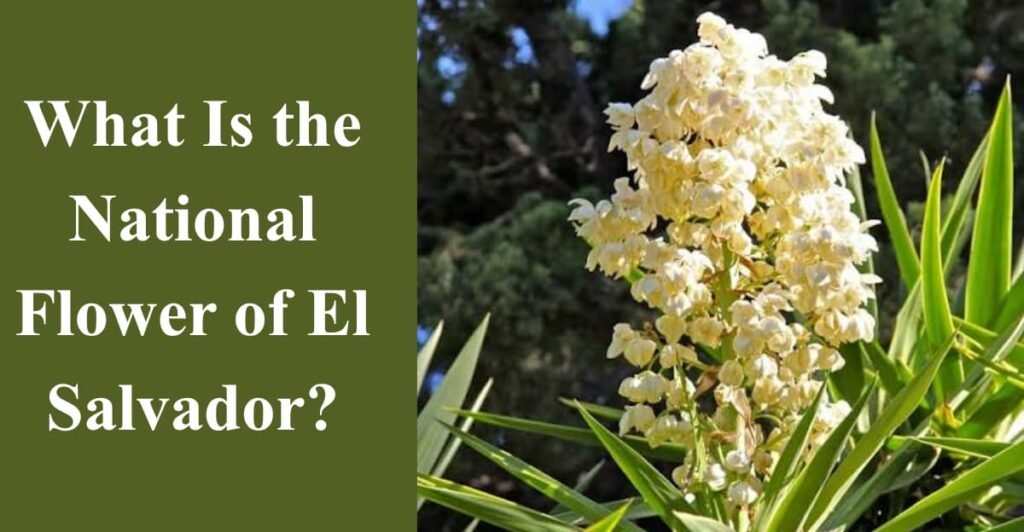
The national flower of El Salvador, Flor de Izote, stands apart from the delicate blossoms and rare blossoms selected by other nations because this robust plant, hardy plant, and versatile plant reflects the spirit of the Salvadoran people. Belonging to the Yucca genus, the Izote produces large blooms, creamy white blooms, and heavy clusters, making it more than a pretty sight as a functional plant woven into the daily lives of the population for centuries.
From my botanical experience, I find the Izote especially remarkable because its beauty and practical value coexist naturally.
Why Flor de Izote Was Chosen as the National Flower
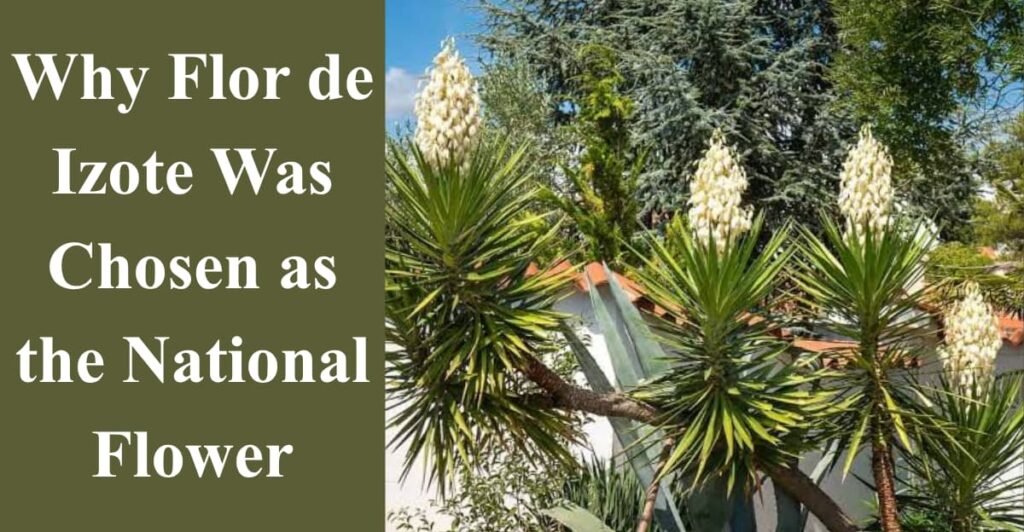
The Flor de Izote was a deliberate selection, chosen to honor the country’s natural heritage, with resilience, utility, and abundance reflecting a land shaped by volcanic activity. The Izote thrives where other plants may struggle, showing an ability to grow in diverse conditions, while its multifaceted uses, including food source and natural fencing, made it a perfect candidate to represent a nation known for hard work and perseverance.
In my experience studying useful plants, the Izote stands out as a strong example of how natural adaptability can become cultural symbolism.
Scientific Name and Classification of Flor de Izote
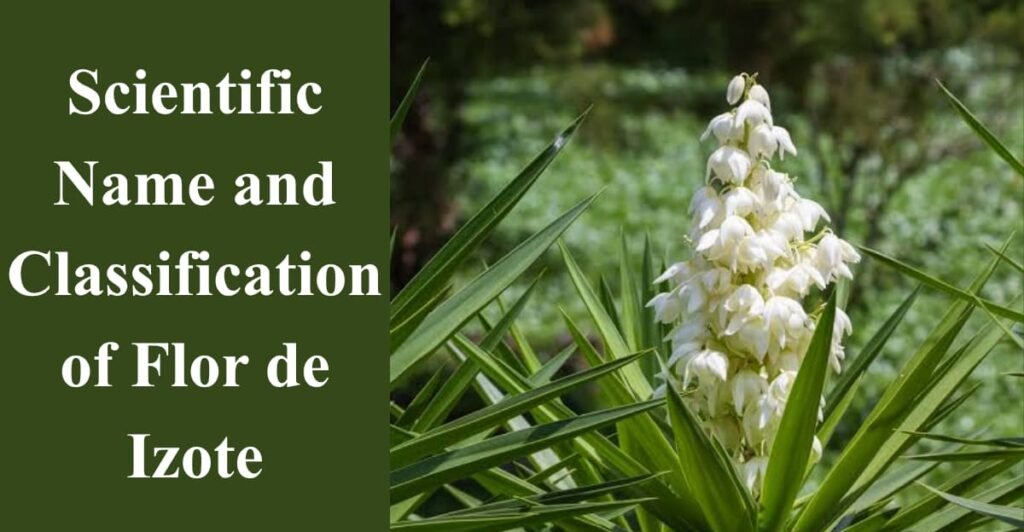
From a botanical perspective, the Scientific Name and Classification of Flor de Izote identifies this plant as Yucca guatemalensis, officially known by this name and formerly categorized as Yucca elephantipes because its trunk bears a resemblance to an elephant’s foot. Its classification places it within the Asparagaceae family, alongside hardy succulents and agaves, while the evergreen shrub can reach heights of 10 meters and develops sword-shaped leaves that remain green year-round.
Through my botanical observations, the plant’s evergreen structure and distinctive trunk make its classification particularly easy to recognize.
History of El Salvador’s National Flower
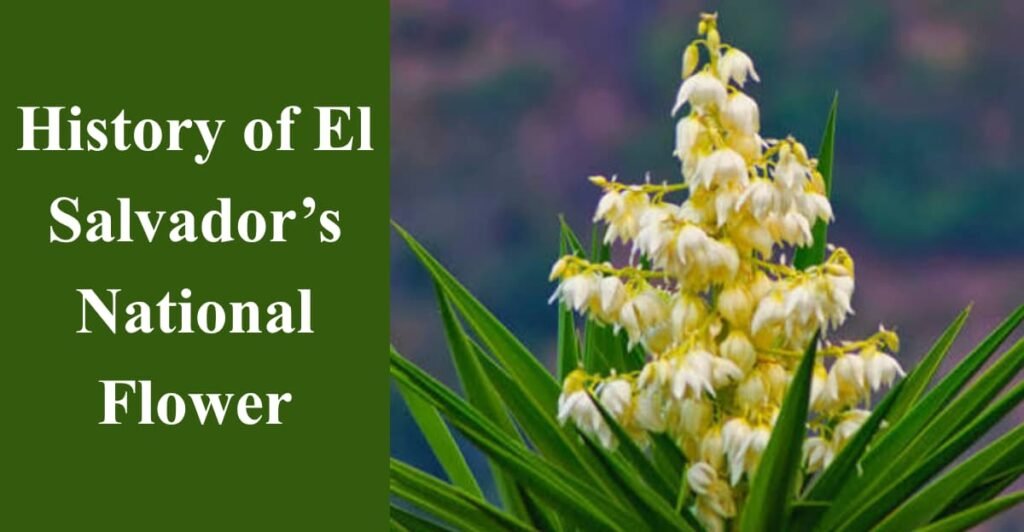
The History of El Salvador’s National Flower follows an important legislative journey, as this popular symbol was officially recognized by the Legislative Assembly on September 21, 1995, when a decree formalized its status and supported its protection and promotion as a patriotic symbol. Historically, the indigenous Pipil people utilized the plant long before colonial times, creating a cultural bridge between the pre-Columbian era and the modern state.
From a historical and botanical perspective, I find this connection between indigenous traditions and national recognition especially significant.
Meaning and Symbolism of the Flor de Izote
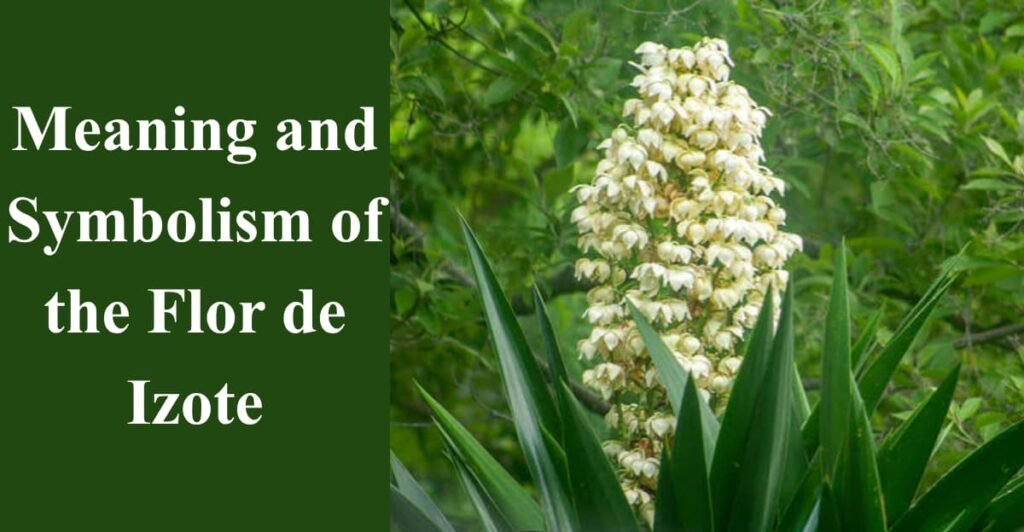
The meaning and symbolism of the Flor de Izote is deeply connected to Salvadoran identity, with its white color representing purity and peace, while its strong trunk and sharp leaves suggest strength and protection of the homeland. Because the flower is edible, it also conveys sustenance and earth’s generosity, reflecting a culture that recognizes beauty in what is useful and embraces a national symbol that is both aesthetic and life-giving.
In my experience with plant symbolism, the Izote is especially compelling because its physical characteristics closely reinforce its cultural meaning.
Physical Characteristics of the National Flower
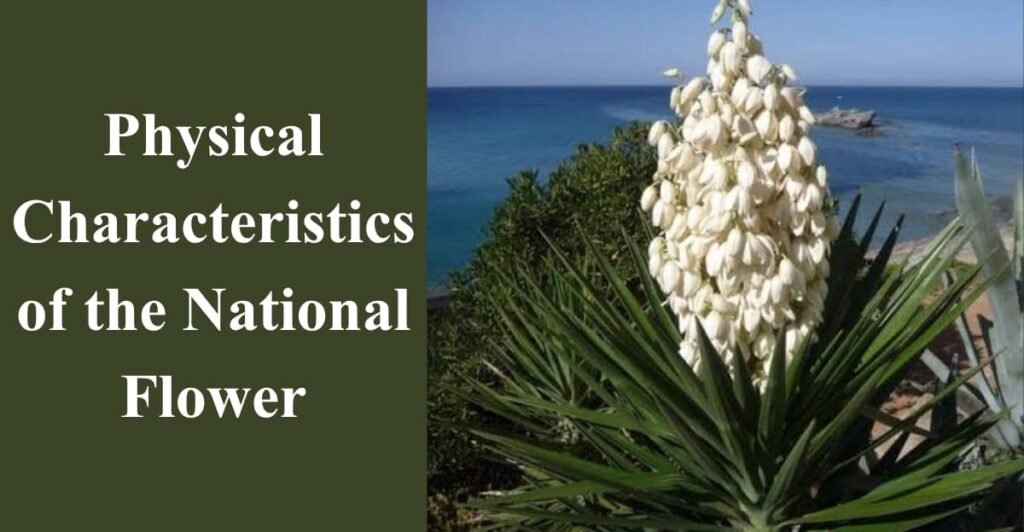
The Physical Characteristics of the National Flower make the Flor de Izote easy to recognize, from its blooming clusters and bell-shaped flowers to its distinctive foliage and sturdy trunk. Its structure combines elegant floral features with adaptations that support water storage during dry periods, helping the plant remain hardy in challenging conditions.
Flowers: The flowers grow in blooming clusters on long stalks that rise from the center of the leaf rosettes, creating a noticeable floral display.
Leaves: The leaves are stiff and dark green, while the absence of sharp spines found in some Yucca species gives this plant its familiar name, spineless yucca.
Petals: The flowers have waxy, thick, ivory-colored petals that contribute to the plant’s distinctive and attractive appearance.
Trunk: The trunk has a thick, bulbous base designed for water storage, an important adaptation that helps the plant endure extended dry periods.
Where the Flor de Izote Grows Naturally
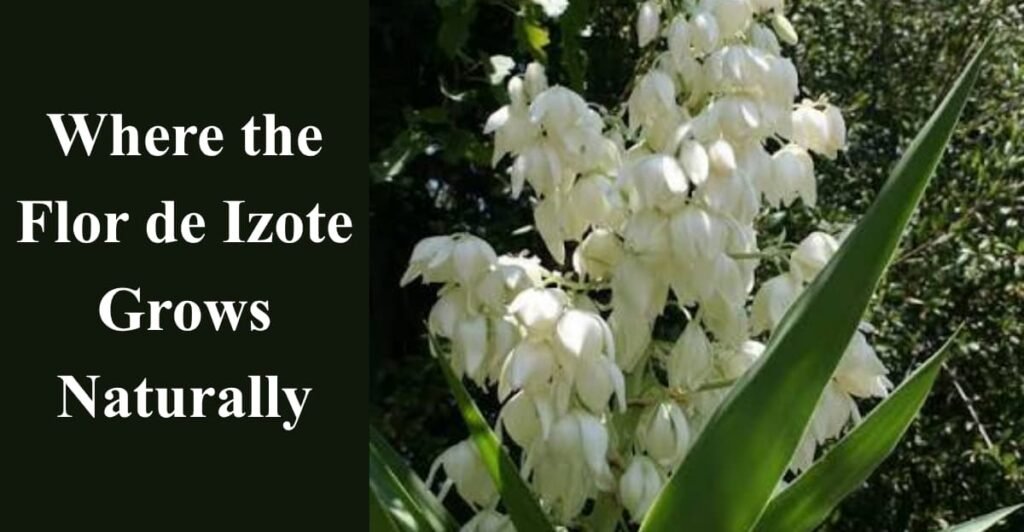
The Flor de Izote grows naturally throughout the Central American region, especially across Central America and El Salvador, where it is particularly prolific in the volcanic highlands of Santa Ana, San Salvador, and La Libertad. Its presence is a common sight along domestic gardens, mountain trails, and coffee plantations, where its easy to propagate nature makes it useful for marking boundaries throughout the Salvadoran landscape.
From my botanical experience, I find the Izote’s ability to thrive across varied landscapes especially impressive.
Climate and Growing Conditions of Flor de Izote
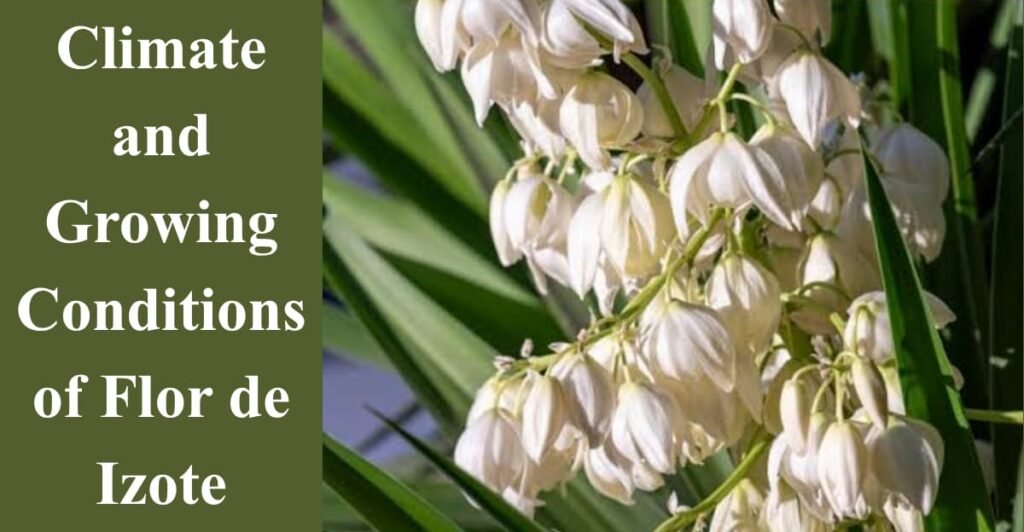
The Climate and Growing Conditions of Flor de Izote are remarkably flexible, allowing this hardy plant to thrive in tropical environments and subtropical environments. In 2026, it remains popular for sustainable landscaping because it needs little water, tolerates challenging conditions, and can adapt to the changing climate, dry seasons, and diverse conditions across the tropics.
Sunlight: The Flor de Izote grows well in full sun to partial shade, making it adaptable to different garden settings.
Soil Type: It prefers well-drained soil, including sandy soil and volcanic soil, which prevents excess moisture around the roots.
Temperature: The plant thrives at a temperature range of 18°C to 35°C, supporting healthy growth in warm regions.
Maintenance: Maintenance is extremely low because it becomes drought-tolerant once established, making it a low-maintenance plant that is widespread, adapts easily, and survives prolonged dry conditions.
Cultural Importance of the National Flower in El Salvador
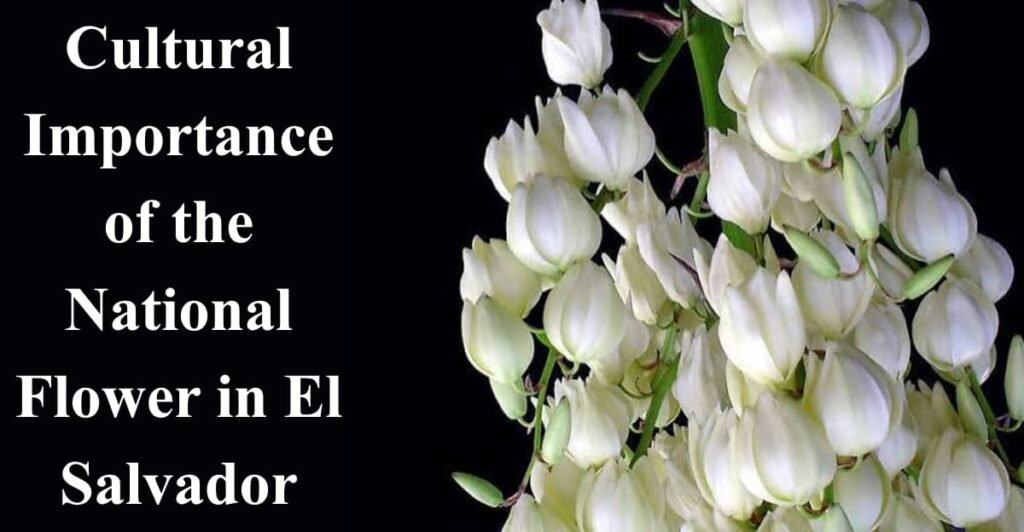
The Cultural Importance of the National Flower in El Salvador is reflected through folkloric art, school textbooks, government seals, and expressions of national pride in poetry and songs celebrating Cuscatlán, the ancient name for the region. For Salvadorans living abroad, the Izote flower remains a powerful reminder of their roots, heritage, and the enduring beauty of their homeland.
From my experience exploring cultural plants, I find the Izote especially meaningful because it keeps heritage visible across generations and borders.
Traditional Uses of Flor de Izote
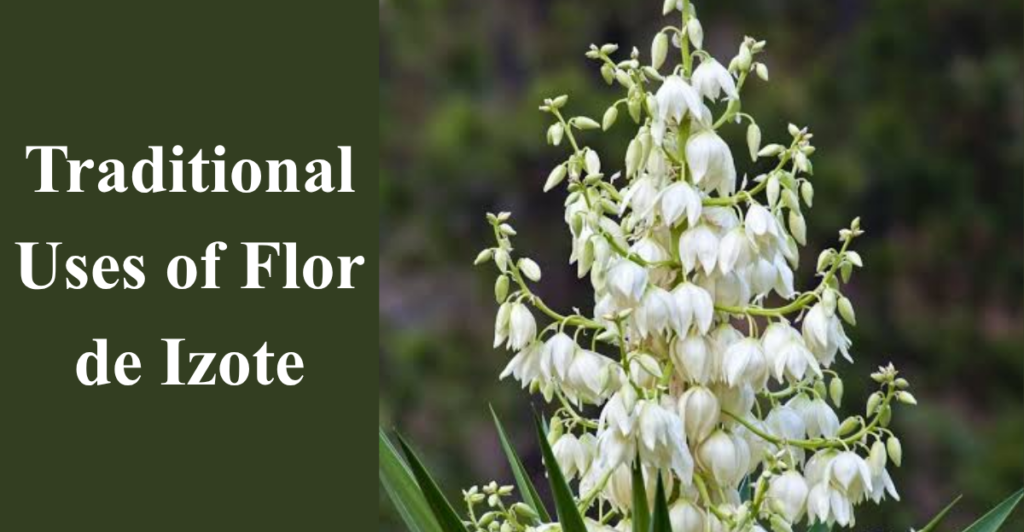
The Traditional Uses of Flor de Izote reveal its remarkable versatility beyond its role as a national symbol, with fibers from its leaves traditionally used for twine and cloth, while its roots contain saponins useful for making natural soap and shampoo. Its sturdy trunk also contributes to construction in rural homes and can serve as a living fence that helps prevent cattle from straying.
In my botanical experience, I consider the Izote a particularly valuable plant because nearly every part demonstrates practical usefulness.
Flor de Izote in Salvadoran Cuisine
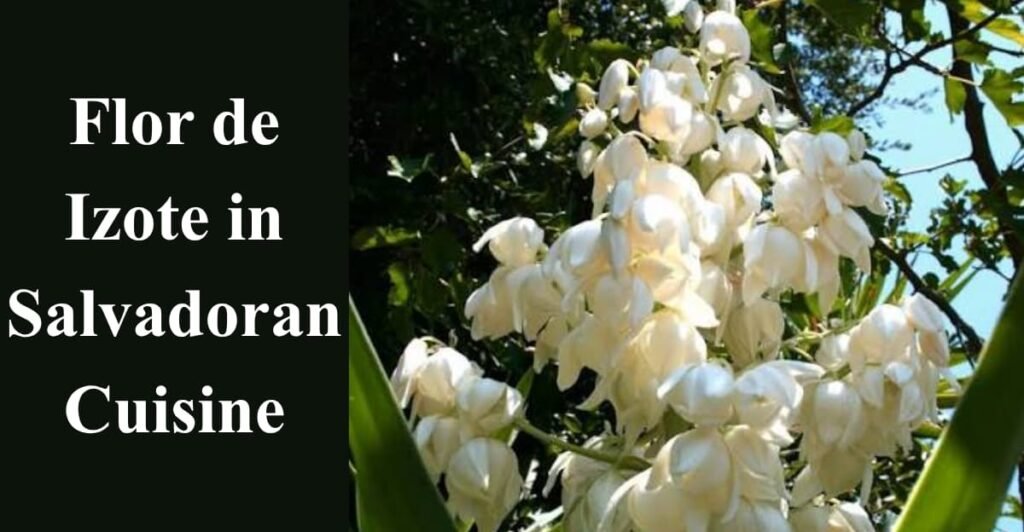
The Flor de Izote in Salvadoran Cuisine is a fascinating aspect of Salvadoran food culture and a cherished seasonal delicacy. Harvested between April and June, its distinctive bitter-sweet flavor makes it a staple in traditional recipes, keeping each generation connected to the national flower through a living gastronomic tradition.
Preparing the Flower: Cooks remove the bitter centers and pistils from the buds, then parboil the petals in salted water to soften and prepare them for cooking.
Traditional Recipes: The prepared petals are sauté with onions, tomatoes, and green peppers, or combined with scrambled eggs and beef stews to create flavorful Salvadoran dishes.
Cultural Connection: This gastronomic tradition preserves the relationship between food and heritage, allowing every generation to experience the national flower through its unique sense of taste.
Festivals and Celebrations Featuring Flor de Izote
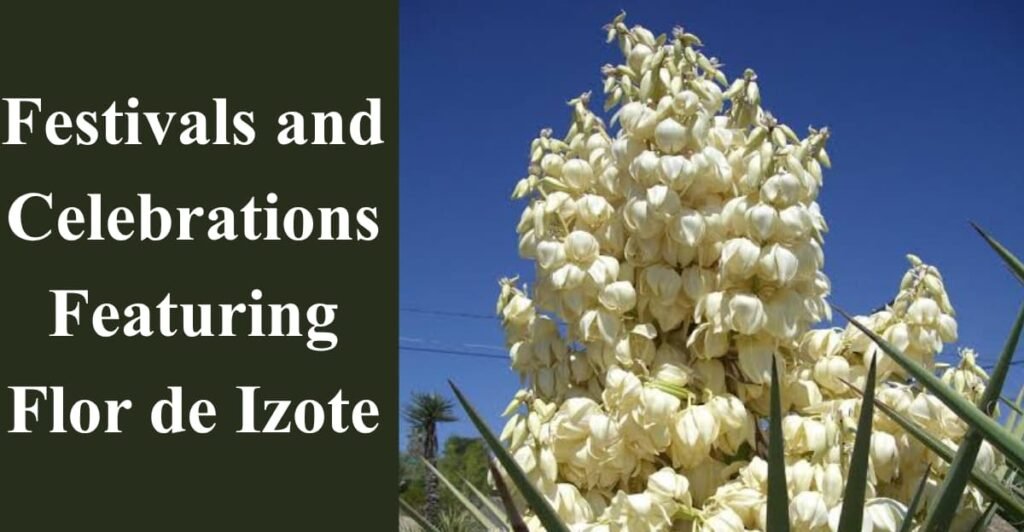
During patriotic months, especially September, Festivals and Celebrations Featuring Flor de Izote take place throughout the country, where school children wear traditional costumes decorated with floral motifs and culinary fairs showcase Izote-based dishes. These events strengthen the bond between the environment and community, honoring the plant as a living monument through meaningful celebrations.
From my experience studying cultural plants, I find these celebrations especially valuable because they connect botanical heritage with community traditions.
Interesting Facts About El Salvador’s National Flower
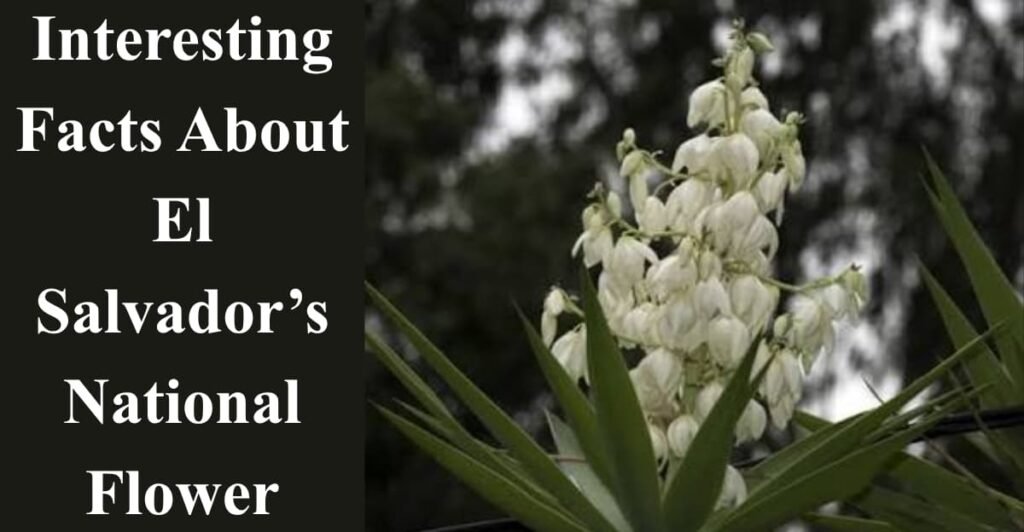
The national flower of El Salvador, the Izote, stands out among national flowers around the world because this versatile plant combines cultural importance, food value, and remarkable durability. It can be eaten as a vegetable, remains resistant to pests and diseases, and is considered an eco-friendly choice for farmers, while in 2026, interest continues in its medicinal properties and antioxidant content.
Edible and Resistant: The Izote is an unusual national flower because it is commonly consumed as a vegetable and is naturally resistant to many pests and diseases, reducing the need for intensive plant protection.
Medicinal Interest: In 2026, the plant continues to attract attention for its potential medicinal properties, particularly because of its antioxidant content, adding another dimension to its traditional value.
Long-Lived Plant: The Izote can survive for decades, and some specimens in El Salvador have reached 50 years old, demonstrating the exceptional longevity and adaptability of this remarkable flower.
How Flor de Izote Represents Salvadoran Identity
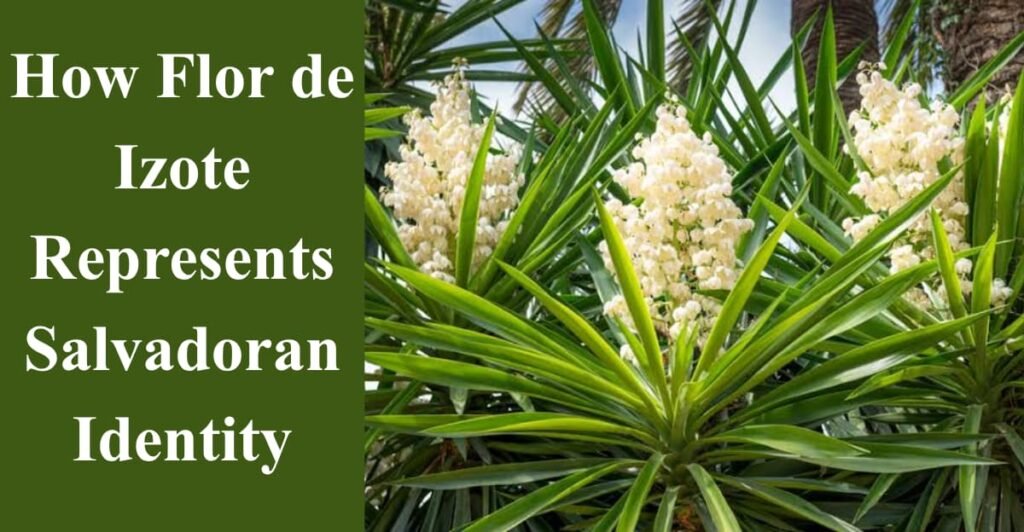
The Flor de Izote Represents Salvadoran Identity by reflecting the history and experiences of its people in El Salvador, where the flower symbolizes resilience despite natural disasters and social challenges. Its ability to bloom, remain strong, useful, and beautiful, and thrive in the face of adversity creates a powerful metaphor for the Salvadoran spirit, making it a symbol of survival and human ability.
In my experience with botanical symbolism, the Izote is a striking example of how a plant can mirror the strength and resilience of an entire people.
Flor de Izote vs Other National Flowers in Central America
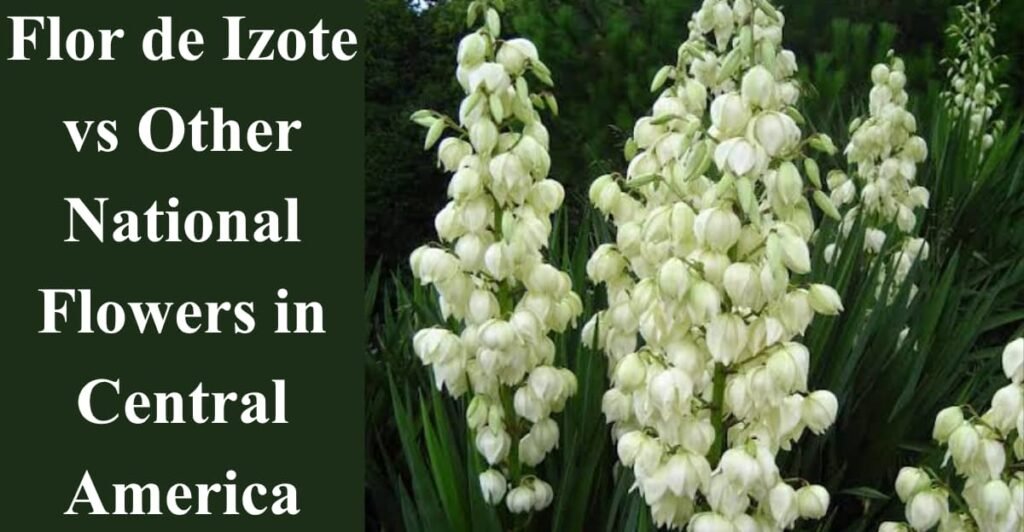
The Flor de Izote vs Other National Flowers in Central America reveals an interesting contrast between El Salvador and its neighboring countries, where orchids are often selected for being rare, fragile, and visually striking, while El Salvador chose the Yucca for being sturdy, common, and deeply connected to everyday life. This comparison highlights the practical nature of Salvadoran culture, valuing utility, strength, the enduring, and the beneficial rather than simply the exotic.
Guatemala: The Monja Blanca, an Orchid, represents beauty and rarity, reflecting the country’s appreciation for an elegant and uncommon national flower.
Honduras: Rhyncholaelia digbyana, another Orchid, is associated with exotic elegance, offering a delicate contrast to the hardy nature of the Izote.
El Salvador: The Flor de Izote represents utility and strength, serving as an ultimate emblem of the nation because it is not merely a flower to be looked at, but one to be lived with, eaten, used, and valued to build a life.
Conclusion
The National Flower of El Salvador, the Flor de Izote, beautifully represents the country’s resilience, cultural heritage, and strong connection with nature. From its history and symbolism to its role in Salvadoran cuisine, traditions, and daily life, this versatile flower carries meaning far beyond its beauty. Explore the Flor de Izote to better understand why it remains a cherished symbol of Salvadoran identity and national pride.
Frequently Asked Questions
1. What is the national flower of El Salvador?
The Flor de Izote is the national flower of El Salvador, recognized for its creamy white blooms, resilience, practical uses, and deep connection to Salvadoran culture.
2. What does the Flor de Izote symbolize?
The Flor de Izote symbolizes resilience, strength, purity, peace, protection, sustenance, and national identity, reflecting the character and heritage of the Salvadoran people.
3. What is the scientific name of the Flor de Izote?
The Flor de Izote is commonly identified as Yucca guatemalensis, a member of the Asparagaceae family and a hardy evergreen plant.
4. When was Flor de Izote declared the national flower of El Salvador?
The Flor de Izote was officially recognized as El Salvador’s national flower by the Legislative Assembly on September 21, 1995.
Please Write Your Comments