How to Dose Fertilizers for Plants [Avoid Root Burn]
Updated: October 18, 2026
4
A little fertilizer can transform your garden, but too much can burn roots and damage your favorite plants. Learning how to dose fertilizers for plants helps you maintain healthy growth, lush leaves, and beautiful blooms without wasting money. Discover simple dosing tips and practical tricks to feed your plants safely, read on and give your garden the care it deserves!
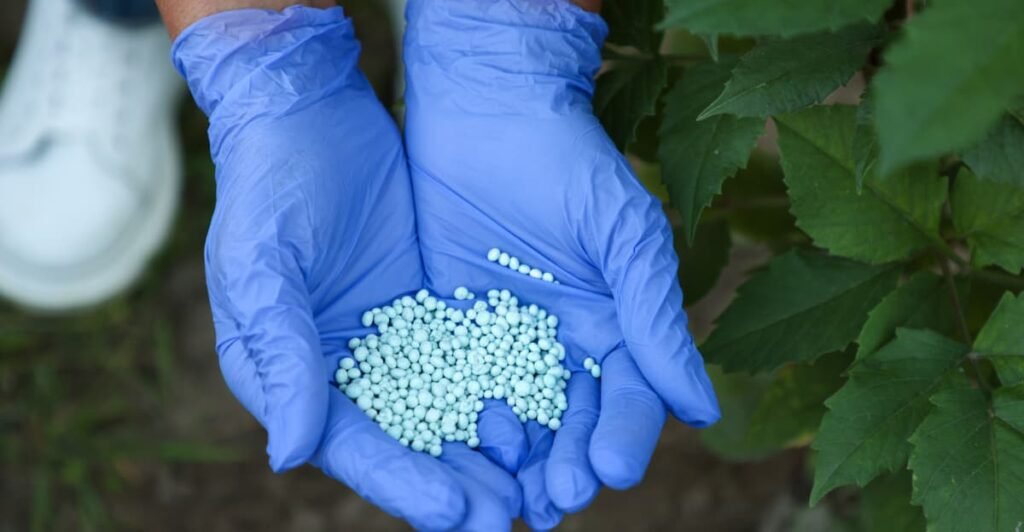
Table of Contents
How to Choose the Right Plant Fertilizer
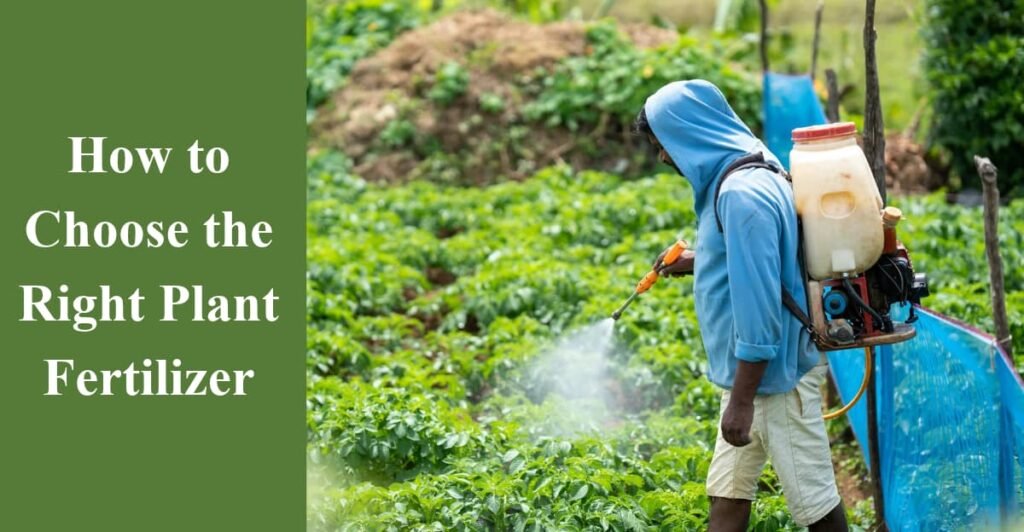
Choosing the right fertilizer depends on your plants’ needs and growing conditions. For indoor plants, start with half or quarter strength to prevent root burn, while liquid fertilizer can provide quick nutrients to container vegetables and plants showing signs of weakness.
For leafy crops like spinach and kale, nitrogen supports healthy foliage, while compost, bone meal, and fish emulsion are useful options for organic gardens. Roses and perennials benefit from balanced nutrition for better blooms, while air plants and aquarium plants need fertilizers specially formulated for their growing environments.
I prefer starting with a mild dose and observing new growth before increasing the amount. This simple habit helps prevent fertilizer damage and keeps plants healthy.
Why Fertilizer Dosage Matters
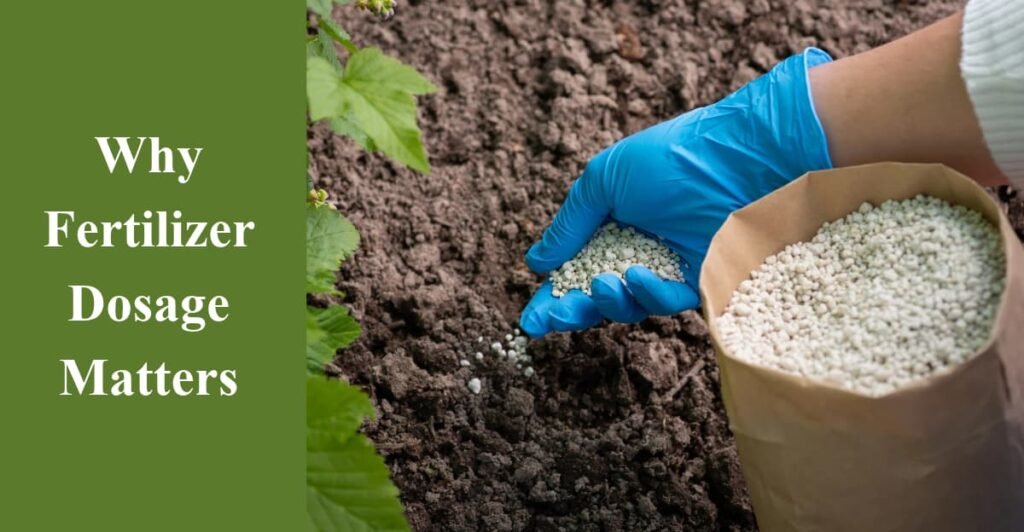
The right fertilizer dosage helps maintain soil fertility, supports plant health, and encourages steady garden growth. Both over-fertilizing and under-fertilizing can harm plant roots, so proper fertilizer application should match your plants’ nutrient requirements. A soil test for fertilizer can identify your soil’s needs and help you create a balanced feeding plan for healthy, nourished plants with better resilience against pests and diseases.
What happens with too much fertilizer
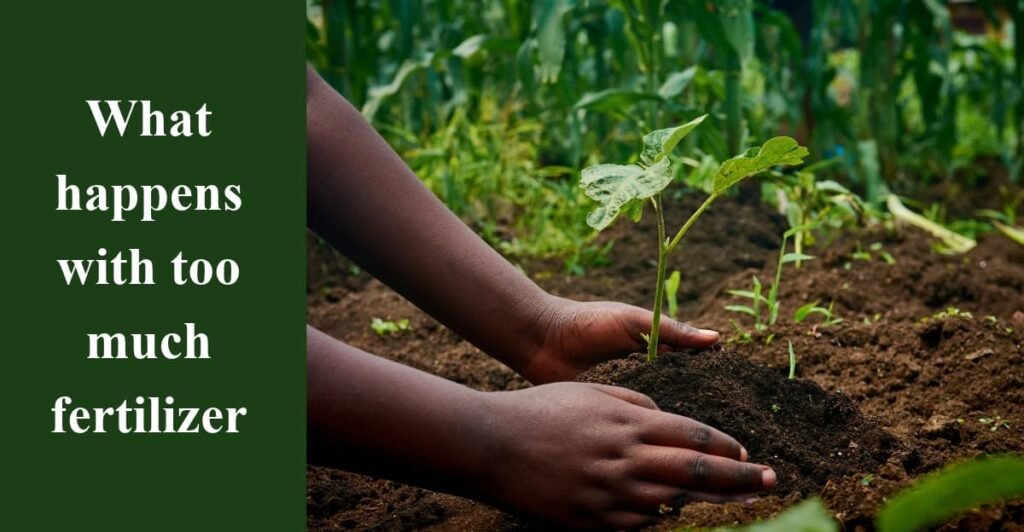
Using excess fertilizer can cause nutrient imbalance, soil burn, and root damage, leading to wilting or even plant death. Fertilizer overuse may also cause nutrient leaching, contaminating the water supply and harming aquatic life and local ecosystems. Too many nutrients can increase pest problems and create greater pesticide dependency, while damaging the garden instead of improving it.
What happens with too little fertilizer
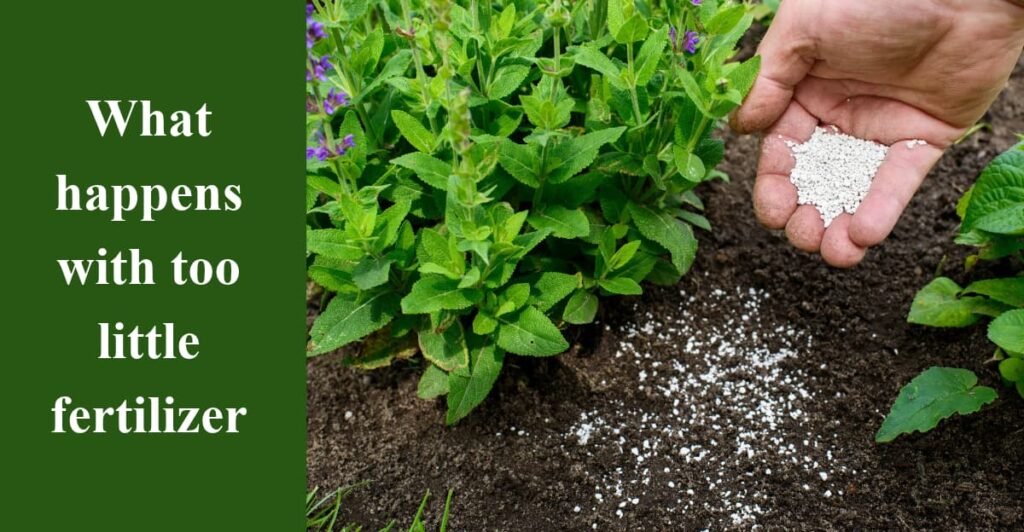
Insufficient fertilizer can lead to nutrient deficiency, stunted growth, weak plants, yellowing leaves, and low yields. When essential nutrients such as nitrogen, phosphorus, and potassium are lacking, fruits and vegetables may suffer from poor flavor and quality, while underfed plants become more vulnerable to pests and diseases. A soil nutrient analysis helps identify deficiencies and restore nutrient balance, supporting healthy soil and a thriving garden.
Understanding Fertilizer Labels
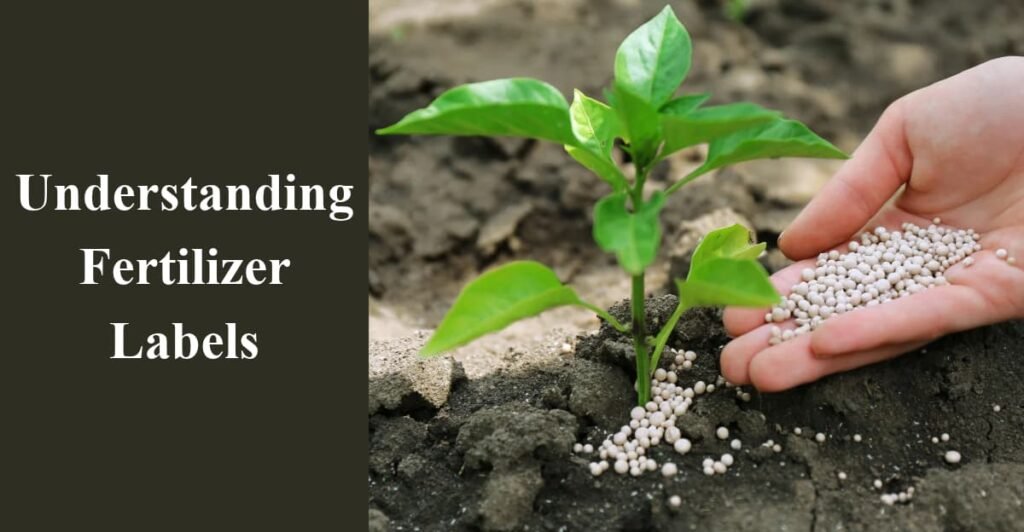
Fertilizer labels show the nutrient percentages in a product through three numbers representing nitrogen, phosphorus, and potassium. These nutrients support leaf growth, strong roots, blooms, and overall plant health. Understanding the label helps you choose the right fertilizer and avoid overfeeding or fertilizer burn.
How to Read Fertilizer Labels (N-P-K)
The N-P-K ratio, such as 10-10-10 fertilizer, shows the percentage by weight of nitrogen (N), phosphorus (P), and potassium (K). Remember “Up, Down, All Around”: nitrogen promotes lush green leaves and stems, phosphorus supports strong roots, flowers, and fruit, while potassium improves plant health, disease resistance, and drought tolerance. These nutrients are especially useful for lawns, leafy vegetables, transplants, and blooming plants.
What the Numbers Mean
A 10-10-10 fertilizer contains 10% of each main nutrient, adding up to 30% total nutrients, while the remaining 70% consists of carrier material such as clay, limestone, and minor minerals that help distribute fertilizer evenly. A 20-20-20 fertilizer has the same 1:1:1 ratio but twice the concentration, so you generally need half the quantity to deliver a comparable amount of nutrients. Always adjust fertilizer dosage according to the product label.
Quick Buying Guide
For all-purpose maintenance, choose a balanced fertilizer blend such as 10-10-10. Lawns and leafy greens often benefit from a high-nitrogen fertilizer like 24-0-4, while flowering plants and root growth may need a higher-phosphorus blend such as 15-30-15. For plant stress and cold preparation, a high-potassium option like 5-10-15 may be suitable. Consider your plants’ requirements and soil conditions before selecting a fertilizer to maintain nutrient balance.
How to read dosage instructions
Following fertilizer dosage instructions helps you apply the right amount without damaging your plants. Check fertilizer labels for dosage recommendations, application rates, and feeding frequency. Pay attention to fertilizer timing and wait times, especially during extreme heat, to protect plant health and ensure safe feeding.
1. How to Read Fertilizer Instructions
Read the fertilizer label on the back of the bag or bottle before applying anything. For liquid fertilizer, instructions may recommend 1/2 teaspoon per gallon of water, while dry pellets and powders may be measured in cups or ounces per plant, square foot of soil, or garden row. For lawns, check the grass fertilizer bag for the correct dial setting on your push spreader to ensure even pellet distribution. Follow the recommended feeding intervals, often every 2 to 4 weeks, and avoid fertilizing during extreme heat. Accurate fertilizer measurements and proper application timing help maintain plant safety.
2. How to Measure Liquid Fertilizer the Right Way
Measure liquid fertilizer carefully instead of eyeballing it or pouring directly from the bottle, as excessive concentration can cause fertilizer overdose and root burn. Use dedicated measuring tools, such as plastic measuring spoons or a measuring cup, rather than cooking spoons. Remember these unit conversions: 1 teaspoon (tsp) = 5 mL, 1 tablespoon (tbsp) = 3 teaspoons (15 mL), and 2 tablespoons = 1 fluid ounce (30 mL). Add the measured fertilizer to water in your watering can and stir well to create an evenly blended fertilizer solution. Accurate fertilizer measurement and proper plant watering help distribute nutrients evenly while protecting sensitive roots.
Types of Fertilizer and How to Dose Each
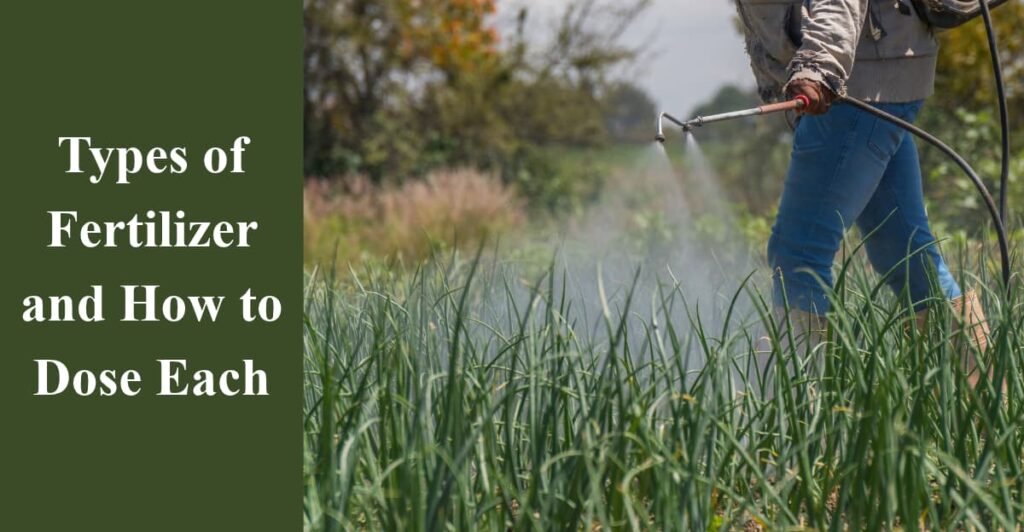
Different fertilizer types deliver nutrients at different speeds, so the right fertilizer dosage depends on the product, plant, and growing conditions. Understanding the best fertilizer application method helps improve plant nutrition while reducing the risk of root damage.
1. Liquid & Water-Soluble Fertilizers
Liquid fertilizer dissolves in water and provides quick nutrients to plants like Monstera, Pothos, tomatoes, and peppers. Start indoor plants with 1/4 to 1/2 teaspoon per gallon of water, following label instructions. Apply every 2 to 4 weeks in spring and summer, and water dry soil before feeding.
2. Slow-Release Pellets (Coated Beads)
Slow-release pellets, such as Osmocote, gradually release nutrients and suit outdoor planters, hanging baskets, and houseplants. Use the label’s recommended amount for your pot size and reapply every 3 to 6 months as directed. Mix pellets into the top 1 to 2 inches of soil.
3. Quick-Release Granular Fertilizer
Quick-release granular fertilizer, such as 10-10-10, works well for vegetable beds, shrubs, and lawns. Spread the recommended amount evenly, keeping granules at least 3 inches from plant stems. Water immediately to dissolve the fertilizer and protect leaves from mineral salts.
4. Organic Dry Meals (Natural Amendments)
Organic dry meals like bone meal, blood meal, and kelp meal support root development, leafy growth, and plant resilience. Mix the recommended amount into planting holes or garden soil before planting. These natural amendments work best when soil is warm enough for microbial activity.
5. Organic Liquids (Fish Emulsion & Liquid Seaweed)
Fish emulsion and liquid seaweed provide gentle nutrients for seedlings, leafy greens, and plants recovering from transplant shock. A common dose is 1–2 tablespoons per gallon of water every 2–3 weeks, following the label. Apply outdoors when possible because fish emulsion can have a strong odor.
6. Fertilizer Spikes & Stakes
Fertilizer spikes and stakes slowly release nutrients for potted plants, fruit trees, and shade trees. Choose the correct size and quantity according to the package directions. For trees, place stakes around the drip line rather than beside the trunk.
7. Foliar Sprays
Foliar sprays deliver diluted nutrients through leaf pores and can help address certain deficiencies, such as low iron or zinc. Use the label-recommended dilution and spray early in the morning to reduce leaf scorch. Avoid applying during hot, direct sunlight.
How to Dose Fertilizer for Plants During Different Growth Stages
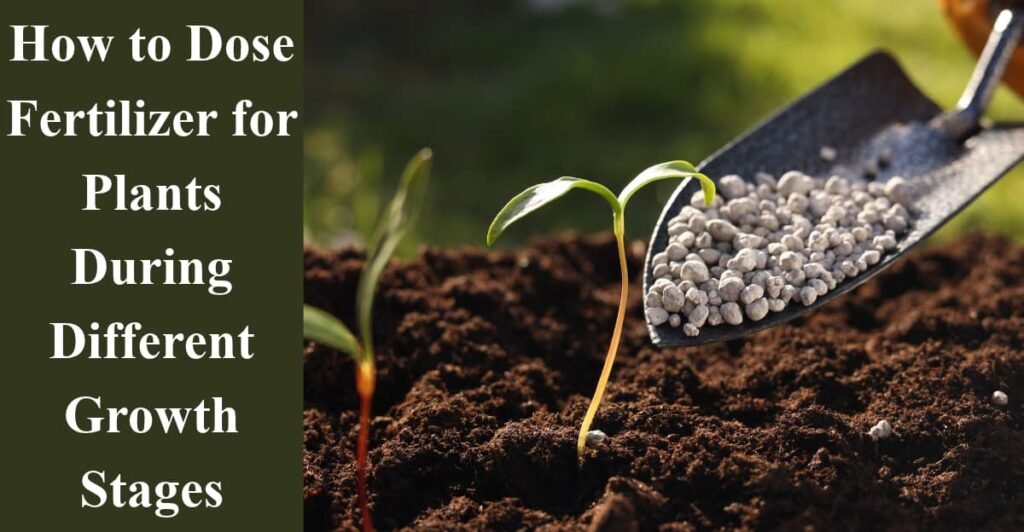
Fertilizer dosage changes with plant growth, supporting healthy roots, strong foliage, and better harvests.
- Seedling Stage: After 2–3 sets of true leaves appear, apply fish emulsion or balanced 10-10-10 fertilizer at quarter strength to protect tender roots.
- Vegetative Stage: Leafy greens like lettuce, spinach, and kale benefit from nitrogen-rich fertilizers such as 10-5-5 or blood meal.
- Flowering Stage: Use balanced 5-5-5 fertilizer at half strength to support flower buds. Avoid excess nitrogen, which encourages leaf growth over flowering.
- Fruiting Stage: Tomatoes, peppers, and squash may benefit from 5-10-10 or a tomato-specific fertilizer, depending on soil needs.
- During Harvest: Maintain suitable phosphorus and potassium levels for fruit development and plant health. Always follow package directions.
Tip: Apply fertilizer to moist soil and monitor plant response to prevent root burn.
How to Avoid Common Fertilizer Dosing Mistakes
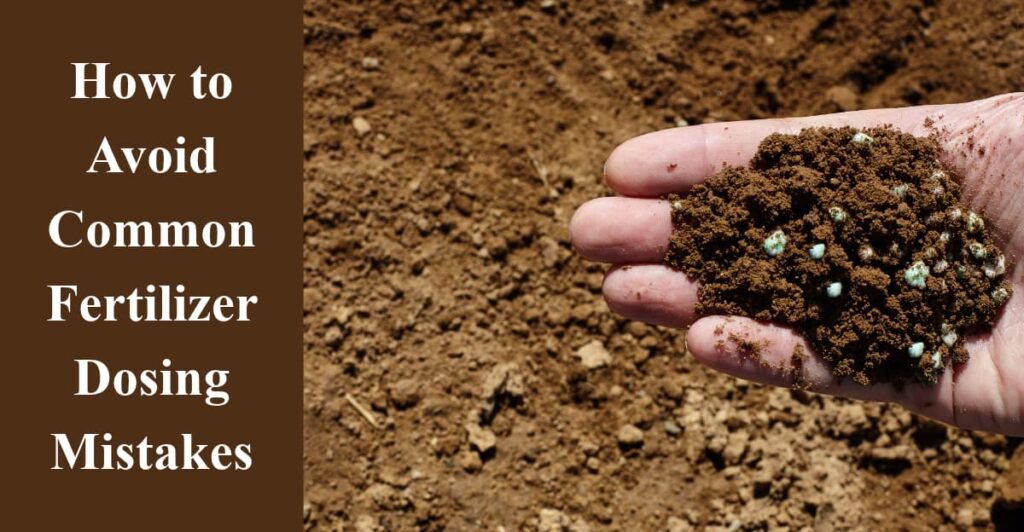
Avoiding common fertilizer dosing mistakes helps prevent root burn, stunted plants, and wasted money.
- Avoid Excess Fertilizer: More fertilizer does not mean faster growth. Excess nutrients and mineral salts can damage roots and cause toxic buildup.
- Dilute Fertilizer Properly: Use quarter or half strength for sensitive indoor plants and container vegetables when appropriate. Always follow manufacturer labels.
- Check Soil Moisture: Never apply fertilizer to bone-dry soil. Water first to reduce root scorch and help nutrients reach the root system.
- Feed in the Right Season: Fertilize during active growth in spring and summer. Reduce or stop feeding dormant plants in winter as needed.
- Avoid Feeding Stressed Plants: Delay fertilizing wilting plants during extreme summer heatwaves until they recover.
- Apply Dry Fertilizers Correctly: Keep granules and pellets away from foliage and the main stem. Spread them around the drip line, about 2–3 inches from stems, and water afterward.
- Test Your Soil: Check phosphorus and potassium levels to prevent nutrient buildup and identify actual plant needs.
- Choose the Right N-P-K Ratio: Match fertilizer to plant type. Leafy greens need more nitrogen, while flowering vegetables and fruiting plants need balanced nutrition with suitable phosphorus and potassium.
Signs You Over-Fertilized
- Fertilizer Burn: Crispy leaves, brown tips, and brown leaf margins often indicate over-fertilization.
- Salt Buildup: White or chalky residue on potting mix signals mineral salt buildup.
- Yellowing and Leaf Drop: Excess nutrients can stress roots and cause yellowing leaves or leaf loss.
- How to Fix It: If roots are healthy and drainage is good, flush the potting soil with running water for several minutes to remove excess salts. Pause fertilizer for 6–8 weeks or until the plant recovers.
Signs You Under-Fertilized
- Nutrient Deficiency: Older, lower leaves may turn pale green or light yellow.
- Slow Growth: Stunted growth, spindly stems, and weak foliage can indicate fertilizer deficiency.
- Poor Flowering and Fruiting: Plants may struggle to produce flowers or set fruit.
- How to Fix It: Apply a mild, water-soluble liquid fertilizer at half strength according to the label. Monitor plant growth and resume regular feeding as healthy foliage returns.
Conclusion
Learning how to dose fertilizers for plants helps you prevent root burn, support healthy growth, and enjoy better blooms and harvests. Choose the right fertilizer, follow label instructions, and adjust feeding to your plants’ growth stages and soil needs. With proper fertilizer application and regular monitoring, you can maintain a healthy, thriving garden without overfeeding your plants.
Frequently Asked Questions
1. How often should I fertilize my plants?
Most actively growing plants need fertilizer every 2–4 weeks when using liquid fertilizers, but frequency depends on the product, plant type, and season. Always follow label instructions.
2. Can I use the same fertilizer for all plants?
No. Leafy greens need more nitrogen, while flowering and fruiting plants may benefit from different nutrient ratios. Choose fertilizer based on plant needs and soil conditions.
3. What happens if I use too much fertilizer?
Excess fertilizer can cause brown leaf tips, yellowing, root burn, and mineral salt buildup. Stop feeding temporarily and flush the soil with water if drainage is good and the plant’s roots are healthy.
4. Should I fertilize plants during winter?
Most plants need less fertilizer during winter because growth slows down. Reduce or stop feeding dormant plants, and resume regular fertilization when active growth begins.
Please Write Your Comments