National Flower of Japan: Discover 2 Floral Beauties
Updated: November 11, 2026
8
Discover the National Flower of Japan through two beautiful blooms that reflect the country’s rich culture, history, and traditions. From the iconic cherry blossom (sakura) to the elegant chrysanthemum (kiku), explore their fascinating symbolism and Imperial connections. Keep reading to uncover what makes these floral beauties so special and why both represent Japan in unique ways!
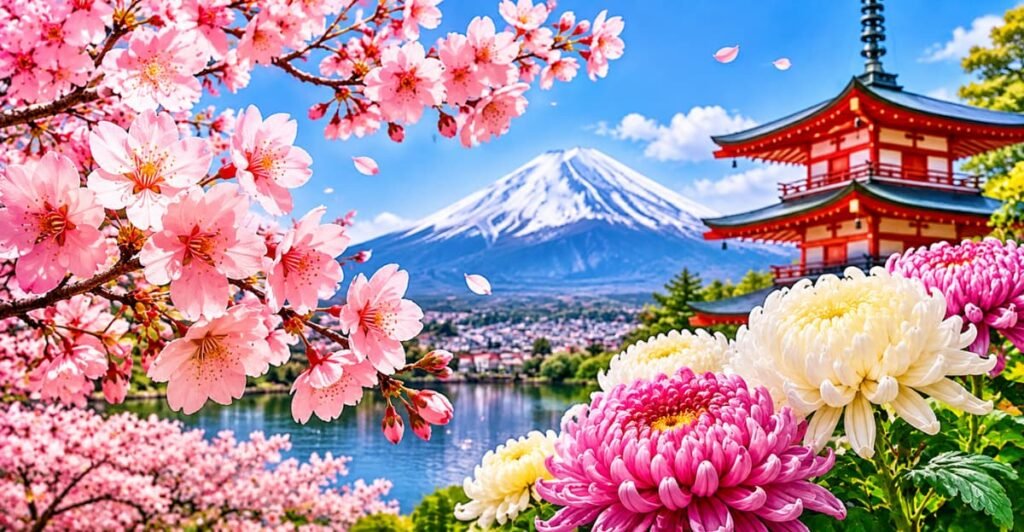
Table of Contents
What Is the National Flower of Japan?
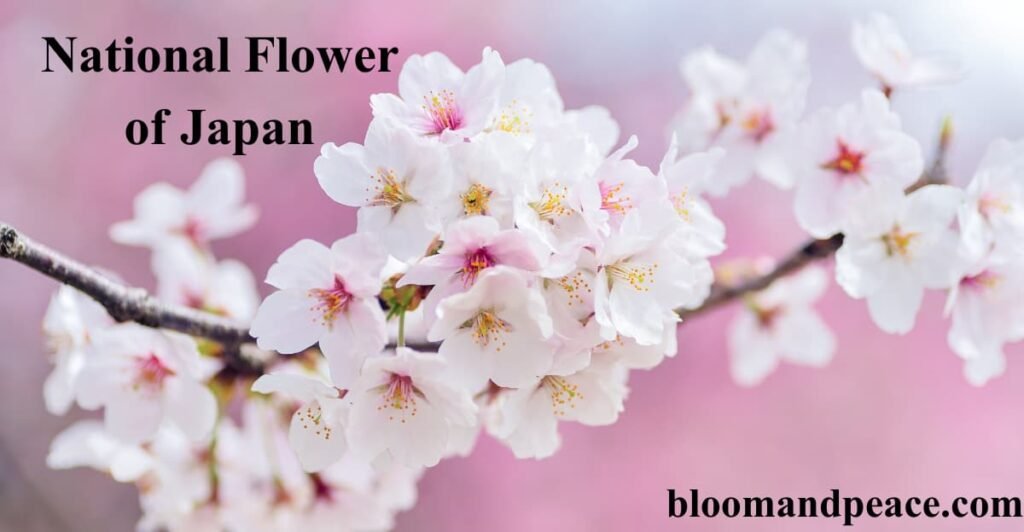
Japan does not have an official national flower established by law, but two Japanese flowers, the cherry blossom (sakura) and chrysanthemum (kiku), are widely recognized as important floral symbols. Both hold a special place in Japan’s national identity, cultural traditions, and historical heritage.
The cherry blossom represents Japan’s beautiful spring landscape and everyday cultural life, while the chrysanthemum is closely associated with the Imperial Family, the Imperial chrysanthemum crest, and Japanese passports. These flowers carry different meanings and reflect the country’s rich flower symbolism and traditions.
From my experience exploring Japanese floral heritage, understanding both flowers together offers a more complete picture of Japan’s cultural identity and historical connections.
Cherry Blossom: Japan’s Most Famous Flower
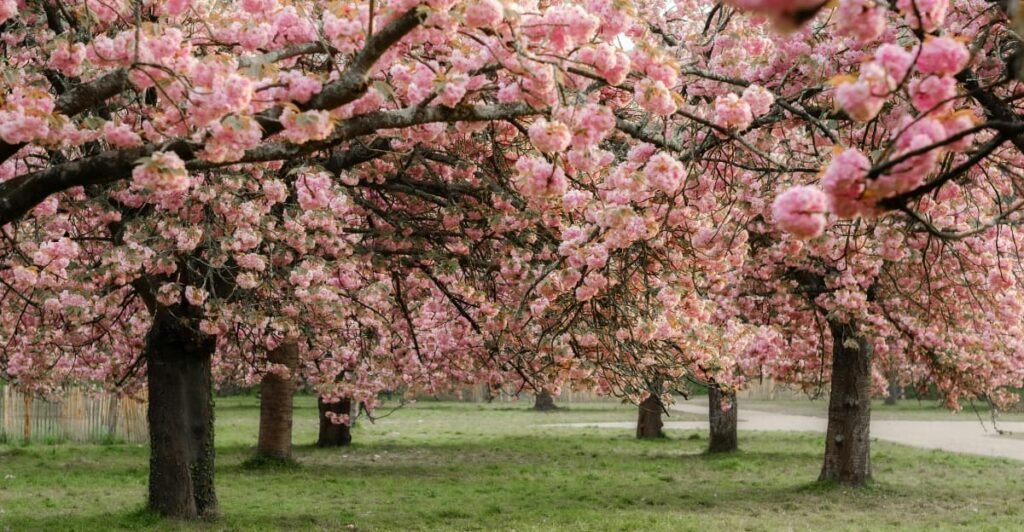
The cherry blossom, known as Sakura (桜) in the Japanese language, is widely considered the representative flower of Japan. It belongs to the genus Prunus, which includes numerous wild cherry species and cultivated varieties, with Somei-Yoshino being the most recognizable and widely planted cherry.
- Flower colors: White flowers, pale pink flowers, and nearly white petals.
- Flower structure: Five-petaled blossoms, single flowers, and fuller layered blooms.
- Flowering period: Spring, with abundant flowers covering the flowering branches.
Cherry blossom varieties differ in flower structure, petal arrangement, tree size, and tree form, creating distinctive displays across Japanese landscapes. Flowering time also varies, as warmer regions experience early blooming while colder northern areas see late blooming, extending the cherry blossom season across Japan.
From my gardening experience, Somei-Yoshino stands out for its abundant spring blossoms, while different sakura varieties add remarkable floral diversity and seasonal beauty to Japanese gardens.
What Does Sakura Symbolize in Japan?
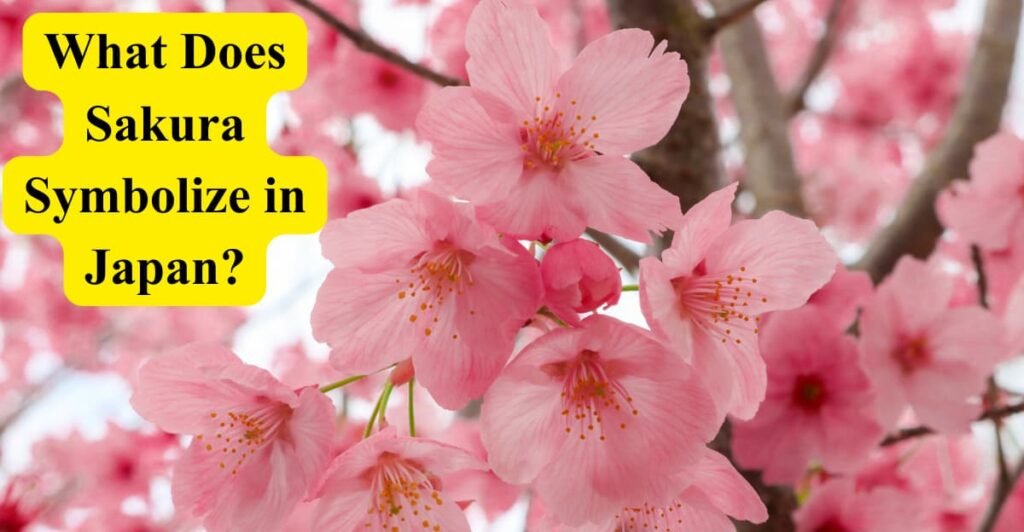
The cherry blossom (sakura) represents impermanence, temporary beauty, and the short-lived nature of life in Japanese culture. Its brief flowering period, from full bloom to falling blossoms, reflects the Japanese appreciation of beauty and the idea that beautiful things do not last forever. This meaning is closely connected with wabi-sabi, a Japanese aesthetic concept that values simplicity, imperfection, and transience, as well as Shinto beliefs associated with hope, renewal, and natural change.
- Impermanence: Falling cherry blossoms symbolize the temporary nature of human life and fleeting beauty.
- Renewal and continuity: Their yearly return represents spring renewal, hope, and the natural cycle of life.
- Cultural expression: Japanese poetry, literature, and historical poems have used falling blossoms to express changing nature, seasonal change, and human emotions.
The Japanese Cherry Blossom Flower remains one of the strongest floral symbols associated with the national flower of Japan, even without an official national flower designation. Its historical association, Japanese cultural roots, cherry blossom traditions, and lasting importance have made sakura an unofficial national flower and an enduring symbol of Japanese cultural identity and heritage.
From my experience studying Japanese floral traditions, sakura’s connection with wabi-sabi makes it especially meaningful because it celebrates the beauty of each moment rather than permanence.
Chrysanthemum: Another Important Flower of Japan
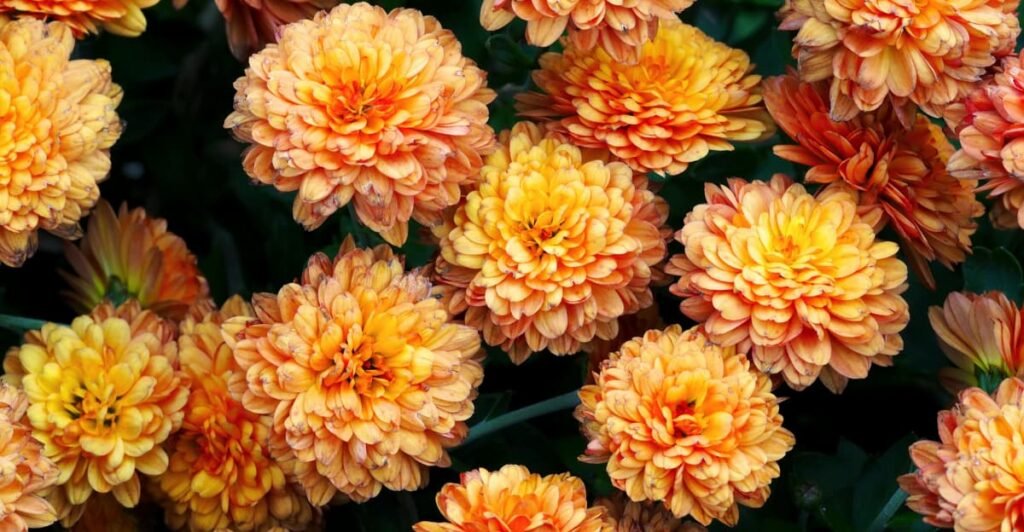
The chrysanthemum, known as kiku (菊) in Japanese, is another important flower of Japan with long-standing cultural significance. Unlike sakura, this autumn flower is closely connected with Japanese floral traditions and seasonal gardening. Belonging to the genus Chrysanthemum, these ornamental plants are grown in Japanese gardens and cultivated settings, where their different flower sizes, shapes, and petal arrangements create remarkable floral diversity.
- Flower forms: Simple blooms, open blooms, dense petals, layered petals, rounded flowers, and highly structured blooms.
- Flower colors: White chrysanthemums, yellow chrysanthemums, pink chrysanthemums, red chrysanthemums, and purple chrysanthemums.
- Cultivation: Japanese gardeners and specialist growers carefully cultivate varieties and train plants to create large, carefully shaped floral displays.
In my experience exploring ornamental gardening, chrysanthemums stand out for their diverse flower forms and carefully trained displays, which make them especially impressive in Japanese autumn gardens.
During the autumn season, chrysanthemum viewing becomes an important part of Japanese seasonal gardening culture. Through ornamental flower cultivation, flower growing, and traditional chrysanthemum gardening, these colorful displays contribute to Japanese horticulture, garden aesthetics, and floral heritage. The Imperial chrysanthemum association further strengthens the flower’s cultural importance.
Why Is the Chrysanthemum Important in Japanese Culture?
The chrysanthemum has a strong connection with the Japanese Imperial Family and the Imperial household, represented by the 16-petal chrysanthemum crest, an important Imperial emblem. It appears on Japanese passports and official designs, while the name Chrysanthemum Throne reflects its association with the Japanese monarchy, Imperial institution, and ceremonial traditions.
The flower also symbolizes nobility, high status, and cultural prestige in Japanese heritage. Through chrysanthemum exhibitions, traditional displays, and royal traditions, kiku maintains its historical significance, floral symbolism, and special place among Japanese national symbols.
From my experience exploring Japanese floral heritage, the chrysanthemum’s Imperial association makes it particularly fascinating because its cultural importance extends beyond gardening into Japan’s history and royal traditions.
Cherry Blossom vs. Chrysanthemum in Japan
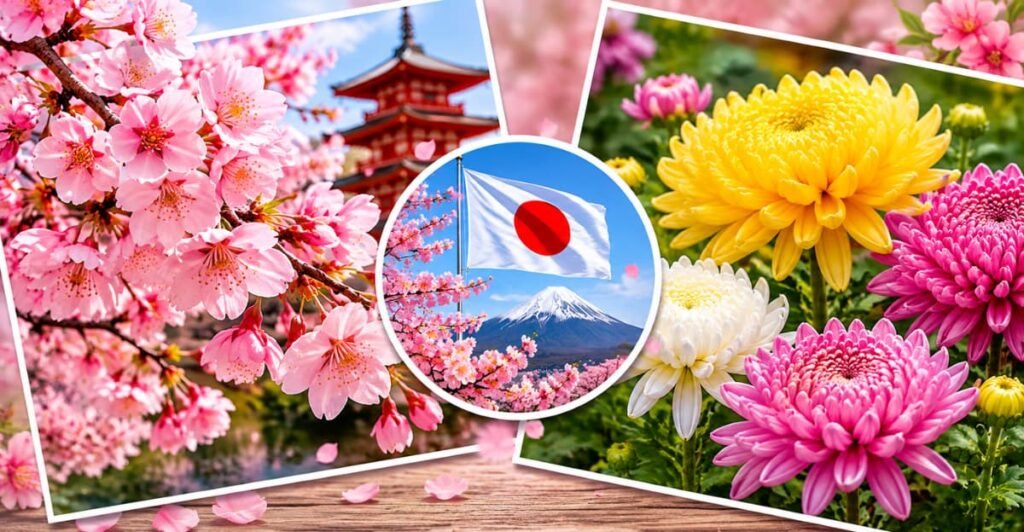
Cherry blossoms (sakura) and chrysanthemums (kiku) have different cultural roles in Japan. Sakura is the flower most closely connected with everyday cultural life, spring traditions, Hanami, and cherry blossom viewing, while kiku represents autumn, Imperial symbolism, and formal Japanese traditions.
Their symbolic associations also differ: cherry blossoms represent impermanence, renewal, and the changing nature of life, whereas chrysanthemums symbolize longevity, nobility, and Imperial tradition. Although both enjoy international and public recognition, neither is an official national flower under Japanese law; instead, they hold an important place in Japan’s national identity, cultural symbolism, seasonal customs, and floral heritage.
In my experience, comparing these flowers side by side makes their significance easier to understand: sakura reflects Japan’s seasonal beauty, while kiku represents its enduring Imperial history.
History of Japan’s Floral Symbols
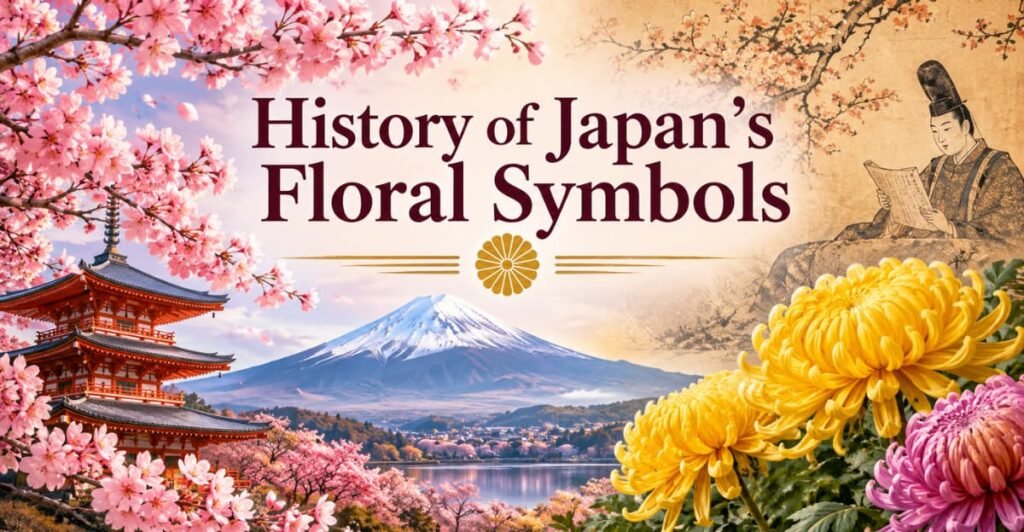
Japan’s floral history goes back centuries, with flowers playing an important role in Japanese culture, poetry, seasonal customs, and gardens. During the Nara period (710–794), chrysanthemums (kiku) arrived from China for medicinal uses, while the Heian period (794–1185) helped establish cherry blossoms (sakura) in court culture and literature.
According to the Japan National Tourism Organization, sakura was once connected with agricultural traditions, harvest divination, and the year’s harvest. Over time, hanami, cherry blossom viewing, chrysanthemum varieties, and traditional flower cultivation strengthened Japan’s floral identity, cultural heritage, and cultural symbolism, without either flower receiving a legally designated national flower status.
From my experience exploring Japanese floral history, the different journeys of sakura and kiku make their cultural significance especially interesting.
Cherry Blossom Season and Hanami in Japan
Cherry blossom season begins in southern Japan and warmer regions before moving toward northern Japan, including Hokkaido. Depending on spring temperatures and weather conditions, flowering usually occurs between March and April, while colder areas may experience blossoms in May.
This seasonal movement is called the cherry blossom front, or sakura zensen, and brings different regional flowering periods across Japan. People follow local bloom forecasts to plan Hanami, enjoying blooming cherry trees, picnics, food and drinks, and evening illuminations with families, friends, and colleagues in Japanese parks.
From my experience with seasonal flower displays, checking bloom forecasts is essential for enjoying Hanami when cherry blossoms reach their full beauty.
What Does the Cherry Blossom Mean to Japanese People?
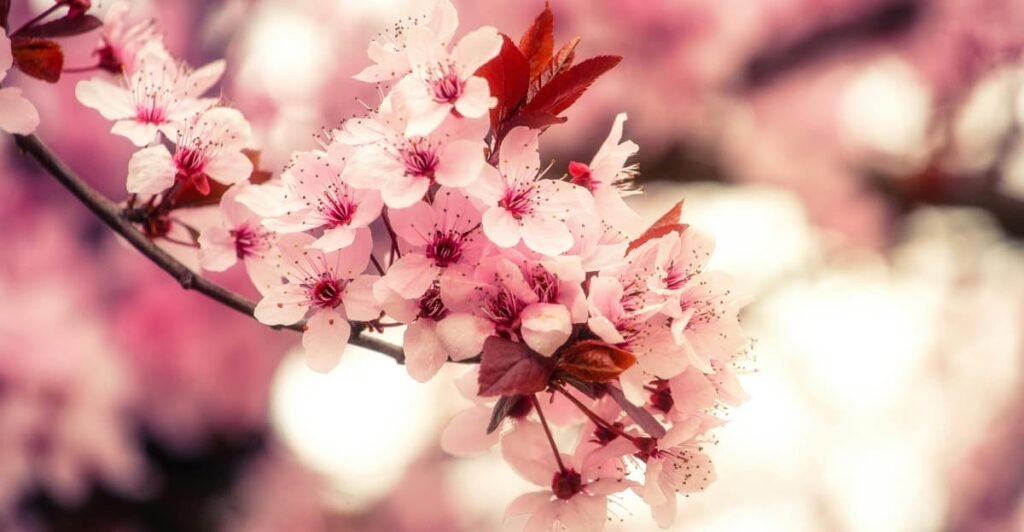
For many Japanese people, sakura symbolizes new beginnings, spring renewal, and fresh opportunities. Its arrival in April coincides with the new school year and business year, making it part of school entrance ceremonies, school traditions, and important life transitions.
Cherry blossoms also bring people together through everyday social life, as families, friends, classmates, and coworkers visit familiar parks and cherry blossom viewing spots. These shared experiences create personal memories, strengthen community connections, and make sakura an important part of Japanese cultural life and seasonal appreciation.
From my experience, the connection between cherry blossoms and new beginnings makes Hanami particularly meaningful because it brings together nature, personal memories, and community traditions.
Chrysanthemum Festivals and Japanese Traditions
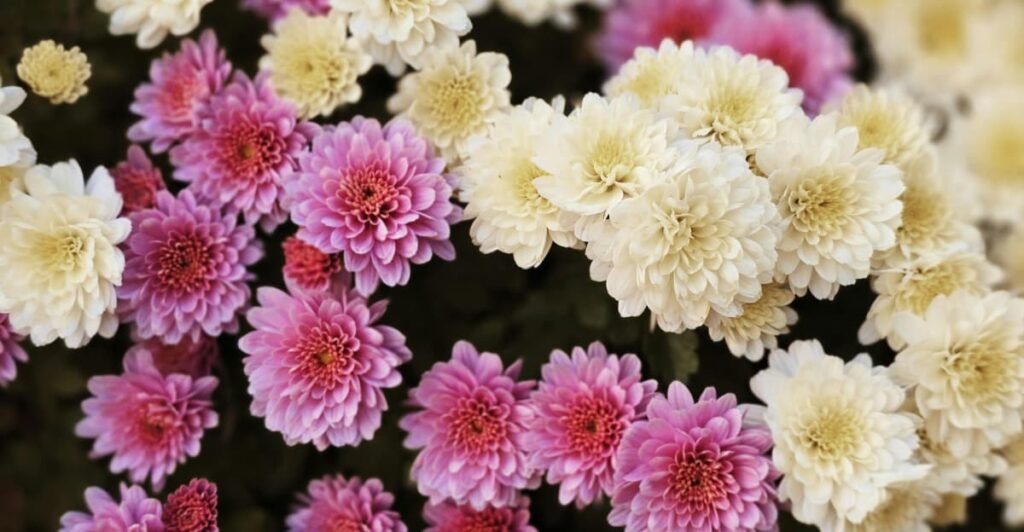
Japan celebrates the chrysanthemum through kiku matsuri, or autumn festivals, featuring beautiful formal flower displays, floral exhibitions, and traditional flower arrangements. Specialist growers use detailed cultivation techniques and flower training to create unique shapes, elaborate designs, and competition exhibits.
The Nihonmatsu Chrysanthemum Doll Festival in Fukushima Prefecture runs from early October to mid-November, displaying life-sized figures decorated with living chrysanthemums. Other popular events include the annual Chrysanthemum Exhibition at Shinjuku Gyoen National Garden in Tokyo from November 1–15 and the November festival at Yahiko Shrine in Niigata, featuring around 30,000 chrysanthemums.
I find these festivals fascinating because they showcase how Japanese horticultural heritage combines traditional gardening skills with remarkable floral artistry.
Other Important Japanese Flowers and Floral Symbols
Beyond sakura and kiku, Japan has several beautiful floral symbols, including the plum blossom (ume), wisteria (fuji), iris, and lotus. These seasonal flowers have strong connections with ancient traditions, Japanese poetry, spring celebrations, and the changing seasons.
Wisteria has historical associations with the Fujiwara clan and can be admired at Kasuga Taisha Shrine in Nara, while iris festivals take place at Suigo Sawara Ayame Park in Chiba every June, featuring around 1.5 million irises across 400 species. Lotus flowers also appear in Japanese temple gardens, where they represent Buddhist traditions and the spiritual universe.
I especially admire Japan’s seasonal gardens because they reveal the country’s appreciation for flowers throughout spring, summer, and beyond.
Japan National Flower in Art, Culture, and Everyday Life
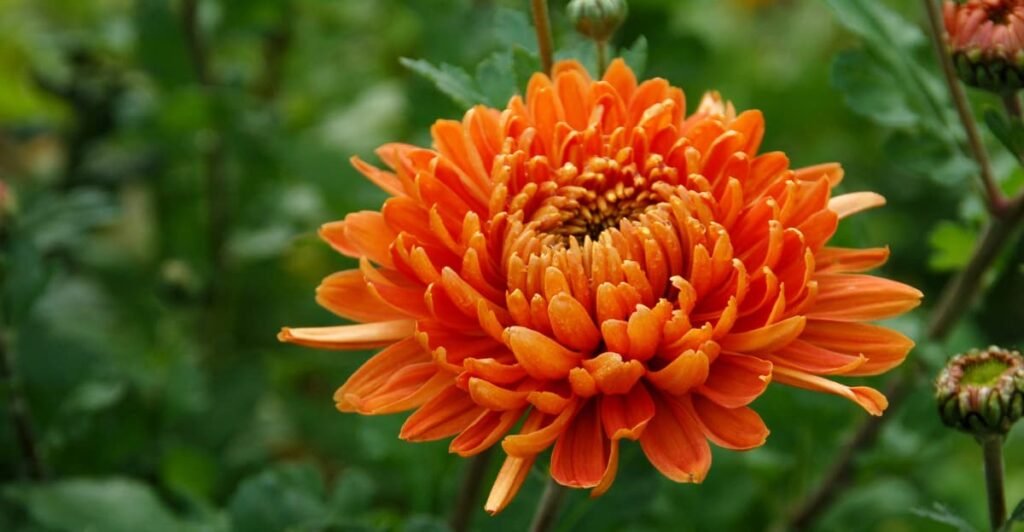
Sakura and chrysanthemum have influenced Japanese art, clothing, and decorative motifs for centuries. Their floral patterns appear in ukiyo-e prints, Japanese paintings, traditional textiles, kimono, decorative screens, ceramics, and other objects that reflect seasonal beauty.
The Tokyo National Museum preserves Edo-period garments featuring chrysanthemum designs, while the National Museum of Modern Art Kyoto showcases yuzen textiles with seasonal plants and floral patterns. From embroidered sakura designs to dyed cherry blossom patterns, these motifs represent Japanese craftsmanship, cultural expression, and artistic heritage.
I love how Japanese floral designs bring seasonal beauty into everyday objects while preserving centuries-old artistic traditions.
Why Japan Has No Official National Flower
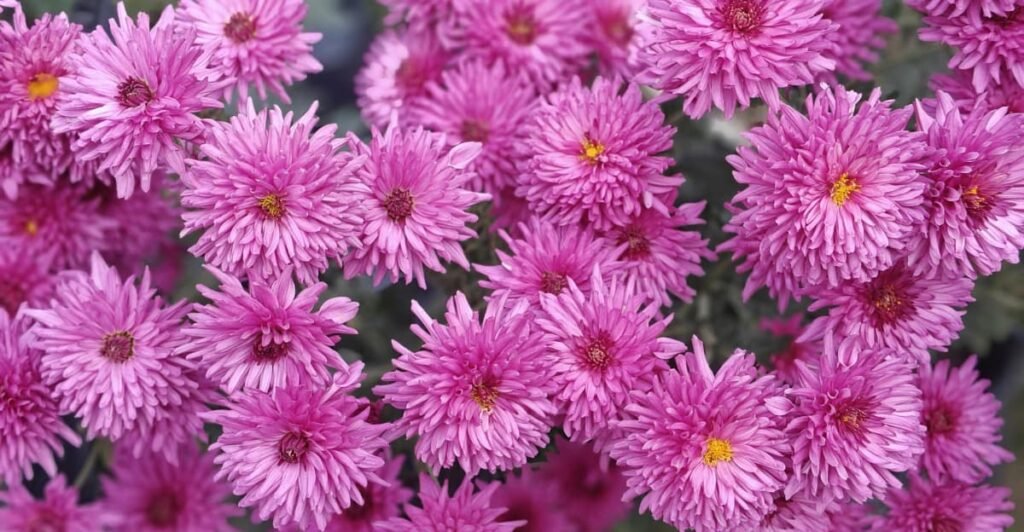
Japan has no legally established official national flower, even though sakura and chrysanthemum are widely recognized as important national symbols. Unlike the national flag and national anthem, which received legal recognition under the 1999 Law Regarding the National Flag and National Anthem, no national flower legislation has established an official floral emblem.
Instead, the cherry blossom is often considered the representative flower of Japan because of its connection with spring traditions and everyday Japanese life. The chrysanthemum, meanwhile, represents the Imperial Family and Japanese Imperial tradition, giving both flowers strong cultural recognition without an official national designation.
I find this distinction important because it shows how a flower can become deeply connected to a country’s identity through culture and tradition rather than law.
Conclusion
Japan’s floral identity is beautifully represented by two iconic flowers: sakura (cherry blossom) and kiku (chrysanthemum). Although neither is officially designated as the national flower by law, both reflect Japan’s rich history, seasonal traditions, Imperial heritage, and cultural values. From springtime Hanami celebrations to elegant autumn chrysanthemum festivals, these flowers remain treasured symbols of Japanese beauty and identity.
Frequently Asked Questions
1. What is the national flower of Japan?
Japan has no officially designated national flower. However, the cherry blossom (sakura) is widely considered its representative flower, while the chrysanthemum (kiku) is another important cultural and Imperial symbol.
2. Why is the cherry blossom famous in Japan?
The cherry blossom is famous for its delicate beauty, brief flowering season, and symbolism of renewal and impermanence. It is also central to Hanami, the traditional Japanese custom of enjoying cherry blossoms.
3. What does the chrysanthemum symbolize in Japan?
The chrysanthemum represents longevity, nobility, and Imperial tradition. Its 16-petal design is closely associated with the Japanese Imperial Family and appears on Japanese passports.
4. Does Japan have an official national flower by law?
No. Japan has legally established a national flag and national anthem, but no law officially designates a national flower. Sakura and kiku are recognized through cultural and historical traditions rather than legal status.
Please Write Your Comments