Flower Gardening – Easy Beginners Guide
Updated: November 10, 2026
9
Creating a beautiful flower garden is easier than you think, even without years of gardening experience! With simple planning, beginner-friendly flowers, and practical gardening tips, you can enjoy colorful blooms throughout the growing season. Follow this easy beginner’s guide to discover how to start, design, and maintain a thriving flower garden.

Table of Contents
Flower Gardening – Determine Your Gardening Zone
Before choosing perennial plants and perennial flowers, identify your gardening zone using the USDA Plant Hardiness Zone Map. Your geographical location, regional climate, and local climate help determine the right growing zone, planting zone, and suitable plant selection for your garden.
Avoid relying only on your zip code or postal code on a website, as zone identification and zone calculation can sometimes produce incorrect zone information. Check the USDA hardiness zones, temperature zones, and hardiness zone map carefully to find accurate information about plant hardiness, plant adaptability, and climate suitability.
From my gardening experience, checking the actual growing conditions of your garden rather than relying entirely on a location-based result helps me make better planting decisions.
Start with the Right Flower Garden Size

When starting a flower garden, choose a small garden with a manageable garden area that suits your time and space. Simple garden planning makes garden maintenance easier and helps new gardeners build confidence.
As your gardening experience grows, gradually enjoy garden expansion with colorful flower varieties. Whether you prefer a compact garden or cottage garden, create an outdoor space that brings joy.
From my experience, a small home garden can bring immense happiness without demanding too much time or upkeep.
Choosing a Location – Flowers and Gardening
Choosing the right garden location is essential for successful flower gardening. Consider sunlight exposure, water accessibility, and garden visibility when planning your garden layout, plant placement, and flower selection. Whether you choose raised beds, containers, patio gardens, or balcony gardens, select a suitable space that makes garden care and enjoyment easy.
1. Sunlight Exposure
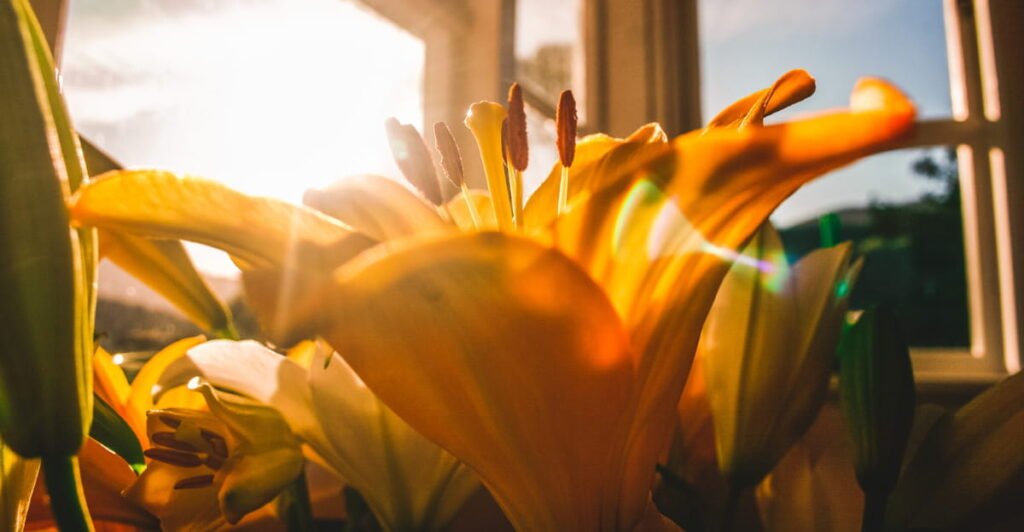
Before plant selection, observe your garden’s sunlight exposure and sunlight requirements. Most plants need full sun, partial sun, or full shade, so check the daily sunlight, light conditions, and growing conditions in your planting area.
Consider direct sunlight, partial shade, and dappled shade when choosing sun-loving plants or shade-loving plants. Track seasonal sunlight, especially around the summer solstice, and consider surrounding trees that create tree shade or filtered sunlight.
From my experience, observing sunlight patterns before planting makes it much easier to grow healthy, thriving flowers.
2. Water and Visibility

Choose a garden location with easy water access to simplify garden watering and proper watering during dry months. A simple irrigation system, drip system, or drip irrigation kit can improve watering efficiency and maintain soil moisture.
Also consider garden visibility and garden accessibility when planning your space. Whether you prefer indoor garden views, colorful blooms outside your windows, or a relaxing backyard garden, make room for comfortable walking paths, raised beds, or garden containers.
I find that an easily accessible garden with reliable watering makes everyday garden care more enjoyable and helps keep flowers healthy.
3. Flower Garden Bed Shape and Design

Plan your flower garden bed with a practical garden bed layout, choosing straight lines, rounded edges, or curved edges for a natural look. Add garden pathways using gravel paths, wood chips, stepping stones, or ground cover to create an attractive garden design.
Use a rope or garden hose layout to mark rounded garden beds, or wooden boards and natural stones for straight borders. If you have rocky soil or poor soil, consider raised garden beds, including sturdy metal raised beds, to improve your garden preparation.
I personally love natural garden design with stones and simple pathways because it creates an inviting, organic garden feel.
4. Clear The Area

Start your flower garden preparation by clearing the garden area of grass, sod, and weeds. For an easier sheet mulching method, cover the ground with fallen leaves, garden debris, or well-rotted manure, followed by organic compost or quality garden soil.
Alternatively, dampen the bare soil, loosen weed roots with a sharp shovel, and remove unwanted growth in a small area at a time. You can also use the cardboard method with a bulk compost layer to encourage weed suppression and prepare a clean flower bed.
I prefer clearing small sections gradually because it makes the physical work easier and keeps garden preparation manageable.
5. Soil Preparation
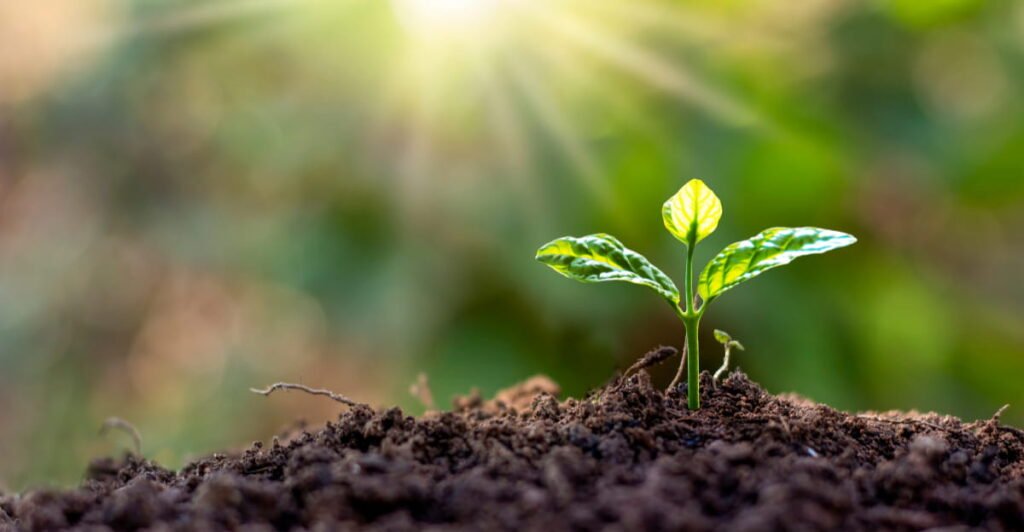
Healthy flowers begin with good soil, which provides a strong soil foundation for your garden. Improve soil quality, soil fertility, and nutrient availability by adding organic matter, especially compost, to support soil enrichment and healthy plant growth.
For fall gardening, spread fallen leaves or wood chips over the flower bed and allow winter decomposition to improve the soil naturally. For spring gardening, apply 3 to 4 inches of compost as a slow-release fertilizer, helping improve soil nutrients without adding extra fertilizer to the planting hole.
From my experience, regular compost application is one of the simplest ways to improve soil health and support a thriving flower garden.
6. Types of Flowers: Perennials vs. Annuals
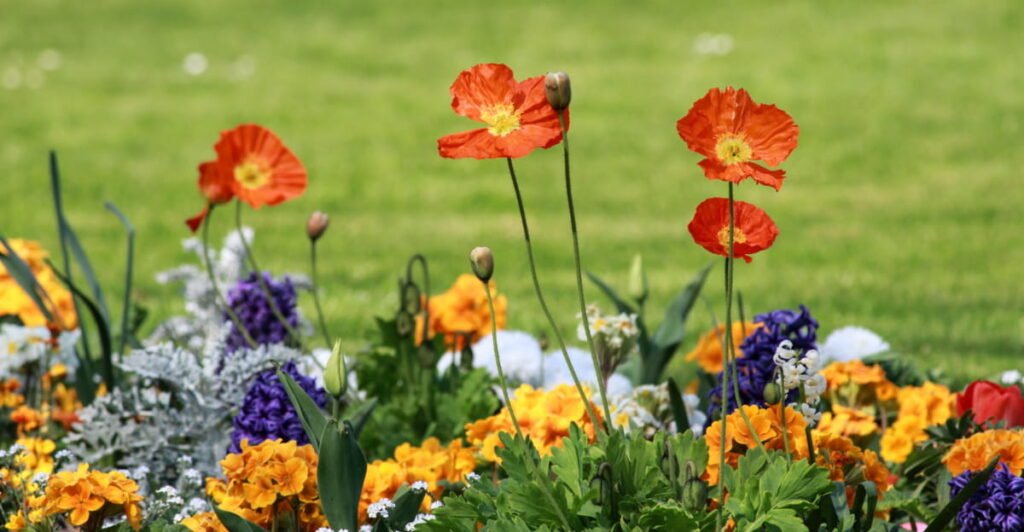
Choosing between perennials and annuals is an important part of flower garden planning. Both offer unique benefits for your garden:
- Perennial Flowers: These perennial plants live for more than two years, returning year after year with recurring flowers. They are low-maintenance plants and a long-term investment, although they may have a shorter bloom time or flowering period.
- Annual Flowers: These annual plants complete their lifespan in one growing season. They provide vibrant summer blooms, fall blooms, and consistent flower color, but require annual replanting.
- Growing from Seeds: Both types can be grown from flower seeds. Starting from seed, seed propagation, and winter sowing seeds are inexpensive ways to create a lush garden.
- Combine Both Types: A perennial and annual combination creates garden structure, seasonal color, and all-season blooms. Use seasonal flowers for summer-to-fall blooms and recurring perennials for long-term beauty.
- Consider Your Budget: While perennials may have a higher upfront cost, inexpensive flowers and seed-grown flowers offer budget-friendly options. Choose plants according to your plant selection, garden maintenance, and flower gardening goals.
7. Easy-to-Grow Flower Recommendations

Choosing easy-to-grow flowers makes flower gardening more enjoyable, especially for beginners. Focus on beginner-friendly flowers, low-maintenance flowers, and suitable flower varieties that provide beautiful garden color throughout the summer.
- Annual flowers: These are ideal for adding quick, colorful summer flowers and seasonal blooms.
- Perennial flowers: These return year after year and offer long-lasting beauty with less replanting.
- Sun-loving flowers: Choose varieties that thrive in direct sunlight and suit your garden conditions.
- Seed-grown flowers: Growing flowers from seeds is an affordable way to explore different varieties.
Sun-Loving Annuals
Sun-loving annuals are excellent choices for beginners because many grow quickly and produce colorful summer blooms. Consider these easy-to-grow varieties:
- Marigolds: Bright, cheerful flowers that are easy to grow and maintain.
- Zinnias: Colorful flowers that thrive in full sun and attract pollinators.
- Geraniums: Popular flowering plants that add lasting garden color.
- Sunflowers: Tall, attractive flowers that bring a cheerful summer look.
- Petunias: Beautiful flowers available in several colors and varieties.
- Wave Petunias: Spreading petunias that work beautifully in garden beds and containers.
- Vinca: Heat-tolerant flowers suitable for sunny gardens.
- Larkspur: Delicate flowering annuals that add height and charm.
Remember to consider their sunlight requirements, direct sunlight, and basic annual plant care for healthy flower growth.
Sun-Loving Perennials
Sun-loving perennials are wonderful for creating a lasting flower garden with returning blooms. These beginner-friendly perennials offer attractive flowering perennials and long-lasting garden color.
- Shasta Daisies: Classic white flowers with cheerful yellow centers.
- Coneflowers: Also known as Echinacea, these purple flowers attract pollinators.
- Black-eyed Susan: Bright golden flowers with dark centers.
- Daylilies: Easy-care plants that produce beautiful summer flowers.
- Dahlias: Colorful flowers available in many shapes and sizes.
- Salvias: Attractive flowering plants that are popular with pollinators.
- Delphiniums: Tall flowering plants that add beautiful vertical interest.
Choose suitable perennial varieties according to your sunlight requirements and provide regular perennial plant care to encourage healthy growth. These flowers make excellent additions to a sunny garden and are great options for beginner flower cultivation.
8. Designing Your Flower Bed

Good flower bed design starts with a simple garden layout and thoughtful plant placement. Use graph paper to create a garden sketch, noting plant height, plant spacing, and the overall flower bed arrangement.
For island beds, place taller plants in the middle and shorter plants around the edges. For border beds, arrange tall flowers at the back and short flowers in front, using layered planting and staggered plants for a natural garden look.
From my experience, arranging flowers by height creates a balanced garden with better visual appeal and structure.
9. Shopping for Plants
Before shopping for plants, visit a reliable garden nursery with a prepared shopping list and clear planting plan. Consider suitable plant varieties, flower varieties, and their plant care requirements to avoid overwhelming choices.
Check your gardening zone, local climate, sun exposure, and growing conditions before purchasing perennial plants or annual flowers. You can also try seed starting, direct sowing, or easy-to-grow seeds such as Zinnias and Marigolds.
I always find that researching plants before visiting a nursery saves money and helps me choose flowers suited to my garden.
10. Planting Your Flowers

For successful planting flowers, prepare a planting hole twice the size of the root ball and gently position the plant inside. Use suitable garden soil for backfilling, secure the plant, and provide thorough watering to support root establishment and healthy growth.
After transplanting flowers, maintain proper plant hydration and monitor root development. A root growth stimulator such as Organic REV can also support plant growth, encourage healthy roots, and give newly planted flowers a better start.
In my experience, careful planting, gentle watering, and healthy soil contact make a noticeable difference in how quickly flowers settle into their new garden space.
11. Essential Gardening Tools

Having the right essential gardening tools makes beginner gardening easier and more enjoyable. Invest in quality gardening tools such as sturdy gardening gloves, a durable shovel, a garden rake, and useful hand tools for planting, weeding, and garden cleanup.
Start with must-have tools and basic gardening supplies that support soil preparation, flower planting, and regular plant maintenance. Choose beginner-friendly equipment that fits your gardening budget, and build your tool collection gradually for convenient garden care.
From my experience, investing in a few reliable tools makes everyday garden work easier and saves money over time.
12. Adding Mulch and Edging
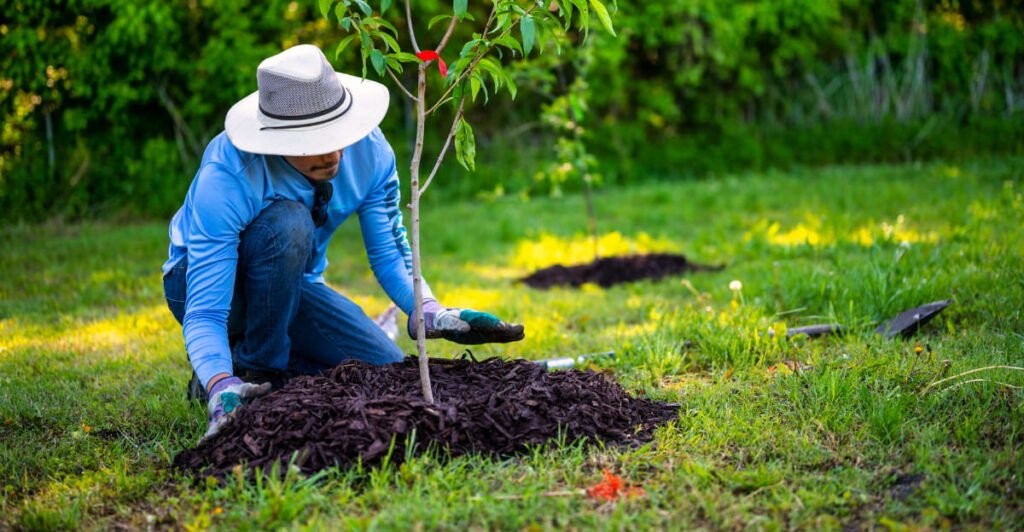
Adding garden mulch to flower beds helps with moisture retention, water conservation, and weed suppression. Apply a 2-inch mulch layer using shredded hardwood mulch, organic mulch, or untreated grass clippings to protect the soil and support better soil health.
Use garden edging and decorative borders such as stone edging to create defined flower beds and improve garden aesthetics. You can also add ground cover plants as living mulch for natural weed control, soil protection, and long-term soil enrichment.
In my experience, mulch and neat edging give flower beds a polished appearance while making garden maintenance easier.
13. Garden Decor
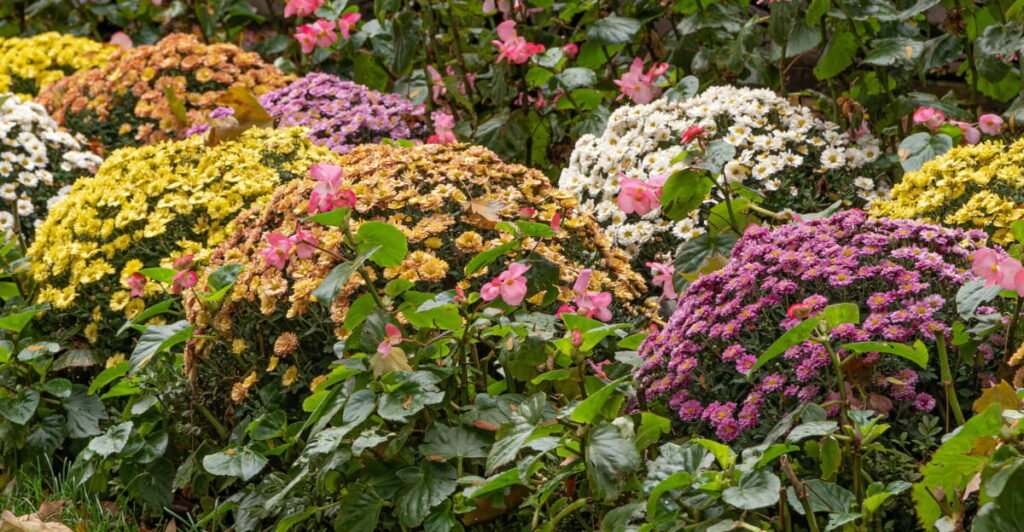
Add personality to your garden decor with solar lights, whimsical sculptures, decorative stones, and wooden logs. These decorative garden elements create unique displays, enhance garden charm, and bring creativity to your outdoor space.
For a relaxing atmosphere, include garden benches or comfortable outdoor seating near beautiful flower beds. Enjoy sitting among flowers, watching bees buzzing around blooming plants, and taking in peaceful sunset views on cool evenings.
I love adding simple natural decorations and seating areas because they make a flower garden more welcoming and enjoyable.
14. Dealing with Garden Pests

Managing garden pests requires effective pest control without harming beneficial insects, bees, and butterflies. Choose organic pest control and natural pest management methods, avoid unnecessary chemical pesticides, and consider deer-resistant plants to reduce damage from rabbits, deer, and harmful insects.
A peppermint-based repellent or motion-activated sprinklers can help protect plants from deer, but repellents may need regular reapplication. Support a healthy garden ecosystem through pest prevention, beneficial garden bugs, and sustainable gardening practices that protect pollinators, soil health, and garden biodiversity.
In my experience, regular garden checks and gentle pest-control methods help protect plants while maintaining a healthy balance in the garden.
15. Caring for Your Flower Garden

Good flower garden care begins with regular garden maintenance, consistent watering, and weed removal to keep plants healthy. Follow a proper watering schedule, practice deadheading, remove spent flowers, and focus on plant care to encourage more blooms and continuous flowering.
As your gardening experience and gardening skills grow, explore new plants, flower bulbs, bulb planting, and creative garden design techniques. Use a garden maintenance guide, watering guide, gardening videos, and other garden resources to improve your flower selection, support seasonal gardening, and build a sustainable flower garden with years of beautiful blooms.
In my experience, consistent care and small improvements are the secrets to a healthy garden, thriving flowers, and long-term garden success.
Conclusion
Starting a flower garden is easy when you choose the right flowers, prepare healthy soil, and provide proper care. With simple gardening techniques, regular maintenance, and thoughtful planning, even beginners can enjoy a beautiful garden filled with colorful blooms. Follow these flower gardening tips to create a thriving, sustainable garden that brings beauty and joy throughout the seasons.
Frequently Asked Questions
1. How do beginners start a flower garden?
Start with a small garden, choose easy-to-grow flowers, prepare healthy soil, and select a location with suitable sunlight and water access.
2. What are the easiest flowers to grow for beginners?
Marigolds, Zinnias, Sunflowers, Petunias, Vinca, and Shasta Daisies are excellent beginner-friendly choices.
3. How often should I water my flower garden?
Watering frequency depends on the flower varieties, soil type, and weather. Check soil moisture regularly and water when the top layer begins to dry.
4. What are the essential tools for flower gardening?
Basic gardening tools include sturdy gloves, a durable shovel, a garden rake, a hand weeder, and a watering can or garden hose.
Please Write Your Comments