National Flower of Taiwan: The Cool Plum Blossom
Updated: November 2, 2026
14
Discover why the plum blossom (Meihua) holds a special place as Taiwan’s national flower and what makes its winter beauty so meaningful. Explore its fascinating history, cultural symbolism, and remarkable resilience in the cold. Keep reading to uncover the story behind this iconic flower and where to see it in bloom!
Table of Contents
What Is Taiwan’s National Flower?
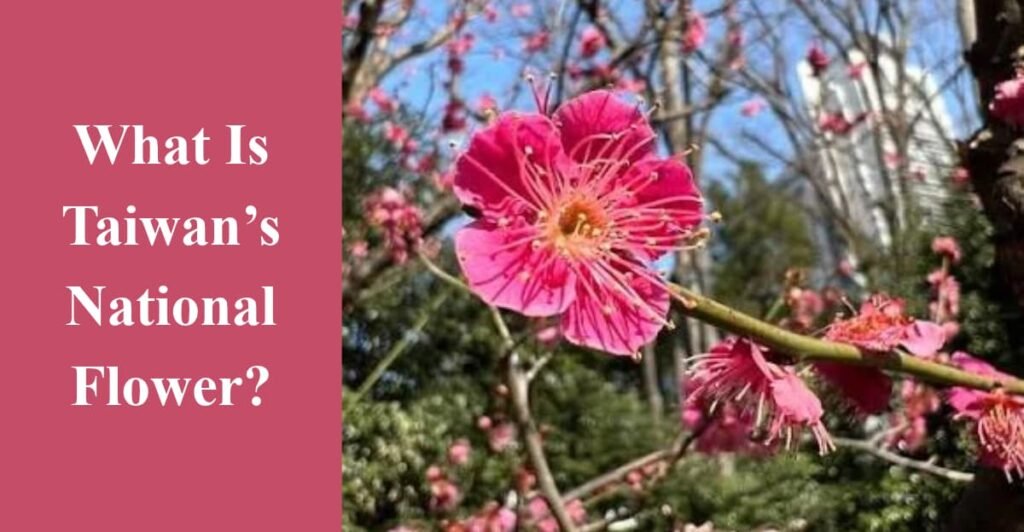
The plum blossom, known as meihua (梅花), is the national flower of Taiwan. Scientifically called Prunus mume, this small deciduous tree belongs to the rose family (Rosaceae) and holds deep cultural and historical importance.
According to official botanical records, the Executive Yuan recognized it as Taiwan’s national flower on July 21, 1964. Before its official recognition, it already appeared on national currency, postage stamps, military badges, rank insignia, and other official emblems, strengthening its place among Taiwan’s national symbols.
In my experience, the plum blossom stands out because its delicate appearance carries such a strong message of resilience and national identity.
What Does a Plum Blossom Look Like?
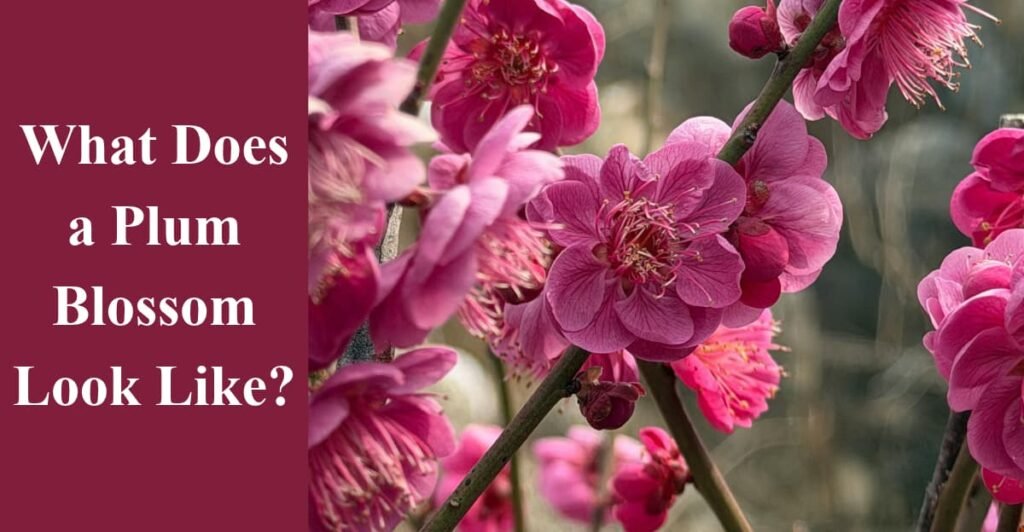
The plum blossom tree (Prunus mume) is a small deciduous tree that grows around 4 to 10 meters tall. It has light gray or greenish-gray bark, smooth green branches, and alternate leaves that are oval or elliptical with pointed tips and finely serrated edges. During its flowering period, it produces fragrant flowers that grow alone or in small flower clusters, usually with five sepals and five petals. Depending on the variety, flowers range from white and light pink to pink, red, and dark red, while some decorative varieties have multiple petal rows, different petal shapes, and varying petal counts.
After flowering, the tree develops round plum fruit, known as mei. Young fruits are green or pale green with a fuzz-covered fruit surface, turning yellow during ripening, and containing a hard stone with a shallow groove. Both fruit-bearing trees and ornamental varieties come in different cultivated types, creating flower diversity and floral variation in plum blossom gardens. Their botanical appearance, fruit production, and ornamental cultivation make them attractive additions to garden displays.
From my gardening experience, the contrast between the delicate blossoms and simple branches makes this tree especially beautiful during its seasonal bloom.
A Bloom With Ancient Roots
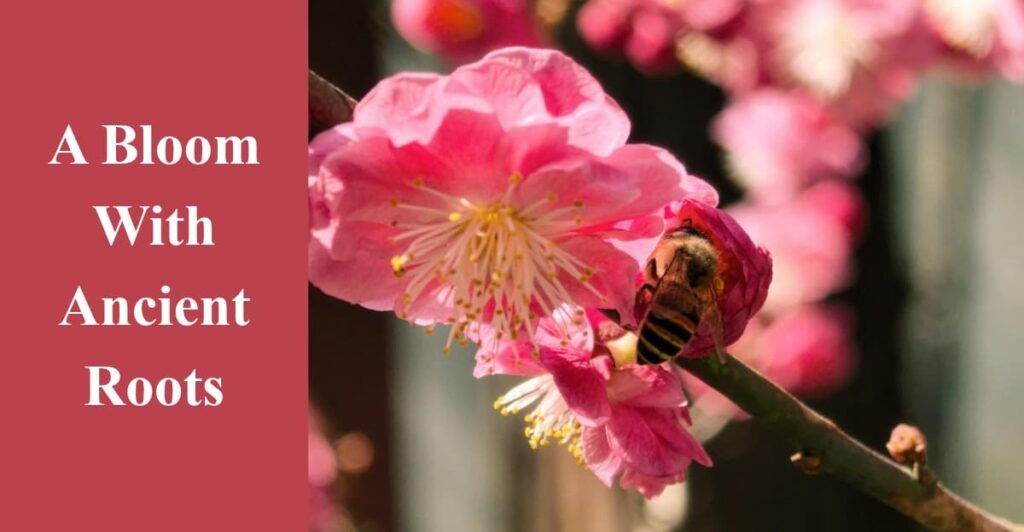
The plum blossom has ancient roots in Chinese culture, where it has long been valued in Chinese literature, Chinese art, and cultural heritage. Historical documents and historical artworks show how educated scholars admired it through traditional poetry, Chinese paintings, and ancient literature. According to the Tokyo National Museum, plum blossoms have appeared in literature since ancient times, while ink paintings became popular during the Song dynasty. In traditional Chinese art, it is one of the Four Gentlemen (sijunzi), alongside the orchid, bamboo, and chrysanthemum, representing the virtues of the cultured scholar in literati art.
The National Palace Museum in Taipei preserves historical paintings that highlight the flower’s traditional symbolism and cultural significance. Its connection with the changing seasons also appears in the Three Friends of Winter, represented by plum, bamboo, and pine. Through generations of Chinese artists and Chinese scholars, the flower became a symbol of character, moral virtue, purity, perseverance, integrity, and strength. These qualities continue to inspire artistic expression, literary traditions, traditional culture, and Chinese painting.
From my perspective, its lasting appeal comes from how naturally it connects floral symbolism, seasonal changes, and cultural values with the intellectual traditions and botanical symbolism of ancient China.
How the Plum Blossom Became Taiwan’s National Flower
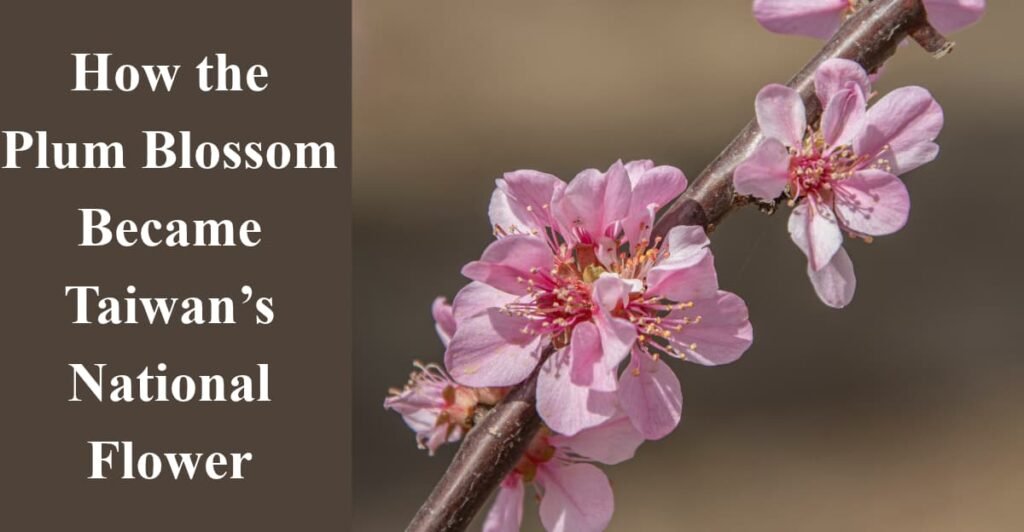
The journey toward national flower selection began in 1929, when the Ministry of Finance considered adding a flower design to the national currency through a new currency design and coin design. Various government departments favored the plum blossom, and the Central Standing Committee of the Kuomintang later adopted it as a national symbol for official emblems and national decorations.
Over the years, it appeared on national currency, postage stamps, military cap badges, and rank insignia, strengthening its military symbolism, official symbolism, and national recognition. On July 21, 1964, the Executive Yuan granted formal approval, giving the flower official status and strengthening its place in national identity, public imagery, and institutional imagery.
From my research into national floral symbols, I find it interesting how the plum blossom gained government approval through years of use before receiving formal recognition, becoming part of Taiwan’s national heritage and national representation.
Why is the Plum Blossom the National Flower of Taiwan?

The plum blossom represents Taiwan because of its ability to survive harsh winter weather, freezing temperatures, and difficult winter conditions. Even during the cold months, the plum tree continues winter blooming and continued blossoming, making its winter survival a powerful symbol of resilience, strength, stability, and purity.
The Executive Yuan connects this natural toughness with jian zhen gang jie, meaning moral integrity and strong character. Its symbolism reflects perseverance, endurance, determination, courage, personal beliefs, and strong values, encouraging people to remain steadfast through hardship and difficult times.
In my experience studying winter-flowering plants, the plum blossom is especially impressive because its cold resistance and natural strength beautifully reflect traditional virtues, national pride, and Taiwanese national identity.
What Does Taiwan Flower Blossom Symbolize?
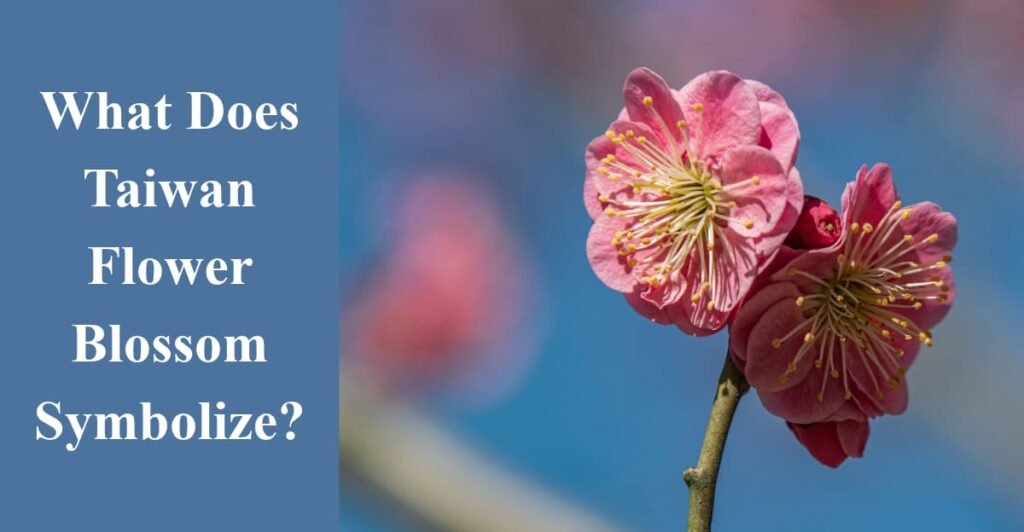
The plum blossom carries an important official meaning through its connection with Taiwan’s political history and national institutions. Its stamens, including one long stamen and two short stamens, symbolize Sun Yat-sen’s Three Principles of the People, while its five petals represent the five branches of the Republic of China government.
According to the Executive Yuan, its three buds and five petals also highlight the flower’s symbolic importance and winter resilience against cold weather and harsh conditions. These features connect the Taiwan national flower with firmness, integrity, purity, perseverance, strength, and stability.
I find these interpretations fascinating because the flower combines botanical beauty with political symbolism, moral values, and a meaningful message about strong character and national representation.
Plum Blossom in Art and Literature
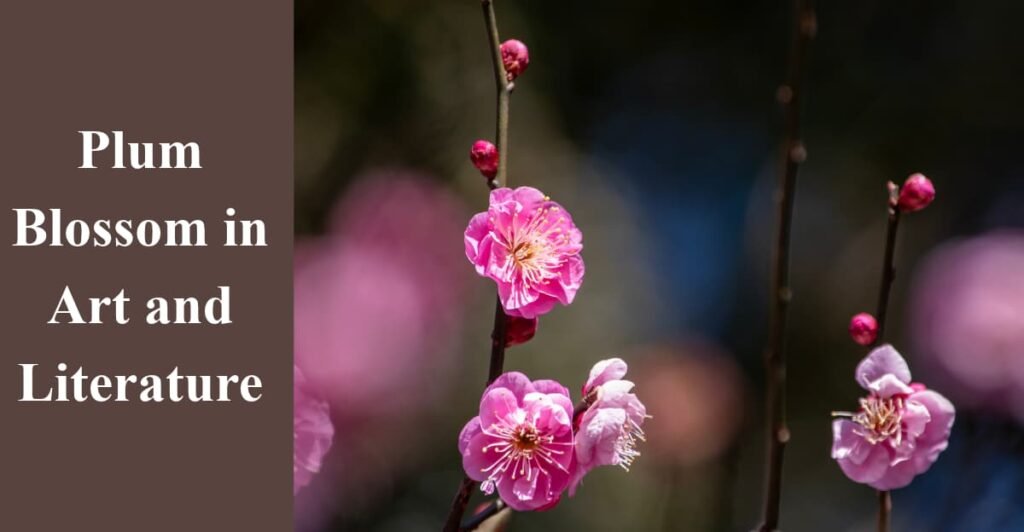
The plum blossom has a long history in Chinese literature and traditional ink painting, dating back to ancient eras. During the Song dynasty (960–1279), literati artists became especially fond of ink representations, while the National Palace Museum in Taipei preserves important historical artworks from the Ming dynasty and Qing dynasty.
Artists have portrayed plum branches through simple ink sketches and intricate paintings, often combining them with Chinese poetry and calligraphy. One notable 1948 artwork features a plum blossom painting by Wu Zheng, accompanied by four regulated Chinese poems from Shen Yinmo, while other historical paintings include birds and seasonal floral depictions.
From my experience studying traditional floral artwork, I find the combination of plum blossoms, poetry, and Chinese calligraphy especially beautiful because it reflects the depth of East Asian artistry, literary traditions, and traditional Chinese culture.
When Do Plum Blossoms Bloom in Taiwan?
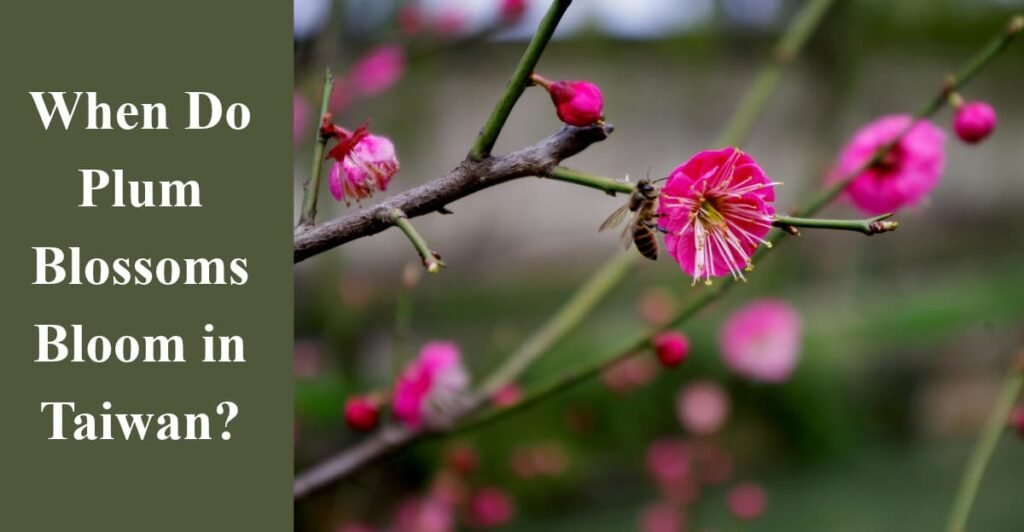
In Taiwan, the plum blossoms generally begin their blooming season during the colder months, usually in December or January. The Siraya National Scenic Area in Tainan identifies this period as the peak blooming season, while the Taiwan National Park Service reports that flowering in Sinyi Township often begins in January.
The flowering period varies with altitude, local weather conditions, and elevation. Blossoms may appear first in lower areas before reaching higher locations, while cold fronts, winter weather, and winter temperatures influence flower opening and blooming variations across different plum-growing regions.
In my observation of seasonal flowering patterns, mountain climate plays an important role in determining the blossom season, creating noticeable regional flowering patterns and geographical differences throughout Taiwan.
Where to See Plum Blossoms in Taiwan?
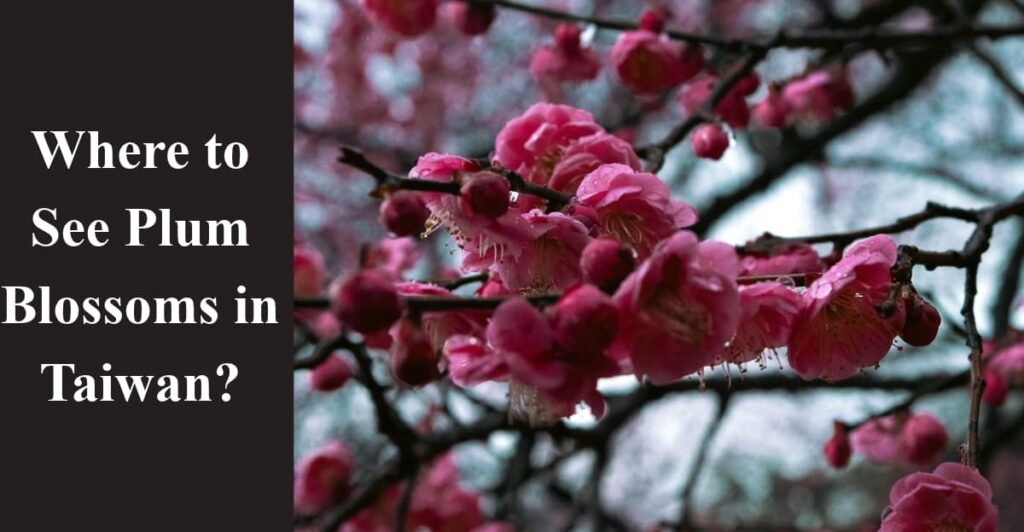
For plum blossom viewing in Taiwan, the Meiling Scenic Area in Tainan is among the best-known destinations. Its plum trees, mountain trails, Wulong Trail, Meifeng Historic Trail, and Fulai Centennial Plum Garden make it a popular choice for winter tourism and seasonal flower viewing.
Another attractive destination is Xinyi Township in Nantou County, particularly along the route to Tataka. According to the Taiwan National Park Service, visitors can find plum trees around Fongguidou, Tongfu, and Guanfong, where blossoms gradually move from lower elevations to higher elevations, creating different blooming stages across the mountains.
From a gardening and nature-viewing perspective, I find these locations especially appealing because their scenic mountains, hiking trails, and plum gardens combine nature tourism, seasonal destinations, and beautiful floral landscapes for winter sightseeing and mountain exploration.
Is Plum Blossom the Same as Cherry Blossom?
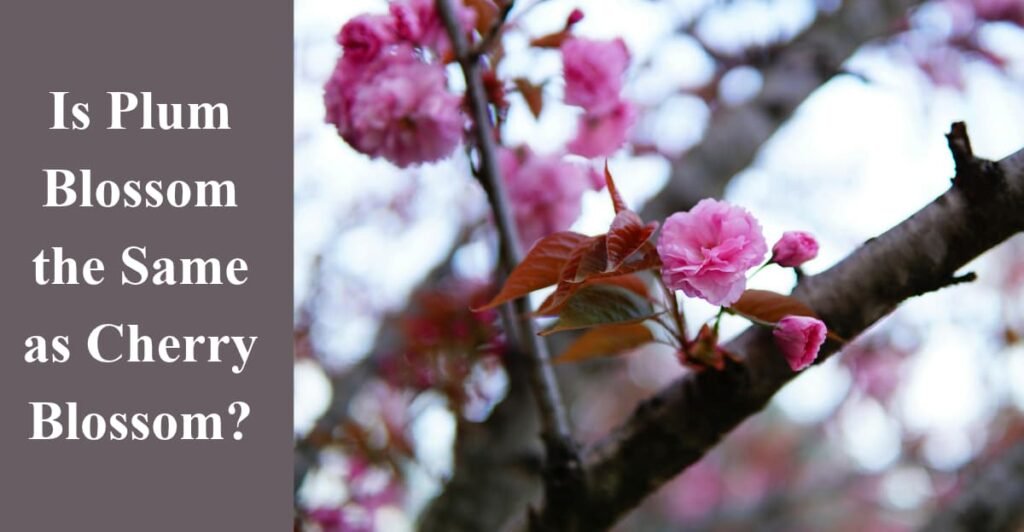
Although plum blossom and cherry blossom may look similar, they are different flowering plants with distinct scientific names and botanical characteristics. Taiwan’s national flower is Prunus mume, while cherry blossoms belong to other Prunus species and cultivated varieties, producing both pink flowers and white flowers.
Their flowering time, flower arrangement, and fragrance help with floral identification. Plum blossoms usually appear during winter blooming, growing as single flowers or small flower groups with a noticeable fragrance, rounded petals, and close branch attachment, whereas cherry blossoms generally appear during spring flowering in flower clusters, often with weaker fragrance, a petal notch, and slender flower stalks.
From my gardening experience, observing the flower scent, petal shape, flower structure, and branch growth makes it easier to distinguish these fragrant blossoms and understand their seasonal comparison.
Taiwan’s Plum Blossom and Other East Asian Floral Symbols
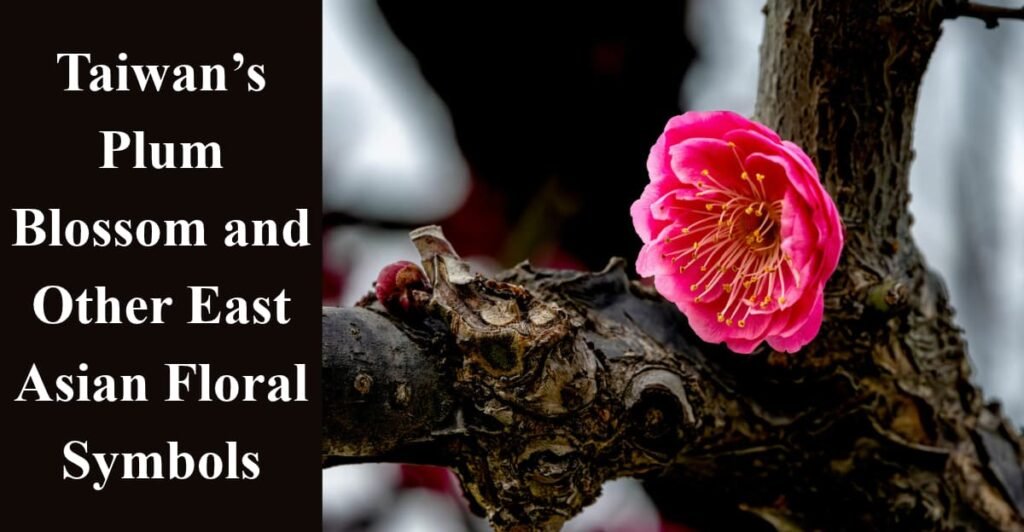
The plum blossom holds a special position among East Asian floral symbols because Taiwan gave it official national recognition through the Executive Yuan on July 21, 1964. Its national flower designation followed decades of use on national currency, postage stamps, military badges, and rank insignia, establishing its place in Taiwan’s national symbolism and national heritage.
In China, the flower has considerable cultural significance and Chinese tradition, but it does not have the same formal national flower status as in Taiwan; the tree peony remains a national favorite and received strong support in an unofficial 1994 poll. Similarly, Japan has no officially designated national flower of Japan, although chrysanthemums are associated with the Imperial Family, while cherry blossoms are considered an unofficial national flower because of their spring celebrations and cultural importance.
From my perspective, these differences show how East Asian traditions, traditional flowers, and cultural associations shape each country’s floral identity, national representation, and political symbolism.
Cultivating Plum Blossoms Today
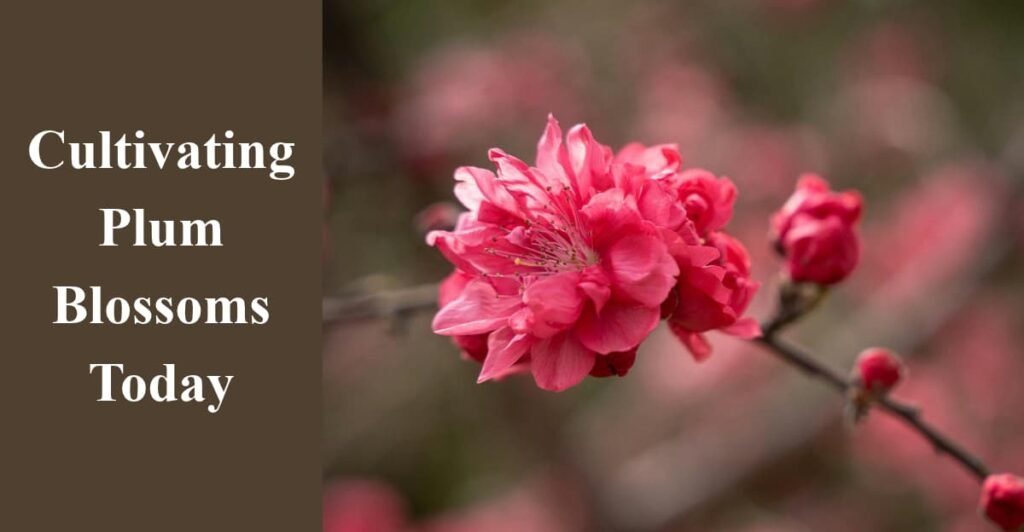
Growing Prunus mume successfully requires plenty of sunlight, deep and fertile soil, and good drainage. Young trees need regular watering, while established trees should be protected from prolonged drought and waterlogged soil. Proper winter chill is also essential because insufficient cold temperatures can affect flowering, especially in warmer, low-elevation areas.
Regular pruning removes crowded, crossed, damaged, and weak branches while improving light penetration and flower production. Since some Japanese and mainland Chinese varieties need colder winters, Taiwan researchers developed low-chill varieties such as Tainung Flowering Plum No. 1, which grow better in warmer regions.
From my gardening experience, choosing suitable varieties and maintaining proper soil moisture and timely pruning make a noticeable difference in healthy growth and flowering.
The Plum Blossom in Modern Taiwan
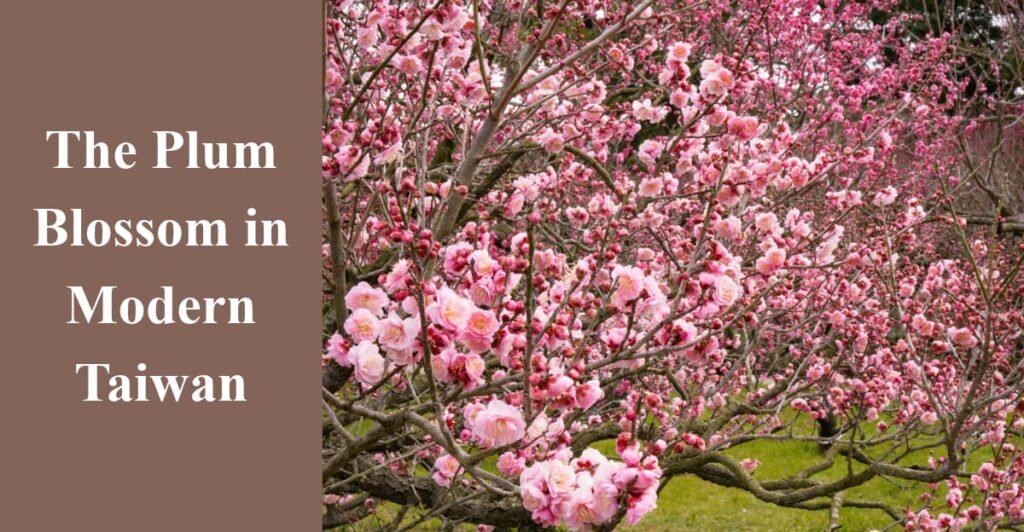
The plum blossom remains an important part of modern Taiwan and Taiwanese life, especially during the winter flowering season. Annual plum blossom events in Tainan’s Meiling bring together flower viewing, local tourism, and cultural activities, featuring mountain paths, gardens, viewing areas, walking paths, and transport options for visitors during the 2026 event.
In Taipei, the National Chiang Kai-shek Memorial Hall has hosted Plum Blossom Season, featuring pottery, stone carving, wood sculpture, calligraphy, and photography. Guided tours, tea culture, cultural performances, plum products, and flower exhibitions further connect the blossom with traditional crafts, cultural exhibitions, and seasonal celebrations. Chunghwa Post has also issued National Flower Postage Stamps in 1979 and 2011, displaying blooming plum branches and ink-wash paintings as part of Taiwan’s official visual culture.
From my perspective, these visitor attractions, postal stamps, and public events strengthen tourism development, national identity, contemporary culture, floral festivals, and Taiwanese heritage.
Taiwan National Flower and Other National Symbols
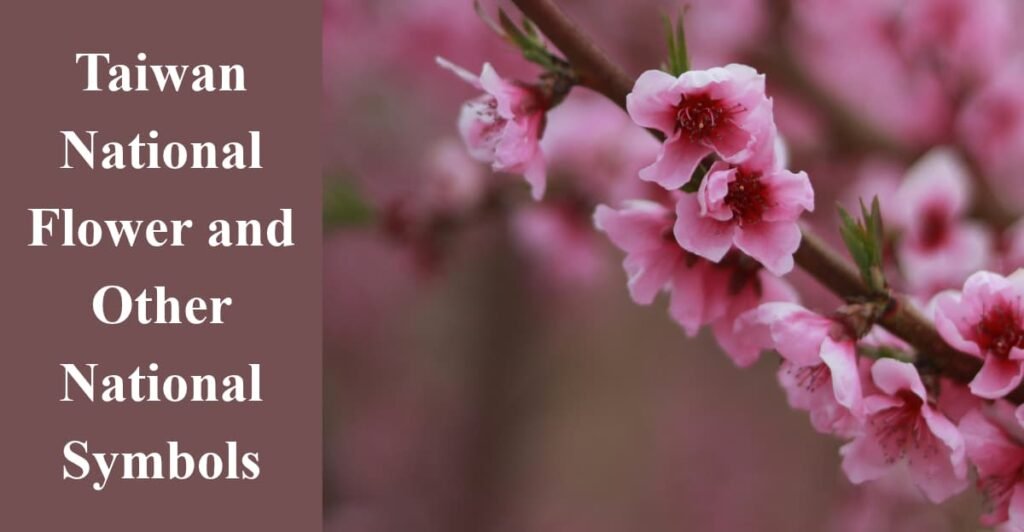
The plum blossom is one of Taiwan’s important national symbols, representing the country’s national identity and national representation alongside its national flag, national emblem, and other government symbols. The flag, known as the Blue Sky, White Sun, and Wholly Red Earth, features blue elements, white elements, and red elements, traditionally associated with freedom, equality, and sacrifice.
Taiwan’s national emblem displays a white sun with 12 rays on a blue field, representing the 12 months and traditional two-hour periods of the day. The Formosan black bear is widely recognized as an unofficial national animal, while the Republic of China (Taiwan) maintains two national seals: the Seal of the Republic of China and the Seal of Honor, used for official state documents and matters of national importance. These state emblems, official flags, political symbolism, national heritage, state institutions, national traditions, cultural symbols, and official insignia contribute to Taiwan’s national recognition.
I find it interesting how each symbol has a distinct role, from representing nature through the plum blossom to expressing national traditions through official emblems and seals.
Can You Eat Plum Blossom Fruit?
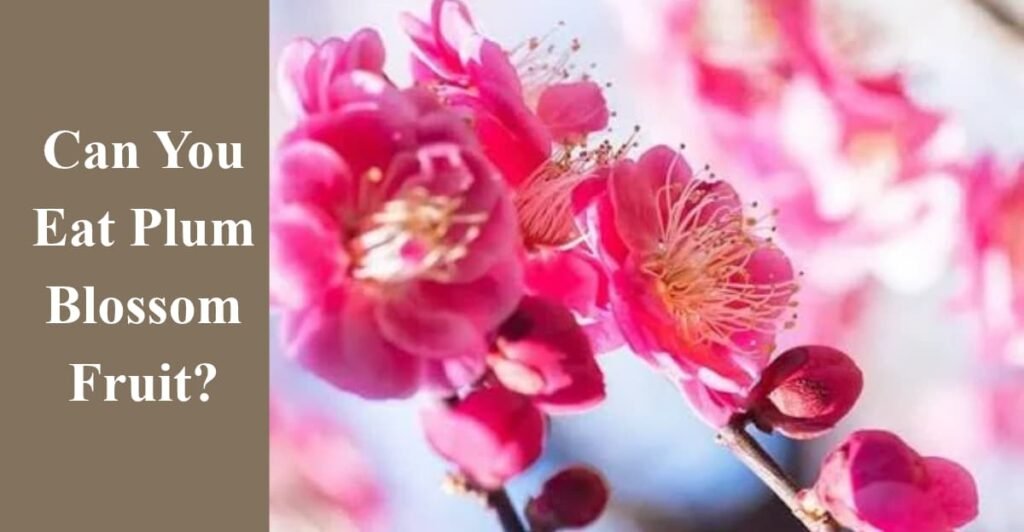
The fruit of Prunus mume is edible when properly prepared, but it is not usually eaten fresh like ordinary sweet plums because of its strong sour taste and high acidity. According to Taiwan’s Ministry of Agriculture, fresh fruit is generally used for fruit processing and food preparation, including pickled plums, salted plums, dried plums, plum juice, plum syrups, and plum sauces. These preserved foods and other Asian food products are common examples of traditional East Asia food preparation.
In Taiwan, green plums and immature plums are collected during their short harvest season for harvesting, sugar preservation, salt preservation, and other fruit preservation methods. They are turned into dried fruit, plum drinks, and other processed fruit and fruit products. Although nutritional studies discuss P. mume and its use in processed foods, fruit safety is important: plum seeds contain toxic compounds, and seed toxicity and immature fruit poisoning can cause food poisoning if consumed incorrectly. The Ministry’s safety warnings and guidelines, supported by recent studies, advise against seed consumption and eating raw plum seeds. For safe consumption, choose proper food preparation and preserved plum products rather than treating the fruit like ordinary table plums.
From my food and gardening research, I recommend paying close attention to fruit acidity, fresh plum consumption, and safe processing, especially when handling improperly prepared fruit or seasonal harvesting.
Conclusion
The plum blossom, or Meihua, is more than Taiwan’s national flower; it represents resilience, cultural heritage, and national pride. From its ancient symbolism to its winter blooms and modern celebrations, Prunus mume holds a special place in Taiwanese identity. Explore its beauty, history, and growing traditions to appreciate why this remarkable flower remains so meaningful.
Frequently Asked Questions
1. What is the national flower of Taiwan?
The plum blossom (Meihua) is Taiwan’s national flower. It was officially recognized by the Executive Yuan on July 21, 1964.
2. Why does the plum blossom represent Taiwan?
It symbolizes resilience, perseverance, strength, and purity because it blooms during the cold winter months and represents a strong national character.
3. When is the best time to see plum blossoms in Taiwan?
Plum blossoms generally bloom from December to January, although the exact timing varies with altitude, weather, and location.
4. Can you eat the fruit of Prunus mume?
Yes, but it is usually processed into pickled plums, dried fruit, juice, and syrups rather than eaten fresh. The seeds should never be consumed because they contain toxic compounds.
Please Write Your Comments