Black Flowers: Meaning, Types, Symbolism, and Stunning Garden Ideas
Updated: October 2, 2026
7
Discover the mysterious beauty of black flowers, from deep purple blooms to rare ink-colored petals. Explore their meaning, symbolism, popular types, and stunning ways to use them in your home garden. Learn how dark blooms create dramatic contrast with green foliage and brighter flowers for a captivating look. Keep reading for inspiring garden ideas and expert tips to make these unusual flowers truly stand out.
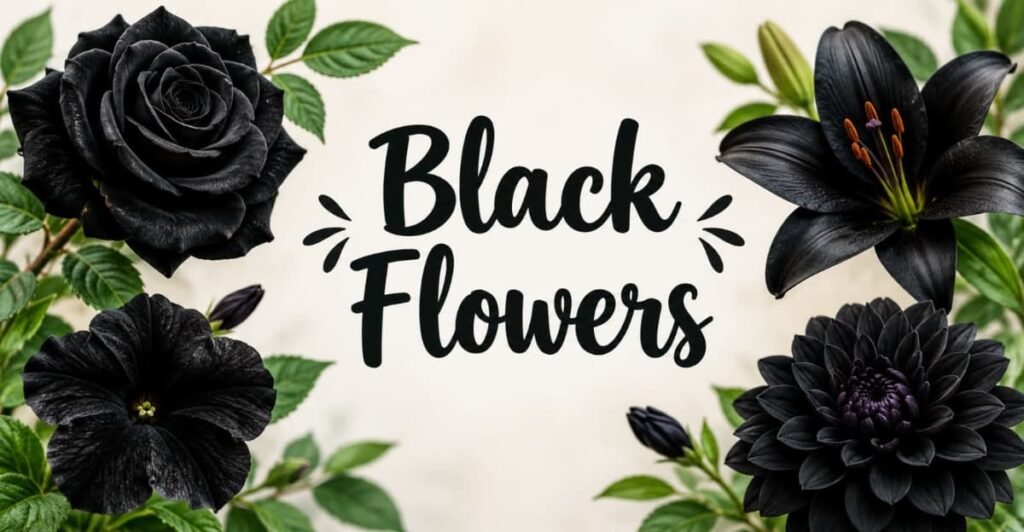
Table of Contents
What Are Black Flowers?
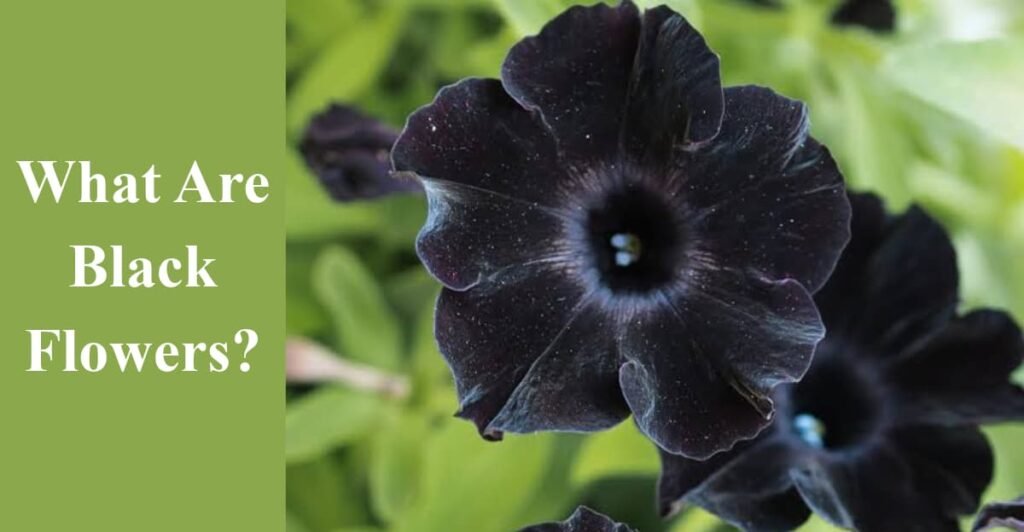
In botany, black flowers are usually dark blooms created by dense anthocyanins, natural pigments that include red pigments, purple pigments, and blue pigments. These water-soluble pigments absorb visible light, creating an optical illusion of a jet-black surface in many rare species.
Through selective breeding, horticulturists developed dark pigmentation by choosing the darkest specimens, making floral color more intense. Differences in floral pigmentation, velvety texture, waxy finish, and maroon sheen reflect fascinating plant genetics, plant breeding, and human curiosity about rare flowers and botanical specimens.
I find that flowers with a velvety texture and subtle maroon sheen often create the most convincing black appearance in my garden.
Meaning and Symbolism of Black Flowers
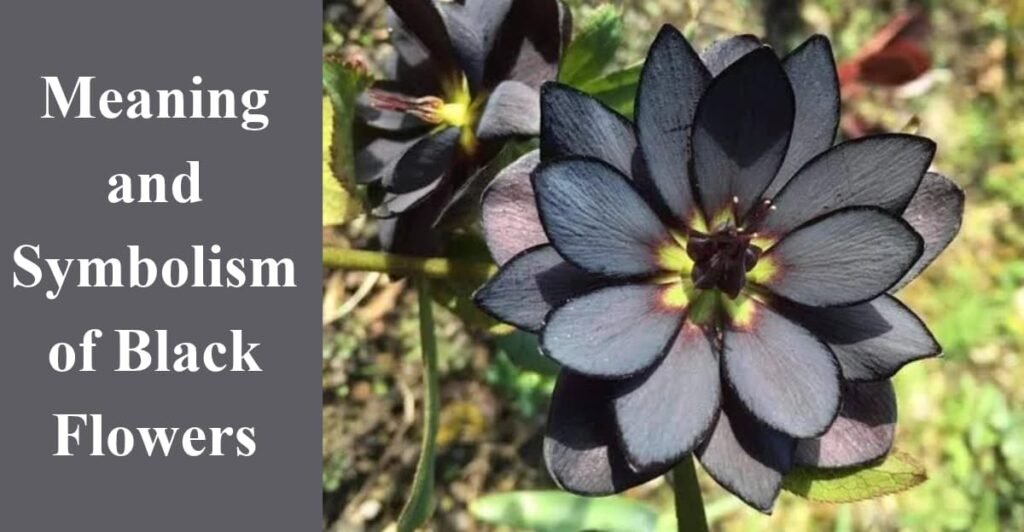
The symbolism of dark flora has changed over time; in Victorian floriography, the black rose was associated with death, mourning, and a final farewell, while modern cultural significance often focuses on rebirth, strength, transformation, and new beginnings. Today, unusual flowers and rare flowers can express individuality, boldness, unconventional beauty, and an edgy aesthetic, making them meaningful choices for flower gifts, celebratory bouquets, and garden decoration.
From my gardening experience, I find their elegant mystery especially effective when paired with lighter blooms, creating a sense of sophisticated beauty and strong floral symbolism.
Why Black Flowers Are So Popular
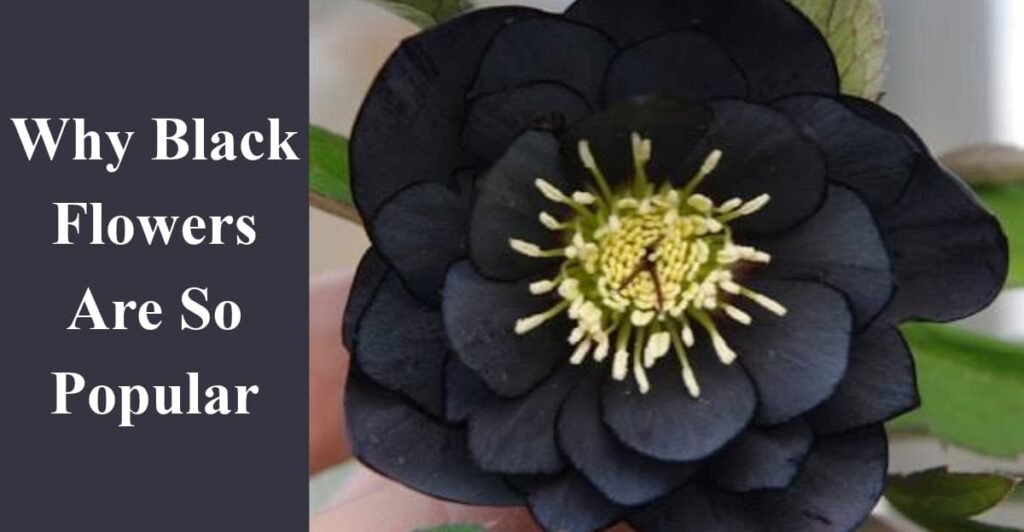
The rise of moody garden styles, Gothic-inspired decor, and dark floral trends has made these flowers increasingly popular in mainstream gardening. Their dramatic contrast with neon flowers, pastel flowers, and green foliage creates a strong visual anchor, adding depth to any outdoor space or home gardens. In the digital age, social media platforms have also highlighted striking visuals of an ink-colored petal against a snowy backdrop or white wall, producing shareable images with a magical look and sophisticated style that appeals to the younger generation of gardeners seeking a visual masterpiece through modern garden design.
In my own garden designs, I use dark blossoms as focal points because they naturally draw attention without overwhelming surrounding plants.
Most Popular Types of Black Flowers
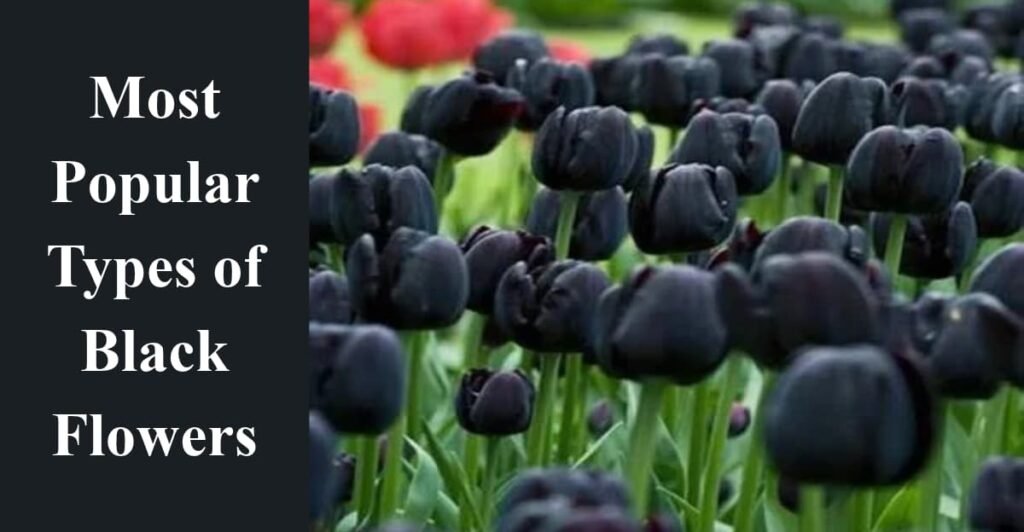
Black flowers come in several striking varieties, ranging from classic garden favorites to unusual collector plants.
- Tulipa ‘Queen of Night’: A classic Queen of Night tulip with tall stems, sturdy stems, and deep maroon-purple petals that create a black appearance in shade.
- Viola ‘Molly Sanderson’: A Molly Sanderson viola is a petite perennial with true-black petals and a small yellow eye around the flower center.
- Alcea rosea ‘Nigra’: This black hollyhock is a towering biennial producing chocolate-black flowers on tall spikes.
- Petunia ‘Black Cat’: A Black Cat petunia and modern favorite known for its velvety texture, deep uniform color, and suitability for hanging baskets.
These popular black flowers, classic varieties, and stunning plants are excellent for a flower collection, including ornamental flowers, perennial flowers, biennial plants, and other dark flower varieties.
Rare and Unique Black Flower Varieties
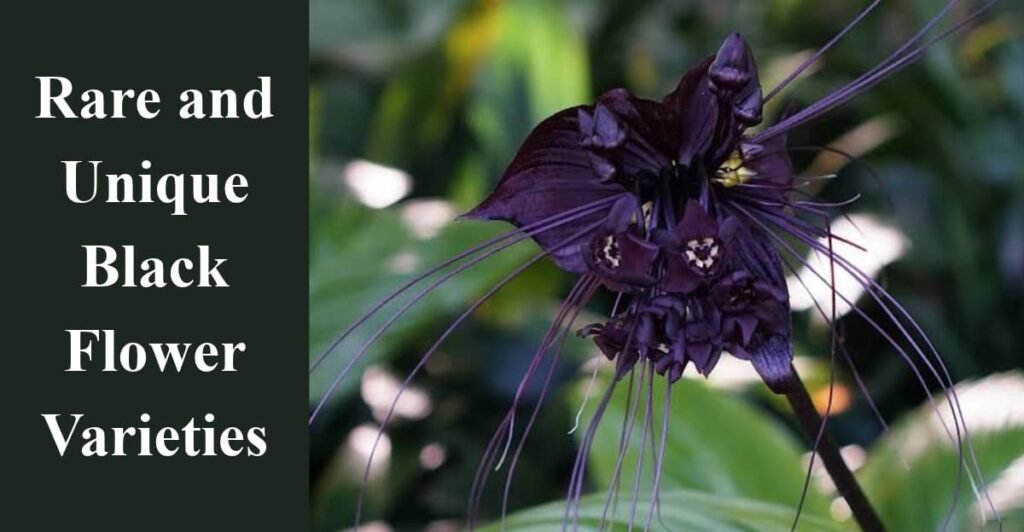
For collectors seeking unusual blooms, these rare species offer distinctive colors, shapes, fragrances, and growing characteristics.
- Black Bat Flower: Tacca chantrieri is an exotic plant from Southeast Asia, featuring long whiskers reaching around 12 inches long and resembling a bat in flight.
- Chocolate Cosmos: Cosmos atrosanguineus is known for its dark red-black color, cocoa fragrance, and distinct fragrance, making it a fascinating choice for collectors.
- Black Baccara Rose: Often described as the darkest rose, its rose buds can appear jet black before opening into a deep velvety red bloom.
These rare flowers, unique varieties, ornamental plants, and tropical flowers can be especially appealing to a serious collector, although they may require specific growing conditions and can be harder to find in local nurseries.
Black Flowers for Gardens and Landscaping
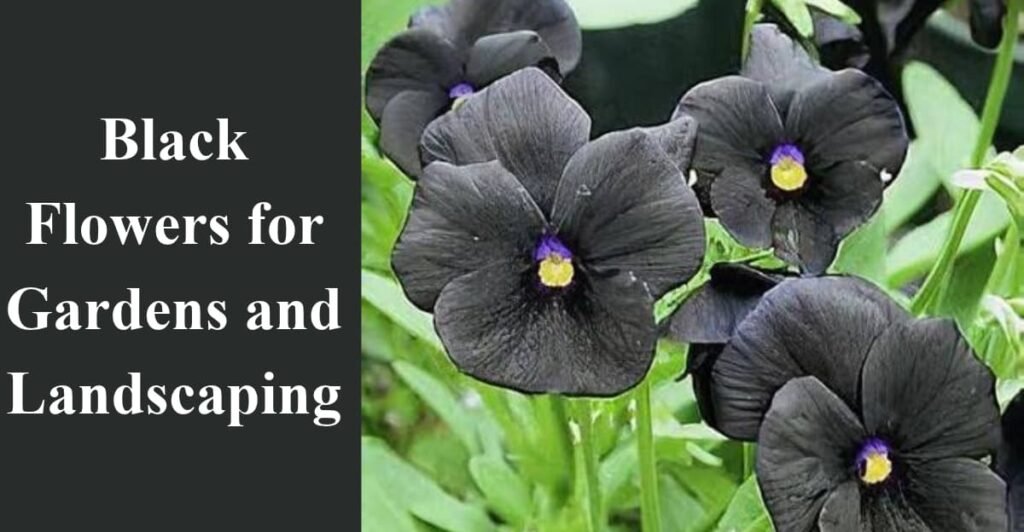
Black flowers can transform a garden by adding depth, contrast, structure, and a dramatic focal point.
- Create contrast: Use dark plants as a secret weapon in backyard landscape design. Through color theory, they make surrounding colors and vivid colors stand out.
- Add negative space: Professional designers use negative space to give the garden more visual depth and balance.
- Brighten flower beds: A yellow marigold beside a dark purple flower creates strong color contrast and makes both blooms more noticeable.
- Build a backdrop: Plant Black Lace Elderberry and other taller dark varieties against a light-colored fence for an attractive garden backdrop.
- Use layering: Combine taller plants with low-growing plants such as Black Mondo Grass along a garden border to frame brighter flower beds.
- Mix textures: Try matte-finish flowers with glossy-leafed plants for texture play, tactile interest, and contrasting textures.
- Improve garden structure: Combine dark foliage, ornamental flowers, and layered flower beds to create a balanced garden design.
- Plan carefully: Good garden planning and landscaping can make dark flowers work beautifully in ornamental landscaping without overwhelming the space.
Personal experience: I find that pairing dark blooms with lighter foliage creates the most balanced and visually striking garden.
How to Grow Black Flowers Successfully
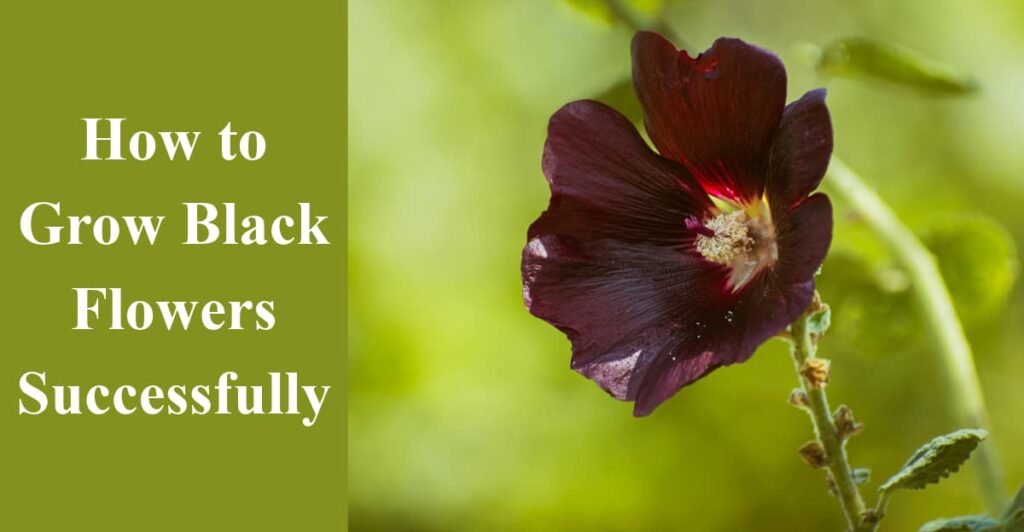
Black flowers need the right balance of sunlight, moisture, soil, and feeding to maintain their deep color and healthy growth.
- Light: Provide full sun for most varieties, but use afternoon shade or dappled shade when needed to prevent bleaching.
- Soil: Choose rich soil that is well-draining and contains plenty of organic matter to support healthy growth.
- Watering: Maintain consistent moisture because plant stress can cause pale colors and washed-out colors.
- Feeding: Apply a phosphorus-rich fertilizer to support pigment production and stronger flower pigmentation.
- Protect dark petals: Velvety blossoms can suffer from sun-scald because dark petals absorb more heat during extreme temperatures.
- Use shade wisely: Provide dappled shade during the hottest part of the day to reduce heat absorption, prevent petal burning, and support petal preservation.
- Follow horticultural care: Understanding horticultural secrets, growing conditions, flower care, horticulture, soil fertility, and sunlight requirements helps maintain the ink-colored intensity and mysterious beauty of black flowers.
Best Seasons for Black Flowers
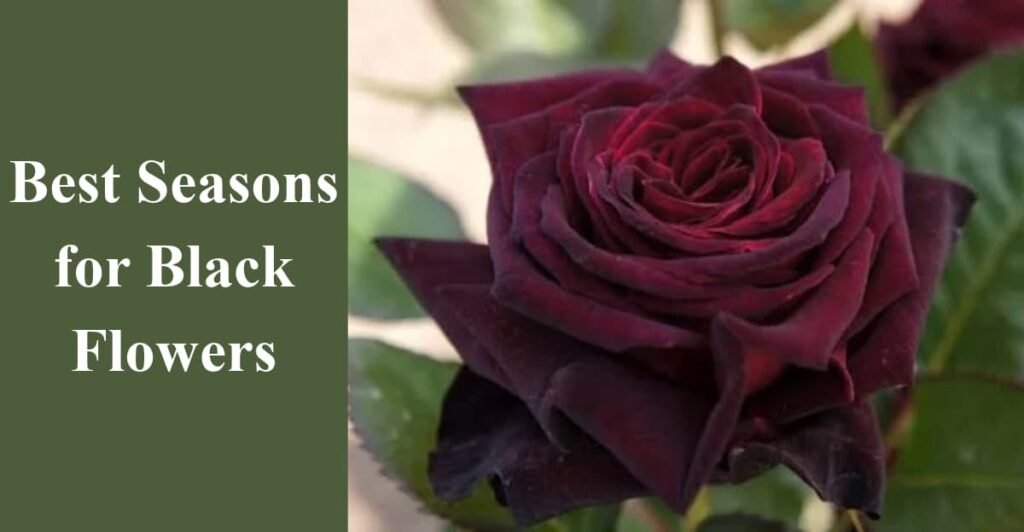
Choosing flowers according to the season helps create a black garden with year-round blooms, continuous striking visuals, and well-planned seasonal transitions.
- Spring: Plant tulips, hellebores, and pansies for early-season drama as they thrive in cooler air.
- Summer: Grow dahlias, hollyhocks, and lilies, which perform well in warmth and full sun.
- Autumn: Add ornamental black peppers and chrysanthemums as the shortening days bring a fresh seasonal display.
- Winter: In milder climates, Onyx Odyssey Hellebore can produce winter blooms even through snow, creating a captivating winter sight.
- Plan year-round: Use a flowering calendar, seasonal flowers, seasonal gardening, and garden planning to maintain dark flowers throughout the year.
Black Flowers and Their Cultural Significance
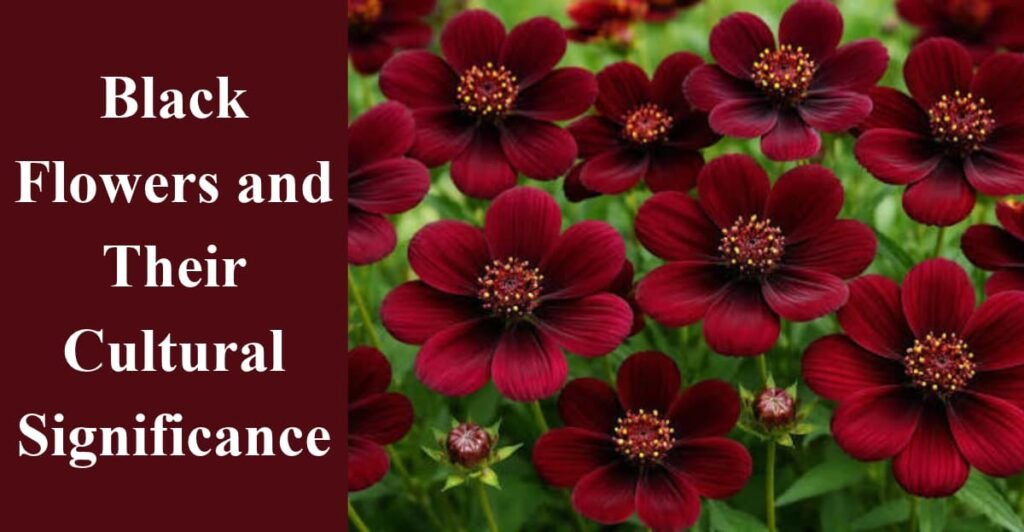
In natural botany, black flowers represent the unusual, while their black color is often connected with the shadow side of nature, cultural symbolism, and deeper symbolic meaning. In 2026 designs, zen gardens may use dark flowers to represent the void or the beginning of all things, reflecting changing views of nature and floral symbolism.
Beyond gothic styles, black blooms now appear in modern minimalism, dark floral designs, minimalist gardens, and alternative garden styles. Their role in garden aesthetics, contemporary gardening, floral arrangements, and emerging design trends reflects a growing interest in embracing nature through distinctive garden styles.
I find black flowers especially effective in minimalist garden designs because their depth creates a calm yet striking focal point.
Conclusion
Black flowers bring mysterious beauty, bold contrast, and elegant mystery to gardens, bouquets, and modern landscapes. From popular varieties to rare species, they offer unique colors, textures, symbolism, and creative planting possibilities. With proper care, seasonal planning, and thoughtful design, these dark blooms can become stunning focal points in any garden.
Frequently Asked Questions
1. Are black flowers naturally black?
Most black flowers are not truly black; their dark appearance usually comes from high concentrations of pigments such as anthocyanins.
2. What do black flowers symbolize?
Black flowers can symbolize strength, rebirth, transformation, new beginnings, individuality, and mystery, while historically some were associated with mourning and farewell.
3. What are the most popular black flowers?
Popular choices include Queen of Night tulip, Molly Sanderson viola, black hollyhock, Black Cat petunia, and Black Baccara rose.
4. Can black flowers grow in a home garden?
Yes. Many varieties can thrive in home gardens when provided with suitable sunlight, well-draining soil, consistent moisture, and proper seasonal care.
Please Write Your Comments