Fun Facts About Oak Trees You Didn’t Know
Updated: October 20, 2026
15
Oak trees are among the most fascinating and ecologically valuable trees in the world, known for their long lives, unique features, and remarkable benefits. From supporting wildlife and producing nutrient-rich acorns to inspiring history, culture, and symbolism, oaks have many surprising stories to tell. This guide explores fun facts about oak trees, including their species, lifespan, leaves, uses, wildlife value, and unusual characteristics. Keep reading to discover more fascinating oak facts, and return anytime for more insightful tree and nature guides.
Table of Contents
How Many Oak Species Exist Worldwide?
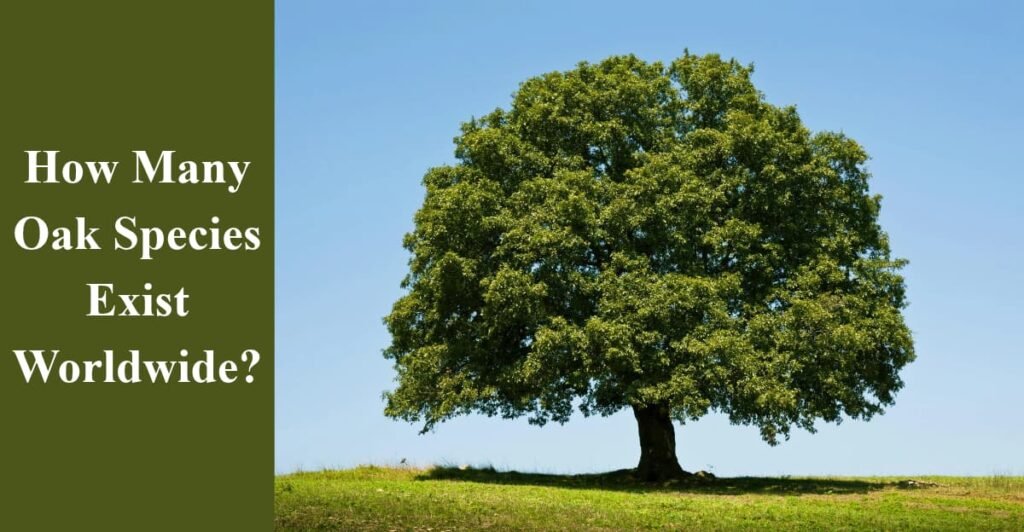
There are around 500 to 600 oak species worldwide, including hybrids, with North America holding remarkable variety. The United States has about 90 species, while Mexico has over 160, including 109 that grow nowhere else.
China also has more than 100 oak species within its borders, including familiar types such as Northern Red Oak (Quercus Rubra), the New Jersey state tree. Across the worldwide oak family, this diversity highlights how widely these trees are distributed.
In my experience studying oak diversity, comparing species by region makes their remarkable variety much easier to appreciate.
How Long Do Oak Trees Live?
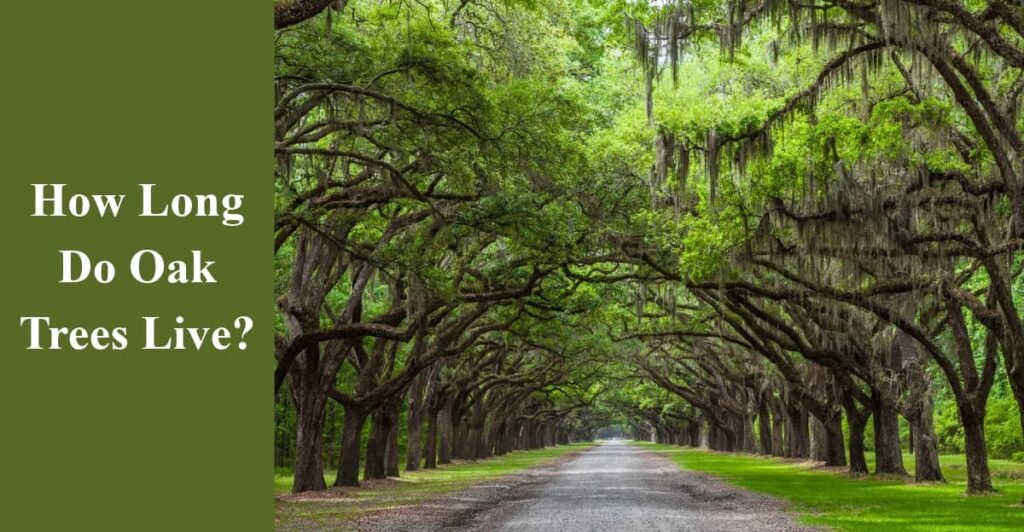
Most oak trees live a long time, with most species reaching at least 200 years. White oaks often pass the 300-year mark, while some in New Jersey and West Virginia have reached almost 600 years old.
The southern live oak in Louisiana can reach 1,500 years old, while the Stelmuže oak, an English oak in Lithuania, is nearly 2,000 years old. The Jurupa Oak, a colony of Palmer’s oak clones, has an estimated lifespan of 13,000 years, making oak longevity truly remarkable.
In my experience, seeing very old oaks makes their age and lifespan feel far more impressive than numbers alone.
What Are the Main Types of Oak Leaves?
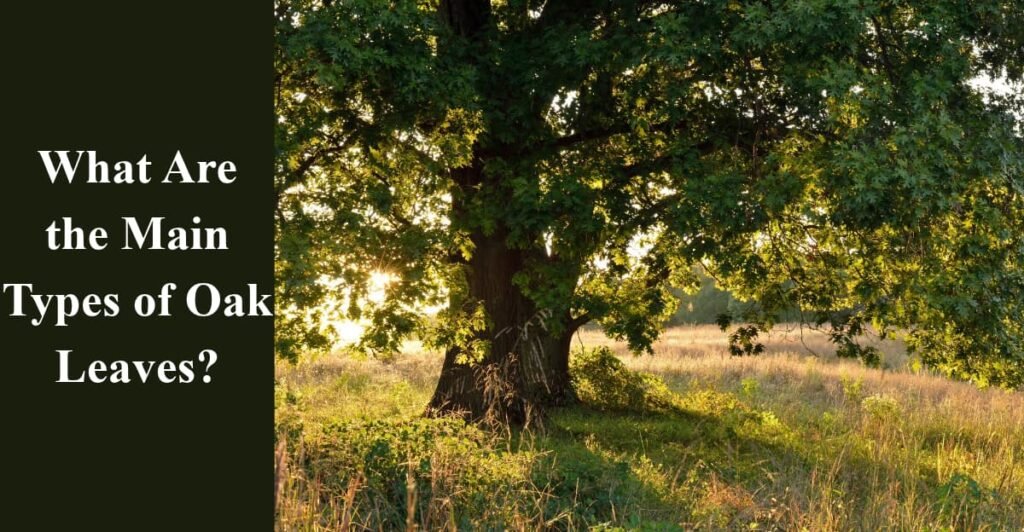
Oak leaves usually emerge in April or May and can grow about 4 inches long. The two main types are distinguished by their lobes: white oaks have rounded lobes, while red oaks have pointed lobes.
Oak leaves change color around August and typically drop by December, although some species retain dead leaves through winter. These seasonal changes, including leaf color, leaf drop, and oak foliage, make each season visually distinctive.
I find leaf shape especially useful when identifying oaks outdoors because the rounded and pointed lobes provide an easy visual clue.
Why Do Some Oak Trees Retain Dead Leaves?
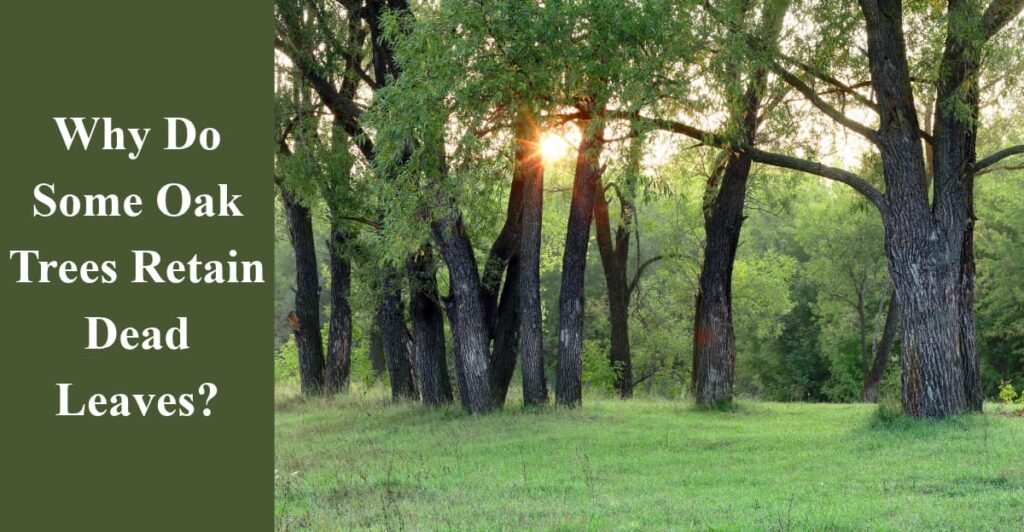
Some oak trees keep their dry leaves from autumn through spring, a process known as marcescence. While the exact process remains uncertain, several theories and explanations suggest that retaining dead leaves may discourage animals such as deer and moose from reaching buds, while also benefiting oaks growing in poor soil. During winter, snow can collect on the leaves and direct water toward the roots, and when the leaves finally fall, they become nutrient-rich mulch, returning nutrients to the soil.
In my experience observing oak trees through winter and spring, leaf retention is one of the most noticeable seasonal traits, particularly on younger trees.
How Do Oak Trees Protect Themselves?
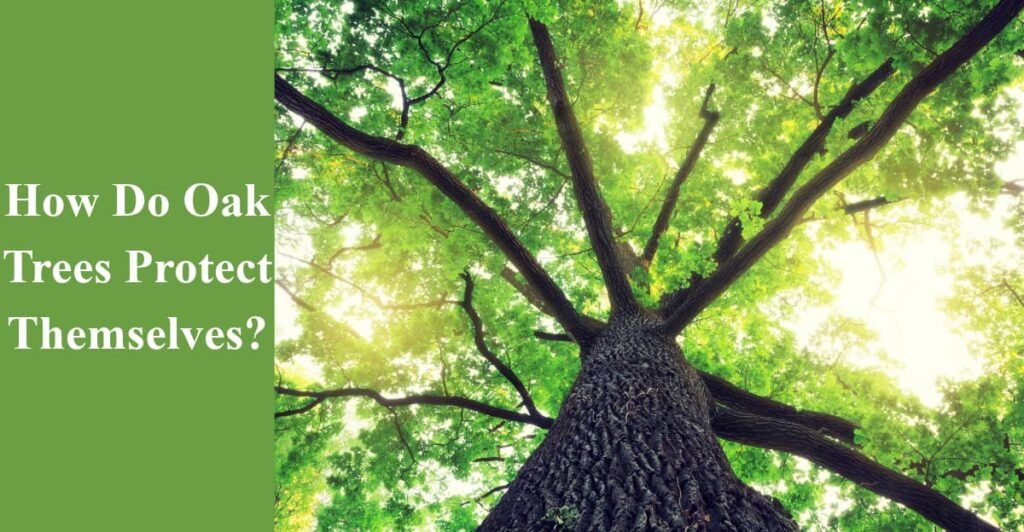
Oak trees rely on several natural defenses, beginning with acorns, which have a hard outer shell, while both acorns and leaves contain tannic acid, a chemical that can discourage harmful fungi and insects. Young oak trees may retain dead leaves through winter through marcescence, potentially helping protect new buds from deer and moose.
Their oak wood is naturally tough, with tannins and tyloses that help reduce water loss and decay, keeping nutrients within the tree and improving tree survival during dry spells. These combined defense mechanisms, including chemical defenses, insect resistance, and fungal resistance, show how effectively oaks protect themselves.
From my experience with oak care, I have found that understanding these natural defenses helps explain why healthy trees can withstand challenging conditions.
Why Are Oak Trees Vital for Ecosystems?
Oak trees are critical to ecosystems because they support more life than almost any other native tree, functioning as a keystone species from the canopy to the roots by providing food, shelter, and habitat. Oak forests support around 2,300 wildlife species, with 555 species that depend almost entirely on oaks, while the trees help clean air, clean water, hold soil in place, and fight climate change by storing carbon from the atmosphere.
Their acorns deliver a powerful nutrient punch of protein, fats, carbs, and minerals, giving forest animals the energy they need, while irregular acorn cycles, known as mast years, can influence wildlife numbers; 2023, for example, was a mast year for acorns around Chicago. This makes the oak a cornerstone of the forest ecosystem, with extraordinary biodiversity and ecological importance.
From my experience studying woodland habitats, oaks consistently stand out as trees that support life at almost every level.
How Do Oak Trees Support Wildlife?
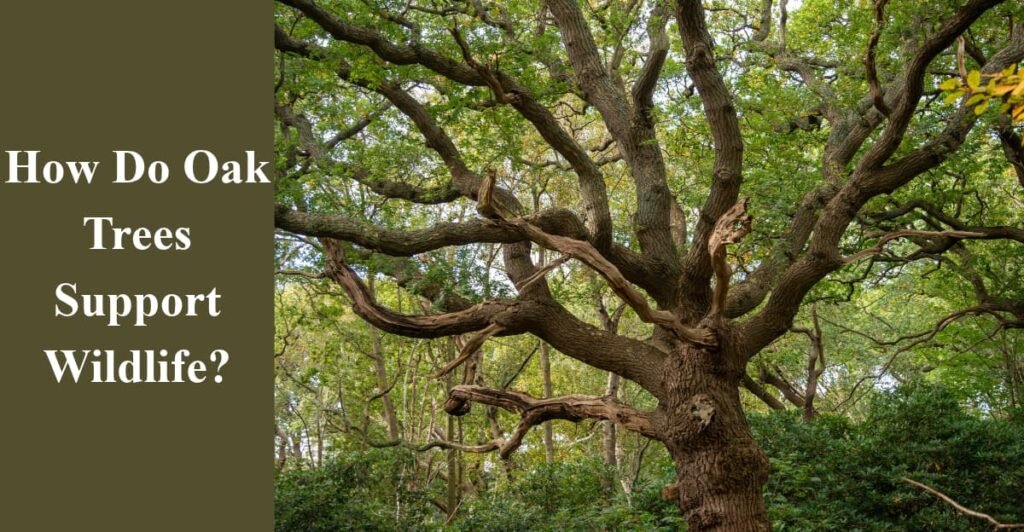
Oak trees support diverse wildlife, including mammal species, bird species, and invertebrate species. Their leaves feed caterpillar species, including hundreds of caterpillar species that become vital food for songbirds, while acorns provide a rich food source for badgers, deer, wild boar, squirrels, and wood mice.
Oak leaf litter further benefits the environment by enriching soil, feeding decomposers, and returning nutrients to fertile soil as it breaks down; leaf mold also creates shelter for invertebrates, fungi, and microorganisms, helping maintain a healthy forest floor. This combination of food source, habitat, nutrient cycling, and forest floor resources strengthens wildlife habitat and biodiversity.
In my experience walking through oak-rich woodland, the amount of life supported beneath and around a single oak is remarkably easy to underestimate.
How Does Oak Leaf Litter Benefit the Environment?
Oak leaf litter and oak leaves contribute to the environment by forming rich mulch around oak tree bases, feeding the soil and creating habitat within the litter itself. This layer supports millions of detritovores, including millipedes, springtails, woodlice, and slugs, providing both food and a home, while also helping suppress invasive plants such as Japanese stiltgrass.
Oak litter can also help limit snakeworms and their role in soil erosion, keeping the ground healthier and more stable. The result is healthy soil, diverse soil, improved soil health, and greater biodiversity, with leaf litter, decomposers, habitat, and nutrient cycling all working together.
From my experience observing leaf-litter layers, healthy oak soil is often teeming with small organisms that are easy to miss but essential to the wider ecosystem.
How Have Oak Trees Been Used as Symbols?
Oak trees have been important to people for millions of years, appearing in stories, religions, and symbols that reflect strength, long life, royalty, and patriotism. As national symbols, oaks have represented enduring identity and cultural values, while oak wood has served people since ancient times in building, ships, and various industries. Oak gall ink, once a major writing ink in Europe, was used for important texts such as the Magna Carta. Oak Apple Day also recalls King Charles II and his famous oak tree hiding place during his escape.
In my experience researching tree symbolism, few species connect nature, history, and national identity as strongly as the oak.
How Has Oak Wood Been Used Throughout History?
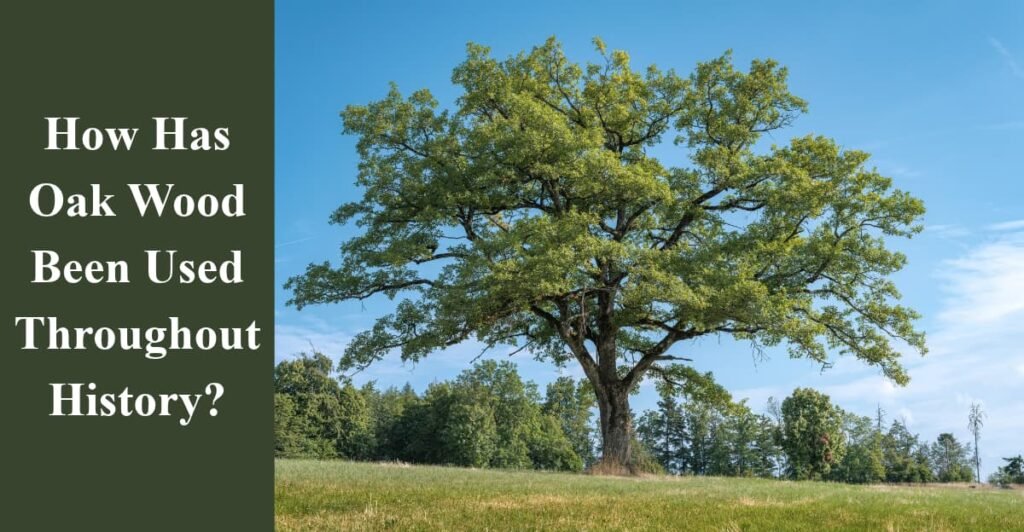
Oak wood has been a valued building material for hundreds of years because it is strong, long-lasting, and rot-resistant, making it useful for construction, shipbuilding, and everyday products. Vikings used oak for their longships, while the Royal Navy built warships such as HMS Victory from it, and European shipbuilders favored English oak for ship frames. White oak, with its tight grain and tannins, was especially useful in shipbuilding and for aging whisky and wine, adding vanilla and licorice flavors. Oak also became construction timber for floors, furniture, farm tools, and fuel, demonstrating its exceptional durability and value as timber.
From my experience examining traditional oak products, its combination of strength and durability explains why oak has remained useful across generations.
What Unique Products Come From Oak Trees?
Oak trees provide far more than lumber, with acorns once valued as a superfood and ground into flour for bread or used as a coffee substitute. People also made liquor from young acorn shoots, while cork oak bark supplied wine stoppers and other cork products.
Oak wood is widely used for aging wines, sherry, spirits, brandy, Irish whiskey, and Scotch whisky, giving these beverages a distinctive oaky flavor with notes of vanillin. These varied oak products show how one tree can provide food, materials, cork, and valuable influences on beverages.
In my experience exploring traditional oak uses, the range of products made from different parts of the tree is particularly impressive.
How Are Oak Trees Represented in Art and Currency?
Oak trees appear in art and currency as symbols of national heritage and strength, connecting natural history with cultural heritage. German artist Bartholomaus Traubeck transformed oak tree rings into music, creating an effect comparable to a vinyl record, while Tania Kovats used thin slices from a 200-year-old oak in her artwork.
Oak branches and oak leaves also appear on currency, including the Euro, while oak gall ink, produced from oak galls or small growths on oak trees, served as Europe’s main writing ink for centuries. Composers such as Mozart used this ink for important texts and musical scores, giving oak an enduring place in artistic representation and written culture.
In my experience studying oak’s cultural presence, its influence on art, writing, and currency shows that this tree is valued far beyond its physical uses.
What Is the Largest Living Oak Tree?
The Seven Sisters Oak in Mandeville, Louisiana, is recognized as the largest living oak and a remarkable giant oak tree. Reaching around 148 feet tall, this living oak stands out for its impressive height, size, and status as a landmark in Louisiana, showcasing the extraordinary scale an oak tree can achieve.
In my experience observing mature oaks, exceptionally large specimens like this make the tree’s longevity and growth much easier to appreciate.
What Are Important Considerations About Oak Trees?
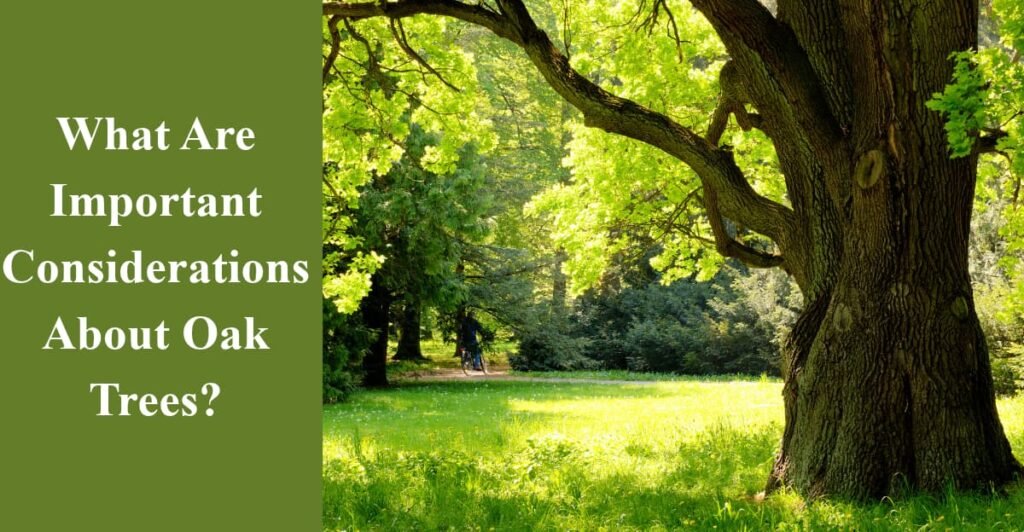
Across the worldwide range of oak trees, important considerations include Illinois, climate change, new construction, and invasive plants, all of which can create stress for trees and surrounding habitats. Diseases such as oak wilt, root rot, oak anthracnose, powdery mildews, oak processionary moth, and acute oak decline can further threaten tree health, while too few young oaks available for replacement of old oaks places native oaks at risk.
Conservation groups support efforts such as OAKtober and the Ancient Tree Inventory for protecting trees, habitat protection, native species, and long-term regeneration. If you plant an oak, selecting a smaller tree can encourage healthier growth, while matching the soil to the needs of different oak species, including acidic soil or moist soil, can improve establishment.
From my experience with oak planting and care, paying attention to conservation, soil, and early signs of oak disease is one of the best ways to support long-term tree health.
Conclusion
Oak trees are remarkable for their longevity, biodiversity, cultural importance, and many practical uses. From ancient oaks and wildlife-rich forests to valuable oak wood, leaves, acorns, and unique products, their role extends far beyond the landscape. Understanding oak species, growth, ecosystems, and conservation helps us better appreciate these extraordinary trees. Keep exploring the fascinating world of oak trees for more surprising facts and expert tree insights.
Frequently Asked Questions
1. How long can oak trees live?
Most oak species can live for at least 200 years, while some exceptional oaks have reached thousands of years.
2. How many oak species are there worldwide?
There are around 500 to 600 oak species worldwide, including hybrids, with major diversity across North America, Mexico, China, and other regions.
3. Why are oak trees important to wildlife?
Oak trees provide food, shelter, and habitat for mammals, birds, insects, fungi, and many other organisms, making them a vital part of forest ecosystems.
4. What are some important threats to oak trees?
Climate change, new construction, invasive plants, diseases, and insufficient young oak regeneration can threaten oak tree health and native oak populations.
Please Write Your Comments