15 Beautiful Flowers That Start With K: Must-See Varieties
Updated: October 23, 2026
21
Discover 15 beautiful flowers that start with K, featuring rare blooms, vibrant colors, and unique varieties you may have never seen before. From exotic blossoms to garden favorites, these stunning flowers offer fresh inspiration for every plant lover. Explore these must-see varieties, uncover their beauty, and find the perfect flowers to brighten your garden!
Table of Contents
Popular K Flowers You See Everywhere
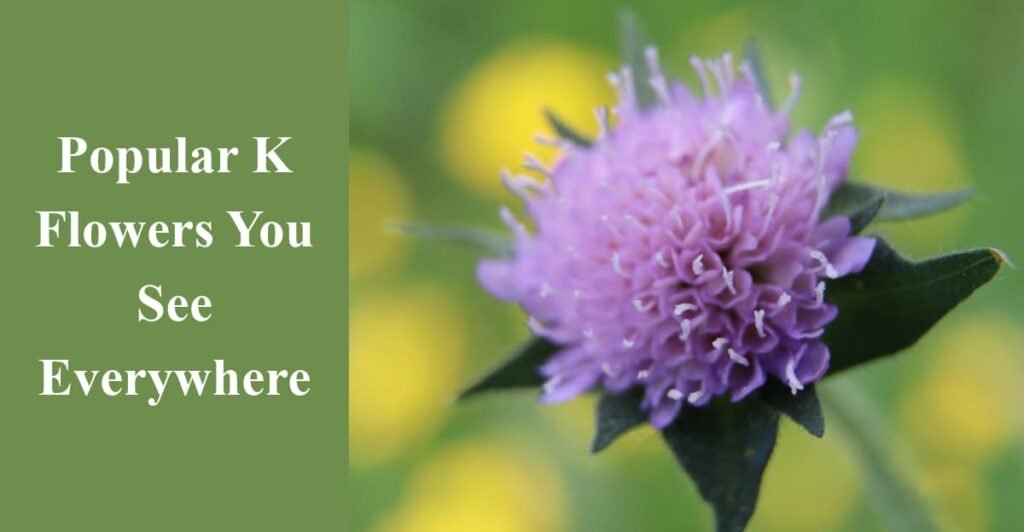
The floral kingdom offers many stunning flowers and fascinating flowers that start with K, from popular garden favorites to hidden gems with distinctive charm. Exploring these beautiful flowers, K flower varieties, and unique flowers can boost your flower knowledge and inspire fresh garden ideas and floral arrangements. Their botanical diversity, unusual blooms, and floral beauty make these flowering plants excellent ornamental plants for garden enhancement, while flower discovery, gardening inspiration, and plant exploration help you choose the right plant varieties and appreciate their flower names, natural charm, and value in garden design.
In my gardening experience, exploring different K flowers adds unique colors and textures to a garden while inspiring creative planting combinations.
15 Flowers That Start With K You’ve Never Heard Of
Here are 15 beautiful flowers that start with K, featuring rare varieties, unique blooms, and fascinating botanical names. From Kelkiewyn to Kigelia, discover stunning flowers that inspire plant lovers and add charm to any garden.
1. Kelkiewyn
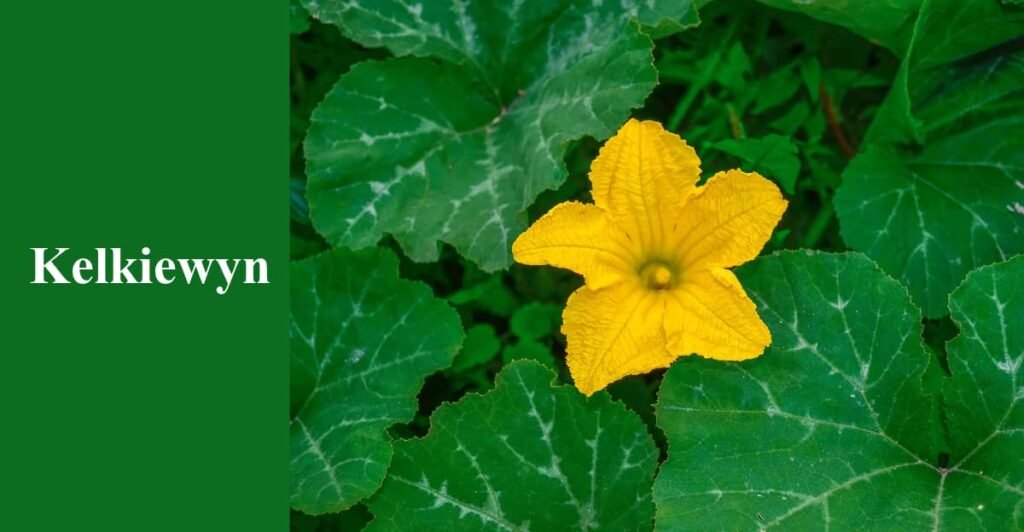
Kelkiewyn (Geissorhiza eurystigma) is a rare South African spring flower known for its delicate petals, vibrant colors, and elegant charm. It thrives in suitable garden conditions and attracts pollinators.
- Blooming season: August to September
- Key features: Delicate petals, subtle fragrance, and visual appeal
- Habitat: Wildflower meadows and gardens
- Benefits: Supports bees, butterflies, and local ecosystems
2. Kanawao
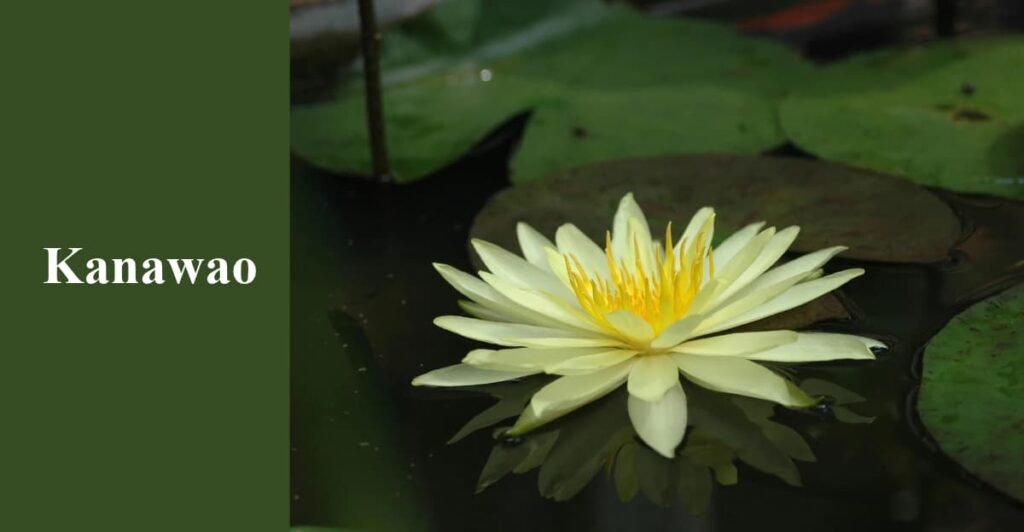
Kanawao (Broussaisia arguta) is a unique Hawaiian flowering plant known for its bright green foliage and delicate flowers, adding charm to lush landscapes. It also contributes to local biodiversity and has cultural significance.
- Native region: Hawaii, United States
- Flowering season: Spring to summer, generally April to July
- Key features: Green foliage and delicate blooms
- Ecological value: Supports pollinators and local ecosystems
- Importance: Connects Hawaiian plant heritage with nature conservation
3. Kokiʻo
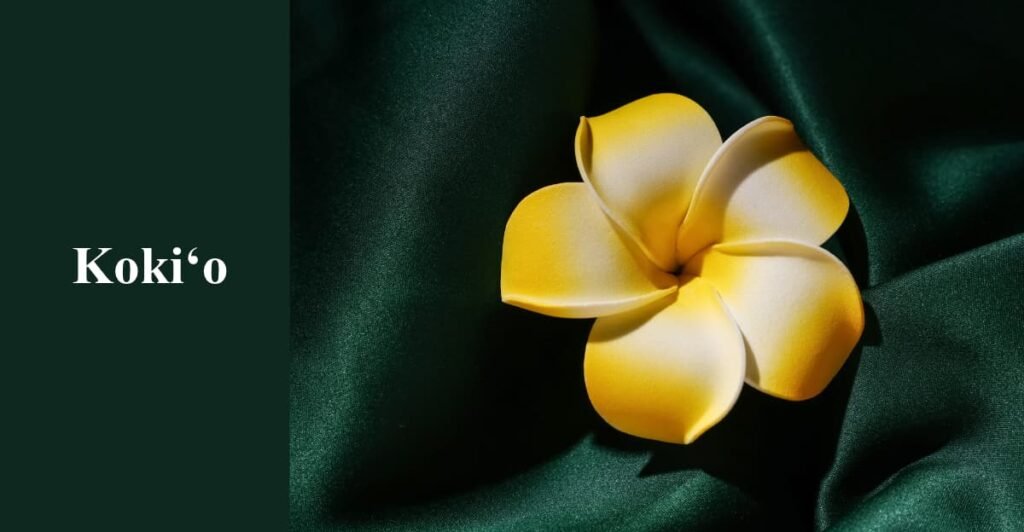
Kokiʻo (Kokia drynarioides) is a rare Hawaiian flowering plant admired for its vibrant red petals and unique beauty. Its endangered status makes conservation essential for protecting Hawaiian flora and preserving biodiversity.
- Native region: Hawaii, United States
- Blooming season: Year-round
- Key features: Bright red petals and rare growth
- Conservation: Only a few hundred plants remain in the wild, making protection efforts crucial.
4. Katstert
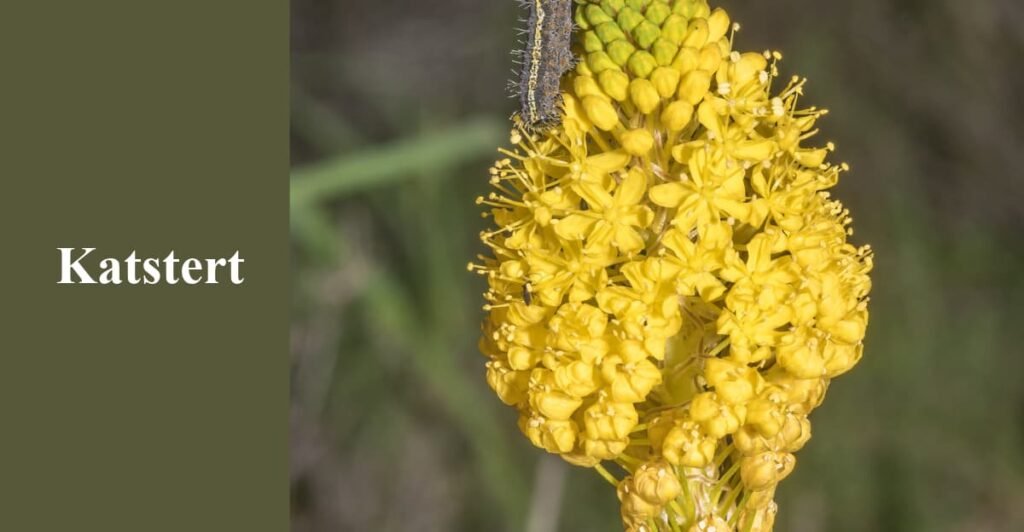
Katstert (Bulbinella nutans) is a striking South African flower with vibrant yellow and orange blooms that grow in clumps on tall stalks. Its adaptability and ecological value make it an attractive choice for suitable gardens.
- Native region: Southern Africa
- Blooming season: Spring, generally September to November
- Growing conditions: Well-drained soil and plenty of sunlight
- Key features: Tube-like flowers that attract bees and birds
- Additional value: Traditionally associated with medicinal uses and local biodiversity.
5. Kopsia
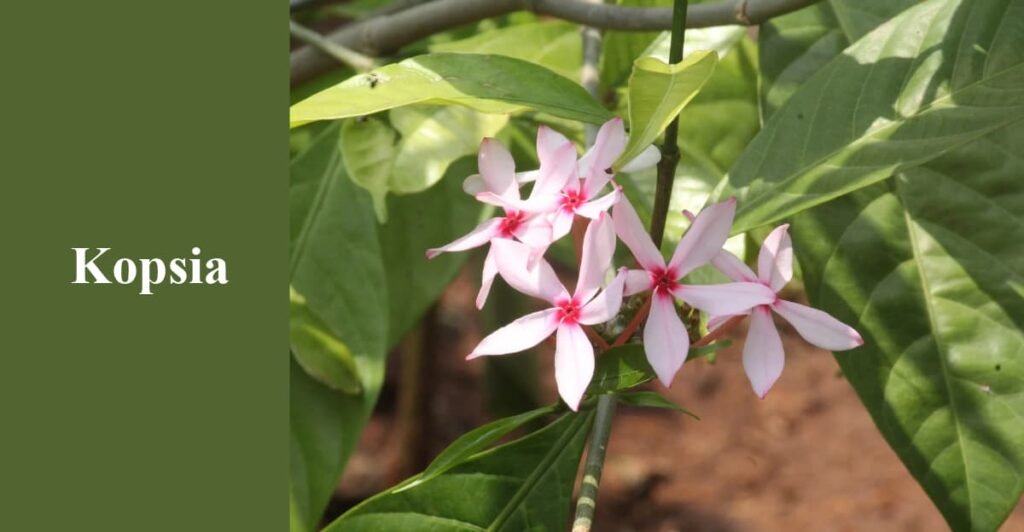
Kopsia (Kopsia fruticosa) is a tropical flowering plant known for its delicate beauty, glossy leaves, and colorful pink, white, or purple flowers. Its ornamental appeal makes it a lovely addition to tropical gardens and floral arrangements.
- Native region: Southeast Asia
- Blooming season: Year-round in suitable conditions
- Key features: Vibrant flowers, glossy foliage, and elegant appearance
- Uses: Garden planting and ornamental landscaping
- Cultural significance: Some Kopsia species have traditional medicinal associations, though their use requires appropriate botanical and safety guidance.
6. Kadupul
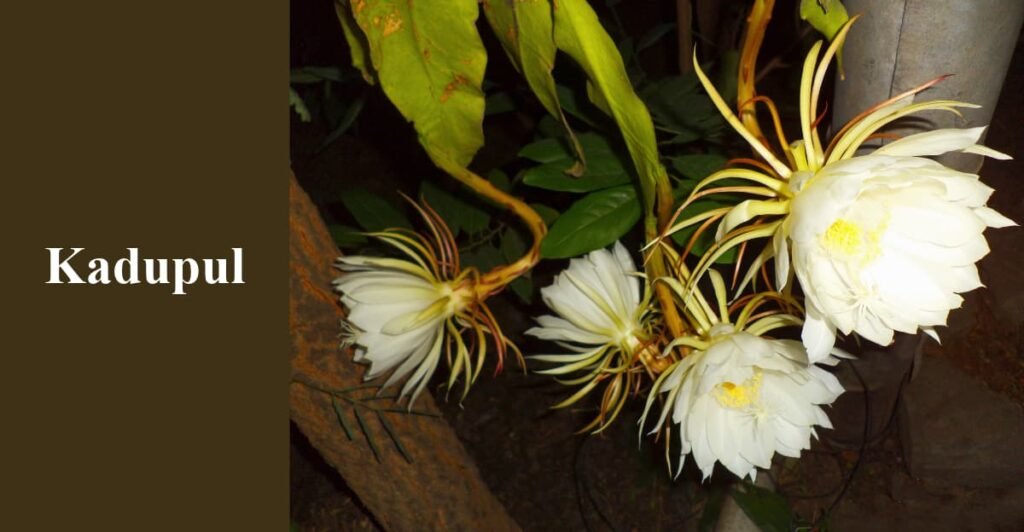
Kadupul (Epiphyllum oxypetalum) is a rare night-blooming flower native to Sri Lanka, admired for its stunning beauty and enchanting fragrance. Its large, delicate blooms open at night and wilt before dawn, creating a fleeting yet magical garden experience.
- Native country: Sri Lanka
- Blooming season: Summer to early autumn
- Key features: Night-blooming cactus with a sweet scent and exquisite flowers
- Symbolism: Often associated with love and the temporary nature of beauty
- Special attraction: Its fragrance can attract nocturnal pollinators.
7. Kiss-Me-Over-the-Garden-Gate
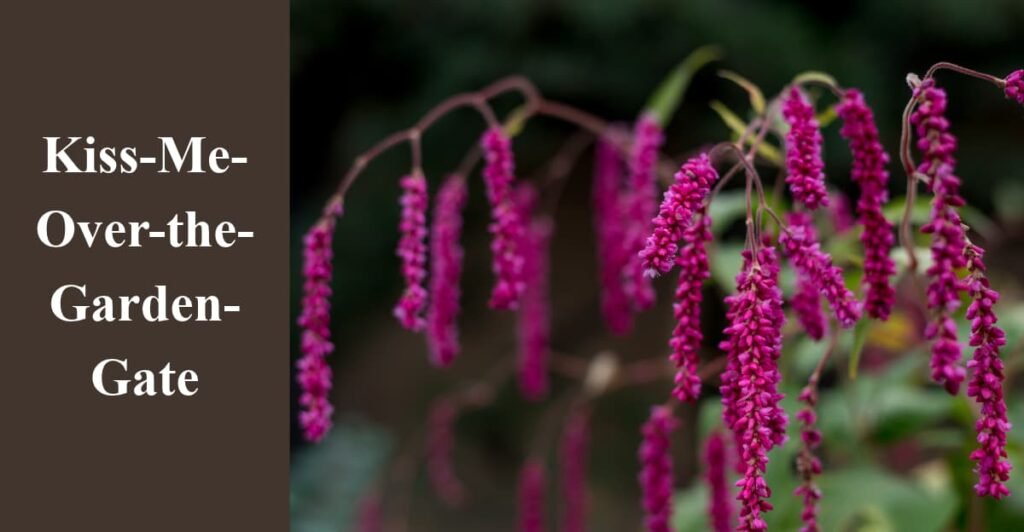
Kiss-Me-Over-the-Garden-Gate (Persicaria orientalis) is an enchanting ornamental plant with long, arching stems covered in delicate pinkish flowers. Its tall growth and whimsical appearance make it a charming choice for natural borders and garden backdrops.
- Native region: Asia and Australia
- Blooming season: Summer to early autumn, usually July to October
- Key features: Pink flowers, arching stems, and vibrant colors
- Garden benefits: Attracts bees and butterflies while supporting the garden ecosystem
- Design appeal: Adds height, movement, and a playful touch to outdoor spaces.
8. King’s Mantle
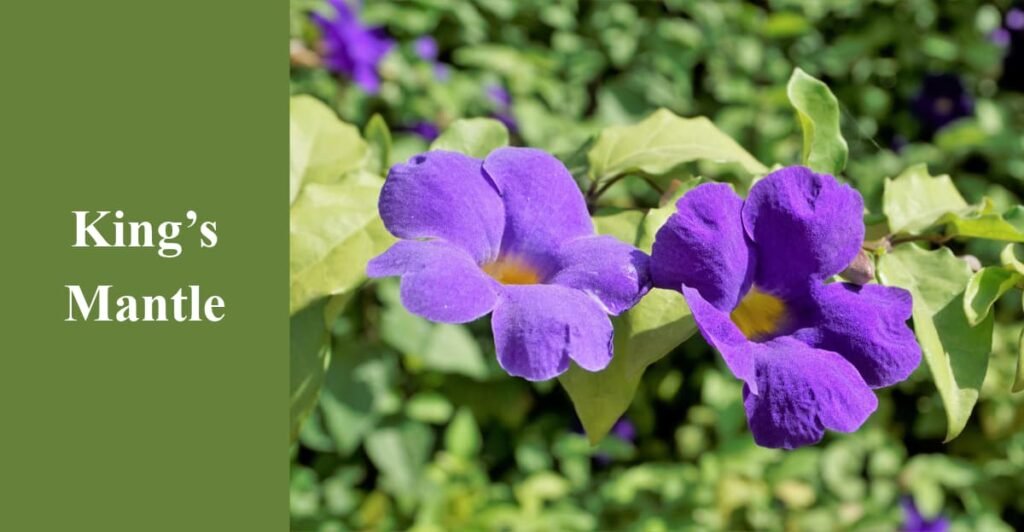
King’s Mantle (Thunbergia erecta) is a striking flowering plant known for its beautiful purple petals and lush green foliage. Its colorful blooms and climbing growth make it an excellent option for decorating trellises, fences, and other garden structures.
- Native region: Tropical West Africa
- Blooming season: Year-round in suitable climates
- Key features: Purple flowers, rich hues, and attractive foliage
- Pollinator appeal: Its nectar attracts bees and butterflies.
- Growing needs: Prefers suitable warmth, proper care, and well-drained soil.
9. Kunzea
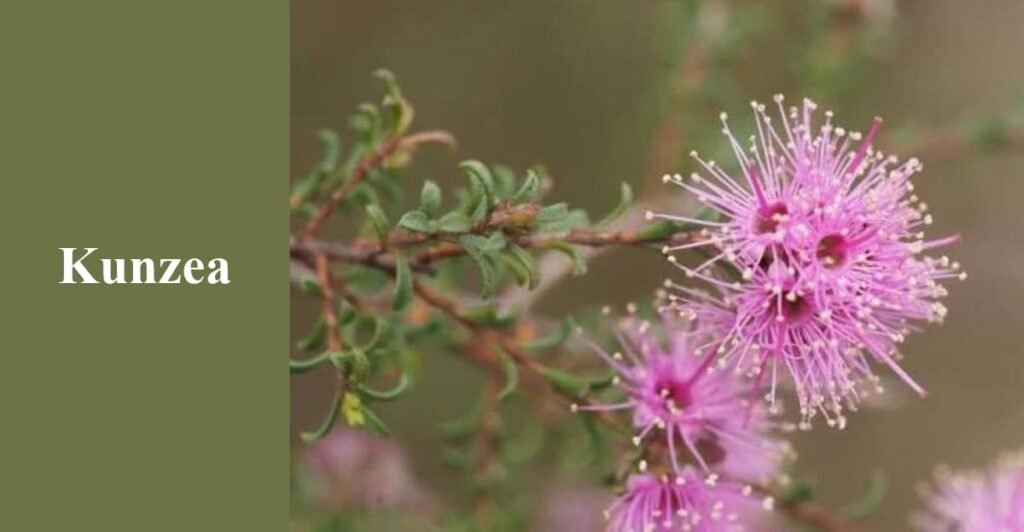
Kunzea (Kunzea baxteri) is a vibrant flowering plant native to Australia, admired for its stunning clusters of blooms, delicate petals, and aromatic foliage. Its resilience and adaptability make it an appealing choice for gardeners seeking colorful, low-maintenance plants.
- Native region: Australia
- Blooming season: Spring to summer
- Key features: Colorful flower clusters and fragrant foliage
- Garden benefits: Attracts bees and butterflies, supporting local ecosystems
- Growing appeal: Suitable for gardeners looking to add ornamental blooms and biodiversity to their landscapes.
10. Kirengeshoma
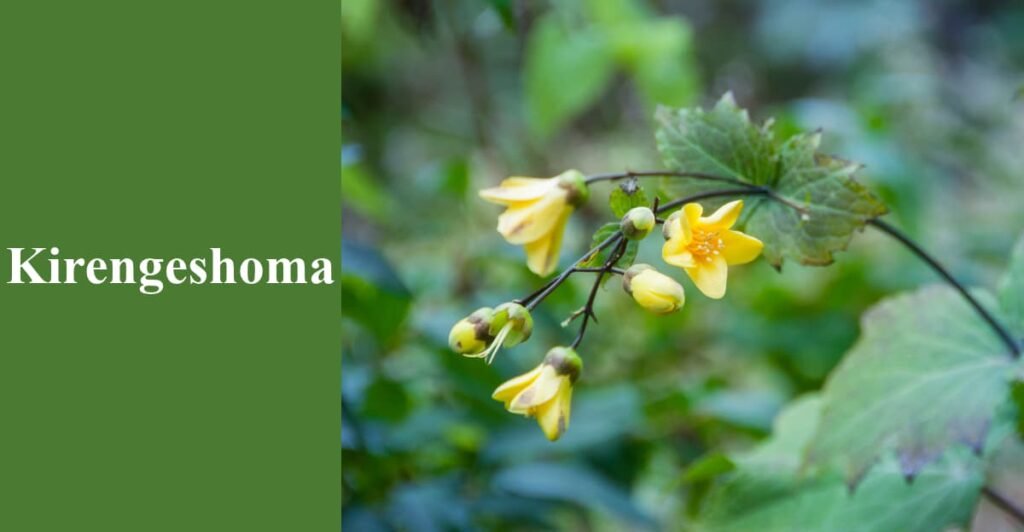
Kirengeshoma (Kirengeshoma palmata) is an elegant flowering plant native to China and Japan, known for its unusual yellow blooms that resemble delicate lanterns. Its attractive foliage and distinctive flowers create a beautiful contrast in shady gardens and woodland settings.
- Native region: China and Japan
- Blooming season: Summer to early autumn
- Key features: Yellow lantern-shaped flowers and green foliage
- Growing conditions: Prefers cooler climates and moist, well-drained soil
- Garden benefits: Ideal for shade-loving plant collections and gardens that support pollinators.
11. Kitaibelia
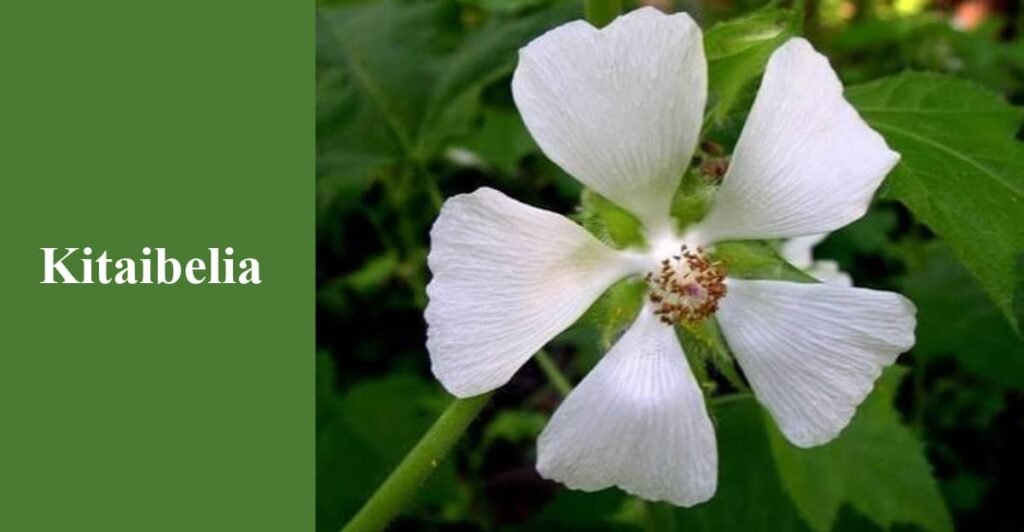
Kitaibelia (Kitaibelia vitifolia) is a lesser-known flowering plant native to the Western Balkan Peninsula, admired for its stunning heart-shaped leaves and vibrant pink blooms. Its delicate charm adds color and diversity to gardens while attracting pollinators.
- Native region: Western Balkan Peninsula
- Blooming season: Summer to early autumn
- Key features: Heart-shaped leaves and pink flowers
- Garden benefits: Supports pollinators and enhances floral diversity
- Related flowers: Knautia and Kniphofia, which also bring distinctive shapes and colors to ornamental gardens.
12. Knautia
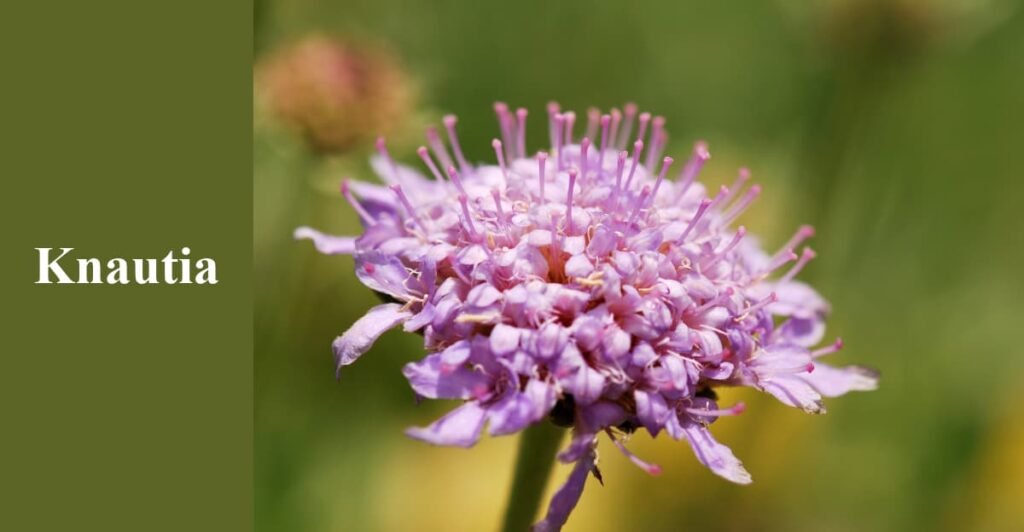
Knautia (Knautia macedonica) is a hardy flowering plant known for its delicate, tufted flower heads and beautiful shades of purple and pink. It brings texture and color to wildflower gardens while supporting local biodiversity.
- Native region: Europe, Siberia, and Central Asia
- Blooming season: Summer
- Key features: Tufted blooms, resilient growth, and attractive colors
- Pollinator appeal: Attracts bees and butterflies.
- Garden benefits: Adds natural beauty and supports a diverse garden ecosystem.
13. Korolkowia
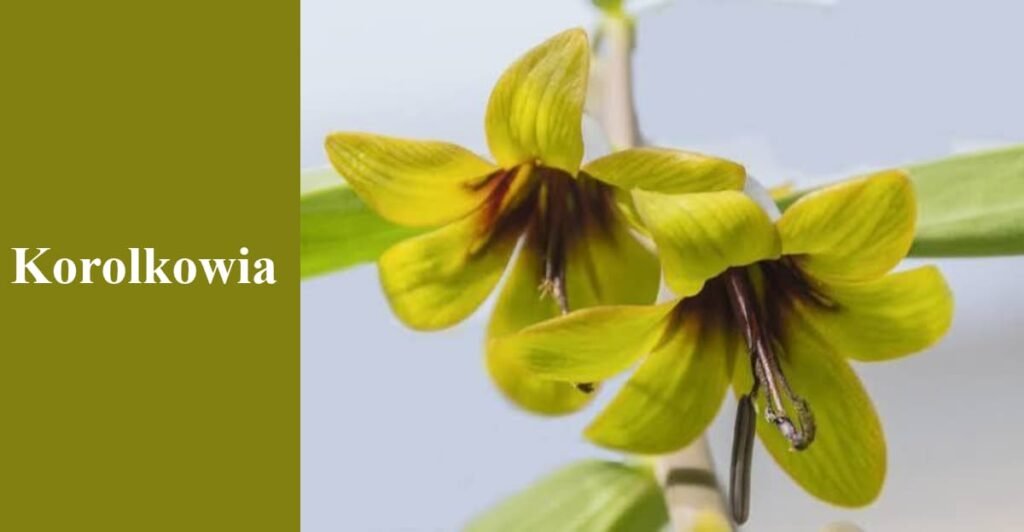
Korolkowia (Fritillaria sewerzowii) is a distinctive spring-flowering plant associated with Central Asia, including Uzbekistan, Tajikistan, and Kyrgyzstan. Its unusual flowers and striking appearance make it an interesting addition to collections of rare ornamental plants.
- Native region: Central Asia
- Blooming season: Spring, generally March to May
- Key features: Distinctive blooms and ornamental appeal
- Garden interest: Offers a unique form and adds diversity to plant collections
- Growing note: Choose growing conditions suited to the species and your local climate.
14.Kosteletzkya
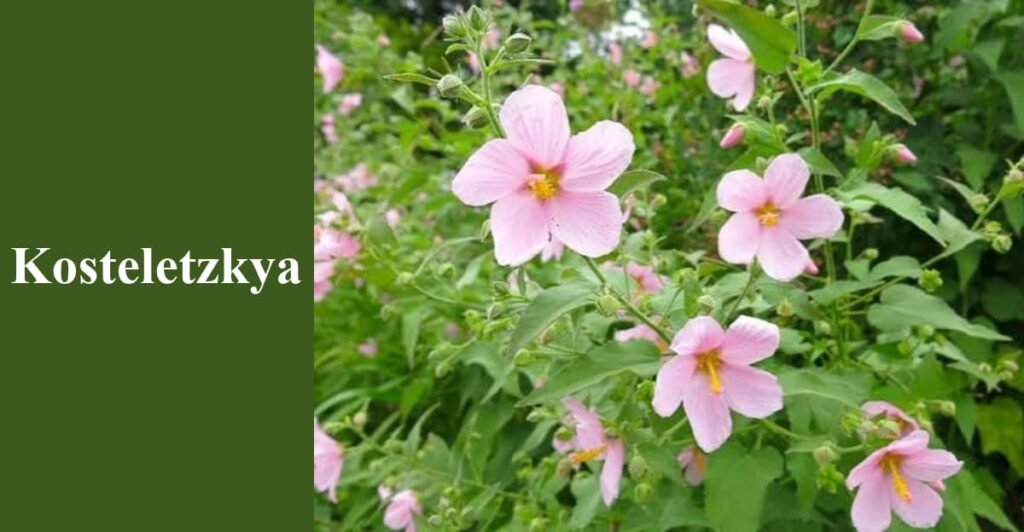
Kosteletzkya (Kosteletzkya virginica) is a striking flowering plant often found in wetland habitats, where its lovely pink blooms attract bees and butterflies. Its vibrant flowers and distinctive foliage make it a useful choice for suitable gardens focused on wildlife and ecological diversity.
- Native region: Primarily eastern North America for Kosteletzkya virginica
- Blooming season: Summer to autumn
- Key features: Pink flowers and attractive foliage
- Growing conditions: Full sun to partial shade, with moisture suited to the plant
- Garden benefits: Supports pollinators and local ecosystems while adding natural beauty to wetland gardens.
15.Kigelia (Sausage Tree)
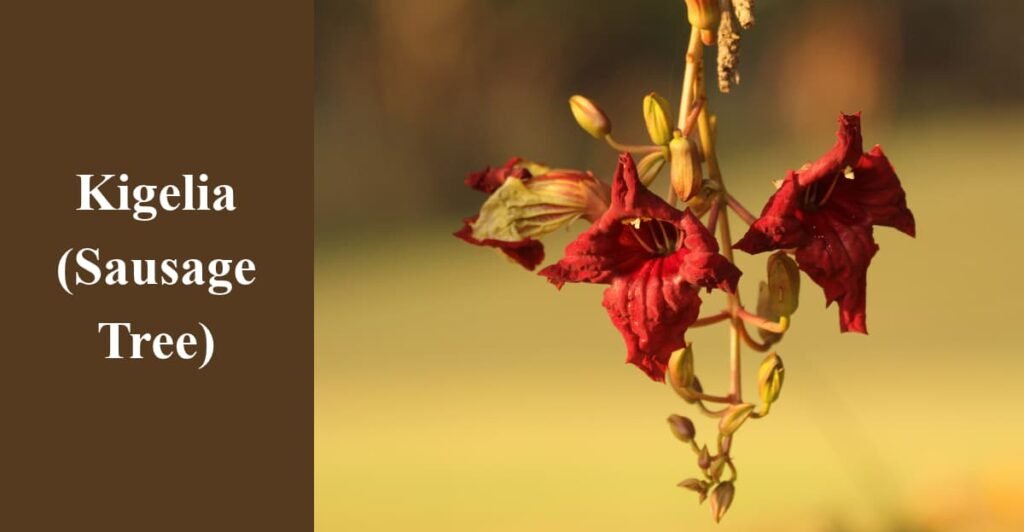
Kigelia (Kigelia africana), commonly called the sausage tree, is a remarkable tropical tree known for its large, bell-shaped flowers that hang from thick branches. Its lustrous, deep maroon blooms give it an exotic charm, while its cultural history and traditional medicinal associations add to its significance.
- Native region: Tropical and southern Africa
- Blooming season: Spring to summer
- Key features: Large bell-shaped flowers, deep maroon petals, and unusual growth
- Ecological importance: Its flowers attract pollinators and contribute to local wildlife interactions.
- Cultural significance: The tree has a long history of traditional uses in parts of Africa; medicinal applications require careful safety guidance.
Why Rare Letter-Based Gardening Should Grow
Rare letter-based gardening celebrates the unique beauty of flowers that start with the letter K, including Knautia and Kniphofia, bringing vibrant colors, unusual forms, and fresh garden aesthetics to local landscapes. This creative approach introduces rare varieties beyond the conventional plant palette, supports biodiversity, encourages conservation efforts to preserve species threatened by species extinction, and makes flower cultivation a meaningful gardening movement that celebrates the diversity of nature in our everyday lives.
In my gardening experience, lesser-known ornamental plants often become wonderful talking points among gardening enthusiasts because of their distinctive shapes and resilient growth in various conditions.
The 45% Warning
The Global Plant Diversity and Distribution collection highlights an alarming statistic: 45% of plant species face threats from extinction, revealing the fragility of the natural world and the need for urgent action to protect ecosystems. This significant decline in diverse plant life threatens food chains, habitats, and ecosystem services such as air purification and pollination, including the environments supporting flowers that start with the letter K, like Kalanchoe and Kangaroo Paw.
From my perspective, educating communities about native plants and local flora is a practical way to encourage species protection, biodiversity conservation, and a deeper appreciation of nature’s beauty.
How Does Your Garden Fight Back?
A healthy garden ecosystem demonstrates resilience even under challenging conditions, with plants like Knautia and Korean Bellflower showing how deep roots, vibrant colors, and adaptability help support plant survival. Through defense mechanisms, flower scents, natural pest deterrence, companion planting, and beneficial relationships, plants can improve garden health, encourage growth across diverse soils and climates, and support thriving flowers.
In my gardening experience, combining compatible plants and nurturing them consistently helps create a resilient garden with fewer pest problems and stronger growth.
Why Growing Rare K Flowers Helps Protect Biodiversity
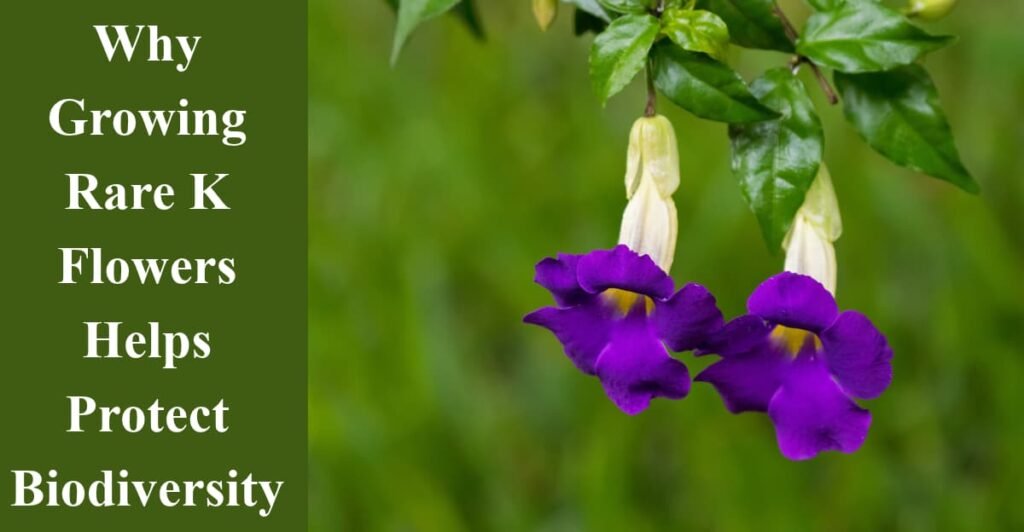
Growing rare K flowers, such as Kniphofia and Kalanchoe, contributes to biodiversity protection by providing food resources and wildlife habitat while helping maintain the delicate balance of nature. These unique plants can support pollinators, including bees and butterflies, preserve genetic diversity for breeding programs, and strengthen plant resilience against disease resistance challenges and climate change while encouraging local cultures, community connections, and conservation awareness.
I have found that choosing diverse flowering plants makes a garden more inviting to pollinators and helps people appreciate the importance of habitat preservation and ecological health.
How to Choose the Right K Flower for Your Garden
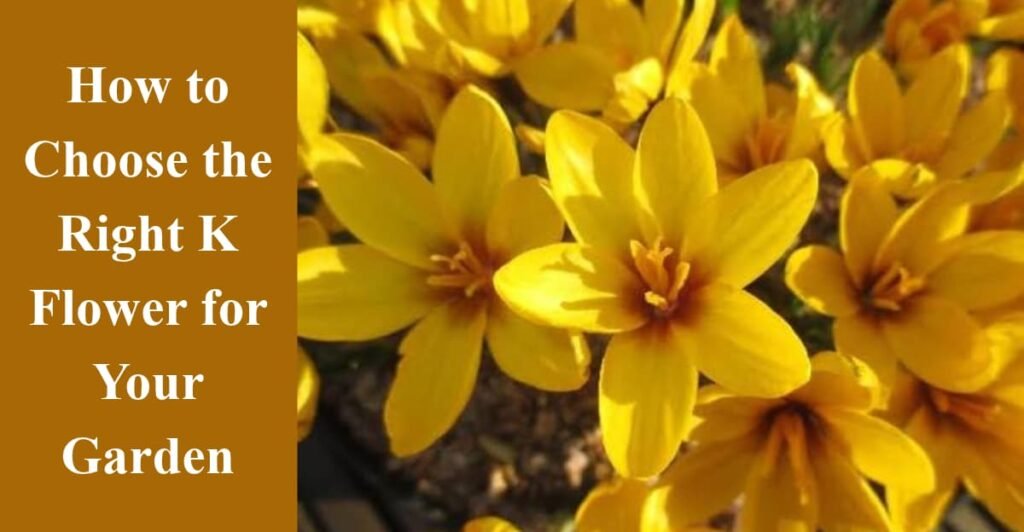
Choosing the right flower beginning with K, such as Kelkiewyn, Korolkowia, or Koki’o, can transform your garden into a vibrant oasis with bright colors, lush foliage, unique texture, and stunning blooms. Consider full sun or shade preferences, sunlight requirements, garden exposure, soil preferences, watering needs, and your maintenance routine to plan a low-maintenance garden with suitable ornamental flowers, attractive pollinator gardens, and well-designed focal points.
In my experience, matching each flower to its preferred growing conditions is the best way to achieve a beautiful display without making garden care unnecessarily difficult.
Conclusion
Flowers that start with K offer a fascinating mix of rare blooms, vibrant colors, and unique varieties for every garden enthusiast. From the fragrant Kadupul to the striking King’s Mantle, these flowers bring beauty, diversity, and fresh gardening inspiration. Choose varieties suited to your climate and soil to create a colorful garden while supporting pollinators and protecting plant biodiversity.
Frequently Asked Questions
1. What are some popular flowers that start with K?
Popular choices include Knautia, Kunzea, King’s Mantle, Kadupul, Kopsia, and Kigelia, each known for its distinctive blooms and ornamental appeal.
2. Which K flower is known for blooming at night?
The Kadupul flower (Epiphyllum oxypetalum) is famous for its large, fragrant blooms that open at night and typically wilt before dawn.
3. Are there rare flowers that start with K?
Yes, Kokiʻo (Kokia drynarioides) is a rare Hawaiian flowering plant known for its red petals and conservation importance.
4. Which K flowers are suitable for gardens?
Knautia, King’s Mantle, Kunzea, and Kirengeshoma can be attractive garden choices. Select plants according to your local climate, sunlight, soil type, and watering needs.
Please Write Your Comments