Afghanistan National Flower: Tulip History, Meaning & Symbolism
Updated: October 16, 2026
6
Discover the fascinating story behind Afghanistan’s national flower, the tulip, and its powerful symbolism of hope, resilience, and renewal. Rooted in the country’s rich cultural heritage, this stunning bloom reflects the Afghan people’s strength and dreams of a brighter future. Explore its history, cultural meaning, and significance as a symbol of perseverance through adversity. Read on to uncover the inspiring story of Afghanistan’s national flower and discover why the tulip represents hope.
Table of Contents
What Is the National Flower of Afghanistan?
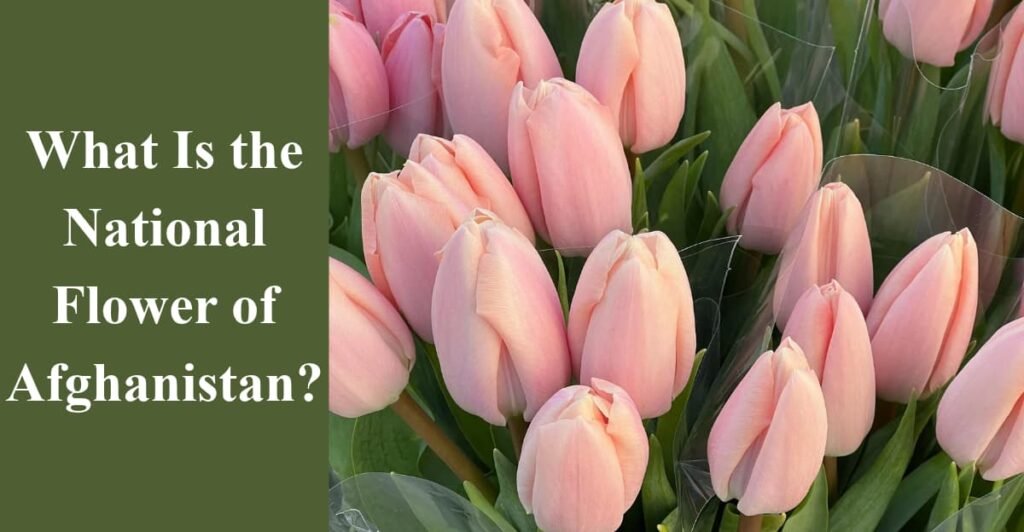
The tulip is widely associated with Afghanistan’s national flower, symbolizing hope, resilience, and renewal. Its vibrant blooms and various colors reflect the beauty of the Afghan landscape and the strength of the Afghan people.
With its deep cultural significance, the tulip connects Afghan culture, national identity, and rich agricultural heritage. Found in gardens and wild fields, these colorful flowers represent perseverance, optimism, and fresh beginnings after years of struggle.
From my experience exploring flower symbolism, tulips beautifully represent how nature can inspire hope and resilience even after difficult times.
Afghanistan National Flower Meaning in Culture and History
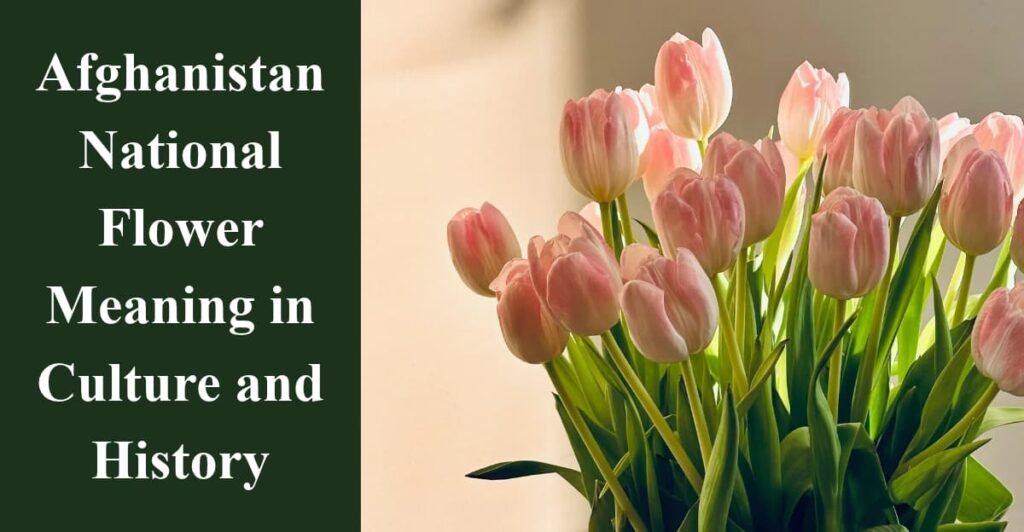
The tulip, associated with Afghanistan’s national flower, holds a special place in Afghan culture and history. Its stunning beauty, resilience, and hope reflect the enduring spirit of the Afghan people, while vibrant fields, local traditions, festivals, folk songs, poems, and traditional music celebrate its cultural significance.
Beyond its floral meaning, the tulip represents love, passion, yearning, identity, pride, and unity during difficult times. Its presence in art forms and crafts preserves Afghanistan’s rich heritage, historical legacy, and national story.
From my experience studying flower symbolism, the tulip beautifully connects Afghanistan’s cultural pride with perseverance and a lasting appreciation for its heritage.
The Red Tulip and the Symbolism of Sacrifice
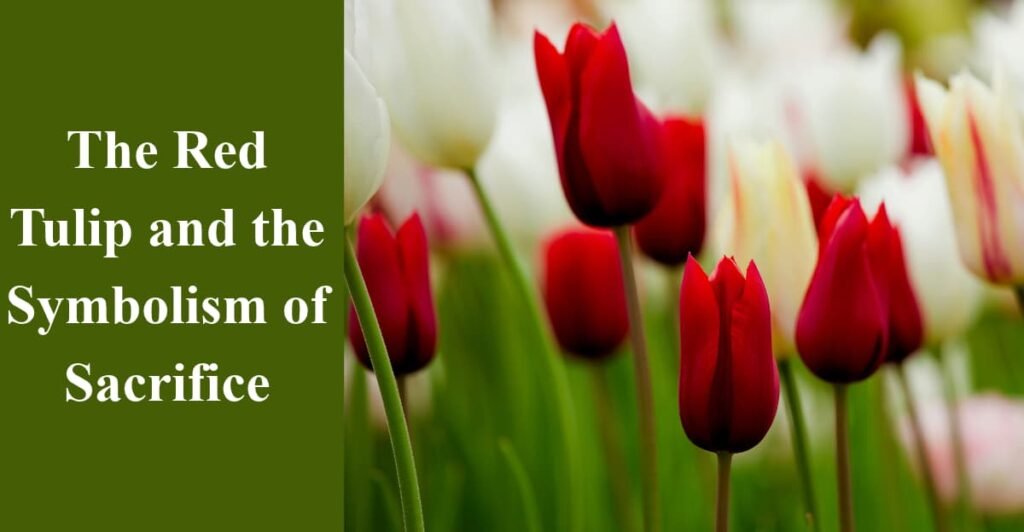
The red tulip, associated with Afghanistan’s national flower, symbolizes sacrifice, resilience, courage, and remembrance. Its vibrant petals thrive in challenging conditions, reflecting the Afghan people’s endurance through conflict and loss while expressing hope for peace and a brighter future.
Across Afghanistan’s cultural tapestry, the Afghan tulip appears in gardens and fields, blending nature’s beauty with the spirit of perseverance. Its profound symbolism connects love for loved ones and country with freedom, national identity, enduring strength, and hope after conflict.
In my experience exploring floral symbolism, the red tulip offers a moving reminder of how flowers can express remembrance, honor sacrifice, and inspire hope through hardship.
Why the Tulip Was Chosen as Afghanistan’s National Flower
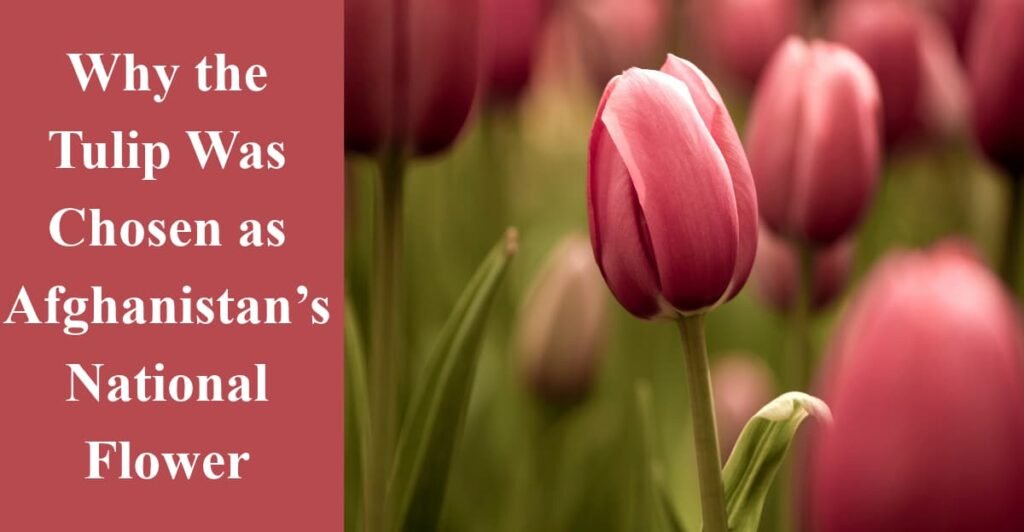
The tulip, associated with Afghanistan’s national flower, is admired for its beauty, vibrant blooms, and deep cultural resonance. Cherished through local traditions and folklore, its resilience in challenging climates reflects the Afghan spirit, diverse heritage, natural splendor, and the enduring identity of a nation.
Across fields and gardens, tulips symbolize hope, renewal, peace, and unity while connecting people with shared history and traditional heritage. Their natural beauty and floral symbolism make them a meaningful symbol of Afghan culture, national pride, and a brighter future.
From my experience studying floral symbolism, the tulip stands out for how its seasonal blooms can represent renewal and the enduring spirit of a community.
What Makes Afghanistan Ideal for Growing Tulips?
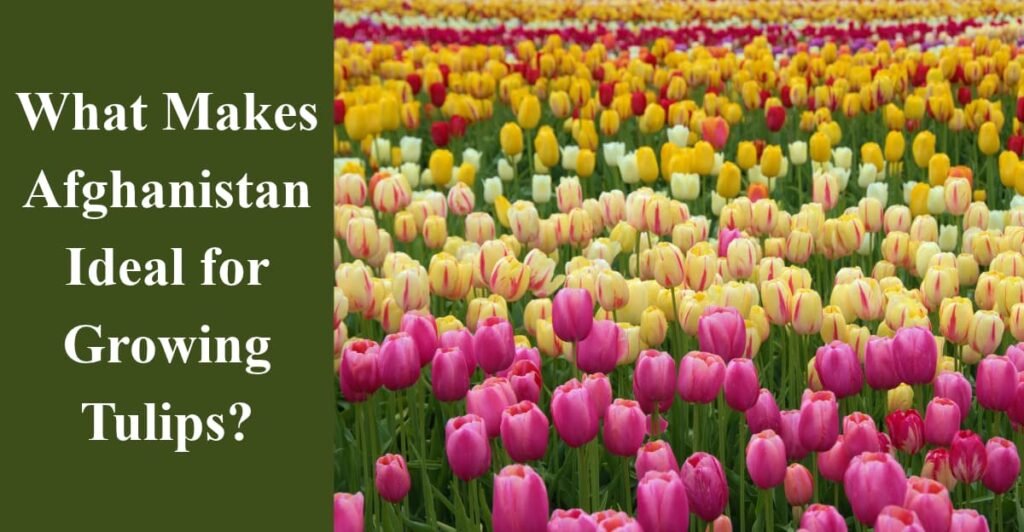
Afghanistan’s diverse climate, rich soil, and varying altitudes create favorable conditions for tulip growth. Mountain valleys, spring sunshine, nutrient-rich earth, and a suitable natural environment support vibrant blossoms and seasonal blooms across the Afghan landscape.
Local farmers nurture flowers with care and tradition, contributing to tulip cultivation and agricultural heritage. From colorful fields to spring flowering, soil fertility and climate diversity help create a landscape where tulips represent hope and beauty despite the land’s struggles.
In my experience with gardening topics, understanding soil fertility, local climate, and seasonal conditions is essential for appreciating how flowers thrive in different landscapes.
Afghanistan as a Birthplace of Wild Tulips
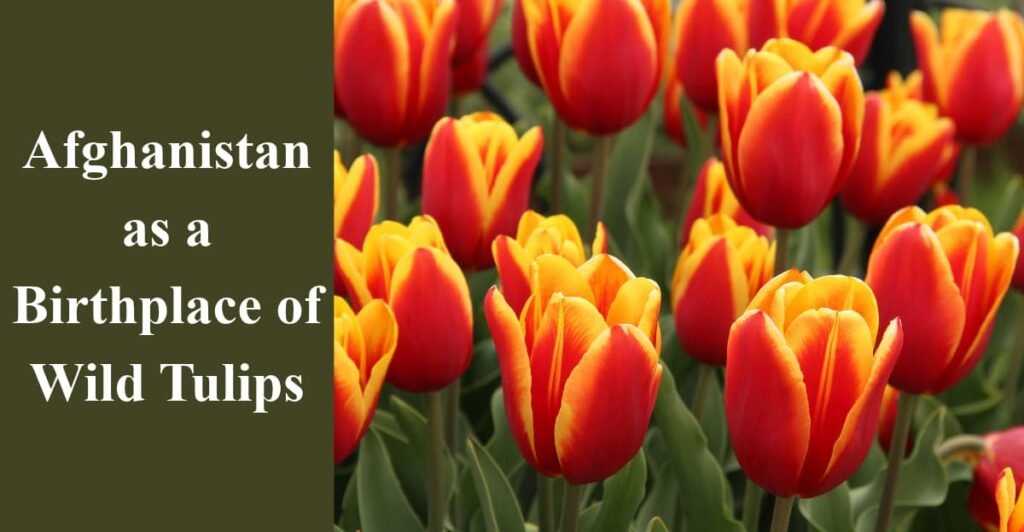
Afghanistan’s rich history and natural environment connect it with the story of the Afghan tulip and wild tulip diversity. Species such as Tulipa gesneriana and Tulipa praecox feature stunning blossoms in an array of colors, adding floral beauty to spring landscapes and scenic valleys.
During tulip season, the valleys reveal a breathtaking tapestry of flora that attracts nature lovers to this natural wonder. Each petal and stem reflects the enduring charm of Afghan flora, while native tulips, plant species, biodiversity, and botanical heritage contribute to the country’s natural gifts and cultural heritage.
From my experience exploring botanical topics, wild tulips are especially fascinating because their colorful blooms reveal the connection between plant diversity, seasonal beauty, and the natural heritage of a region.
Why the Tulip Represents Afghanistan
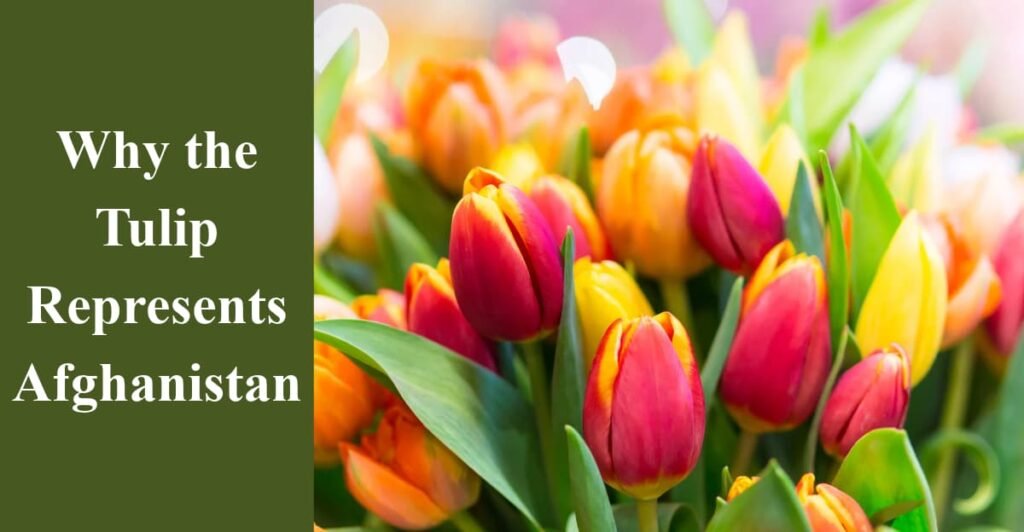
The tulip, associated with Afghanistan’s national flower, represents hope, resilience, and renewal through its beautiful blooms and vibrant spring colors. Despite the country’s challenges, tulips thrive across rugged landscapes, reflecting the spirit of the Afghan people, their tireless determination, and their ability to nurture life against the odds.
Beyond natural beauty, the tulip’s enduring presence connects with Afghanistan’s rich cultural heritage, floral symbolism, and national identity. Its ability to flourish in challenging conditions makes it a meaningful symbol of perseverance, Afghan resilience, and cultural pride.
From my experience exploring floral symbolism, the tulip’s return each spring offers a powerful reminder that beauty and hope can flourish even during the toughest times.
How the Tulips Appears in Afghan Daily Lifes
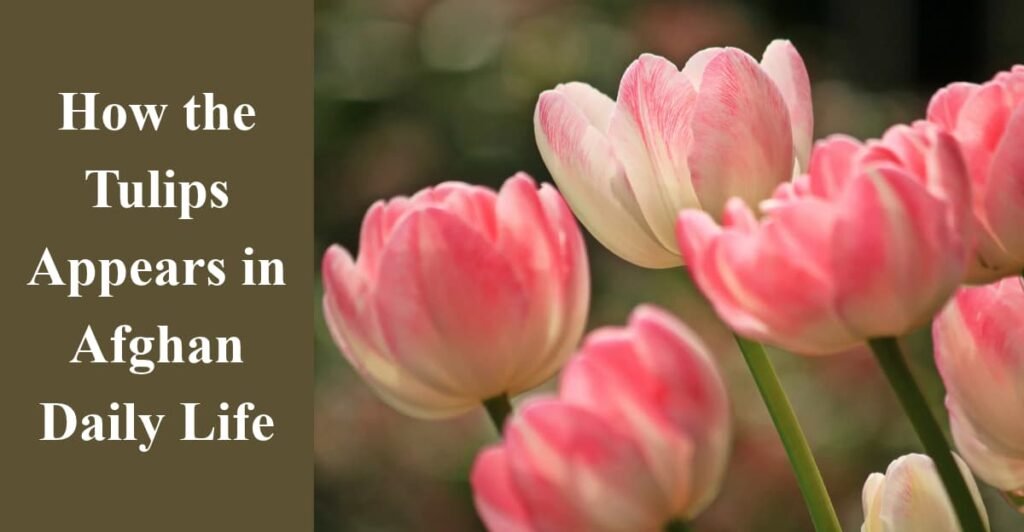
In Afghanistan, tulips bring joyful bursts of color with the arrival of spring, appearing in gardens, markets, and homes. As the national flower associated with Afghanistan, the tulip reflects the Afghan people’s resilience and the beauty of life despite challenges, while festivals and traditional decorations bring communities together in celebration.
The Afghanistan national flower name carries associations with pride, history, and unity among diverse cultures. Through art, poetry, Afghan traditions, and a shared love of nature, tulips become part of everyday life, connecting seasonal blooms and colorful floral decorations with the heart of a nation and its national heritage.
From my experience studying flower traditions, flowers become especially meaningful when they are woven into everyday celebrations and shared cultural memories.
What Makes the Tulip Truly Special in Afghanistan
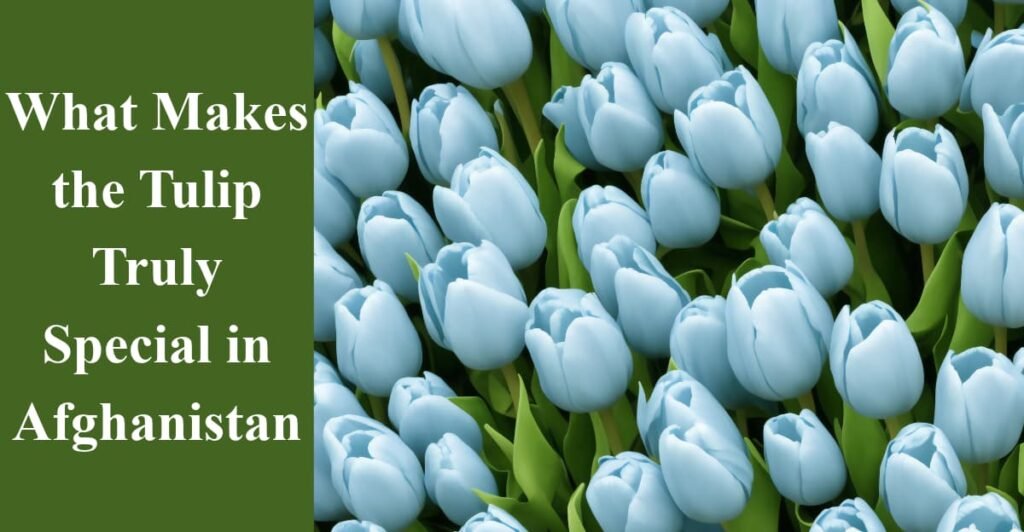
The tulip is more than a symbol of beauty in Afghanistan; it reflects resilience, cultural pride, and a connection to the land. Each spring, vibrant fields burst into color, bringing locals joy and hope while connecting generations with their heritage and the country’s harsh history.
As an Afghan flower associated with hope, the tulip illuminates life during the toughest times and expresses love for the land, traditional values, and cultural significance. Its seasonal flowering and natural beauty strengthen its floral symbolism, representing Afghan identity, enduring strength, national pride, and perseverance through historical struggles.
From my experience exploring garden symbolism, the tulip’s seasonal flowering beautifully illustrates how nature can preserve cultural connections and inspire hope across generations.
Global Recognition vs Local Reality
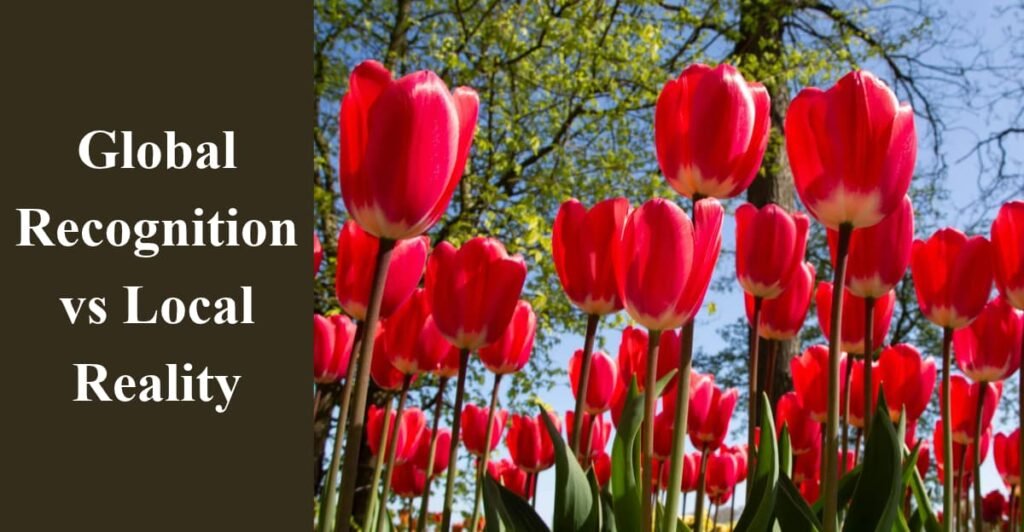
The red tulip, often associated with Afghanistan’s national flower, attracts global recognition for its beauty, pride, and symbolism of hope and resilience. However, local reality includes everyday challenges that shape how Afghan people experience their cultural identity, making the idealized image of beautiful flowers only one part of the country’s story.
Beyond their petals, these flowers connect real stories of people nurturing blooms with deeper ties to culture, survival, and national heritage. Understanding global symbolism alongside local experiences reveals how flower cultivation, traditional knowledge, community resilience, and social challenges influence the lived realities of the Afghan people.
From my experience exploring floral symbolism, I find that flowers carry deeper meaning when their beauty is understood alongside the real experiences and traditions of the people who cherish them.
Why Afghanistan National Flower Matters
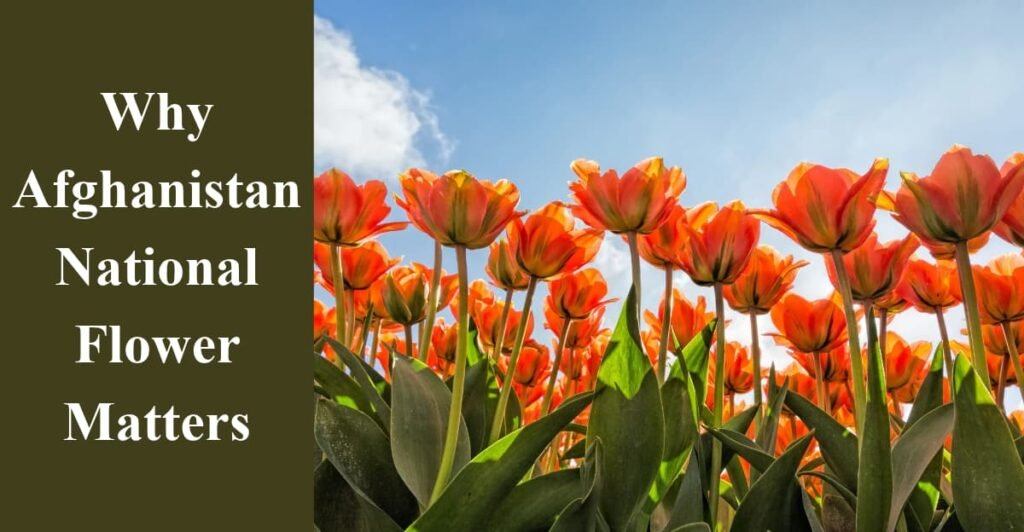
The tulip is widely associated with Afghanistan’s floral identity, while the rose also holds deep cultural significance in Afghan traditions. These beautiful flowers reflect beauty, resilience, and hope across a landscape marked by challenges, connecting the spirit of the Afghan people with their rich history and enduring strength.
Appreciating these flowers helps highlight their natural beauty, floral symbolism, and cultural heritage. Their symbolic meaning reflects national identity, perseverance, historical significance, and cultural pride, offering a reminder of hope amid adversity and strength through hardship.
From my experience studying flower symbolism, I believe flowers become lasting symbols when their natural beauty connects with a community’s history, traditions, and shared hopes.
Conclusion
Afghanistan’s national flower, the tulip, represents hope, resilience, and renewal while reflecting the country’s rich cultural heritage and natural beauty. From its historical symbolism to its vibrant spring blooms, the tulip offers a meaningful connection to Afghan identity, perseverance, and dreams of a brighter future. Explore more fascinating flower guides to discover the stories, meanings, and traditions behind flowers around the world.
Frequently Asked Questions
1. What is the national flower of Afghanistan?
The tulip is widely associated with Afghanistan’s national flower and symbolizes hope, resilience, and renewal.
2. What does the tulip symbolize in Afghan culture?
The tulip represents hope, perseverance, beauty, and the enduring spirit of the Afghan people.
3. Why is the tulip associated with hope in Afghanistan?
Its vibrant spring blooms symbolize renewal and the possibility of a brighter future despite challenges and hardship.
4. What colors do Afghan tulips come in?
Tulips appear in various colors, including red, yellow, pink, white, and purple, depending on the species and variety.
Please Write Your Comments