National Flower Of Scotland : The Stunning Thistle
Updated: November 6, 2026
9
Discover the fascinating story behind the National Flower of Scotland, the stunning thistle, a symbol of strength, courage, and Scottish pride. From its prickly appearance to its rich history and cultural significance, this iconic flower holds a special place in Scotland’s identity. Keep reading to explore its origins, symbolism, interesting facts, and why the thistle remains Scotland’s beloved floral emblem!
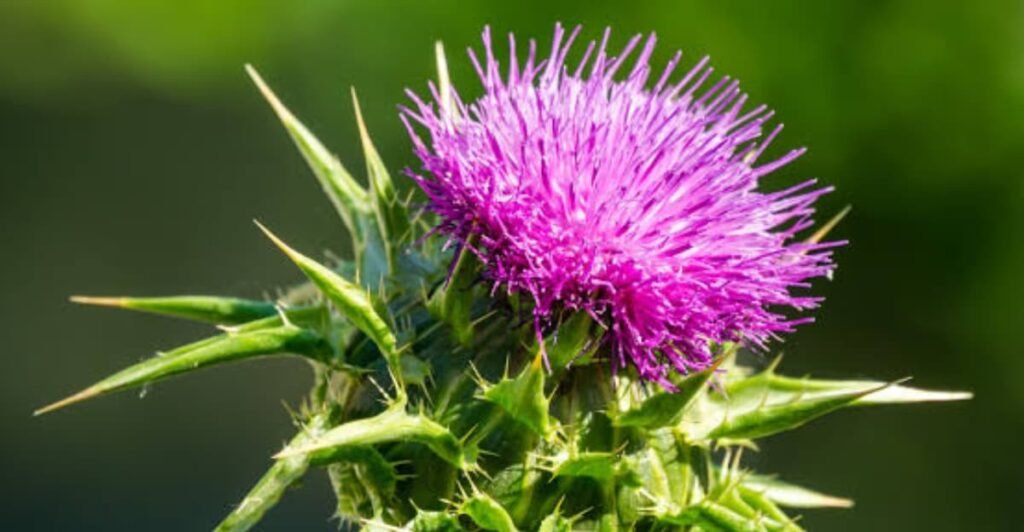
Table of Contents
What is the Scotland National Flower
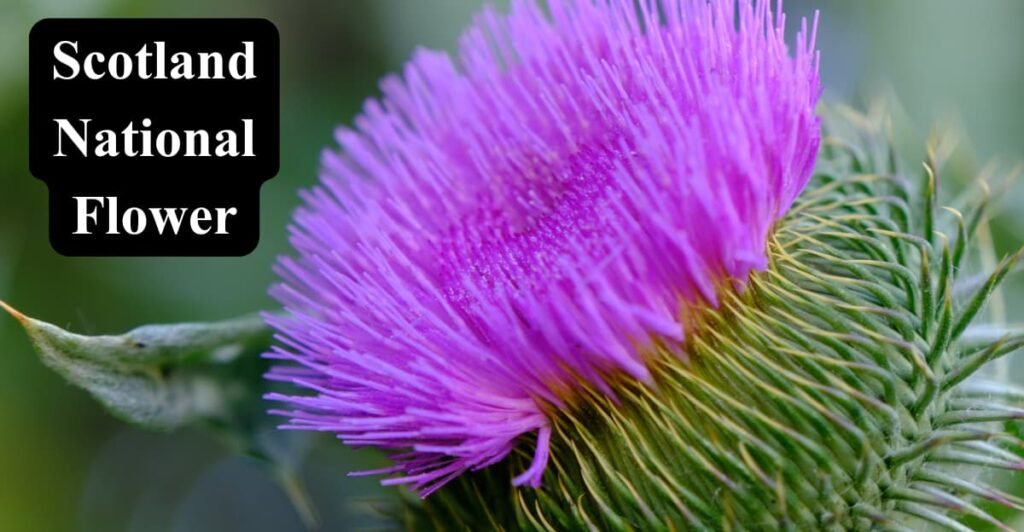
The national flower of Scotland, commonly known as the Scottish thistle, is a powerful symbol of strength and resilience. Its sharp nature and prickly nature reflect the spirit of the Scots and the determination of the Scottish people in overcoming challenges throughout their long history.
According to folklore and traditional stories, the thistle helped prevent an ancient invasion centuries ago during a Norse invasion. Today, its vibrant purple flowers and purple blooms add charm to Scotland’s rugged landscapes and natural beauty, while representing Scottish identity, unity, national pride, and cultural identity as a cherished floral emblem, national symbol, and part of Scottish heritage with an enduring spirit.
I find the thistle fascinating because its delicate purple blooms and prickly structure beautifully reflect Scotland’s strength, heritage, and enduring spirit.
The History Of Thistle
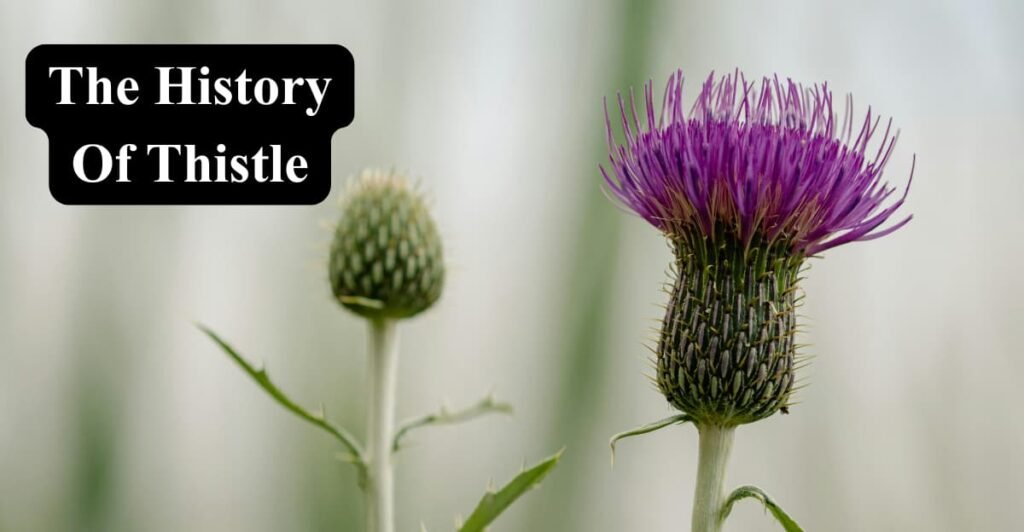
The thistle, the official flower of Scotland and national flower of Scotland, has a fascinating place in Scottish history. According to an ancient legend, Norse invaders launched a surprise attack, but one stepped on this prickly plant, and its sharp spines alerted the Scots, helping stop the Norse invasion.
This story became part of Scotland’s historical heritage, representing resilience, courage, and strength. Today, it appears on coats of arms and Scottish flags, remaining a national emblem celebrated through Scottish traditions and modern-day celebrations.
I find this legend fascinating because it connects a simple wildflower with Scotland’s spirited past and national pride.
The Order of the Thistle
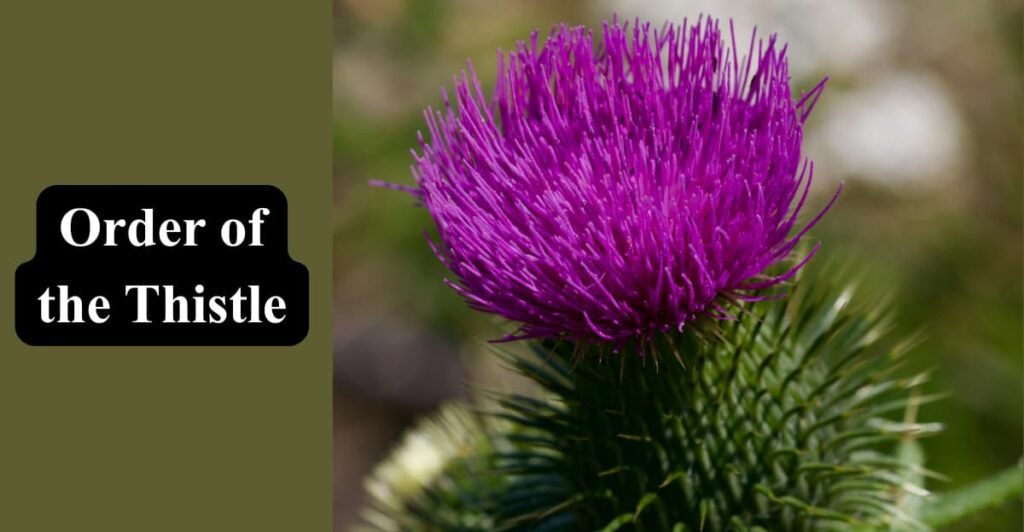
The Order of the Thistle is a prestigious chivalric order founded by King James VII of Scotland in 1687. With a rich history and royal tradition, it honors loyalty, bravery, chivalry, and honor.
Its members wear a unique thistle insignia, representing Scottish heritage, resilience, and an enduring spirit. This vibrant symbol strengthens Scottish identity and reflects the values of the Scottish monarchy.
I find this royal connection meaningful because it shows how deeply the thistle is woven into Scotland’s cultural heritage.
What Does the Scottish Thistle Look Like?
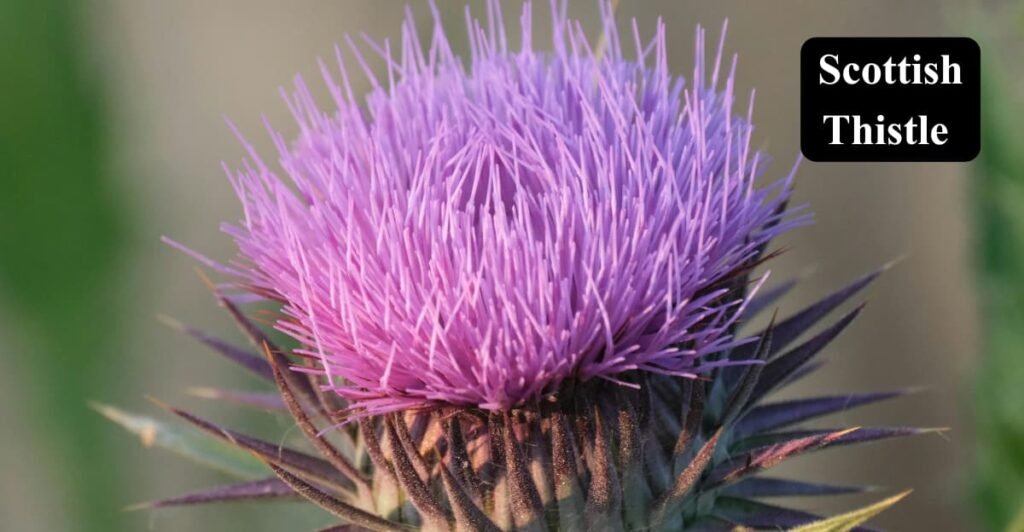
The Scottish thistle, the national flower of Scotland, is a striking flower with vivid purple blooms and deep green leaves. Its flowering season lasts around one month, attracting butterflies, bees, and other pollinators.
Its sturdy stems, spiky leaves, serrated leaves, and sharp spines give it an unmistakable character. Common species include spear thistle, cotton thistle, and creeping thistle, adding to Scotland’s natural beauty and Scottish flora.
I especially admire the thistle’s contrast of delicate purple flowers and prickly leaves, which makes it a memorable wildflower.
Botanical Facts of the Thistle
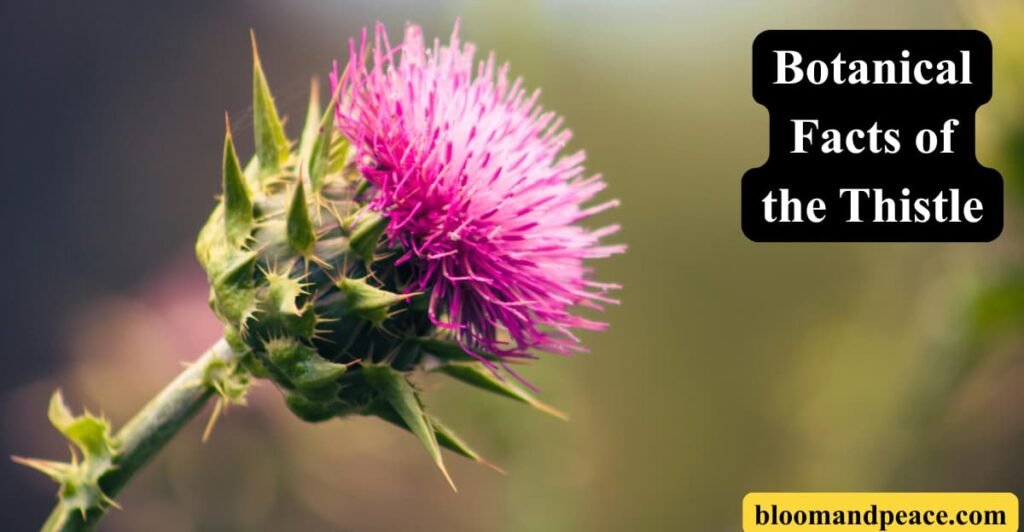
The thistle, Scotland’s national flower, is a hardy plant with a tough exterior, spiky exterior, and prickly exterior that symbolize resilience and the Scottish spirit. Its blooming season arrives in late summer, producing vibrant purple flowers and purple blooms that attract bees, butterflies, and other pollinators, supporting local wildlife and wildlife habitat.
With historical significance dating back to the 13th century, the thistle appears in historical tales of bravery and defense. Celebrated in July as a national floral emblem, it remains part of Scottish heritage, Scottish cultural heritage, and cultural traditions. More than 200 species contribute to plant diversity, global ecosystems, and natural ecosystems, highlighting its ecological importance, beauty, and strength.
I admire how this hardy flowering plant combines natural beauty with a history that inspires Scottish pride and nature enthusiasts.
Why Is the Thistle Important to Scotland?
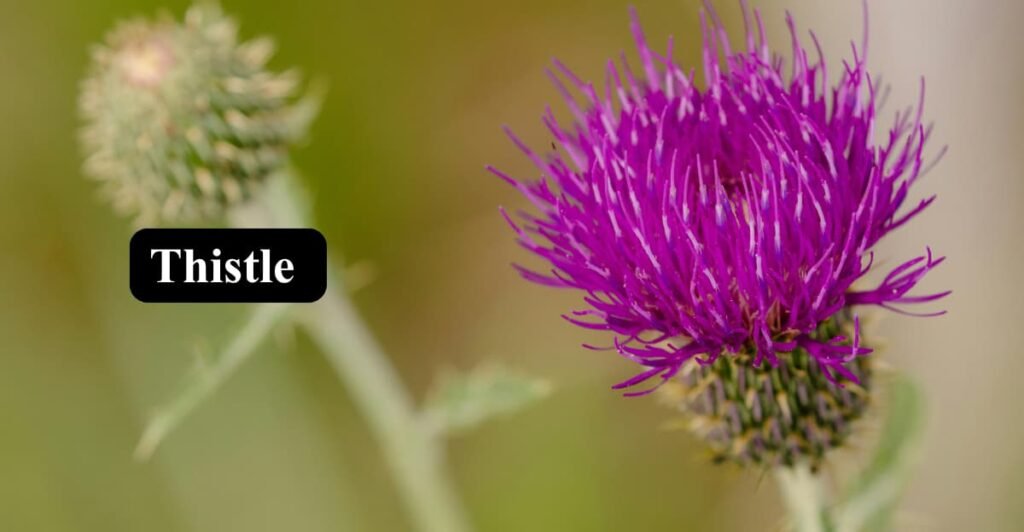
The thistle, the national flower of Scotland and Scottish national flower, represents Scottish resilience and the spirit of resilience. Its ability to survive harsh Highland climates across the Scottish Highlands reflects the strength and tenacity of the Scottish people, while its vivid purple color complements the rugged beauty of the Scottish landscape.
Rooted in Scottish history, rich mythology, and unique heritage, the thistle strengthens national pride and cultural identity. Alongside the national animal of Scotland, the unicorn or Scottish unicorn, it appears in traditional festivals, Scottish folklore, and Scottish art, representing struggles, triumphs, shared identity, and cultural passion. This thistle Scotland flower remains part of the Scottish heart, preserving a historical legacy, rich legacy, and generational inspiration through its aesthetic beauty, cultural symbolism, and natural resilience.
I find the thistle meaningful because it connects Scotland’s natural landscape with its culture, history, and national symbols.
How Can You Grow Thistle Flowers
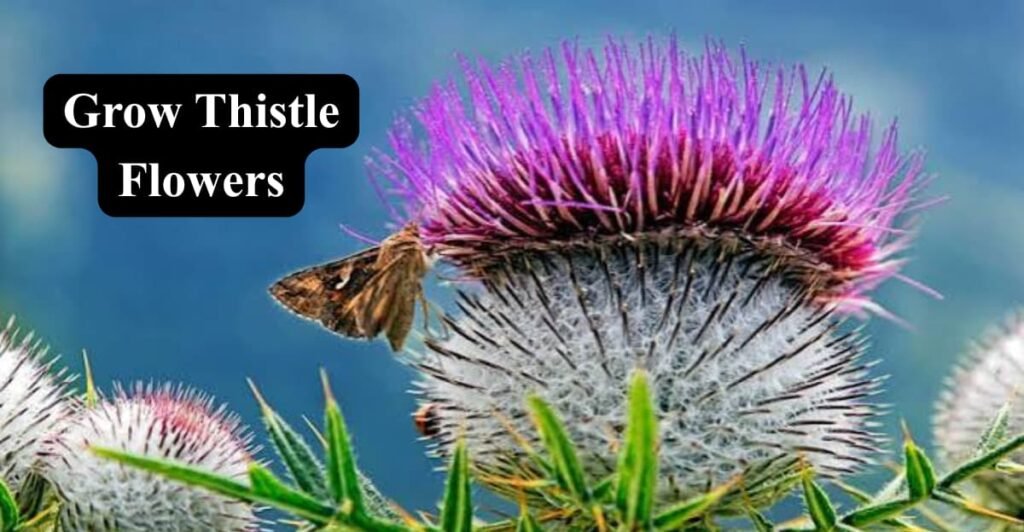
Growing thistle flowers, Scotland’s national flower, can bring a vibrant garden display to your outdoor space. These hardy plants tolerate different soil conditions and are relatively easy to cultivate with basic care.
Follow these simple gardening tips:
- Choose a Sunny Spot: Provide bright sunlight and warm conditions for healthy plant growth.
- Water Regularly: Young thistles need regular watering to develop strong roots, although mature plants are drought-tolerant.
- Control Weeds: Keep the surrounding area clean to prevent competition for soil nutrients.
- Encourage Beneficial Insects: Ladybugs and other beneficial insects help with natural pest control.
- Maintain Plant Health: Basic plant care encourages flourishing thistles and beautiful garden displays.
In my gardening experience, adequate sunlight and proper weed control make a noticeable difference in maintaining healthy thistle plants..
Different Types of Thistles in Scotland
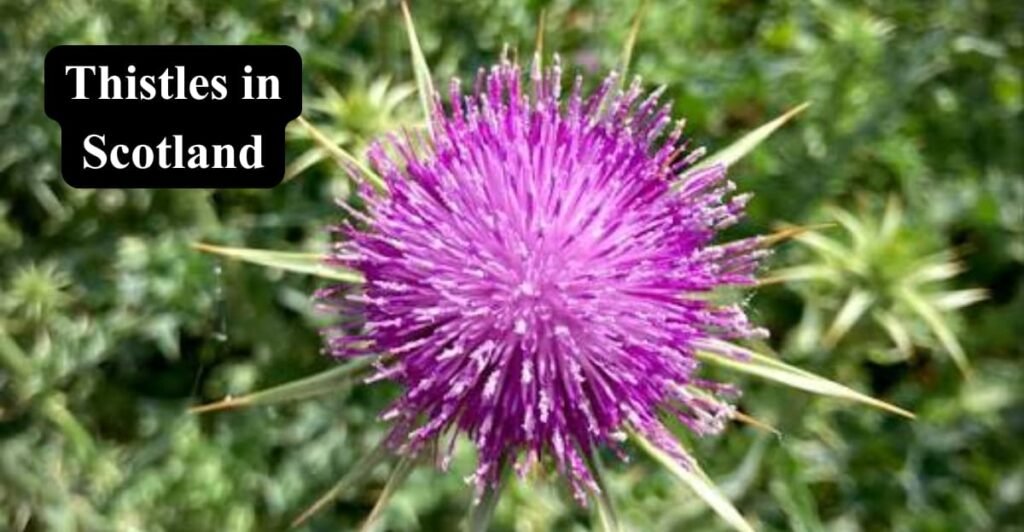
Scotland is home to several Scottish thistle species, each with different colors, flower shapes, and characteristics. These thistle varieties contribute to the country’s plant diversity, Scottish flora, and natural beauty.
- Spear Thistle: Often associated with the national flower of Scotland, it represents the Scottish spirit, resilience, and Scottish strength with its sharp spines.
- Cotton Thistle: Recognized by its fluffy appearance and delicate texture, offering a softer contrast to its spiky cousins.
- Musk Thistle: Its sweet scent attracts butterflies and other pollinators, supporting local biodiversity.
- Creeping Thistle: A hardy survivor that demonstrates nature’s tenacity and adaptability.
- Ecological Importance: These wild plants attract wildlife and make an important ecosystem contribution, adding to Scotland’s botanical diversity and flowering species.
Together, these varieties create a beautiful floral tapestry across Scotland’s rugged land and natural landscape.
I find comparing these thistle varieties fascinating because each has a distinct appearance while sharing the same hardy character.
The Thistle in Scottish Symbols and Culture
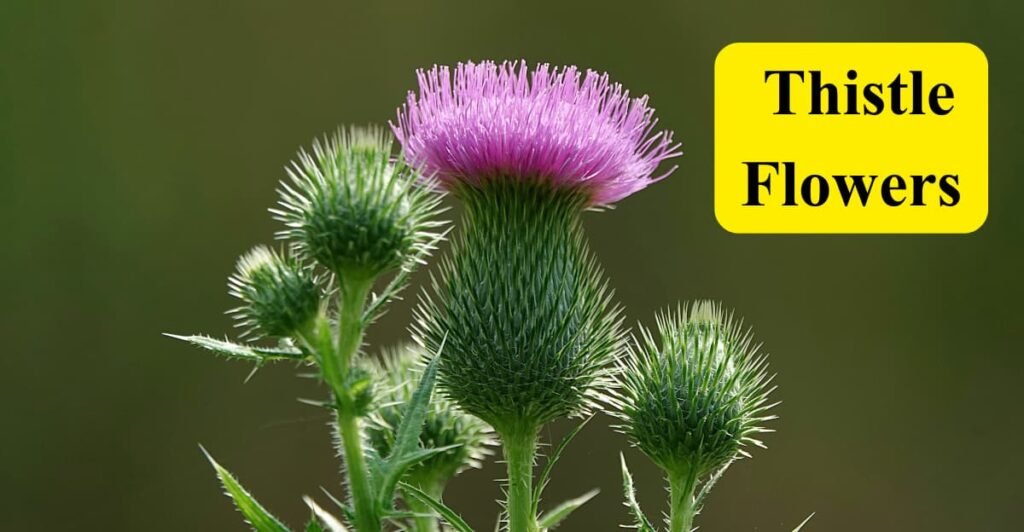
The thistle, Scotland’s national flower, represents the Scottish people and their enduring Scottish spirit. Its prickly bloom symbolizes strength, determination, and resilience, reflecting how Scots have faced harsh conditions throughout history.
- Folklore and History: Scottish folklore, historical battles, and traditional tales connect the thistle with bravery and resistance against invaders.
- National Symbolism: It represents cultural identity, Scottish character, hardiness, and tenacity.
- Unity and Pride: The flower stands for unity and national pride across Scotland.
- Royal Connections: It appears on royal insignias, Scottish royal symbols, and traditional tartans, including the Scottish tartan.
- Cultural Heritage: Its vibrant purple hues and unique flower shape reflect Scotland’s rich heritage, cultural heritage, and natural beauty.
- Floral Emblem: The thistle remains an important floral emblem, representing Scottish traditions, historical symbolism, and national identity.
I particularly admire how the thistle connects Scotland’s natural beauty with its history, traditions, and enduring spirit.
When Does the Thistle Bloom?
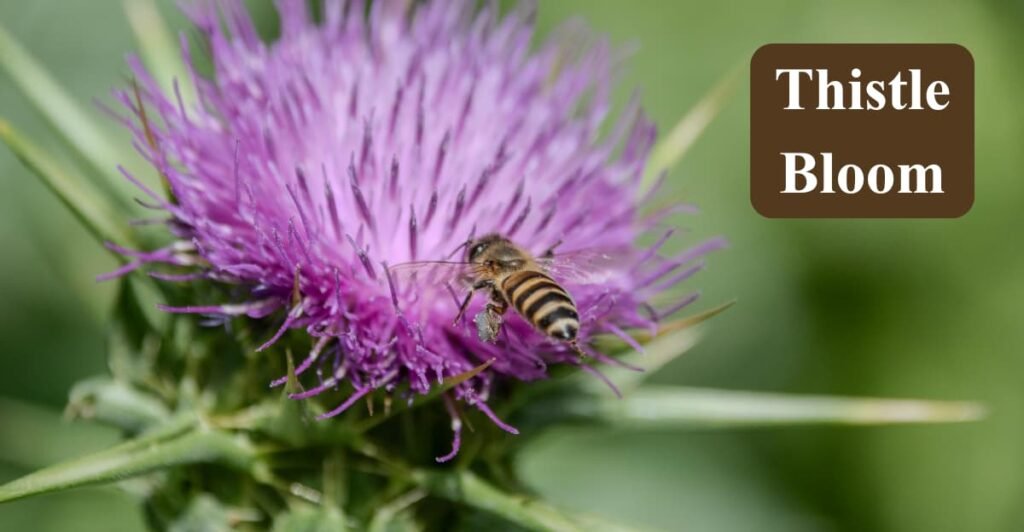
The thistle, Scotland’s national flower, usually blooms from July to September, with its peak bloom appearing in late July and continuing through August. During this flowering season and blooming period, vibrant purple blooms brighten meadows, hillsides, and the rugged Scottish landscape.
- Flowering Months: July, August, and September.
- Peak Bloom: Late July to early September, depending on the species and location.
- Best Viewing Spots: The Scottish Highlands, coastal areas, and open Scottish countryside.
- Wildlife Attraction: Butterflies, bees, and other pollinators visit these resilient flowers.
- Best Experience: Enjoy wildlife interactions, wildlife observation, and the stunning scenery during the wildflower season.
Seeing thistles in full bloom offers a wonderful opportunity for flower appreciation, showcasing purple flowers, seasonal flowering, and the beauty of their natural thistle habitat. This visitor experience highlights Scotland’s natural beauty, natural scenery, and landscape beauty, while connecting visitors with Scottish cultural heritage, the natural environment, and the flower’s enduring spirit.
I find late summer the most rewarding time to appreciate thistles, especially when their purple flowers stand out against Scotland’s green hills.
Key Takeaways
The thistle, known as the national flower of Scotland and national flower in Scotland, is a cherished Scottish national symbol with deep cultural significance. This resilient plant represents resilience, strength, and determination, reflecting the Scottish character and fierce spirit shaped by the country’s rugged landscape.
- Historical Significance: The thistle has a meaningful connection to Scottish history, its rich history, and often tumultuous history.
- National Pride: It remains a symbol of pride, representing Scots, national unity, and national pride.
- Natural Strength: Its ability to survive harsh conditions demonstrates plant adaptability, thriving plants, and natural resilience.
- Cultural Heritage: The thistle is a beloved floral emblem connected to Scottish heritage, cultural heritage, and Scottish identity.
- Lasting Symbolism: It brings together nature appreciation, nature and heritage, and intertwined heritage, offering valuable historical insights through its cultural symbolism, national identity, and natural beauty.
I believe the thistle is especially meaningful because its natural toughness and flower beauty reflect Scotland’s enduring spirit and identity.
Conclusion
The thistle, Scotland’s national flower, is a beautiful symbol of strength, resilience, and Scottish pride. Its fascinating history, purple blooms, and cultural significance make it an unforgettable part of Scotland’s heritage. Explore this iconic flower and discover why it continues to represent the enduring spirit of Scotland.
Frequently Asked Questions
1. What is the national flower of Scotland?
The thistle is the national flower of Scotland, symbolizing strength, courage, resilience, and national pride.
2. Why was the thistle chosen as Scotland’s national flower?
According to legend, a Norse invader stepped on a prickly thistle, alerting Scottish warriors and helping them defend against a surprise attack.
3. When does the Scottish thistle bloom?
The thistle generally blooms from July to September, producing beautiful purple flowers that attract bees and butterflies.
4. What are the common types of thistles found in Scotland?
Common varieties include Spear Thistle, Cotton Thistle, Musk Thistle, and Creeping Thistle, each with distinctive features and appearances.
Please Write Your Comments