Dominican Republic National Flower: The Bayahibe Rose
Updated: November 5, 2026
10
Discover the Bayahibe Rose, the beautiful national flower of the Dominican Republic, known for its rare charm, vibrant pink petals, and remarkable story of survival. More than a floral symbol, it represents national pride, natural beauty, and the importance of protecting the country’s unique biodiversity. Keep reading to explore its fascinating history, symbolism, and conservation story, and discover what makes this flower truly special!

Table of Contents
What Is the Bayahibe Rose?
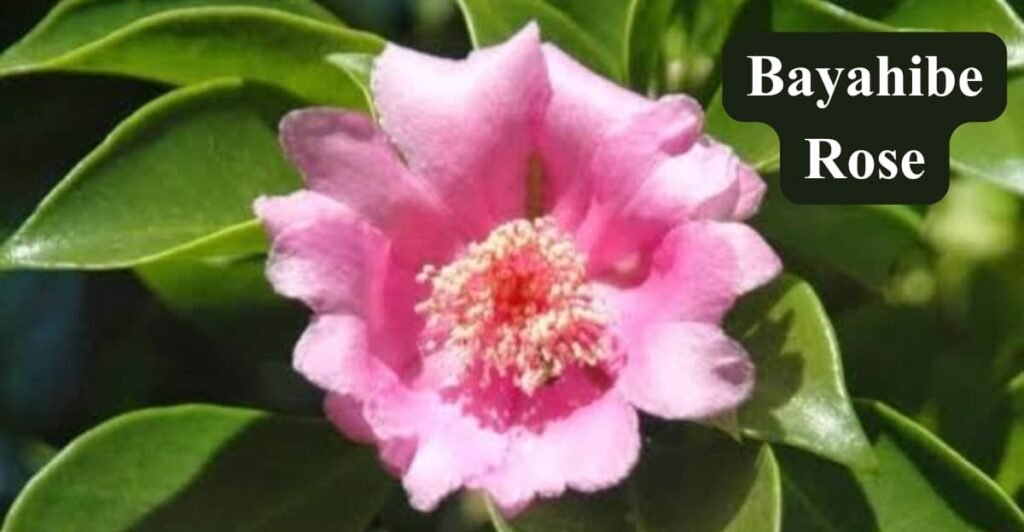
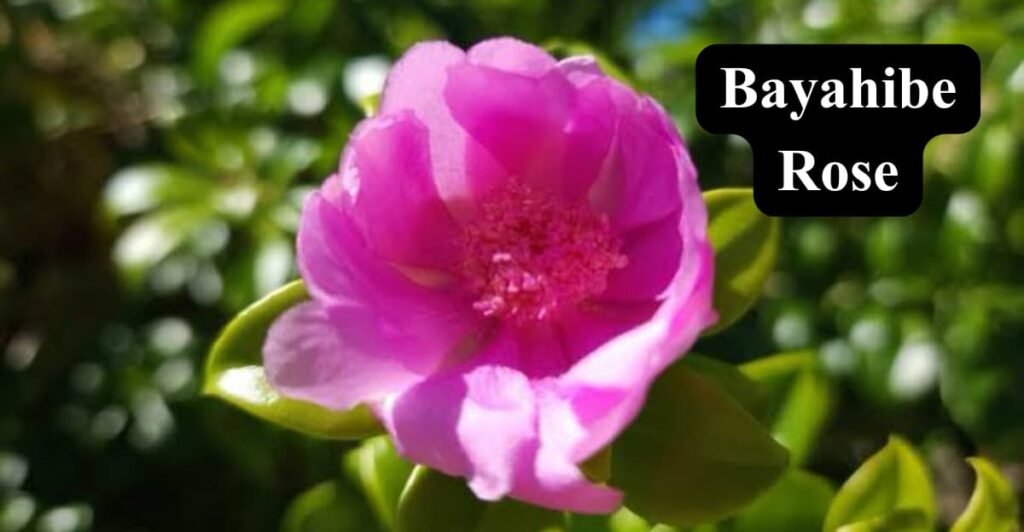
The Bayahibe Rose (Pereskia quisqueyana), the national flower of the Dominican Republic, is a delicate flower with vibrant pink petals and a remarkable story of survival. Known as a symbol of resilience and hope, this pretty bloom can withstand the harshest conditions, growing across rocky terrains under the blazing Caribbean sun.
Its ability to endure reflects the strength of the Dominican people, their rich culture, and history. Once considered nearly extinct, this botanical rarity became a national treasure through conservation efforts to revive it, highlighting the importance of protecting nature, natural heritage, and the heart of the Dominican Republic. Its flower beauty, floral identity, and nature connection inspire a sense of pride and national pride, reminding people that even during tough times, beauty flourishes through natural survival.
From my experience exploring native flowers, the Bayahibe Rose stands out because its beauty is matched by its remarkable ability to survive and inspire conservation.
Why It Bears the Name “Bayahibe”

The name Bayahibe comes from an enchanting town in the Dominican Republic, where the Bayahibe rose, also called rosa de Bayahibe, grows naturally. This beloved national flower became a national emblem of resilience and beauty, reflecting the island’s rich biodiversity and regional identity. In 1977, French-Dominican botanist Henri Alain Liogier contributed to its discovery and classification, bringing attention to the Dominican flora and this remarkable native plant.
Liogier’s passion for nature encouraged greater nature appreciation and recognition of this local treasure. Its delicate petals, wild habitat, and natural flourishing connect the flower with local culture, cultural pride, and floral heritage, while its story adds another chapter to the country’s survival stories and botanical discovery. The flower also represents the lasting relationship between nature, community, and natural connection.
From my experience studying national flowers, I find its name especially meaningful because it connects a rare botanical treasure with the community and place where it belongs.
Where Does the Bayahibe Rose Grow?

The Bayahibe Rose, the Dominican Republic national flower, grows in its native land across parts of the Caribbean, particularly around sun-kissed shores and coastal areas. It prefers a warm climate, thriving in dry forests and mineral-rich soil, where its delicate bloom, vibrant petals, and pink petals create a stunning fusion of pinks against the surrounding tropical landscape.
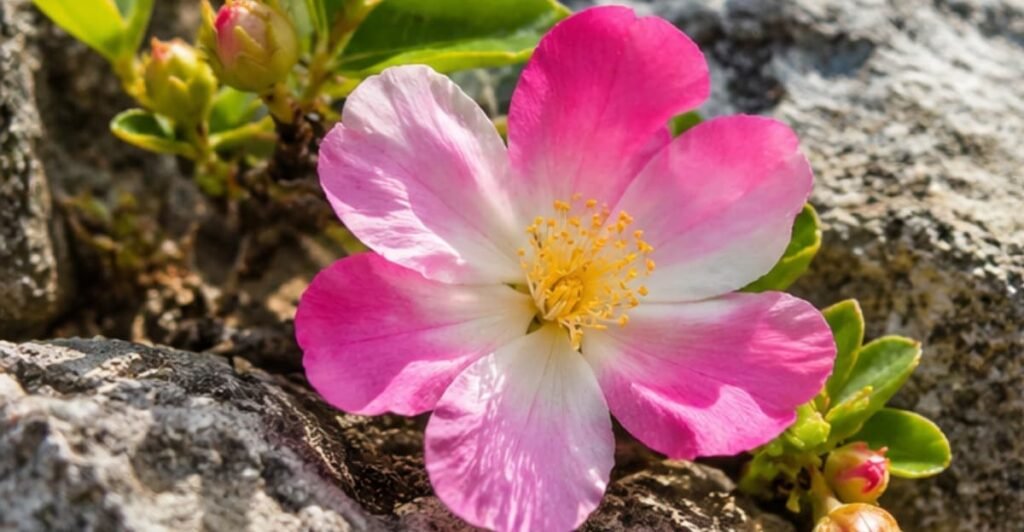
Its natural habitat can look like a rare gem among stones, as the plant demonstrates remarkable endurance in a harsh environment. Growing through rocky terrain and facing harsh winds, it reflects hope, perseverance, and the resilient spirit of the Dominican people. This pretty sight reveals life’s tenacity amid environmental challenges, while plant adaptation, natural growth, and flower survival contribute to the Caribbean ecosystem, coastal habitat, native vegetation, and regional biodiversity.
From my gardening perspective, plants that adapt to challenging coastal conditions are especially fascinating because their growth reveals how closely native vegetation is shaped by its environment.
Why Is the Bayahibe Rose the National Flower of the Dominican Republic?
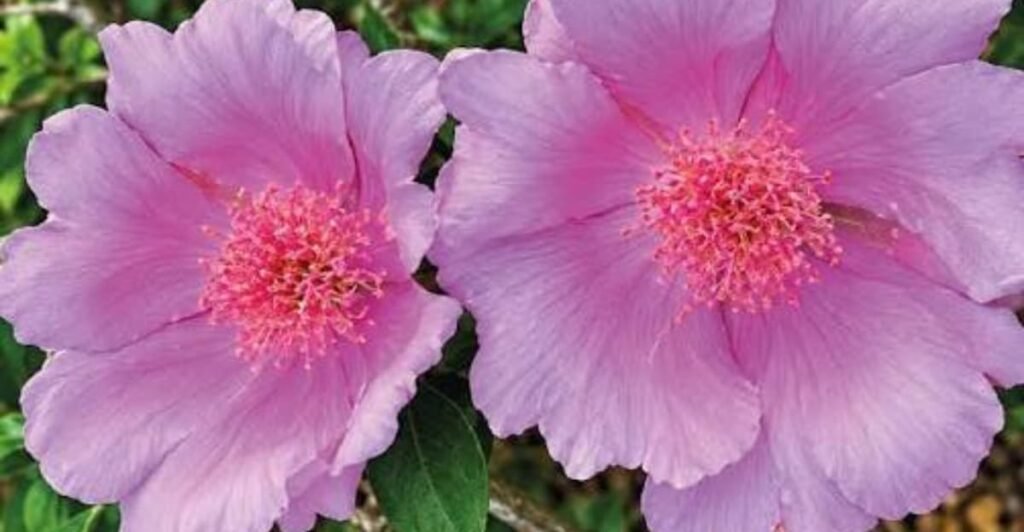
The Bayahibe Rose represents the Dominican Republic’s national identity through its beauty, resilience, and connection to Caribbean biodiversity. Its journey from near extinction to a symbol of hope highlights the importance of conservation and protecting native species.
Today, this delicate blossom reflects national pride, cultural heritage, unity, and environmental responsibility, reminding Dominicans of the value of their natural treasures.
From my experience exploring national flowers, the Bayahibe Rose stands out for turning a story of survival into a lasting symbol of hope and unity.
What Does the Bayahibe Rose Look Like?
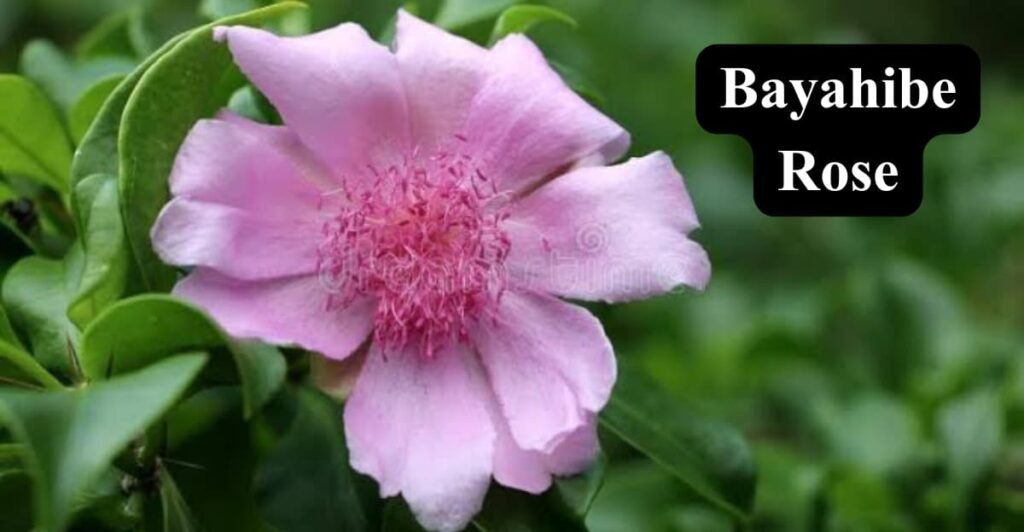
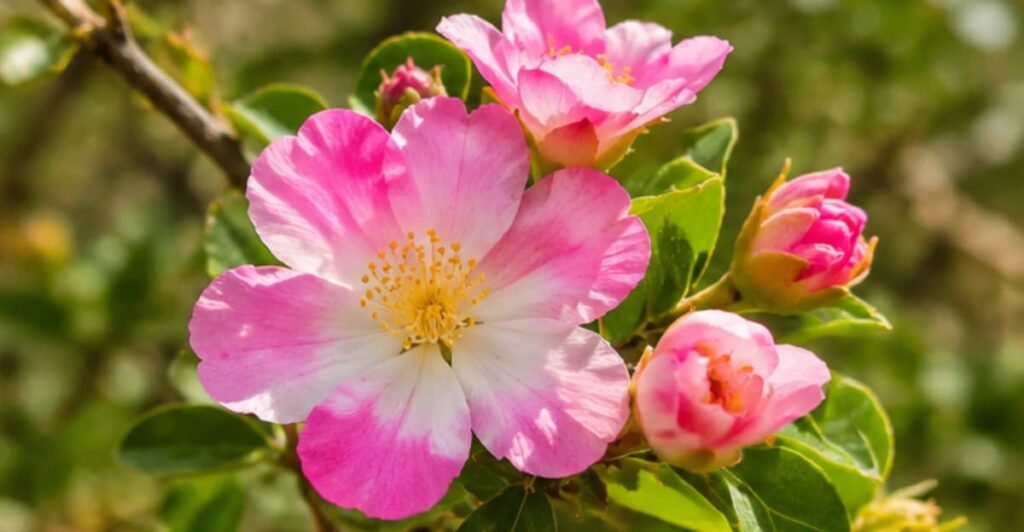
The Bayahibe Rose, the Dominican Republic national flower, is admired for its delicate petals, combining soft pink petals and white petals in a beautiful blend of pinks and whites. Its gentle blossom creates a sense of tranquility, while its flower appearance adds vibrancy to the sun-kissed landscapes of the Caribbean. Surrounded by beautiful scenery, this tropical flower reflects resilience as it grows across rocky terrains, showcasing the natural beauty and essence of the Dominican Republic.
Its lively, warm charm makes it feel perfectly suited to a tropical paradise, encouraging nature appreciation and admiration for natural subtleties. Its floral beauty and stunning bloom make it memorable among Caribbean flowers.
From my experience studying tropical flowers, I find its delicate colors especially beautiful against the rugged landscapes where it grows.
The Role of the Bayahibe Rose in Nature
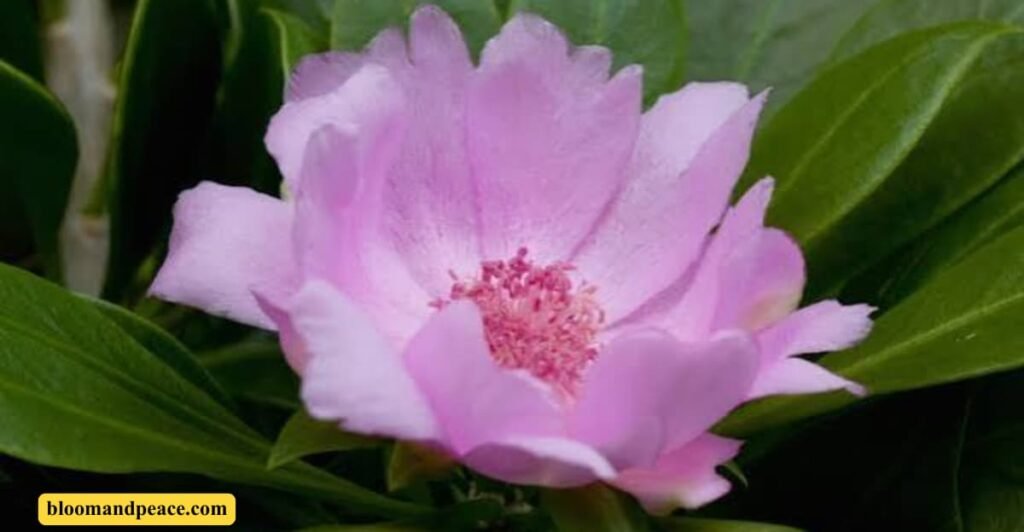
The Bayahibe rose, also called rosa de bayahibe or the Dominican flower, grows in the sun-kissed landscapes of the Dominican Republic, where it represents a symbol of hope and endurance. Its delicate pink petals stand out in harsh environments and rugged coastal areas, contrasting with the arid surroundings while demonstrating nature’s resilience. Beyond its beauty, its habitat supports local pollinators, including bees and butterflies, while its strong root system helps reduce soil erosion.
As a cultural emblem and national flower, it inspires shared appreciation for the delicate balance of nature and the rich tapestry of local heritage. Its enduring spirit reflects beauty in tough conditions, while its ecological role, pollination, and connection to the coastal ecosystem contribute to environmental balance, a healthy natural habitat, and stronger plant roots.
From my gardening perspective, native plants are valuable because they support local wildlife while helping maintain the balance of their surrounding ecosystems.
Why It’s in Danger
The Bayahibe rose (rosa de Bayahibe) faces growing threats from urbanization, habitat loss, and climate change. Expanding cities, altered weather patterns, and environmental neglect threaten its survival and the biodiversity of its natural habitat.
Protecting this Dominican Republic national flower requires community education, stronger conservation laws, and environmental protection to preserve its cultural heritage for future generations.
From my experience researching rare plants, protecting natural habitats is essential to preventing native flowers from disappearing.
How Is the Bayahibe Rose Being Protected?
The Bayahibe rose, or rosa de bayahibe, is protected through conservation initiatives, designated conservation areas, and special zones that safeguard its natural habitat from human interference.
Local communities support these efforts through education programs, while scientists conduct research, monitoring, and population tracking to understand environmental threats. Together, habitat protection, biodiversity conservation, and community participation strengthen its long-term survival.
In my view, combining scientific research with community involvement is one of the most effective ways to protect this beautiful national flower.
A Small Detail Worth Knowing

The Rosa de Bayahibe, the Dominican Republic national flower, adds unique charm to a beach visit with its delicate pink blooms found around the Bayahibe region. Its resilience reflects local culture and a strong connection to the land, making a simple beach trip a memorable discovery in this tropical paradise.
Spotting these pink flowers in their natural habitat offers a chance to appreciate nature’s power, natural beauty, and conservation. Their blossoms create moments of experience, reflection, and a sense of belonging, while supporting coastal tourism and celebrating tropical beaches, floral discovery, regional identity, the natural environment, and the local landscape.
From my experience exploring native flowers, discovering the Bayahibe Rose in its natural surroundings makes a visit to the village even more meaningful.
More About the National Flower of Dominican Republic

The Bayahibe Rose, the national flower of the Dominican Republic, is a symbol of resilience and beauty, admired for its delicate flower structure and vibrant pink shades. Growing in coastal regions near stunning beaches, it reflects the Dominican people’s national spirit and ability to flourish in tough conditions.
Its cultural significance is celebrated by Dominicans through art, festivals, and local crafts, making it part of daily life and national history. This flower represents rich history, harmony in nature, and flower appreciation, while its natural beauty, cultural heritage, and Dominican identity strengthen national pride, floral symbolism, and the environmental connection associated with this unique coastal flower and tropical bloom.
From my perspective, national flowers are especially meaningful when their natural beauty becomes part of a country’s everyday culture and traditions.
What Makes the Bayahibe Rose Stand Out Among National Flowers?
The Bayahibe Rose stands apart from other national flowers through its vibrant pink petals, resilience, and powerful symbol of hope for the Dominican Republic. Its remarkable survival in harsh conditions and rocky landscapes reflects the natural beauty, strength, and perseverance of the local culture and Dominican people.
Its unique blend of beauty and toughness represents the Dominican spirit and the region’s rich biodiversity and regional biodiversity. A testament to overcoming difficult times, this flower shows how beauty emerges through flower growth, becoming a proud emblem of national identity, connection to nature, and natural heritage, while highlighting its floral uniqueness, ecological significance, environmental resilience, and national symbolism.
In my experience studying national flowers, the Bayahibe Rose is remarkable because its survival story gives its beauty a deeper cultural and ecological meaning.
Conclusion
The Bayahibe Rose, the national flower of the Dominican Republic, is a beautiful symbol of resilience, hope, and national pride. Its rare beauty and remarkable survival story highlight the importance of protecting native plants and preserving biodiversity. By supporting conservation efforts, Dominicans can ensure this precious national treasure continues to flourish for future generations.
Frequently Asked Questions
1. What is the national flower of the Dominican Republic?
The Bayahibe Rose (Pereskia quisqueyana) is the national flower of the Dominican Republic.
2. Why is the Bayahibe Rose important?
It represents resilience, hope, national pride, and the country’s rich natural heritage.
3. Where does the Bayahibe Rose grow?
It is native to the Bayahibe region of the Dominican Republic, growing in dry forests and coastal habitats.
4. Why is the Bayahibe Rose endangered?
Urbanization, habitat loss, climate change, and environmental neglect threaten its natural habitat and survival.
Please Write Your Comments