National Flower Of Germany: Top 5 Myths & Facts
Updated: October 25, 2026
17
Discover the fascinating story behind Germany’s beloved cornflower, from its striking blue petals to the surprising myths surrounding its history and symbolism. Although often called Germany’s national flower, its true status and historical connections may surprise you. Explore these top 5 myths and facts to uncover the flower’s cultural significance, and keep reading to discover the truth behind this iconic bloom!
Table of Contents
What is the National flower of Germany?
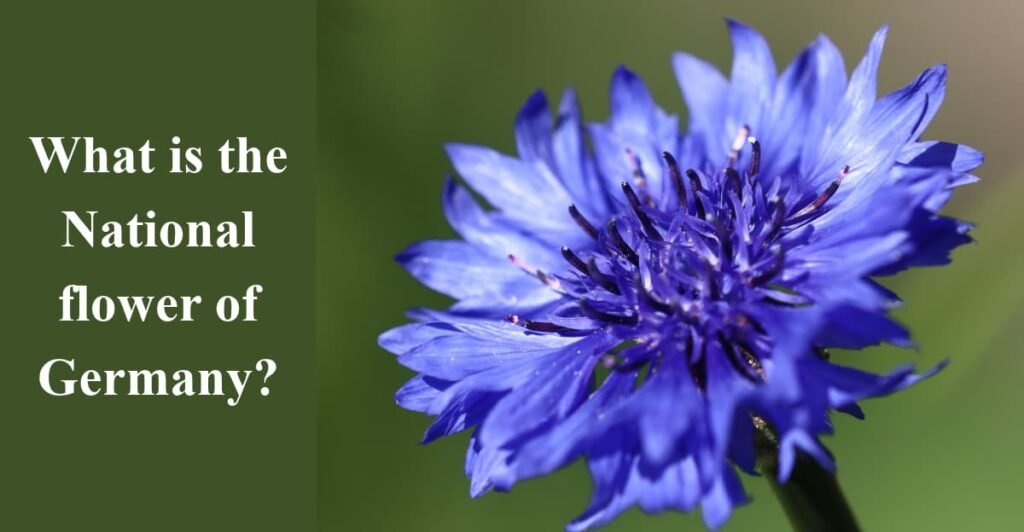
The cornflower, known as Kornblume in German, is widely regarded as the unofficial national flower of Germany because of its historical significance and cultural associations. Its bright blue petals, natural beauty, and presence across the German landscape make it a recognizable wildflower connected to German traditions and heritage.
Although the cornflower has no official national flower designation, it remains linked to German history, national identity, and patriotic symbolism. Its associations with World War I, hope, remembrance, German art, literature, and national pride have helped preserve its place in the country’s cultural memory.
In my experience studying flower symbolism, the cornflower’s story shows how a simple wildflower can become a meaningful symbol of a nation’s history and connection to nature.
Why the Cornflower Became Associated With Germany?
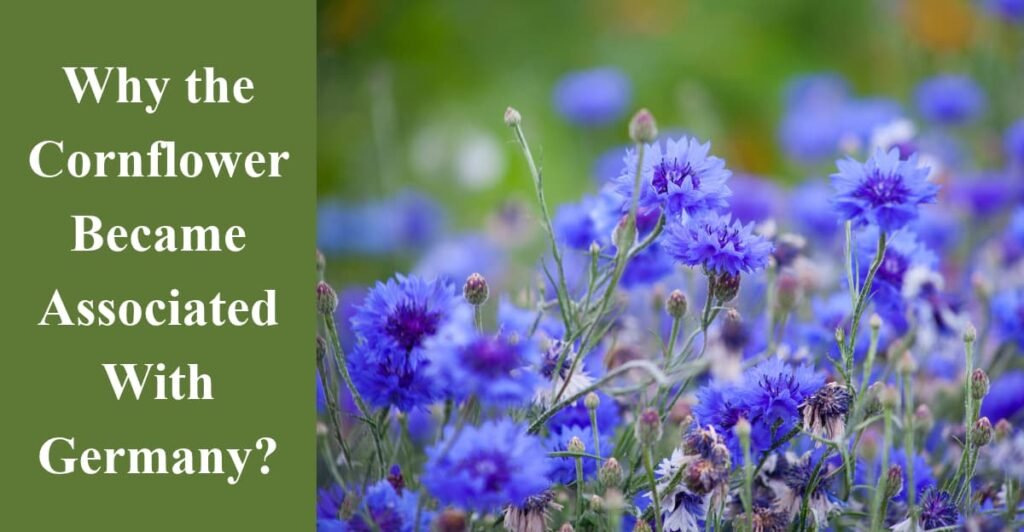
The cornflower became associated with Germany during the late 1800s and early 1900s, when its blue petals, familiar presence in rural fields, and connection to the countryside made it a cherished flower. Its growing popularity was also linked to Queen Louise of Prussia and Kaiser Wilhelm I, whose royal associations helped strengthen its place in German history, national identity, and patriotic symbolism.
Over time, the cornflower came to represent national pride, unity, and cultural heritage rather than simply a beautiful blue flower. Its connection to the Prussian monarchy, royal symbolism, and German traditions helped establish it as a symbolic flower, although its status remains cultural rather than an official national designation.
From my experience exploring botanical history, the cornflower is a good example of how a flower’s natural beauty can become intertwined with royal influence, shared identity, and a nation’s historical roots.
5 Cornflower Myths & Facts Explained Clearly
Myth 1: Queen Louise Hid Her Children in a Cornflower Field
Myth: A popular historical myth claims that Queen Louise of Prussia hid her children in a cornflower field during the Napoleonic Wars in 1806, creating a royal legend of a brave mother protecting her family from Napoleon’s army. This patriotic story strengthened her heroic image and became part of Prussian history, German heritage, and cornflower symbolism.
Facts: There is no reliable historical evidence confirming this tale, and historians have linked it to political propaganda that improved the Prussian monarchy’s reputation. Rather than hiding in a field, Queen Louise supported her people during the national struggle, leaving a legacy of leadership, royal courage, and historical remembrance.
Myth 2: The Cornflower is Officially Declared Germany’s National Flower
Myth: Many people believe the cornflower is the officially declared national flower of Germany, assuming its popularity and cultural significance mean it has received formal legal recognition. Its presence in German literature, German art, festivals, and traditions has strengthened this public belief and made it a familiar national symbol.
Facts: The cornflower has no official national flower designation under German law, so its status remains an unofficial national symbol rooted in historical associations, cultural heritage, and national identity. Its natural beauty, connection to nature, and place in German traditions continue to inspire national pride and flower appreciation without giving it an official title.
Myth 3: The Cornflower Was Chosen Randomly by the German Empire
Myth: Some people believe the cornflower was a random choice by the German Empire, with no connection to German identity or national history. This assumption overlooks its associations with Emperor Wilhelm I, Kaiserblume, and the newly unified Germany in 1871.
Facts: The cornflower gained symbolic meaning through its association with German unity, national pride, and imperial symbolism. Its appearance on recruitment posters and military imagery helped promote a sense of belonging, shared purpose, and hope for the future, making it a deliberate symbol rather than a random selection.
Myth 4: Healing Powers of Cornflower Are Purely German Folklore
Myth: Some people dismiss the healing powers of cornflower as nothing more than German folklore, magical properties, and ancient tales. Stories about centaur Chiron, cornflower petals, and traditional remedies have contributed to its reputation in herbal history.
Facts: Cornflower has a history of use in traditional medicine, including herbal tea, teas and infusions, and other plant preparations. Although these practices reflect ancient herbal practices and historical herbal knowledge, traditional use does not establish medical effectiveness; claims involving sore eyes, eye irritation, or digestive relief should be treated cautiously.
Myth 5: The Cornflower Has Always Been Politically Neutral
Myth: The cornflower is sometimes viewed as a neutral symbol of peace and unity, supposedly free from political ties throughout German history. This overlooks its complex associations with national identity, German nationalism, and historical political movements.
Facts: Around 1880, the flower became associated with the Pan-German movement, which promoted unity among German-speaking areas. Later, in the 1930s, the Nazi Party used the cornflower in political contexts, demonstrating how its symbolic meaning, national symbolism, and cultural associations changed over time.
Botanical Facts About the Cornflower You Might Not Know
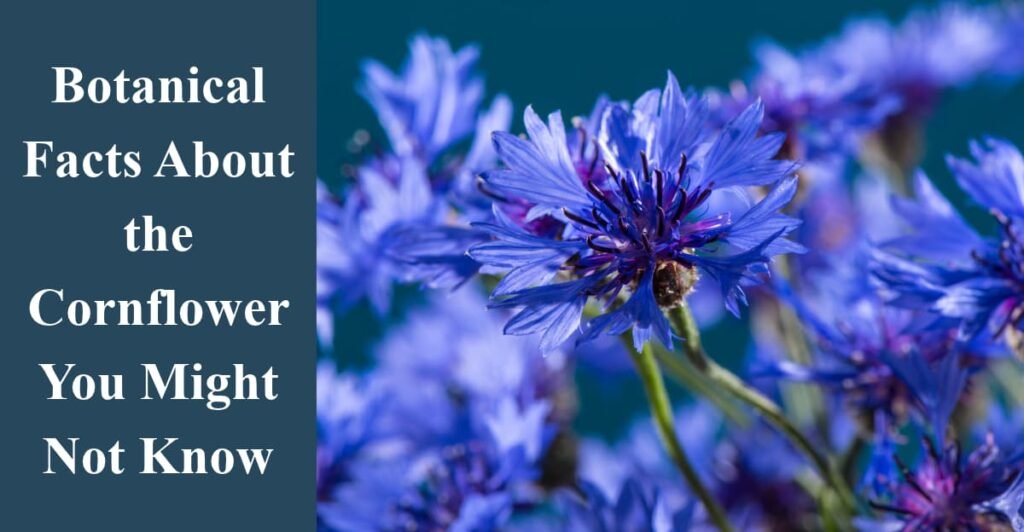
- Scientific Name: The cornflower is scientifically known as Centaurea cyanus. Its name has links to the Greek word centaur and Greek mythology, including legends about its medicinal properties.
- Flower Colors: The bright blue petals are its best-known feature, but it can also produce pink flowers, white flowers, and purple flowers, offering a beautiful color variety for garden flowers and wildflower arrangements.
- Native Region: The national flower of Germany, often called the German national flower, originally comes from Europe. These European wildflowers commonly grew in cornfields, inspiring the flower’s name. Today, the species has a wider global distribution, including North America.
- Blooming Season: Cornflowers typically bloom in late spring and early summer, producing colorful seasonal blooms during the warmer months. They are also valued as attractive, relatively long-lasting flowers in gardens and natural settings.
- Ecological Role: Cornflowers contribute to the ecosystem by attracting bees and butterflies, which support pollination and help pollinate other plants. Their presence can improve garden biodiversity, support local wildlife, and contribute to environmental health.
- Natural Habitats and Cultivation: These native plants, wildflower species, and cultivated flowers contribute to plant diversity and natural habitats. Understanding their botanical history, flower identification, and flower cultivation helps gardeners appreciate their floral beauty, ecological importance, wildlife support, and role in garden ecology.
Symbol Without Legal Control
The cornflower, often called the national flower of Germany, remains an unofficial national symbol because no formal legal declaration gives it official status. Its connection to German national identity, historical struggles, German literature, and German art reflects its cultural importance rather than legal recognition.
Unlike the national flower of Denmark, the cornflower’s place in Germany is shaped mainly by historical connections, traditional symbolism, and cultural heritage. From monarchy to everyday life, it represents the German spirit, while its links to nature conservation and environmental protection connect the past with the present.
In my experience exploring floral history, the cornflower shows how a flower can become part of a nation’s cultural roots without ever receiving official designation.
Cornflower in Modern German Life
- Art and Culture: The cornflower remains part of modern German life through art exhibitions, nature exhibitions, and celebrations of German culture and regional culture. These events showcase local flora, encourage flower appreciation, and help preserve the country’s cultural roots.
- Regional Festivals: Regional festivals and German festivals often celebrate rural heritage through themed decorations, local crafts, traditional foods, and flower-inspired foods. These cultural celebrations highlight German traditions, strengthen regional identity, and support cultural promotion.
- Education and Conservation: Schools may use educational posters and floral imagery to support biodiversity education, environmental awareness, and nature education. These activities help students develop environmental learning, understand the natural environment, and appreciate plant conservation, protecting local plants, and wildlife protection.
- Souvenirs and Local Art: Cornflower designs appear in souvenirs and merchandise, providing opportunities for local artists to celebrate traditional symbolism and flower symbolism. These designs connect flower decorations with modern living and everyday life.
- Heritage and Community: Through community festivals, botanical education, and nature appreciation, the cornflower continues to reflect regional heritage, cultural preservation, and local traditions. Its place in nature and society connects the past with modern German culture and keeps its symbolic meaning familiar to new generations.
Cornflower vs Other German Flowers
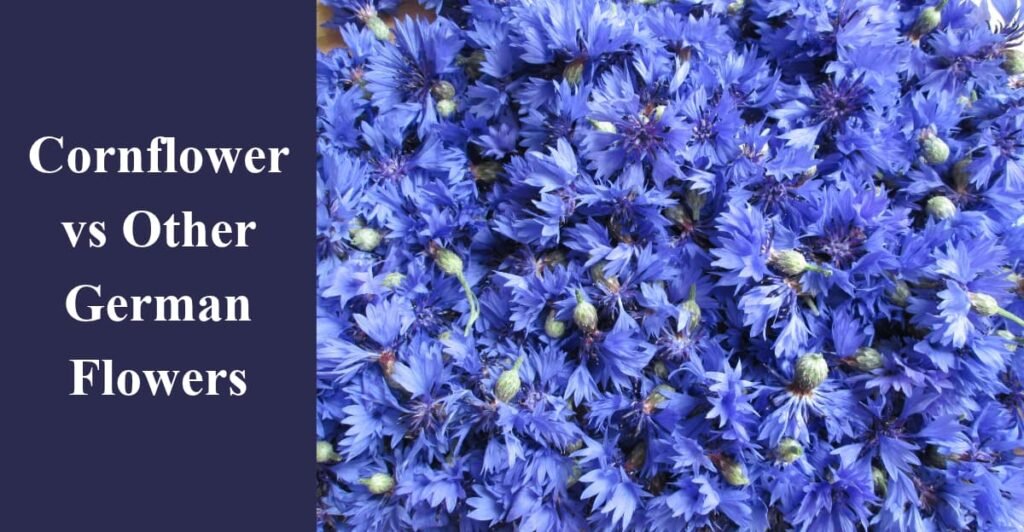
The cornflower, often associated with Germany’s national flower, stands out among German flowers for its bright blue hue and distinctive appearance. Unlike the bell-shaped Bluebell (Glockenblume), the cornflower has jagged petals and slender stems. Chicory (Zichorie) also displays a bright blue color, while Borage (Borretsch) is recognizable by its star-like flowers and hairy leaves.
Other wildflowers, such as Forget-Me-Not (Vergissmeinnicht), have small flowers with yellow centers and softer blue tones. In contrast, Edelweiss features star-shaped white petals and grows in rugged mountain habitats, reflecting alpine heritage and associations with bravery and adventure. Comparing flower size, petal shapes, plant characteristics, and flower shape makes flower identification easier while highlighting Germany’s floral diversity, regional flora, and rich cultural associations.
What The National Flower of Germany Reflects?
The cornflower, often called Germany’s unofficial national flower, reflects the country’s agricultural heritage, rural life, and connection to nature. Its vibrant blue petals growing among fields and crops symbolize hard work, farming traditions, and the balance between cultivation and the natural world.
Beyond its natural beauty, the cornflower represents German cultural identity, national pride, and historical continuity. Its presence in folklore, art, and poetry connects generations while highlighting biodiversity, nature conservation, and respect for the environment.
In my experience exploring flower symbolism, the cornflower shows how a simple wildflower can reflect a nation’s heritage, values, and lasting connection to the land.
Conclusion
The cornflower holds a special place in German culture because of its striking blue petals, historical associations, and connection to national identity. Although it is often called Germany’s national flower, it has no official designation. Its changing symbolism, botanical beauty, and role in supporting pollinators make it a fascinating part of Germany’s floral heritage.
Frequently Asked Questions
1. What is the national flower of Germany?
The cornflower (Centaurea cyanus), known as Kornblume in German, is widely regarded as Germany’s unofficial national flower because of its cultural and historical associations.
2. Is the cornflower officially recognized as Germany’s national flower?
No. Germany has not formally designated the cornflower as its national flower, but it remains a recognizable cultural symbol linked to German history and traditions.
3. What does the cornflower symbolize in Germany?
The cornflower is associated with national pride, unity, rural heritage, and cultural identity. Its meaning has also changed over time because of its connections to different political movements.
4. Why is the cornflower important to Germany’s history?
The cornflower became associated with Prussian royalty and German identity during the 19th and early 20th centuries. Its appearance in cultural and political contexts helped strengthen its historical significance.
Please Write Your Comments