National Flower of Bangladesh: Meaning, Symbolism & Facts
Updated: October 20, 2026
2
Discover the beauty of Shapla, the national flower of Bangladesh, and uncover its fascinating meaning, symbolism, and cultural significance. From serene wetlands to national pride, this beautiful water lily reflects Bangladesh’s natural beauty and rich heritage. Keep reading to explore its hidden facts, history, and importance in Bangladeshi culture!
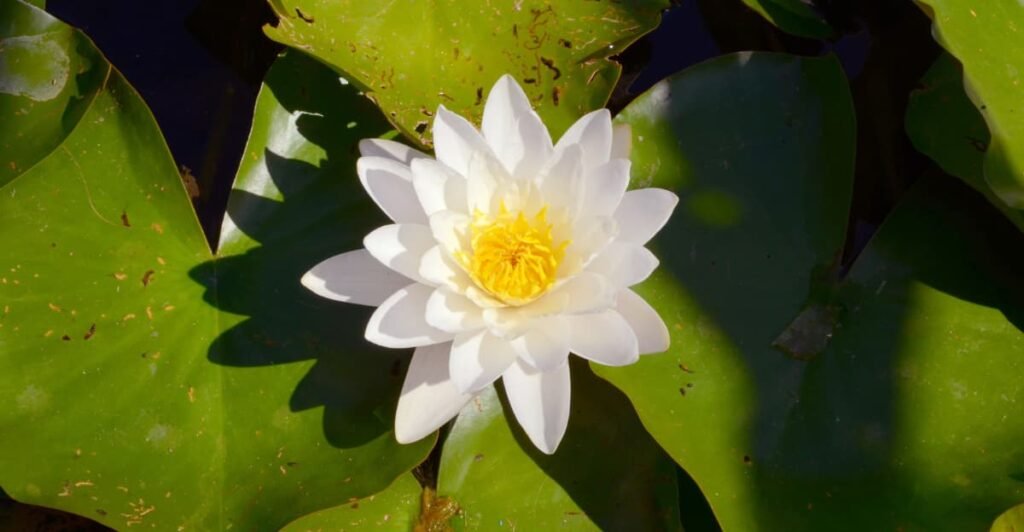
Table of Contents
What is the National Flower of Bangladesh?
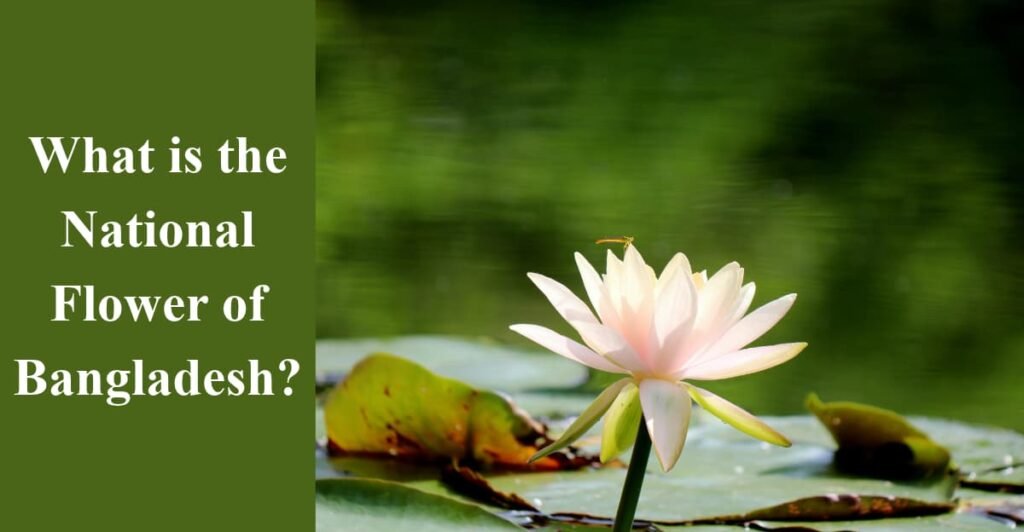
Shapla, also known as the white water lily, is the national flower of Bangladesh. Scientifically called Nymphaea nouchali, this aquatic plant grows naturally in ponds and wetlands across the country. Its rounded leaves and delicate white or pink blossoms add beauty to the freshwater landscape.
Beyond its appearance, Shapla holds a special place in Bangladeshi culture. Its presence in rural life and natural ecosystems reflects the country’s connection with nature and its rich cultural heritage.
From my gardening experience, water lilies are especially beautiful when their flowers open above still water, adding a peaceful charm to ponds and wetlands.
What Does Shapla Look Like?
Shapla, the national flower of Bangladesh, is a water lily known for its delicate, star-like shape and numerous petals surrounding a yellowish center. The white water lily is especially associated with Bangladesh, although other water lily species produce pink, blue, and purple flowers.
Its long stalks rise from the water, while rounded, floating leaves spread across the surface. These leaves have broad blades and a distinctive notch where the leaf stalk joins them. Beneath the water, roots grow from an underground rhizome anchored in soft sediment, giving the plant its familiar appearance in freshwater habitats.
Botanical Facts About Shapla
Scientifically known as Nymphaea nouchali, Shapla belongs to the genus Nymphaea and the family Nymphaeaceae. It is an aquatic perennial that grows in ponds and marshes, where its robust rhizome anchors the plant to the substrate. Its root system absorbs nutrients from the aquatic environment and helps it cope with seasonal changes in water levels.
Shapla reproduces sexually through seeds and asexually through rhizome spread, allowing it to thrive in suitable aquatic habitats. Although older classifications and synonyms may appear in botanical references, its scientific name and distinctive growth habit help explain its place in the ecosystem.
From a gardening perspective, understanding how its roots, rhizomes, and floating leaves work together makes it easier to appreciate how this water lily survives and grows in its natural environment.
Where Does Shapla Grow in Bangladesh?
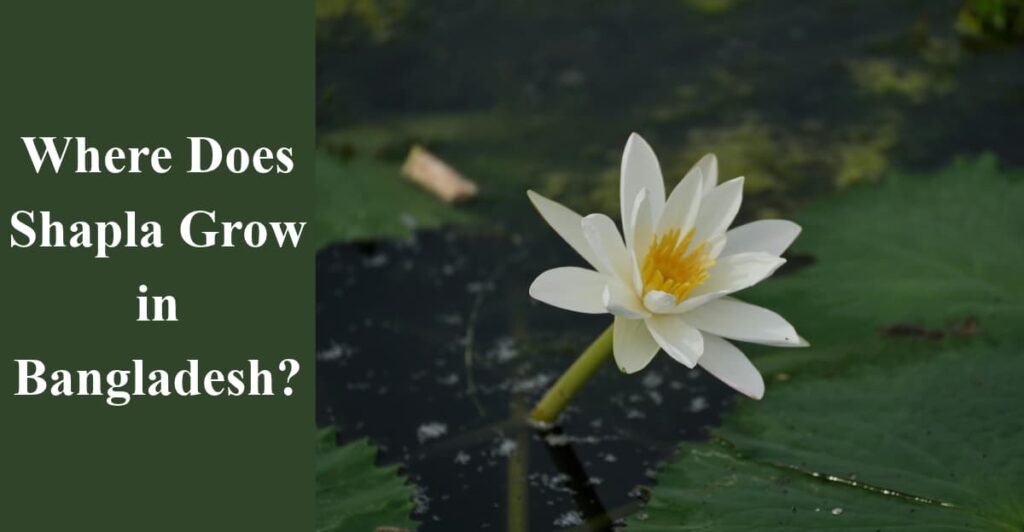
Shapla thrives in freshwater habitats throughout Bangladesh, including ponds, beels, marshes, canals, and wetlands with shallow, calm water. Its roots anchor in soft sediment while its leaves spread across the water’s surface, capturing sunlight for photosynthesis.
The haor regions of Sunamganj and Netrokona, along with floodplains connected to the Ganges and Brahmaputra river systems, provide suitable conditions for this native water lily. Bangladesh’s extensive river network and flood-prone lowlands support many aquatic habitats where Shapla can grow naturally.
How Shapla Became the National Flower of Bangladesh?
Following Bangladesh’s independence in 1971, Shapla became an important part of the country’s national identity and collection of national symbols. Its widespread presence in ponds, wetlands, rivers, and floodplains reflects the freshwater landscape that shapes everyday life across the country.
References to the flower in Bengali literature and folklore have strengthened its cultural associations, while its place in the national emblem makes it a recognizable symbol of Bangladesh. Today, Shapla is connected with national pride, unity, the spirit of the people, and the country’s cultural heritage.
Symbolism Rooted in Rural Life and Simplicity
Shapla is closely connected to rural life in Bangladesh, where it grows naturally in ponds, beels, canals, and wetlands surrounded by fishing, farming, and village communities. Its simple form and natural presence reflect the countryside and the country’s freshwater landscape, making it a familiar part of rural identity and village life. The flower also appears in Bengali literature, art, and traditional imagery, strengthening its cultural connections. Although purity and resilience are often associated with the water lily, these meanings are cultural interpretations rather than officially defined symbolism.
The Meaning Behind Shapla in the National Emblem
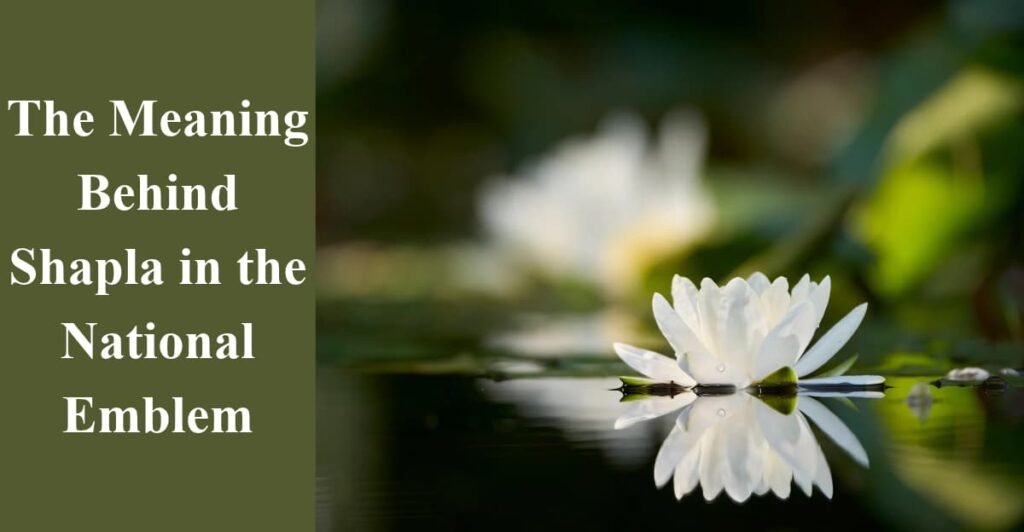
The Bangladesh national emblem features Shapla, or the water lily, at the center of its design, resting on water with an ear of paddy on each side, three connected jute leaves above, and two stars beside them. This arrangement makes the flower a prominent part of the country’s national identity and representation.
While purity, resilience, hope, and renewal appear in popular and cultural interpretations, these meanings are not part of the emblem’s official description. Shapla’s documented significance comes from its status as the national flower and its natural association with Bangladesh’s freshwater landscape.
Shapla’s Declining Presence and Environmental Significance
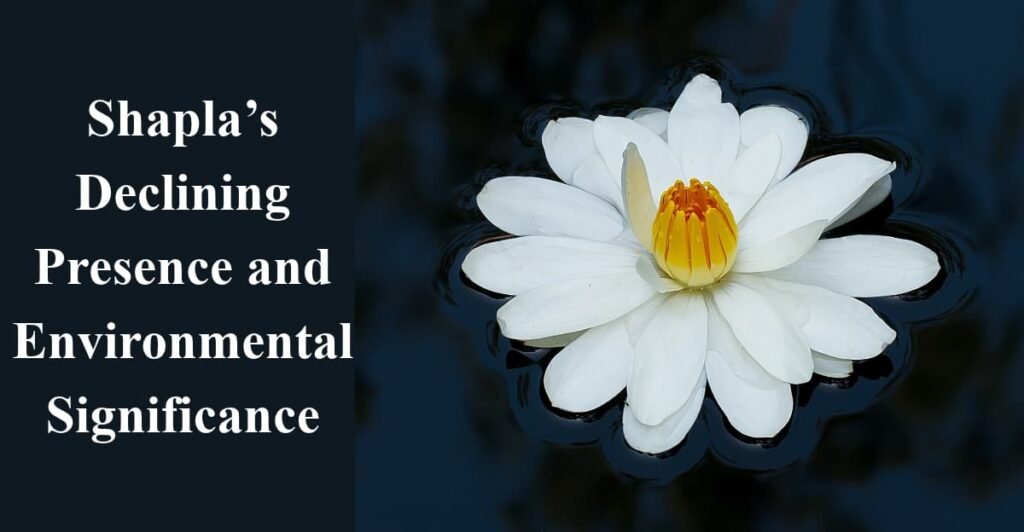
Shapla, the national flower of Bangladesh, grows in wetlands and other freshwater habitats that support diverse freshwater ecosystems. In some regions, changes in habitat conditions and declining water quality may affect its growth and reduce suitable places for the plant to thrive.
However, evidence of regional decline does not establish that Shapla is disappearing nationwide. Protecting wetlands and maintaining healthy freshwater environments can help preserve the plant and its wider environmental significance.
Why Is the Shapla Disappearing?
Shapla depends on healthy freshwater habitats across Bangladesh, but environmental changes can affect its natural growth and presence in some areas. The main factors include:
- Habitat Loss: Construction, farming, and changing land use can reduce natural habitats such as ponds, wetlands, and beels. Shrinking water bodies and disappearing wetlands affect Shapla and other aquatic plants, the organisms that depend on them, and overall biodiversity.
- Water Pollution: Wastewater, agricultural chemicals, and other pollution sources can damage freshwater conditions. Poor water quality makes some habitats less suitable for Shapla, affecting aquatic plant growth, wetland ecosystems, and ecosystem health through environmental contamination.
- Changes in Natural Water Conditions: Fluctuating water levels, altered drainage patterns, and sediment buildup can disturb freshwater conditions. These wetland disturbances may limit suitable aquatic habitats, change plant distribution, and contribute to local declines in Shapla across parts of Bangladesh.
Shapla vs Lotus: What Is the Difference?
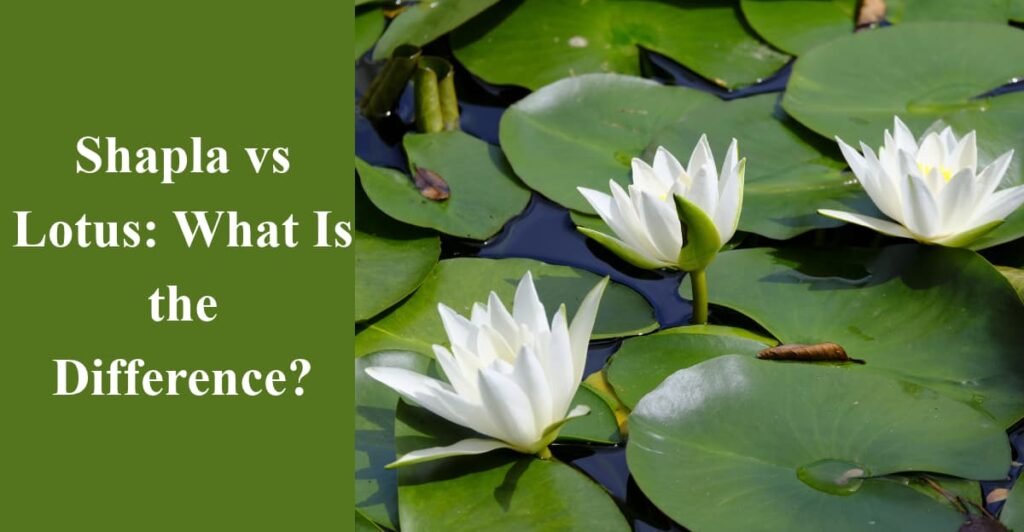
- Scientific Name: Shapla is scientifically known as Nymphaea nouchali, while lotus is called Nelumbo nucifera. Both are distinct aquatic species belonging to the order Nymphaeales.
- Plant Family: Shapla belongs to the family Nymphaeaceae, whereas lotus belongs to Nelumbonaceae. Their separate genera reflect differences in their botanical characteristics.
- Leaves: Shapla has rounded, floating leaves that spread across the water surface. Lotus leaves usually rise above the water on long stalks.
- Flowers: Shapla flowers generally float on or remain close to the water, while lotus flowers grow above the surface on taller stems.
- Roots and Stems: Both plants grow from underground rhizomes anchored in muddy soil. However, lotus has thick underground stems that store nutrients.
- Seed Structure: Shapla produces seeds within its flower structure, while lotus develops a distinctive round seed pod containing its seeds.
- Typical Habitat: Shapla commonly grows in ponds, beels, lakes, and wetlands. Lotus also thrives in shallow ponds and slow-moving freshwater environments.
- National Importance: Shapla is the national flower of Bangladesh because of its strong association with the country’s local water bodies and cultural identity. Lotus is a different plant and is not Bangladesh’s national flower.
- Ecological Significance: Both plants contribute to aquatic environments, but their different adaptations and habitats give them distinct roles in indigenous ecosystems.
Other National Symbols of Bangladesh
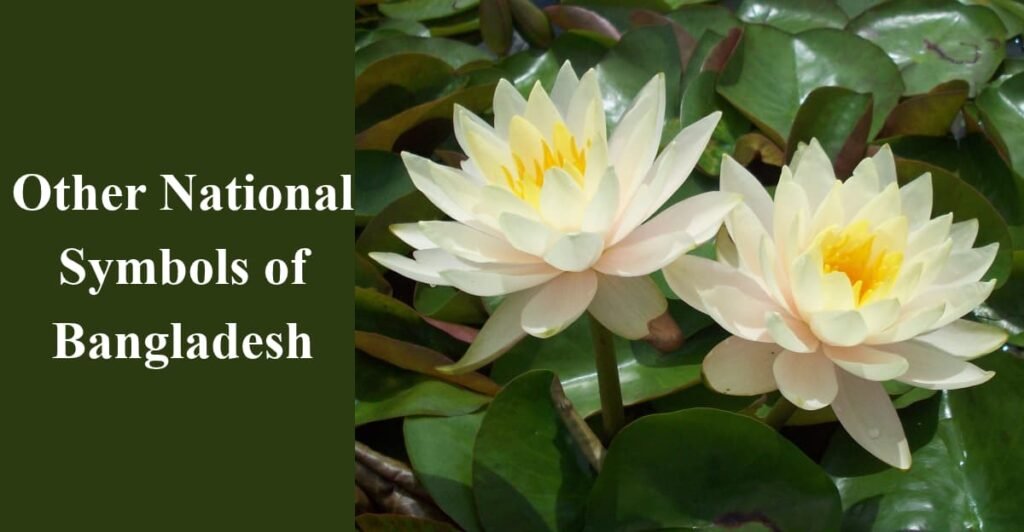
- National Flower: Shapla, or water lily, represents Bangladesh’s natural beauty and cultural identity.
- National Tree: The mango tree (Mangifera indica) is associated with the country’s agricultural heritage.
- National Animal: The Royal Bengal tiger is closely linked to the Sundarbans and Bangladesh’s rich wildlife.
- National Bird: The oriental magpie-robin, locally known as Doyel, is famous for its distinctive song.
- National Fruit: Jackfruit (Artocarpus heterophyllus) is an important part of Bangladesh’s food culture.
Together, these national symbols reflect Bangladesh’s biodiversity, national flora, national fauna, agriculture, natural environment, and cultural heritage.
Different Types and Colors of Water Lilies
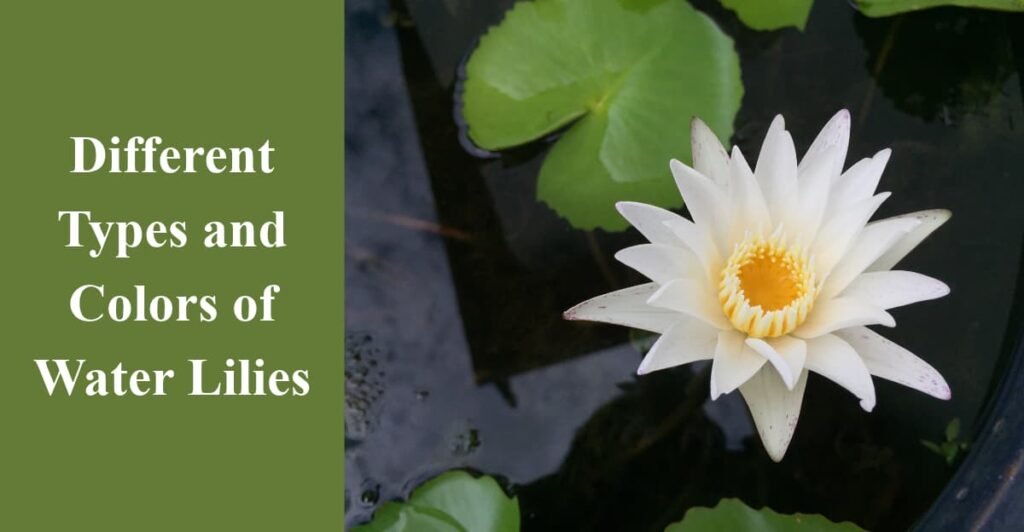
Water lilies belong to the genus Nymphaea and include numerous species with different flower colors, shapes, and habitats.
- Nymphaea odorata: Also called the fragrant water lily, it produces large white flowers and is native to North America.
- Nymphaea caerulea: Known as the blue water lily, it has striking blue petals and is associated with Africa.
- Nymphaea alba: The European white water lily features broad floating leaves and white flowers with yellow centers.
- Nymphaea stellata: This species is known for its flat, star-like flowers.
- Nymphaea mexicana: It produces cup-shaped flowers and grows in suitable aquatic habitats.
- Nymphaea nouchali: Known as Shapla, it displays vibrant colors and is recognized as Bangladesh’s national flower.
- Nymphaea thermarum: This endangered species highlights the importance of conservation and protecting plant diversity.
Water lilies grow in still ponds and slow-moving waters across temperate and tropical regions. Their global distribution, varied flower colors, and ecological versatility demonstrate the diversity of aquatic plants and their botanical classification.
What People Don’t Usually Know About Bangladesh’s National Flower?
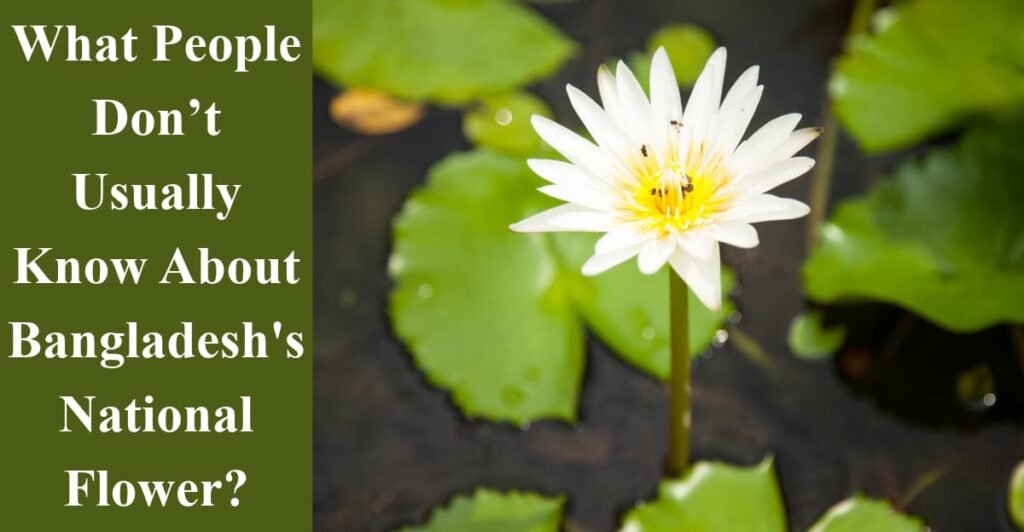
- The Selection Story: Shapla is widely recognized as Bangladesh’s national flower, but the exact selection process and specific reasons behind its designation are not extensively documented in publicly available historical records.
- A Flower of Rural Bangladesh: Shapla grows naturally in ponds, beels, and wetlands, making it a familiar part of everyday village landscapes.
- More Than a National Symbol: Beyond its cultural importance, Shapla contributes to freshwater ecosystems that support aquatic plants and animals.
- Not Just White: Although white Shapla is widely recognized, water lilies can also have pink and blue flowers.
- Part of a Diverse Plant Group: Shapla belongs to the Nymphaea genus, which includes many water lily species found around the world.
Conclusion
Shapla, the national flower of Bangladesh, represents the country’s natural beauty, cultural heritage, and deep connection with freshwater landscapes. From its graceful blooms to its place in the national emblem, this water lily holds special significance in Bangladesh’s identity. Protecting its wetlands and natural habitats can help preserve Shapla for future generations.
Frequently Asked Questions
1. What is the national flower of Bangladesh?
The national flower of Bangladesh is Shapla, commonly known as the white water lily and scientifically identified as Nymphaea nouchali.
2. What does Shapla symbolize in Bangladesh?
Shapla is associated with national identity, natural beauty, and cultural heritage. Purity, resilience, and unity are also common cultural interpretations, rather than officially defined meanings.
3. Where does Shapla grow in Bangladesh?
Shapla grows in freshwater habitats such as ponds, beels, marshes, canals, and wetlands. It is commonly associated with rural landscapes and the haor regions of Bangladesh.
4. What is the difference between Shapla and lotus?
Shapla (Nymphaea nouchali) usually has floating leaves and flowers that remain close to the water’s surface. Lotus (Nelumbo nucifera) typically has leaves and flowers that rise above the water on long stalks. Shapla is the national flower of Bangladesh.
Please Write Your Comments