Brazil National Flower: The Golden Trumpet Tree
Updated: November 9, 2026
8
Discover the breathtaking Golden Trumpet Tree, Brazil’s beloved floral symbol known for its brilliant yellow blooms and cultural significance. Although Brazil has no officially designated national flower, the stunning Ipê-Amarelo represents the country’s vibrant natural beauty and rich heritage. Keep reading to explore its fascinating history, symbolism, botanical features, and why this golden beauty has captured so many hearts!
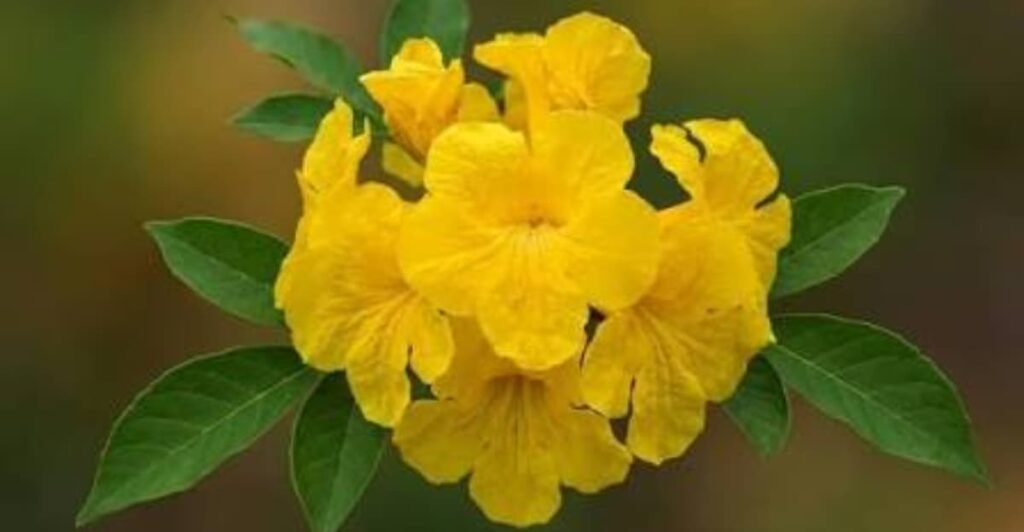
Table of Contents
What Is the National Flower of Brazil?
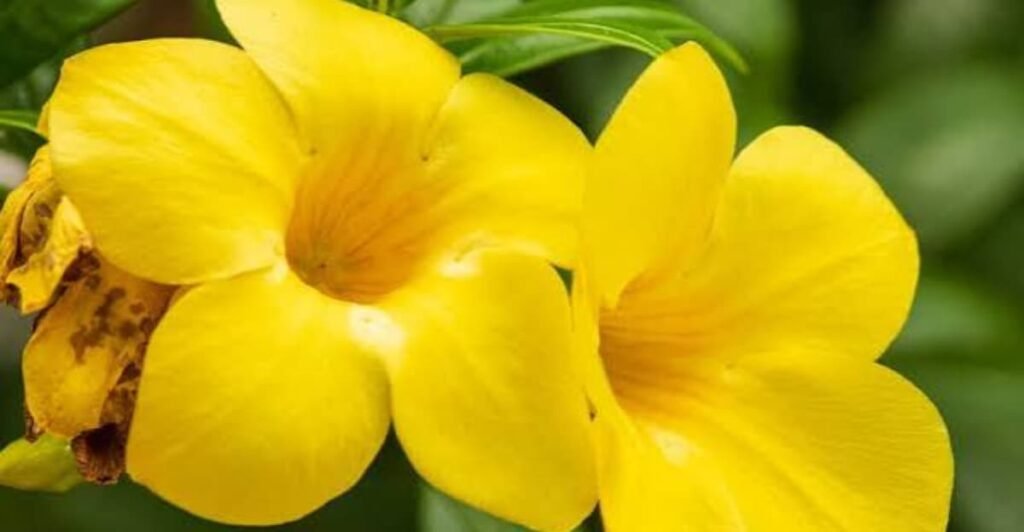
The Ipê-Amarelo, commonly known as the Golden Trumpet Tree, is widely associated with Brazil because of its spectacular vivid yellow blooms and striking appearance. The name means yellow ipê in the Portuguese language, while its trumpet-like shape, tubular flowers, and flower clusters make it one of the most recognizable yellow-flowering ipê species and yellow-flowering trees.
Despite its popularity as the Brazilian national flower, Brazil’s national symbols, established under federal law, include the national flag, national anthem, national arms, and national seal, but no official national symbol designating a flower. A 1974 bill proposed the Ipê-Amarelo as Brazil’s national flower, helping strengthen its public recognition, national recognition, and national symbolism within Brazilian culture, although no formal national designation was established.
From my experience exploring Brazilian ornamental trees, the Golden Trumpet Tree stands out for its golden-yellow flowers, which create an unforgettable display and beautifully reflect Brazilian identity.
What is the Golden Trumpet Flower?
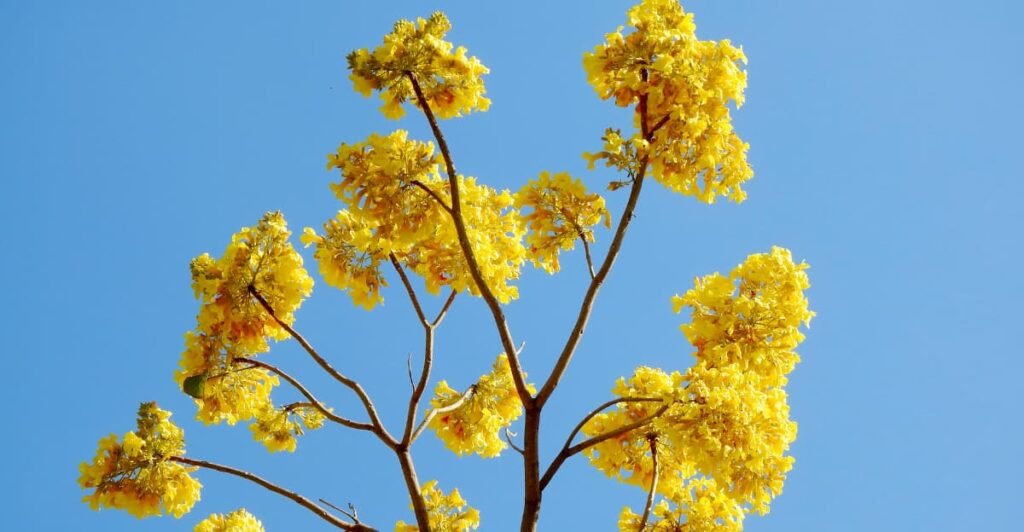
The Golden Trumpet Flower, scientifically known as Handroanthus chrysotrichus, is the bright yellow bloom of the Golden Trumpet Tree, also called Ipê-Amarelo in Brazil. Its botanical name and Portuguese common name help with flower identification, while its trumpet-shaped flowers, tubular form, and golden-yellow blooms create a distinct flower shape and beautiful seasonal display.
As a deciduous tree, it often sheds leaves before seasonal flowering, leaving little foliage around the exposed branches and making its yellow blooms the most noticeable feature. These flower clusters also support nectar production, attracting pollinators such as bees and hummingbirds, which contribute to its important ecological role within Brazilian flora.
In my experience, the Golden Trumpet Flower is especially impressive when its branches are covered in bright yellow blooms, creating a beautiful contrast against the surrounding landscape.
Botanical Marvel: The Golden Trumpet Tree
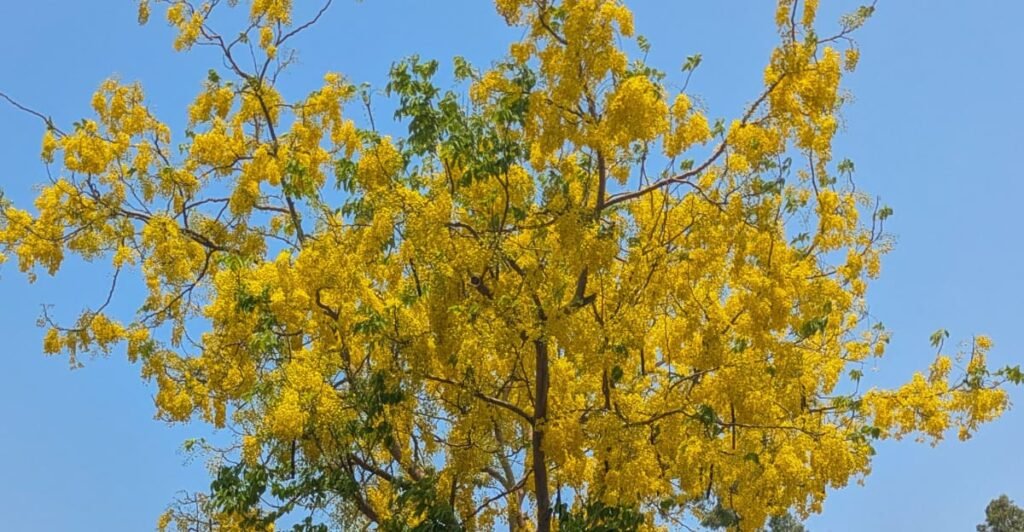
The Golden Trumpet Tree, scientifically identified as Handroanthus chrysotrichus, was formerly classified as Tabebuia chrysotricha. This small tree to medium-sized tree has a spreading growth habit, a woody trunk, and gray bark that develops into rough bark with tree age, sometimes displaying brown tones across its branches.
One of its remarkable botanical features is its palmately compound leaves, which consist of several green leaflets attached at a common point. These compound leaves have an oval to elliptic shape, while its deciduous tree nature allows leaf shedding and leaf loss before the flowering season, exposing branches filled with yellow flowers and large flower clusters.
The tree produces tubular flowers with a trumpet-like form, featuring bright yellow blooms, abundant flowers, and distinctive yellow trumpet flowers across its flowering branches. Following seasonal growth and seasonal flowering, its fruit development produces a long narrow capsule that becomes dry before opening for seed release, allowing the formation of tree seeds.
Belonging to the Bignoniaceae family, this species has an established botanical classification and is an important part of Brazil’s native trees and native tree flora. Its natural distribution, suitable growing conditions, and ability to tolerate seasonal moisture availability and moisture changes demonstrate its environmental adaptation.
From my experience studying flowering trees, its combination of attractive foliage, distinctive tree structure, and spectacular seasonal blooms makes it a standout ornamental species.
Where Does the Golden Trumpet Flower Grow?
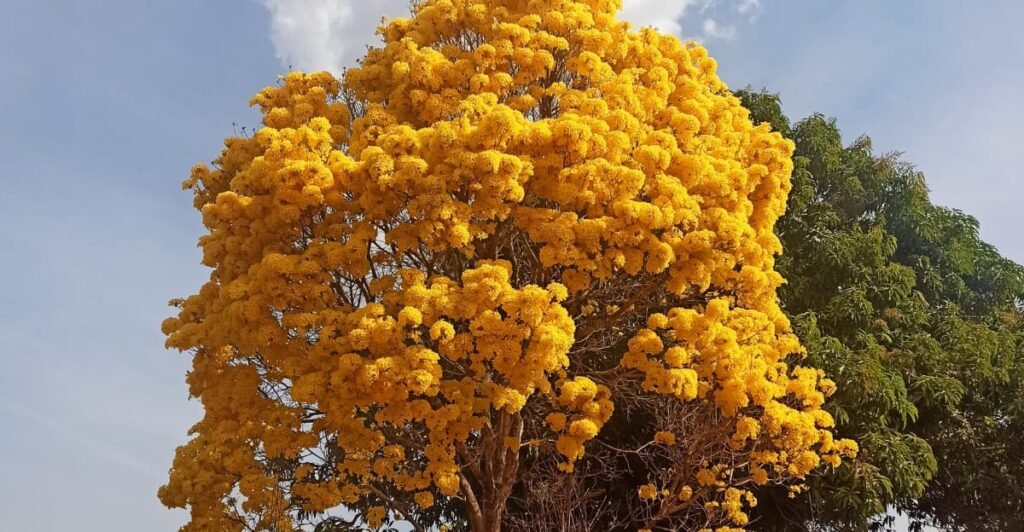
The Golden Trumpet Tree, scientifically known as Handroanthus chrysotrichus or Ipê-Amarelo, is a native species of Brazil, with its natural range extending into northeastern Argentina. Its geographical distribution covers Northeast Brazil, South Brazil, and Southeast Brazil, including Bahia, Minas Gerais, and São Paulo, where it grows across different Brazilian regions, Brazilian states, and natural landscapes.
The tree is commonly found in the Atlantic Forest and Cerrado, two major biomes of Brazilian flora, but it can also grow in secondary vegetation, altered formations, and modified landscapes, rather than being restricted to undisturbed forests. It thrives in tropical environments, particularly seasonally dry tropical environments, with suitable growing conditions such as well-drained soils, hillside areas, and sloping areas within its natural habitat.
The Golden Trumpet Flower, also associated with the Brazil national flower, is frequently cultivated as an ornamental tree in urban areas. Its cultivated trees decorate streets, avenues, parks, and gardens, bringing beautiful yellow flowers and seasonal color to Brazilian cities, city landscapes, and areas of urban greenery. These examples of urban planting, ornamental planting, and tree cultivation are separate from its natural distribution, but demonstrate how the species adapts to different environmental conditions and remains a recognizable native tree.
From my experience observing ornamental trees, the Golden Trumpet Tree is particularly striking in urban landscapes because its yellow flowers brighten streets, parks, and gardens during flowering season.
What Is the Cultural Significance of the Golden Trumpet?
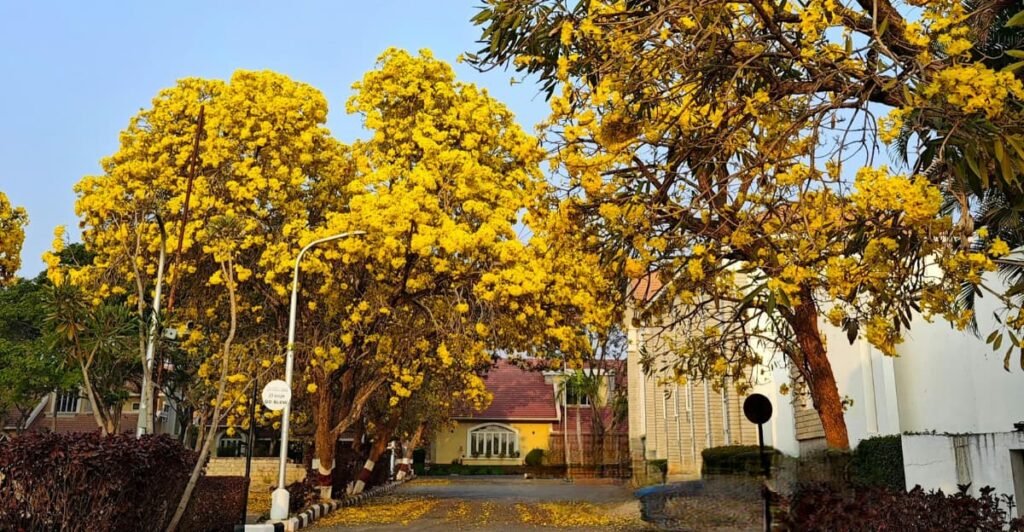
The Golden Trumpet, or Ipê-Amarelo, is closely connected with Brazilian identity, national pride, and the country’s natural heritage. Its brilliant yellow blossoms brighten Brazilian streets, parks, and public spaces, reflecting the colors of Brazil against green landscapes and making it a beloved national symbol.
Its cultural significance comes from its long recognition in Brazilian society, including historical efforts during the 1960s and 1970s to establish it as a national floral symbol. The name ipê comes from the Tupi language and means árvore cascuda, or thick-barked tree, reflecting its Indigenous roots. Although it is not a formal national flower under federal law, it remains an important part of Brazil’s cultural heritage.
In my experience, the Ipê-Amarelo beautifully demonstrates how a flower can represent a country’s identity without official recognition.
What Are the Other National Symbols of Brazil?
Besides the Ipê-Amarelo, which is widely recognized as Brazil’s floral symbol, the country has several officially established national symbols representing its history, culture, and Brazilian national identity. These symbols belong to the Brazilian Republic and reflect the country’s national pride and heritage.
- National Flag of Brazil: The National Flag of Brazil features a green field, yellow diamond, and blue celestial globe crossed by a white band displaying Ordem e Progresso, meaning Order and Progress. It contains 27 white stars representing the Brazilian sky, with their constellations arranged in a distinctive star arrangement.
- National Anthem of Brazil: The Hino Nacional Brasileiro, or Brazilian National Anthem, represents national pride and national expression. It is performed during national ceremonies, civic events, and other official occasions.
- National Coat of Arms of Brazil: This official emblem of Brazil includes a blue circular field, stars, coffee branches, tobacco branches, and a blue ribbon displaying the country’s official name. It represents the Brazilian Republic and is used by federal government institutions.
- National Seal of Brazil: The National Seal of Brazil authenticates official documents and government acts issued by the federal government. It is an important part of the country’s official identification system.
- National Motto of Brazil: Ordem e Progresso, meaning Order and Progress, is the national motto of Brazil. It appears on the flag and expresses ideals of social order and progress.
- National Bird of Brazil: The Rufous-bellied Thrush (Turdus rufiventris) is recognized as Brazil’s national bird. This Brazilian bird species is widely appreciated for its distinctive song.
- National Tree of Brazil: The pau-brasil, also called Brazilwood (Paubrasilia echinata), has an important place in Brazilian history and holds legal recognition as the country’s national tree. Its name is closely connected with the origin of Brazil and the country’s name.
- National Colors of Brazil: Green, yellow, blue, and white are the national colors of Brazil, appearing on its flag and across Brazilian national imagery. Green and yellow are particularly recognizable symbols of Brazilian identity.
The Golden Trumpet Tree, or Ipê-Amarelo, also has considerable cultural importance and widespread recognition as a national floral symbol. However, it belongs to a different legal category from the country’s formally established national symbols and official national symbols. Its popularity as Brazil’s national flower reflects its cultural influence and national representation, rather than formal legal designation.
The Orchid Rivalry: Cattleya Labiata
The Ipê-Amarelo is widely recognized as Brazil’s floral symbol, although its national flower recognition has a complicated history. Some historical accounts connect a 1961 decision during President Jânio Quadros’ presidential administration with its recognition, but its legal standing under federal law remains unclear, and it is not an officially established national flower.
Another flower linked to Brazilian floral identity is Cattleya labiata, a beautiful Brazilian orchid belonging to the Orchidaceae family. This endemic species grows naturally in northeastern Brazil and parts of the Atlantic Forest. Its colorful flowers, orchid cultivation, and long cultivation history have made it important to orchid growers and Brazilian horticulture, contributing to the country’s horticultural heritage and native flora.
Although the two flowers are sometimes compared, there is no reliable historical evidence of an official competition, national flower contest, or formal orchid rivalry between Ipê-Amarelo and Cattleya labiata. Both have a meaningful cultural connection with Brazil and contribute to its natural heritage, Brazilian native flora, and floral identity, but neither comparison establishes an official national flower title for the orchid.
From my experience exploring Brazilian flowers, both species offer a fascinating glimpse into the country’s rich orchid history, horticultural history, and floral recognition.
Conclusion
The Golden Trumpet Tree (Ipê-Amarelo) is one of Brazil’s most recognizable floral symbols, admired for its brilliant yellow blooms, botanical beauty, and cultural significance. Although it is not officially designated as Brazil’s national flower, its connection with Brazilian identity and natural heritage makes it truly special. Its beauty and history continue to capture the hearts of flower lovers worldwide.
Frequently Asked Questions
1. What is the national flower of Brazil?
The Ipê-Amarelo, or Golden Trumpet Tree, is widely recognized as Brazil’s floral symbol, although it has no official national flower status.
2. What is the scientific name of the Golden Trumpet Tree?
Its scientific name is Handroanthus chrysotrichus, formerly known as Tabebuia chrysotricha.
3. Why is the Golden Trumpet Tree important to Brazil?
It represents Brazilian natural beauty, cultural heritage, and national identity through its vibrant yellow flowers and widespread recognition.
4. Does Brazil have any other national floral symbol?
Cattleya labiata, a native Brazilian orchid, is also associated with the country’s floral identity, but it is not officially designated as the national flower.
Please Write Your Comments