National Flower Of Vietnam: Meaning, Symbolism & Interesting Facts
Updated: October 17, 2026
6
Discover why the lotus, Vietnam’s beloved floral symbol, represents purity, hope, and resilience. Although not officially recognized as the national flower, it holds a special place in Vietnamese culture. From its rich history to its deep symbolism, the Lovely Lotus reflects Vietnam’s enduring spirit and identity. Explore its fascinating meaning and cultural significance to uncover what makes this flower truly special!
Table of Contents
What Is The National Flower of Vietnam?
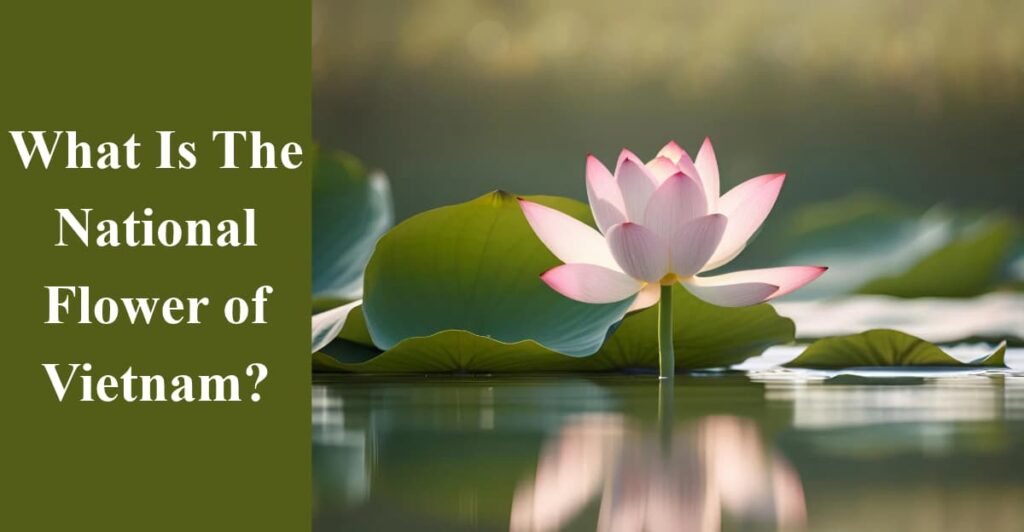
The lotus (Nelumbo nucifera) is a special plant deeply connected to the Vietnamese people, holding significant status in Vietnamese culture and spirituality, although it is not officially recognized as the national flower. Growing in muddy waters, it rises to the surface and blooms beautifully, symbolizing purity, strength, and the ability to overcome difficulties.
The lotus appears in daily life, art, poetry, and festivals, reflecting spiritual beliefs, especially Buddhism, where it represents enlightenment. Through songs and traditions, people celebrate its beauty and meaning, making it a cherished national symbol that reflects Vietnam’s rich culture, hope, and resilience.
From my experience studying flower symbolism, the lotus stands out because its journey from muddy water to beautiful bloom offers a powerful reminder of strength and hope.
Why is Lotus the National Flower of Vietnam?
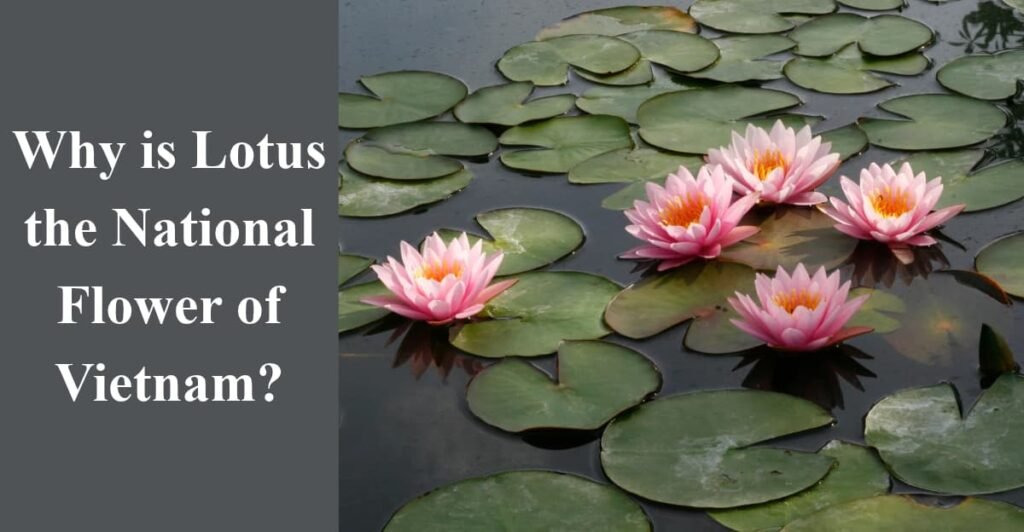
The lotus, known as the Vietnam National Flower, holds deep meaning because it grows in muddy ponds, beginning at the bottom, often hidden and struggling to survive, before rising to bloom beautifully. In Vietnamese philosophy, this journey makes the lotus a powerful symbol of life, determination, and dignity, showing how people can rise above the toughest circumstances and discover beauty despite hardship.
With deep roots in historical contexts and religious contexts, particularly Buddhist culture, the lotus represents purity and enlightenment. Like the Vietnam Lotus, the Vietnamese people have demonstrated strength and resilience throughout their history, overcoming challenges while protecting their cultural identity and Vietnam’s spirit, making the flower a proud symbol of hope and perseverance.
From my experience exploring floral symbolism, the lotus is especially meaningful because its growth reflects the ability to overcome difficult conditions while remaining graceful and strong.
Symbolism of The Lotus in Vietnamese Culture
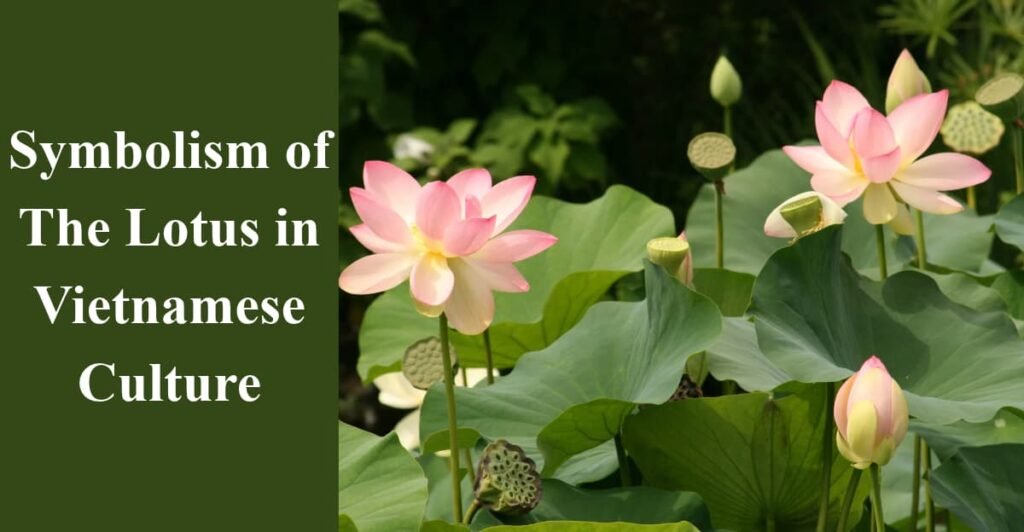
The lotus flower holds deep meanings in Vietnamese culture, symbolizing purity, resilience, and strength as it blooms beautifully in muddy waters. Its ability to overcome difficulties and reveal beauty and peace inspires Vietnamese poetry and proverbs, representing the ability to remain untouched by life’s challenges.
As an emblem of feminine beauty and grace, the lotus reflects the strength and serene nature of Vietnamese women, appearing in various forms of art, including architecture, ceramics, and coins. It highlights important values and encourages people to follow a moral compass, avoid attachment to material things, and appreciate a simple life and meaningful life.
From my experience studying flower symbolism, the lotus stands out as a reminder that inner strength and grace can flourish even in challenging circumstances.
Where Can You See Lotus in Vietnam?
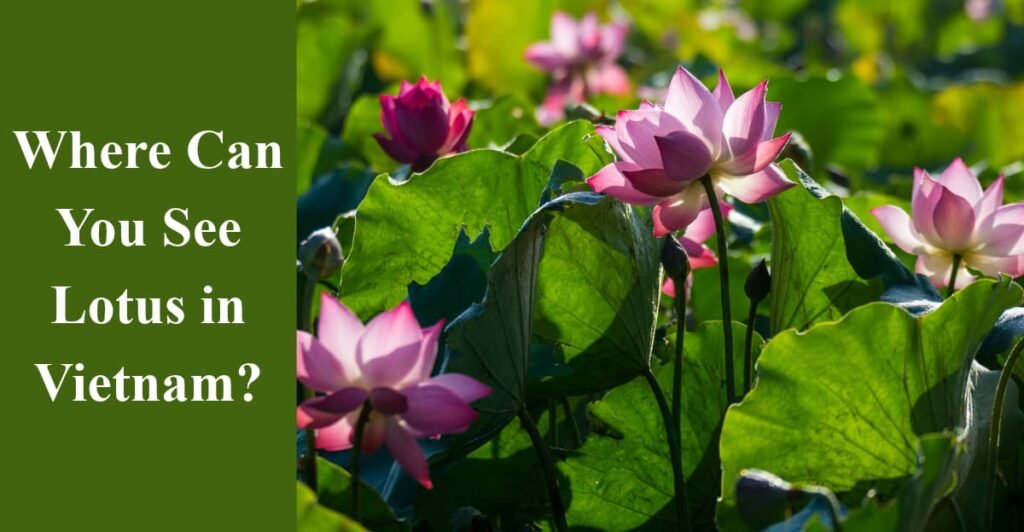
In Vietnam, beautiful lotus flowers bloom from May to July, creating a magical season filled with pink and white hues. West Lake in Hanoi offers a peaceful boat ride among bright colors and sweet scents, allowing visitors to relax and capture stunning photos at sunrise.
In the countryside, the Mekong Delta features large lotus fields and traditional boat trips, while the ancient town of Hoi An offers nearby lotus ponds worth exploring. Wearing a traditional ao dai while strolling beside the flowers creates a special experience, revealing why the lotus, Vietnam’s cherished national flower, is so beloved in its natural habitat.
From my experience exploring flower destinations, visiting lotus ponds early in the morning is an especially rewarding way to appreciate their delicate colors and peaceful beauty.
Vietnamese Lotus in Cuisine And Products
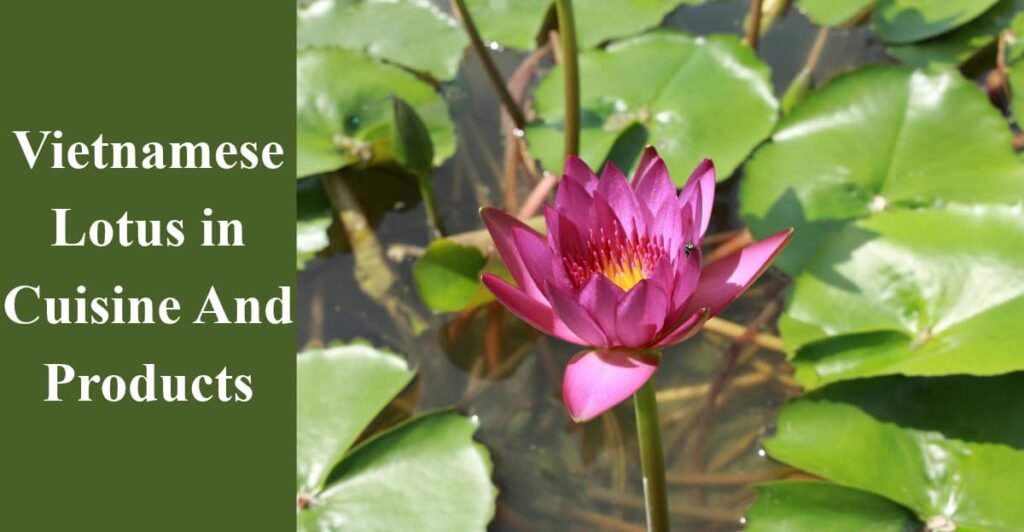
The Vietnamese lotus is a special plant deeply connected to Vietnamese cuisine and culture, with every part from its flowers and seeds to its roots used in cooking. Lotus roots, when sliced, add a crunchy texture to salads, while lotus seeds bring a sweet flavor and nutty flavor to desserts. These nutritious dishes offer potential health benefits, making lotus a treasure in Vietnamese food.
As a culinary delight, lotus petals can wrap rice and meat, adding a beautiful look and light flavor. Beyond food, artisan products made from lotus fibers, including bags and mats, showcase creativity and tradition. In traditional medicine, lotus has been associated with healing properties, including support for digestion and calming the mind, showing how nature can be both tasty and good.
From my experience exploring traditional plant uses, lotus is especially fascinating because it connects everyday cooking with local craftsmanship and cultural heritage.
Lotus and other Vietnam Symbols
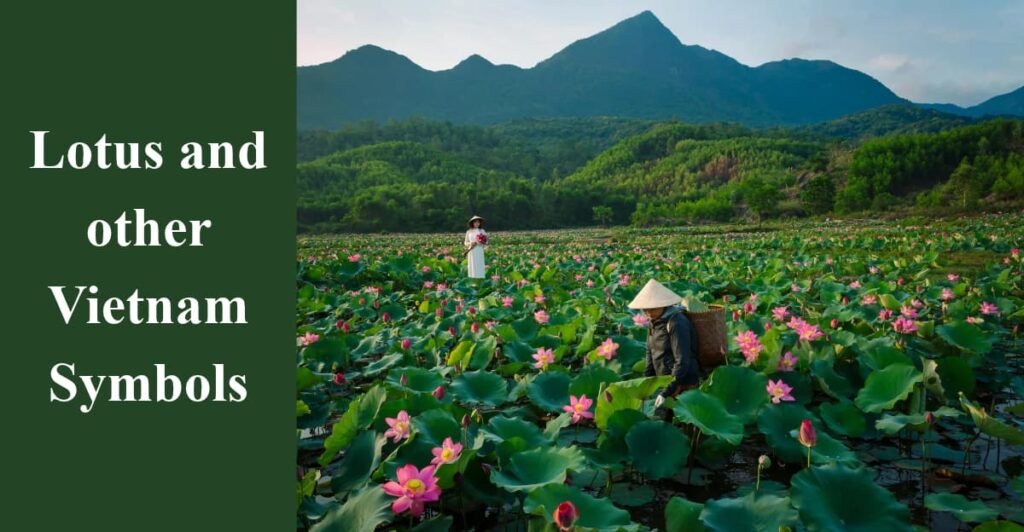
Vietnam’s national and cultural symbols reflect its rich history, enduring traditions, and collective identity.
- Lotus (Nelumbo nucifera): An unofficial national flower representing purity, resilience, and spiritual growth.
- National Flag: A red flag featuring a five-pointed yellow star, representing Vietnam and its people.
- National Emblem: Features a yellow star, rice ears, and a cogwheel, symbolizing the state, agriculture, and industry.
- National Anthem: Tiến Quân Ca, also known as the Song of Marching Troops.
- National Motto: Independence, Freedom, and Happiness, expressing the country’s guiding principles.
- Water Buffalo: A traditional animal symbol associated with farming, hard work, and rural life.
- Conical Hat (nón lá): Traditional headwear representing Vietnamese heritage and everyday life.
- Áo dài: Traditional dress symbolizing Vietnamese identity and cultural heritage.
From my perspective, exploring these symbols together reveals how Vietnam’s official emblems and everyday traditions express its unique cultural identity.
Key Facts about the National Flower of Vietnam
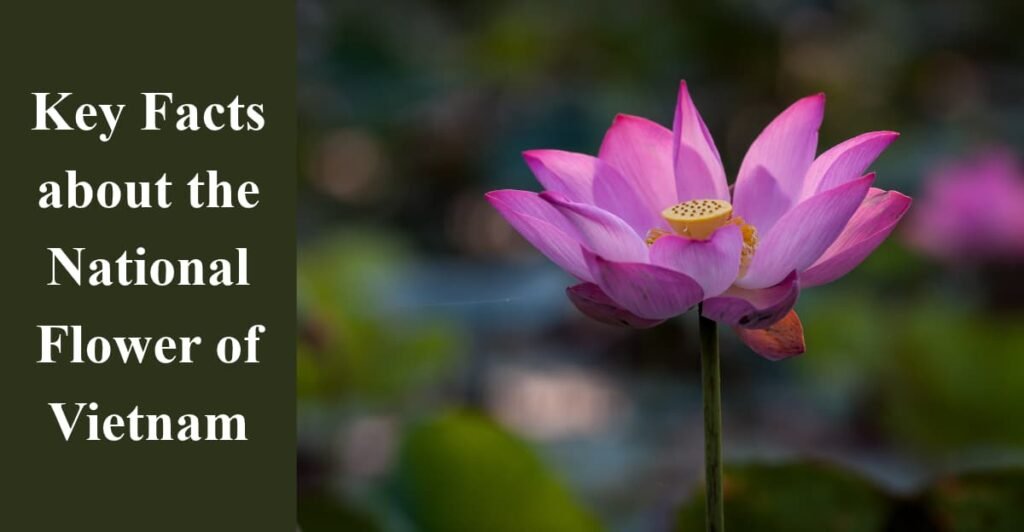
The lotus flower is a beloved symbol of Vietnam and across Asia, admired as a beautiful flower that rises above muddy waters to represent purity and resilience. Its strong cultural ties appear in Vietnamese art, the country’s currency, and daily life, highlighting its importance despite its unofficial status as the national flower.
- Short blooming season: The lotus has a limited flowering period, making its appearance especially special.
- Handwoven lotus silk: Artisans use the soft fibers of the lotus plant to create delicate textiles.
- Different varieties: Lotus varieties display unique colors and features, adding to the flower’s appeal.
- Cultural recognition: The lotus is celebrated in Vietnamese heritage and traditions; claims of UNESCO cultural recognition should be verified for the specific designation.
- Overcoming challenges: The lotus rises from muddy waters with remarkably clean leaves, inspiring the idea of overcoming difficulties without losing one’s values.
From my experience exploring flower symbolism, the lotus’s most memorable lesson is its story of beauty emerging from struggle, a message that resonates deeply throughout Vietnamese culture.
Conclusion
The lotus flower remains one of Vietnam’s most cherished cultural symbols, representing purity, resilience, hope, and spiritual growth. Although it is not officially designated as the national flower, its influence on Vietnamese art, traditions, cuisine, and daily life is undeniable. From its beautiful blooms to its deep cultural meaning, the lotus reflects Vietnam’s enduring spirit and rich heritage. Explore the fascinating world of flowers to discover more national blooms and the stories behind them.
Frequently Asked Questions
1. What is the national flower of Vietnam?
The lotus (Nelumbo nucifera) is widely regarded as Vietnam’s national flower, although it has not been officially designated as one.
2. What does the lotus symbolize in Vietnamese culture?
The lotus symbolizes purity, resilience, strength, hope, and enlightenment, reflecting the ability to overcome difficulties and remain graceful.
3. When is the best time to see lotus flowers in Vietnam?
The best time is generally from May to July, when lotus flowers bloom in pink and white shades, especially around West Lake in Hanoi.
4. Why is the lotus important in Vietnam?
The lotus holds cultural and spiritual significance through Buddhism, Vietnamese art, poetry, cuisine, and traditional crafts. It represents the country’s resilience, heritage, and enduring cultural identity.
Please Write Your Comments