Vagina Flower: Meaning, Symbolism, Cultural Significance & Fascinating Facts
Updated: October 12, 2026
5
Discover the fascinating connection between nature and feminine beauty through the symbolism of the Vagina Flower. From delicate orchids to elegant lilies, these captivating blooms reflect themes of femininity, fertility, self-love, and natural beauty. Explore their cultural significance, artistic interpretations, spiritual meanings, and surprising facts that reveal how flowers inspire body positivity and personal empowerment. Read on to uncover the deeper meaning behind this intriguing floral symbol and discover nature’s remarkable artistry.
Table of Contents
What Does the Term “Vagina Flower” Really Mean?
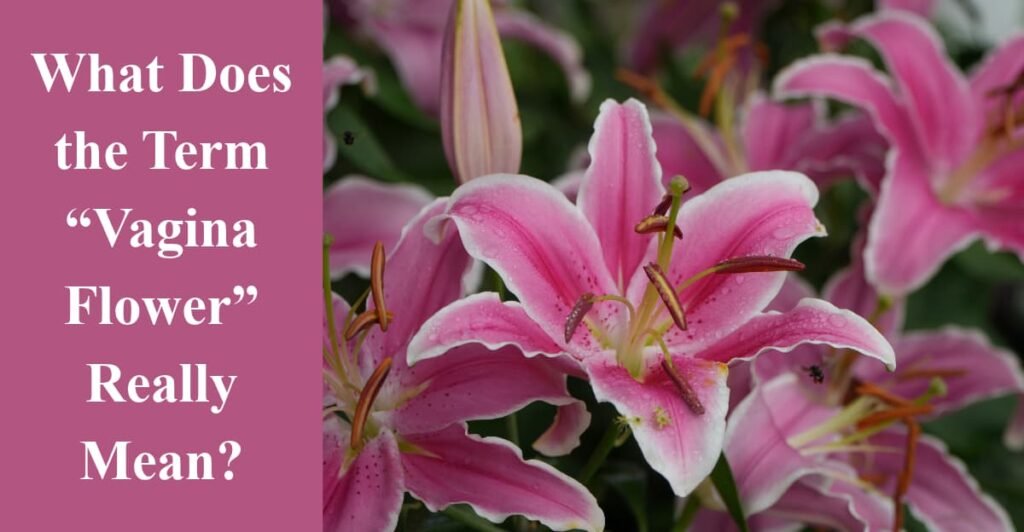
The term Vagina Flower is an artistic metaphor rather than a biological classification, describing visual similarities between organic shapes in flowers and feminine anatomy. Through a botanical lens, this linguistic metaphor connects the human body, female genitalia, and nature, reflecting the Divine Feminine, a creative force, and the life-giving force associated with reproductive capabilities.
In modern art galleries and casual digital spaces, this metaphorical language transforms a potentially taboo subject or clinical subject into an opportunity for aesthetic appreciation and natural wonder. Its botanical structures, artistic expression, and natural design encourage self-love, body appreciation, and a deeper understanding of human identity, feminine identity, reproductive symbolism, and anatomical representation, while celebrating the complexity, delicacy, and strength of women.
From my experience studying artistic metaphor and floral symbolism, I find that this perspective can help demystify the body, challenge cultural perceptions, and highlight feminine power and natural beauty with sensitivity and respect.
The Symbolic Connection Between Flowers and Feminine Anatomy
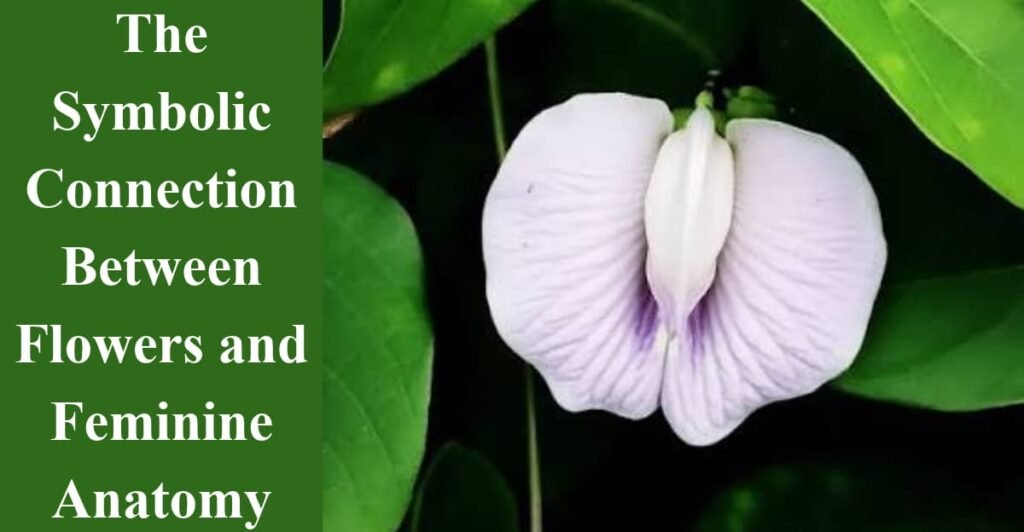
Flowers and the female form share a deep psychological connection and visual connection through their patterns of budding, blooming, and returning to the earth. This cyclical nature reflects the phases of a woman’s life, while the flower structure, including protective outer petals, sepals, and fertile organs, creates an interesting comparison with feminine anatomy and its internal reproductive organs. These organic forms highlight the structural logic of nature and symbolize reproductive health, growth, and renewal.
Artists such as Georgia O’Keeffe explored these themes through large-scale paintings of irises and lilies, using close-up studies of nature to inspire interpretations of intimacy, sensuality, and feminine power.
From my experience studying floral symbolism and artistic interpretation, I find that botanical structure, flower petals, and floral anatomy offer a meaningful way to appreciate botanical beauty, natural cycles, natural growth, reproductive symbolism, body appreciation, and the connection between the human body and nature.
History and Origins of Feminine Flower Symbolism
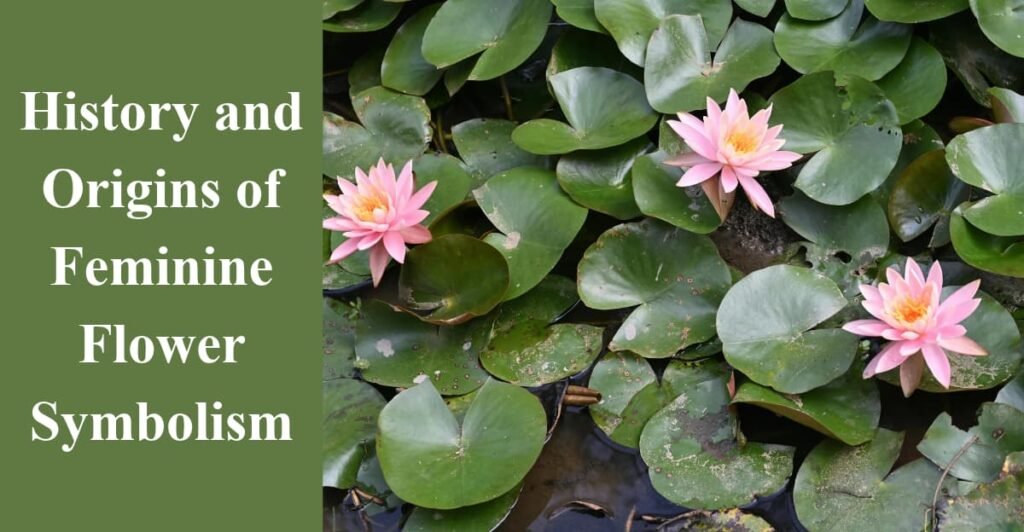
The history of floral-feminine symbolism stretches across ancient civilizations, where flowers represented creation, rebirth, beauty, and fertility. In Ancient Egypt, the lotus flower was associated with goddesses and renewal, while Greco-Roman mythology connected the rose with Aphrodite and Venus, the goddess of love. These ancient traditions established a cultural shorthand in which each blossom conveyed ideas about womanhood, desire, and reproductive symbolism, shaping early flower meanings and romantic symbolism.
During the Victorian era, the Language of Flowers, known as Floriography, became a form of social communication used in polite social interactions. Meanwhile, Eastern traditions associated the peony with feminine grace and the cherry blossom with the ephemeral nature of life.
From my experience exploring historical context and floral associations, these traditions reveal how floral language, cultural symbolism, and symbolic communication express feminine identity across geographical boundaries and temporal boundaries.
Top Flowers That Represent Femininity and Sensuality
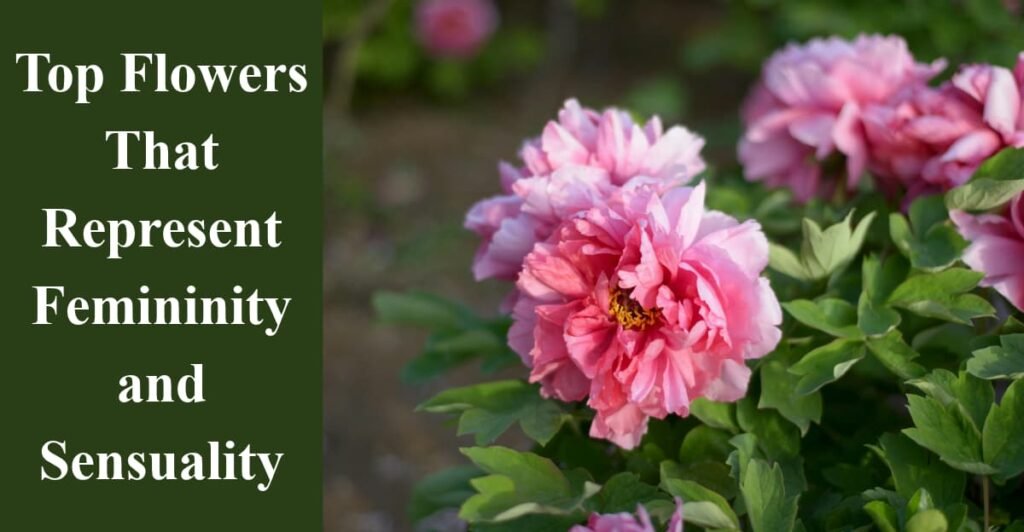
Flowers express feminine energy through their shape, color, and biological characteristics. Their flower symbolism and botanical symbolism connect natural beauty with feminine identity, sensuality, and reproductive symbolism.
- Calla Lily: Its smooth spathe and central spadix create an elegant shape with a funnel-like shape. It symbolizes purity and rebirth and has cultural associations with goddess Hera in some interpretations.
- Orchid: Known for exotic beauty, bilateral symmetry, and intricate petals, the orchid represents strength and fertility. The name comes from a Greek word meaning testicle, inspired by the shape of some orchid roots.
- Peony: Its rounded blooms, overlapping petals, and velvet-like petals symbolize honor, romance, and feminine bashfulness. Its soft petal layers contribute to its rich floral aesthetics.
- Lotus: Growing from mud into a beautiful bloom, the lotus flower represents spiritual enlightenment and the unfolding of the self. Its perfect symmetry makes it a powerful symbol of transformation in the plant kingdom.
These flowers reveal how floral structures, flower anatomy, and natural design inspire anatomical femininity and artistic representation. Their vibrant hues, complex internal folds, soft textures, and floral diversity connect feminine beauty, feminine expression, and symbolic meaning with the human form. From my experience exploring botanical forms, each flower offers a unique way to appreciate nature’s artistry.
Cultural Interpretations of Feminine Floral Imagery
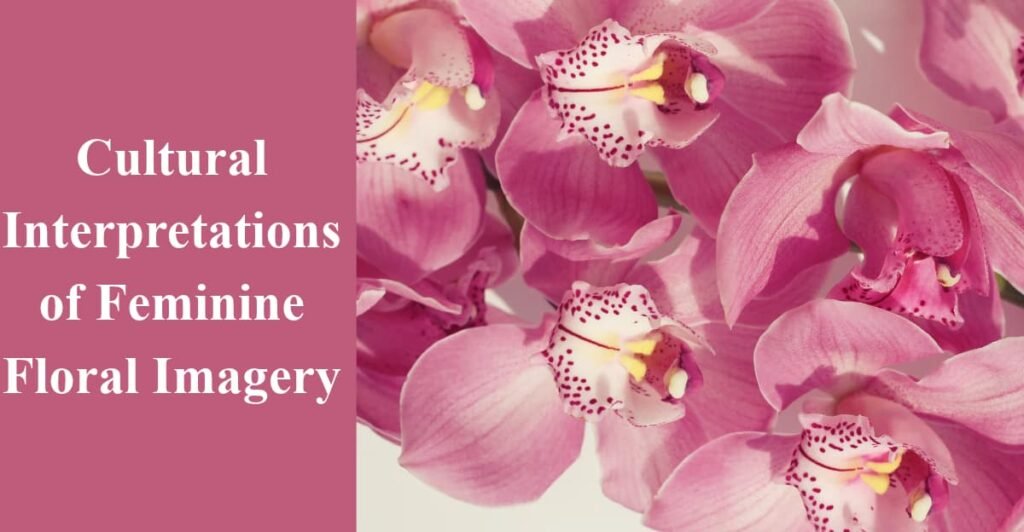
Cultural symbolism surrounding feminine floral imagery varies across societies, reflecting different cultural traditions, cultural perceptions, and spiritual significance. In Western art, a bloom may carry romantic undertones and erotic undertones, while Indigenous cultures may associate flowers with the Great Mother, Earth, the sacredness of the womb, and the role of women in community survival. In Japan, Ikebana, the art of flower arrangement, presents flowers as a divine vessel, with flower openings symbolizing the relationship between mind and body. From aesthetics to botanical symbolism, floral imagery becomes a metaphor for sacred femininity, feminine identity, natural beauty, and gender expression.
In modern feminist movements, floral imagery supports reclamation of the female body and female anatomy, helping activists challenge shame and stigma while encouraging pride and naturalness. Through cultural evolution and social change, a flower can shift from a religious icon to a romantic gift or a political statement, reflecting changing attitudes toward the body.
I have found that examining these cultural differences helps explain how community traditions and personal beliefs shape the meaning of flowers.
Spiritual Meaning Behind Vagina Flower Symbolism
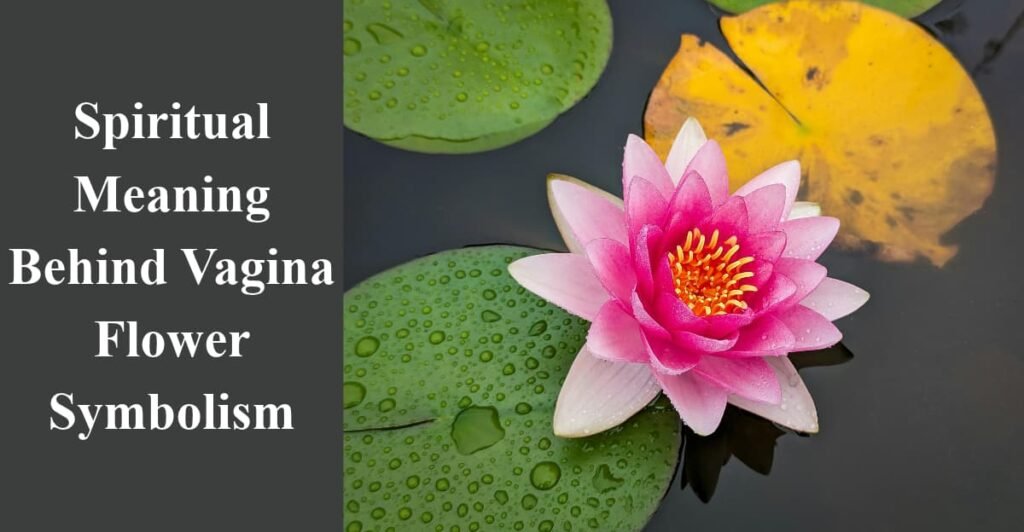
In spiritual practices and esoteric practices, the blooming flower represents transformation, while the lower chakras, particularly the Sacral Chakra, are associated with creativity and sexuality. The unfolding petals can symbolize spiritual awakening, and practices such as Womb Wisdom and feminine spirituality use floral imagery to explore creative potential.
The Vagina Flower may represent vulnerability and strength, suggesting that true power can involve openness and receptiveness. In Tantric traditions, the Yoni, a Sanskrit term for the female reproductive organs, is sometimes represented by a lotus, connecting the physical vessel with the idea of a sacred temple. These floral symbols support meditation, bodily awareness, and a deeper connection with the human body and physical self.
From my experience exploring symbolic traditions, I find that such imagery can encourage reflection on feminine energy, spiritual symbolism, inner growth, reproductive symbolism, and self-discovery.
Is “Vagina Flower” a Scientific Term or a Metaphor?
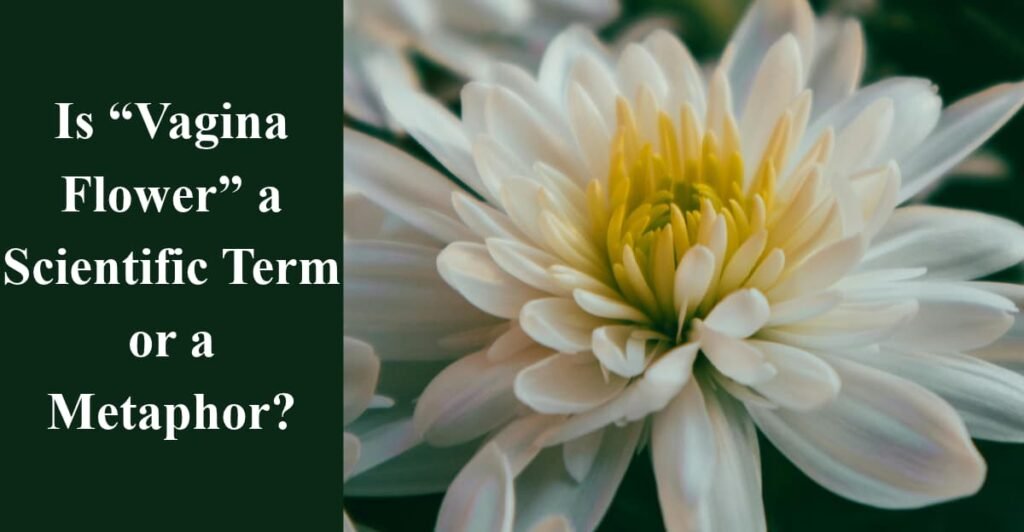
The phrase Vagina Flower is a metaphorical term and artistic term, not a recognized biological classification or standard scientific terminology. In botany, flowers contain reproductive organs of plants that serve a biological purpose in the continuation of species, although their distinct anatomy differs from human anatomy.
A flower may contain a stamen, the male reproductive organ, and a pistil, the female reproductive organ; many flowers are hermaphroditic plants with both reproductive structures. Other important features include petals, the stigma, and the ovary, which contribute to plant reproduction and flower reproduction. These floral structures illustrate botanical anatomy, reproductive biology, and the diversity of natural forms.
From my experience studying botanical terminology, separating scientific descriptions from symbolism helps preserve both accuracy and artistic meaning.
Modern Usage in Media and Social Trends
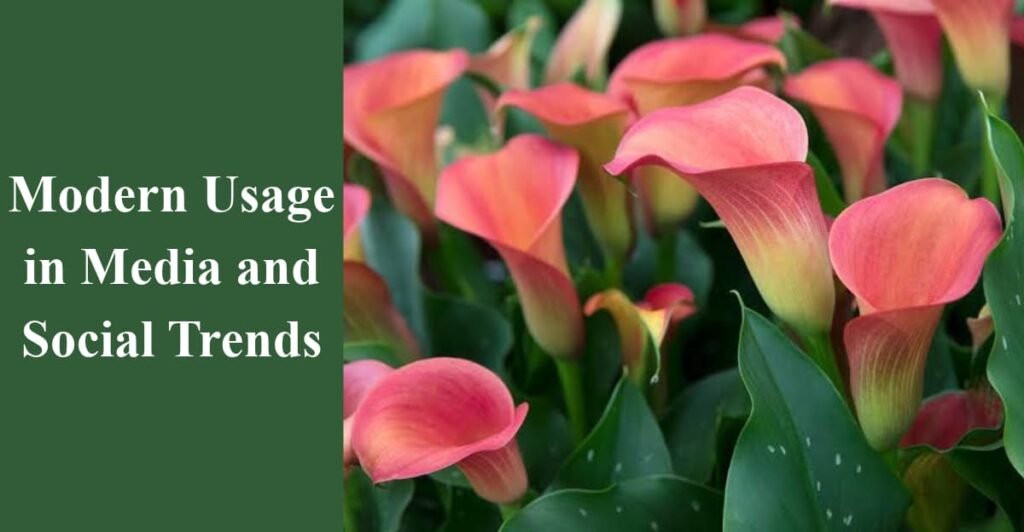
In the digital age, the resurgence of floral imagery across social media reflects the growth of body-positive movements and changing conversations about body diversity, body types, and anatomical variations. Platforms such as Instagram and TikTok feature floral art that celebrates women and natural bodies, sometimes using the wildflower meadow as a symbol of individuality. This Floral Reclamation trend connects self-love, body acceptance, and body positivity with artistic representation and natural beauty.
Celebrities and influencers also use floral imagery to discuss censorship and societal taboos. A floral emoji or piece of botanical art can stand in for anatomical terms, helping creators communicate messages of self-acceptance while navigating platform filters. This has contributed to Botanical Feminism, expressed through jewelry, clothing, home decor, and floral designs that subtly reference feminine anatomy.
I find that these creative choices show how social activism, feminist expression, and cultural change influence modern symbolism, symbolic flowers, botanical fashion, floral accessories, and self-expression.
Interesting Facts About Flowers Linked to Feminine Energy
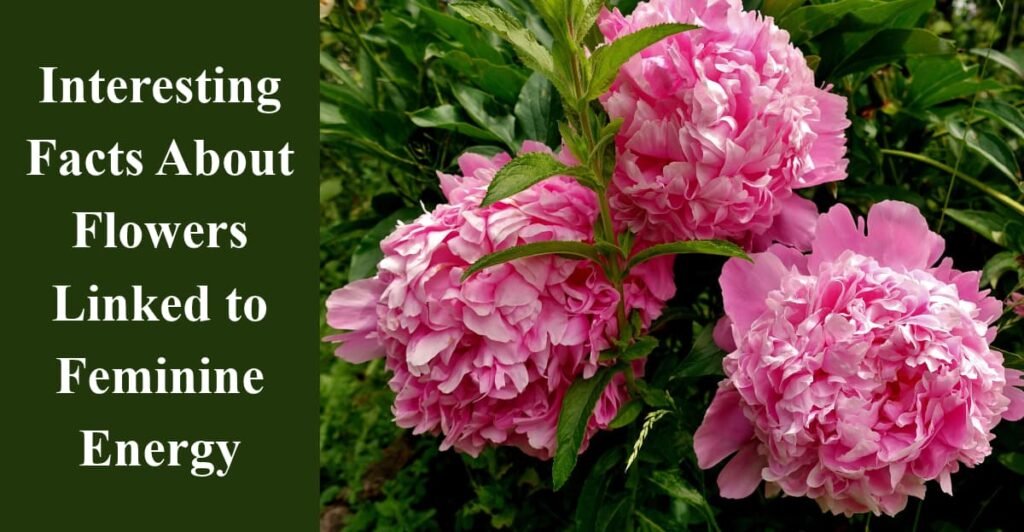
Flowers reflect feminine energy through their unique plant structure, natural beauty, and symbolic meaning. Their botanical characteristics and floral associations inspire fascinating connections between nature, beauty, and identity.
- Titan Arum (Corpse Flower): This rare plant is known for its massive structure and unusual flower anatomy, representing organic power in nature.
- Snapdragon: Its flower petals form a mouth-like opening, while its seed pods can resemble tiny human skulls when dried. These features inspire the Life-Death-Life cycle and feminine symbolism.
- Birth Month Flowers: These monthly flowers connect blooms with personal identity. The Daisy, associated with April, often represents innocence and transformation.
- Boar Hair Brushes: These grooming tools use natural bristles with a distinct texture. Terms like bloom connect botanical language, beauty, and nature’s logic.
- Flowers and Beauty: From hairstyle to grooming, flower growth inspires botanical metaphors and nature-inspired language.
- Natural Symbolism: Floral diversity, organic forms, and reproductive symbolism highlight the variety of nature’s designs and their role in floral traditions.
These examples show how flower symbolism, botanical anatomy, and natural cycles can inspire ideas about feminine energy, beauty, and transformation.
Role of Flowers in Feminine Empowerment and Identity
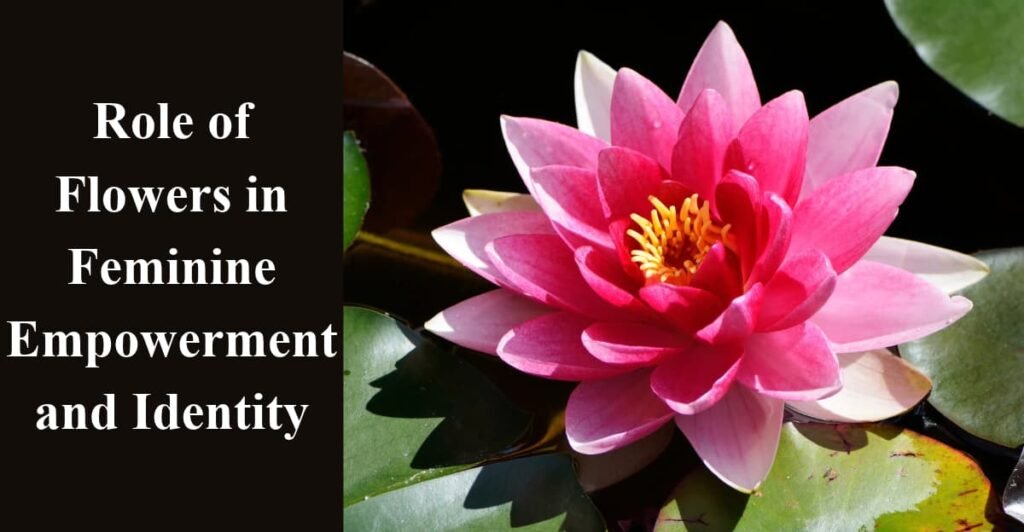
Floral metaphors have long supported conversations about empowerment, especially where the female body has been affected by contention, regulation, and shame. Through flower symbolism, the narrative can shift toward natural beauty and natural engineering, presenting the body as a masterpiece rather than something that requires apology. This identity-building can strengthen self-image and a positive relationship with self, while the Vagina Flower metaphor offers a way to reflect on personal growth, seasonal changes, and inherent value.
From my experience exploring floral symbolism, I find that connecting the body with nature can encourage thoughtful and compassionate conversations about identity.
Conclusion
The Vagina Flower is a powerful artistic metaphor connecting feminine beauty, nature, and personal identity through floral symbolism. From ancient traditions to modern art, flowers represent fertility, sensuality, spiritual growth, and body positivity. Understanding these meanings encourages self-love, celebrates natural beauty, and deepens our appreciation of the connection between flowers and the human body.
Frequently Asked Questions
1. What does the Vagina Flower symbolize?
The Vagina Flower symbolizes femininity, fertility, sensuality, self-love, and natural beauty. Its meaning varies across cultures, artistic interpretations, and personal beliefs.
2. Which flowers represent feminine energy?
Orchids, calla lilies, peonies, and lotus flowers are often associated with feminine energy. They can symbolize beauty, strength, renewal, romance, and spiritual growth.
3. Is Vagina Flower a scientific term?
No, Vagina Flower is an artistic metaphor rather than a recognized botanical or medical term. It describes perceived visual similarities between certain floral forms and feminine anatomy.
4. How are flowers connected to feminine empowerment?
Flowers can represent body acceptance, self-love, resilience, and personal growth. Their symbolism helps artists and individuals celebrate natural beauty, challenge stigma, and express feminine identity.
Please Write Your Comments