Flower Fillers: The Complete Guide to Beautiful Bouquet Fillers That Elevate Every Arrangement
Updated: October 10, 2026
17
Discover how Flower Fillers add texture, volume, and visual interest to transform simple bouquets into stunning floral displays. From Baby’s Breath and Waxflower to lush foliage and seasonal greenery, the right bouquet fillers create color harmony, improve visual balance, and highlight your focal blooms. Whether you’re designing an elegant bouquet, a beautiful centerpiece, or a high-end arrangement, these essential floral accents bring fullness and natural beauty to every design. Explore this complete guide to professional flower arranging and discover how to create a balanced arrangement that looks fresh, vibrant, and professionally styled!
Table of Contents
What Are Flower Fillers?
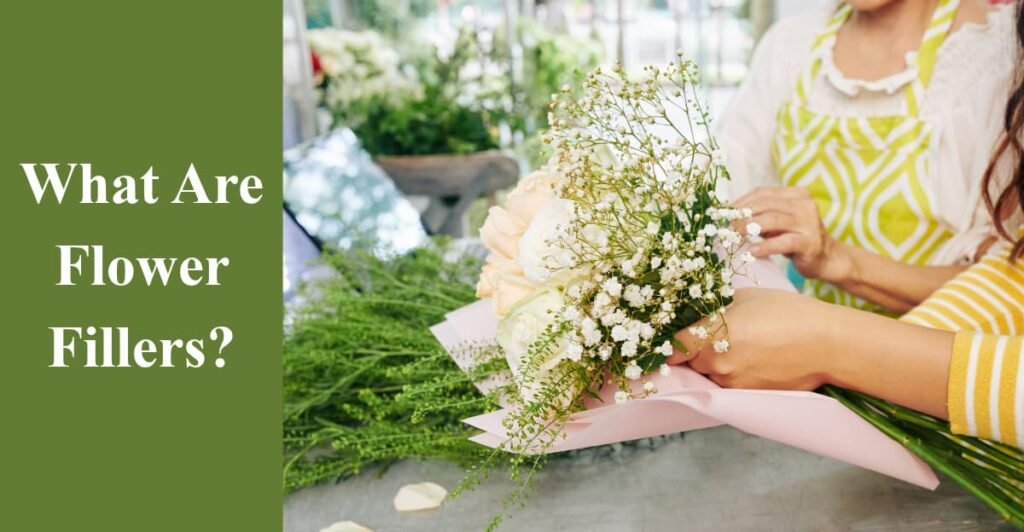
Flower fillers are secondary botanical elements that fill negative space between primary flowers like roses, peonies, and other focal flowers. With multiple small blooms on a single stem and intricate branching structures, they add fullness, visual texture, and a soft mist effect to enhance floral composition.
In professional floristry, fillers act as a canvas and frame, creating rugged contrast or geometric contrast against focal blooms. These essential components improve bouquet structure, provide structural support, prevent a sparse arrangement, and connect individual stems into a unified work of art with better floral balance, visual harmony, and bouquet cohesion.
In my experience, combining delicate filler blooms with carefully selected focal flowers creates a more natural, stable, and visually appealing bouquet.
Why Flower Fillers Are Essential in Floral Arrangements
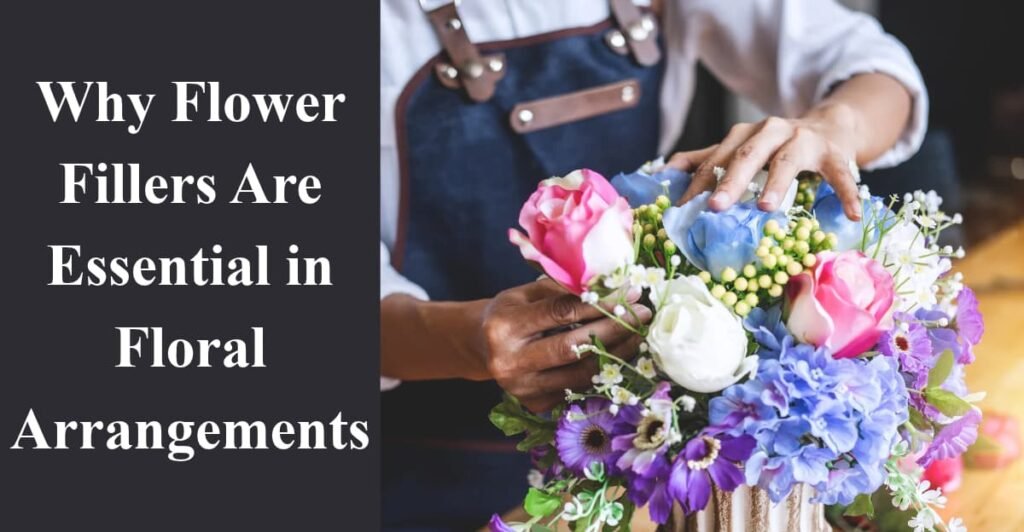
Flower fillers improve the aesthetics of floral arrangements by providing structural support, creating a stable physical grid for larger stems and heavier stems. In a wide-mouthed vase, fillers help prevent floppy stems and keep lilies and other focal blooms upright. Proper stem placement, flower positioning, and filler greenery improve floral structure, bouquet stability, and arrangement fullness.
Fillers also guide eye movement, create visual rhythm, and balance bold splashes of color without making an arrangement overwhelming. For professional florists, voluminous stems and cost-effective stems provide an economical way to build a large floral display while enhancing floral balance, color distribution, and visual harmony.
In my experience, choosing branching fillers early helps create a fuller, more stable bouquet while saving money on premium focal flowers.
Most Popular Flower Fillers Used by Florists
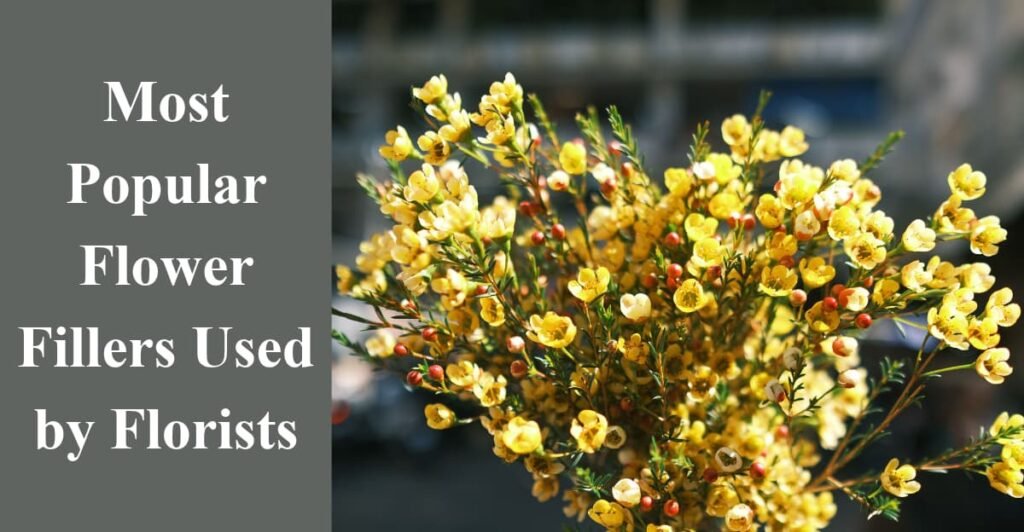
Popular flower fillers offer versatility, longevity, and texture, helping florists create balanced bouquets with complementary colors, durable stems, and beautiful floral accents. These floral staples suit different color palettes, climates, and seasonal designs.
- Waxflower: Features woody stems, five-petaled blooms, a waxy texture, and a citrus-like scent. Its longevity makes it a versatile choice for floral arrangements, bouquet design, and professional floristry.
- Statice: A papery flower and hardy flower available in vibrant purples, blues, and yellows. Its long-lasting blooms make it an excellent filler-flower for colorful bouquets and decorative arrangements.
- Queen Anne’s Lace: Creates a wild appearance and meadow-like appearance with flat-topped white umbels. Its delicate, airy look suits Boho style weddings, natural bouquets, and seasonal floral styling.
- Solidago: Also called Goldenrod, this bright yellow filler adds vertical texture and plume-like texture to autumn-themed designs. Its color brings warmth and contrast to seasonal arrangements.
Consider visual weight when combining dense flowers, colorful flowers, and light flowers with a transparent texture. Use fillers to support focal flowers, improve stem coverage, and create a light perimeter for an airy arrangement. Florists consider flower varieties, flower selection, flower durability, climate adaptability, and flower longevity when choosing versatile fillers and durable flower stems. These flower arrangement materials improve floral design, bouquet composition, floral aesthetics, seasonal flowers, fresh flowers, decorative fillers, flower combinations, color coordination, and floral presentation.
When planning a bouquet, I prefer combining one filler with noticeable texture, such as Waxflower, and a lighter option, such as Queen Anne’s Lace. This creates depth without overcrowding the focal flowers and helps achieve a natural, professionally styled finish.
Baby’s Breath: The Classic Flower Filler
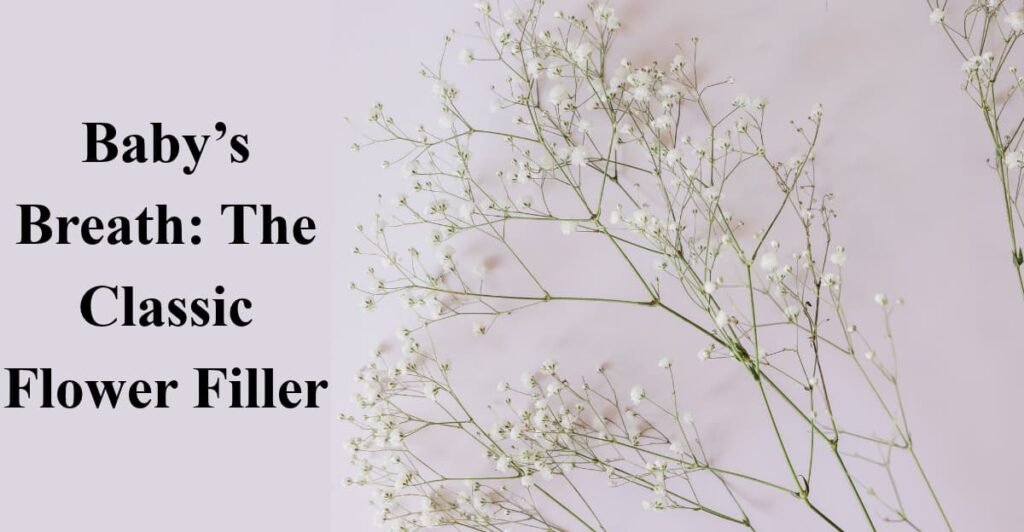
Gypsophila, or Baby’s Breath, is a classic flower filler with cloud-like clusters of tiny white flowers or tiny pink flowers on thin stems and branched stems. Its floral versatility makes it ideal for red roses, wedding flowers, and traditional arrangements.
Popular in 2026 floral trends, this hardy plant suits outdoor events thanks to its heat tolerance. Floral designers also use neon colors, metallic glitters, and monolithic installations to create floating clouds, a soft floral appearance, and a modern architectural edge.
In my experience, Baby’s Breath works beautifully in contemporary floristry, adding a neutral white tone to complex bouquets, high-fashion designs, and other decorative flower arrangements.
Greenery Fillers That Add Texture and Volume
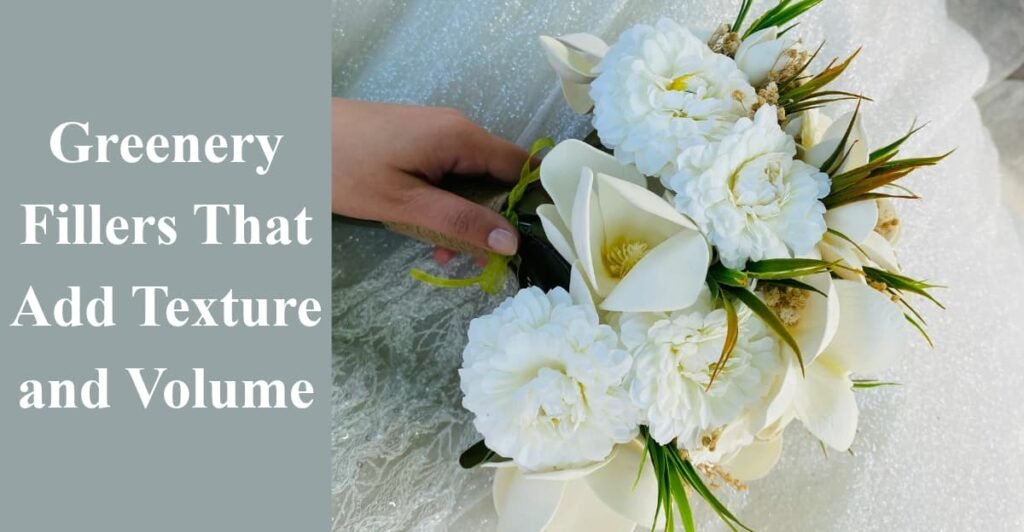
Foliage fillers bring lushness, freshness, and a garden-inspired bouquet look to modern arrangements. Eucalyptus has silvery-blue leaves and aromatic foliage, while Leather Leaf Fern offers triangular fronds and deep green fronds for traditional arrangements.
Ruscus features dark green leaves, glossy leaves, and lance-shaped leaves, providing height and longevity. Dusty Miller, with its velvety foliage and silver-grey foliage, complements pastel palettes and winter palettes, while adding floral texture and bouquet volume.
In my experience, combining different greenery types creates natural flower movement, and draping leaves and swaying leaves add a dynamic quality to handheld bouquets, professional flower arrangements, and long-term home decor.
Seasonal Flower Fillers for Every Time of Year
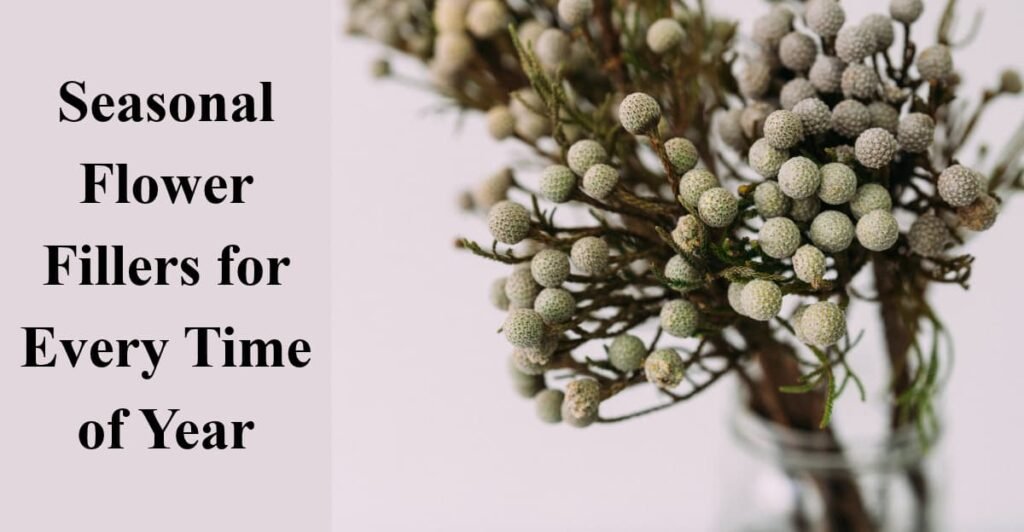
Seasonal flower fillers help create balanced arrangements that reflect the rhythm of nature. Choosing seasonal fillers adds natural freshness, improves floral balance, and makes bouquets more suitable for the time of year.
- Spring: Use Viburnum, Spirea, and delicate branches with budding branches and new growth. These spring flowers bring freshness and a soft, natural look to a spring bouquet.
- Summer: Choose Astrantia (Masterwort) and Bells of Ireland for their star shapes, green verticality, and striking greenery. These summer fillers add texture and height to bouquets featuring vibrant flowers and summer blooms.
- Autumn: Add Hypericum Berries, Craspedia (Billy Balls), and dried textures to reflect the harvest season. Their berries, warm seasonal colors, and natural textures bring depth to an autumn bouquet and complement other autumn flowers.
- Winter: Use Silver Brunia, Brunia berries, and pine sprigs for frosty texture and textural contrast. These winter greenery options pair beautifully with deep red blooms to create a rich winter arrangement.
Consider the size, weight, and fragile appearance of each stem. Delicate flowers like Queen Anne’s Lace work best with lighter accents, while heavier foliage should be balanced with suitable focal flowers for a polished, professional finish. Check flower availability, environmental suitability, and flower longevity before selecting materials. Although global flower shipping expands your options, locally available seasonal greenery, fresh branches, and decorative berries often provide better natural textures and a more timely arrangement.
A practical approach is to combine one seasonal filler with complementary greenery and a few focal blooms. This creates seasonal flower combinations with natural floral rhythm, bouquet harmony, and a professional look without overcrowding the arrangement.
Affordable Flower Fillers for Budget-Friendly Bouquets
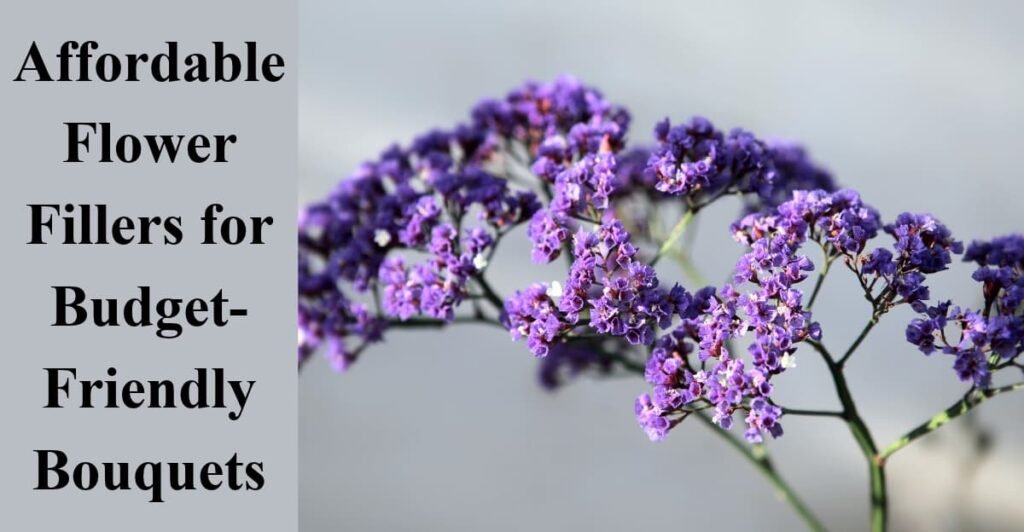
Affordable flower fillers make budget-friendly bouquets look luxurious without increasing flower arrangement costs. For DIY arrangements on a tight budget, grocery-store carnations, Alstroemeria, or Peruvian Lily offer cost-effective flowers with multiple blooms on each individual stem, creating both a filler and focal point. Misty Blue Limonium adds a delicate purple-blue haze that fills large gaps at a low price point.
Smart cost management means maximizing coverage per dollar by choosing branching stems and branching filler instead of buying extra individual focal stems. This approach saves budget allocation for showstopper flowers and premium focal blooms, while fillers handle much of the visual work.
In my experience, combining economical flowers, decorative fillers, and thoughtful flower selection improves bouquet fullness, floral coverage, and bouquet aesthetics while supporting affordable floristry, budget floral styling, and beautiful cost-effective arrangements.
Luxury Flower Fillers for Elegant Arrangements
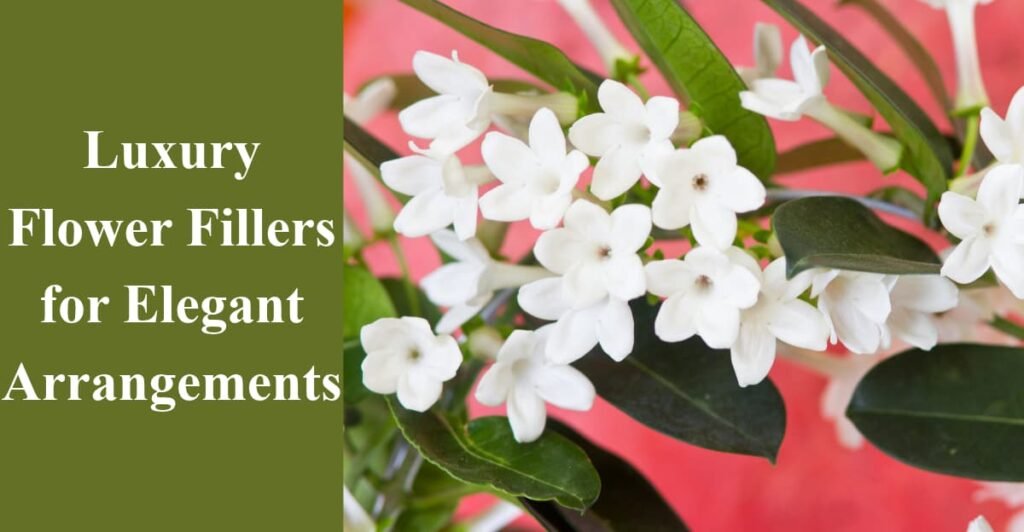
Luxury floristry uses premium fillers to create opulence and exclusivity through rare flowers, delicate specimens, and unusual colors that give a bouquet an editorial look. Stephanotis and Lily of the Valley are favorites for royal bridal bouquets, while their short stems and delicate nature may require intricate wiring and careful flower placement.
Another elegant option is Pieris Japonica, known for its cascading bell-shaped flowers that resemble dripping pearls. These luxury fillers add jewelry-like details through selective filler placement, meticulous craftsmanship, and close attention to detail, elevating elegant arrangements beyond the offerings of standard flower shops.
In my experience, combining premium floral materials, rare botanical specimens, and decorative flower stems creates sophisticated design, floral aesthetics, and luxurious floral arrangements suited to bridal floristry and exclusive celebrations.
Wedding Flower Fillers That Look Stunning
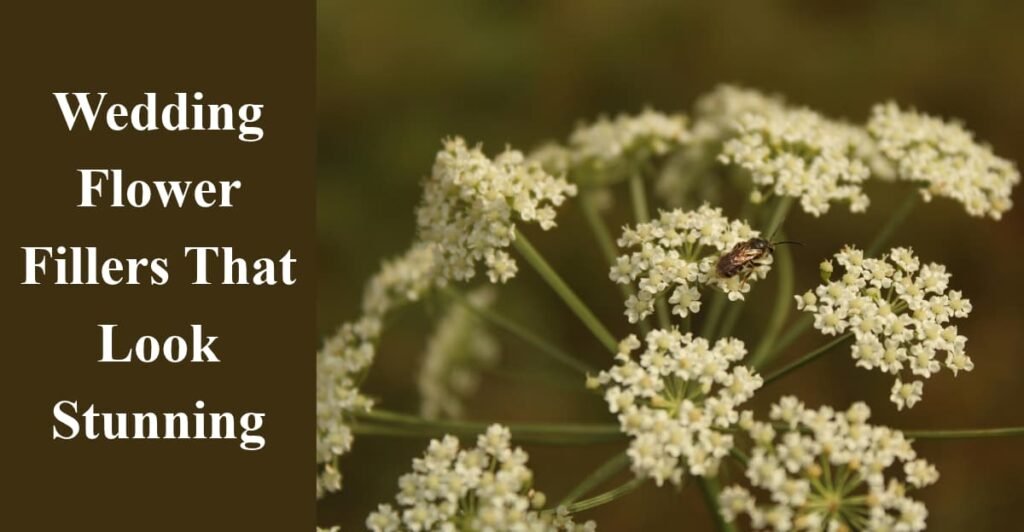
Wedding flower fillers shape the ceremony vibe, and 2026 floral trends favor maximalist textures inspired by an enchanted forest. Floral designers combine multiple filler types and layered textures, using Seeded Eucalyptus for initial volume and Rice Flower (Ozothamnus) for delicate pearl-like clusters and tiny blooms. For a romantic, ethereal look, Smilax vines and trailing vines create graceful bouquet movement, while cascading greenery adds natural textures and visual dimension.
In my experience, fillers with photogenic texture, good light reflection, and photographic depth make wedding photography more striking by improving bouquet contrast against a white wedding dress, enhancing floral layering, wedding floristry, bridal arrangements, elegant wedding flowers, bouquet composition, romantic floral design, wedding aesthetics, floral movement, and modern bridal trends without creating a flat color appearance.
Flower Fillers for Bouquets vs. Centerpieces
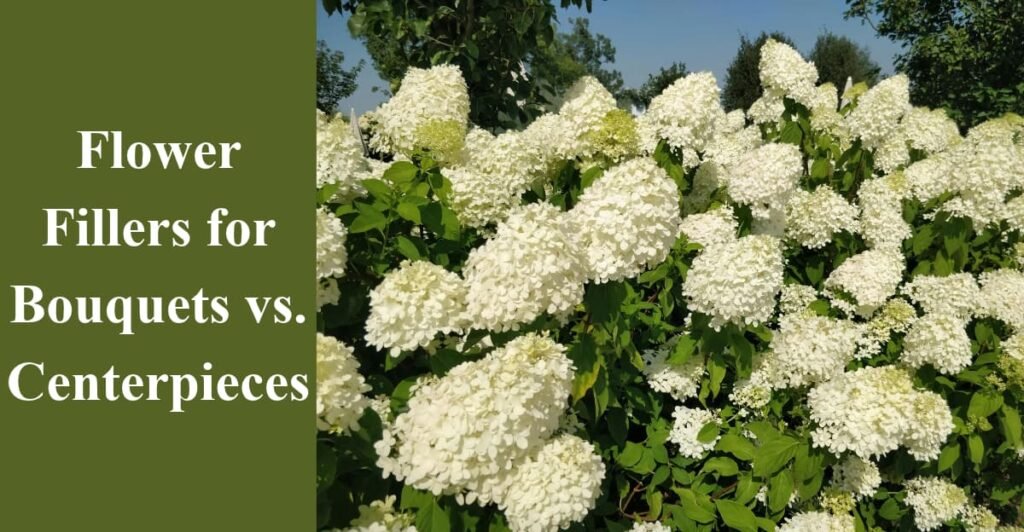
Choosing between bouquet fillers and centerpiece fillers depends on how people will view the arrangement. A handheld bouquet is usually seen from the side and top. Place fillers near the neck of the bouquet to hide floral tape and wire while creating a natural collar around the focal flowers.
Centerpieces need to look beautiful from every angle with no visible gaps or exposed floral foam. Low centerpieces benefit from soft fillers like Hydrangea that create a full and luxurious base. Choosing the right fillers improves flower placement and creates balanced bouquets, elegant wedding centerpieces, and professional floral displays.
In my experience, tall centerpieces look better with Snapdragons or Stock because their vertical stems add height and movement.
How to Choose the Right Flower Fillers
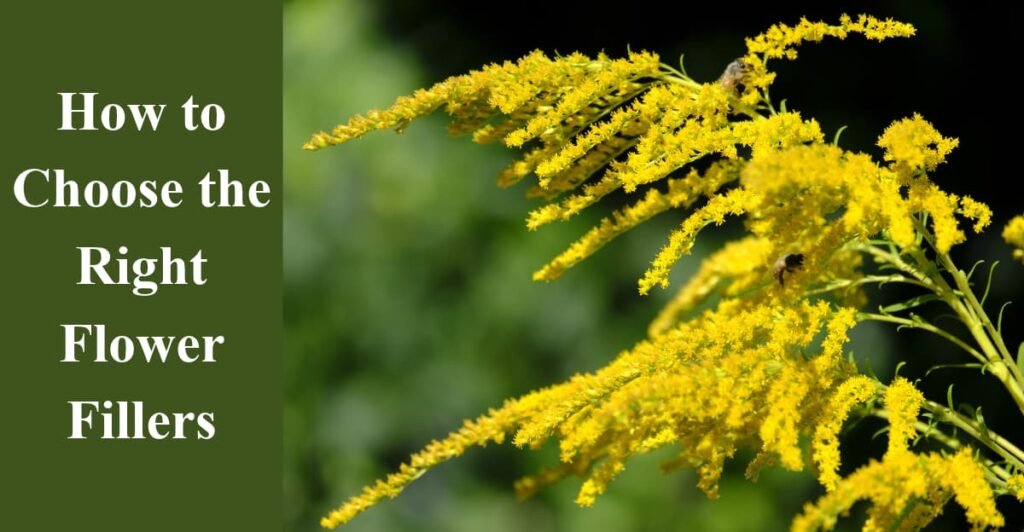
Choosing the right flower fillers improves a bouquet’s color harmony, proportion, texture, and overall balance. The best flower filler selection complements the focal flowers without competing for visual attention.
- Match colors: Use color theory and a color wheel to select complementary colors or analogous colors for natural color coordination and floral harmony.
- Balance flower sizes: Consider scale and focal flower size. Smaller filler flowers support large blooms, while oversized fillers can distract from the main flowers.
- Add texture contrast: Combine smooth flowers like Tulips with textured fillers such as Blue Thistle (Eryngium) to create visual interest.
- Check flower longevity: Compare the vase life of fillers with the focal flower lifespan. Similar freshness levels help extend the floral arrangement lifespan.
- Place fillers carefully: Use thoughtful filler placement and proper flower spacing. Avoid overfilling so every flower has enough breathing space.
- Maintain bouquet structure: Follow the right filler-to-focal ratio to support the bouquet structure and create a balanced, professional arrangement.
- Review the final design: Check proportion, visual harmony, and floral composition before finishing. Good flower arrangement techniques make the bouquet look graceful rather than stuffed.
Color Combinations Using Flower Fillers
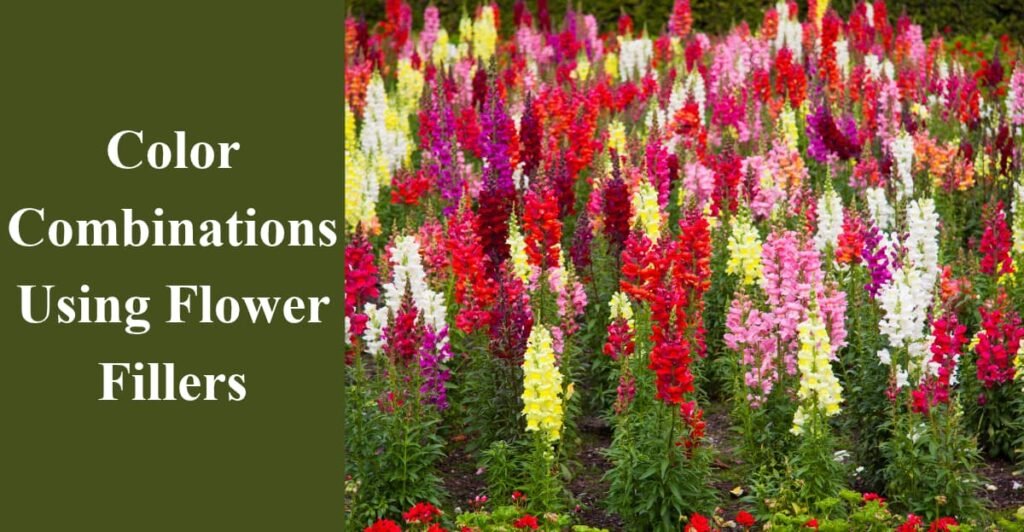
A centerpiece needs a 360-degree arrangement with minimal arrangement gaps, so guests cannot see the floral foam or vase interior. Low centerpieces benefit from lush centerpieces with pillowy fillers such as Hydrangea, which acts as a massive filler to create a dense base and luxurious base. Matching fillers to floral structure, bouquet construction, centerpiece design, and floral arrangement techniques improves decorative greenery, flower placement, floral balance.
In my experience, tall centerpieces look more balanced with linear fillers like Snapdragons or Stock, which create upward movement, emphasize vertical height, and complement the room height.
Conclusion
Flower fillers are essential for creating beautiful bouquets, elegant centerpieces, and professional floral arrangements. From Baby’s Breath and Waxflower to seasonal greenery, the right flower fillers add texture, volume, color harmony, and natural beauty to every design. Choose fillers that complement your focal flowers, suit your budget, and match the occasion for balanced, long-lasting floral displays.
Frequently Asked Questions
1. What are flower fillers used for?
Flower fillers add texture, volume, and visual interest to floral arrangements. They fill empty spaces, support focal flowers, and create a fuller, more balanced bouquet.
2. What are the most popular flower fillers?
Popular flower fillers include Baby’s Breath, Waxflower, Statice, Queen Anne’s Lace, Solidago, and Eucalyptus. Each offers unique textures and colors for different arrangements.
3. Which flower fillers are best for weddings?
Baby’s Breath, Seeded Eucalyptus, Rice Flower, Waxflower, and Smilax vines are popular wedding fillers. They create romantic textures and complement bridal bouquets and centerpieces.
4. How do I choose the right flower fillers?
Choose fillers based on color harmony, flower size, texture, vase life, and occasion. Combine complementary fillers with focal blooms while leaving enough space for each flower to stand out.
Please Write Your Comments