British Flowers: A Complete Guide to the Most Beautiful Flowers in the UK
Updated: October 6, 2026
8
Discover the natural beauty of British flowers, from colorful wildflowers to elegant blooms grown across the UK countryside. Explore the most beautiful native species, their seasonal charm, meanings, and unique qualities in this complete guide. Learn how locally grown flowers support biodiversity, pollinators, and more sustainable gardening and floral design. Keep reading to find the best British-grown flowers for gardens, bouquets, weddings, and beautiful home decor.
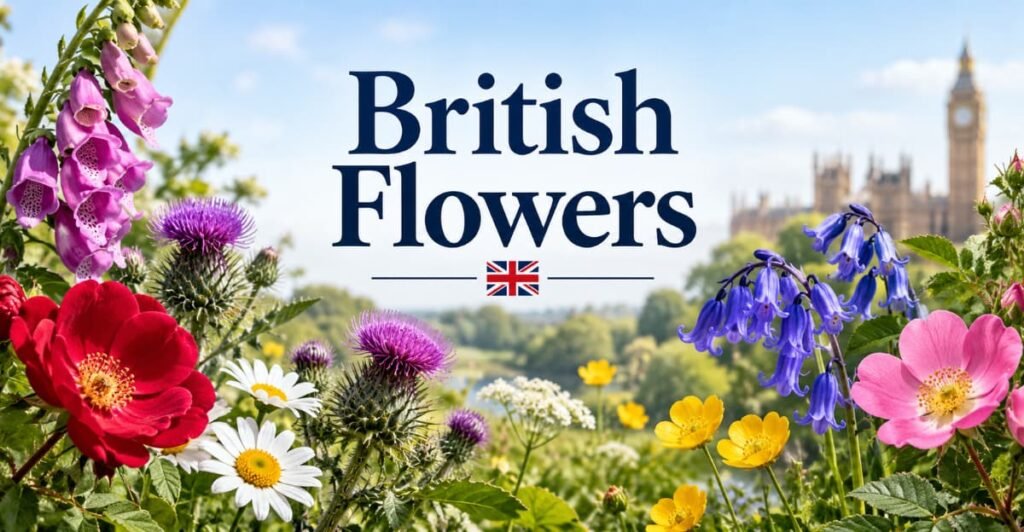
Table of Contents
Why British Flowers Are Unique and Special
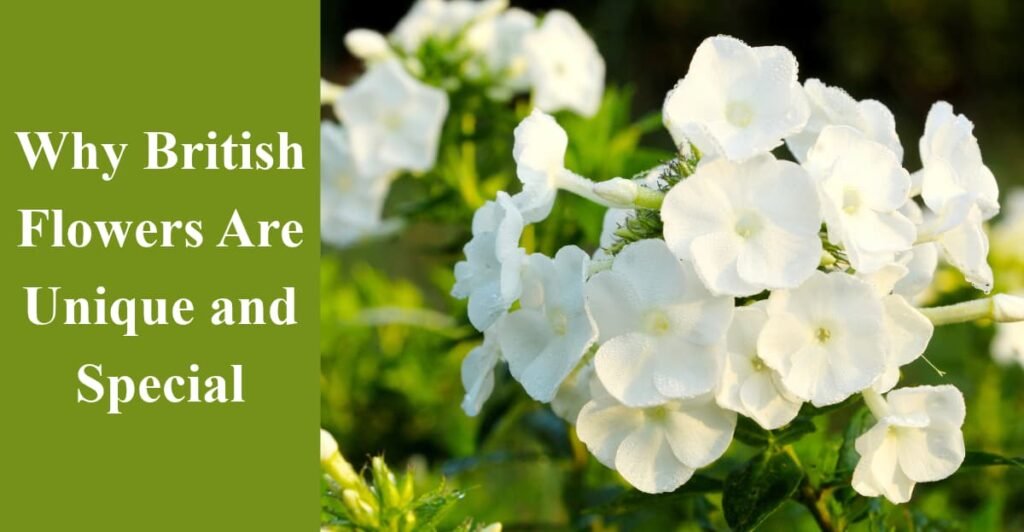
British flowers stand out for their sensory appeal, natural fragrance, and delicate beauty. Unlike imported stems bred mainly for vase life and travel durability, flowers grown in the UK develop richer scent, complexity of color, and delicate texture in natural soil.
The British climate, with mild winters, temperate summers, and a long growing season, supports remarkable botanical diversity across the British landscape. Locally grown stems connect the consumer with the UK landscape, local farmers, provenance, regenerative agriculture, soil health, native conditions, floral quality, and sustainability.
In my experience, local flowers always bring a more natural fragrance and authentic character to a bouquet than many imported blooms.
Most Popular British Flowers You Should Know
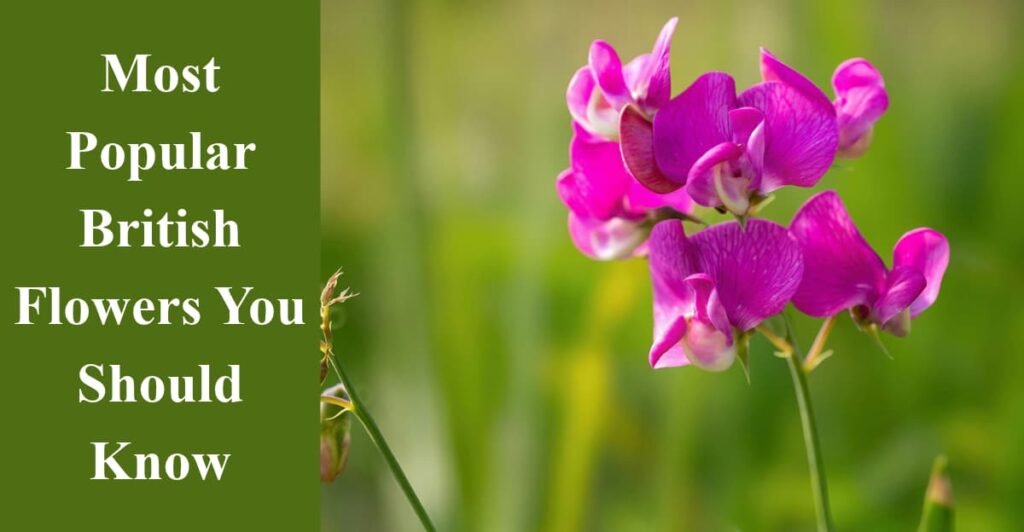
Sweet Pea is a favorite for its ruffled petals and intoxicating scent, while heritage varieties are gaining attention in artisan floristry. The English Garden Rose brings a lush, multi-petaled look that suits the cottage garden aesthetic, while Dahlias offer dramatic forms, vibrant palettes, dinner-plate varieties, pompons, and rich late-summer color. Snapdragon (Antirrhinum) and Larkspur add height and structure to hand-tied bouquets, reflecting the classic charm of British horticulture.
In my experience, combining these flowers creates relaxed, natural arrangements with strong seasonal character.
Native Wildflowers Found Across the UK
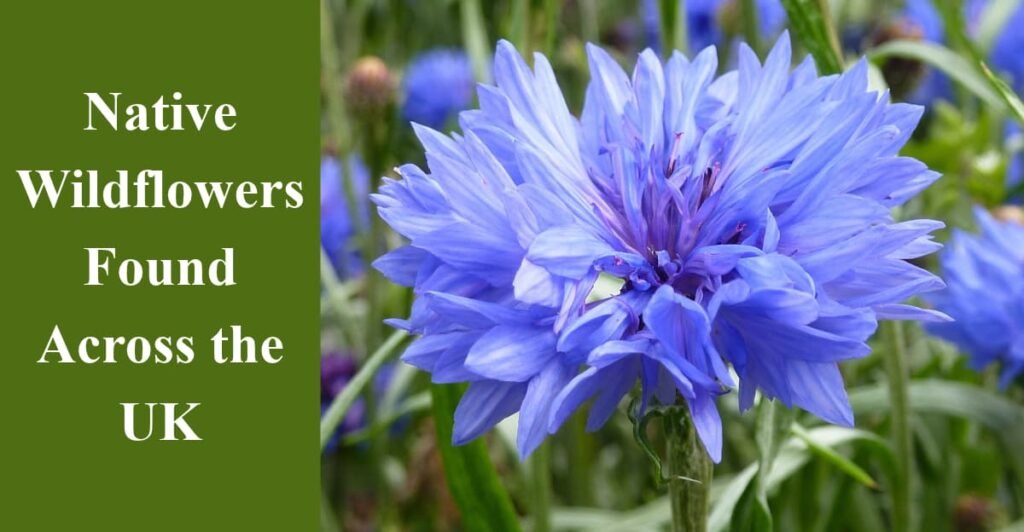
Native wildflowers across the UK support native species, local ecosystems, and biodiversity, providing vital nectar for pollinators such as the red-tailed bumblebee. Bluebell carpets ancient woodlands in violet-blue displays during spring, while Oxeye Daisy brightens meadows and Red Campion grows along hedgerows. The Cornflower, known for its striking blue hue, once flourished in grain fields and has been reintroduced into pollinator-friendly gardens, helping preserve the natural heritage of the British Isles.
In my experience, native wildflowers bring a more authentic countryside feel to gardens and seasonal displays.
Seasonal British Flowers Throughout the Year
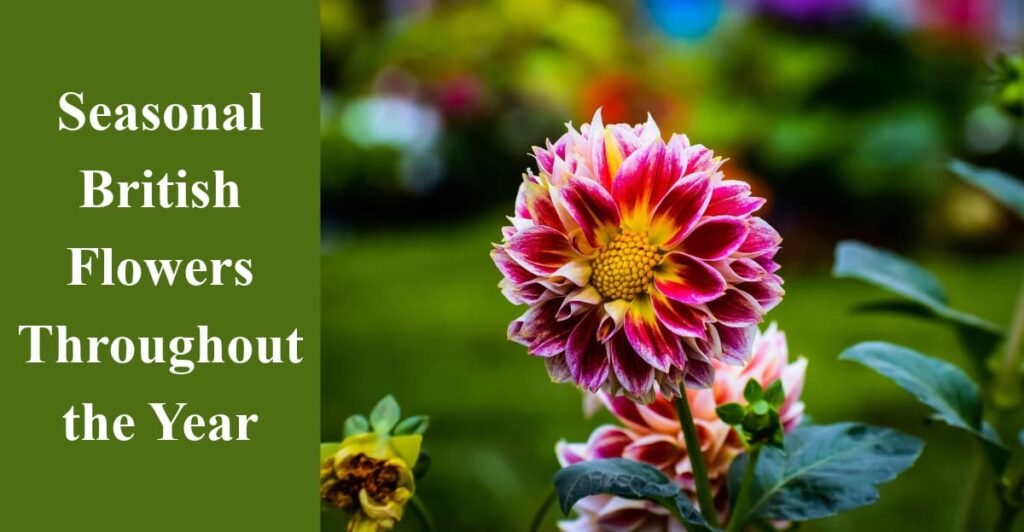
The modern floral movement embraces seasonality through a seasonal calendar, helping florists choose flowers at peak floral quality while reducing carbon footprint. Spring brings renewal, fragrance, Tulips, Daffodils, and Hyacinths, while Summer offers abundance, color, Roses, Sweet Peas, and Sunflowers.
Autumn adds texture, rich tones, Dahlias, Zinnias, and Sedum, while Winter brings resilience and form through Hellebores, Snowdrops, and Aconites. Following the weather and available varieties allows florists to create eco-friendly arrangements that celebrate the passing year without energy-intensive artificial heating.
In my experience, using seasonal flowers always makes floral arrangements feel fresher and more connected to the British countryside.
Spring British Flowers That Brighten Gardens
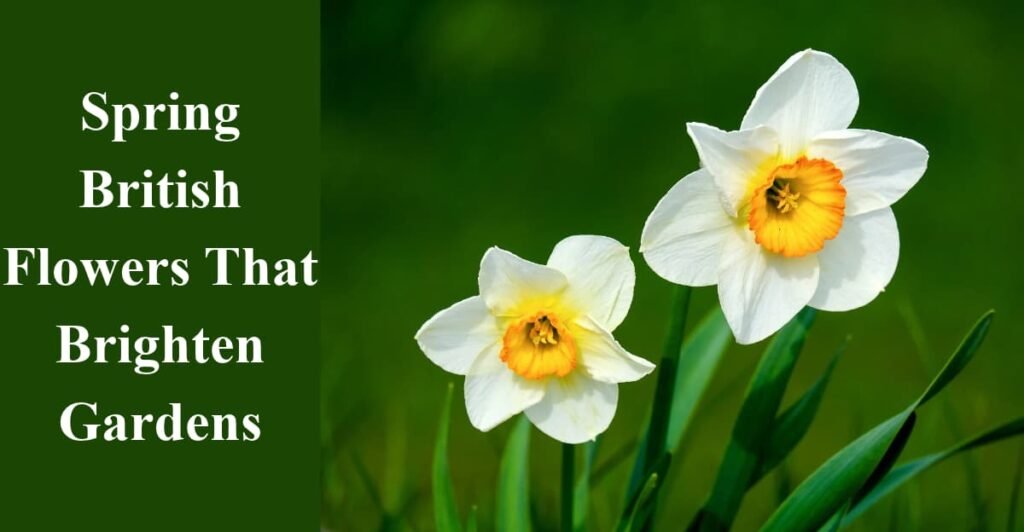
Spring in the UK begins with bulbous plants, especially the Daffodil (Narcissus), which represents rebirth and brings cheerful yellow color to gardens. Scented Narcissi and double-petaled varieties add elegance to interior decor, while Tulips from British growers offer distinctive Parrot and Lily-flowered forms.
Snake’s Head Fritillaries bring checkered patterns and woodland magic to spring gardens, while these early bloomers provide an important food source for emerging insects. Together, these seasonal flowers support sustainable gardening while giving gardens a vibrant start to the year.
I have found that spring bulbs create some of the most rewarding displays because their early blooms bring color and life back to the garden.
Summer British Flowers Full of Color
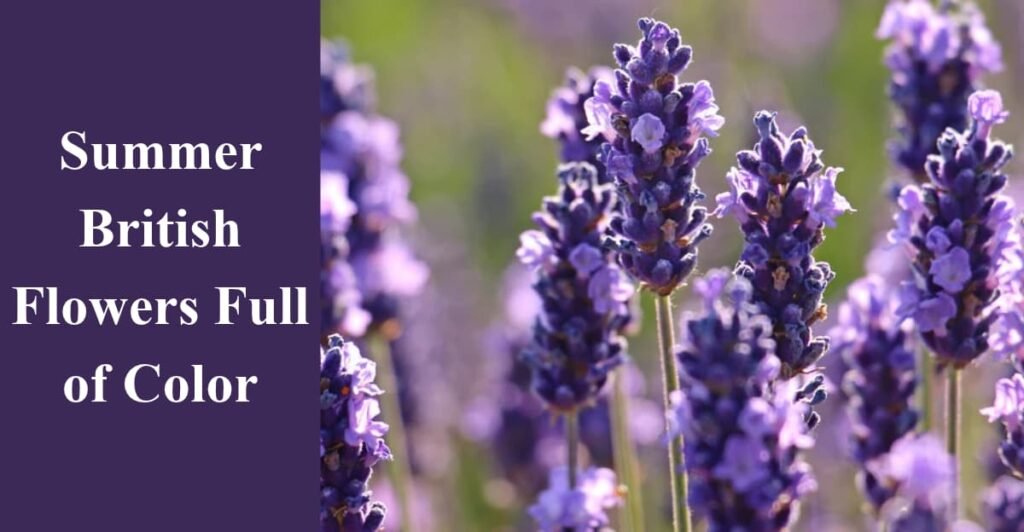
British summer brings vibrant colors and lush growth, with Sunflowers grown across the UK for their beauty and oil. Cosmos are a summer essential, producing airy, daisy-like flowers with continuous bloom when deadheaded, while Lavender in Surrey and Norfolk creates a purple spectacle in July with a calming fragrance. Cut-and-come-again flowers such as Zinnias thrive during the warmer months, offering neon shades and pastel shades for fresh-cut flowers and colorful summer blooms.
In my experience, summer flowers create the brightest arrangements because their colors and fragrance feel especially lively.
Autumn British Flowers and Their Beauty
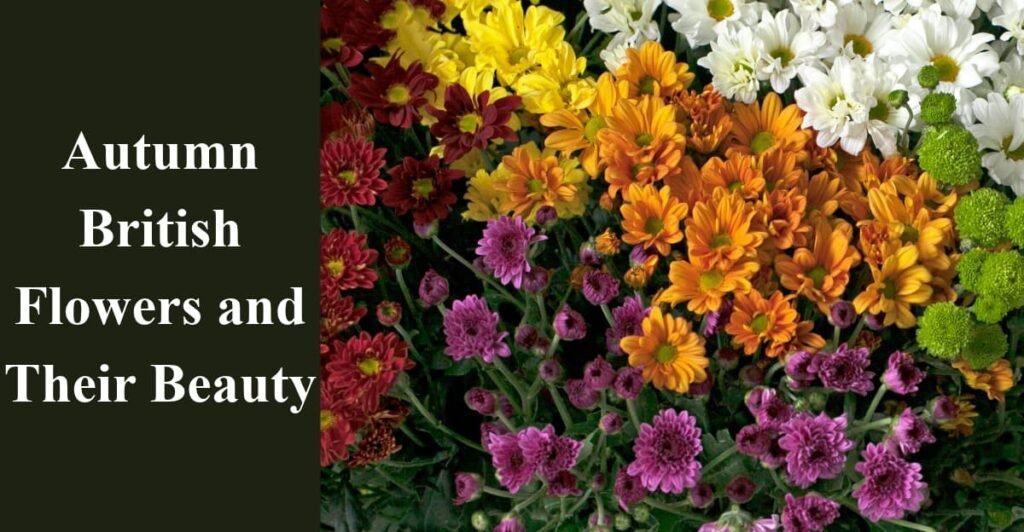
Autumn flowers bring warmth to the garden, with Dahlia and Chrysanthemums adding structural beauty and rich seasonal character. Disbudded mums produce a large flower head on each stem, making them ideal for stunning centerpieces, while Japanese Anemones add a delicate, ethereal touch to the autumn border.
Sedums attract butterflies, while foliage and berries extend the beauty of the season. Spindle develops bright pink husks, and Rosehips add rustic texture and wild texture to floral designs, giving an autumn garden more natural character than many imported stems.
In my experience, autumn flowers work beautifully when their foliage and berries are allowed to complement the main blooms.
Winter British Flowers That Bloom in Cold Weather
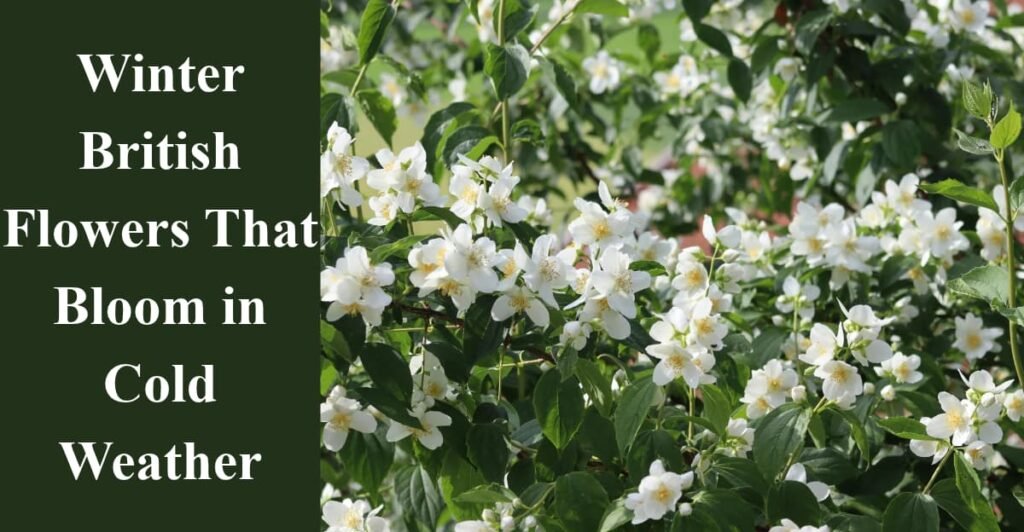
Winter can still be colorful in a British garden, where the Snowdrop (Galanthus) shows remarkable resilience by emerging through frozen ground in January. Hellebores, or Christmas Roses, produce nodding heads in plum, white, and green, bringing life to the darkest months.
Winter Jasmine, Sarcococca (Winter Box), and their intense scent brighten cold days, while florists can use dried flowers from the previous summer’s harvest to create everlasting bouquets. These preserve the beauty of the British field year-round while reducing dependence on air freight, making winter blooms a natural choice for cold weather and seasonal flowers.
From my experience, combining fresh winter stems with dried flowers gives arrangements lasting character without losing their British seasonal feel.
Rare and Protected British Wildflowers
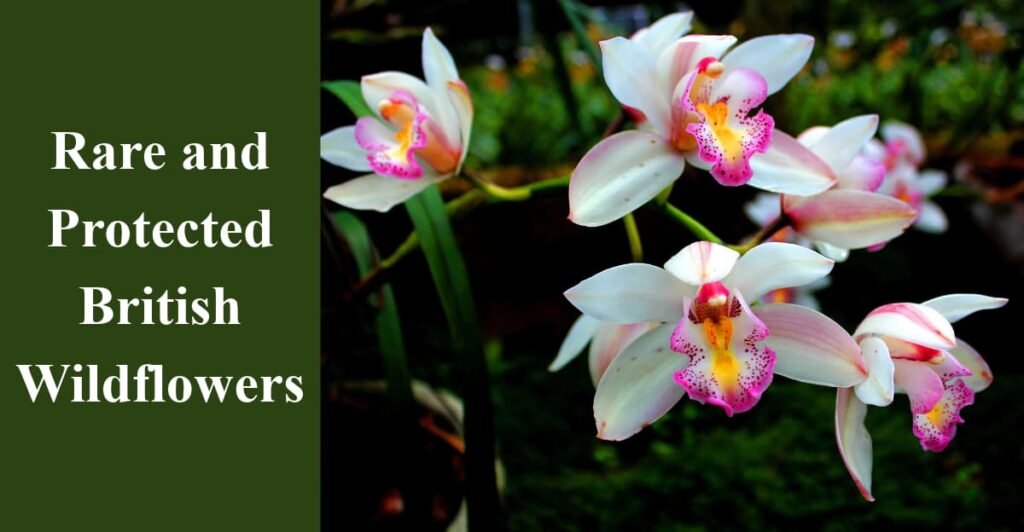
Some rare wildflowers are legally protected, including the Lady’s Slipper Orchid, one of the rarest flowers found in Northern England, where its secret locations should remain undisturbed. These protected British wildflowers and other protected plants can indicate environmental health, while the Wildlife and Countryside Act helps safeguard vulnerable parts of British flora.
The Pasqueflower grows on ancient chalk grasslands, making wildflower conservation and conservation efforts especially important for these endangered species. Supporting ethical suppliers that offer seeds from cultivated stocks protects native species and preserves genetic diversity without disturbing common wildflowers in their natural habitats.
In my experience, protecting rare flowers starts with appreciating them without picking or disturbing them in the wild.
British Flowers and Their Meanings
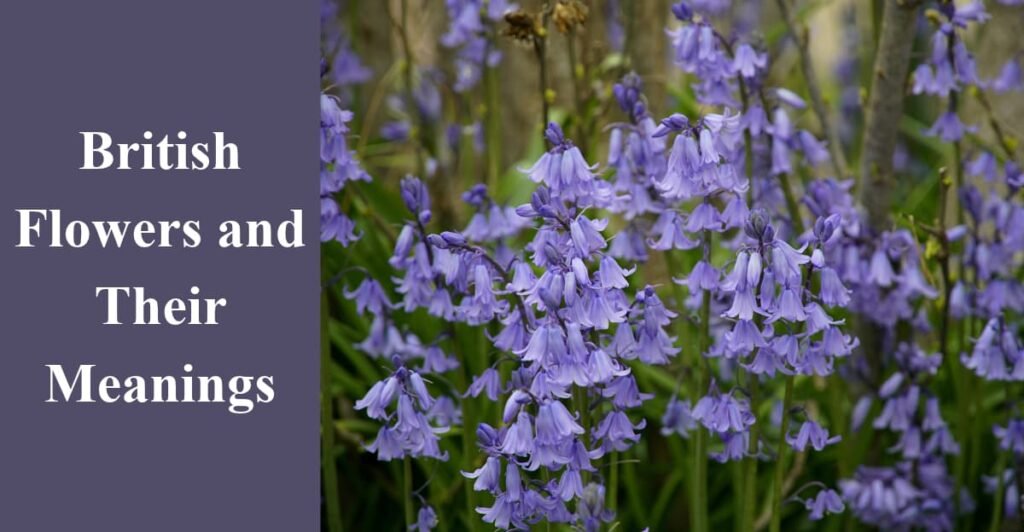
The Language of Flowers, or floriography, has strong links to British history, allowing a thoughtful gift to communicate emotion and meaning. Bluebell represents constancy, Primrose suggests young love, and Sweet Pea can express goodbye or blissful pleasure, while the Rose traditionally symbolizes love and passion.
Different flower colors can add subtle nuances, while Poppy represents remembrance and consolation, and Lily of the Valley suggests a return to happiness. Understanding these flower meanings and symbolism adds depth to floral design, helping each arrangement communicate a specific message and create a more personal experience with British flowers.
From my experience, knowing the symbolism behind each bloom makes choosing flowers feel much more thoughtful and personal.
Best British Flowers for Home Gardens
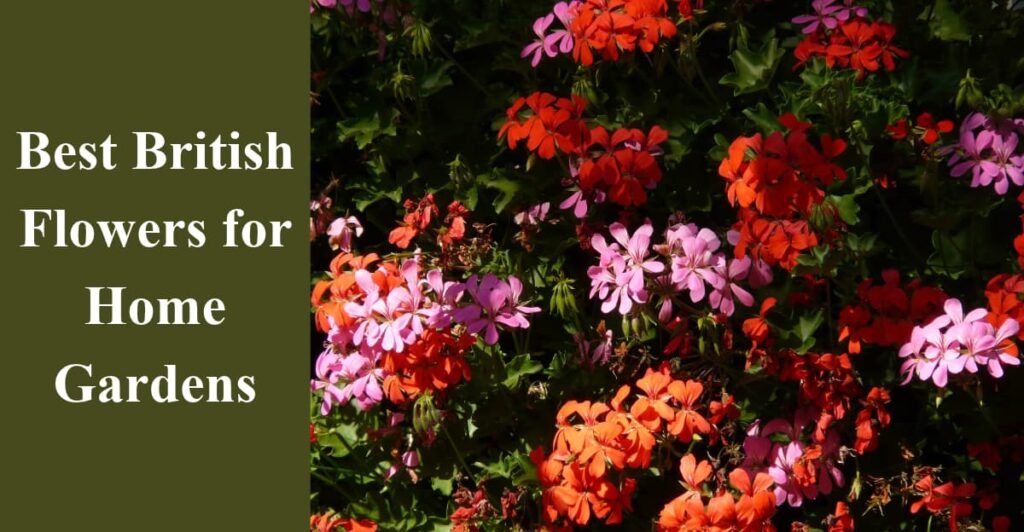
Creating home gardens with flowers suited to UK soil types makes home growing easier and more sustainable. Geraniums (Cranesbill) are hardy, while Astrantia (Masterwort) thrives in shaded spots with delicate pin-cushion-like flowers; for a sunny patch, Lavender and Echinacea attract pollinators and support pollinator-friendly flowers.
Growing native plants at home improves sustainability by reducing packaging and transport, while allowing you to enjoy the freshest stems directly from your back door. These garden flowers also support sustainable gardening and create valuable habitats for local wildlife.
In my experience, combining hardy plants with pollinator-friendly flowers makes a home garden easier to maintain and more rewarding.
British Flowers Used in Weddings and Events
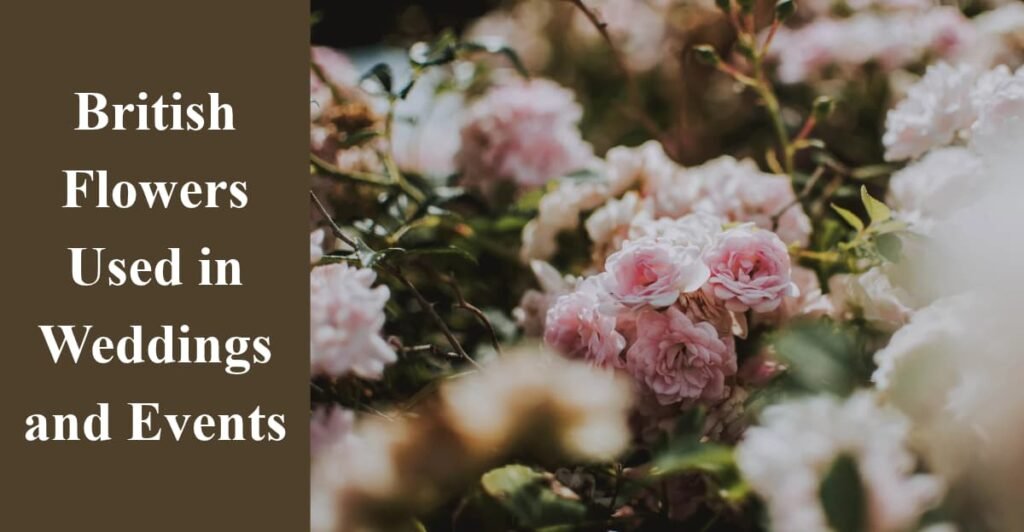
Seasonal weddings are increasingly popular with eco-conscious couples, and in 2026, British-grown flowers offer an authentic choice for a country wedding. Wholesale British flowers help event planners create large-scale installations, including floral arches and meadow aisles, while hand-tied bouquets can combine garden roses, mint, rosemary, and trailing jasmine.
This mix creates a romantic, unstructured look that highlights the natural beauty of UK flowers. Choosing local flowers during the wedding month also reduces the environmental toll associated with out-of-season imports, making them suitable for wedding flowers and wider event flowers.
From my experience, seasonal British blooms give wedding arrangements a more natural and authentic character that suits both intimate and large events.
Where to See British Flowers in the UK
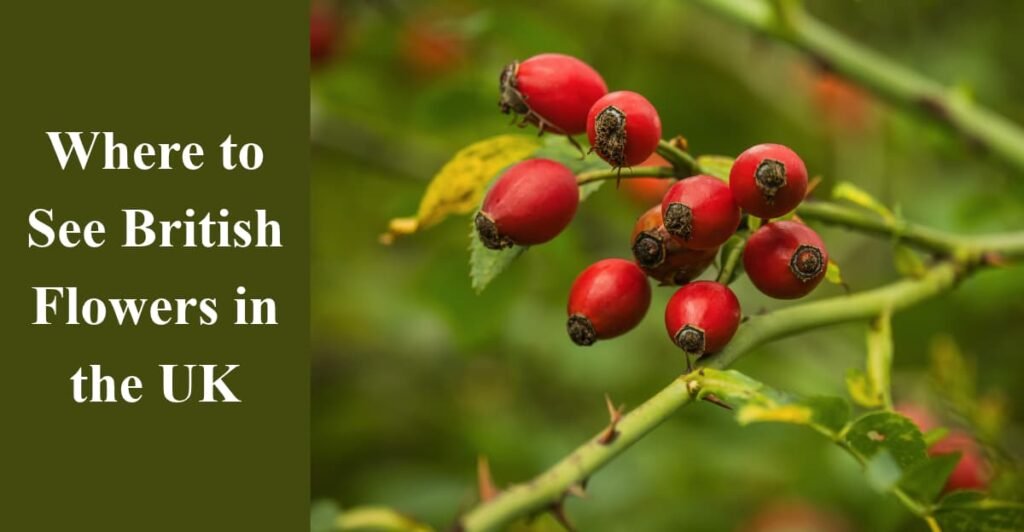
Exploring British flora is easy through dedicated gardens, farms, and botanical gardens across the country. RHS Wisley in Surrey showcases native species alongside exotic species, while Kew Gardens and its Millennium Seed Bank support the preservation of native wildflowers.
Many flower farms host open days, giving visitors the chance to see blooming dahlias, cornflowers, and other flowers while learning about horticulture from experts. These locations also reveal how high-quality stems contribute to the British floral industry, while flower displays, British gardens, floral heritage, native plants, and flower tourism offer memorable ways to experience Britain’s botanical richness.
In my experience, visiting flower farms provides the best appreciation of the work and seasonal care behind British-grown flowers.
Conclusion
British flowers capture the beauty of the UK through native wildflowers, seasonal blooms, and locally grown varieties. From colorful spring bulbs and vibrant summer flowers to rich autumn blooms and resilient winter plants, they offer beauty throughout the year. Choosing British-grown flowers also supports biodiversity, pollinators, sustainable gardening, and local growers. Whether for gardens, bouquets, weddings, or home decor, British flowers bring a natural and authentic touch to every setting.
Frequently Asked Question
What are the most popular British flowers?
Some popular British flowers include Sweet Pea, English Garden Rose, Dahlias, Daffodils, Tulips, Bluebells, Lavender, Snowdrops, and Hellebores.
What flowers are native to the UK?
Well-known native UK wildflowers include Bluebell, Oxeye Daisy, Red Campion, Cornflower, and Pasqueflower. These flowers support local ecosystems and pollinators.
What British flowers bloom in winter?
Snowdrops, Hellebores, Winter Jasmine, and Sarcococca are excellent winter flowers. They provide color, fragrance, and interest during the colder months.
Why choose British-grown flowers?
British-grown flowers are often fresher and more seasonal while supporting local farmers, biodiversity, pollinators, and sustainable flower production. They can also reduce the environmental impact associated with long-distance transport.
Please Write Your Comments