How to Prune and Care for Pecan Trees in Texas
Updated: November 8, 2026
8
Growing healthy and productive pecan trees in Texas requires proper pruning and year-round care. From winter pruning and regular watering to balanced fertilization and pest control, every step contributes to strong growth and better nut production. Learn how to maintain your pecan trees, prevent common diseases, and enjoy a healthier, more abundant harvest.
Table of Contents
How to Prune Pecan Trees
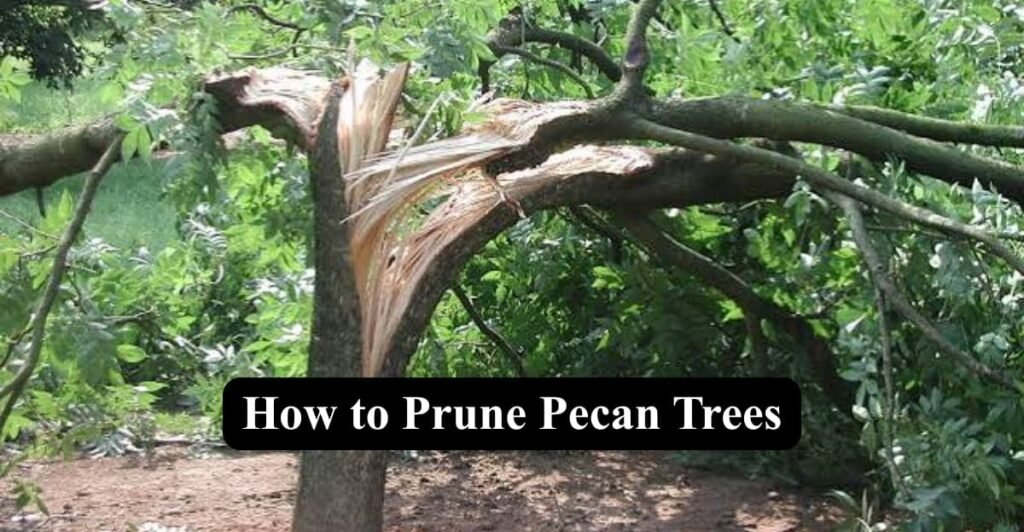
Proper pruning helps pecan trees develop healthy growth, maintain tree health, and produce strong trees. Depending on tree age, young pecan trees need structural pruning to establish a good main branch and solid frame, while older pecan trees require branch removal to eliminate dead branches, broken branches, sick branches, and damaged limbs.
Removing unwanted growth improves sunlight, sun exposure, and canopy health throughout the whole tree. Practicing dormant pruning and winter pruning also supports pest control, disease prevention, and regular tree maintenance by reducing pests and diseases.
In my experience, selective winter pruning works best for maintaining a balanced canopy. I always prioritize healthy branches, proper airflow, and clean cuts to keep pecan trees strong for years.
When Is the Best Time to Prune Pecan Trees?
The best time to prune pecan trees is during winter dormancy, generally between November and February, when the tree enters its dormant period. This pruning season supports tree healing and wound healing around pruning wounds, while winter pruning reduces pest infestation because insects and dormant insects are less active. Proper pruning timing also lowers fungus, fungal infection, and disease risk, reducing tree vulnerability and supporting disease prevention, seasonal pruning, tree health, pecan tree care, and winter maintenance.
How to Prune Young Pecan Trees for Structure
Young pecan trees benefit from early pruning during their first five years to develop a strong tree structure and strong framework. Select a main leader and strong main branch, maintain a sturdy scaffold structure with well-spaced scaffold branches, and use proper pruning techniques during transplanting or after establishing a transplanted tree by removing the top third when appropriate. Careful branch cutting encourages thicker branches, stronger growth, balanced branch development, and canopy development, allowing the whole canopy to receive adequate sunlight exposure and sun penetration for tree health, nut production, future harvest, pecan production, tree establishment, healthy growth, and proper pruning.
How to Prune Mature Pecan Trees for Health and Safety
Mature pecan trees require regular pruning and proper tree maintenance to remove dead branches, broken branches, sick branches, and damaged limbs through careful branch removal. This keeps healthy trees in good tree health, prevents falling limbs and falling branches, reduces safety hazards and property damage, and improves sunlight penetration across low branches, lower limbs, the upper canopy, and the tree canopy. For large trees and old trees, hire a qualified climber or certified arborist experienced in professional tree care, branch tips, limb thinning, and branch thinning, especially for overhanging branches near buildings, where proper house protection, break prevention, and structural safety are essential.
What Branches Should Be Removed During Pruning?
When pruning young trees, select one main leader shoot or central leader and remove competing branches to prevent branch competition and develop a strong structure, balanced tree framework, and proper structural development. For older trees and mature trees, remove low branches and lower limbs below five feet to improve ground clearance, along with small shoots, new shoots, growth from branch crooks, and unwanted trunk shoots. Make clean pruning cuts and practice selective pruning for effective branch removal, avoiding excessive pruning or overpruning, which can cause tree stress and pruning stress. Maintaining a healthy structure through proper tree maintenance supports long-term growth.
How to Prune Large or Overgrown Pecan Trees
Large pecan trees, big trees, and overgrown pecan trees, particularly old trees, need careful pruning to maintain their tree structure and tree frame while reducing structural stress. Focus on branch tips and long branches by cutting back and branch shortening, using limb thinning to prevent branch breakage, snapping branches, and breaking branches, especially on overhanging branches and branches over a house. These pruning techniques improve property protection, reduce falling limbs and safety hazards, and support tree health, mature tree maintenance, structural stability, and balanced branch management.
How to Water Pecan Trees in Texas
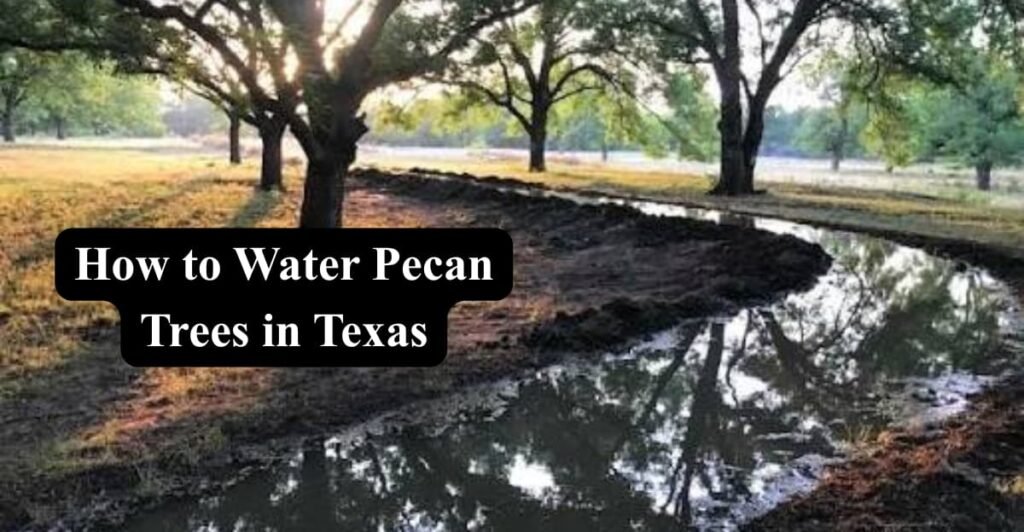
Proper watering is essential for pecan trees in Texas, as their water requirements increase with tree age and support tree growth, strong growth, and a healthy pecan crop. Young trees and mature trees need consistent water supply, regular watering, and adequate soil moisture for moisture absorption, healthy root system development, and strong roots that soak up moisture. During the growing season, summer watering and proper irrigation help maintain healthy trees, improve pecan production, and deliver a good harvest and better crop yield through effective pecan tree care.
How Much Water Do Pecan Trees Need?
Pecan trees in Texas have high water requirements and water consumption, with young pecan trees needing around 10 to 15 gallons of water through weekly watering, while mature pecan trees may require up to 250 gallons weekly. These nut-producing trees need sufficient water supply and irrigation needs during the growing season, especially in hot Texas summers, when summer heat and high temperatures increase moisture requirements. Providing adequate water, maintaining soil moisture, and following proper irrigation and water management practices support healthy roots, tree growth, nut development, pecan production, a better pecan crop, and a good harvest.
Where to Water Pecan Trees for Best Absorption
For effective water absorption, apply water around the drip line, directly beneath the farthest branches, where the wide root system spreads beyond the trunk base. This watering location improves moisture absorption, water distribution, and irrigation placement throughout the root zone, supporting roots, spreading roots, and the extended root system. Proper drip-line irrigation encourages root development, maintains soil moisture and adequate moisture, and improves water penetration for healthy trees, pecan growth, nut development, and overall tree health without relying only on watering the tree trunk.
How to Fertilize Pecan Trees in Texas
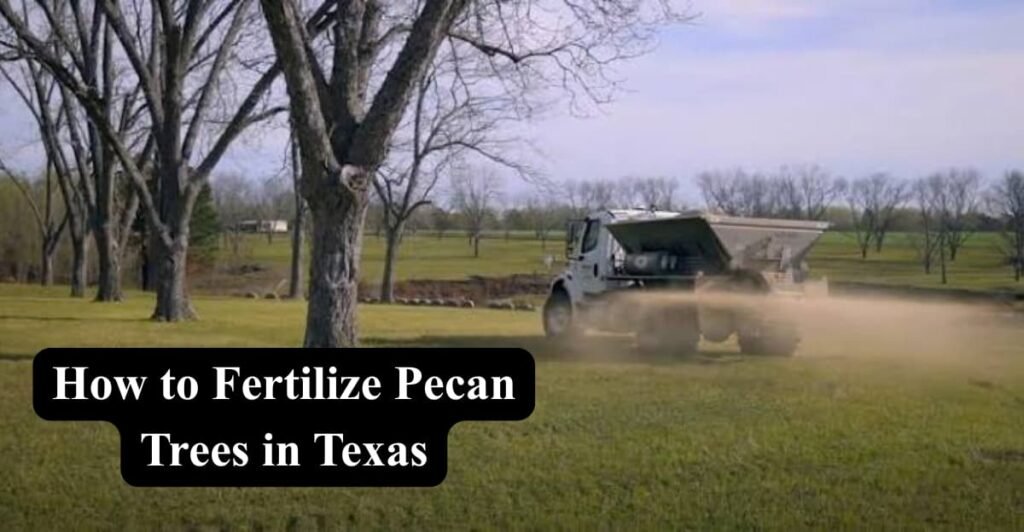
Pecan trees in Texas need proper fertilization and careful nutrient management to support tree growth, strong growth, and pecan production. Both young trees, mature trees, and old trees require specific nutrients and essential nutrients, but sensitive trees can suffer from excessive fertilizer, too much fertilizer, and fertilizer damage. Following the right fertilizer requirements, proper fertilizer recommendations, and fertilization management supports nut production, balanced fertilization, and a healthy harvest while promoting disease prevention, reducing risks associated with winter freezing, and maintaining tree health through appropriate fertilizer application.
Why Is Soil Testing Important Before Fertilization?
Before fertilizer application and fertilization, conduct soil testing to determine the nutrient levels, soil nutrients, and soil composition in the dirt. A soil test measures soil pH and pH levels through nutrient analysis, helping identify fertilizer requirements, essential nutrients, and nutrient deficiencies. This prevents over-fertilizing, excessive fertilization, and fertilizer damage, while maintaining nutrient balance, soil fertility, and soil management. Proper pre-fertilization testing supports proper feeding, effective fertilizer management, healthy growth, tree health, pecan production, nut development, good health, and abundant nuts.
What Nutrients Do Pecan Trees Need?
Pecan trees in Texas require several essential nutrients, particularly nitrogen, phosphorus, potassium, and zinc, for healthy growth and nut development. Appropriate nitrogen-based fertilizers, nitrogen fertilizer, phosphorus fertilizer, potassium fertilizer, and zinc nutrients, along with lime or agricultural lime when soil tests recommend it, provide necessary soil nutrients. Selecting suitable fertilizer types according to nutrient requirements supports balanced nutrition in young trees, mature trees, and old trees, encouraging healthy development, tree growth, pecan production, and nut development. Consistent nutrient management, soil fertility, and timely fertilizer application contribute to pecan tree nutrition, a good harvest, and a successful harvest.
When Should You Fertilize Pecan Trees?
Follow an appropriate fertilization timing, fertilizer schedule, and fertilizer application plan, avoiding July and late-season fertilization to reduce the risk of tender growth before winter freezing, frost damage, and freezing temperatures. For new trees, young pecan trees, and newly planted trees, wait until tree establishment, soil settling, and root establishment have progressed before applying fertilizer. This allows better fertilizer absorption and prevents excessive fertilizer, over-fertilization, and fertilizer damage. Proper seasonal feeding, nutrient management, and proper fertilization help maintain tree health and support long-term pecan tree care.
How to Manage Pests and Diseases in Pecan Trees
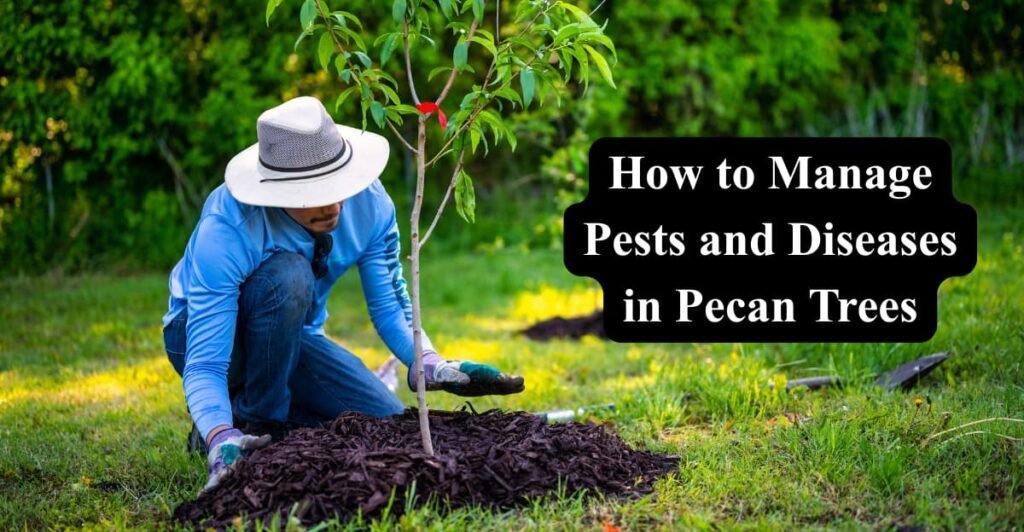
Pecan trees are vulnerable to common pests and fungal diseases such as pecan scab, Downy Spot, Brown Spot, Gnomonic Leaf Spot, and Liver Spot. These affect leaves, nut shucks, tree health, and nut yields, causing premature leaf drop and crop loss. Practice pest management, disease prevention, and pest control through sanitation, removing infected leaves and infected nut shucks, and maintaining proper watering, balanced fertilization, and clean surroundings.
How to Harvest and Store Pecans
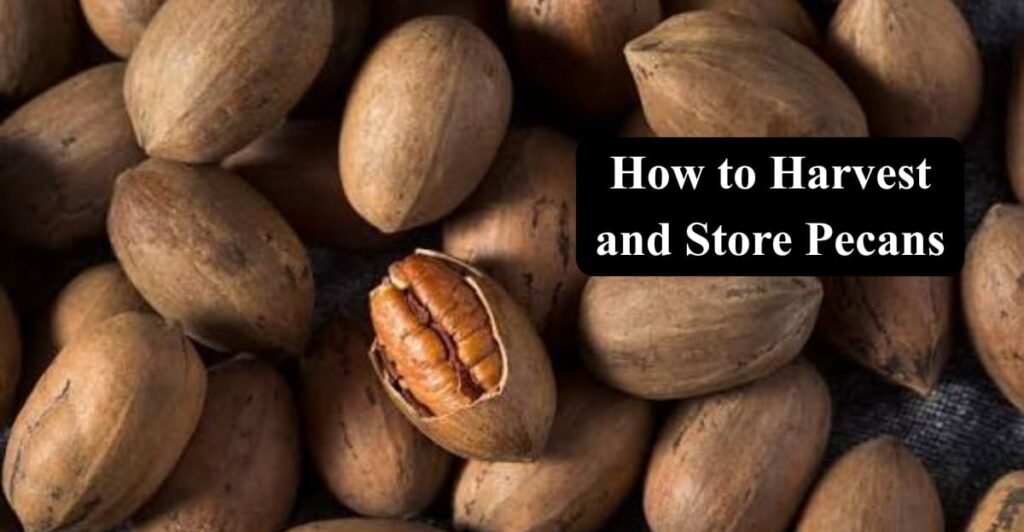
Pecan harvest usually begins in early September, when mature husks split and release falling nuts. Prepare the ground, shake tree limbs, and use a rake or rolling pecan picker for quick collection. Sort the pecans, discard damaged or discolored nuts, and keep good pecans in a cool, dry, breathable container for a few weeks. Proper curing improves shelling, nut flavor, and long-term storage.
Conclusion
Proper pecan tree care in Texas involves timely pruning, consistent watering, and balanced fertilization to encourage healthy growth and better nut production. Regular pest and disease management, along with proper harvesting and storage, helps protect your pecan crop. With the right maintenance practices, you can keep pecan trees strong, productive, and healthy for years.
Frequently Asked Questions
1. When is the best time to prune pecan trees in Texas?
The best time is during winter dormancy, usually from November to February, when trees are less vulnerable to pests and diseases.
2. How often should you water pecan trees in Texas?
Young trees generally need 10–15 gallons weekly, while mature, nut-producing trees may require up to 250 gallons per week during hot weather.
3. What is the best fertilizer for pecan trees?
Pecan trees need nitrogen, phosphorus, potassium, and zinc. A soil test helps determine the right fertilizer and nutrient requirements.
4. What are the most common diseases affecting pecan trees?
Common diseases include pecan scab, Downy Spot, Brown Spot, Gnomonic Leaf Spot, and Liver Spot, which can damage leaves and reduce nut production.
Please Write Your Comments