What Trees Produce Acorns | Types, Production Cycles
Updated: October 20, 2026
12
Oak trees are the primary trees that produce acorns, making these nuts an important part of forests and natural ecosystems. Different oak species vary in acorn size, shape, color, and production cycles, with some producing annually and others following irregular patterns. Understanding what trees produce acorns, their types, and seasonal production helps explain their role in nature and wildlife. Keep reading to explore oak species, acorn production, and the fascinating cycles behind these little nuts.
Table of Contents
What Trees Produce Acorns?
Oak trees, belonging to the genus Quercus, are the primary trees that produce acorns. Across the United States and North America, around 90 different kinds of oak species produce acorns, with each oak tree varying in size, shape, and color.
The many types of oaks differ in their appearance and acorn production, making species identification easier through their distinctive characteristics. Although all oaks produce acorns, the quantity and appearance can vary between each species.
From my experience observing oak trees, the differences in acorn size, shape, and color are especially noticeable when comparing several species side by side.
What Are Acorns?
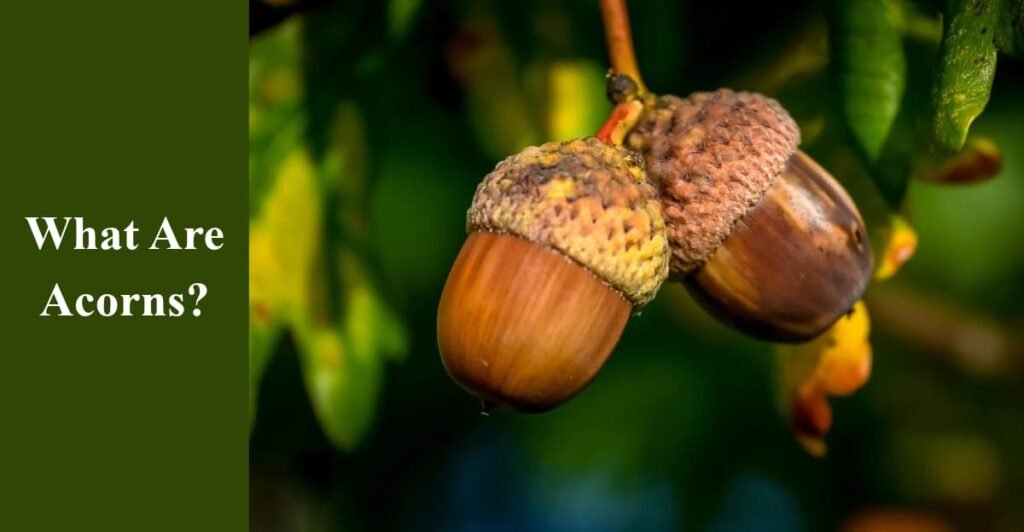
Acorns are the seeds of oak trees, supporting new growth while providing food for wild animals. These large seeds are not easily carried by wind, so living things help spread them; their bitter taste comes from tannins, although White Oak acorns contain less of this bitter chemical.
What Are the Main Groups of Acorn-Producing Oak Trees?
Oak trees are divided into two main categories, White Oaks and Red Oaks, which differ in leaf shapes and acorn production. Key oak species include white oak, swamp white oak, chinkapin oak, Northern red oak, black oak, and pin oak, all among the acorn-producing oak trees.
Red Oak Group Acorn Production
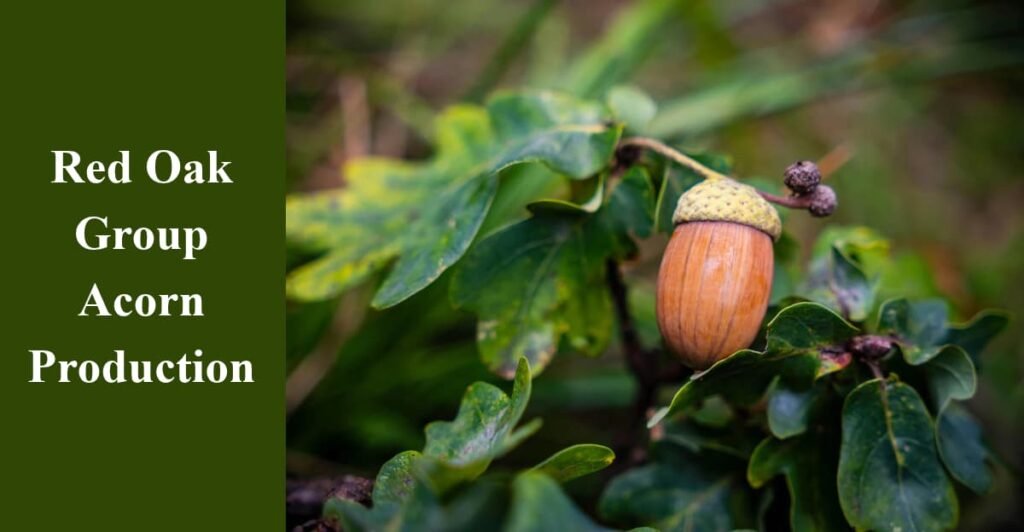
Red Oak trees flower in spring and have pointed leaf tips. Their acorns take two full growing seasons to ripen, resulting in production every other year, while a good crop occurs every 2 to 5 years and a bumper crop or big crop appears roughly every 5 to 7 years, creating distinct crop cycles.
White Oak Group Acorn Production
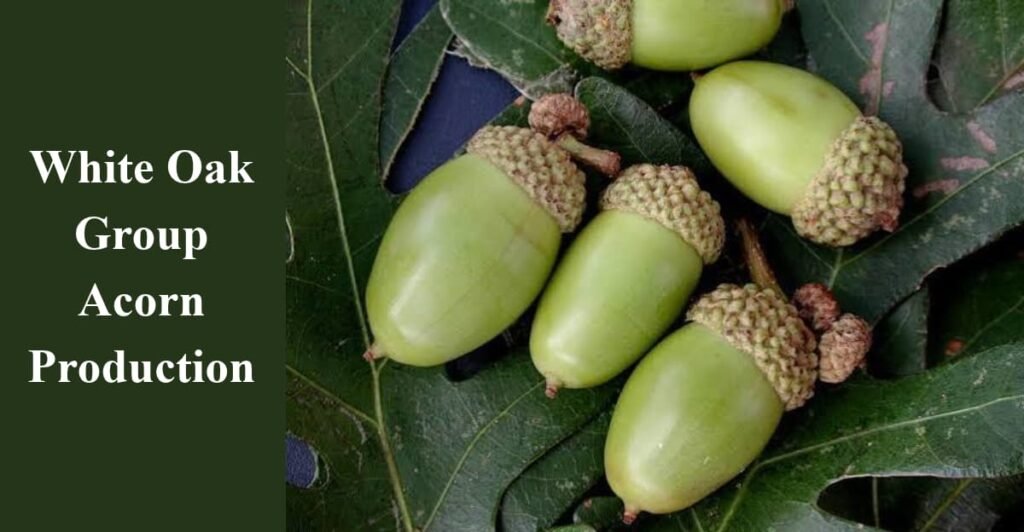
White Oak trees have leaves with rounded tips, and their acorns ripen during a single growing season. They produce nuts every year, although a good crop occurs only 2 out of every 5 years; their light tan acorns have a less bitter taste because of lower tannin levels, making tannins, acorn production, annual production, and each crop distinctive among oak trees.
What Specific Oak Species Produce Acorns?
Several oak species produce acorns, including Coast Live Oaks, Valley Oaks, Red Oaks, White Oaks, Pin Oaks, Dwarf Chinkapin Oaks, and Mexican oaks such as the Monterey oak. Their look, size, shape, cap, and leaves provide useful leaf characteristics for oak identification and species identification, while each represents a distinct group of acorn-producing oak species.
Coast Live Oak
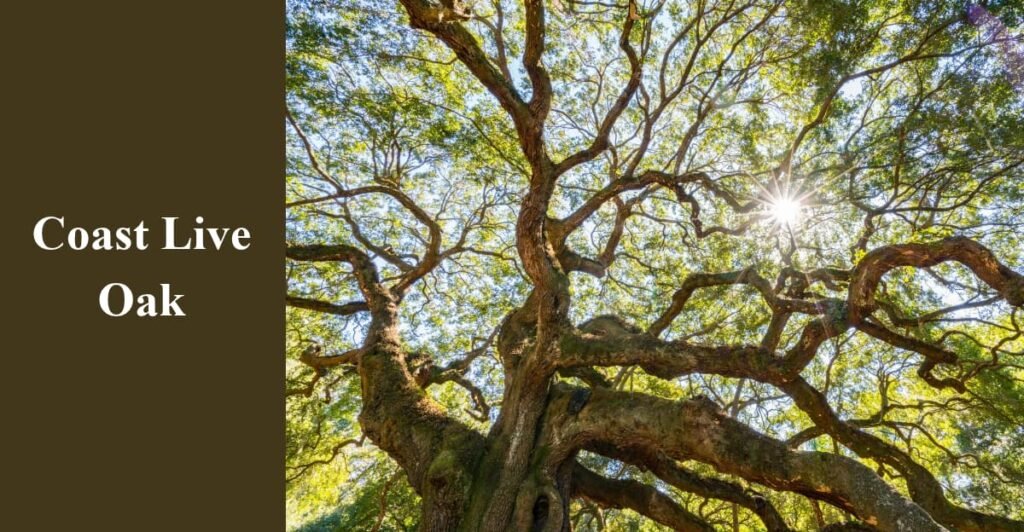
The Coast Live Oak (Quercus agrifolia) grows along California’s coast as an evergreen oak, producing long, slender acorns that are smooth, shiny, and tapering to a point. These acorns serve as a key food source within the tree’s natural home, making them important to its native habitat and coastal habitat.
In my experience, the slender shape and glossy surface make this oak’s acorns particularly easy to recognize during field observation.
Valley Oak
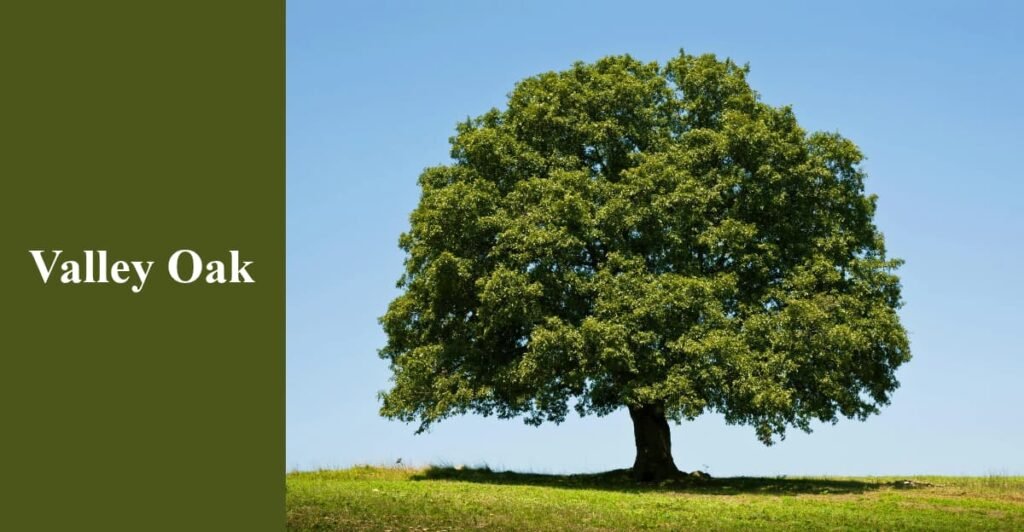
The Valley Oak (Quercus lobata) is a deciduous tree often associated with the king of California oaks distinction, producing large, oblong acorns that can reach two inches long. Native to North America, this biggest oak can reach 100 feet tall, develop a trunk 10 feet across, and live for around 600 years.
I have found mature Valley Oaks especially striking because their scale makes both the tree and its acorns memorable in a natural setting.
Pin Oak
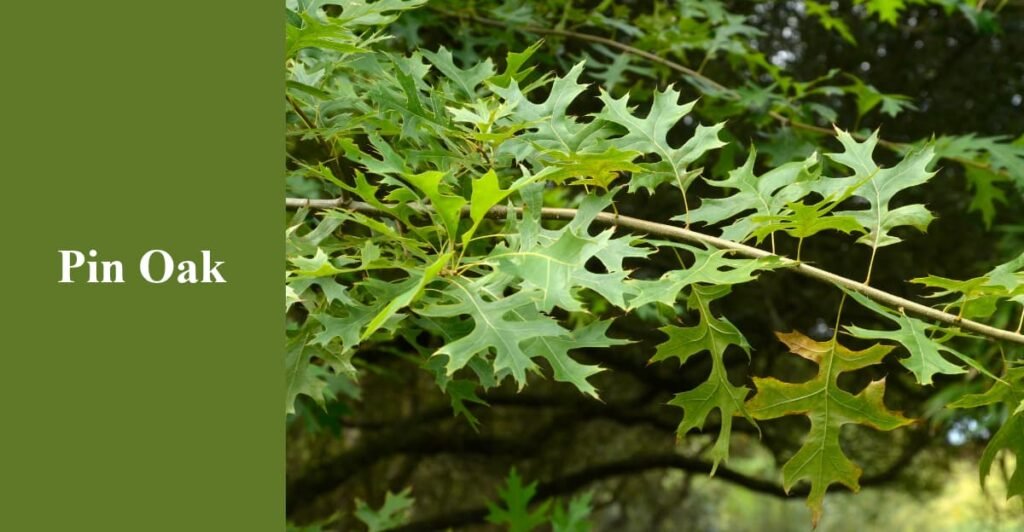
The Pin Oak (Quercus palustris) has sharply pointed leaves and sheds its leaves in the fall, while producing small, round acorns marked with dark and light brown stripes. Each acorn is topped with a shallow, saucer-like cap, giving this species a distinctive appearance.
From my experience examining oak specimens, the combination of rounded acorns, striped coloring, and the shallow cap is useful for quick identification.
Dwarf Chinkapin Oak
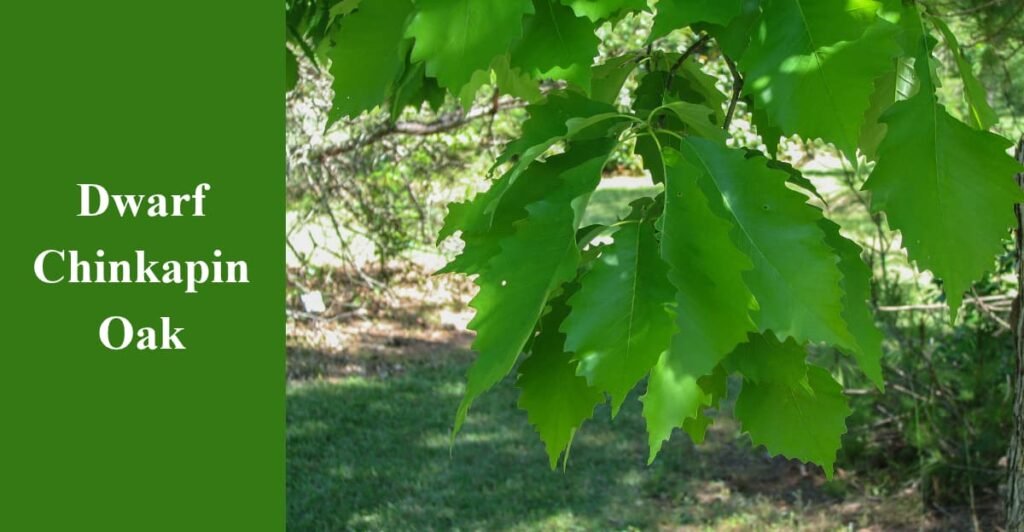
The Dwarf Chinkapin Oak (Quercus prinoides) is known for fast growth and can grow acorns fast, often beginning acorn production within 3-5 years. As a native oak, its early fruiting makes it notable among acorn-producing species.
In my experience, this relatively fast transition from planting to acorn production is one of the easiest features to notice when monitoring young oaks.
Mexican Oaks
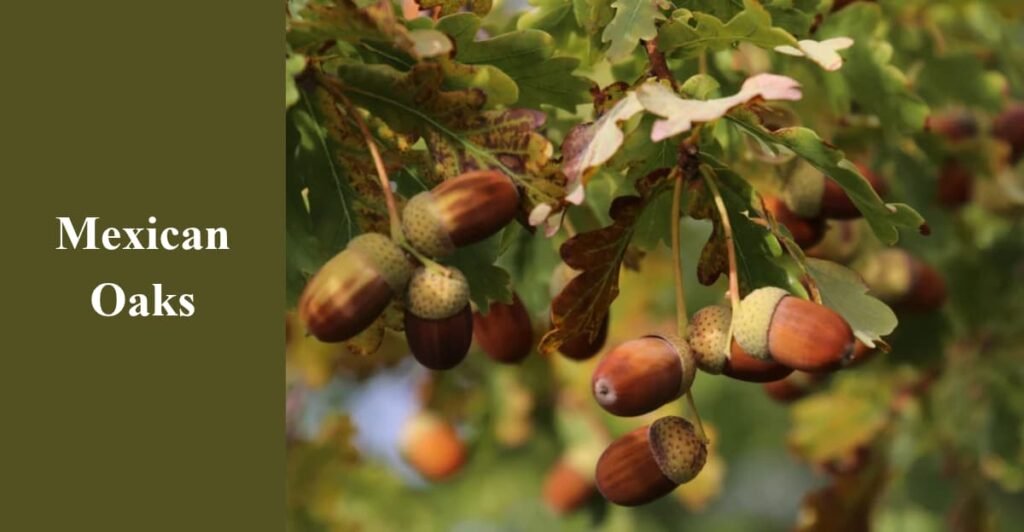
Mexican Oaks, including the Monterey oak, also produce acorns, and good care can help them produce acorns more quickly. Their acorn production adds another useful example of how oak species differ in timing and fruiting behavior.
From my experience with oak growth, consistent care and suitable growing conditions can make the development of young trees easier to observe.
How Do Oak Trees Produce Acorns?
Oak trees produce acorns through pollinated flowers. In early spring, small green flowers appear before the leaves fully develop; after they are pollinated, acorns start to grow, with acorn development taking one or two growing seasons depending on the oak type and oak species. This natural process of flowering, pollination, and acorn production determines when mature acorns become available.
How Often Do Oak Trees Produce Acorns?
Oak trees may produce acorns once a year, but acorn yield can shift between big harvests and lean times, creating mast years influenced by rain, rainfall, temperature, and soil. During a mast year, huge numbers of acorns may appear, sometimes reaching 10,000 acorns on one large oak, while poor producers may contribute fewer; White Oaks can produce acorns every year, whereas Red Oaks generally produce them every other year, with genetics, environmental conditions, and acorn production cycles contributing to this irregular cycles and boom and bust pattern. These boom times provide abundant food for predators and support tree survival, while some oaks grow slowly during heavy production, showing a trade-off in resources connected to oak evolution.
Why Do Acorn Production Cycles Vary?
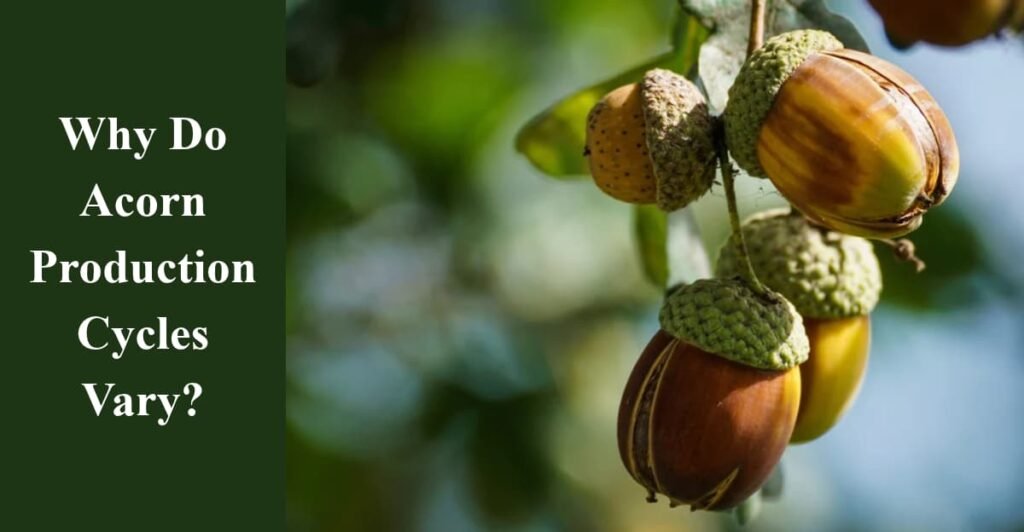
Acorn production cycles vary because rainfall, temperature, and soil influence the boom and bust pattern of oak trees. Some poor producers make fewer acorns, while White Oaks can produce them every year and Red Oaks every other year; genetics also affect the mast year, resource allocation, and how quickly trees grow slowly after heavy production. This trade-off in resources reflects how available resources interact with environmental conditions and oak evolution to shape acorn production.
What Is the Ecological Role of Acorns?
Acorns are essential to oak trees because they support reproduction while serving as nuts and a major food source for wild animals. Their production cycles are often irregular cycles, with mast years creating huge harvests that improve tree survival by leaving enough seeds to sprout despite hungry animals; these fluctuations also influence wildlife, acorn abundance, oak reproduction, and even disease spread, making acorns an important part of the wider ecological role of oak forests.
How Do Acorns Aid Oak Tree Reproduction?
Acorns are oak tree seeds that support new growth by carrying the genetic code and stored food needed by a young tree. Through seed dispersal, squirrels often bury acorns, and forgotten acorns can sprout into new trees away from the parent tree, reducing competition for resources and supporting resource competition in natural oak populations.
What Wildlife Depends on Acorns for Food?
Acorns are an important food source for wildlife, including squirrels, jays, deer, birds, and insects. North American oak trees produce nuts that contribute to the food web every year, while mast years bring larger acorn harvests that can support rising wildlife populations and many forms of acorn-dependent wildlife.
How Are Acorns Dispersed?
Acorns are dispersed mainly through animal dispersal, with squirrels that bury acorns and later leave some forgotten nuts behind to sprout. Blue jays also carry acorns to new spots, making this animal help an important part of seed dispersal and acorn dispersal, allowing new oak trees to take root and spread.
When Do Oak Trees Begin Producing Acorns?
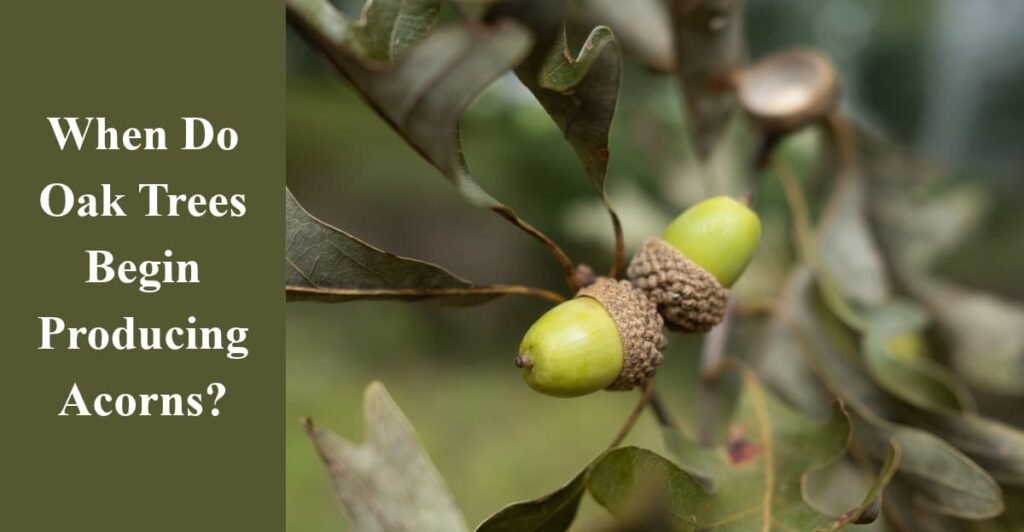
Oak trees generally begin acorn production when they are around 20 to 50 years old, although some native oaks mature much earlier. Dwarf Chinkapin can begin producing acorns in 3-5 years, while Mexican oaks such as the Monterey oak may produce them within 3 to 5 years with good care, demonstrating variation in oak maturity, early acorn production, and the development of mature oak trees.
Conclusion
Oak trees are the primary acorn-producing trees, with species such as White Oaks, Red Oaks, Valley Oaks, and Pin Oaks differing in acorn size, production cycles, and maturity. Understanding acorn production, mast years, seed dispersal, and wildlife relationships reveals how these remarkable trees support healthy forest ecosystems. From seasonal flowering to mature acorn harvests, each oak species has a unique role in nature, making acorns an important part of oak tree reproduction and biodiversity.
Frequently Asked Questions
1. What trees produce acorns?
Oak trees in the Quercus genus produce acorns, including White Oaks, Red Oaks, Coast Live Oaks, Valley Oaks, Pin Oaks, Dwarf Chinkapin Oaks, and Mexican oaks.
2. How often do oak trees produce acorns?
Acorn production varies by species. White Oaks can produce acorns every year, while Red Oaks generally produce them every other year, with larger mast crops occurring periodically.
3. When do oak trees start producing acorns?
Many oak trees begin producing acorns around 20 to 50 years old, although species such as Dwarf Chinkapin Oak and some Mexican oaks can begin producing acorns within about 3 to 5 years.
4. Why are acorns important to wildlife?
Acorns provide an important food source for squirrels, jays, deer, birds, insects, and other wildlife while also supporting oak reproduction through seed dispersal.
Please Write Your Comments