Best Flowers to Start from Seed Indoors: Easy, Beautiful Blooms for Early Gardening Success
Updated: October 7, 2026
4
Starting flowers from seed indoors is an easy way to enjoy beautiful blooms earlier in the season. The Best Flowers to Start from Seed Indoors can give your garden a healthy head start while saving money on nursery plants. From marigolds and zinnias to petunias and sunflowers, these beginner-friendly flowers bring vibrant color to your space. Keep reading to discover easy varieties, simple growing tips, and everything you need for early gardening success.
Table of Contents
Why Start Flower Seeds Indoors?
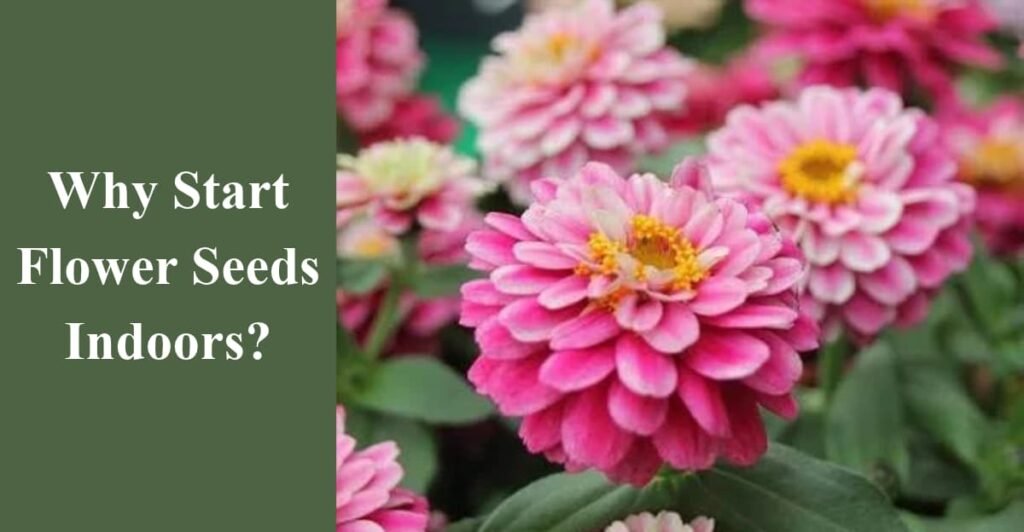
Starting flower seeds indoors gives flowering plants a head start of six to eight weeks, helping them reach their full potential before the first frost of autumn. Instead of waiting for soil to become warm enough to sow directly outside, you can enjoy several extra weeks of blooms.
Indoor growing also protects vulnerable seedlings from heavy rains, lingering frosts, and garden pests during early spring. This controlled environment improves germination and success rate, while supporting the cultivation of perennials and annuals suited to your hardiness zone.
In my experience, starting seeds indoors is one of the easiest ways to get stronger plants and earlier blooms.
Benefits of Starting Flowers from Seed Indoors
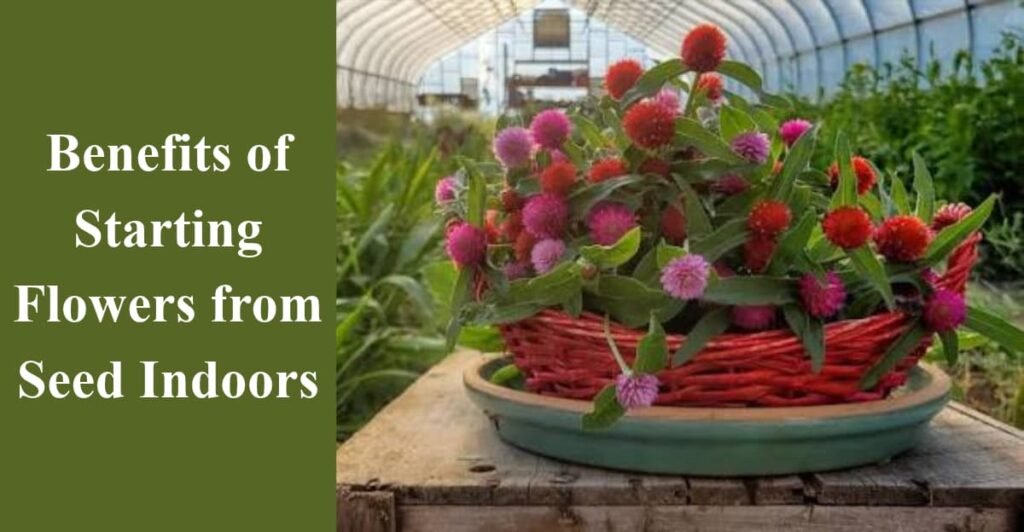
Growing your own flowers instead of buying established plants offers several significant advantages, especially cost-effectiveness. A packet of seeds can cost less than a designer coffee yet produce dozens of plants, while a single potted plant from a garden center can have a much higher price. Starting with seeds also gives you greater variety through seed catalogs, compared with the limited choices available at local stores and nurseries, where popular hybrids and commercially viable hybrids are often the main options.
Through sowing, you can grow heirloom varieties, pollinator-friendly species, and flowers with rare color palettes, making your garden more unique. Beyond saving money, gardening from seed creates a deeper connection with each plant as you follow its lifecycle, from a dormant seed to a blooming marvel.
In my experience, watching a seed develop into a healthy flowering plant makes indoor gardening far more rewarding than simply buying a mature plant.
What You Need to Start Flower Seeds Indoors
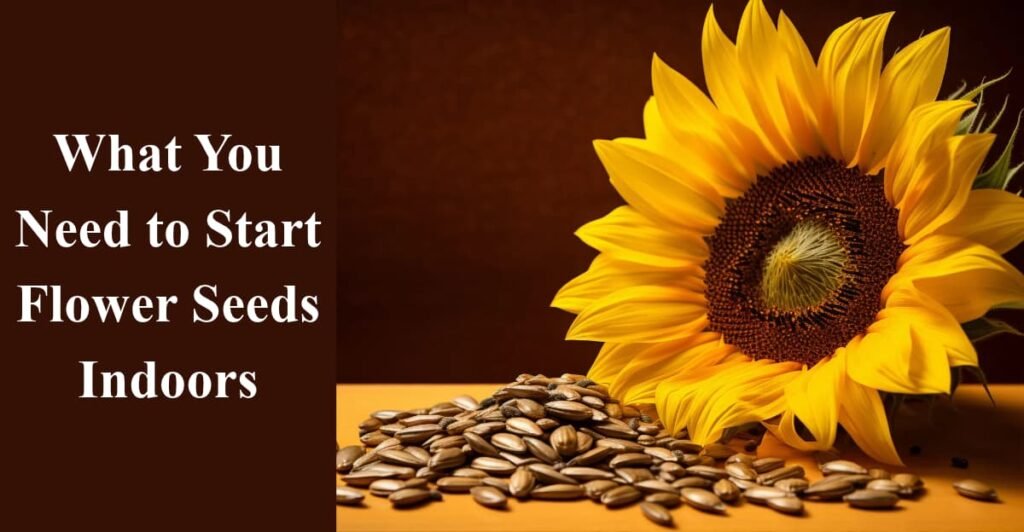
A successful indoor nursery needs the right equipment to prevent leggy plants and weak plants while producing sturdy seedlings ready for the outdoors.
- Containers: Use seed trays, containers, biodegradable pots, plastic trays, or recycled yogurt cups with drainage holes.
- Growing Medium: Choose a seed-starting mix rather than garden soil. A soilless growing medium containing peat moss, vermiculite, and perlite helps reduce disease and fungus gnats.
- Light Source: A windowsill or south-facing window can provide natural light, but grow lights, including LED or fluorescent options, offer consistent light intensity for photosynthesis.
- Heat Mats: Place heat mats beneath the trays to maintain suitable soil temperature and encourage reliable germination.
- Humidity Dome: A humidity dome or clear cover helps retain moisture until the first sprouts appear.
Best Flowers That Start Easily from Seed Indoors
Here are some species that offer a positive experience for beginners, with seeds that are less finicky and more resilient for indoor starting.
Marigolds
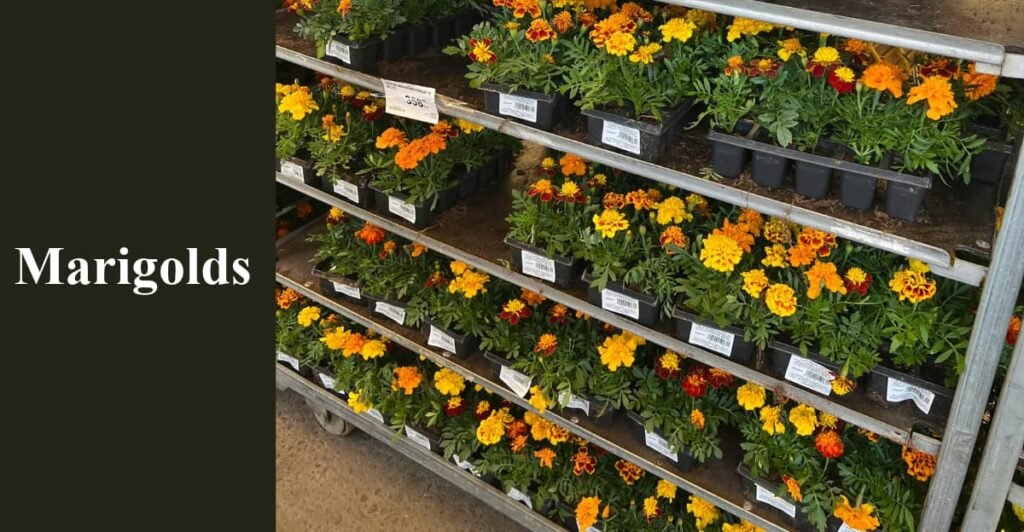
Marigolds are a gold standard for indoor starting, offering a high germination rate and the ability to sprout quickly in just 5 to 7 days. These hardy annuals support pest control in the garden while adding vibrant oranges and yellows.
In my experience, marigolds are one of the easiest flowers for beginners to grow from seed.
Zinnias
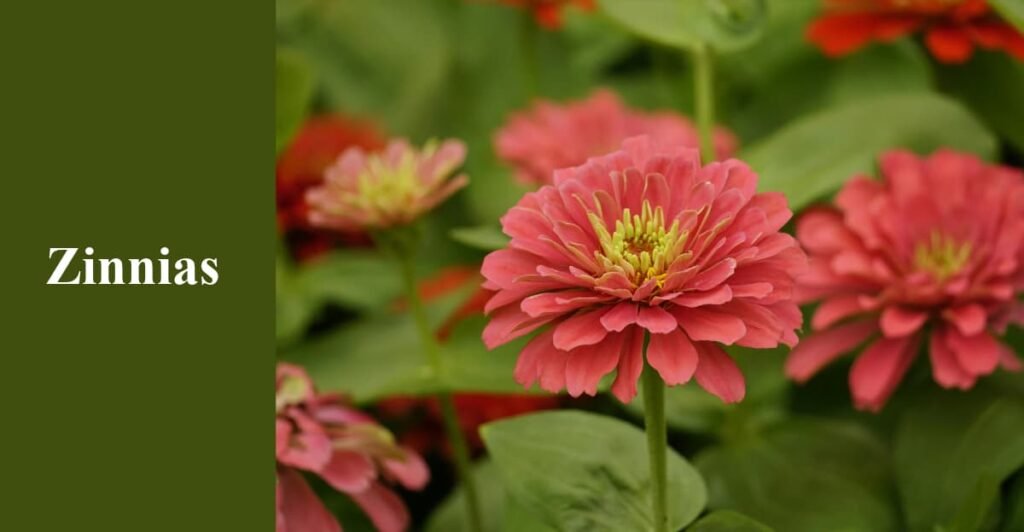
Zinnias are fast growers known for their vibrant colors, but their roots dislike being disturbed. Starting them in peat pots allows them to be planted directly into the ground, making this a smart strategy for healthy growth.
I have found zinnias perform especially well when their roots are left undisturbed during transplanting.
Petunias
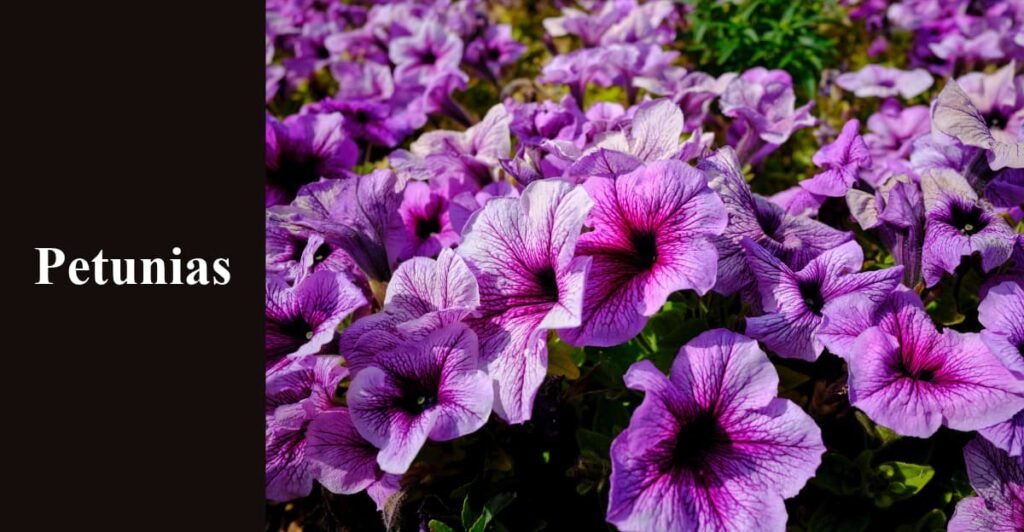
Petunias are rewarding despite having Petunia seeds that are as tiny as dust. They need light to germinate, so sow them on the surface of the soil rather than burying them deep.
From my experience, keeping petunia seeds exposed to light makes indoor germination much more reliable.
Cosmos
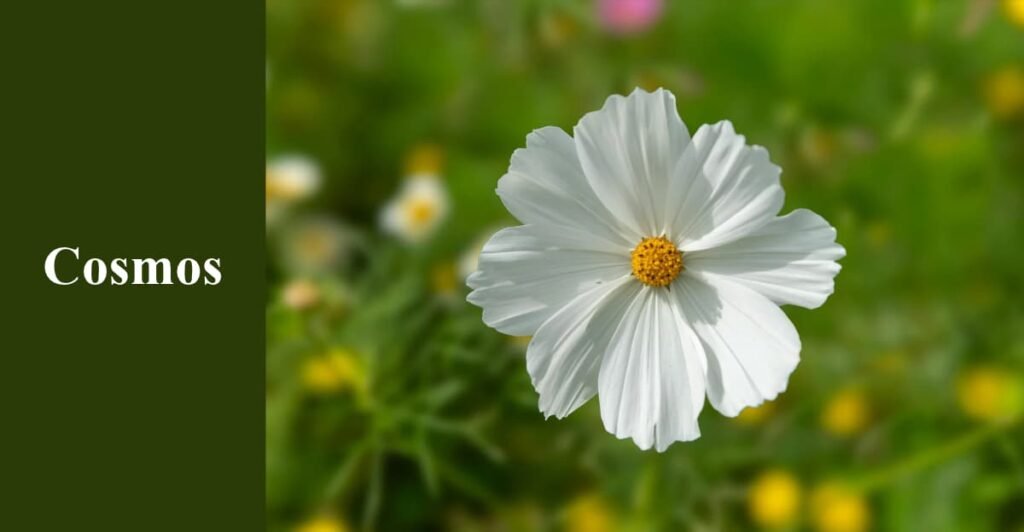
Cosmos are easy-to-grow flowers with airy, delicate foliage that is forgiving of different soil quality. Their cottage garden aesthetic adds a relaxed touch while attracting butterflies.
In my experience, cosmos are wonderfully forgiving and rewarding for new indoor gardeners.
Sunflowers (Dwarf Varieties)
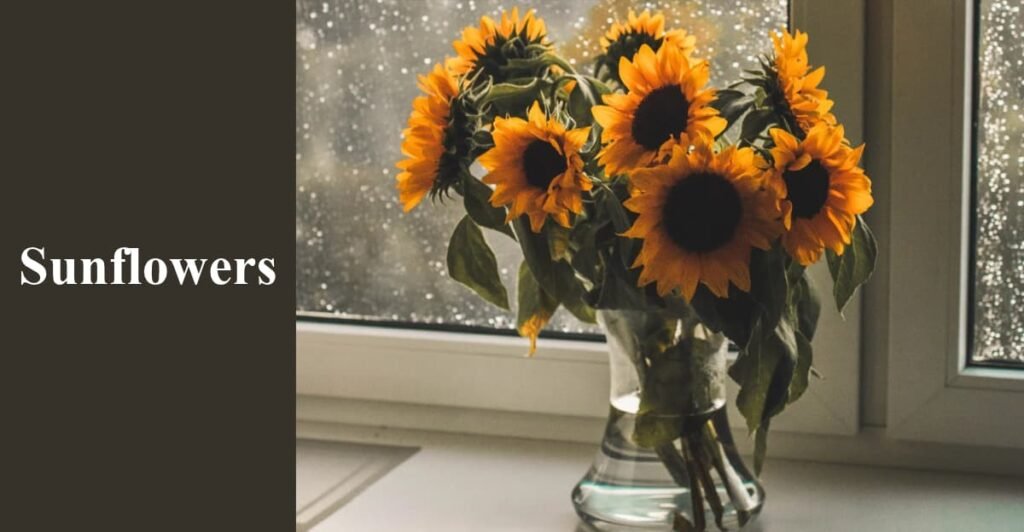
Sunflowers such as the dwarf varieties ‘Teddy Bear’ are ideal for indoor starting compared with standard sunflowers. They bring joy while making plant growth easy and fun for teaching children about gardening.
I especially enjoy growing dwarf sunflowers with children because their growth is easy to notice.
Snapdragons
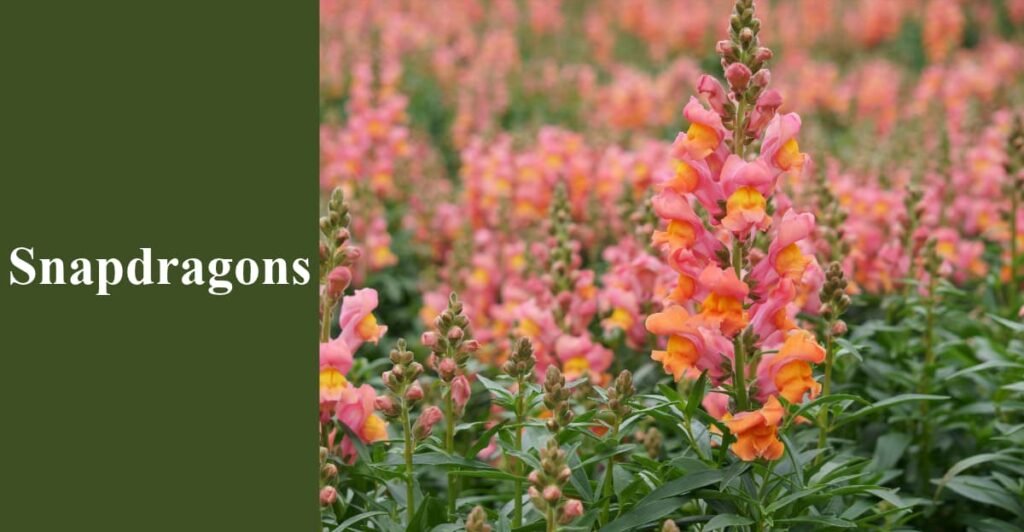
Snapdragons are cool-season flowers that can be started early, adding vertical interest to flower beds. Once established, they are notably frost-tolerant, making them useful for early-season gardens.
In my experience, snapdragons reward early starting with strong, upright growth.
Sweet Peas
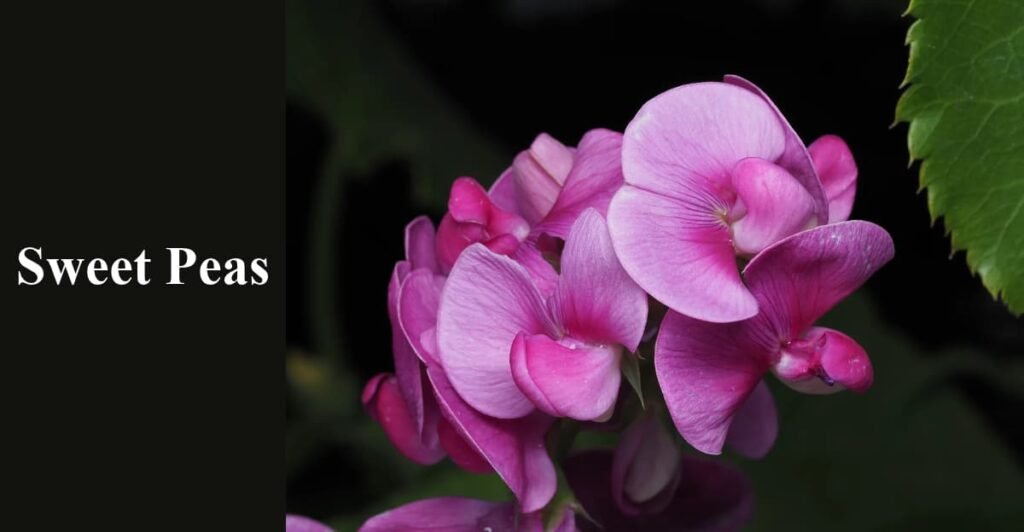
Sweet Peas are valued for their fragrance and have a tough seed coat that benefits from soaking in water for 24 hours before planting. This preparation can speed up the sprouting process.
I find a 24-hour soak makes sweet pea seeds noticeably easier to get started.
Calendula
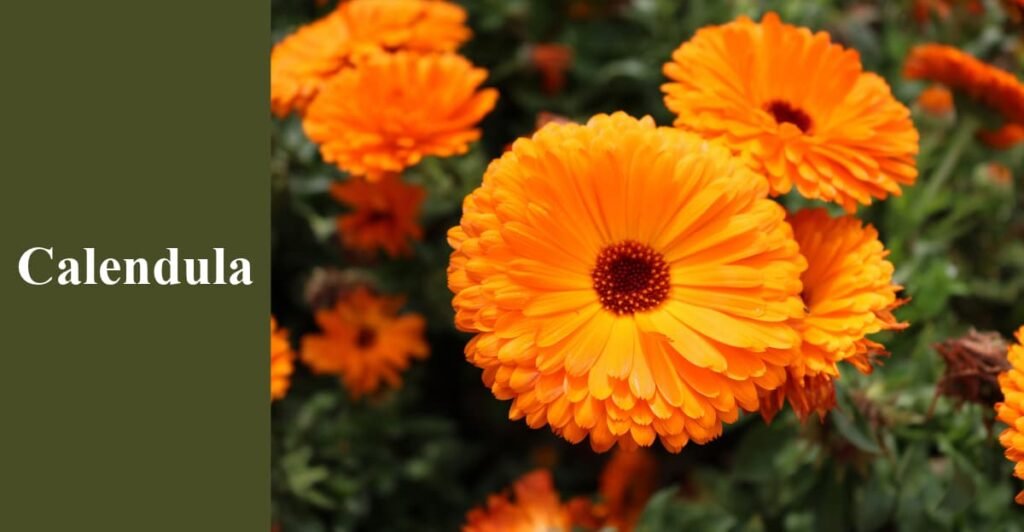
Calendula, also called Pot Marigold, is an edible flower with medicinal properties. This tough plant handles transplanting very well, making it a practical choice for indoor seed starting.
From my experience, calendula handles the move from containers to the garden with impressive ease.
Pansies
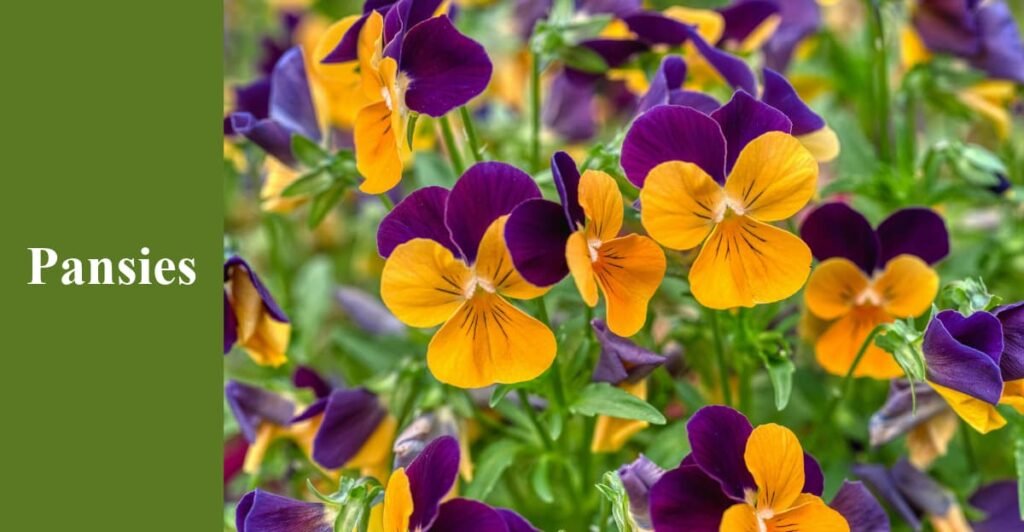
Pansies are ideal for early spring blooms and can be started during the winter months so they are ready when the first hint of thaw arrives.
In my experience, pansies are excellent for bringing early color to the garden.
Alyssum
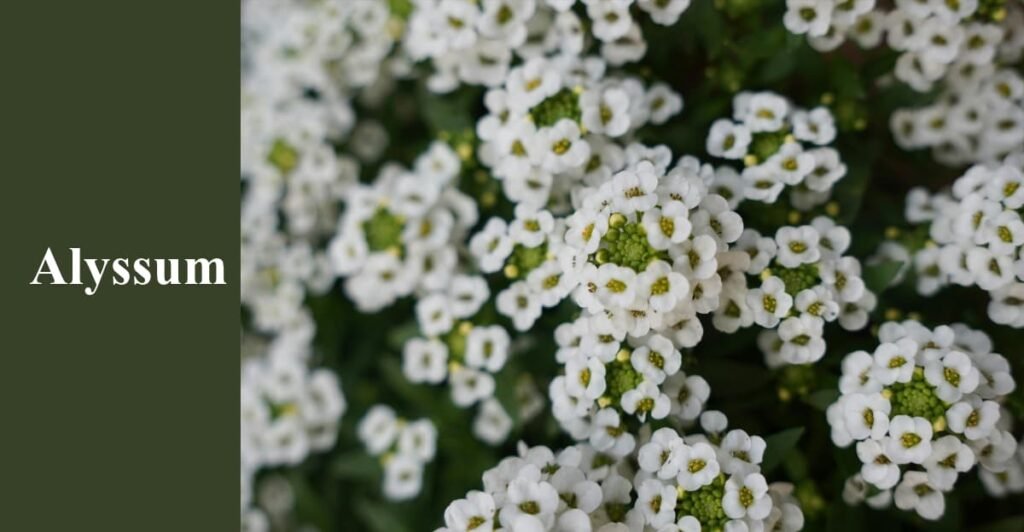
Alyssum creates a carpet of flowers with a honey-like scent. Its small seeds develop into dense clusters that work beautifully along edges and borders.
I have found alyssum especially useful for softening garden edges with its delicate clusters.
Easy Flowers for Beginners to Start Indoors
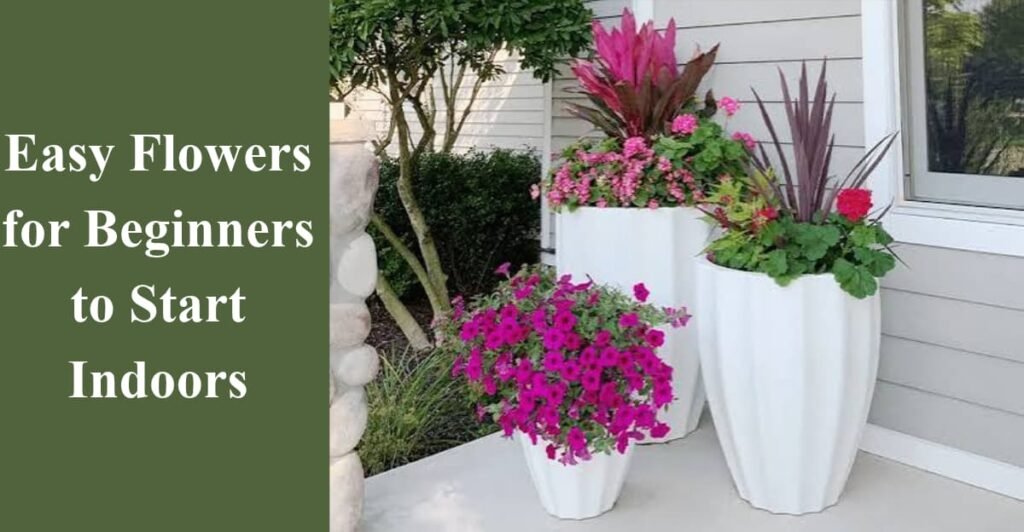
For beginners, seed starting with large seeds such as Marigolds and Sunflowers is simple because they are easy to handle and space in seedling trays. These annuals offer instant gratification with a quick bloom cycle within one growing season.
A self-watering seed starter kit can make watering easier and help prevent common problems caused by over-watering or under-watering. With basic care, beginners can build confidence while learning indoor seed-starting techniques.
In my experience, large-seeded annuals are the easiest choice for beginners starting their first indoor garden.
Step-by-Step Guide to Starting Flower Seeds Indoors
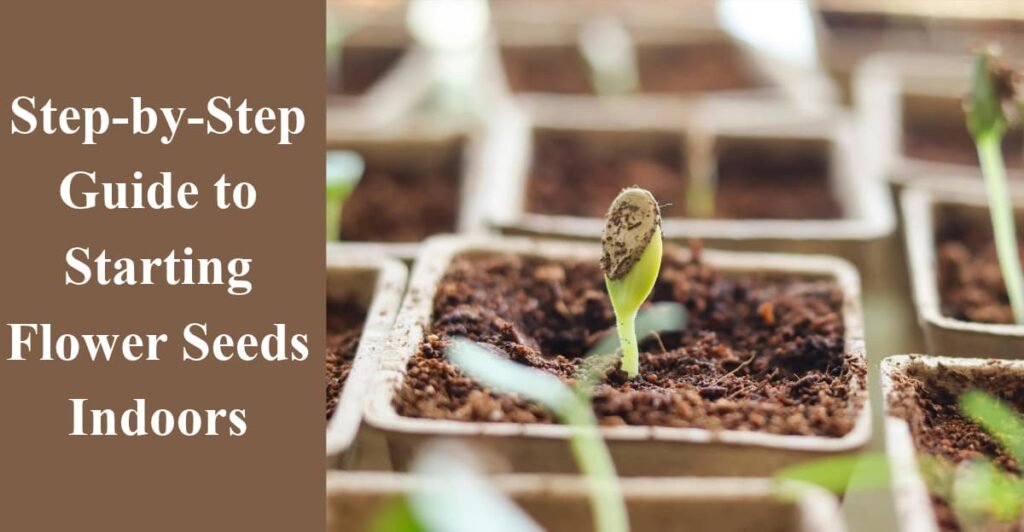
Starting flower seeds indoors becomes much easier when you follow a simple routine from preparation through sowing, early observation, and thinning.
- Preparation: Begin with a seed-starting mix and pre-moisten it until it feels like a wrung-out sponge.
- Sowing: Fill your containers and place the required seeds into individual cells. Cover them with soil according to the seed packet instructions, usually about twice the seed’s thickness.
- Environment: Put the trays on a heat mat and cover them with a humidity dome to create a suitable growing environment.
- Observation: Once green growth or a sprout appears, remove the dome and place the trays beneath grow lights.
- Thinning: If several seeds sprout in one cell, use scissors to snip the smaller ones, leaving only the strongest seedling.
Common Mistakes to Avoid When Starting Seeds Indoors
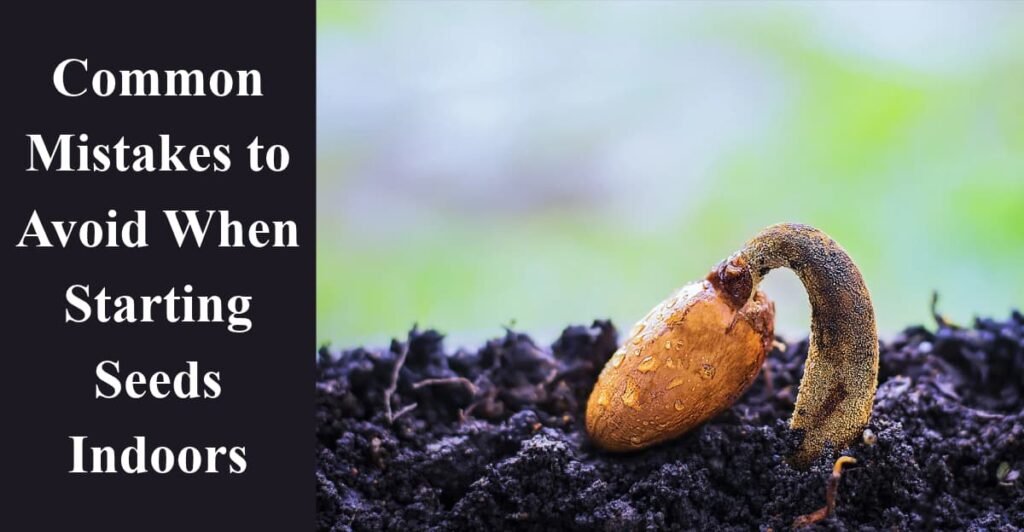
Avoid overwatering, as it can cause damping off, a fungal disease that makes the stem wither near the soil line. Good air circulation from a small fan can help protect young plants from excess moisture.
Insufficient light is another common problem because windowsills may not provide enough light, causing plants to stretch and become weak. Keep grow lights about 2-3 inches above the tops of the seedlings.
In my experience, balanced watering and close grow-light placement make a noticeable difference in seedling strength.
Tips for Strong and Healthy Seedlings
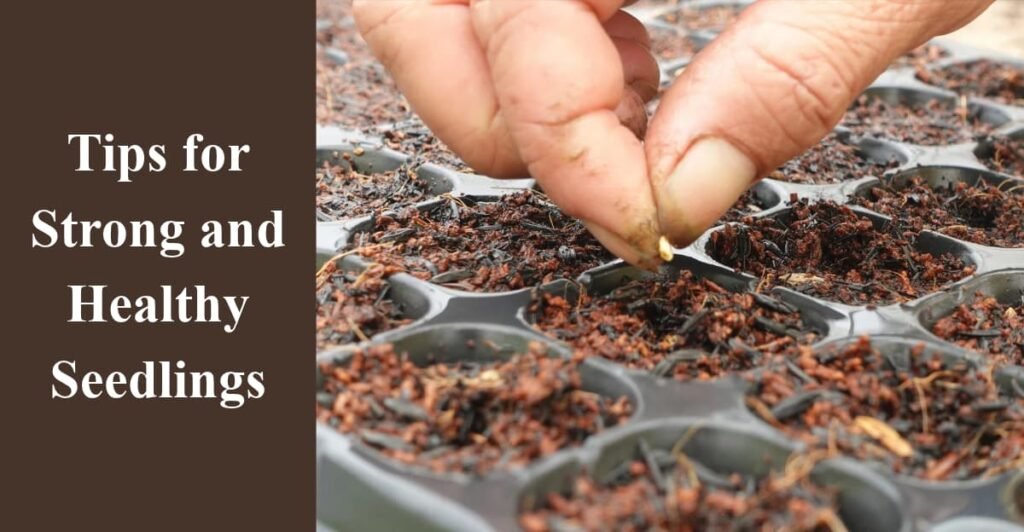
To grow sturdy plants, gradually mimic the outdoor environment by gently brushing seedlings or using a fan to imitate the wind. This encourages the plant to develop a thicker stem and stronger stem.
Keep the nighttime temperature slightly cooler than the daytime temperature to imitate natural diurnal cycles. This simple temperature difference supports better plant health as seedlings mature.
I have found that gentle airflow and cooler nights consistently help produce sturdier indoor seedlings.
Conclusion
Starting flowers from seed indoors is a simple, cost-effective way to enjoy healthier plants and earlier blooms. From marigolds and zinnias to petunias and cosmos, many beginner-friendly flowers grow well indoors. With proper light, moisture, temperature, and care, your seedlings can become strong additions to the garden. Choose your favorite varieties, start your seeds early, and enjoy a colorful garden filled with beautiful blooms.
Frequently Asked Questions
1. What are the easiest flowers to start from seed indoors?
Marigolds, zinnias, cosmos, sunflowers, calendula, alyssum, and petunias are excellent choices for beginners.
2. How early should I start flower seeds indoors?
Most flowers can be started six to eight weeks before the last expected frost, depending on the variety and your local growing conditions.
3. Do flower seeds need grow lights indoors?
Yes, grow lights can provide consistent light and help prevent seedlings from becoming tall, stretched, and weak, especially when natural sunlight is limited.
4. How do I keep indoor flower seedlings healthy?
Provide suitable moisture, good air circulation, adequate light, and proper temperatures. Avoid overwatering and gradually prepare seedlings for outdoor conditions.
Please Write Your Comments