Autumn Flowers: The Ultimate Guide to Beautiful Fall Blooms for Your Garden & Home
Updated: October 5, 2026
8
When summer fades, autumn flowers bring a fresh burst of color, texture, and life to your garden and home. From vibrant chrysanthemums and elegant asters to bold fall blooms, these seasonal favorites keep your outdoor space beautiful through cooler days. Discover the best autumn flowers, their meanings, growing tips, and easy ways to create stunning fall displays. Keep reading to find the perfect blooms for a colorful and welcoming autumn garden.
Table of Contents
What Are Autumn Flowers?
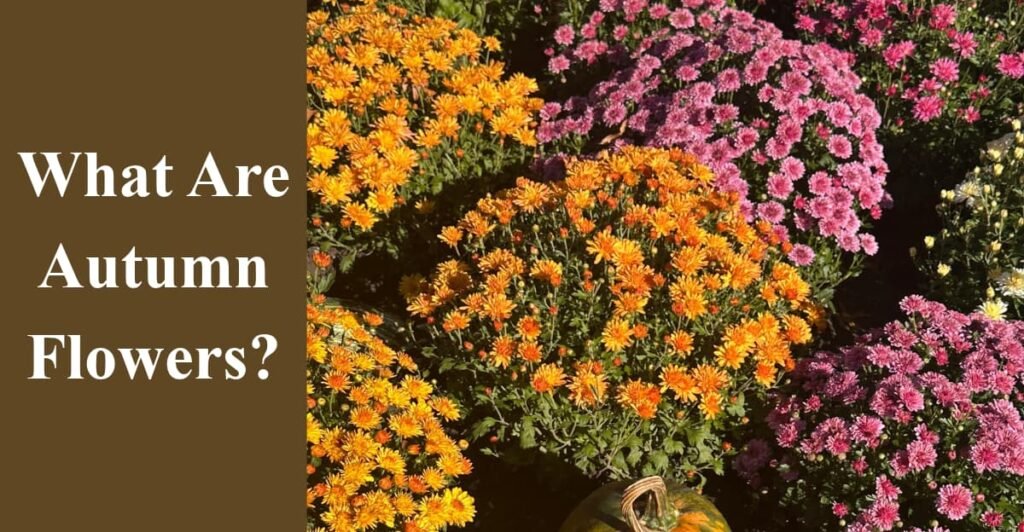
Autumn Flowers are botanical species that reach physiological maturity during the late summer and fall months, when the sun follows a lower arc across the horizon and the crisp air transforms the garden. Unlike spring ephemerals, these resilient plants respond to shorter photoperiods and cooler nighttime temperatures to produce their seasonal bloom beneath the changing canopy.
This diverse flora forms a vital bridge for the local ecosystem, providing nectar and pollen for bees and butterflies when other food sources decline. In 2026, sustainable landscaping and suitable varieties are increasingly popular with homeowners who want to extend their outdoor space through the growing season.
I find autumn flowers especially valuable for keeping a garden colorful and active after summer blooms begin to fade.
Most Popular Autumn Flowers
Choosing the Most Popular Autumn Flowers starts with matching varieties to their bloom time and hardiness. A well-planned garden can use a tiered approach with different heights, textures, and textural contrast to create attractive fall landscapes throughout the season.
Among the most popular fall flora are flowers from the Asteraceae Family, including Mums, Asters, and Sunflowers, which feature daisy-like structures. Succulent Varieties such as Sedum add fleshy foliage and flat flower clusters, while Cool-Season Annuals like Pansies can continue to bloom through light frosts. For dramatic displays, Late-Blooming Tubers such as Dahlias produce complex blooms and large-scale blooms that bring strong visual interest to an autumn garden.
I find that combining Sedum and Pansies with taller Mums and Dahlias creates the best balance of height, texture, and long-lasting fall color.
Chrysanthemums – The Classic Autumn Flower
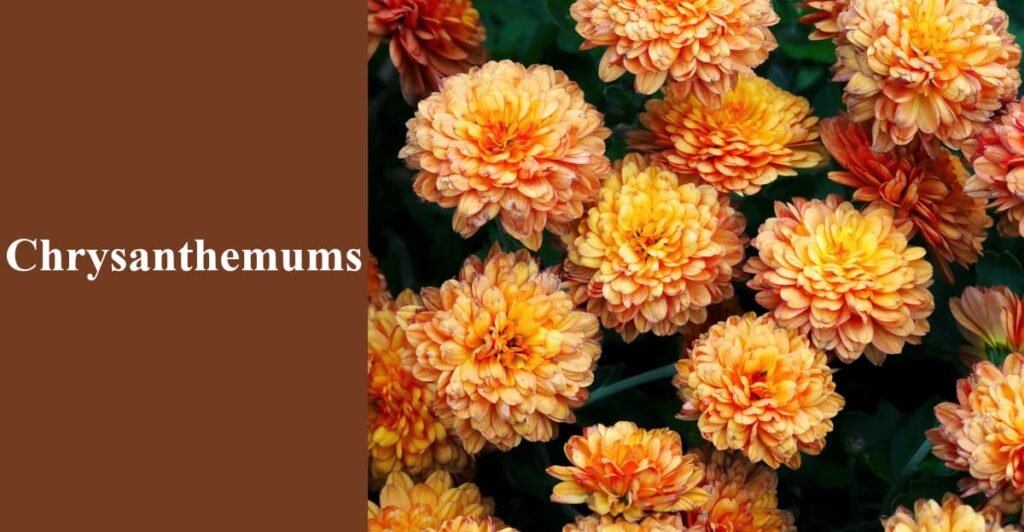
Chrysanthemums, often called Mums, are the classic autumn flower and true royalty of the fall garden, valued for their culturally significant plants, global popularity, and incredible density of blooms. As topical authorities of the autumn season, they offer impressive flower colors, although blue remains uncommon, while their performance is especially strong during mild temperatures.
For lasting bloom longevity, focus on soil health and consistent moisture rather than treating Mums as disposable annuals; many are hardy perennials that can return year after year when suitable plant varieties receive early planting and enough time to develop a strong root system before the first hard freeze.
In my own garden maintenance, I have found that establishing Mums early makes a noticeable difference in their seasonal performance and helps keep their blooms looking fuller for longer. Over time, this simple approach has made Chrysanthemums one of my most dependable seasonal flowers.
Marigolds – Bright and Easy Fall Blooms
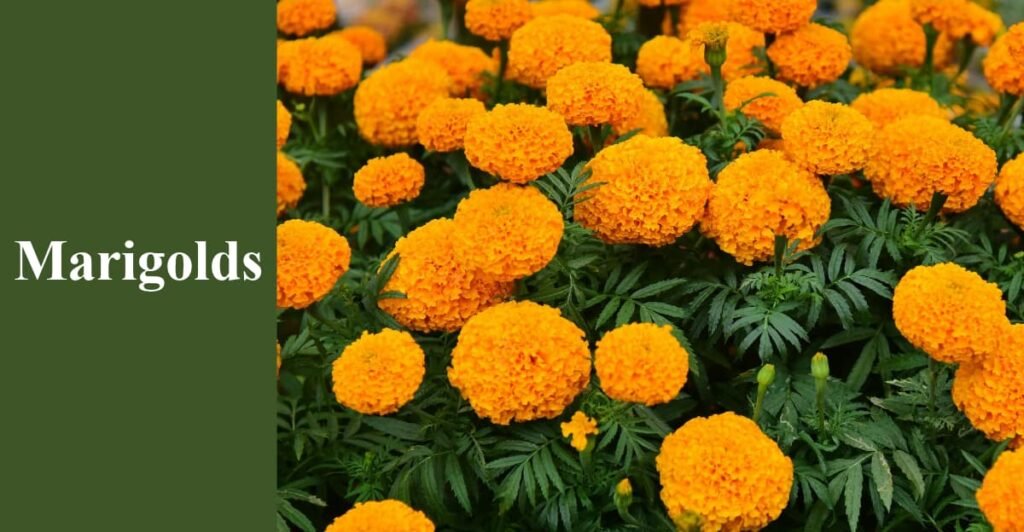
Marigolds, also known as Tagetes, are bright fall blooms and easy fall blooms for any gardener who wants high-impact color with minimal effort. These resilient plants work as a natural pest repellent in garden beds, while their pungent scent, bright petals, and border planting make them useful for adding garden color around the sunny edges of a fall garden.
They can fill gaps left after summer vegetables are harvested, and their simple maintenance makes them especially practical when fluctuating humidity arrives during the twilight months. Marigolds can bloom continuously until a killing frost, making them a cost-effective choice for maintaining a vibrant yard while supporting natural pest control.
From my gardening experience, I find Marigolds particularly useful around vegetable beds because they add strong seasonal color without demanding much attention. I also like using them along borders where their cheerful appearance keeps the garden lively into fall.
Dahlias – Stunning Autumn Garden Favorites
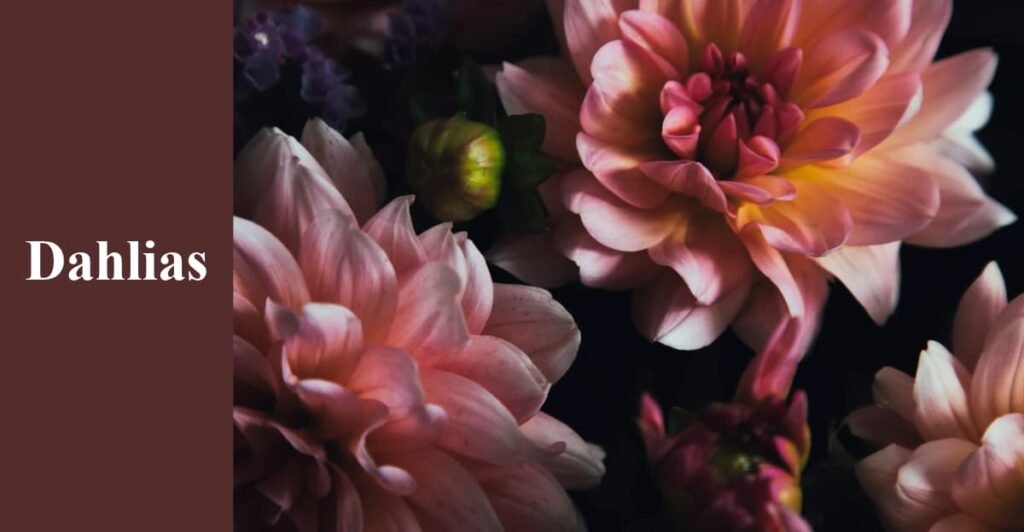
Dahlias are stunning autumn garden favorites and true showstoppers in a late-season garden, growing from tubers that produce intricate geometric patterns inspired by nature. From pompon varieties to dinner plate Dahlias, their dramatic forms create exceptional visual impact, especially when their heavy flower heads rise above surrounding plants.
Growing them successfully requires attention to moisture and support, while staking helps protect their stems from snapping during strong autumn windstorms. Despite this extra care, they can provide a constant supply of cut flowers for an indoor space, adding beauty throughout the seasonal transition and keeping the garden display full of late-season blooms.
In my experience, giving Dahlias firm support early makes a major difference once the flowers become heavy. I especially enjoy cutting a few blooms for indoor arrangements while leaving others outside to maintain the garden’s dramatic fall character.
Asters – Colorful Late-Season Flowers
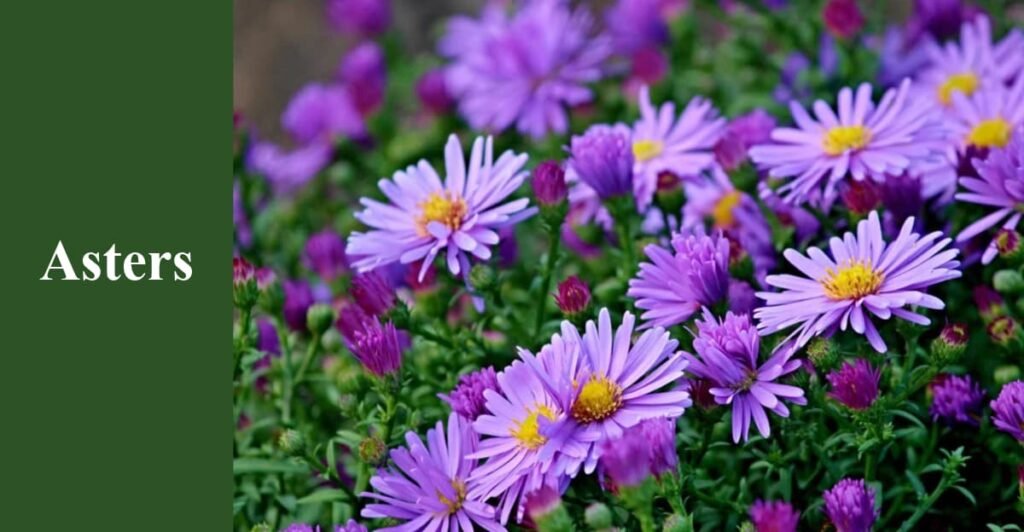
Asters are colorful late-season flowers and important ecological heroes of the October garden, producing star-shaped flowers in shades of blue, purple, and pink that enrich the fall palette. Their abundant nectar makes them valuable to pollinators preparing for winter or seasonal migration, making them an excellent choice for a pollinator garden.
When planting, consider flower height, as tall varieties may benefit from the Chelsea Chop to encourage bushy growth and a stronger form. Asters also combine beautifully with ornamental grasses, creating a wild look and naturalistic look that fits modern garden designs in 2026, while extending color through the late-season blooms.
From my own gardening experience, Asters are among the easiest ways to add both color and wildlife value to an autumn border. I particularly like pairing them with grasses because the combination feels natural while giving the garden movement and structure.
Sunflowers – Bold Autumn Garden Statement
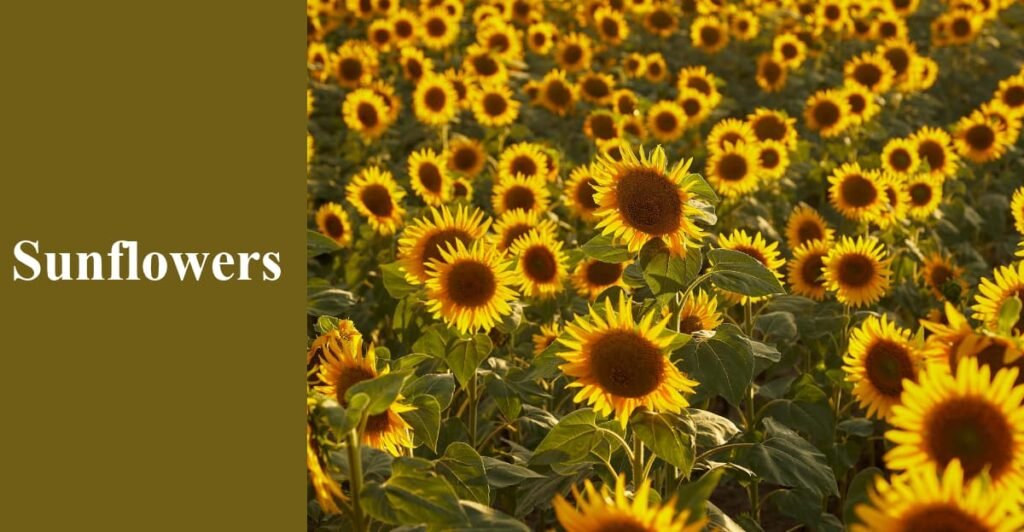
Sunflowers can create a bold autumn garden statement even though they are often associated with mid-summer, because many late-season varieties are bred varieties that reach their peak bloom later in the year. These bold statements add height and structural integrity to a garden bed, combining beauty with practical value as a feast for local birds and other wildlife.
After the flowers finish blooming, leaving the seed heads intact can support local wildlife, while standing stalks can remain through winter as a perch for songbirds. This keeps your outdoor space active even when petals have become fallen petals, adding garden structure to a fall garden and making Sunflowers a useful part of a bird-friendly garden.
From my gardening experience, I prefer leaving several mature seed heads standing instead of removing every spent flower. They add winter interest and bring noticeable bird activity to the garden.
Zinnias – Long-Lasting Autumn Flowers
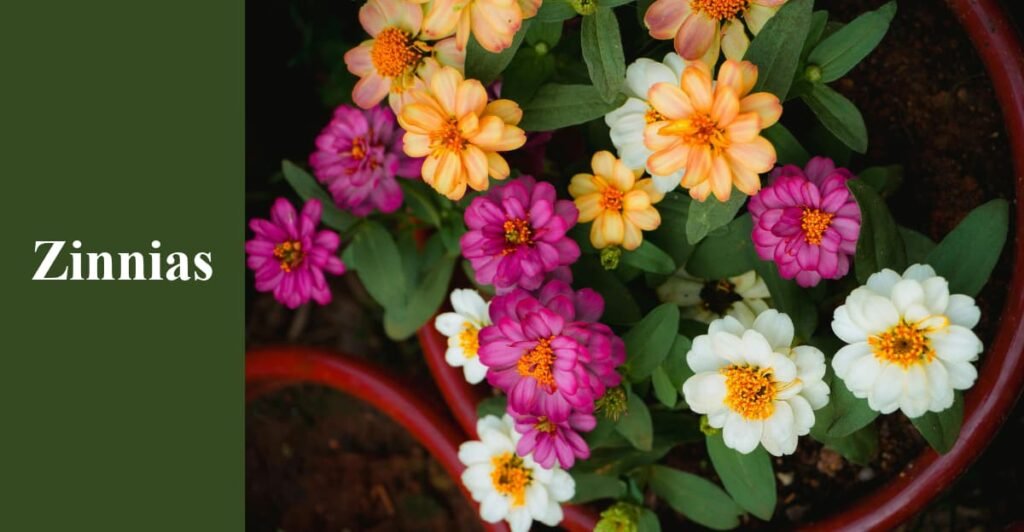
Zinnias are long-lasting autumn flowers with a cut-and-come-again habit, meaning regular harvest for bouquets encourages more bloom and makes them ideal for a cutting garden. During autumn, their colors become especially attractive, with shades such as lime green, deep red, and burnt orange creating a rich seasonal display. These drought-tolerant garden flowers can tolerate cooler weather, although protection from early frosts helps preserve their blooming window. Applying mulch around the plants helps stabilize soil temperature and maintain stable soil, which can support extended blooming and provide more flowers for the next flower harvest.
In my experience, frequent cutting keeps Zinnias productive for much longer than expected. I usually harvest them early in the morning, when the stems are firm and the flowers are at their best for bouquets.
Cosmos – Light and Beautiful Fall Blooms
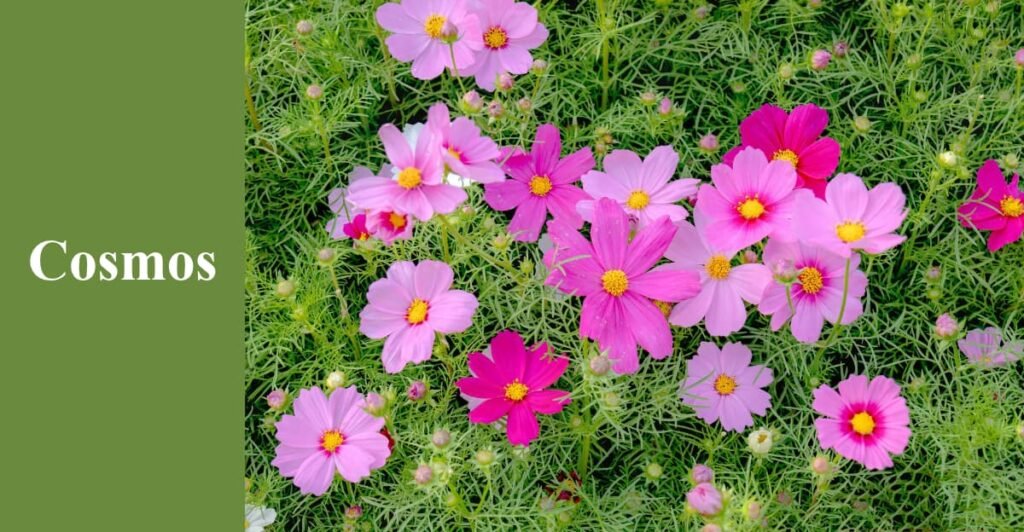
Cosmos bring light fall blooms and beautiful fall blooms to the garden through their natural airiness, feathery foliage, and delicate flowers with cup-shaped flowers that sway gently in an autumn breeze. As a versatile filler plant, Cosmos add movement to the landscape, and in 2026, many gardeners are using them for meadow-style patches that need minimal intervention.
Their prolific self-seeders can naturally return when flowers are allowed to dry, supporting the following growing season and creating a sustainable garden that keeps evolving through self-seeding. Leaving dry flowers on selected plants also encourages this natural cycle while adding garden movement and creating an evolving garden with little effort.
I have found Cosmos especially rewarding in informal borders because they fill open spaces without making the garden look overly planned. Their gentle movement gives a relaxed, natural feel that works beautifully in late-season landscapes.
Pansies – Cool-Weather Autumn Flowers
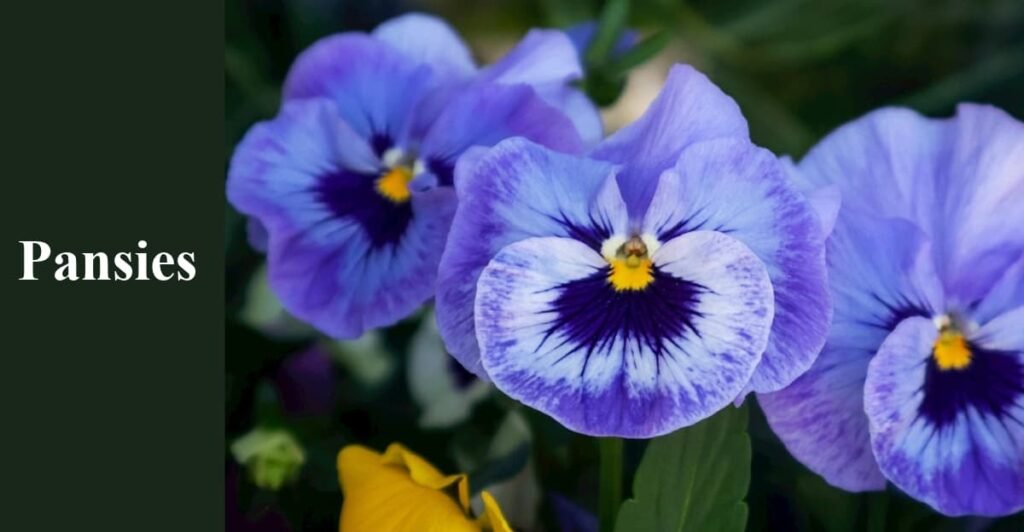
Pansies are cool-weather autumn flowers that actually welcome the cold, continuing to provide color when other flowers are fading. Their distinctive tri-color patterns and expressive faces can brighten even a grey November day, while their cold tolerance makes them dependable for extending fall color.
They work particularly well in porch containers and window boxes, where their cheerful blooms can be enjoyed up close, and after a light freeze, they often bounce back once sunlight returns; the frozen flowers may droop, but can perk back up as temperatures rise. These autumn containers are a simple way to maintain seasonal interest when the garden begins to slow down.
In my experience, Pansies are one of the most reliable choices for containers during cool weather. I have seen them recover surprisingly well after light freezes, making them excellent for keeping porches colorful late into the season.
Sedum – Low-Maintenance Fall Flower
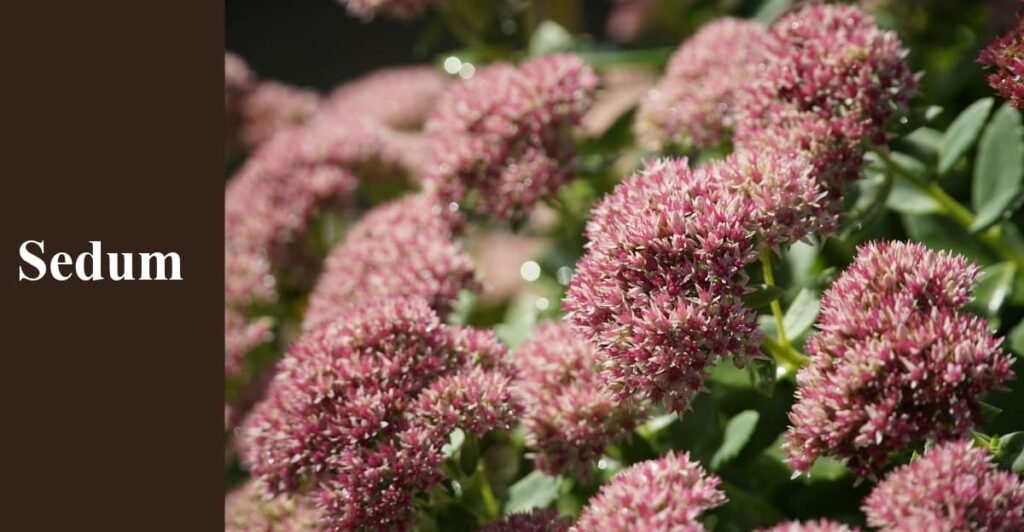
Sedum, especially Stonecrop varieties, are dependable low-maintenance plants that bring structure and color to an autumn garden. Their succulent leaves provide natural water storage, allowing these hardy plants to perform well in poor soil conditions while offering strong drought tolerance and water retention.
As autumn progresses, their flower heads undergo a gradual color change, moving from light green toward dusty rose and creating attractive fall flower color. Sedum also provides excellent textural contrast beside finer-leaved plants such as Asters and Grasses, adding depth without demanding frequent deadheading or pruning throughout the season.
From my gardening experience, Sedum is one of the easiest plants to rely on when a garden needs dependable fall texture with little attention. I particularly like its changing flower color because it keeps the planting interesting well after summer blooms have faded.
Japanese Anemones – Elegant Autumn Garden Flowers
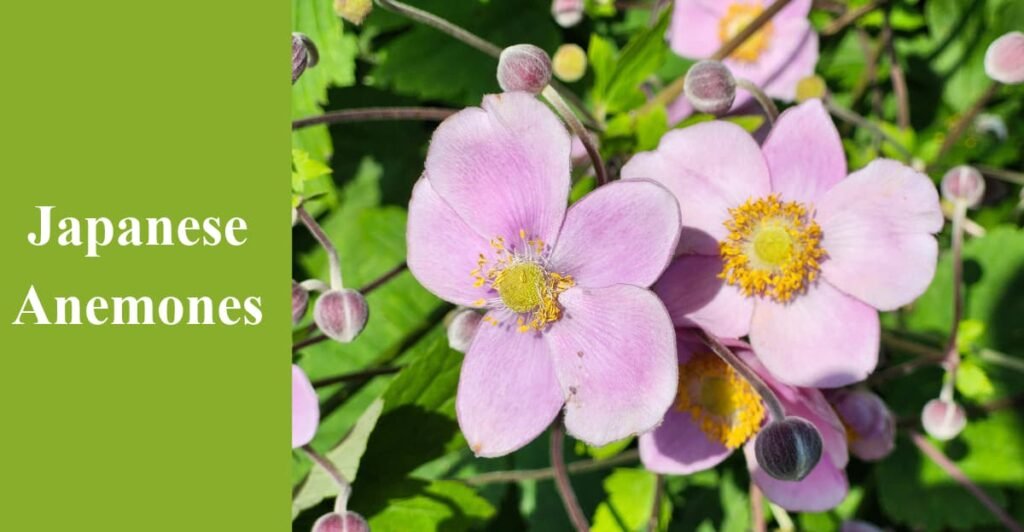
Japanese Anemones are elegant autumn garden flowers valued for their understated elegance and graceful presence among other fall flowers. Their tall stems and wiry stems carry simple blooms and bowl-shaped blooms that stand beautifully in shade or partial sun, bringing a sense of grace to the garden during the twilight of the season.
Although they are slow to establish, they become long-lived perennials that can gradually form a beautiful colony, especially beneath the canopy of trees where dappled autumn light creates a soft woodland setting. Their preference for filtered autumn light makes them particularly effective in a woodland garden, where natural perennial spread can create a relaxed and established appearance over time.
In my experience, Japanese Anemones reward patience because they look more impressive as they settle into their surroundings. I like placing them beneath trees where their delicate flowers catch the changing light and create a calm autumn atmosphere.
Comparison of Maintenance and Bloom Duration
- Chrysanthemum: Moderate maintenance, high water requirement, blooms from September to November, best for containers and borders.
- Marigold: Low maintenance, moderate water requirement, blooms from July to October, ideal for pest control and edges.
- Dahlia: High maintenance, high water requirement, blooms from August to November, excellent for cutting gardens.
- Sedum: Very low maintenance, low water requirement, blooms from August to October, well suited to rock gardens.
- Pansy: Low maintenance, moderate water requirement, blooms from October to December, perfect for window boxes.
A successful autumn garden combines high-impact show plants such as Dahlias with workhorse plants like Sedum. This garden balance helps maintain a vibrant garden without constant labor while matching garden maintenance with specific planting needs. Comparing bloom performance, maintenance level, water requirement, and bloom period makes it easier to choose the right flower name and best use for each planting area.
Conclusion
Autumn flowers bring lasting color, texture, and wildlife value to your garden as summer fades and cooler days arrive. From Chrysanthemums, Asters, and Dahlias to Pansies, Sedum, and Zinnias, there are beautiful fall blooms for every garden style and maintenance level. Choose the right autumn flowers for your space and enjoy a vibrant, welcoming garden well into the cooler season.
Frequently Asked Questions
1. What are the best autumn flowers for a garden?
Chrysanthemums, Asters, Dahlias, Marigolds, Sunflowers, Zinnias, Pansies, Sedum, Cosmos, and Japanese Anemones are excellent choices for an autumn garden.
2. Which autumn flowers are low-maintenance?
Sedum, Marigolds, Pansies, and Cosmos are among the easier autumn flowers to grow, requiring relatively little maintenance once established.
3. What flowers bloom in autumn?
Chrysanthemums, Asters, Dahlias, Zinnias, Marigolds, Pansies, Sedum, Cosmos, and Japanese Anemones can provide attractive blooms during the fall season.
4. How can I keep my autumn garden colorful longer?
Combine flowers with different bloom periods, use mulch to support soil moisture, choose hardy varieties, and protect sensitive plants from early frosts.
Please Write Your Comments