Summer Flowers: The Ultimate Guide to the Best Blooms for a Bright and Colorful Season
Updated: October 4, 2026
11
Summer brings the perfect chance to fill your garden with vibrant colors, fresh fragrance, and beautiful blooms. Discover the best Summer Flowers that thrive in heat, direct sunlight, and warm-weather conditions. From hardy annuals to colorful perennials, find easy choices for a stunning summer garden. Keep reading for expert tips, popular varieties, and simple care ideas to make your garden bloom beautifully.
Table of Contents
Why Summer Flowers Are Perfect for Your Garden
Summer-blooming plants bring lasting color to a residential landscape after spring ephemerals fade, bridging the early thaw and autumn harvest with lush foliage and bright petals. They also act as natural temperature regulators, helping lower ambient temperature around your outdoor living area through transpiration.
Bright yellows, deep purples, and fiery reds create a rich sensory experience and strengthen the biophilic connection between humans and nature, making a vibrant space during the hottest months. For a modern homeowner, this can support mental well-being while adding to property value.
I’ve found that summer flowers quickly make an outdoor space feel cooler, livelier, and more welcoming.
Benefits of Growing Summer Flowers
A seasonal garden is more than a hobby; it supports the local environment through Integrated Pest Management (IPM), where summer-blooming species attract beneficial insects that control common garden pests and reduce reliance on synthetic chemicals. This also strengthens biodiversity support by providing a consistent nectar source for bees, butterflies, and hummingbirds.
Summer annuals improve soil health through fast-growing root systems that reduce soil erosion and improve tilth, while carbon sequestration removes CO2 from the atmosphere during peak sun intensity. For visual cooling, cool-toned flowers such as blue Salvia can make a hot patio feel fresher and more inviting.
In my garden, I’ve noticed that summer flowers bring more pollinators while helping the planting area feel naturally cooler.
Most Popular Summer Flowers to Grow
Popular summer flowers combine traditional beauty, modern resilience, heat tolerance, and attractive garden design for a colorful summer garden.
Sunflowers (Helianthus)
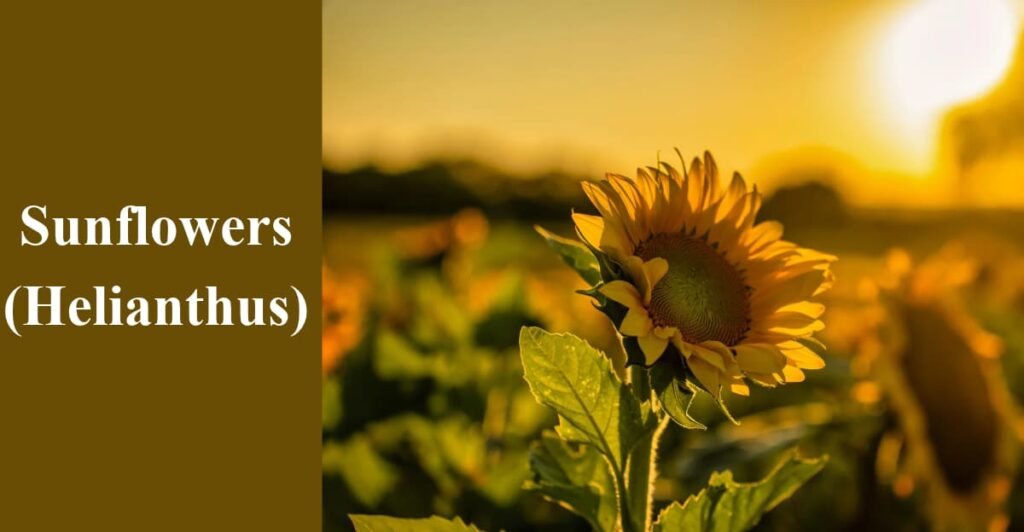
Sunflowers, or Helianthus, are iconic giants for a sun-drenched garden. Branching Varieties produce multiple blooms on a single stalk, while deep-rooted growth improves drought tolerance and access to water below the soil surface.
Roses (Rosa)
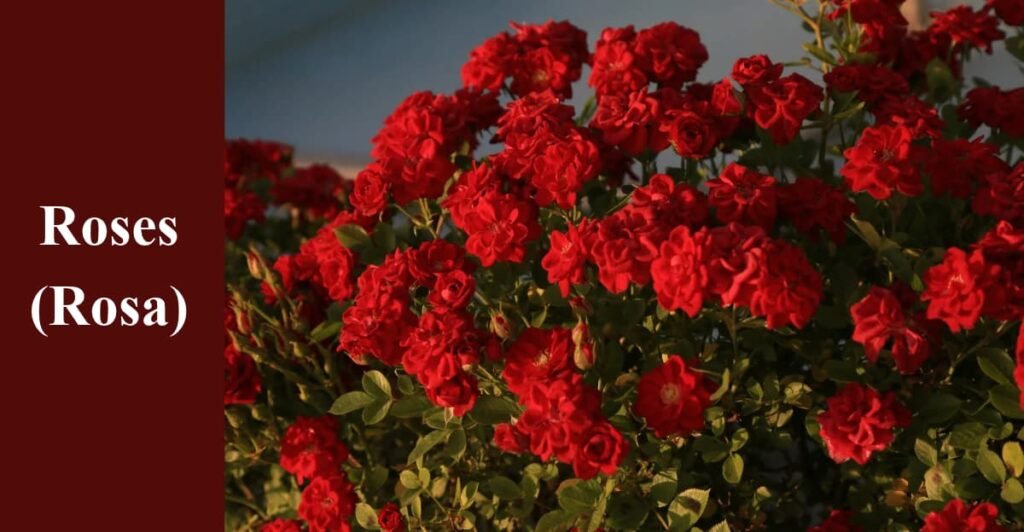
Roses, or Rosa, can bloom beyond spring with modern Repeat-Blooming roses that provide a summer flush. Own-Root roses are often valued for being winter-hardy, heat-resistant, and capable of continuous blooming over the long term.
Marigolds (Tagetes)
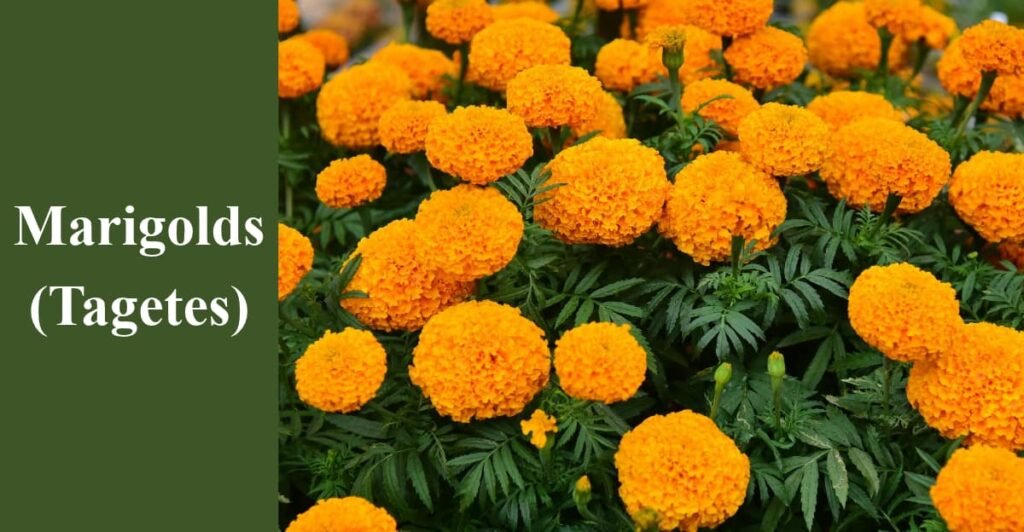
Marigolds, or Tagetes, have a pungent scent that works as a natural deterrent against nematodes and beetles. Known as Guardian Plants, they support pest control, companion planting, and ecosystem balance around tomatoes, the vegetable patch, and other garden pests.
Petunias (Petunia × atkinsiana)
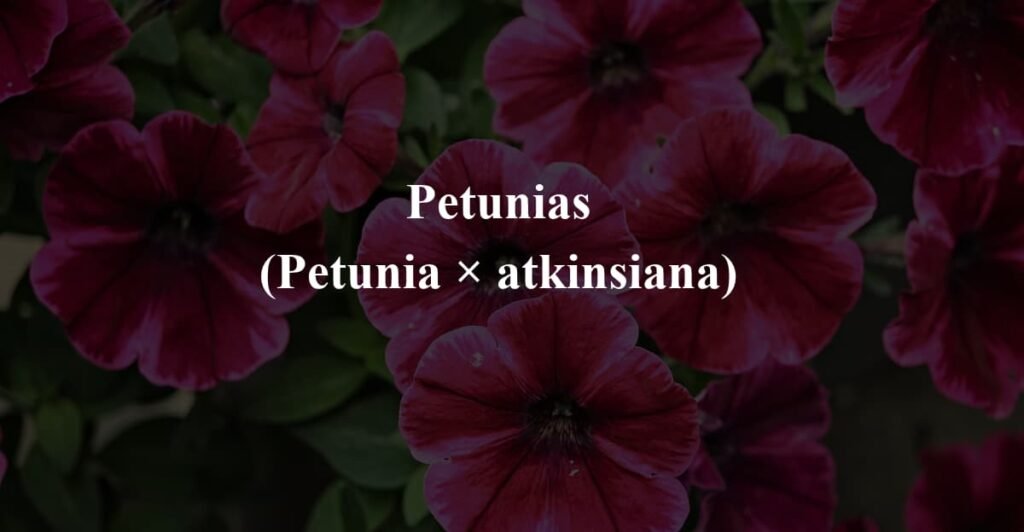
Petunias, or Petunia × atkinsiana, are popular hanging basket flowers and excellent choices for container gardening. The newest 2026 Self-Cleaning cultivars reduce the need for deadheading and manual pruning, producing continuous waves of color and continuous blooms.
Zinnias (Zinnia elegans)
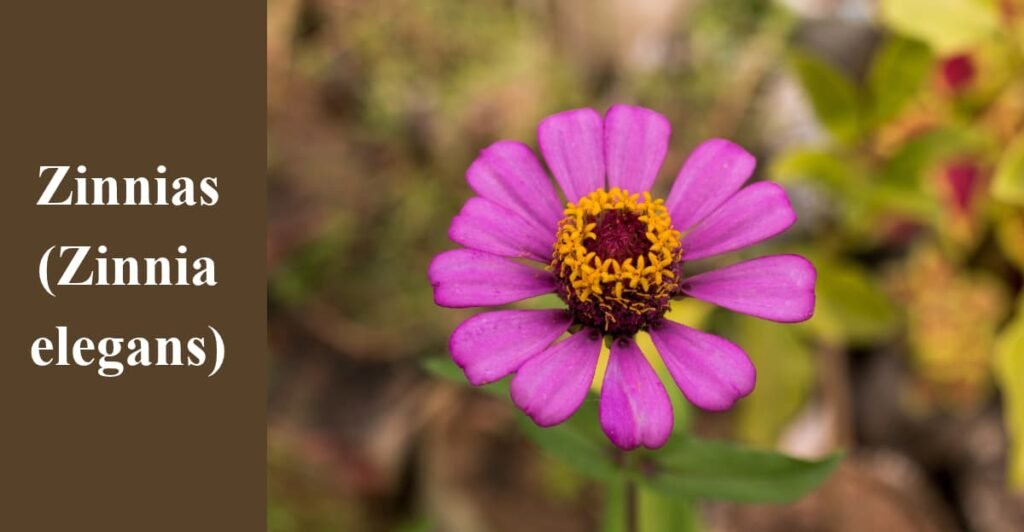
Zinnias, or Zinnia elegans, are a beginner-friendly flower and one of the easiest summer flowers to grow. Their Direct Sow method lets you plant seeds directly into the ground after frost, with easy-growing flowers often reaching bloom in about 60 days.
Lavender (Lavandula)
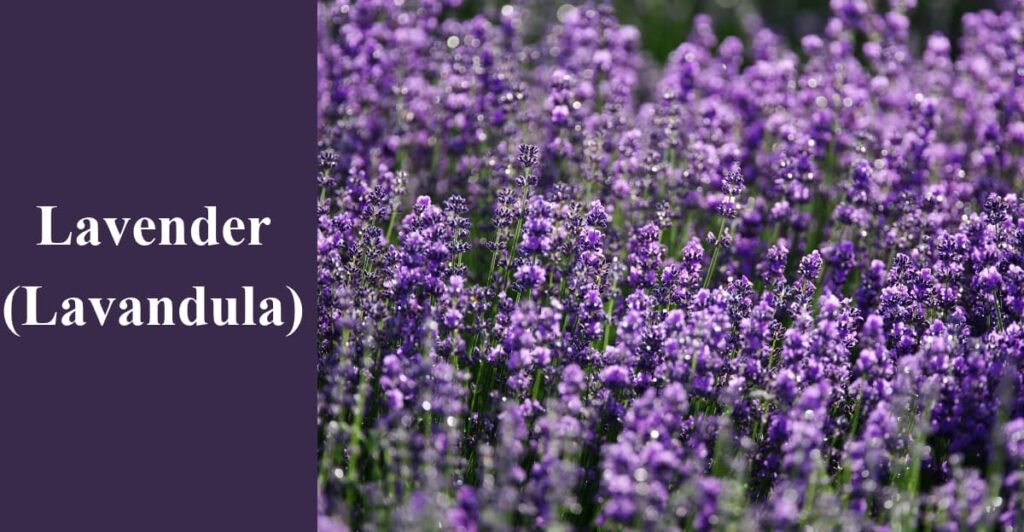
Lavender, or Lavandula, combines visual beauty with Aromatherapy, offering soothing fragrance throughout the garden. It prefers well-drained soil, handles Mediterranean heat and summer heat well, and provides excellent drought tolerance across suitable regions.
Cosmos (Cosmos bipinnatus)
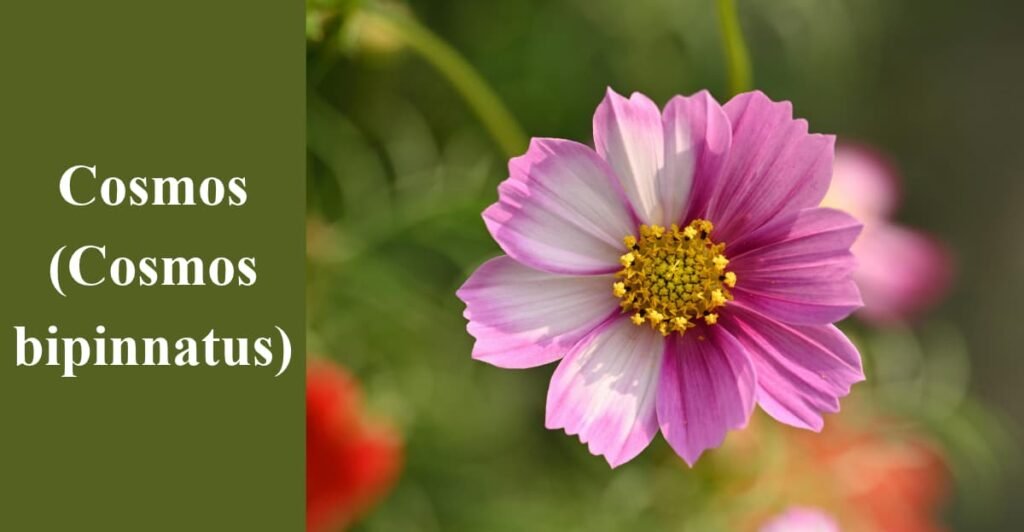
Cosmos, or Cosmos bipinnatus, brings delicate charm with feathery foliage and daisy-like blooms that create a natural Wildflower look along any border. These prolific re-seeders can return to the garden next year through natural reseeding, making them reliable summer blooms.
Dahlias (Dahlia pinnata)
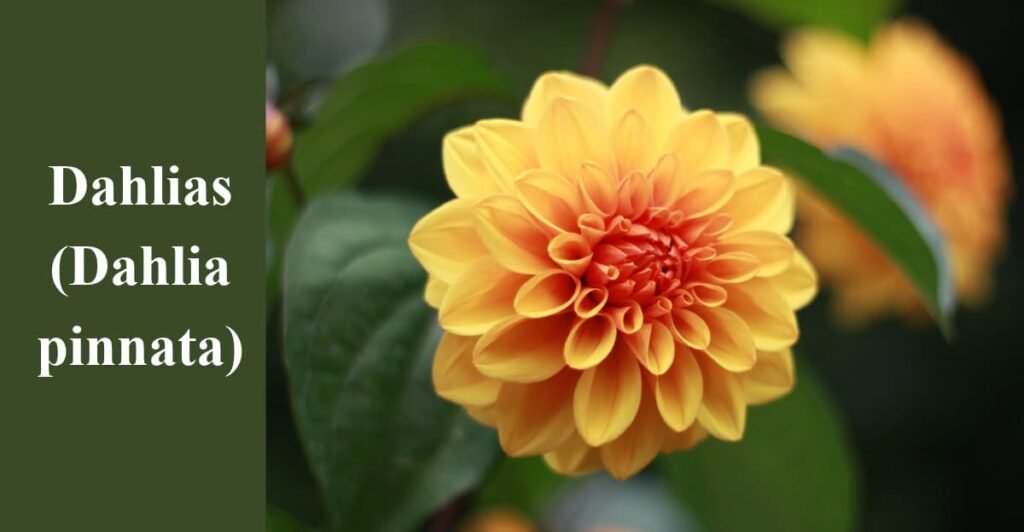
Dahlias, or Dahlia pinnata, stand out for their intricate geometric patterns and impressive presence in the floral world. In 2026, Dinnerplate varieties remain popular for their massive size, with large blooms reaching around 10 inches in diameter.
Hibiscus (Hibiscus rosa-sinensis)
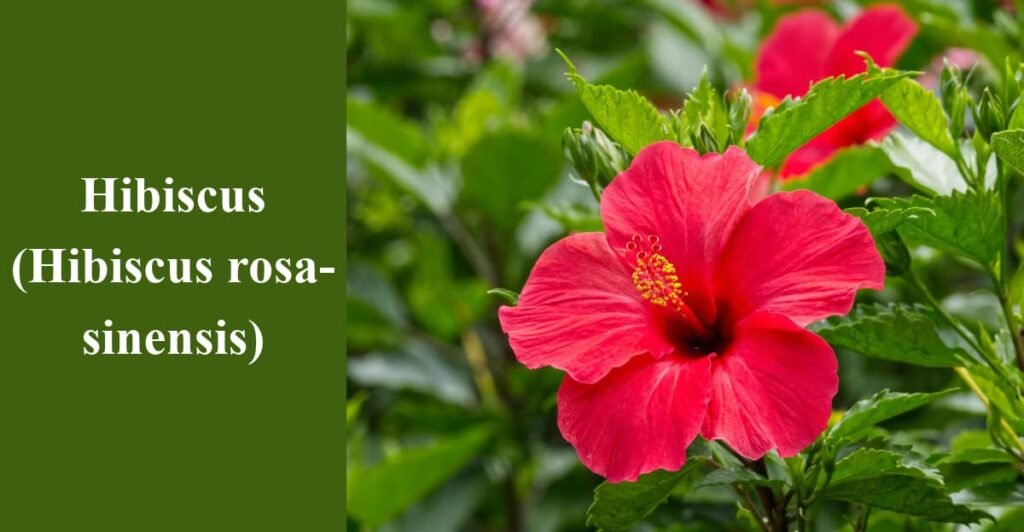
Hibiscus, or Hibiscus rosa-sinensis, adds a Tropical vibe with large flowers and striking trumpet-shaped flowers. These blooms attract hummingbirds like magnets while creating a bold architectural element in the landscape and tropical garden.
Geraniums (Pelargonium)
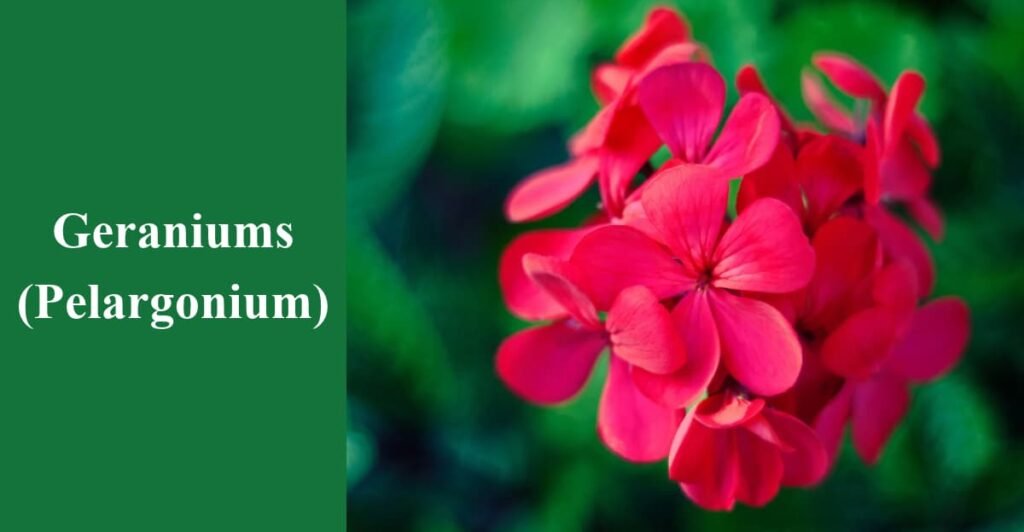
Geraniums, or Pelargonium, are excellent summer container plants for window boxes because their succulent stems store water. Their thick stems, drought tolerance, and reduced watering needs make these resilient flowers an easy choice for summer displays.
Easy-to-Grow Summer Flowers for Beginners
For gardening in 2026, a high Success-Rate comes from choosing plants that are forgiving of common mistakes, such as Nasturtiums and Sunflowers with large seeds that are easy to handle. These Vigorous Growers develop rapidly, compete with weeds, and provide instant gratification, while Native Species are naturally adapted to the local climate, soil types, and weather patterns, requiring less intervention than exotic imports after thousands of years of adaptation.
Best Summer Flowers for Full Sun
Full Sun means six to eight hours of direct sunlight and unfiltered sunlight, which can be intense in a high-UV environment. Blanket Flowers (Gaillardia) and Coreopsis are suited to these conditions, with Pubescent leaves featuring a fuzzy coating and Glaucous foliage with a waxy coating that helps reduce excess light and moisture loss. For balanced color choice, combine light-colored flowers, white flowers, pale yellow, and silver foliage with dark purples and reds to manage heat absorption and create a pleasing Thermal Profile across the garden bed.
Heat-Tolerant Summer Flowers That Thrive in Hot Weather
Strong heat tolerance helps flowers maintain cellular integrity when temperatures rise above 90°F and exposure to sun becomes intense. Lantana, Portulaca, and Moss Rose are reliable choices for hot weather, while Portulaca is a CAM Plant using Crassulacean Acid Metabolism, keeping its pores closed during the day for water conservation and “breathing” at night. These Heat-Resistant Cultivars maintain a lush appearance and drought tolerance, helping prevent a Charred garden during mid-July and severe summer heat domes.
Low-Maintenance Summer Flowers
In 2026, Passive Gardening focuses on plants that need little staking, pruning, or spraying. Sedum (Autumn Joy) and Russian Sage (Perovskia) are hardy choices that become especially easy-care once they are established plants, with some being Drought-Deciduous and needing only a cut-back at the end of season. Coneflowers require little supplemental water, while Black-Eyed Susans offer strong disease resistance against common garden diseases. Daylilies, often called the Perfect Perennial, are another dependable perennial choice for a low-maintenance summer garden.
Colorful Summer Flower Combinations for Gardens
Using Color Theory in 2026 garden design helps create different moods by pairing colors strategically:
- Complementary: Use opposites on the color wheel, such as purple Salvia with orange Marigolds, for a high-energy, vibrant look.
- Monochromatic: Combine different shades of the same color, such as light pink Cosmos and deep magenta Zinnias, for a sophisticated, calming effect.
- Analogous: Pair adjacent colors, such as yellow Sunflowers and orange Dahlias, to create a warm sunset glow and attractive flower combinations for colorful gardens.
When to Plant Summer Flowers
The right timing for When to Plant Summer Flowers depends more on Soil Temperature than the calendar date, especially in 2026. Wait until the soil reaches around 65°F before transplanting heat-loving annuals, as planting in cold soil or damp soil can cause Root Rot, stunted growth, and poor plant recovery.
- Succession Planting: Sow Zinnia seeds and Sunflower seeds every three weeks to maintain a fresh batch of flowers.
- Wave of Blooms: When the first group begins to tire, new plants take their place, extending the garden peak into late summer with continuous blooms.
How to Care for Summer Flowers
Proper plant care and garden maintenance help your summer flowers move from simple survival to thriving growth. Follow these practical steps for stronger blooms and healthier plants:
- Watering: Use Deep, Infrequent Watering to encourage roots and downward growth. Avoid Light Sprinkling, which creates surface moisture, shallow roots, and weak root systems. Deep watering supports root development, better water management, and effective summer irrigation.
- Sunlight Requirements: Monitor Sunlight Requirements and Shadow Patterns as the sun angle changes in 2026. A full sun area in May may experience tree shade by July, so adjust containers according to light, sunlight exposure, and changing shaded area conditions through container gardening and moving containers when needed.
- Soil Preparation: Add Mycorrhizal Inoculants to the soil to support beneficial fungi and their symbiotic relationship with plant roots. This can increase root surface area, improve water absorption in dry soil, encourage root growth, and strengthen soil health and moisture access.
- Fertilizing Summer Flowers: Avoid excessive high-nitrogen fertilizers during the peak of summer and choose Bloom Boosters containing Phosphorus and Potassium. These nutrients support flower production and flowering rather than excessive green leaves, making summer fertilization more effective.
I’ve found that deep watering, balanced feeding, and adjusting containers to changing sunlight make summer flower care much easier.
Common Problems With Summer Flowers and Solutions
In 2026, common Summer Flowers problems include Powdery Mildew and Heat Scorch. Powdery Mildew appears as white dusting on leaves, while improving Air Circulation and avoiding overhead watering can help manage it. Heat Scorch causes brown edges and crispy edges when water movement cannot reach the plant’s extremities. Providing Temporary Shade during the hottest part of the afternoon can reduce heat stress, leaf damage, and support overall plant health.
I’ve found that better airflow and afternoon shade can quickly improve stressed summer plants.
Indoor Summer Flowers for Bright Home Decor
Indoor Summer Flowers can bring summer beauty into bright home decor through Indoor-Outdoor Living. Phalaenopsis Orchids and Peace Lilies prefer bright light and indirect light, making them suitable for summer sunrooms. As Natural Air Purifiers, these indoor plants can support air purification by removing VOCs (Volatile Organic Compounds) from homes during the warmer months, particularly when air conditioning is running.
I’ve had great results using Peace Lilies indoors because they add freshness while making the home environment feel more inviting.
Conclusion
Summer flowers can transform any garden into a colorful, vibrant space throughout the warm season. From Sunflowers, Zinnias, Roses, and Marigolds to heat-tolerant and low-maintenance blooms, there are choices for every garden. With proper watering, sunlight, soil preparation, and fertilizing, your flowers can stay healthy and produce beautiful blooms. Choose the right varieties, follow these care tips, and create a stunning summer garden that attracts pollinators and brightens your outdoor space.
Frequently Asked Questions
1. What are the best summer flowers to grow?
Sunflowers, Zinnias, Marigolds, Petunias, Roses, Lavender, Cosmos, Dahlias, Hibiscus, and Geraniums are popular summer flowers that offer colorful and attractive blooms.
2. Which summer flowers tolerate extreme heat?
Lantana, Portulaca, Moss Rose, Zinnias, Sunflowers, and Blanket Flowers are excellent choices for hot weather because they can tolerate strong sunlight and heat.
3. How often should summer flowers be watered?
Most summer flowers benefit from deep, infrequent watering rather than light sprinkling. Water deeply when the soil begins to dry, while adjusting frequency according to temperature and rainfall.
4. When should I plant summer flowers?
Plant summer flowers when the soil temperature reaches around 65°F and the danger of frost has passed. This helps heat-loving annuals establish strong roots and healthy growth.
1. What are the best summer flowers to grow?
Sunflowers, Zinnias, Marigolds, Petunias, Roses, Lavender, Cosmos, Dahlias, Hibiscus, and Geraniums are popular summer flowers that offer colorful and attractive blooms.
2. Which summer flowers tolerate extreme heat?
Lantana, Portulaca, Moss Rose, Zinnias, Sunflowers, and Blanket Flowers are excellent choices for hot weather because they can tolerate strong sunlight and heat.
3. How often should summer flowers be watered?
Most summer flowers benefit from deep, infrequent watering rather than light sprinkling. Water deeply when the soil begins to dry, while adjusting frequency according to temperature and rainfall.
4. When should I plant summer flowers?
Plant summer flowers when the soil temperature reaches around 65°F and the danger of frost has passed. This helps heat-loving annuals establish strong roots and healthy growth.
Please Write Your Comments