Flowers That Start With CH: 25 Charming & Colorful Blooms for Your Garden
Updated: September 17, 2026
16
Discover the beauty of Flowers That Start With CH, from the iconic Chrysanthemum and Cherry Blossom to charming Chicory and Christmas Cactus. Explore 25 charming and colorful blooms featuring vibrant petals, unique shapes, striking hues, and garden-friendly varieties perfect for every garden landscape. Keep reading to find beautiful CH flowers, learn their growing appeal, and choose the perfect blooms to transform your outdoor space into a floral paradise.
Table of Contents
List of Flowers That Start With CH
This category features perennial plants, annual blooms, and flowering shrubs, each offering a distinct botanical profile and unique garden appeal. Together, these flowers, plants, and blooms create a varied mix that supports a healthy ecosystem while highlighting the important role of each botanical type.
Chrysanthemum
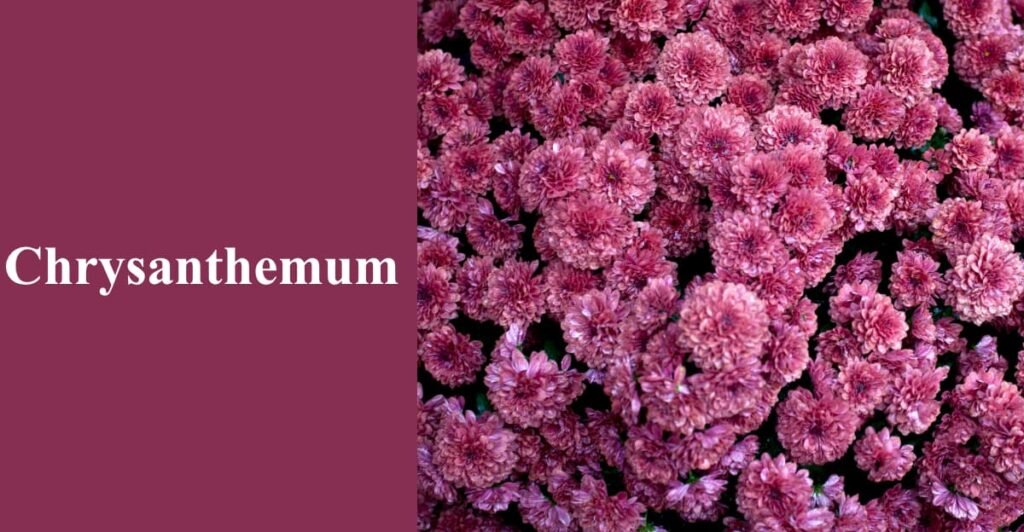
Chrysanthemum, often called mums, is an iconic member of the Asteraceae family, valued for its hardy flowers and ability to add a bright burst of color as summer blooms begin to fade. This popular flower brings lasting color and beauty to gardens, making it a standout member of any flower list.
I find Chrysanthemum especially rewarding because its vibrant blooms keep the garden lively when many summer flowers start to fade.
Types of Chrysanthemum Flowers
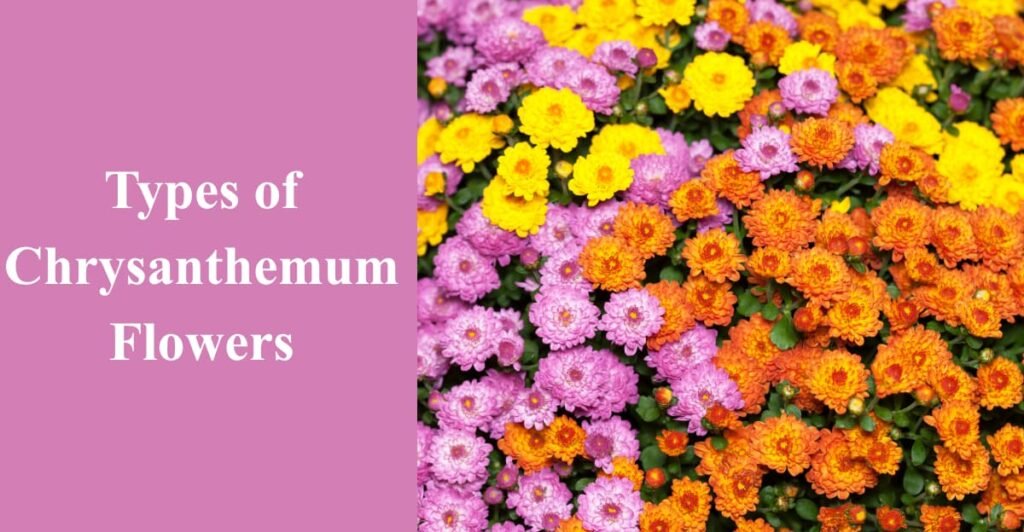
Chrysanthemums come in diverse flower forms, including decorative mum, spider mum, and pompon mum, with cultivars offering vibrant hues such as deep burgundy, bright yellow, and soft lavender. Their layered petals, center disk, long tube-like petals, and globular flower heads create distinctive blooms in many forms, colors, and styles.
I especially enjoy combining different mum cultivars because their varied flower heads and hues create excellent visual texture in a garden.
Growing Tips and Care Guide
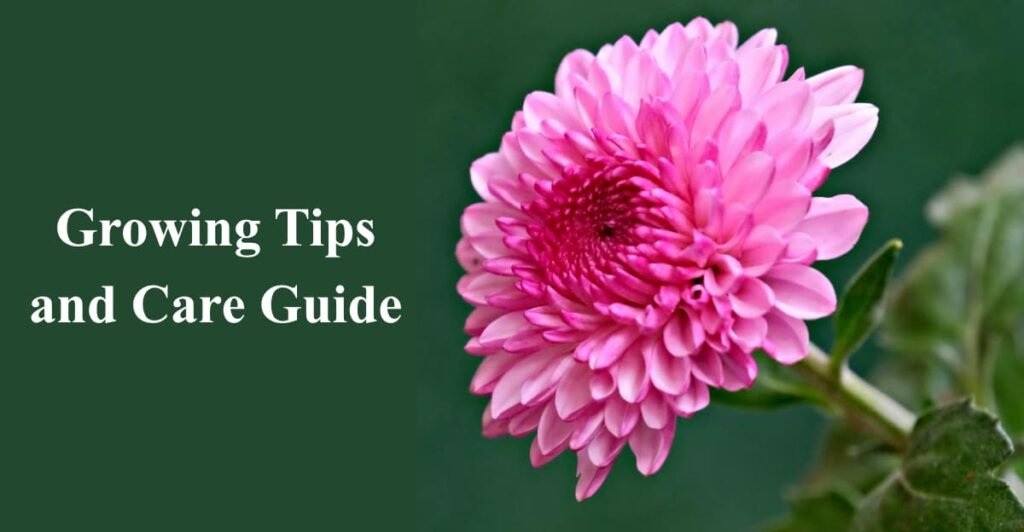
For a lush garden of mums, prioritize soil drainage to prevent wet feet and root rot, while providing full sun exposure for at least six hours a day to encourage densest blooms. Organic mulch can help regulate soil temperature and soil moisture through summer and autumn, supporting healthy plants, roots, and consistent growth.
I have found that good drainage, adequate sunlight, and a layer of mulch make Chrysanthemums noticeably healthier and help maintain stronger blooms.
Chamomile
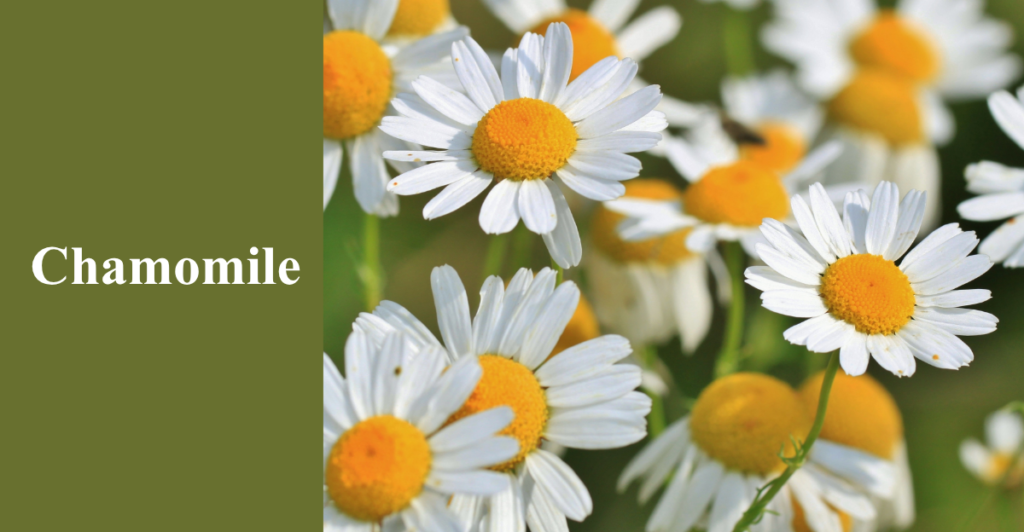
Chamomile is a delicate yet resilient herb prized for its soothing properties, making it a charming addition to any herb garden and a useful garden plant.
I enjoy growing Chamomile because its gentle appearance and practical qualities make it a pleasant addition to a home garden.
German vs Roman Chamomile
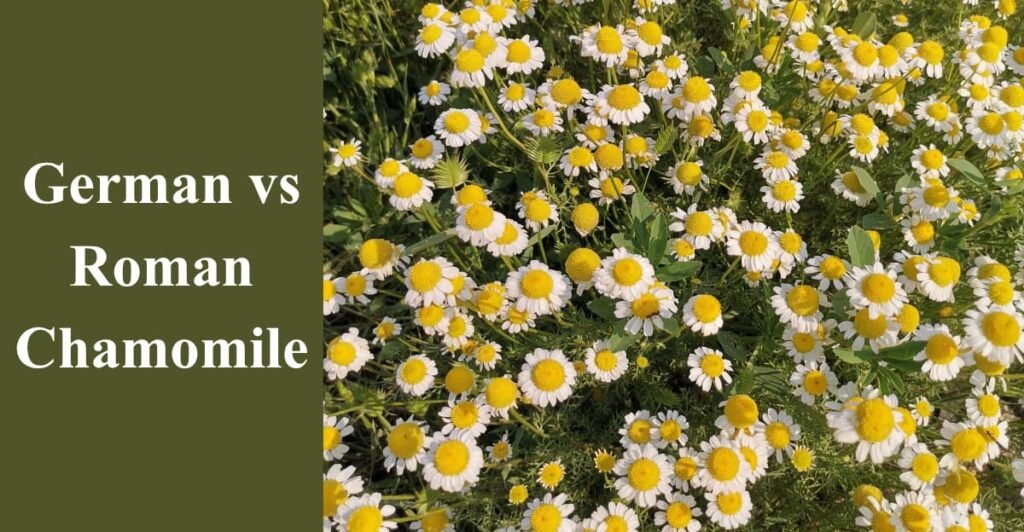
German Chamomile (Matricaria chamomilla) is an upright annual that can reach two feet tall, while Roman Chamomile (Chamaemelum nobile) is a low-growing perennial that works well as a groundcover. Both primary types produce daisy-like white petals with yellow centers, offering attractive flowers in classic white and yellow shades.
I prefer Roman Chamomile for low planting areas, while German Chamomile works beautifully when a taller annual display is desired.
Benefits and Uses in Gardens
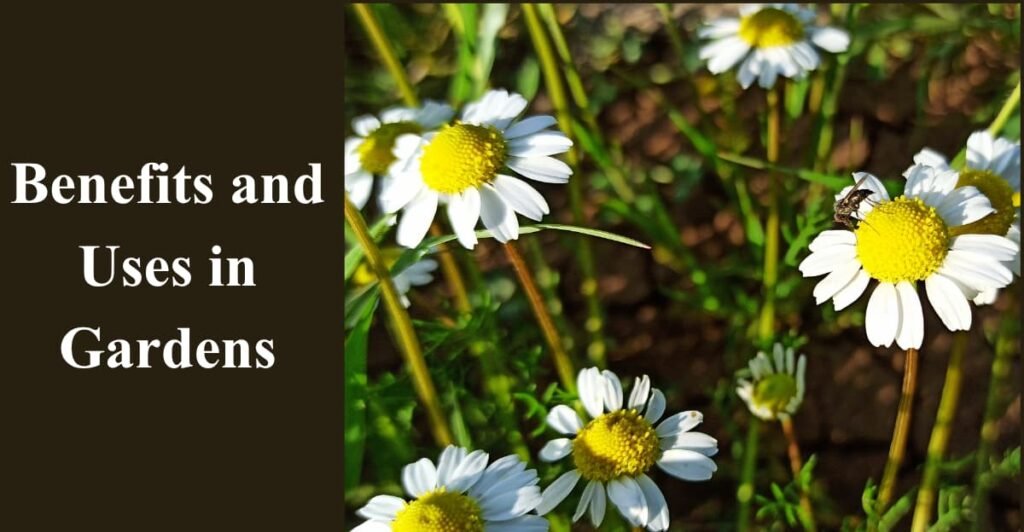
Chamomile is valued for herbal teas and works as a companion plant that attracts beneficial insects and pollinators, including hoverflies and ladybugs. Its aromatic foliage can benefit surrounding plants, while its essential oil production adds further interest to sustainable gardens and herbal planting schemes.
I have found Chamomile particularly useful around companion plantings because its aromatic foliage and pollinator activity add both beauty and garden value.
Cherry Blossom
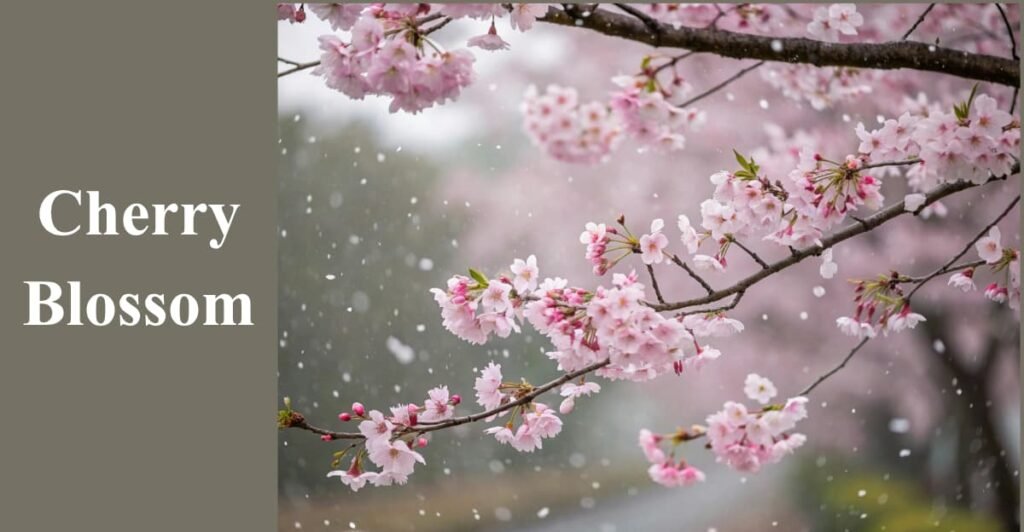
Cherry Blossom, also known as Sakura, is a global symbol of the ephemeral nature of life and the beauty of renewal, with its blooming trees welcoming spring and inspiring mindfulness through their short-lived beauty. As the national flower of Japan, it has also become a beloved feature of urban landscapes from Washington D.C. to London, connecting cultures, life, and natural beauty.
I find Cherry Blossom especially captivating because its brief flowering period makes every bloom feel meaningful and highlights the beauty of seasonal change.
Symbolism and Meaning
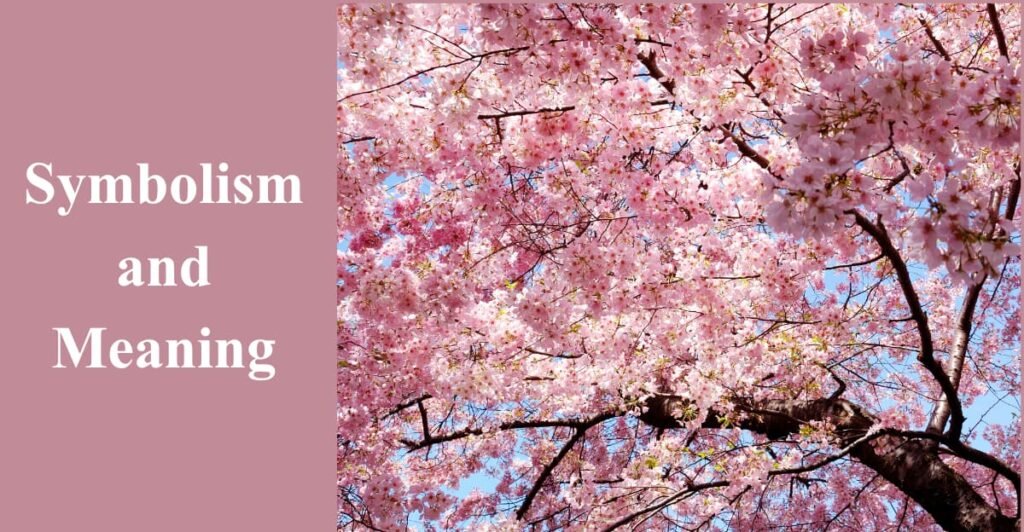
The blooming trees of Cherry Blossom represent spring’s arrival, while their short-lived beauty reflects mindfulness, renewal, and the changing rhythm of life. As a national flower of Japan, these trees are admired worldwide, from Washington D.C. and London to diverse urban landscapes, where their symbolism, meaning, and seasonal beauty continue to inspire different cultures.
I appreciate Cherry Blossom most for its symbolism, as the fleeting flowers create a powerful reminder to enjoy each season while it lasts.
Growing Cherry Blossom Trees
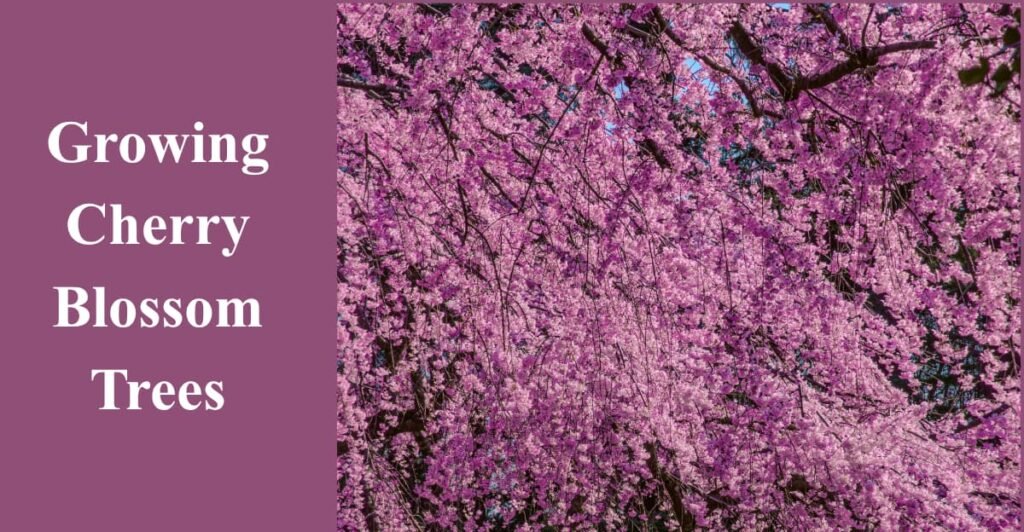
Cherry Blossom Trees thrive in temperate climates with well-drained soil that is slightly acidic, and they need sufficient winter chill to encourage a strong floral display in spring. When planting in 2026, provide enough room for the canopy to develop and maintain good air circulation to reduce fungal issues, supporting healthy trees, flowers, blooms, and long-term growth in the garden.
In my gardening experience, giving Cherry Blossom plenty of space and ensuring good soil drainage makes a noticeable difference in healthy growth and seasonal flowering.
Chicory
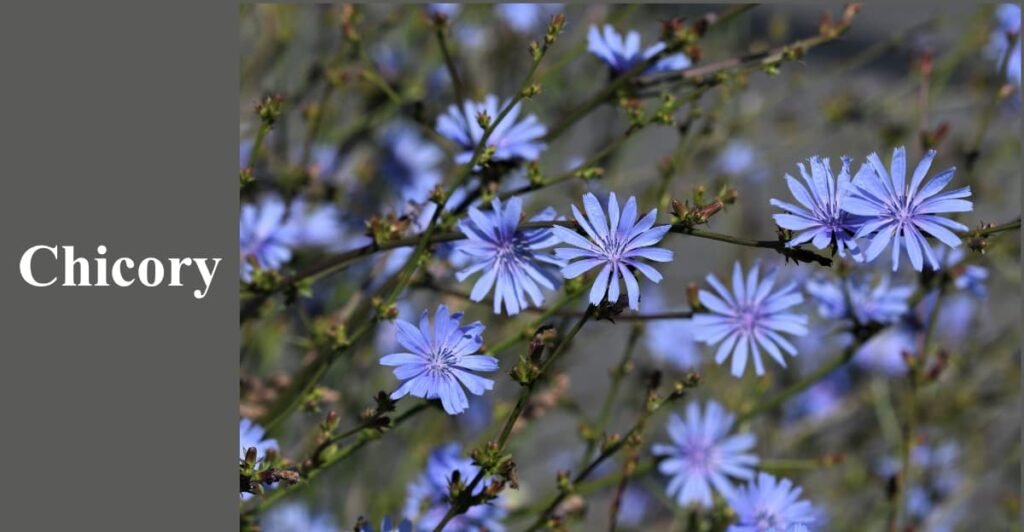
Chicory (Cichorium intybus) is a hardy plant that bridges the qualities of a wildflower and cultivated vegetable, making it useful for both ornamental and edible planting. This plant is valued for its resilient nature and adaptability, whether grown as a wildflower or vegetable.
I find Chicory particularly appealing because its hardy growth makes it an easy and versatile choice for natural-style gardens.
Wild Chicory vs Garden Chicory
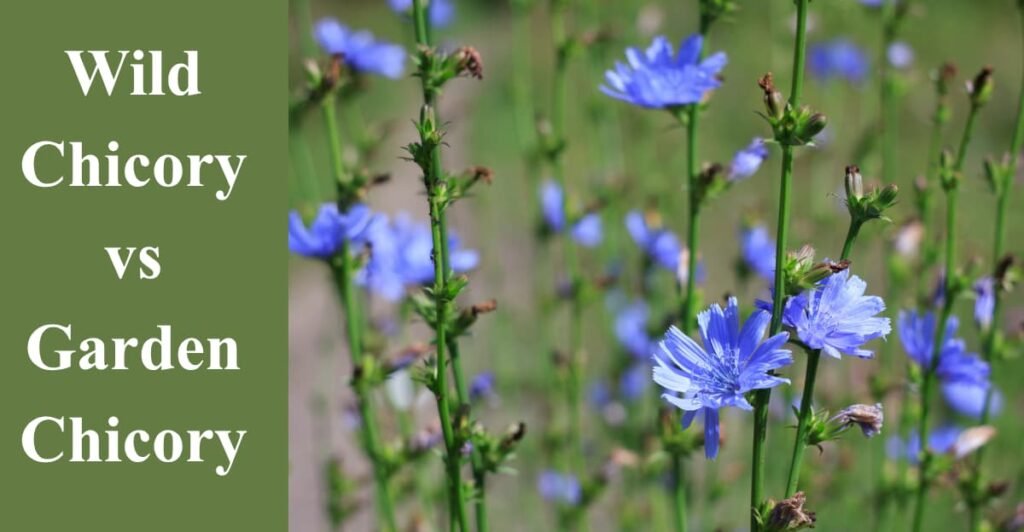
Wild Chicory commonly grows along roadsides, producing striking azure blue flowers, while Garden Chicory includes varieties such as radicchio and endive, cultivated for their edible leaves and edible roots. Both forms share a rugged constitution and strong drought tolerance, with their leaves, roots, and flowers offering different garden and culinary uses.
I enjoy Wild Chicory for its vivid flowers, while Garden Chicory is especially useful when edible leaves and roots are also desired.
Growing Conditions and Care
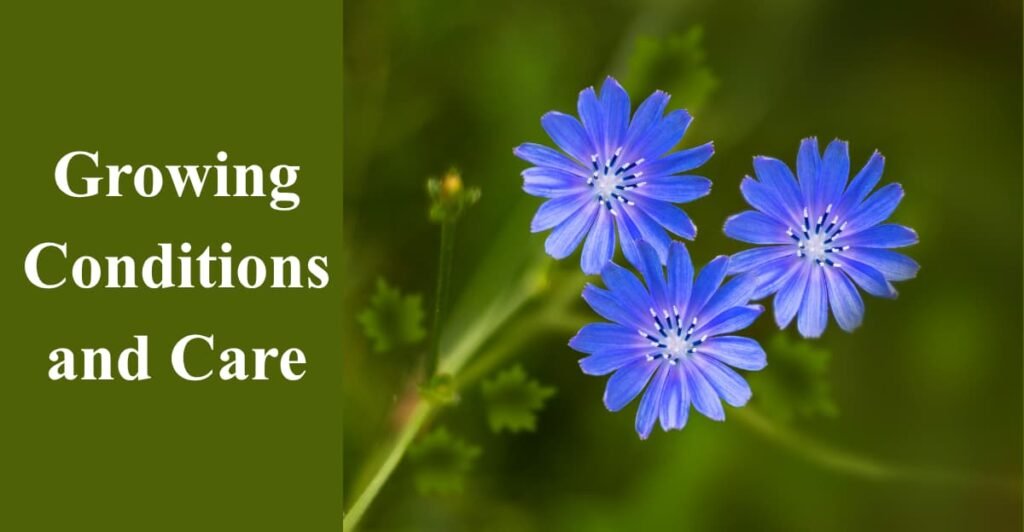
Chicory has simple growing conditions and requires little care, growing successfully in poor soil or rocky soil when given full sun. Its deep taproot helps break through compacted soil, supporting better soil health, while its drought tolerance, hardy growth, and adaptability make it well suited to low-maintenance gardening, cultivation, and sunny conditions.
I have found Chicory performs reliably in challenging soil, particularly when it receives plenty of sunlight and enough space for its deep taproot to develop.
Chinese Lantern
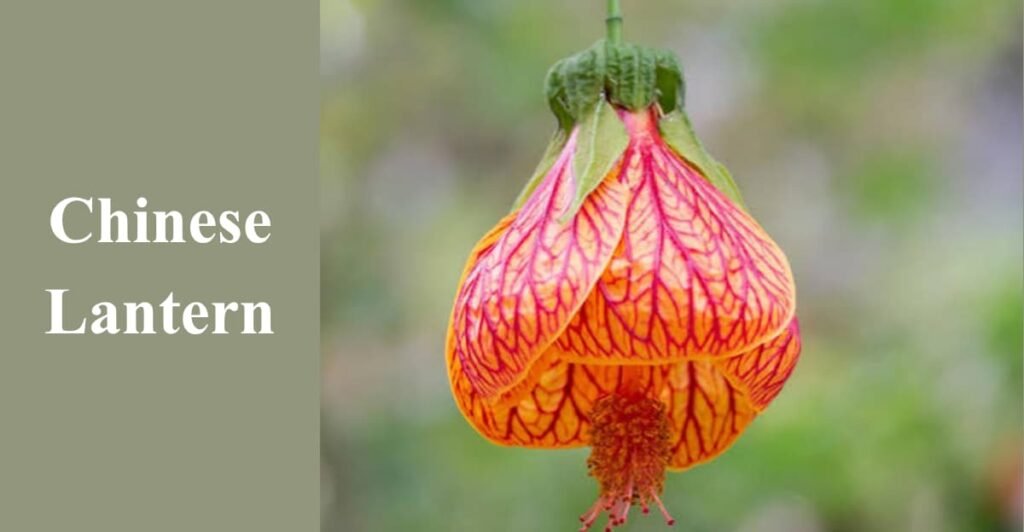
Chinese Lantern (Alkekengi officinale) is known for its papery orange husks that resemble traditional lanterns, giving this plant a unique appearance and strong ornamental appeal. Its small white flowers, seed pods, and brilliant glowing orange husks make it especially attractive for seasonal decor and dried floral arrangements.
I find Chinese Lantern especially striking in autumn, when its orange husks add warm seasonal color and distinctive texture to the garden.
Unique Appearance and Features
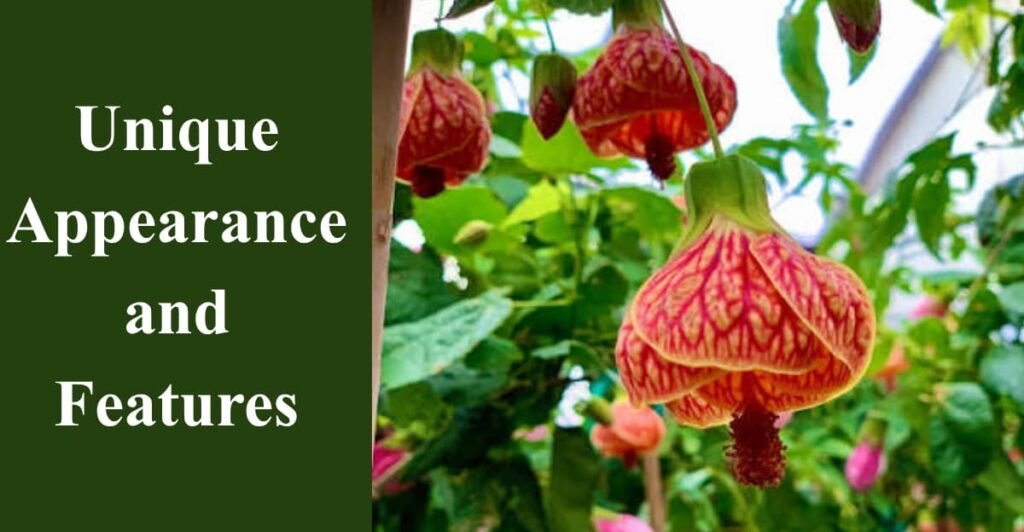
The plant produces small white flowers during summer, followed by seed pods in autumn that develop a brilliant glowing orange color. These ornamental pods are widely appreciated for dried floral arrangements and seasonal decor, while their flowers, husks, pods, seed, white, and orange tones create a memorable floral display.
I particularly like using the ornamental pods in dried arrangements because they retain their distinctive shape and add natural seasonal character.
How to Grow Chinese Lantern Plants
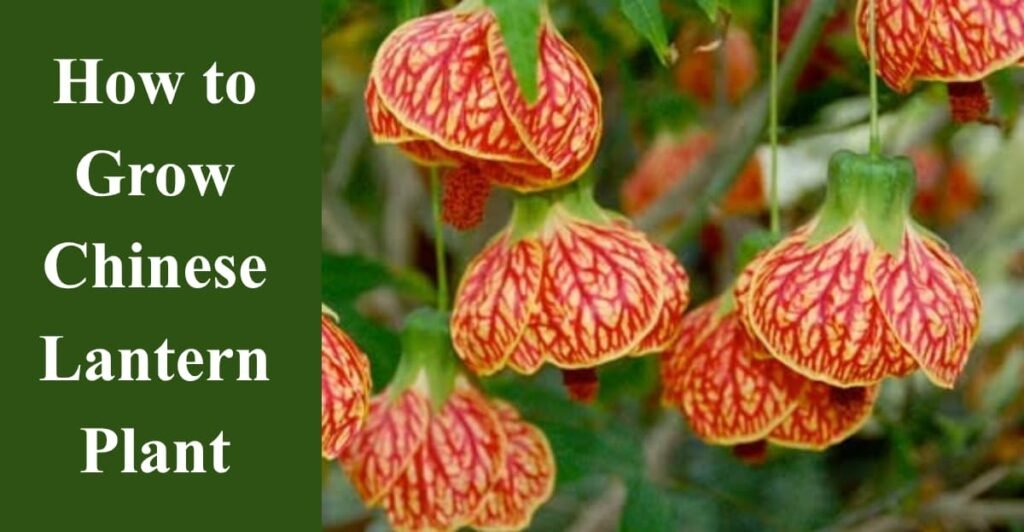
Chinese Lantern Plants can become invasive because they spread through underground rhizomes, so growing them in containers or sunken beds can help control their spread. They prefer moist soil and can tolerate partial sun to full sun, making suitable containers, beds, soil, and adequate sunlight important for successful growing.
I recommend keeping Chinese Lantern contained because its vigorous rhizomes can spread beyond the intended planting area surprisingly quickly.
Chocolate Cosmos
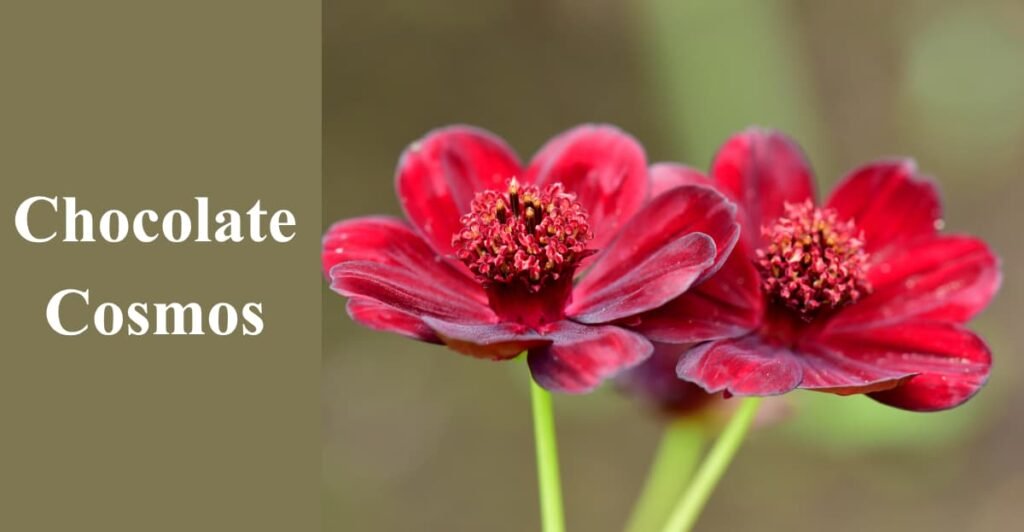
Chocolate Cosmos (Cosmos atrosanguineus) is a must-have for sensory gardening, admired for its unique dark maroon-colored petals and distinct fragrance reminiscent of vanilla and cocoa. This fragrant flower adds sensory appeal to gardening, while its tender perennials, essential oils, and attractive blooming make it an intriguing garden choice.
I find Chocolate Cosmos particularly memorable because its dark petals and rich fragrance create a sensory experience that stands apart from many other garden flowers.
Why It Smells Like Chocolate
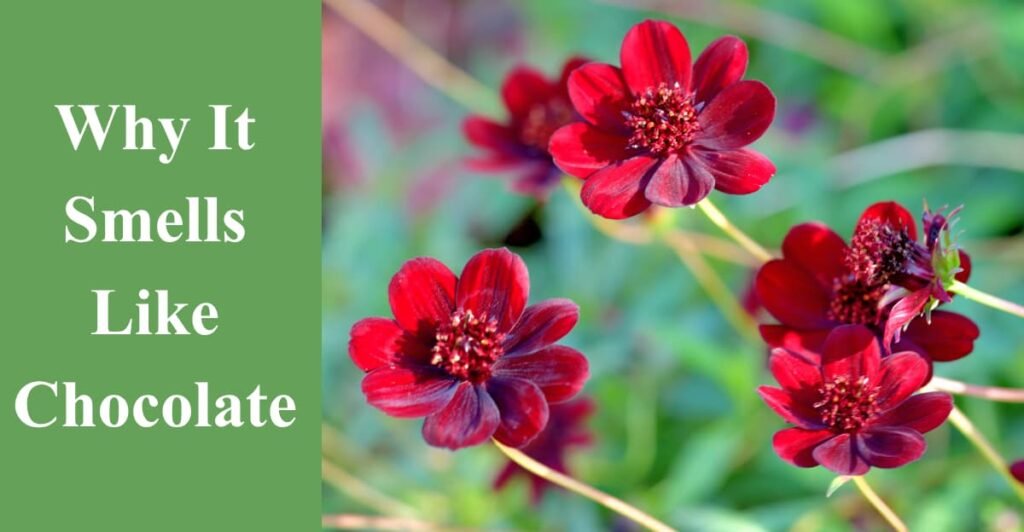
The Chocolate Cosmos has dark maroon-colored petals that release a distinct fragrance with hints of vanilla and cocoa, producing its characteristic chocolate scent. The aromatic fragrance is strongest on warm sunny afternoons, when essential oils are released from the petals, creating an especially noticeable floral aroma.
I notice the fragrance most clearly during warm afternoons, when the chocolate-like scent becomes more pronounced and adds another dimension to the garden.
Care and Growing Tips
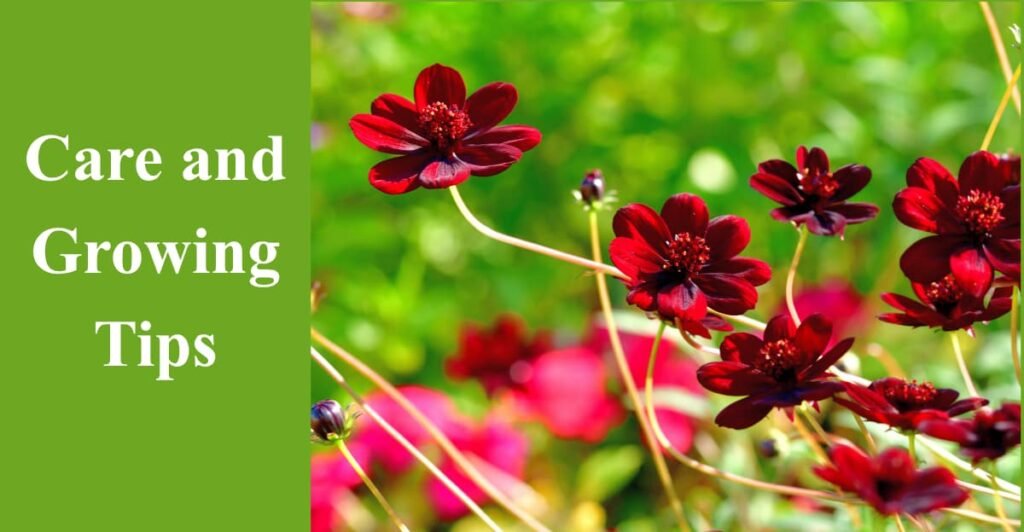
These tender perennials may need to be overwintered indoors in colder regions, where low temperatures can threaten their survival. For healthy growing and flowering, provide well-draining soil and practice regular deadheading to encourage continuous blooming cycles and maintain attractive blooms throughout the gardening season.
In cooler conditions, I have found that protecting Chocolate Cosmos indoors during winter helps preserve the plants and supports stronger flowering when the growing season returns.
Christmas Rose
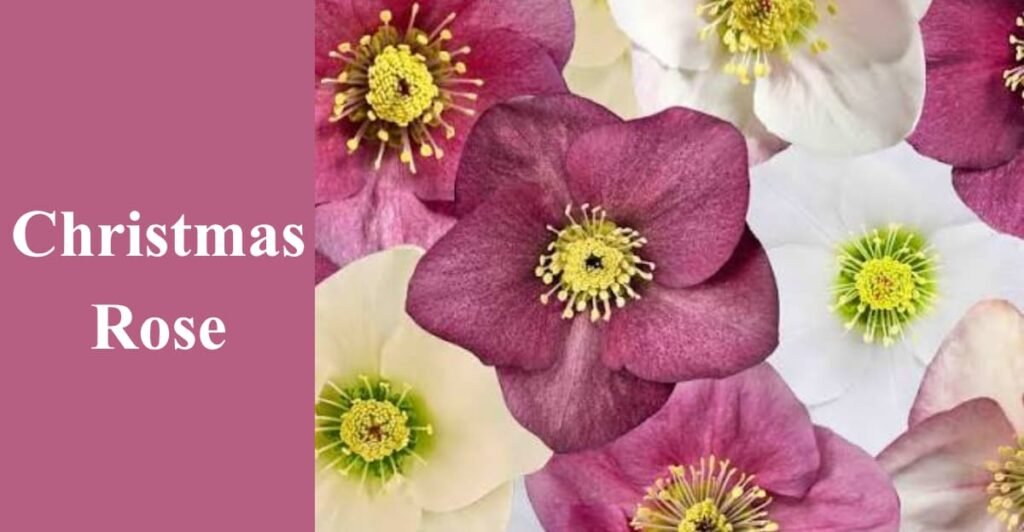
Christmas Rose (Helleborus niger) is not a true rose but a member of the buttercup family, valued as a winter-blooming plant that produces beautiful flowers and blossoms against the seasonal landscape. Its white blossoms, snow, shady spots, and rich organic soil preferences make this hellebore an attractive choice for a winter garden, especially beneath deciduous trees where the canopy provides protection from harsh summer heat while allowing winter sun.
I find Christmas Rose especially rewarding because its winter flowers bring unexpected beauty when much of the garden is dormant.
Winter Blooming Beauty
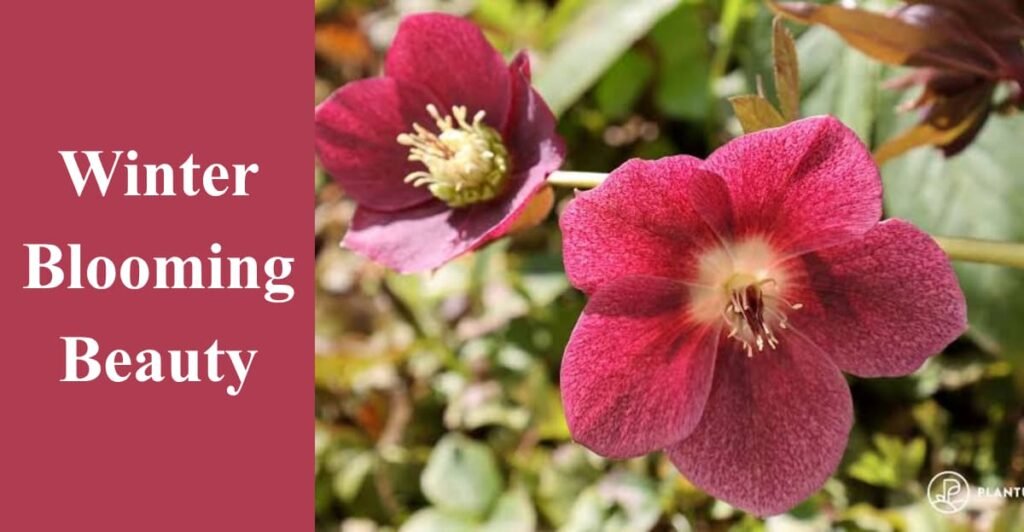
This rare gem blooms in the depths of winter, often emerging through snow with large white blossoms that create a stark contrast against the dormant winter landscape. Its winter blooms, blossoms, and seasonal beauty make it an eye-catching plant when other flowers are largely absent.
I particularly enjoy seeing its white flowers appear during winter because they create a striking seasonal display against the surrounding landscape.
Ideal Growing Conditions
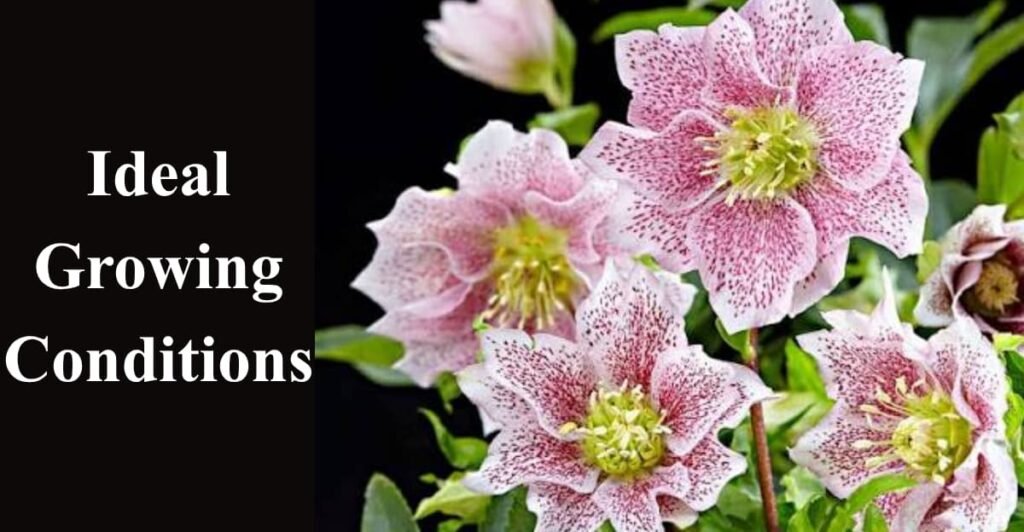
Hellebores prefer shady spots and rich organic soil, making them well suited to planting beneath the canopy of deciduous trees. They can receive gentle winter sun while remaining protected from harsh summer heat, and consistent shade, suitable soil, and filtered sunlight help these plants thrive in the garden.
I have found that planting Hellebores beneath deciduous trees provides an excellent balance of winter light, summer shade, and protection from excessive heat.
Chionodoxa (Glory-of-the-Snow)
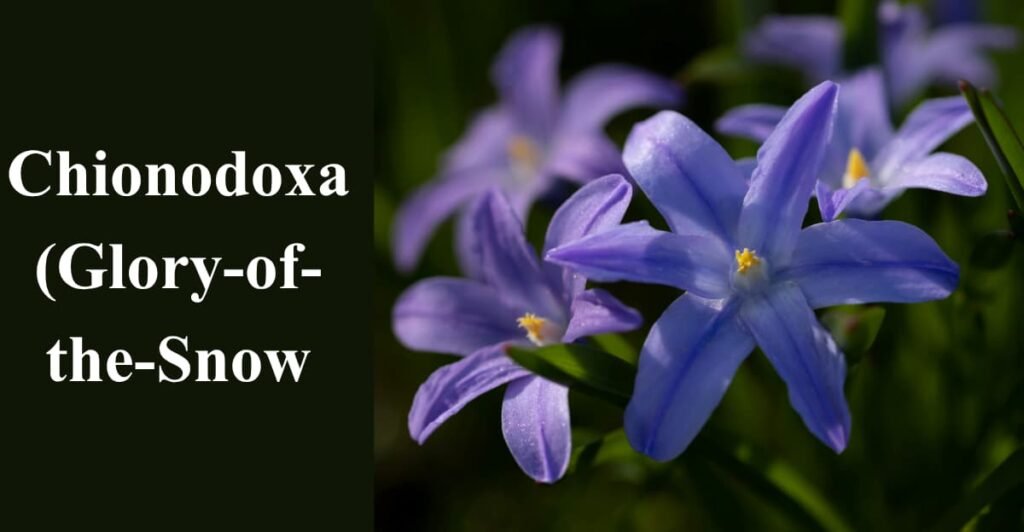
Chionodoxa, also known as Glory-of-the-Snow, is among the earliest signs of spring, producing cheerful seasonal blooms alongside crocuses. These flowers, grown from bulbs, bring fresh color to the garden as spring begins and make attractive additions to naturalized planting areas.
I enjoy Chionodoxa because its early flowers provide one of the first colorful displays after winter and blend beautifully with other spring bulbs.
Early Spring Blooms
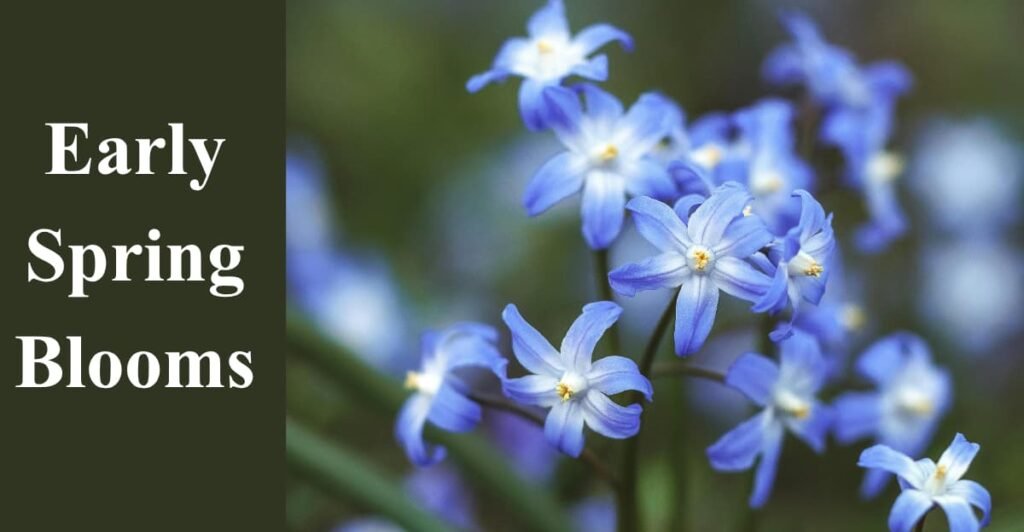
These small star-shaped flowers appear in shades of blue, pink, and white, growing from bulbous plants that naturalize easily. Once established, they spread and return year after year, gradually forming a carpet of color that adds vibrant spring blooms and perennial interest to the garden.
I find naturalized Chionodoxa especially attractive when groups of bulbs return together, creating a soft carpet of color across the garden.
Planting and Maintenance Tips
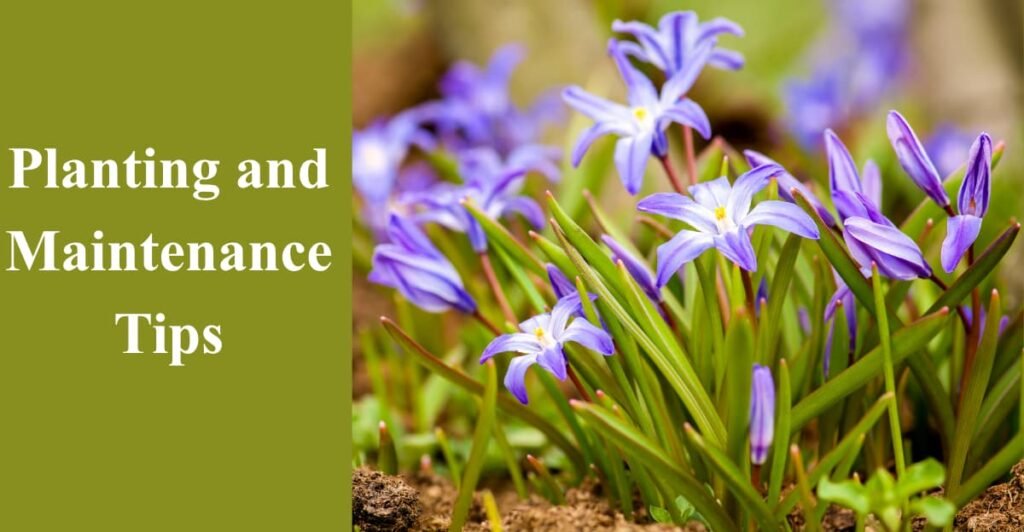
Plant the bulbs in fall at a depth of about three inches, then allow them to establish with minimal maintenance. These plants are relatively resistant to pests, including deer and rabbits, making them an easy-care choice for garden planting, healthy growth, and seasonal display.
I prefer planting these bulbs in groups during fall because they require little care afterward and reliably provide early spring growth.
Chives Flowers
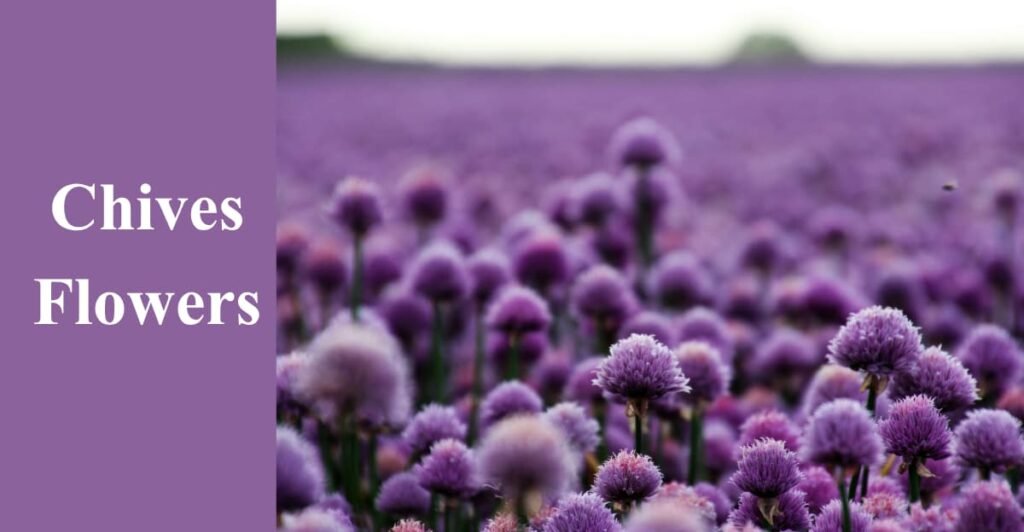
Chives Flowers are valued for their edible stems and globe-shaped purple flowers, combining a stunning appearance with practical culinary uses. Their blossoms offer a mild onion flavor for garnish, salads, and vinegars, while their visual appeal, purple flowers, and edible flowers make them ideal for a sustainable kitchen garden, home gardens, pots, and garden beds.
I especially enjoy growing Chives because their globe-shaped blooms add color while the edible stems and flowers make them genuinely multi-purpose.
Edible Flower Benefits
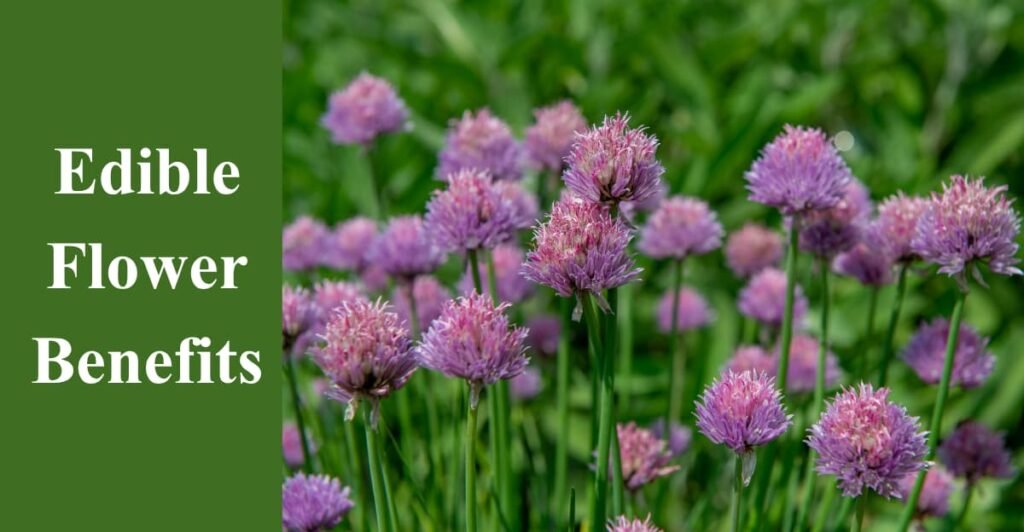
Chives blossoms have a mild onion flavor and can be used as a garnish for salads or infused into vinegars, adding both visual appeal and flavor to a sustainable kitchen garden. As edible flowers, they also provide a useful culinary use alongside other flowers, herbs, and seasoning plants.
I like using the fresh blossoms as a garnish because their purple color adds an attractive finish while their gentle onion flavor complements salads.
Growing Chives in Home Gardens
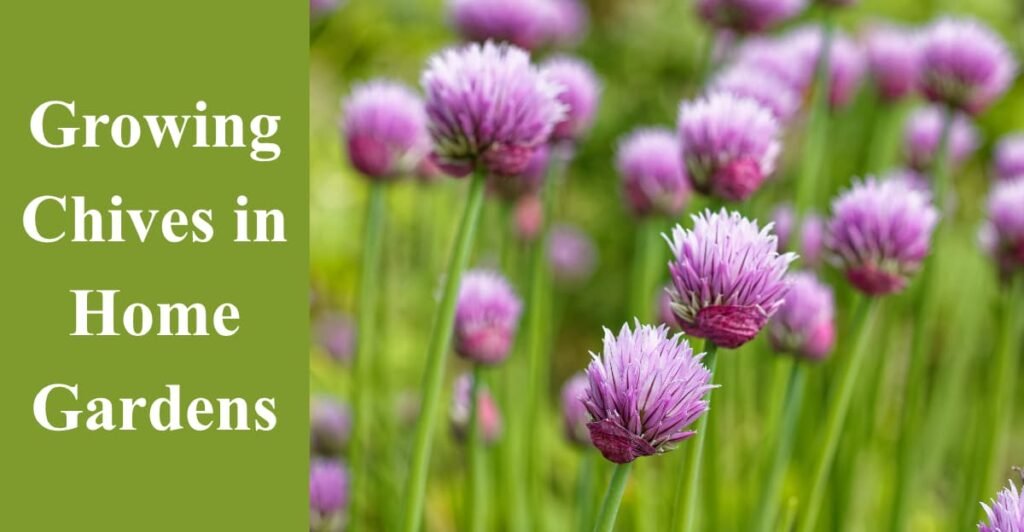
Chives are easy to grow in home gardens, performing well in pots and garden beds while adapting to a variety of soil types. Their resilience and multi-purpose nature make them especially suitable for beginner gardeners, and in 2026, they remain a practical choice for simple growing, gardening, cultivation, and edible planting.
I recommend Chives to beginner gardeners because they establish easily, tolerate different conditions, and provide both attractive flowers and useful herbs.
Checkerboard Flower
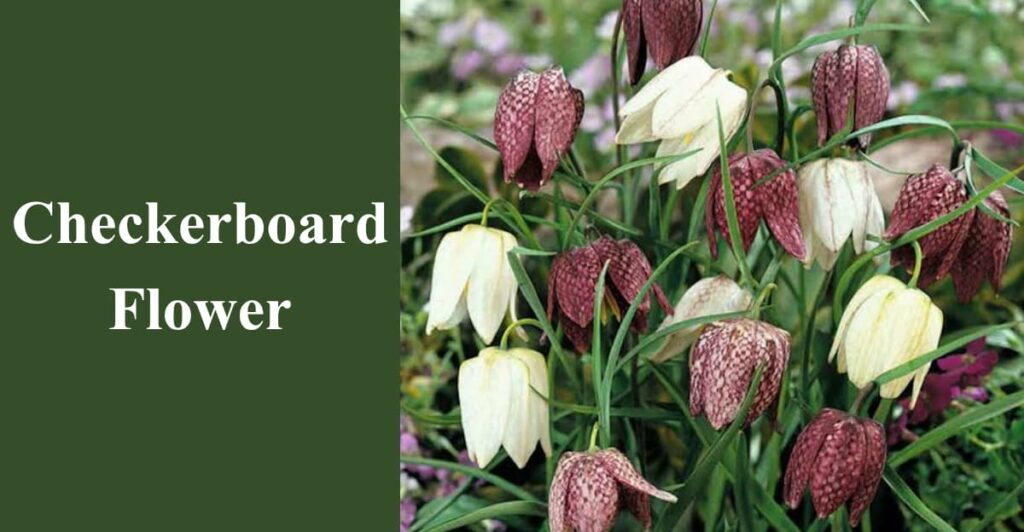
The Checkerboard Flower, also known as Snake’s Head Fritillary (Fritillaria meleagris), is admired for its uniquely patterned flowers, featuring purple and white petals arranged in a distinctive checkerboard and tessellated design. This botanical standout brings unusual geometric precision to any botanical collection, while its natural preference for meadows, ponds, moist environments, and partial shade makes it an intriguing spring garden plant.
I find Checkerboard Flower especially fascinating because its geometric petals look almost hand-painted and create a striking focal point in a natural-style garden.
Unique Patterned Petals
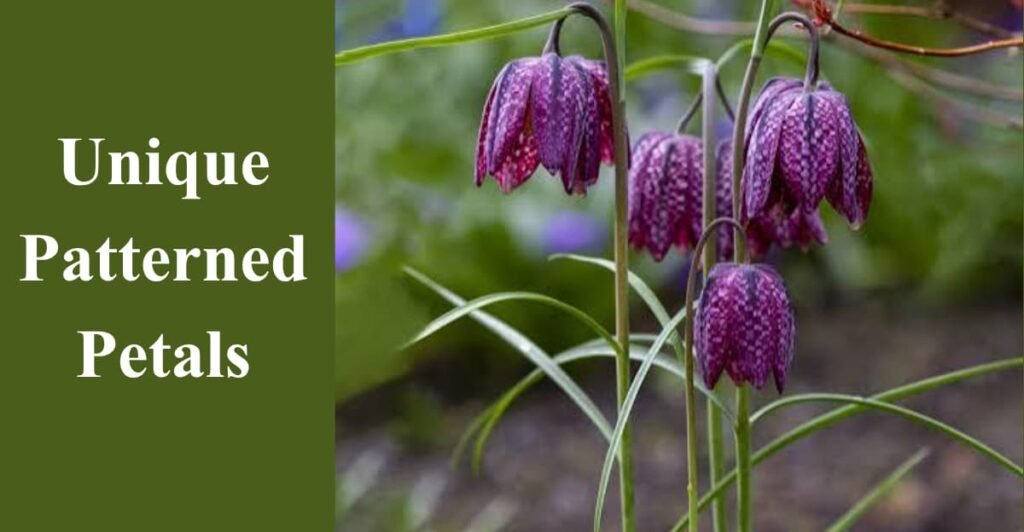
The petals feature a distinct purple and white checkerboard pattern with a tessellated pattern and remarkable geometric precision, giving the flower an almost artificial appearance. This standout combination of purple, white, pattern, and geometry makes it a memorable addition to a botanical collection.
I particularly enjoy examining the petals up close because their repeating geometric pattern gives each flower an unusually detailed appearance.
Care Requirements
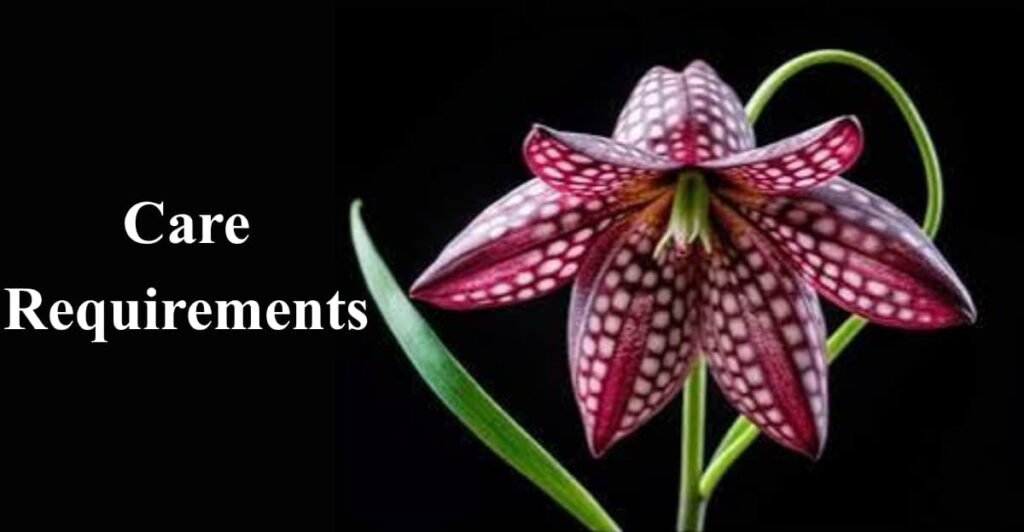
Checkerboard Flowers prefer moist environments such as meadows and areas near ponds, with partial shade and consistently moist soil during the spring growing season. Adequate moisture, water, shade, and suitable garden conditions support healthy growing, helping these flowers thrive in naturalistic garden settings.
I have found that maintaining consistent moisture is the key to keeping these plants vigorous, especially during their active spring growing period.
More Flowers That Start With CH
To broaden your knowledge of flowers that start with CH, explore this selection of additional species with distinctive forms, colors, and growing habits.
From Chilean and Chinese varieties to other fascinating blooms, these flowers highlight the remarkable diversity found within the global floral landscape.
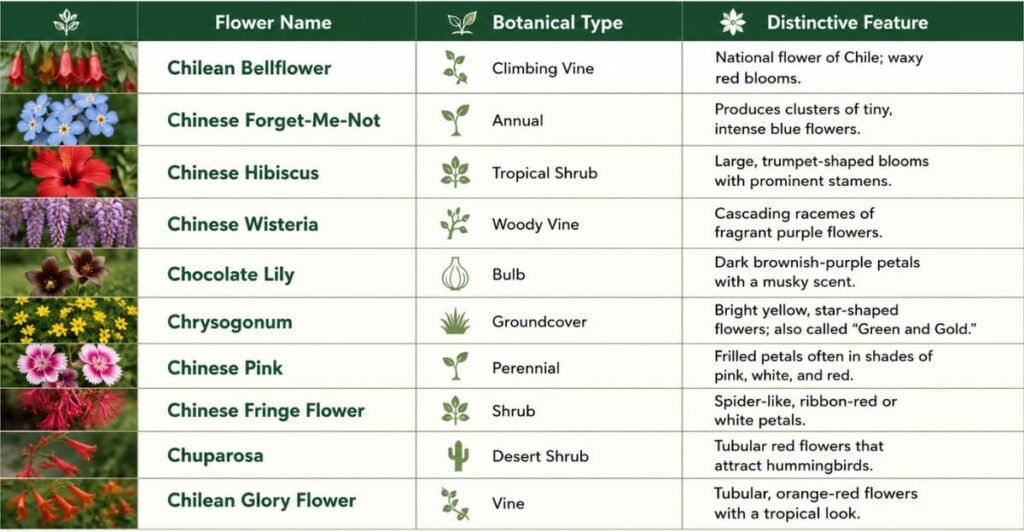
Chilean Bellflower
The Chilean Bellflower (Lapageria rosea) is a spectacular climbing plant that produces elegant red bell-shaped flowers when given a cool moist root zone and enough time to establish. Its climbing habit, attractive flowers, strong roots, and moisture-loving nature make it a distinctive garden plant, although establishment can take several years.
I find Chilean Bellflower especially rewarding because its red bell-shaped flowers create an impressive vertical display once the climbing plant becomes established.
Chinese Hibiscus
The Chinese Hibiscus (Hibiscus rosa-sinensis) thrives in tropical gardens, where its massive showy flowers provide dramatic blooming color. It is also well suited to container gardening in cooler climates, as containers can be moved indoors during winter, making this tropical houseplant a versatile addition to the garden.
I particularly like growing Chinese Hibiscus in containers because moving the plant indoors makes it easier to protect during colder weather.
Chinese Wisteria
Chinese Wisteria (Wisteria sinensis) is a powerful grower that produces long drooping clusters of flowers with a sweet fragrance. Because of its vigorous growth and vigor, it needs a sturdy support structure, such as a pergola or heavy-duty trellis, while its climbing plant habit makes it an attractive feature for garden structures.
I recommend providing strong support from the beginning because Chinese Wisteria can quickly become a vigorous vine with substantial structural demands.
Chocolate Lily
The Chocolate Lily (Fritillaria affinis) offers subtle beauty through its nodding bell-shaped flowers, which feature a deep earthy brown color. This distinctive plant works beautifully in a woodland garden or a setting that resembles a forest floor, where its brown flowers and natural character blend effortlessly with the surrounding garden and forest environment.
I find Chocolate Lily particularly appealing in woodland-style planting because its earthy brown flowers create a natural, understated contrast among green foliage.
Conclusion
From Chrysanthemum and Chamomile to Cherry Blossom, Chicory, Chinese Lantern, and Chocolate Cosmos, flowers that start with CH offer remarkable variety in color, fragrance, form, and garden appeal. Whether you prefer vibrant blooms, winter flowers, pollinator-friendly plants, edible blossoms, or unusual ornamental varieties, these CH flowers can bring beauty and seasonal interest to your garden. Explore these charming species and choose the blooms that best match your growing conditions, garden style, and personal preferences.
Frequently Asked Questions
1. What are some popular flowers that start with CH?
Popular choices include Chrysanthemum, Chamomile, Cherry Blossom, Chicory, Chinese Lantern, Chocolate Cosmos, Christmas Rose, Chionodoxa, Chives Flowers, and Checkerboard Flower.
2. Which CH flower is best for a colorful garden?
Chrysanthemum is an excellent option because its cultivars provide vibrant hues such as deep burgundy, bright yellow, and soft lavender.
3. Which flowers that start with CH attract pollinators?
Chamomile can attract beneficial insects and pollinators, including hoverflies and ladybugs, making it useful in companion planting.
4. Which CH flower blooms in winter?
Christmas Rose is a notable winter-blooming flower that can produce large white blossoms even through snow.
Please Write Your Comments