Container Gardening: The Complete Guide
Updated: November 20, 2026
4
Container gardening is a wonderful way to bring natural beauty, fresh greenery, and colorful blooms into your home. You don’t need a large yard or dedicated garden space to enjoy growing plants; a few well-chosen pots can transform a balcony, patio, or even a small corner into a beautiful green space. From selecting the right containers and plants to arranging them and providing proper care, this guide covers everything you need to create a healthy and attractive container garden. Explore simple tips and creative ideas to make the most of every available space.
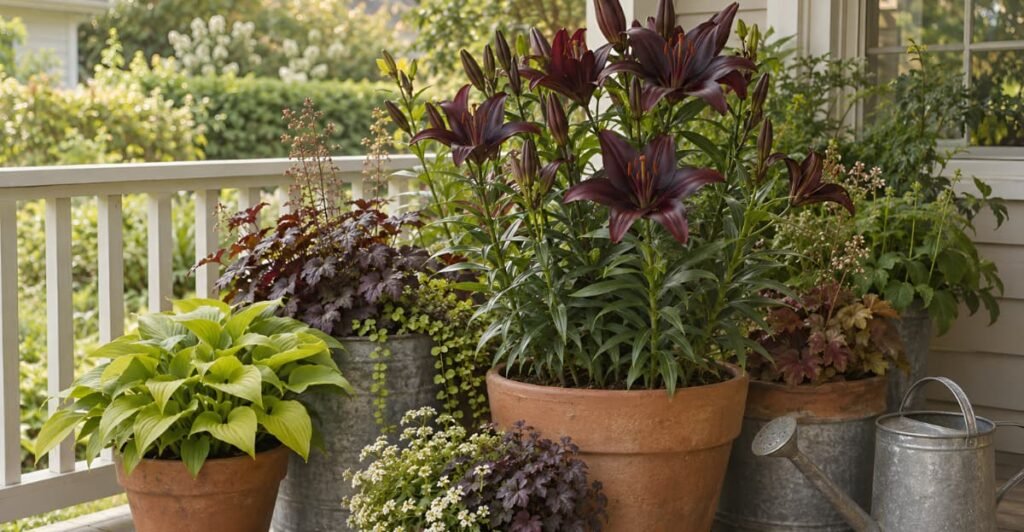
Table of Contents
How To Create Beautiful Container Gardens
Creating beautiful container gardens starts with choosing plants that grow well together. Use the Thriller, Filler, Spiller method to combine tall plants, colorful flowers, and cascading foliage for an attractive arrangement. Consider your container size, plant placement, and color combinations to create a balanced look.
Mix different flowers and foliage to add texture and visual interest to your planters. Even simple flower pots can become beautiful displays with thoughtful planting.
In my experience, combining plants with different heights and textures creates the most attractive container arrangements.
What Are the Best Plants for Pots?
Many plants grow well in containers, but the best choices depend on your space, climate, and sunlight. Consider these options when selecting plants:
- Annuals: Great for adding seasonal flowers and color.
- Perennials: Return year after year with proper care.
- Shrubs: Add structure and greenery to large containers.
- Ornamental grasses: Bring height, movement, and texture.
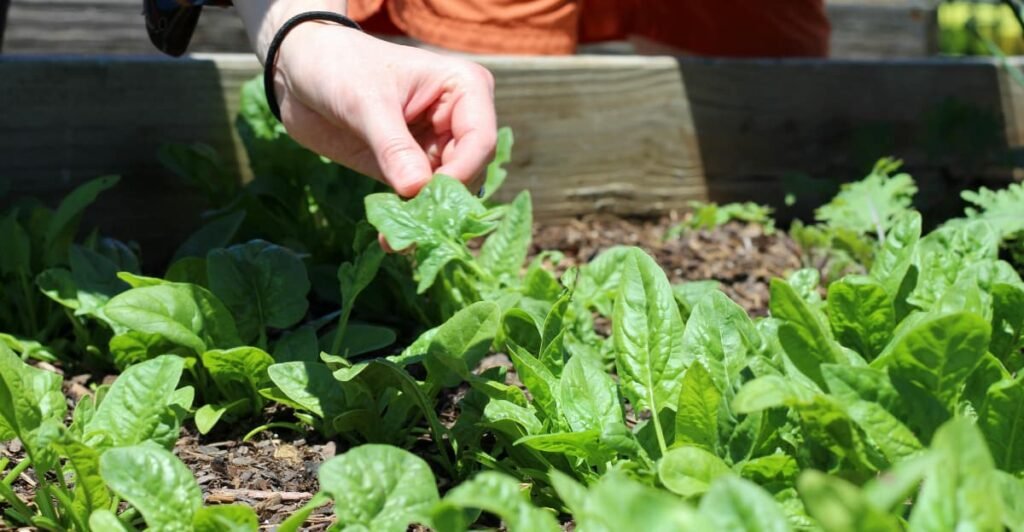
- Vegetables: Allow you to grow fresh produce in pots.
- Herbs: Perfect for small spaces and kitchen gardens.
Before planting, consider sunlight, shade, and water requirements. Choose plants with similar growing needs to keep them healthy.
How to Take Care of Potted Plants
Proper care helps potted plants stay healthy and produce beautiful growth. Pay attention to these essential tasks:
- Watering: Water regularly, preferably in the morning, and increase frequency during extreme heat.
- Fertilizing: Provide essential nutrients using suitable fertilizers.
- Pruning: Trim overgrown branches and remove damaged foliage.
- Winter protection: Protect potted perennials and shrubs from freezing temperatures.
- Soil care: Use quality potting soil and maintain proper drainage.
- Regular maintenance: Watch for common container gardening mistakes and adjust care as needed.
Remember that containers dry out faster than garden soil, so check moisture regularly and avoid overwatering.
Choosing The Right Container
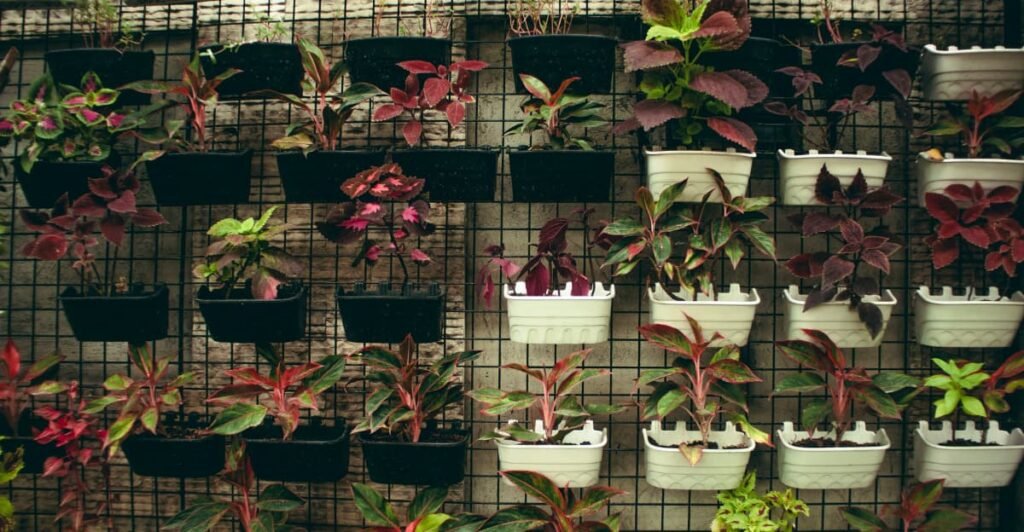
Choosing the right container improves plant growth while complementing your garden design. Keep these points in mind:
- Drainage: Select pots with drainage holes to prevent waterlogging.
- Material: Choose from clay, plastic, wood, or fiberglass containers.
- Quality: Invest in durable planters with classic shapes and neutral styles.
- Home style: Match terra-cotta pots with brick walls or wooden troughs with rustic homes.
- Shape and size: Wide, low pots are generally more stable than tall, narrow containers.
- Plant type: Use deeper containers for suitable plants and shallow pots for smaller varieties.
- Practicality: Avoid narrow-necked pots that make removing mature plants difficult.
- Appearance: Group simple black nursery pots behind decorative containers for a cohesive display.
For a low-maintenance garden, choose practical containers that suit your plants, available space, and personal style.
Planting Your Container
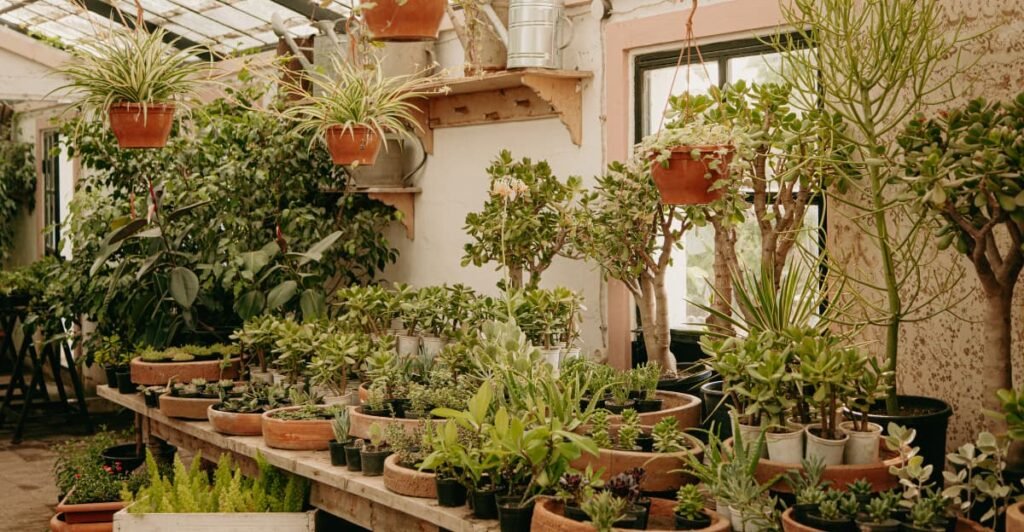
Successful container planting begins with choosing the right soil and arranging plants to support healthy growth. Follow these simple steps:
- Choose the right mix: Use a quality peat-based or soilless potting mix instead of ordinary garden soil to improve water retention and root development.
- Add fertilizer: Mix in slow-release fertilizer at planting time to provide essential nutrients.
- Leave watering space: Keep about an inch between the soil surface and container rim.
- Arrange plants properly: Place tall plants at the back of wall or fence planters and smaller companion plants in front.
- Create balance: For open containers, position the tallest plants in the center and surround them with fillers and spillers for a balanced 360-degree display.
- Add a top dressing: Cover the soil with gravel, crushed shells, or decorative pebbles to improve moisture retention and give planters a polished appearance.
In my experience, proper plant spacing and a well-balanced arrangement make containers healthier and more attractive.
Conclusion
Container gardening is an easy and rewarding way to enjoy plants, flowers, and fresh greenery in any available space. With the right pots, suitable plants, quality soil, and regular care, you can create beautiful arrangements that thrive throughout the seasons. Start with a few containers, experiment with different plant combinations, and gradually turn your balcony, patio, or outdoor corner into a lovely green space.
Frequently Asked Questions
1. What are the best plants for container gardening?
Annuals, perennials, herbs, vegetables, ornamental grasses, and small shrubs are excellent choices. Select plants according to your climate, available sunlight, and container size.
2. How often should I water container plants?
Most container plants need regular watering, often daily during hot weather. Check the soil moisture before watering and make sure excess water can drain freely.
3. What type of soil is best for container gardening?
A high-quality, lightweight potting mix is best. Peat-based or soilless mixes provide good drainage, retain moisture, and support healthy root development.
4. Do container plants need fertilizer?
Yes. Nutrients in containers become depleted over time, so regular feeding helps maintain healthy growth. Slow-release fertilizers are a convenient option for many potted plants.
Please Write Your Comments