Arborvitae – Grow & Care for Arborvitae Trees
Updated: November 10, 2026
7
Bring beauty, privacy, and year-round greenery to your landscape with arborvitae trees, one of the easiest evergreens to grow and maintain. From creating lush privacy hedges to adding elegant garden accents, discover how to choose, plant, and care for these versatile trees. Keep reading to explore expert growing tips and make your arborvitae thrive in every season!
Table of Contents
ARBORVITAE BASICS
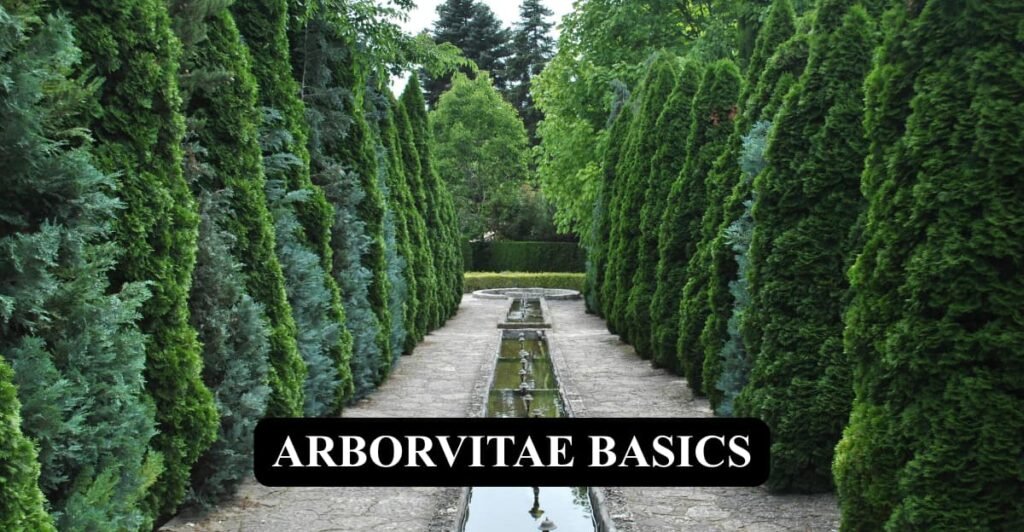
Zones: Arborvitae varieties grow in USDA Zones 2 to 8, depending on their climate adaptability, cold hardiness, and growing requirements. Choose suitable plant varieties and evergreen varieties for your region and growing zone.
Mature height/spread: The mature height, mature spread, and mature size vary among arborvitae species and arborvitae cultivars. Some dwarf shrubs stay under 3 feet tall, while large arborvitae trees can exceed 70 feet and reach 25 feet wide.
Shapes: Arborvitae come in different arborvitae shapes, including mounded, conical, pyramidal, rounded, and pendulous shapes. Their varied growth forms, plant structure, and ornamental forms create attractive evergreen landscapes.
Foliage: Arborvitae foliage features flattened needles, lacy needles, and aromatic needles in emerald green, golden, or gold foliage shades. They also produce rosebud-shaped cones that appear green in early summer before turning nutmeg-brown.
Growth rate: The arborvitae growth rate depends on the species and cultivar, with fast-growing arborvitae adding 3 to 4 feet per year. Dwarf arborvitae, miniature arborvitae, and other slow-growing varieties develop more gradually.
Personally, I recommend checking the mature size and growth habit before choosing a variety to ensure it fits your garden without becoming overcrowded.
TYPES OF ARBORVITAE
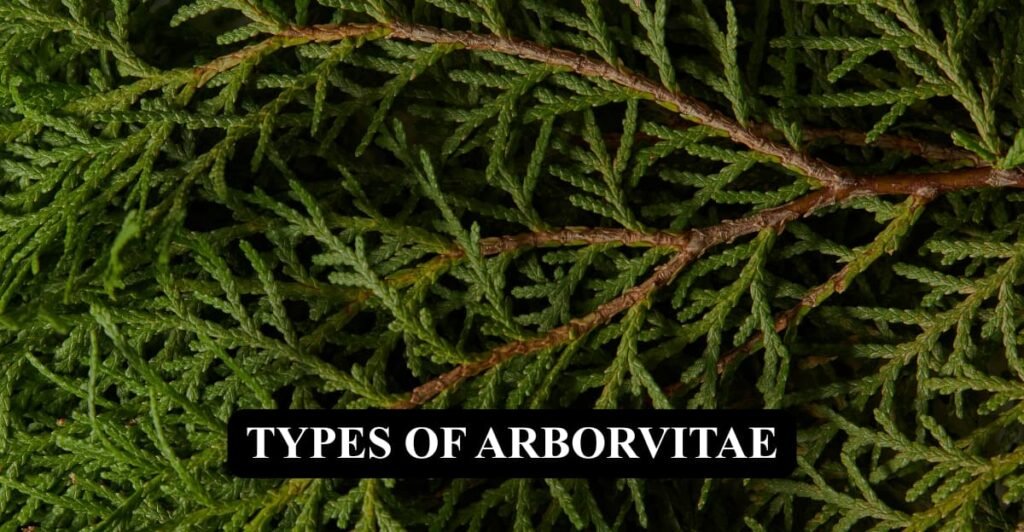
Arborvitae (Thuja) is a genus of five species of evergreen trees, mainly native to North America. The two most common types are American arborvitae and giant arborvitae.
- American Arborvitae (Eastern Arborvitae): American arborvitae (Thuja occidentalis), also called eastern arborvitae, is a popular North American native tree and garden mainstay with many widely available cultivars. It prefers moist, well-drained soil and cold climates, while its winter foliage may develop bronze foliage through winter bronzing, although some cultivars retain green foliage and year-round greenery.
- Giant Arborvitae (Western Red Cedar): Giant arborvitae (Thuja plicata), or western red cedar, is native to the Pacific Northwest and can reach 70 feet tall. It thrives in coastal climates, particularly Zones 5 to 7, with cool summers, mild winters, and wet winters, while its conical shape, spreading growth habit, and green all year foliage make it an attractive landscape tree.
- Other Plants Commonly Called Arborvitae: Some related evergreen plants are also commonly called arborvitae, including Chamaecyparis, Thujopsis, and Platycladus. These ornamental conifers and landscape trees add evergreen beauty to different garden designs.
HOW TO PLANT ARBORVITAE
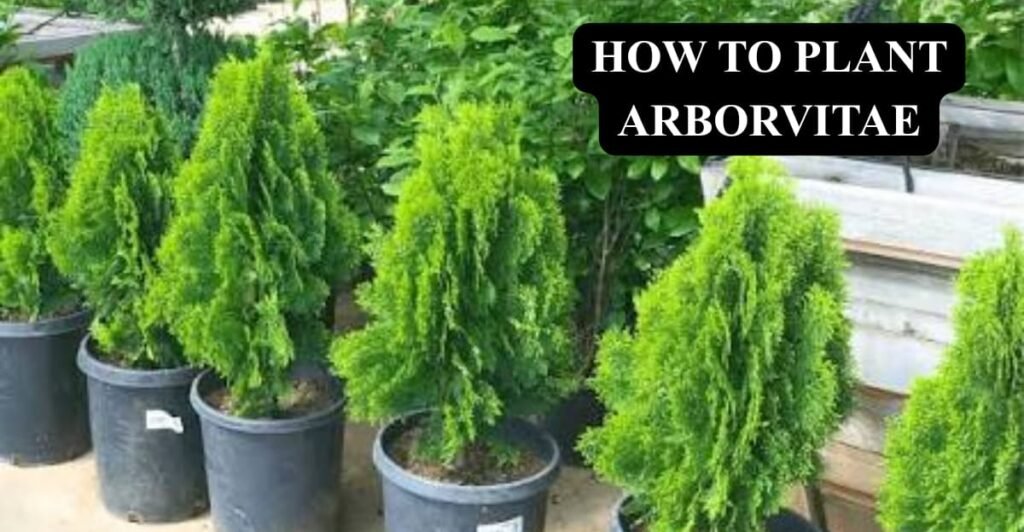
Planting arborvitae correctly helps establish a strong root system, encourages healthy growth, and keeps your trees looking attractive for years. Choose the right season, location, spacing, and planting method for the best results.
- When to Plant: The best planting season for arborvitae is fall or autumn, when cooler temperatures, fall rains, and adequate soil moisture help prevent heat stress and encourage root establishment. Although year-round planting is possible, seasonal planting in autumn supports a strong, healthy root system and better root development.
- Where to Plant: Choose a suitable planting spot with full sun and direct sunlight for at least six hours daily to meet arborvitae’s sunlight requirements. Some arborvitae varieties tolerate partial shade, but insufficient sunlight can cause sparse growth; also select well-drained soil, avoiding soggy soil, waterlogged soil, and poorly drained clay or sandy soil.
- Plant Spacing: Maintain proper arborvitae spacing by leaving 3 to 4 feet apart or three to four feet between plants when creating a hedge planting or privacy screen. Instead of tight row planting and overcrowding, use staggered planting in a zig-zag pattern to give screening plants adequate root space, improve their natural appearance, and provide sufficient growing space.
- How to Plant: When purchasing plants, choose healthy nursery plants, including potted arborvitae or burlap-wrapped arborvitae, and complete planting after purchase within a few days to prevent root drying. Dig a planting hole with the correct planting depth and root ball dimensions about one inch less deep and two to three times wider than the root ball. Position the plant with the root ball above soil level, gently use excavated soil for backfilling, avoid soil compaction or tamping, and finish with thorough watering using a garden hose or soaker hose to encourage root development and root establishment.
- Planting in Containers: Container-grown arborvitae, especially smaller cultivars, dwarf arborvitae, and miniature varieties, make attractive container plants and evergreen topiaries with season-long interest. Choose a suitable pot size with ample root space, using clay pots, ceramic pots, concrete pots, or sturdy plastic containers with good container drainage. Fill with a high-quality potting mix or evergreen potting mix, position the root ball in the middle, water thoroughly, remove air pockets, and add a mulch layer or compost to improve moisture retention and protect the roots.
In my experience, proper spacing, good drainage, and careful watering during the first few weeks make the biggest difference in successful arborvitae establishment.
ARBORVITAE CARE
- Fertilization
- Fertilize arborvitae only when needed, using a slow-release granular evergreen fertilizer to replace lost soil nutrients and prevent deficiencies.
- Apply fertilizer according to the product instructions, water before and after fertilizer application, and avoid overfertilizing to prevent root burn and fertilizer damage.
- Container-grown arborvitae may need more regular fertilization because frequent watering can cause nutrient leaching and soil nutrient loss.
- Provide good soil, adequate watering, and sufficient sunlight to support healthy plant growth.
- Watering
- Water newly planted arborvitae deeply each week during the growing season, providing about one inch of water to support root establishment.
- Keep the root zone evenly moist, but avoid saturated or waterlogged soil, which can cause root rot and fungal diseases.
- Use a garden hose for deep watering, reduce watering frequency once roots are established, and monitor potted arborvitaes more often.
- Continue winter watering when the soil is dry because evergreen plants still need moisture during winter dormancy.
- Watch for yellow needles, brown foliage, needle drop, and seasonal browning, as these may indicate underwatering, overwatering, or normal autumn changes.
- Winter Care
- Protect arborvitae during winter storms by gently brushing heavy or wet snow from evergreen branches with a broom to prevent bending and breakage.
- For taller arborvitaes with multiple leaders, use suitable staking or branch ties to support upright growth and prevent drooping.
- Remove broken limbs and damaged branches carefully, and prune storm-damaged trees when necessary to encourage healthy branch recovery.
- Follow University of Illinois Extension winter care tips to reduce snow accumulation, ice damage, and other winter weather problems.
- Diseases and Pests
- Common arborvitae diseases include needle blight, twig blight, fungal infections, and stem canker, which can cause affected foliage and branch damage.
- Prevent fungal attack by providing proper plant spacing, avoiding overcrowding, and maintaining good air circulation around evergreen shrubs.
- Prune infected branches, remove affected foliage, and use fungicide treatment only when appropriate for effective blight control.
- Monitor for bagworms, spider mites, and other evergreen pests that feed on arborvitae foliage and cause visible damage.
- Regular pest monitoring and early disease management help maintain plant health and improve natural pest and disease resistance.
- Are Arborvitae Deer Resistant?
- Arborvitae are not fully deer-resistant plants, as hungry deer may browse their soft needles and delicate foliage, especially during winter.
- American arborvitae is particularly vulnerable to deer feeding, and severe browsing can cause permanent damage because damaged areas may not regrow.
- Protect arborvitae with fencing or other garden protection methods when deer pressure is high.
- For deer-resistant landscaping, consider giant arborvitae varieties such as Spring Grove®, or alternative evergreen plants like juniper shrubs, which deer generally find less appealing.
ARBORVITAE PRUNING
- Maintain the Natural Shape: Arborvitae pruning should preserve the tree’s natural growth habit and mature shape, so use light pruning instead of unnecessary heavy cutting.
- Shape and Control Growth: Prune in early spring to maintain formal hedges, encourage thicker growth, and keep the natural tapered shape with a wider bottom and narrower top.
- Remove Damaged Growth: Use selective pruning to remove dead or diseased branches, bare wood, and accumulated interior foliage while improving air circulation and preventing decay.
USING ARBORVITAE IN THE GARDEN
- Decorate Entryways: Plant a matching pair of arborvitaes near the front door to create a symmetrical entryway design and elegant evergreen focal points.
- Create Mixed Plantings: Combine larger arborvitaes with perennial plants to add garden structure, visual interest, and year-round greenery.
- Add Decorative Accents: Use smaller and dwarf cultivars in decorative pots or shape them into ornamental topiaries for attractive formal garden designs.
ARBORVITAE VARIETIES
1. North Pole Arborvitae
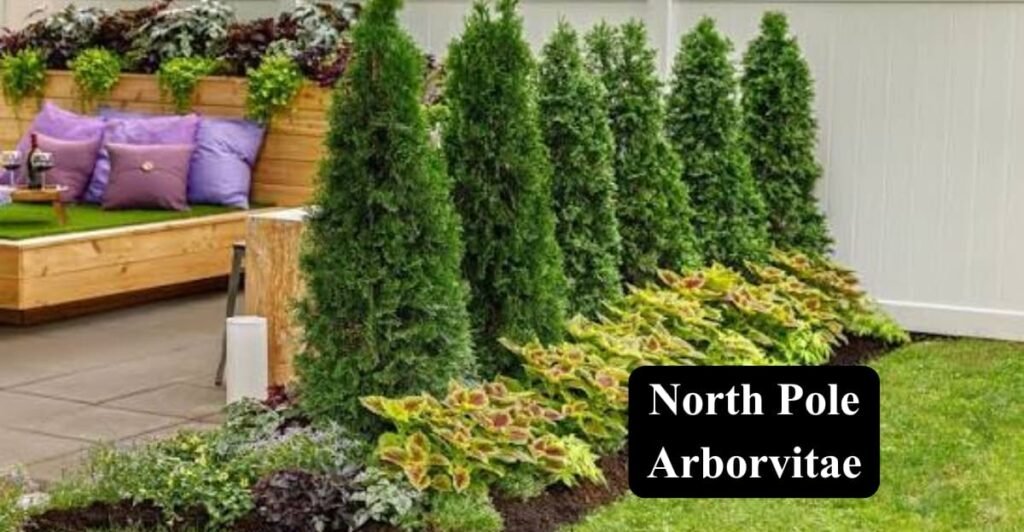
North Pole (Thuja occidentalis) is a narrow upright arborvitae with dense evergreen trees featuring dark-green foliage and an attractive upright habit. It grows in USDA Zones 3 to 8, reaches 10 to 15 feet tall, and spreads 3 to 5 feet, making it ideal for narrow spaces, privacy screening, evergreen hedges, and landscape screening. Its natural shape retention, winter burn resistance, and low-maintenance nature mean it needs little pruning and creates a beautiful evergreen backdrop in garden beds and beds and borders.
2. Tater Tot Arborvitae
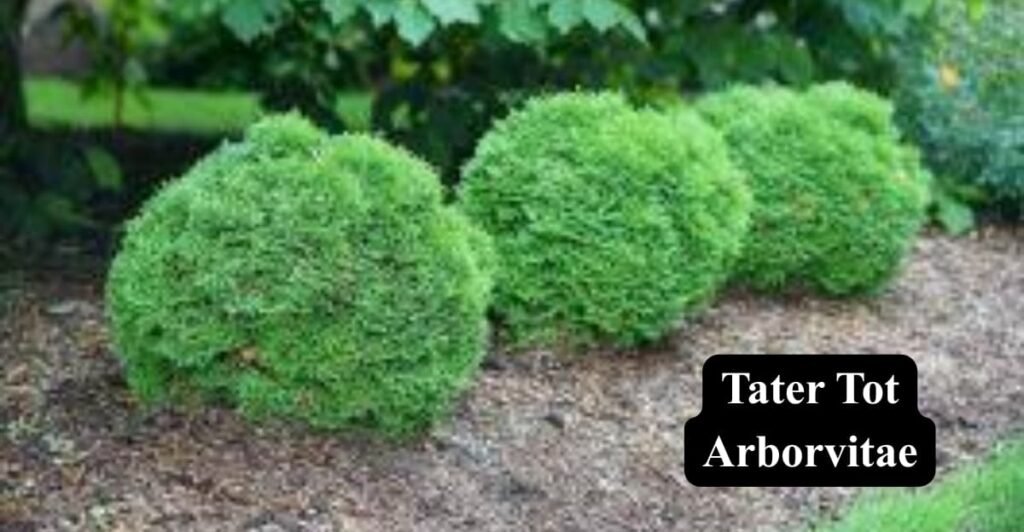
Tater Tot (Thuja occidentalis) is a dwarf arborvitae with a compact globe shape, symmetrical shape, and attractive fan-like foliage in fresh green foliage shades. Growing in Zones 3 to 8, it reaches 2 to 3 feet tall with a 3 to 4 feet spread, making it one of the best compact arborvitae and dwarf varieties for woodland garden designs, formal landscapes, and pathway edging. Its shade tolerance, natural shape, and no pruning requirements make it a virtually carefree plant for attractive ornamental garden plants and garden borders.
3. Spring Grove Western Arborvitae
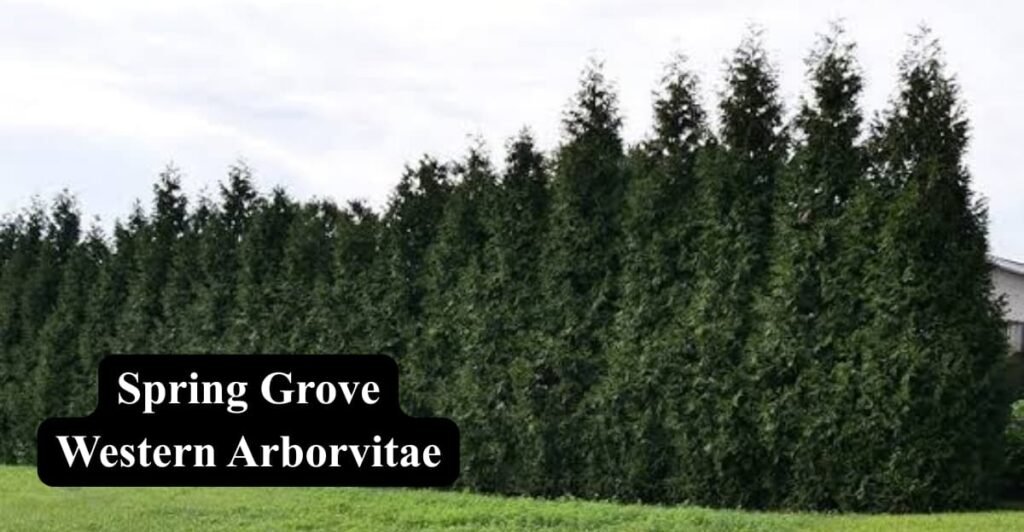
Spring Grove Western Arborvitae (Thuja plicata), also called western arborvitae or western red cedar, is a fast-growing arborvitae with a pyramidal habit, upright pyramidal shape, and glossy green foliage. Hardy in Zones 5 to 8, it reaches 20 to 30 feet tall and spreads 10 to 12 feet, tolerating temperatures down to minus 25 degrees F (-25°F). Its superior winter color, year-round color, year-round greenery, cold hardiness, and deer resistance make it a reliable choice for windbreak, wind break, wind protection, and quick privacy screen planting.
4. Cheer Drops Arborvitae
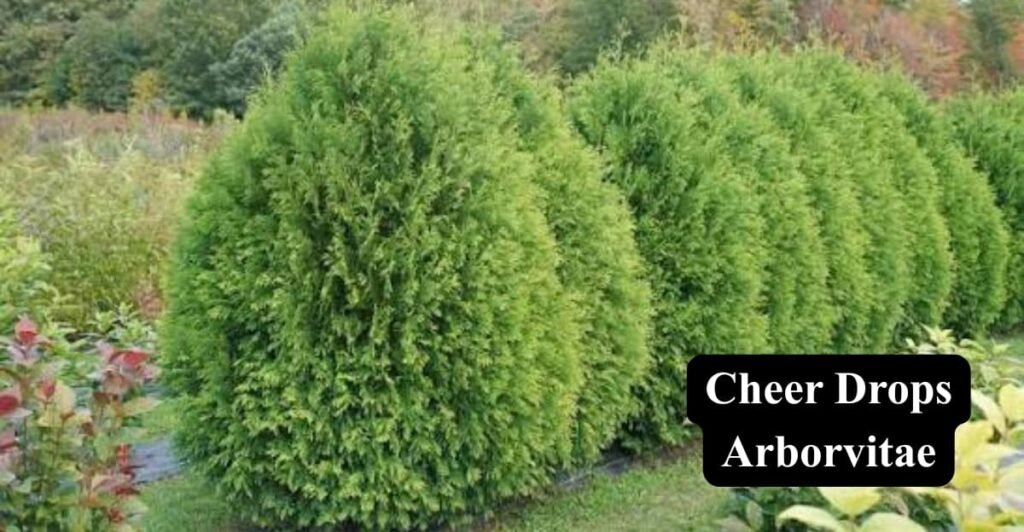
Cheer Drops (Thuja occidentalis) is an ornamental variety with a distinctive tear-drop shape, bright green foliage, and attractive natural shape. Suitable for Zones 3 to 7, it grows 10 to 18 feet tall with a 6 to 8 feet spread, offering dense growth, attractive foliage, and excellent landscape versatility. Its virtually carefree growth and minimal pruning requirements make it suitable for hedging, privacy screen planting, mass planting, and irregular groupings that create a captivating display and stunning landscape display.
Conclusion
Arborvitae trees are versatile evergreens that bring year-round beauty, privacy, and structure to any garden. With proper planting, watering, pruning, and seasonal care, you can keep them healthy and attractive for years. Choose the right variety for your space and enjoy these beautiful trees as hedges, garden accents, or decorative features.
Frequently Asked Questions
1. How much sunlight do arborvitae trees need?
Most arborvitae varieties grow best in full sun with at least six hours of direct sunlight daily, although some tolerate partial shade.
2. How often should I water arborvitae?
Water newly planted arborvitae deeply about once a week during the growing season, keeping the soil moist but not waterlogged.
3. When is the best time to prune arborvitae?
Early spring is a good time for light pruning to maintain their natural shape, remove damaged branches, and encourage dense growth.
4. Are arborvitae trees deer-resistant?
No, arborvitae are not fully deer-resistant. Deer may browse their foliage, especially in winter, so fencing or other protective measures may be necessary.
Please Write Your Comments