How to Start a Vegetable Garden
Updated: November 10, 2026
3
Starting a vegetable garden is easier than you think, even with limited space or no gardening experience! With the right plants, healthy soil, and simple techniques, you can enjoy fresh, homegrown vegetables straight from your backyard. Follow these 7 easy steps to build a thriving vegetable garden from scratch and enjoy a rewarding growing season.
Table of Contents
How to Start a Vegetable Garden in 7 Steps
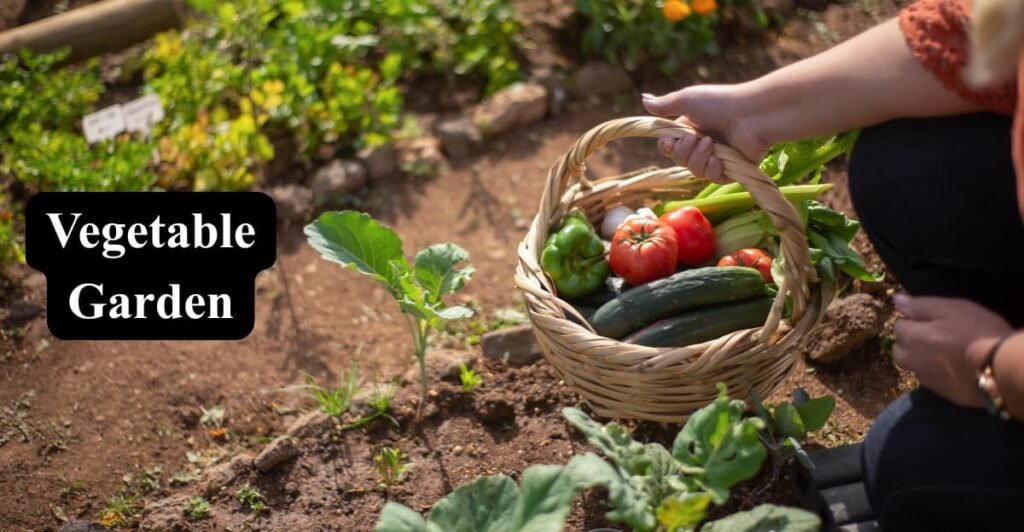
Starting a vegetable garden becomes easier when you follow a simple gardening guide designed for beginners. Follow these essential steps to get started:
- Choose a sunny location: Select a garden spot with 6 to 8 hours of direct sunlight.
- Start with a manageable size: Choose a small garden bed, such as a 4×4-foot or 4×8-foot space.
- Select easy vegetables: Grow your favorite vegetables that suit your local climate and growing season.
- Prepare the soil: Mix compost and organic matter into the soil to improve its quality.
- Check planting dates: Use local frost dates and a vegetable planting schedule to plan your garden.
- Plant seeds or transplants: Follow the recommended planting depth and spacing for each crop.
- Care for your garden: Maintain consistent watering, control weeds, and manage pests to support healthy plant growth.
I’ve found that starting with a small garden and a few favorite vegetables makes gardening more enjoyable and easier to manage, especially for beginners.
1. Choose the Right Location
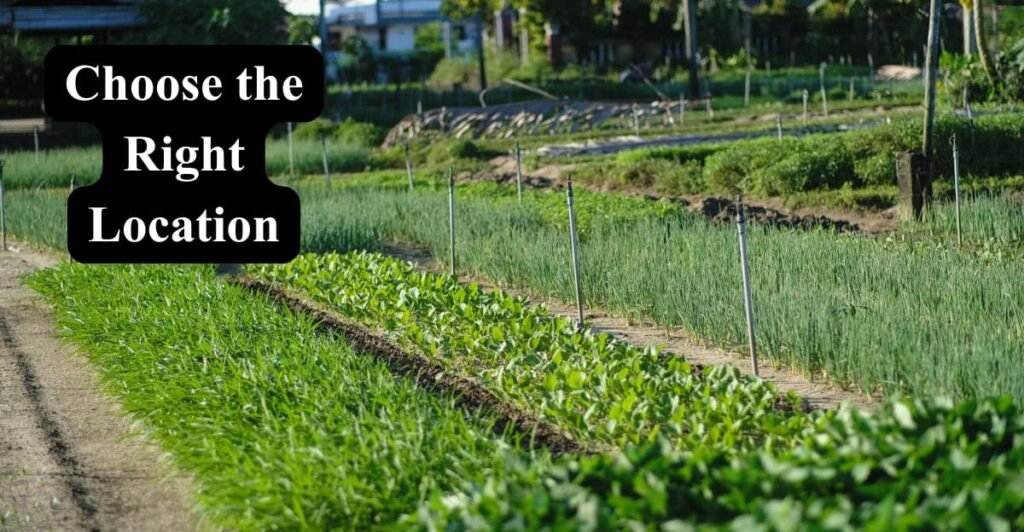
Choosing the right location is the first step toward a healthy vegetable garden. Select a sunny spot with good drainage, easy access to a water source, and fairly level ground to make watering, weeding, and harvesting easier.
How Much Sun Do Vegetables Need?
Most vegetables need 6 to 8 hours of direct sunlight daily to grow well, while some shade-tolerant vegetables, such as lettuce, spinach, and kale, can manage with 4 to 5 hours. Observe how sunlight moves across your yard during the growing season, as tree shade and changing garden light conditions can affect plant growth and crop selection.
What Else Makes a Good Garden Spot?
A good garden spot needs more than sunlight to support a healthy vegetable garden. Look for a suitable location with good drainage, easy water access, protection from strong winds, and healthy soil to create the right growing environment.
- Good drainage.
Choose an area with well-drained soil where rainwater does not collect or leave the ground soggy. Excess water can reduce soil aeration, damage vegetable roots, and increase the risk of root rot, so proper drainage helps maintain healthy roots.
- Easy access to water.
Select a garden location close to a reliable water source so you can maintain a consistent watering routine. Make sure your garden hose can reach every corner, or keep a watering can nearby to make daily garden maintenance easier.
- Protection from strong winds.
Avoid exposed, windy spots because strong winds can damage vegetable plants, break tall tomato stems, and disturb trellised beans. A sheltered planting area also helps protect pollinator activity, supporting better flower pollination and fruit development.
- Soil quality.
Healthy garden soil provides the nutrients and structure vegetables need for strong growth, but even poor soil can improve with proper care. Add compost, organic matter, and suitable soil amendments to increase soil fertility and create better growing conditions.
2. Start Small: Choose Your Garden Size
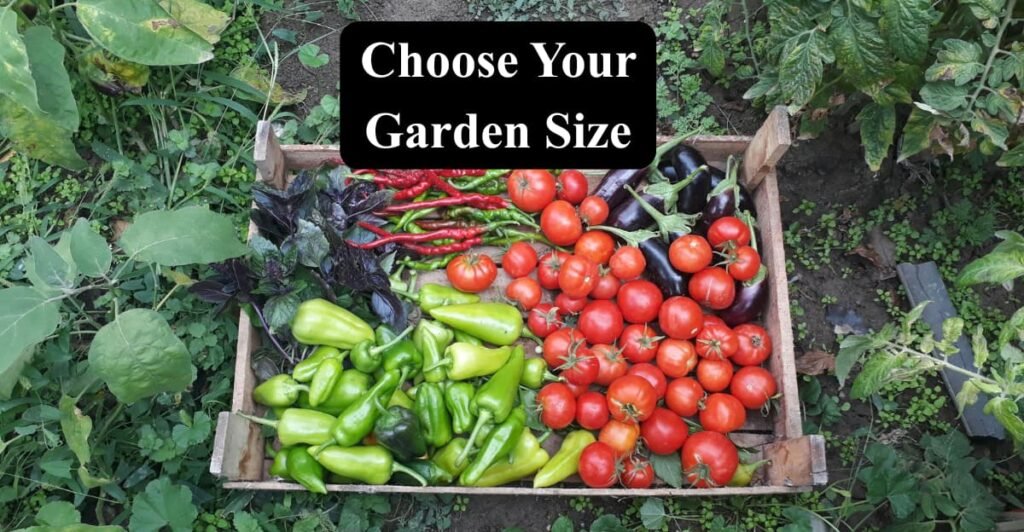
Starting with a small vegetable garden is a smart choice for a beginner gardener because it keeps planting, watering, weeding, and harvesting manageable. Avoid planting too much in your first season; a smaller garden makes maintenance easier, builds gardening confidence, and gives you room to expand as your experience grows.
Which Garden Style Is Right for Me?
There are several garden styles to consider based on your available space, budget, and gardening goals. In-ground gardens are an economical option, while raised beds provide a defined planting area with better control over soil and drainage; container gardening is ideal for patios, decks, and other small spaces, especially when you use pots or grow bags with drainage holes and suitable potting mix.
How Much Space Do I Need?
The space you need depends on the vegetables you want to grow and the amount of harvest you expect. A 4×4-foot bed, a 4×8-foot bed, or even a few containers can be enough for a first vegetable garden with tomatoes, leafy greens, and herbs; you can always add more growing space when you feel ready to expand.
- Containers.
Container gardening is a great option for small spaces, patios, and decks where a traditional garden bed may not fit. Use a 12-inch pot for lettuce and other small vegetables, while tomato plants and larger varieties need large containers, such as a five-gallon pot, to provide enough root space and support healthy growth.
- Raised beds.
Raised beds offer a convenient and beginner-friendly way to grow vegetables in a defined planting area. A 4×4-foot raised bed is easy to manage for beginners, while a 4×8-foot raised bed provides more planting capacity and room to grow additional vegetable crops as your garden expands.
- In-ground gardens.
In-ground gardening is an affordable option if you have suitable garden soil and enough outdoor space. Start with a manageable 4×8-foot plot to make planting and maintenance easier, then consider expanding your garden as your gardening skills and growing needs develop.
- Pathways.
Plan garden pathways between beds so you can comfortably reach every planting area without stepping on the soil. Paths around 4 feet wide can provide convenient access, protect soil structure, prevent soil compaction, and make watering, weeding, and harvesting easier.
Tip: Pay attention to vegetable spacing when planning your garden because different crops need different amounts of growing room. Zucchini plants spread several feet, while lettuce and radishes fit into smaller spaces; try square foot gardening and thoughtful crop arrangement to make the most of a small garden.
3. Choose What to Grow
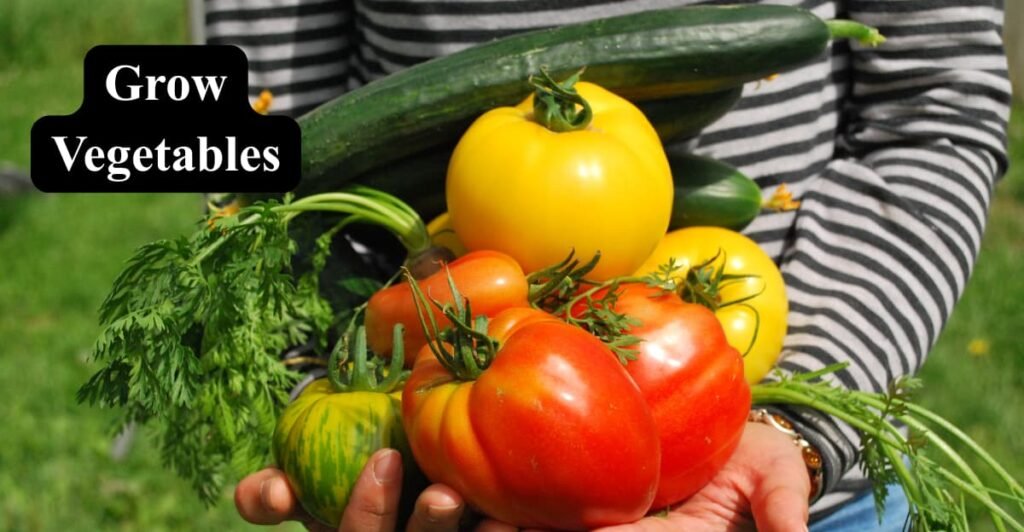
When deciding what to grow, start with easy-to-grow vegetables that suit your local climate and growing season. For a beginner vegetable garden, choose productive, easy-care crops that you and your family enjoy eating, making your first vegetable selection both practical and rewarding.
Check your weekly grocery list to identify vegetables you buy regularly, then choose suitable varieties based on your garden space and their growing requirements. Growing your favorite vegetables at home makes garden planning easier and helps you enjoy a fresh, satisfying vegetable harvest.
Easiest Vegetables for Beginners
If this is your first vegetable garden, start with 3 to 5 beginner-friendly vegetables rather than planting too many crops at once. Choose easy-care varieties that match your growing season so you can learn basic plant care, enjoy steady growth, and avoid feeling overwhelmed.
- Lettuce: A quick-growing, cool-season vegetable that is easy to harvest. Choose leaf lettuce for repeated leaf harvesting or heading varieties like romaine for a whole-head harvest.
- Radishes: One of the fastest-growing vegetables for beginners, radishes grow well in cool spring and fall weather. Try French Breakfast, Easter Egg, or Watermelon varieties for a quick harvest.
- Green Beans: Both bush and climbing beans are productive and relatively easy to grow. Bush varieties need less support, while climbing beans grow vertically on trellises and save garden space.
- Peas: These cool-season crops thrive in spring and can grow upward with simple trellises. You can also plant radishes beneath climbing peas to make better use of limited garden space.
- Swiss Chard: This colorful leafy vegetable provides repeated harvests throughout the growing season. Pick the outer leaves regularly to encourage fresh growth while adding vibrant foliage to your garden.
- Tomatoes: Start with one or two compact, nursery-grown tomato plants for an easier first harvest. Determinate varieties stay more compact, while indeterminate types grow taller and need staking or trellises.
- Zucchini: Zucchini is a productive warm-season vegetable that can produce plenty of fruit from just a few plants. Give it enough space because its large leaves and spreading growth need room, and harvest fruits regularly.
- Beets: Beets are useful dual-purpose vegetables because you can enjoy both their edible roots and leafy tops. They grow best in cool conditions with consistent moisture to support healthy root development.
- Kale: This hardy leafy green grows well in cool weather and tolerates frost better than many vegetables. Harvest the outer leaves regularly to enjoy fresh greens over an extended period.
- Peppers: Bell peppers and hot peppers are warm-season crops that need plenty of sunlight and warmth. Choose compact varieties or nursery-grown seedlings, and provide stakes if the plants need extra support.
A Simple 4×8 Vegetable Garden Plan
A 4×8 vegetable garden plan is a practical way to organize a beginner-friendly garden without wasting space. Sketch your vegetable garden layout on scrap paper, placing taller plants like tomatoes toward the north or rear side so they do not shade shorter crops that need plenty of sunlight.
For a simple layout, grow lettuce, Swiss chard, onions, early potatoes, bush beans, and nasturtiums in the same garden bed. Follow the recommended plant spacing and quantities for each crop, and plan seasonal planting to enjoy a productive harvest of fresh, homegrown vegetables.
4. Prepare Your Garden Soil
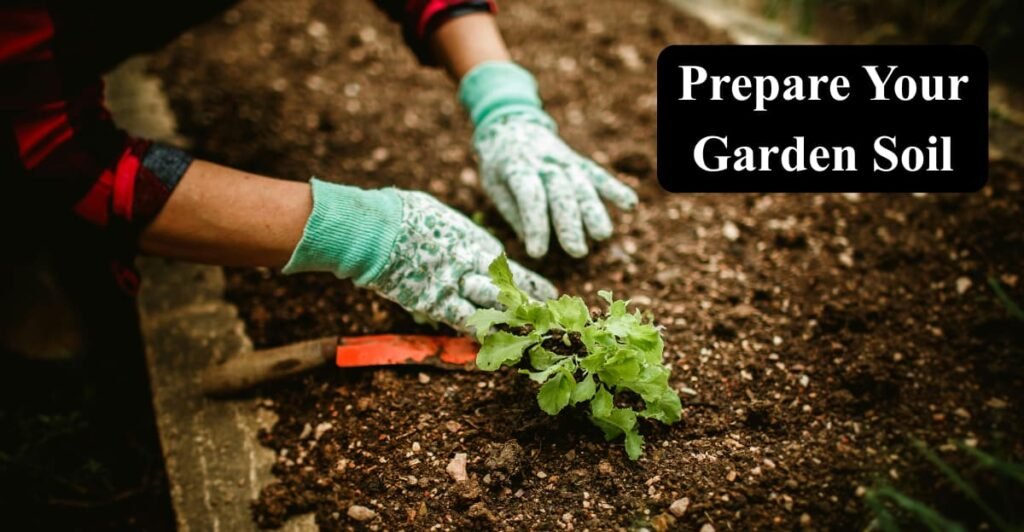
Healthy garden soil gives vegetables the nutrients and growing conditions they need to develop strong roots and produce a good harvest. Before planting, consider a soil test through your local cooperative extension or a reliable testing service to check soil pH, nutrient levels, and possible contaminants such as lead, especially if you are gardening near older homes or on land with an unknown history.
Preparing a New In-Ground Garden
If you are starting a new in-ground garden, prepare the planting area carefully to create a healthy garden bed. Follow these simple steps to improve the soil and get your vegetable garden ready for planting:
1. Mark your garden area. Use wooden stakes, string, or a garden hose to outline the garden boundaries. Measure the length and width to create a clear planting space that matches your garden layout.
2. Remove grass and weeds. Clear unwanted vegetation using a shovel or sod cutter, or cover the area with plain cardboard and compost for sheet mulching. This method helps suppress grass and weeds, although it may take several months to work.
3. Loosen compacted soil if needed. Use a garden fork or tiller to loosen heavily compacted ground and improve soil aeration. Loose soil supports healthy root development, especially for root vegetables such as carrots that need space to grow properly.
4. Add compost. Spread about 2 to 3 inches of finished compost over the garden bed and mix it into the top 6 inches of soil. Compost improves soil structure, adds organic matter, and supports soil fertility; use additional amendments only when recommended by your soil test.
5. Rake the surface smooth. Use a garden rake to level the soil surface and remove leftover weeds or debris. Keep the planting area loose and smooth, and avoid walking on the prepared bed to prevent soil compaction and drainage problems.
Tip: Avoid digging or working with soaking wet soil because it can cause soil compaction and damage its natural structure. Wait until the soil dries slightly and crumbles easily in your hands before digging, loosening, or preparing your garden bed.
Preparing Raised Beds
Choose a sunny location with level ground before installing your raised garden bed. Remove grass and weeds, then use a garden fork to loosen the compacted soil underneath so roots can grow beyond the bed; fill it with a loose mixture of topsoil and finished compost rather than compost alone to support healthy soil structure and drainage.
How deep should a raised bed be?
Most raised beds should be at least 8 to 12 inches deep to provide enough soil for many vegetable crops. If your bed sits on concrete or another hard surface, consider a depth of 12 to 24 inches, especially for tomatoes, peppers, and vegetables with deeper root systems; always provide proper drainage to prevent excess water from collecting.
5. Know When to Plant
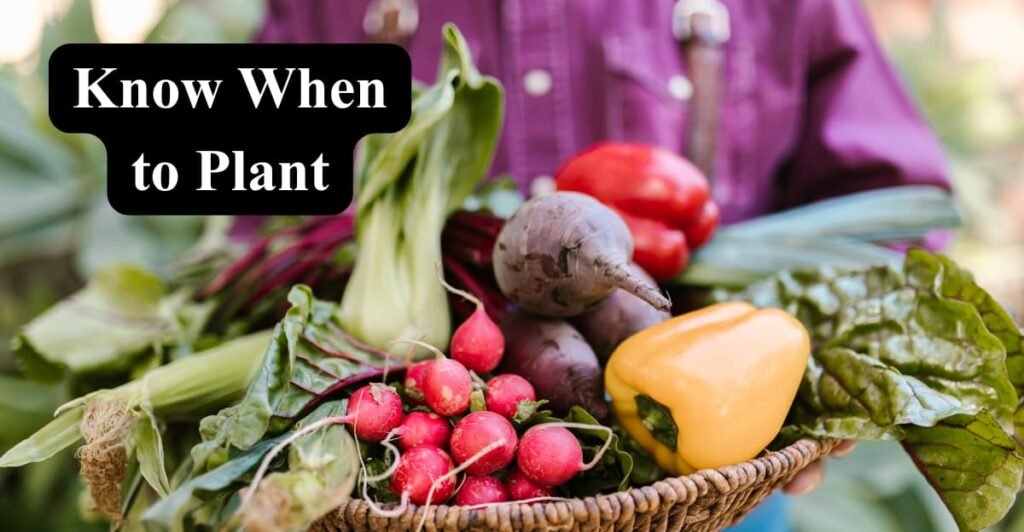
Knowing the right planting dates helps vegetables grow under suitable weather and soil conditions. Follow a vegetable planting schedule based on your local climate, growing season, and temperature requirements to decide when to plant cool-season and warm-season crops.
Find Your Local Planting Dates
Check your average last spring frost date and local planting calendar before moving seedlings outdoors. Your local climate and frost-free period help determine safe planting times, especially for tender vegetables that can be damaged by unexpected spring frost.
When to Plant Each Vegetable
Different vegetables have different planting times, so always check the instructions on seed packets or a regional planting calendar. Some crops need indoor seed starting before transplanting, while others grow best when you sow seeds directly outdoors according to local weather and soil conditions.
Cool-Season vs. Warm-Season Vegetables
Vegetables have different temperature requirements, so choosing the right planting time helps them grow successfully. Some crops prefer cool weather, while others need warm soil and frost-free conditions.
- Cool-season vegetables: Crops like peas, lettuce, spinach, radishes, carrots, and kale grow best in cool spring weather. Plant them in early spring or plan a fall harvest, as many can tolerate light frost.
- Warm-season vegetables: Tomatoes, peppers, and eggplants are heat-loving crops that grow best as young plants or nursery transplants after the last frost date. Wait for warm weather and suitable soil temperatures before outdoor planting.
- Direct-sown warm-season crops: Vegetables such as beans, cucumbers, zucchini, and pumpkins can be planted directly in the garden once the soil warms up. Warm conditions support seed germination and help seedlings establish before summer growth.
6. Plant Seeds or Transplants
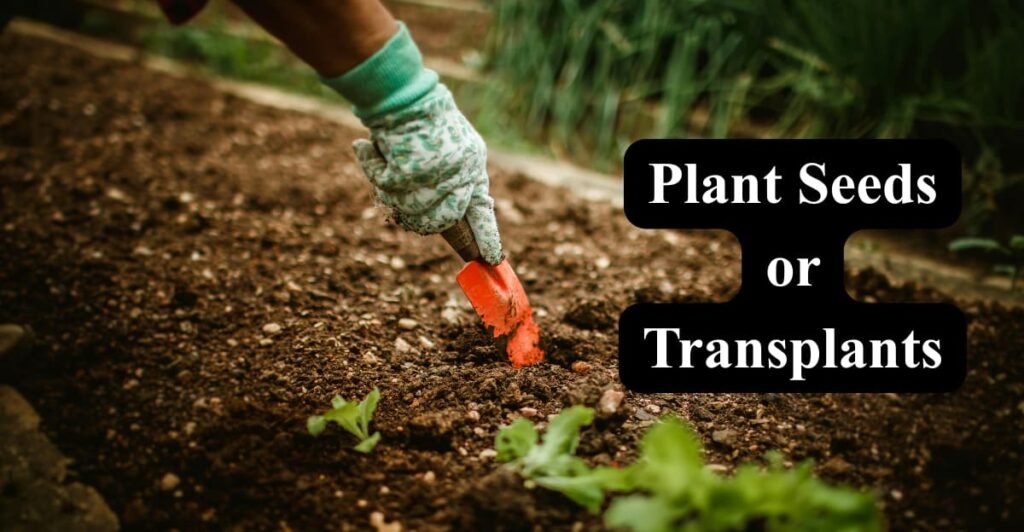
You can grow vegetables by planting seeds directly in prepared soil or purchasing young plants from a garden nursery. Starting vegetables from seed is usually more affordable and offers more variety, while nursery-grown plants give beginners a head start and make the garden establishment process easier.
How to Plant Seeds Outdoors
Follow the instructions on your seed packet for the correct planting depth and spacing, as different vegetables have different requirements. Make shallow trenches or individual holes, place the seeds, cover them lightly with soil, and water gently to maintain consistent moisture until seedlings emerge.
Once seeds sprout, thin crowded seedlings to give healthy plants enough room to grow. Remove extra seedlings carefully with scissors at the soil line rather than pulling them out, which can disturb nearby root systems and damage young plants.
How to Plant Young Vegetable Plants
Before moving young vegetable plants outdoors, prepare them through a process called hardening off. Gradually expose indoor or greenhouse-grown seedlings to sunlight, wind, and outdoor temperatures over 1 to 2 weeks so they can adjust without experiencing unnecessary transplant stress.
When they’re ready to plant:
- Water the plants: Make sure the root ball is moist before removing the plant from its nursery pot.
- Prepare the planting hole: Dig a hole wide enough to accommodate the entire root system and follow the recommended spacing on the plant label.
- Remove the plant gently: Squeeze the sides of flexible plastic pots and carefully slide out the plant without damaging its roots. For biodegradable pots, check whether the bottom needs removing.
- Set the correct depth: Place most vegetables at their original soil level. Tomato plants are an exception because their stems can be buried deeper to encourage additional root development.
- Fill and water: Cover the roots with soil, gently firm the surface, and water thoroughly to settle the soil around the roots.
- Add plant support: Install tomato cages, stakes, or other supports when needed to keep growing plants upright.
Tip: Wait until nighttime temperatures remain consistently warm before planting heat-loving vegetables such as tomatoes outdoors. Temperatures around 55°F (13°C) or higher are generally more suitable for tomato growth than cold nights, which can slow establishment and increase transplant stress.
7. Care for Your Vegetable Garden
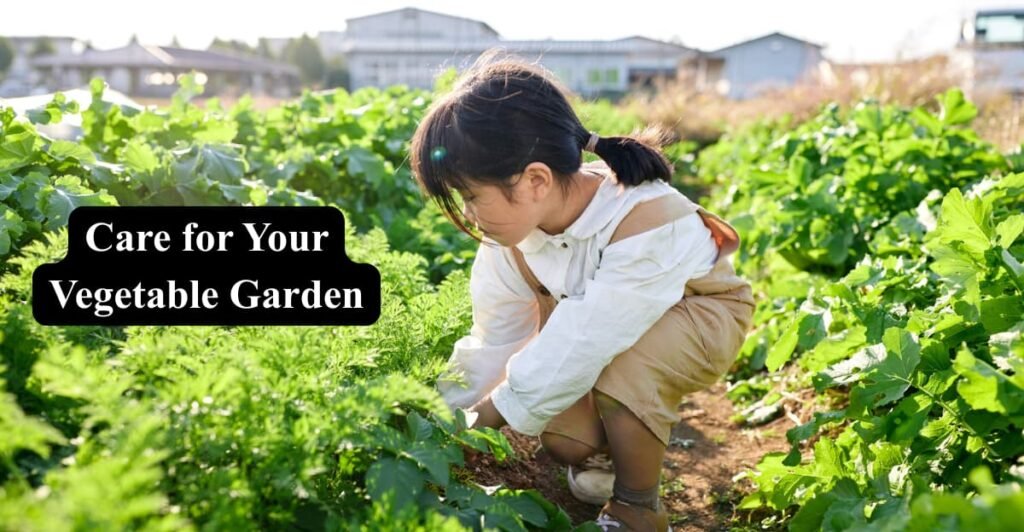
Regular vegetable garden care helps keep plants healthy and supports steady vegetable growth throughout the growing season. Make time to inspect your plants, water them when needed, remove young weeds, and watch for signs of pests or poor plant health to maintain a thriving garden.
How Often Should You Water?
Most vegetable gardens need about 1 inch of water per week, including natural rainfall, but watering frequency depends on the weather, soil moisture, and plant growth stage. Check the soil with your finger before watering; if the top layer feels dry, water deeply, while damp soil usually does not need additional moisture.
Watering tips:
- Water in the morning: Early morning watering gives plants enough moisture before the daytime heat arrives.
- Water at the base: Direct water toward the soil instead of wetting the leaves to help reduce fungal diseases.
- Water deeply: Deep watering encourages strong roots and healthy root systems.
- Avoid shallow watering: Frequent, light watering can lead to shallow root development.
- Keep new seeds moist: Newly planted seeds need consistent moisture to support germination and sprouting.
- Check container plants: Vegetables grown in pots and grow bags may need more frequent watering because containers lose moisture faster.
Fertilizing Your Vegetables
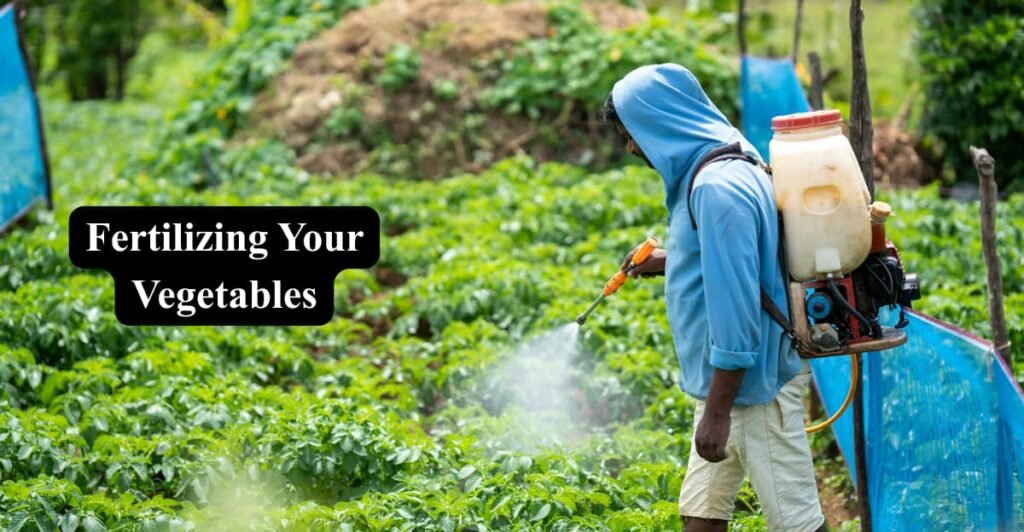
Vegetables need essential plant nutrients to support healthy growth, but excessive fertilizer can damage plants and reduce fruit production. Before applying a balanced vegetable fertilizer, check your soil test recommendations and add compost or fully composted manure to improve soil fertility; follow package directions to avoid overfertilization.
Feed heavy feeders like tomato plants according to their nutrient needs, especially when they begin producing their first fruits. Use suitable organic fertilizers or additional nutrients when needed, keeping fertilizer dosage balanced to encourage fruit development rather than excessive leafy growth.
Mulching and Weeding
Apply 2 to 3 inches of mulch around your vegetables to prevent weeds, conserve soil moisture, and regulate soil temperature. Use straw mulch, compost, or another organic material, keeping it away from plant stems to reduce the risk of stem rot.
Inspect your garden weekly and remove young weeds by hand or with a garden hoe before they become established. Dig out larger weeds with their roots and remove them before they produce seeds, helping maintain a cleaner and healthier vegetable garden.
Dealing with Garden Pests
Check your plants regularly for garden pests and early signs of damage, such as holes in leaves, sticky residue, discoloration, or missing seedlings. Inspect the undersides of leaves, identify the pest before treating it, and try natural methods like handpicking caterpillars, protective fencing, and encouraging beneficial insects with flowers and herbs.
For additional protection, use row covers or lightweight insect netting over vulnerable crops such as cabbage, broccoli, and kale to prevent cabbage loopers and other insects from laying eggs. If treatment is necessary, choose a pest-specific product labeled as safe for edible crops and follow its instructions carefully.
Tip: When vegetables show poor growth, inspect their basic growing conditions before applying fertilizer or pest treatments. Check sunlight, soil moisture, soil drainage, and temperature first, as correcting these issues can often improve plant health naturally.
When and How to Harvest Vegetables
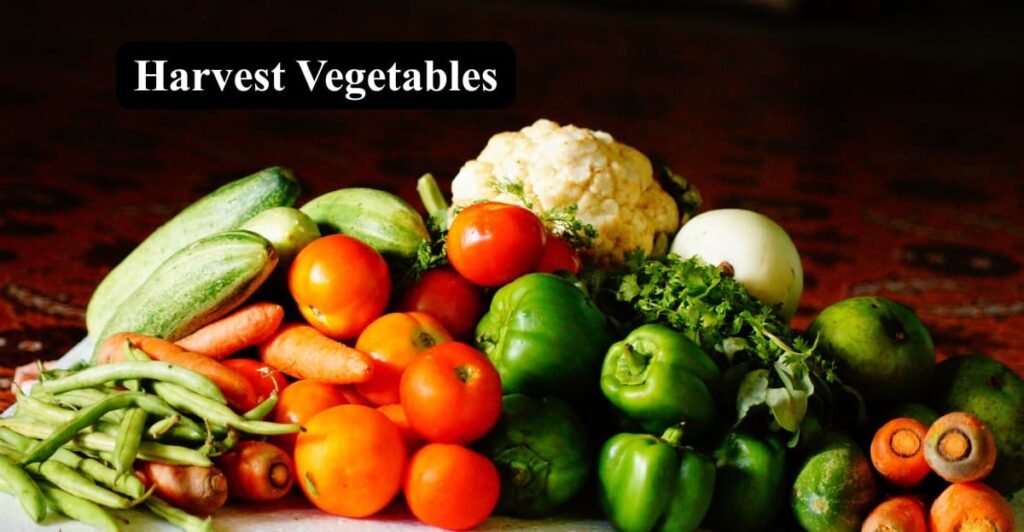
Harvest vegetables at the right stage of maturity to enjoy their best flavor, texture, and freshness. Check days to maturity on seed packets, monitor plant development, and adjust your harvesting schedule according to the vegetable variety and growing season.
- Leafy greens: Harvest the outer leaves of lettuce, kale, and Swiss chard while allowing the center to keep growing. This cut-and-come-again method encourages regrowth and provides multiple harvests from the same plant.
- Root vegetables: Pick radishes and carrots when they reach the recommended harvest size for their variety. Leaving them in the ground too long can result in woody radishes or poor root texture.
- Fruiting vegetables: Harvest beans, tomatoes, and zucchini when they reach their correct size and color. Pick zucchini and beans frequently to encourage continued production, using scissors or garden pruners when needed to avoid damaging stems.
Tip: Use the estimated days to maturity on seed packets as a helpful guide, but do not rely on it alone. Observe vegetable size, color, and development to recognize when each crop is ready for harvesting.
Conclusion
Starting a vegetable garden from scratch is easier when you follow the right steps, from choosing a sunny location to preparing healthy soil and selecting beginner-friendly vegetables. With proper planting, regular watering, and simple garden care, you can enjoy fresh, homegrown produce throughout the growing season. Start small, follow these practical gardening tips, and build a thriving vegetable garden you’ll love maintaining.
Frequently Asked Questions
1. What are the easiest vegetables to grow for beginners?
Lettuce, radishes, green beans, peas, Swiss chard, and zucchini are some of the easiest vegetables for beginners because they are relatively simple to grow and maintain.
2. How much space do I need to start a vegetable garden?
A small 4×4-foot or 4×8-foot garden bed is enough to grow several vegetables. You can also start with a few containers if you have limited outdoor space.
3. How many hours of sunlight does a vegetable garden need?
Most vegetables need 6 to 8 hours of direct sunlight daily. However, leafy greens like lettuce, spinach, and kale can tolerate partial shade.
4. How often should I water my vegetable garden?
Most vegetable gardens need about 1 inch of water per week, including rainfall. Check soil moisture regularly and adjust watering based on weather, plant needs, and growing conditions.
Please Write Your Comments