National Flower of Wales: Daffodil vs. Leek
Updated: October 27, 2026
32
Discover why the daffodil and leek both hold a special place in Welsh culture! From ancient traditions to modern national pride, explore how these two symbols became closely connected with the National Flower of Wales. Keep reading to uncover their fascinating history, hidden meanings, and the surprising reasons both still represent Wales today.
Table of Contents
Wales Has Two National Symbols ?
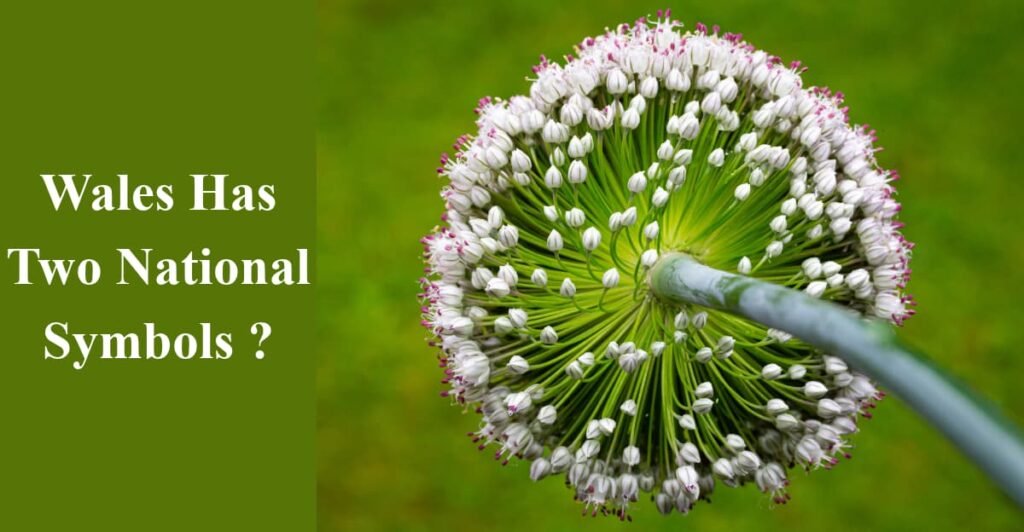
Wales proudly embraces two national symbols: the leek and the daffodil. Both represent Welsh identity, heritage, and traditions shaped by different historical eras.
The leek reflects medieval history, survival, and resilience, while the daffodil symbolizes renewal, cultural revival, and modern Welsh pride. Together, they celebrate Wales’s unique national identity.
From my experience exploring flower symbolism, I find that both emblems tell different but equally meaningful stories about Welsh culture and heritage.
What Is the National Flower of Wales?
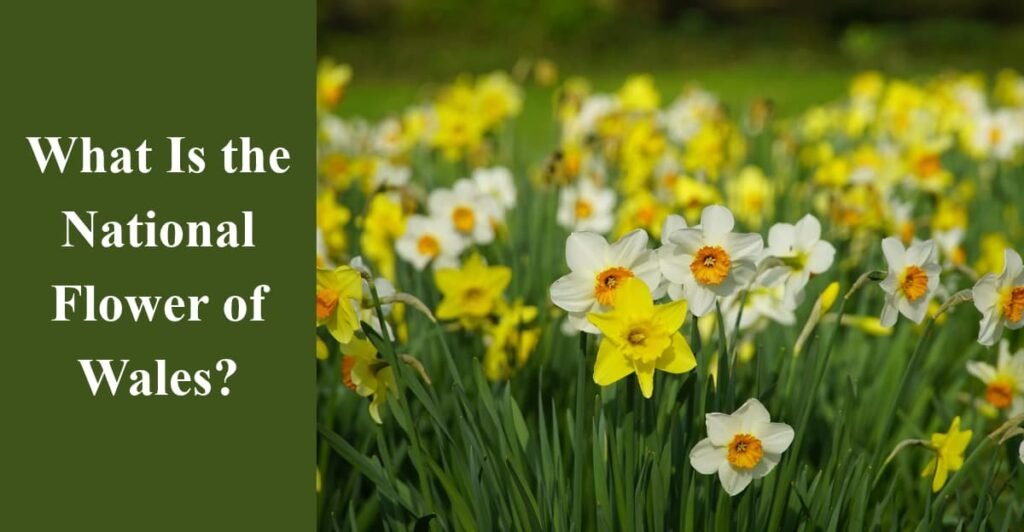
The daffodil, also known as the Welsh daffodil, is widely recognized as the national flower of Wales. Its vibrant yellow blooms symbolize hope, renewal, and Welsh pride, brightening the landscape each spring.
On St. David’s Day, people traditionally wear daffodils to celebrate Welsh identity and heritage. The leek remains an older national emblem with deep historical and cultural significance.
From my experience exploring flower symbolism, the daffodil beautifully connects Wales’s natural beauty with its traditions and national pride.
The Leek: Wales’ Old National Emblem
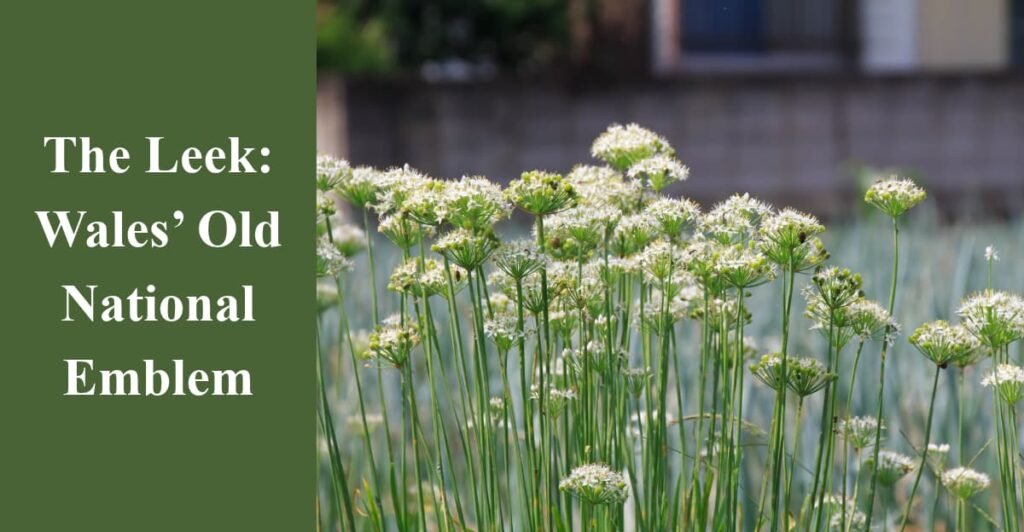
The leek is an old Welsh national emblem deeply connected to Welsh history, national identity, and cultural heritage. While the daffodil has gained popularity, the leek remains a traditional Welsh symbol of pride and historical significance.
Its lasting place in Welsh traditions reflects the country’s national symbolism and strong connection to its past. Both emblems contribute to Welsh culture, national representation, and a shared sense of belonging.
From my experience exploring national plant symbols, the leek stands out for its deep historical roots and enduring role in Welsh identity.
A Symbol Born on the Battlefield
The leek is traditionally linked with battlefields, brave warriors, and Welsh history, making it a powerful emblem of unity, resilience, and pride. Its bright green hue and place in Welsh folklore connect generations with their cultural heritage, warrior history, and enduring traditions.
Worn on St. David’s Day, the leek remains a simple yet profound emblem of Welsh identity and the Welsh spirit. Its story connects historical resilience with modern national pride, keeping the past alive through cultural celebrations.
In my research into traditional emblems, the leek’s battlefield associations show how an everyday plant can carry a meaningful story of unity and heritage.
Why the Leek Still Matters
The leek continues to hold deep cultural significance as a symbol of pride, reflecting Wales’s rich heritage, history, and traditions. Although the Welsh daffodil is more widely celebrated today, the leek recalls stories of ancient warriors, unity, and the resilience associated with the Welsh spirit.
People still wear leeks on St. David’s Day, while this traditional vegetable remains part of Welsh dishes and everyday life. Its enduring presence connects the past and present, strengthens cultural continuity, and celebrates the national identity, customs, and shared heritage of the Welsh community.
From my experience studying cultural symbolism, the leek remains meaningful because it connects national pride with both historical stories and ordinary Welsh life.
The Daffodil: Modern Wales’ National Flower
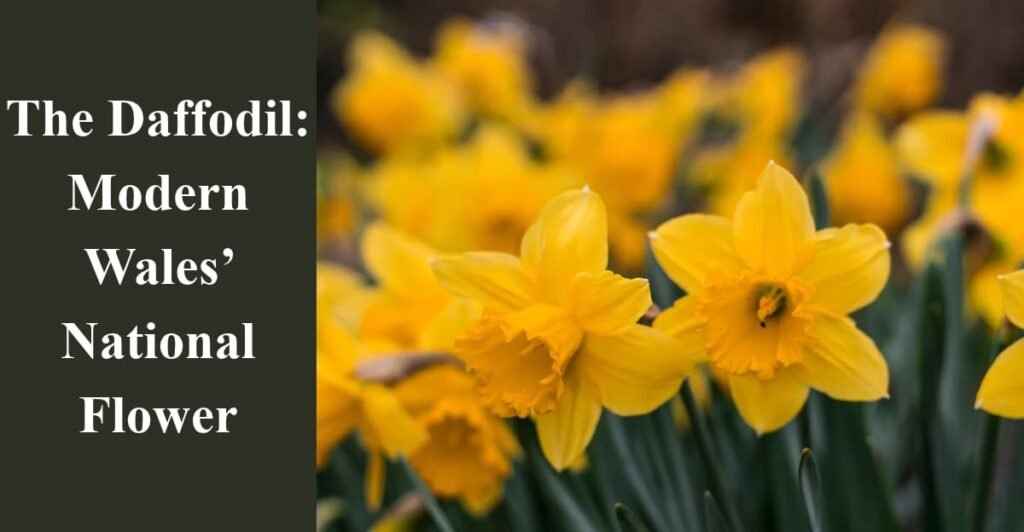
The daffodil has become a vibrant symbol of modern Wales, bringing cheerful yellow hues to spring landscapes. Widely recognized as the national flower of Wales, it represents hope, renewal, and the spirit of the Welsh people.
Its simple beauty and seasonal blooming make it a familiar floral emblem during celebrations and festivals. Across generations, the daffodil has strengthened Welsh identity, national pride, and the cultural connection between communities and their homeland.
From my experience studying floral symbolism, the daffodil’s bright spring blooms make it a memorable expression of Welsh culture and national pride.
How the Daffodil Took Root
The daffodil became increasingly associated with Wales during the late 19th and early 20th centuries, partly because its peak bloom coincides with March 1st, or St. David’s Day. Linguistic connections also played a role, as the Welsh name cenhinen Bedr distinguishes the daffodil from the leek while linking their traditional associations.
In 1911, Prime Minister David Lloyd George helped popularize the daffodil during the investiture of the Prince of Wales, strengthening its national recognition. Over time, the flower became an enduring Welsh national symbol, connecting spring traditions with Welsh heritage, history, and pride.
In my research into national flowers, I find that the daffodil’s seasonal timing and connection with St. David’s Day help explain its lasting cultural recognition.
Why People Prefer the Daffodil Today
The daffodil is often preferred because it is visually striking, easy to grow, and simple to give as a gift, unlike a vegetable that can be awkward to pin to clothing. Its cheerful yellow flowers are widely used in tourism, branding, gardening, and seasonal celebrations, making it a familiar Welsh national symbol.
Although the leek remains an important traditional vegetable and emblem, the daffodil has gained broader public recognition through modern traditions and cultural representation. Its popularity reinforces Welsh heritage, national pride, and the flower’s place in the ongoing Welsh national flower debate.
From my experience exploring floral traditions, the daffodil’s visual appeal and strong association with spring celebrations make it especially recognizable in modern Welsh culture.
Daffodil vs. Leek: Cultural Roles Compared
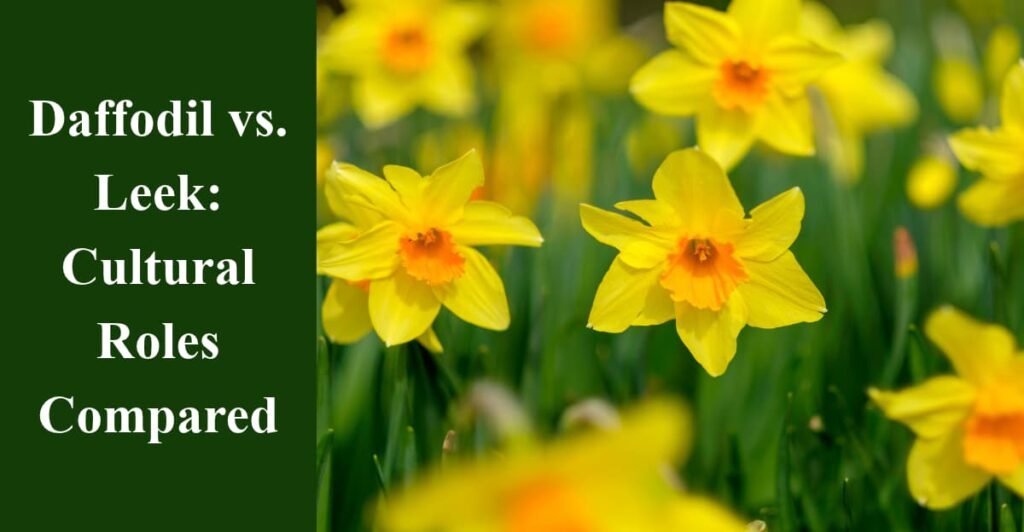
The daffodil and leek have distinct cultural roles in Wales, reflecting both historical traditions and modern national identity. The leek is associated with military traditions, rural symbolism, and ceremonial occasions, while the daffodil appears prominently in festivals, schools, and tourism, gaining wider international recognition.
Together, these Welsh national symbols represent different chapters of the same story, preserving national heritage while adapting to modern identity. Their coexistence reflects Welsh traditions, cultural continuity, and national pride.
From my experience studying national emblems, the daffodil and leek show how floral beauty and historical customs can complement each other within one culture.
How March 1st Celebrants Actually Choose
On March 1st, Wales celebrates its vibrant spirit through St. David’s Day, combining nature, culture, and Welsh traditions. The daffodil, widely recognized as the national flower of Wales, blooms around this special day, symbolizing hope and renewal through its cheerful flowers and bright colors.
People wear daffodils as a badge of pride, while communities organize parades and events filled with music, laughter, traditional foods, and the sweet scent of spring. These celebrations connect friends and families with ancestral roots, Welsh heritage, and a shared national identity.
From my experience exploring seasonal flower traditions, the daffodil’s spring timing makes it a natural favorite for celebrating Welsh culture and community pride.
Why did Wales never replace the leek?
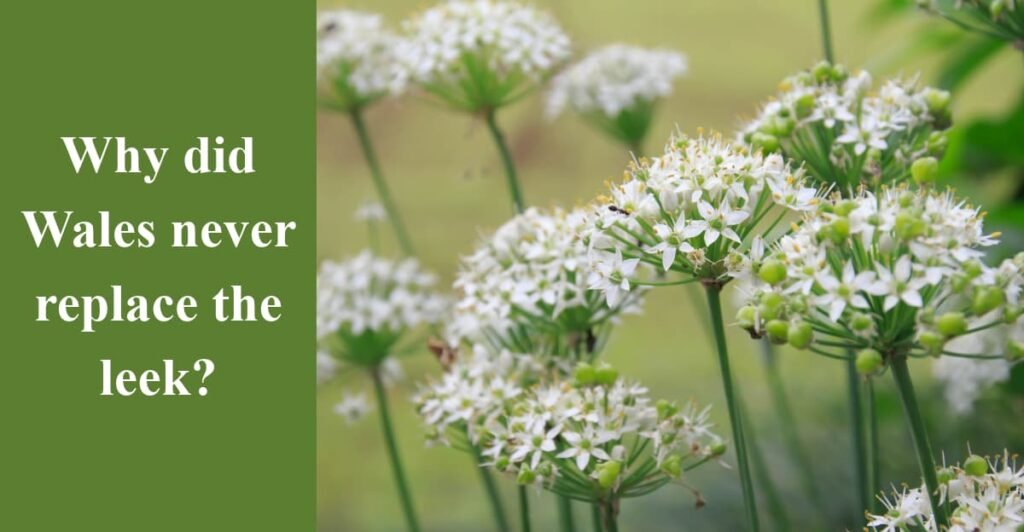
Wales has kept the Welsh leek alongside the daffodil because each symbol holds a special place in the country’s history and culture. The leek represents strength, resilience, and farming heritage, while the daffodil’s bright cheerfulness reflects renewal and modern national pride.
This unique duality connects the earth with the sky, rural heritage with floral symbolism, and the past with an evolving Welsh identity. Rather than replacing one another, these national emblems preserve traditional values, agricultural traditions, and cultural continuity.
From my perspective, the leek’s enduring role shows that a national symbol can remain meaningful even when another becomes more popular.
Where We Will See These Flowers in Wales

Across the lush valleys of Wales, green fields, and countryside, the Welsh leek reflects local pride, agricultural heritage, and rural traditions. In villages such as Abergavenny, local leek celebrations and festivals highlight community creativity, while the Brecon Beacons provide a majestic landscape for exploring Welsh nature and biodiversity.
Along the coastal paths of Pembrokeshire, the salty breeze and distinctive earthiness of the countryside create a refreshing experience for visitors. Wales’ national symbols, including the red dragon, its national animal, connect these landscapes with Welsh heritage, cultural identity, and regional traditions.
From my experience exploring garden and landscape traditions, seeing plants in their natural and cultural settings makes their significance easier to appreciate.
Conclusion
The National Flower of Wales, the daffodil, symbolizes hope, renewal, and modern Welsh pride, while the leek remains a cherished emblem of history and tradition. Both symbols reflect Wales’s rich cultural heritage and continue to play a meaningful role in St. David’s Day celebrations. Understanding their unique stories reveals why the daffodil and leek remain important parts of Welsh identity.
Frequently Asked Questions
1. What is the national flower of Wales?
The daffodil is widely recognized as the national flower of Wales. Its bright yellow blooms symbolize hope, renewal, and Welsh national pride.
2. Why is the leek a symbol of Wales?
The leek is an ancient Welsh national emblem associated with historical traditions, unity, resilience, and Welsh heritage. It remains an important symbol of national identity.
3. Why do Welsh people wear daffodils on St. David’s Day?
Welsh people traditionally wear daffodils on March 1st, St. David’s Day, to celebrate their culture, heritage, and national pride.
4. Are both the daffodil and leek national symbols of Wales?
Yes, both are important Welsh national symbols. The daffodil is widely recognized as the national flower, while the leek retains its traditional and historical significance in Welsh culture.
Please Write Your Comments