Fun Facts About Maple Trees
Updated: October 26, 2026
12
Maple trees are famous for their brilliant fall colors, sweet sap, and fascinating features that make them stand out in forests and gardens. From producing delicious maple syrup to developing helicopter-shaped seeds and valuable hardwood, these trees have many surprising secrets worth discovering. Keep reading to explore these fun facts about maple trees and discover what makes them truly remarkable!
Table of Contents
What Makes Maple Trees Unique?
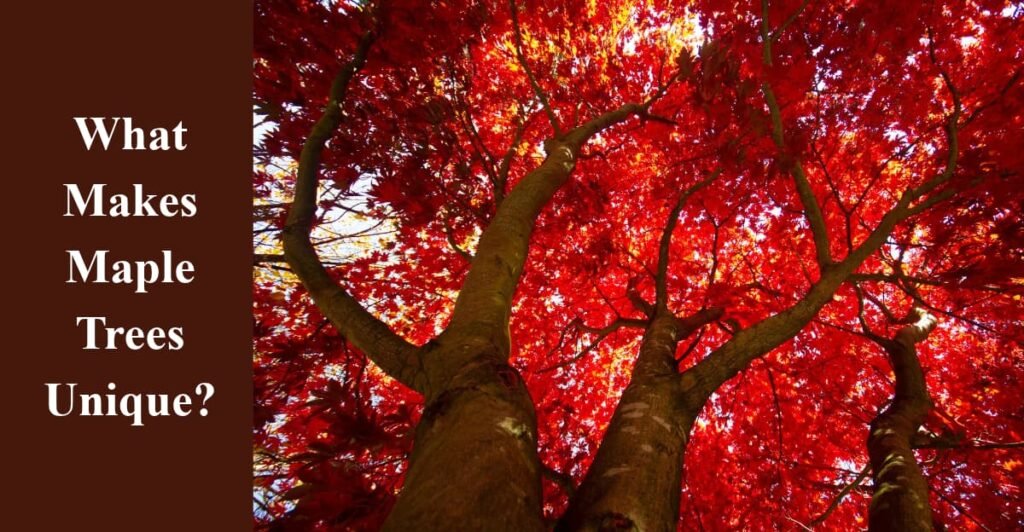
Maple trees are admired for their brilliant colors, autumn foliage, and fall colors, reflecting their natural beauty and strength across the Northern Hemisphere. These deciduous trees support wildlife, including honeybees and other pollinators, while providing important environmental benefits, strengthening forest ecosystems, and contributing to biodiversity through their unique characteristics and seasonal changes.
In my experience, observing maple trees throughout autumn reveals how their colorful leaves, ecological importance, and long history make them truly remarkable trees.
How Many Maple Species Exist?
There are approximately 128 to 132 maple species worldwide, belonging to the Acer genus, with most varieties native to Asia. Others grow across Europe, northern Africa, and North America, which has 13 native maple species, showcasing remarkable maple diversity, regional diversity, and worldwide species distribution.
How Ancient Are Maple Trees?
Maple trees are ancient trees whose origins date back at least 100 million years ago, according to fossils and fossil evidence. These prehistoric trees existed during the Cretaceous period, when dinosaurs roamed prehistoric Earth, making their evolutionary history, tree evolution, and fossil records fascinating subjects in the study of ancient forests and plant origins.
How Long Do Maple Trees Live?
The tree lifespan of maple trees generally ranges from 100 to 400 years, depending on the species and growing conditions. Canada’s famous Comfort Maple in North Pelham, Ontario, within the Niagara Region, is estimated to be 500 years old, while red maples typically live 80 to 100 years and silver maples can reach 130 years, demonstrating differences in tree longevity and maple tree age.
Are All Maple Trees Deciduous?
Most maple trees are deciduous trees that experience annual leaf drop, creating bright fall colors, colorful autumn foliage, and noticeable seasonal leaf changes. However, some evergreen maples in southern Asia and the Mediterranean retain their evergreen foliage and year-round leaves, demonstrating how maple varieties, regional differences, and climate adaptation influence leaf retention.
What Are Maple Tree Root Systems Like?
Maple trees develop dense root systems containing fibrous roots that form a thick network beneath the soil, allowing extensive root growth and efficient water absorption and nutrient absorption. Their wide-spreading roots create root competition for soil space and soil resources, sometimes restricting understory vegetation and the growth of surrounding plants.
How Much Do Maple Trees Vary in Size?
Maple trees show impressive variation in tree size, with most growing 33 to 148 feet tall, while some sugar maples can reach 150 feet. Smaller maple varieties, including Japanese maples and Bonsai trees, offer compact growth habits, while Bigleaf maples develop into large maple trees, demonstrating diverse tree height, tree width, and maple tree dimensions.
Do Maple Trees Produce Flowers?
Maple trees produce delicate maple flowers in red, yellow, orange, and green, with spring blooms providing early pollen and nectar sources for honeybees, flies, and other pollinators. Through insect pollination, these flowering trees support plant reproduction, contribute to floral diversity, and provide valuable wildlife support, making many maple species attractive bee-friendly trees.
How Do Maple Trees Reproduce?
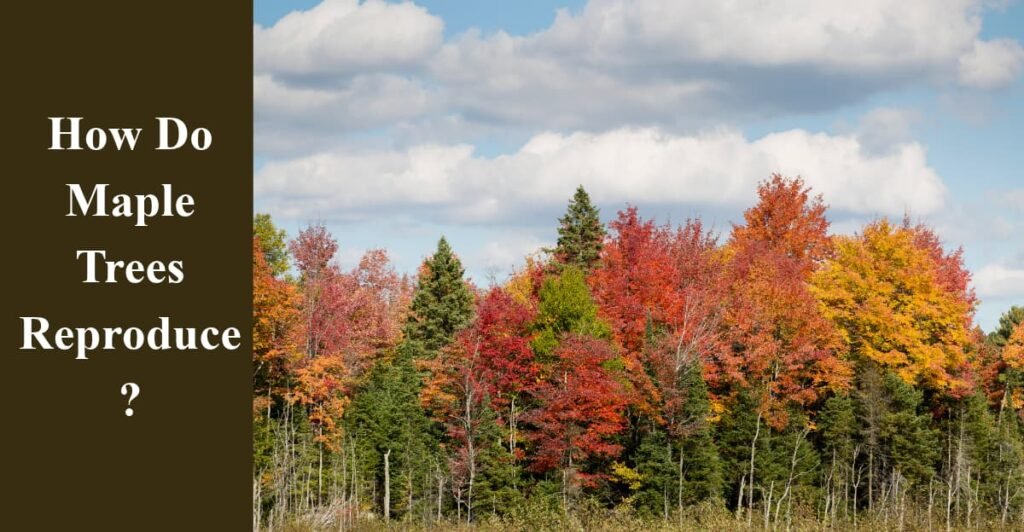
Maple trees reproduce through samaras, a special fruit containing seeds that develop into new trees. These maple seeds, often called tiny helicopters or helicopter seeds, are winged seeds that spin as the wind carries them away from the parent tree, enabling wind dispersal, seed dispersal, and natural seed spreading. This process supports seed transportation, seed development, fruit development, and plant reproduction, helping with maple tree propagation, maple tree growth, natural regeneration, seed germination, and the complete tree reproduction cycle through specialized reproductive structures and wind-dispersed seeds.
What Are Maple Tree Seeds Called?
Maple tree seeds are botanically known as samaras, but common names include maple keys, helicopters, whirlybirds, and polynoses. These paired seeds, or seeds in pairs, feature a small nutlet attached to a flat wing or papery wing, creating distinctive winged fruits whose maple seed structure, seed anatomy, seed shape, seed attachment, and seed coverings help explain their dispersal adaptations. Understanding this botanical terminology, winged seed structure, and the characteristics of paired samaras can aid maple tree identification and explain maple tree reproduction.
How Do Maple Seeds Disperse?
Maple seeds, known as samaras, use their aerodynamic shape and winged seeds to spin like helicopter seeds as the wind carries them away from the parent tree. This wind dispersal and wind transportation support seed dispersal, wide seed distribution, and the movement of seeds widely across different areas. Through wind movement, seed travel, seed spreading, and seed separation, maples achieve natural propagation, encourage new growth, support plant colonization, and promote natural regeneration through their effective dispersal mechanism and seed movement.
What Is the Cultural Significance of Maple Trees?
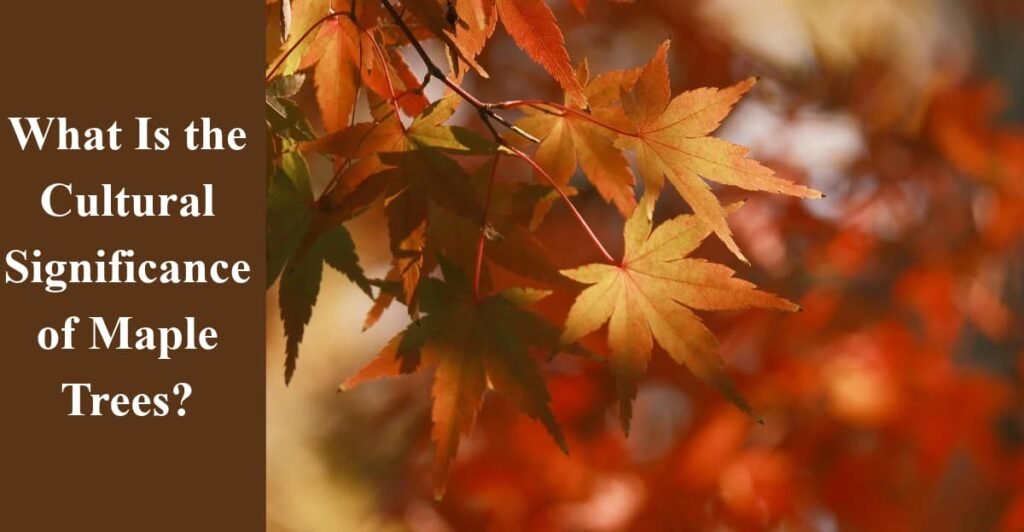
Maple trees hold deep cultural significance in Canada, where the maple leaf is a prominent national symbol featured on the Canadian coat of arms and the Canadian flag. As Canada’s national tree, the maple represents strength, longevity, and durability, while the Canadian Forces incorporate the maple leaf emblem into military gear, including military insignia and general’s rank insignia. These traditions reinforce Canadian culture, national identity, cultural heritage, and national pride, making maple symbolism an important patriotic symbol and part of Canadian history, Canadian traditions, and the nation’s official national symbols.
What Are Maple Leaf-Watching Traditions?
Maple leaf-watching traditions celebrate maple leaves and their changing colors during autumn, attracting visitors to places such as New England and eastern Canada to enjoy spectacular fall foliage. In Japan, this seasonal tradition is called momijigari, reflecting Japanese traditions of maple viewing and Japanese maple viewing, while leaf peeping and foliage viewing have become popular forms of autumn tourism and nature tourism. The vibrant red leaves, orange leaves, and yellow leaves create colorful autumn landscapes, drawing leaf-watching crowds to scenic locations and tourist destinations for memorable seasonal changes, maple leaf colors, fall colors, and autumn leaves, often celebrated through cultural traditions and seasonal celebrations.
Which U.S. States Have the Sugar Maple as Its Tree?
The sugar maple (Acer saccharum) is the official state tree of four U.S. states: New York, Vermont, West Virginia, and Wisconsin. These American state trees serve as meaningful state symbols and state emblems, highlighting the importance of North American maples, regional tree species, and maple tree varieties in local identity and national flora. The sugar maple’s official designation strengthens its recognition in tree identification, maple distribution, and the tradition of state tree recognition among America’s official state symbols.
What Are the Facts About Maple Syrup?
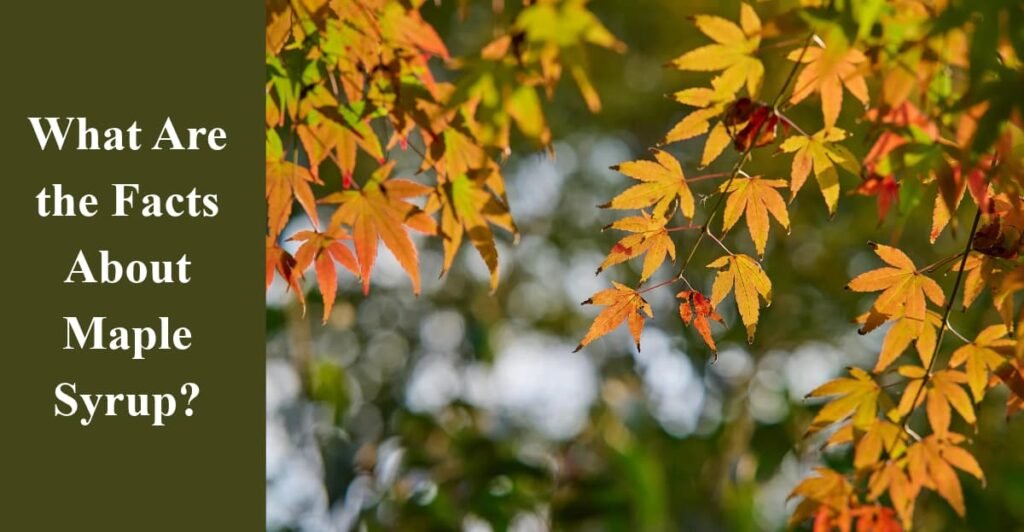
- Maple syrup is produced by boiling sap collected through sap extraction from Sugar maple, Black maple, and Red maple trees.
- The maple syrup history dates back to Native Americans, who were producing maple syrup as early as 1540.
- Approximately 40–50 liters of sugar maple sap are needed to make 1 liter of syrup.
- A maple tree generally needs to be 30 years old and 10 inches across in tree diameter before maple tree tapping begins.
- Responsible sap harvesting removes around 10% of sap to help protect tree health.
- Sugar maples produce the sweetest sap, containing approximately 2.0–2.5% sugar.
- Pure maple syrup is a natural sweetener that contains antioxidants, vitamins, and minerals.
- Other maple products include maple sugar and maple taffy.
- Proper syrup storage supports syrup preservation and an extended shelf life.
- Store unopened syrup in a cool storage area that is dry. After opening, use refrigeration or consider freezing syrup for longer storage.
- Traditional maple sugaring involves collecting sap and boiling it to achieve the desired sugar concentration.
- The sap-to-syrup ratio and maple syrup grades help explain the production process and the quality differences among maple syrups.
How Is Maple Wood Used?
Maple wood is a strong wood and versatile hardwood valued for its special qualities, wood durability, and acoustic properties. Its maple timber and maple lumber are widely used in woodworking, furniture making, wood manufacturing, musical instruments, sports gear, and other hardwood products.
Why Is Maple Considered a Tonewood?
Maple tonewood is prized for its sound transmission, resonance, and ability to carry sound waves and sound vibration in musical instruments, including the violin, violas, cellos, and double basses. Its dimensional stability, stable size, and tone quality make maple wood ideal for instrument backs, instrument sides, instrument necks, electric guitars, guitar necks, drum shells, and maple drums, supporting excellent acoustic performance, musical acoustics, hardwood tonewood, and instrument craftsmanship.
What Other Products Use Maple Wood?
The sturdy nature, wood strength, and impact resistance of maple hardwood make it suitable for furniture, baseball bats, bowling pins, bowling alley lanes, pool cue shafts, and butcher’s blocks. These durable wood qualities support furniture manufacturing, sporting goods, sports equipment, baseball equipment, bowling equipment, pool cues, butcher blocks, and other commercial wood uses, maple furniture, and hardwood applications.
What Is the Ecological Role of Maple Trees?
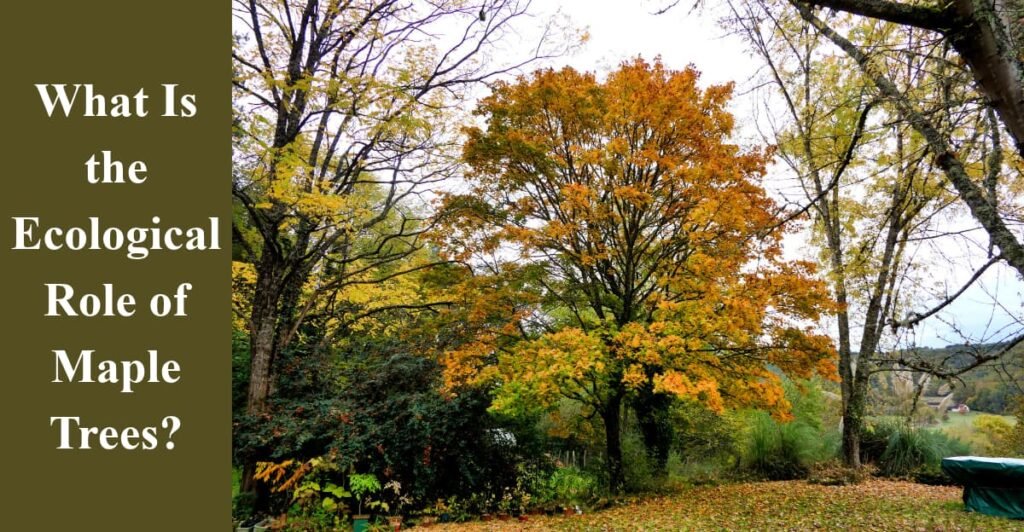
Maple trees have an important ecological role across the Northern Hemisphere, providing early spring pollen for honeybees and supporting pollination, biodiversity, and wildlife support. Their diverse habitats, spring flowering, tree adaptability, and climate adaptation contribute to forest ecosystems, ecosystem services, environmental benefits, and ecological balance.
Why Are Maple Trees Important for Bees?
Maple trees provide honeybees with one of their first big pollen supplies in spring, improving pollen availability, bee nutrition, and pollinator health. As spring flowering trees and pollen-producing trees, maples support honeybee survival, strong bee populations, crop pollination, agricultural productivity, plant reproduction, ecosystem support, and pollinator conservation.
How Widespread Are Maple Trees?
Maple trees grow widely across the Northern Hemisphere, including Asia, Europe, northern Africa, and North America, with the East Coast of North America featuring a continuous tree range extending about 1,900 miles. Their geographic range, elevation range from sea level to around 3,000 feet high, regional diversity, and altitude tolerance reflect the adaptability of Asian maples, European maples, North African maples, and North American maples to varied growing conditions, water requirements, sunlight, and natural habitats.
How Hardy Are Maple Trees in Cold Climates?
Maple trees show impressive hardiness and cold tolerance, with resilient root systems supporting water uptake and helping trees survive cold weather, temperature swings, and freezing conditions. Their environmental resilience, winter survival, and cold-weather adaptation vary by species, while snow cover, winter conditions, day and night temperatures, and other seasonal extremes influence maple tree growth and environmental stress.
How Can You Identify Maple Trees?
Maple trees can be recognized through tree identification by examining their leaves, bark, and fruit, which vary among maple species and maple tree varieties. Their distinctive appearance, leaf shape, bark texture, and winged seeds, known as samaras, provide useful botanical features for visual identification, tree classification, and understanding species differences.
How Do Maple Leaves Differ?
Maple leaves usually have simple leaves, palmate leaves, distinctive leaf lobes, and visible leaf veins, although leaf structure varies by species. Silver maple leaves have deeply cut lobes and pale leaf undersides, Red maple often has smaller leaves with rough edges, Japanese maple features deeply cut lobes, and Autumn Blaze Maple displays bright fall colors and vibrant autumn foliage.
What Are the Different Types of Maple Bark?
Maple bark varies in bark color, bark texture, and bark patterns depending on the tree species, making it valuable for tree identification and species identification. Silver maple develops gray flaky bark, Sugar maple has gray-brown bark with wide curling strips as it matures, while paperbark maple is known for its smooth red bark, and other varieties may feature narrow ridges, dark brown bark, or peeling bark.
What Are Some Unusual Maple Tree Facts?
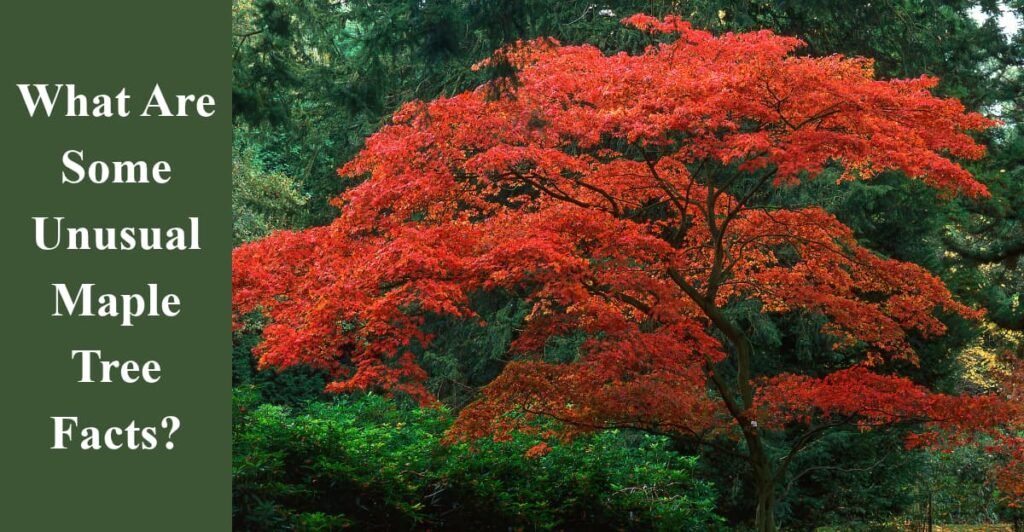
- Norway maple is native to Europe and parts of Asia, but it has become an invasive species in some areas of the United States, where invasive trees can outcompete native plants. Invasive species management helps protect tree diversity and local ecosystems.
- Japanese maple leaves are used in traditional Japanese recipes, including fried maple leaves coated in sugary batter. These edible leaves are a surprising example of maple leaf recipes and the diverse maple tree uses found in different cultures.
- Many Japanese maple cultivars are valued for their shade tolerance, making certain shade-loving maples suitable for gardens with limited sunlight. These Japanese maple varieties are popular in ornamental gardening because of their distinctive foliage and attractive appearance.
- Maple trees are popular for Bonsai because their small leaves, branching patterns, and seasonal colors suit miniature trees. Maple Bonsai requires careful tree cultivation, pruning, and watering as part of specialized Bonsai cultivation.
- Some maples are vulnerable to the Asian long-horned beetle, tree pests, fungal diseases, and other maple tree diseases. Good maple tree care, pest resistance strategies, and early detection of fungal infections can help maintain healthy trees.
- The wide range of maple species demonstrates unusual maple tree adaptations and unusual tree characteristics, from ornamental foliage to differences in growth and habitat. Understanding these traits supports horticulture, ornamental maples, and the responsible management of invasive tree species.
Conclusion
Maple trees are remarkable for their colorful autumn foliage, unique helicopter-shaped seeds, valuable hardwood, and delicious maple syrup. Their ecological benefits, cultural significance, and diverse varieties make them important to gardens, forests, and wildlife. Understanding these fun facts about maple trees helps you appreciate their beauty, benefits, and essential role in nature.
Frequently Asked Questions
1. How Many Species of Maple Trees Are There?
There are approximately 128 to 132 maple species worldwide, belonging to the Acer genus, with most native to Asia.
2. What Are Maple Tree Seeds Called?
Maple tree seeds are called samaras, commonly known as helicopters or maple keys because of their winged shape.
3. Which Maple Trees Are Best for Making Maple Syrup?
Sugar maple trees are preferred for maple syrup production because their sap contains a relatively high sugar concentration, typically around 2–2.5%.
4. Why Are Maple Trees Important to the Environment?
Maple trees provide early spring pollen for bees, support wildlife, contribute to biodiversity, and help maintain healthy forest ecosystems.
Please Write Your Comments