National Flower of Cuba: Mariposa & Its Hidden War Message
Updated: October 14, 2026
4
Discover the fascinating story of Cuba’s national flower, the Mariposa, a beautiful white ginger lily linked to the nation’s heritage, resilience, and hidden war message. Beyond its fragrant petals lies a powerful story of cultural identity, freedom, and national pride. Explore its meaning and historical significance, and keep reading to uncover the secrets behind this remarkable Cuban symbol!
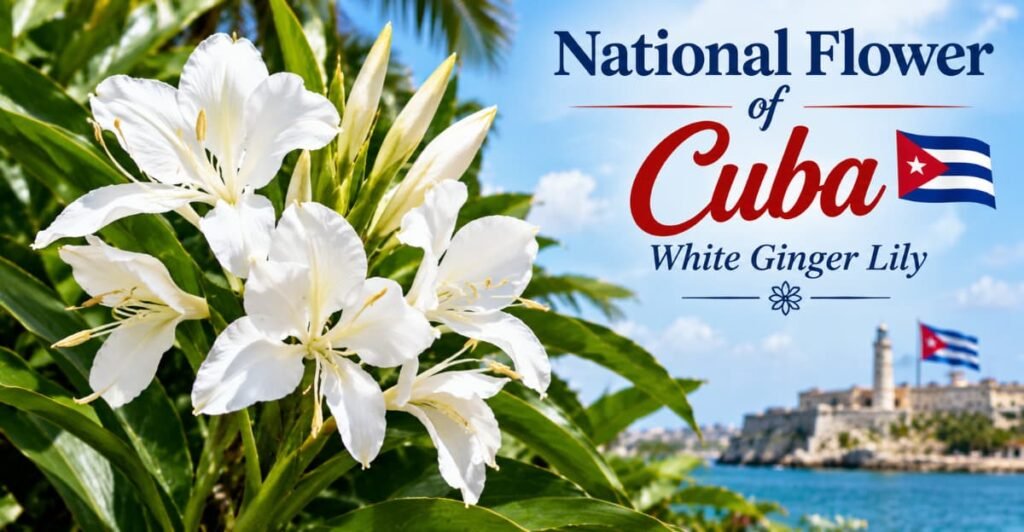
Table of Contents
What Is Cuba’s National Flower?
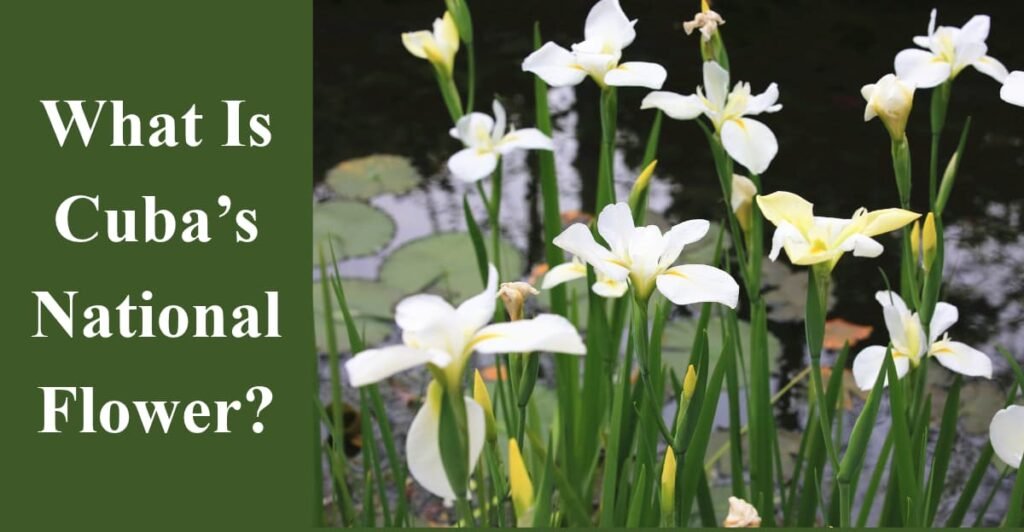
Cuba’s national flower is the white ginger lily (Hedychium coronarium), a tropical flower known for its fragrant white petals, delicate flower clusters, and sweet fragrance. Originally native to the Himalayas and Southeast Asia, this tropical flower became a cherished emblem of the island of Cuba, admired for its natural beauty and resilience.
The Cuban national flower symbolizes purity and resilience, reflecting the country’s cultural identity, national pride, and rich Cuban heritage. Its presence in lush tropical gardens, local landscapes, and traditional and modern celebrations strengthens its floral symbolism, connecting Cuba’s botanical identity with its enduring relationship with nature.
From my experience exploring tropical flowers, the white ginger lily stands out for its aromatic blossoms and elegant appearance, making it a meaningful symbol of Cuba’s natural and cultural heritage.
Mariposa White Ginger Lily – Botanical Information
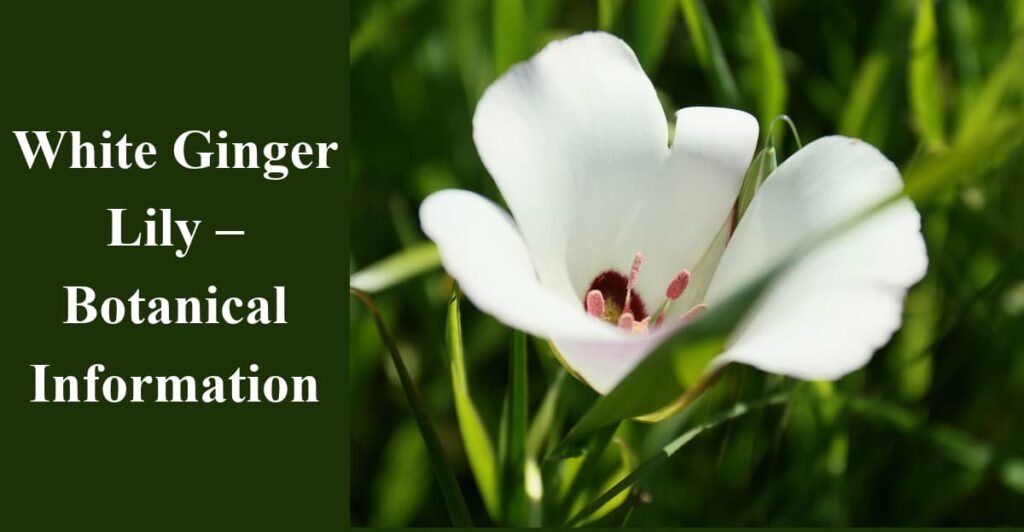
The Mariposa White Ginger Lily (Hedychium coronarium) is a fragrant, herbaceous perennial known for its white flowers, tropical growth, and ornamental value.
- Common Name: Mariposa White Ginger Lily
- Scientific Name: Hedychium coronarium
- Family: Zingiberaceae
- Genus: Hedychium
- Plant Type: Herbaceous perennial, tropical flower
- Native Range: Himalayas and Southeast Asia
- Plant Height: Usually 1–2 meters
- Flower Color: White
- Flowering Season: Summer to autumn
- Fragrance: Strong, sweet, and pleasant
- Leaves: Long, narrow, lance-shaped green leaves
- Root System: Rhizomatous root system
- Growth Habit: Upright and clumping
- Pollination: Mainly by moths and other insects
- Uses: Ornamental gardening, landscaping, cut flowers, and traditional uses
- Preferred Growing Conditions: Warm, humid climates with moist, fertile soil and partial to full sunlight
- Plant Characteristics: Fragrant blossoms, distinctive root structure, and attractive foliage
- Flower Cultivation: Suitable for gardens when its environmental requirements are met
What Does Cuba’s National Flower Look Like?
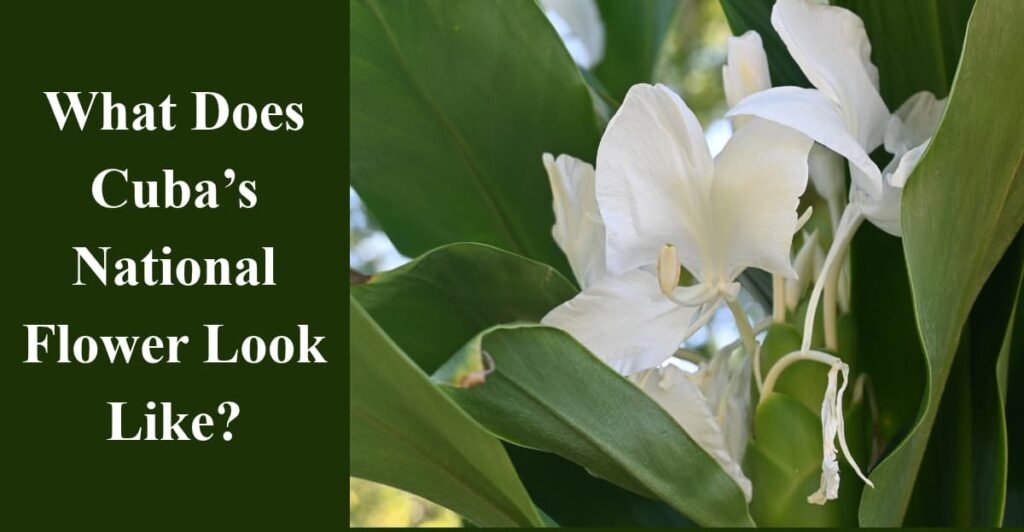
The white ginger lily, Cuba’s national flower, features elegant trumpet-shaped blooms that resemble freshly fallen snow against lush green foliage. Its delicate fragrance, graceful green leaves, and striking contrast create a breathtaking sight across Cuba’s vibrant landscapes, reflecting the beauty of Cuban flora and the spirit of the island.
From my experience exploring tropical flowers, the white ginger lily stands out for its fragrant blossoms and graceful appearance, bringing a sense of warmth and tropical bliss to gardens.
Why Cuba Chose the Mariposa as Its National Flower
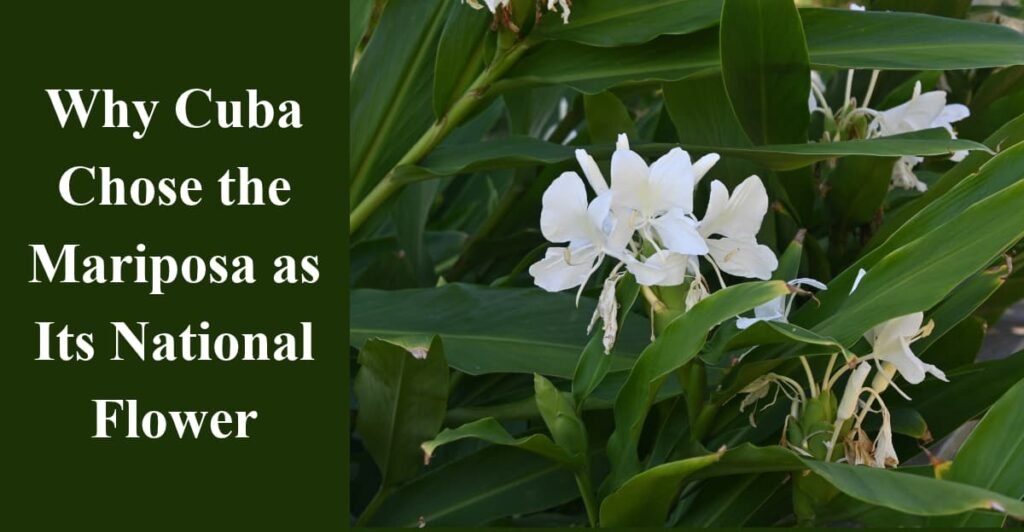
The Mariposa, also known as the white ginger lily, is Cuba’s national flower because of its deep-rooted symbolism, representing purity, resilience, and the enduring spirit of the Cuban people through struggles and triumphs. Its ability to flourish in diverse environments reflects adaptation despite challenges, while its rich biodiversity, fragrant blossoms, and connection to nature strengthen its place in Cuban identity, cultural heritage, and the nation’s botanical heritage. Today, the flower remains a cherished national emblem, bringing joy to cultural festivals and representing a hopeful future.
In my view, understanding the Mariposa’s cultural significance alongside its natural beauty makes its role in Cuba’s heritage more meaningful and memorable.
How Mariposa Flowers Carried Secret Messages
The Mariposa flowers, known as the national flower of Cuba, carry a compelling story of affection, hope, and symbolic communication. During turbulent times when words could be dangerous, lovers could use delicate mariposas, wrapped notes, and vibrant petals to express a silent promise. As a symbol of freedom, the flower is associated with secret messages, tokens of love, and romantic expression, connecting its exquisite beauty with themes of resilience and historical struggles.
I find floral symbolism especially fascinating because even a simple blossom can represent feelings that are difficult to express openly, although specific wartime messaging traditions should be supported by historical evidence.
Cultural Meaning of the Mariposa Today
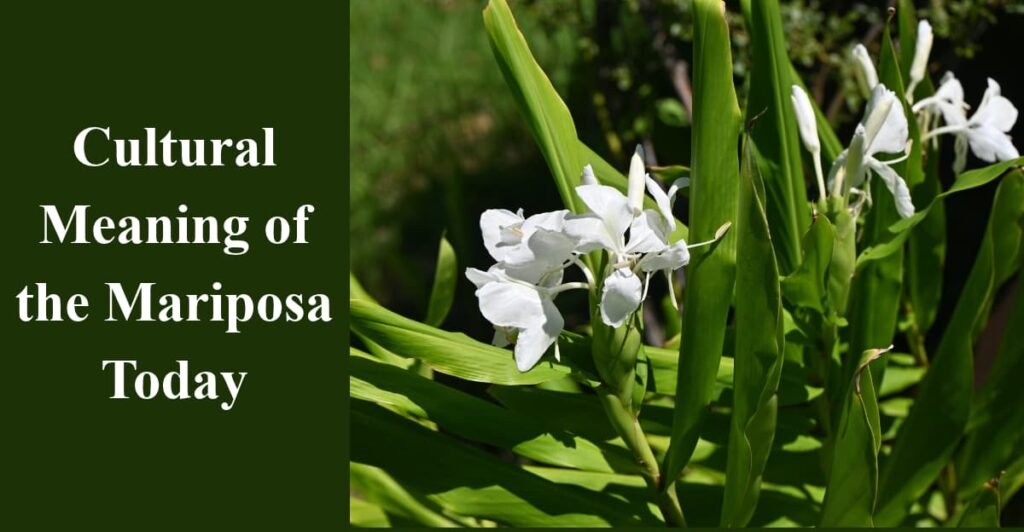
Today, the mariposa, celebrated as the flower of Cuba, represents the strength, beauty, and resilience of the Cuban spirit, even under challenging conditions. Its presence at festivals and celebrations connects generations through a rich tapestry of Cuban traditions and cultural heritage.
With its vibrant colors, unique shape, and natural artistry, the flower inspires artists and poets who capture the beauty of Cuban landscapes. Its symbolism also embraces hope, new beginnings, growth, and transformation, expressing aspirations for a brighter future while strengthening cultural identity and national pride.
From my perspective, the Mariposa’s lasting appeal comes from the way its natural beauty and cultural associations bring together tradition, artistic inspiration, and hope for change.
Scientific and Historical Confirmation
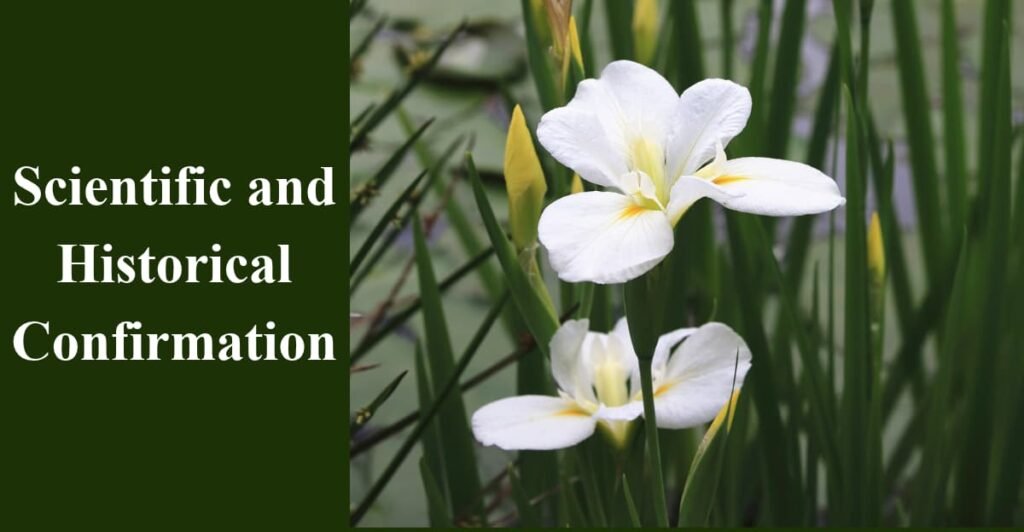
Cuba’s national symbols reflect its rich culture, history, and national identity, from its famous architecture to its vibrant flora and island biodiversity. The Mariposa, alongside the Cuban bouquet of orchids, serves as a botanical emblem and local treasure, connecting the Cuban people with their natural heritage and national heritage.
Historical tales and stories highlight how hardy flowers, symbolic flowers, and the Mariposa represent freedom and resilience amid the struggles that have shaped the nation. These connections enrich Cuba’s historical narrative, Cuban history, and cultural identity, while showcasing its botanical diversity, floral symbolism, and historical significance through nature and the beauty of an orchid bouquet.
From my experience studying botanical symbolism, I find that comparing Cuba’s native and cherished flowers with its historical traditions offers a meaningful way to explore the country’s natural and cultural heritage.
Where You’ll See Mariposa in Cuba
The beautiful Mariposa, the national flower of Cuba, can be admired in vibrant gardens, lush landscapes, and botanical gardens across the island. At the Jardín Botánico de Cienfuegos, visitors can explore tropical greenery and delicate blooms while enjoying the flower’s sweet aroma.
In the streets of Havana, local artists may incorporate Mariposa motifs into works celebrating Cuban culture and Cuban identity, while the Valle de Viñales offers breathtaking scenery that reflects the spirit of the island. These Cuban destinations connect flower viewing with cultural art, landscape beauty, and an appreciation of natural habitats, tropical gardens, and the country’s floral heritage, creating an enchanting experience filled with hope and resilience.
When exploring botanical attractions, I recommend taking time to observe flowers in their growing environment, as this reveals details of their beauty that photographs often miss.
How Does the Mariposa Lily Grow?
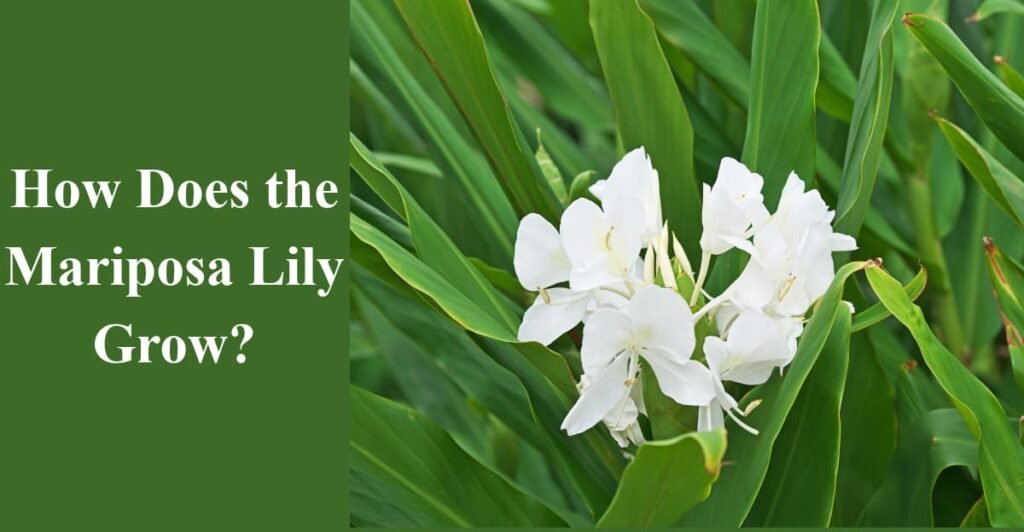
The Mariposa lily, Cuba’s national flower, grows best in warm conditions with suitable sunlight, fertile soil, and consistent moisture.
- Sunlight: Prefers bright sunlight to partial shade.
- Soil: Grows well in nutrient-rich, well-drained soil.
- Watering: Needs moderate watering; avoid waterlogging and adjust watering intervals to soil moisture.
- Climate: Thrives in warm, humid, tropical climates.
- Growth: Its elegant petals and vibrant hues add beauty to gardens.
- Pollination: Bees, butterflies, and other pollinators support pollination and plant survival.
- Planting: Group planting creates a vibrant display and harmonious environment.
- Adaptability: Suitable conditions support growth across diverse habitats, including some sandy and rocky areas.
- Garden care: Proper drainage, sunlight, and moisture encourage healthy growth and flowering.
I recommend checking soil drainage before planting ginger lilies. Consistent moisture without soggy soil helps maintain healthy roots and beautiful blooms.
Interesting Facts About Cuba’s National Flower
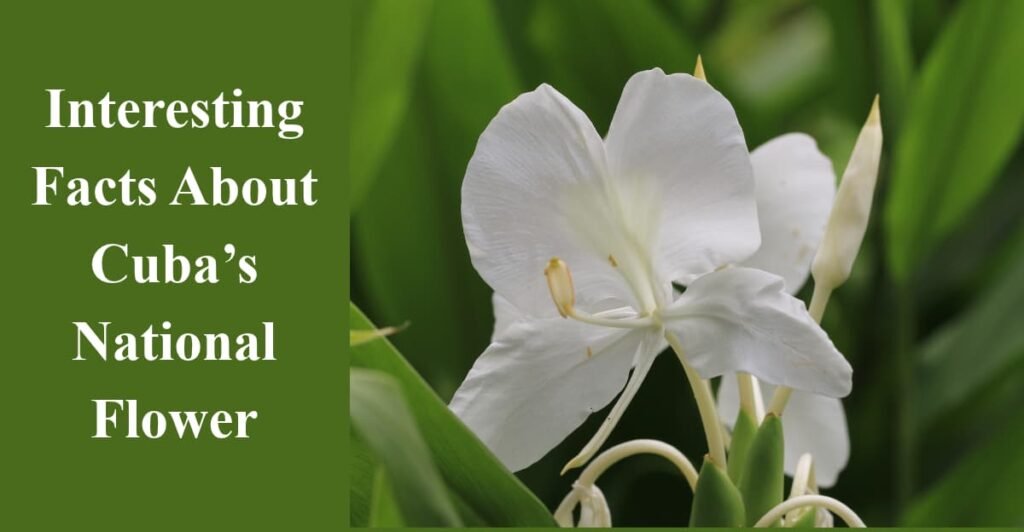
The Mariposa, also called the butterfly lily, is Cuba’s national flower, scientifically known as Hedychium coronarium. Its beauty, fragrance, and cultural symbolism make it an important part of Cuba’s botanical identity and national heritage.
- Tropical Flower: Thrives in warm, tropical climates and adds beauty to gardens and landscapes.
- Enchanting Fragrance: Its fragrant blossoms are known for their sweet, pleasant scent.
- Symbolic Meaning: Represents love, friendship, resilience, and deep emotions.
- Special Occasions: Flowers can express affection and appreciation during celebrations.
- National Emblem: Reflects the spirit of the Cuban people and their cultural traditions.
- Local Folklore: Its significance connects with stories and traditions associated with Cuban heritage.
I find the Mariposa especially interesting because its graceful white blossoms combine botanical beauty with cultural meaning, making it a memorable symbol of Cuba.
How to Protect Cuba’s National Flower
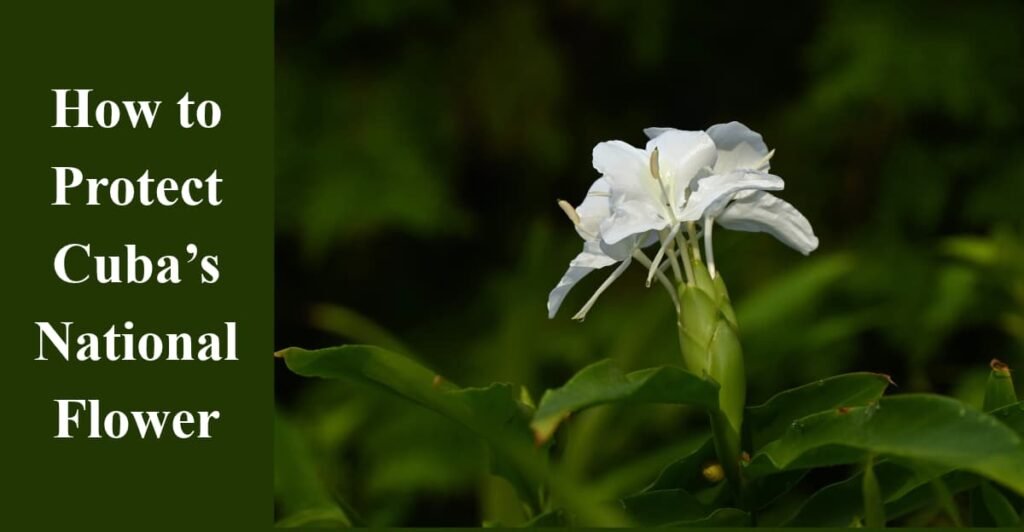
Protecting Cuba’s national flower, the Mariposa, requires community gardening initiatives, sustainable tourism, and habitat protection to preserve its natural habitats, native landscapes, and biodiversity. Local communities, visitors, and local authorities can support plant conservation, enforce conservation laws, and promote workshops that build awareness, appreciation, and understanding among younger generations. These efforts strengthen environmental protection, ecological sustainability, and floral preservation, safeguarding this beautiful symbol of resilience, its cultural significance, Cuban heritage, and national identity for future generations while protecting natural resources and reducing the risk of extinction.
I believe community involvement and responsible gardening are practical ways to protect the Mariposa while keeping Cuba’s natural and cultural heritage alive.
Conclusion
Cuba’s national flower, the Mariposa (Hedychium coronarium), represents purity, resilience, and the island’s rich cultural heritage. Its fragrant white blooms and symbolic associations make it a remarkable part of Cuba’s natural beauty, history, and national identity. Explore its fascinating story, protect its natural habitats, and discover how this beautiful flower continues to inspire generations.
Frequently Asked Questions
1. What is the national flower of Cuba?
Cuba’s national flower is the Mariposa, also known as the white ginger lily (Hedychium coronarium), celebrated for its fragrant white flowers and cultural significance.
2. What does the Mariposa flower symbolize?
The Mariposa is associated with purity, resilience, freedom, and national pride, reflecting Cuba’s cultural heritage and the enduring spirit of its people.
3. What is the hidden war message behind Cuba’s national flower?
The Mariposa is linked to stories of secret messages, affection, and freedom during difficult historical periods. However, specific claims about its use in wartime communication require reliable historical evidence.
4. Where does the Mariposa flower grow best?
The Mariposa thrives in warm, humid climates with moist, fertile, well-drained soil and partial to full sunlight. It grows well in suitable tropical gardens and landscapes.
Please Write Your Comments