National Flower of France: Meaning, History, Symbolism, and Cultural Importance
Updated: September 26, 2026
17
France’s national flower is more than a beautiful bloom; it reflects royal history, cultural heritage, and timeless symbolism. Discover the fascinating story behind the Fleur-de-Lis, iris, French royalty, and national identity through the centuries. Keep reading to uncover the meaning, history, and hidden symbolism that make France’s floral heritage so captivating.

Table of Contents
What Is the National Flower of France?
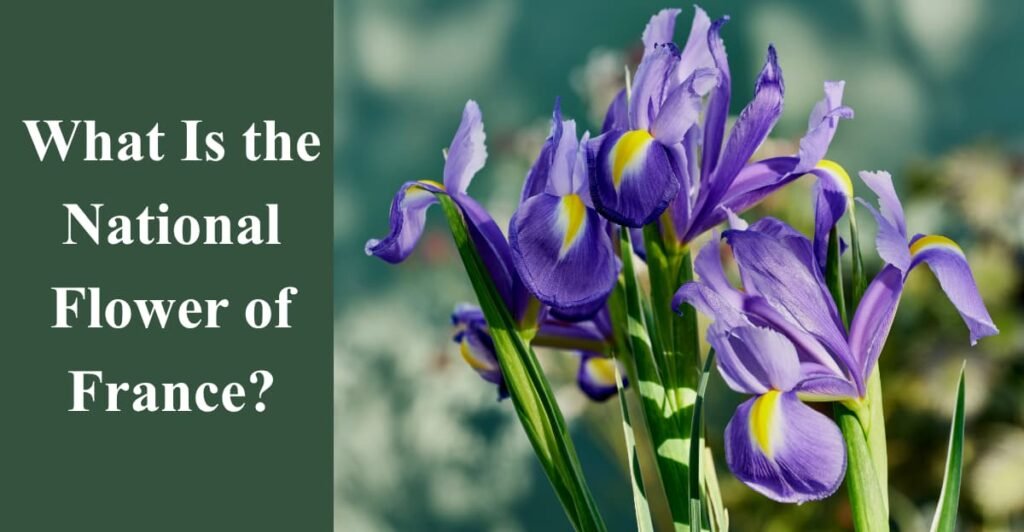
France has no universally recognized official national flower, but the iris, especially the wild yellow iris (Iris pseudacorus), is closely connected to the Fleur-de-Lis, a famous heraldic symbol of French heritage and national identity. Though often associated with the lily, the Fleur-de-Lis is a stylized emblem inspired by floral forms and deeply rooted in French heraldry and cultural symbolism. Today, it remains a symbol of elegance, resilience, and French cultural identity.
I find the link between the iris and Fleur-de-Lis especially fascinating when exploring French history.
The Fleur-de-Lis: The Symbolic Flower of France
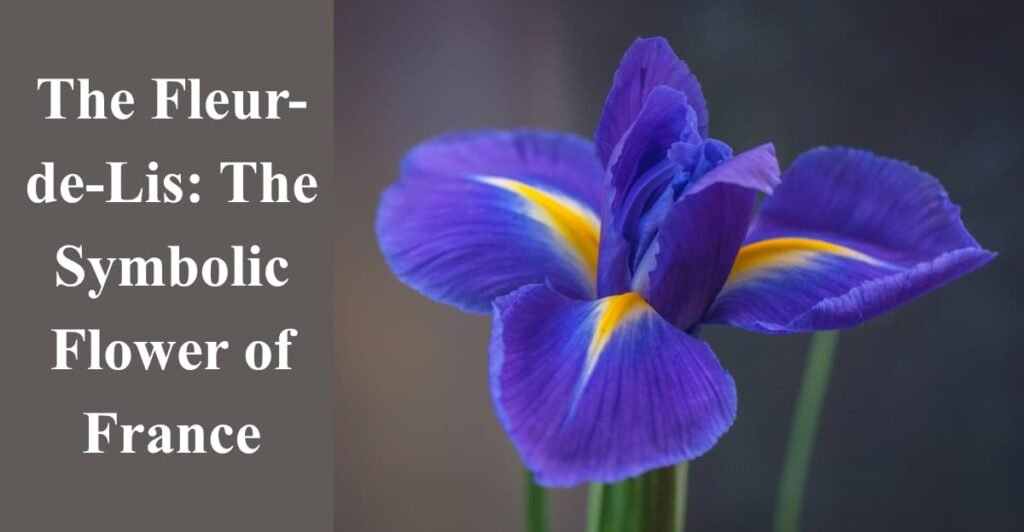
The Fleur-de-Lis is a recognizable heraldic symbol around the world, featuring a stylized design of three petals bound together at the base, with a central petal standing upright and side petals curving outward. Linked to French royalty, luxury, and prestige, it is an idealized flower rather than an exact botanical illustration, reproduced on shields, banners, and tapestries throughout history. Even after the French Revolution when royal symbols were suppressed, the Fleur-de-Lis remained important in architecture, collective memory, and the French state, preserving its symbolic power and connection to French heritage, cultural identity, national emblem, floral symbol, and heraldry.
I find the Fleur-de-Lis especially fascinating because its clean, symmetrical mark continues to connect French history with modern visual culture.
Historical Origins of the French National Flower
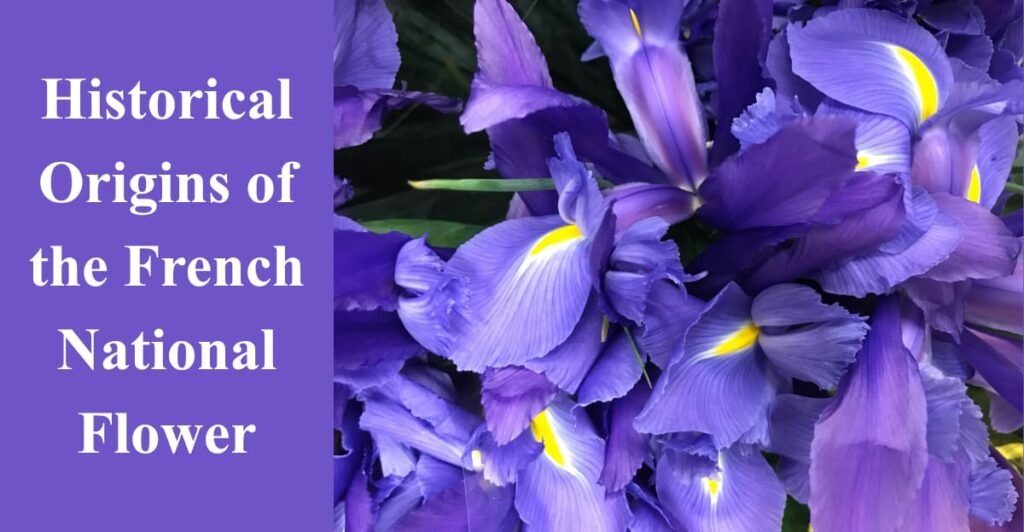
The French national flower has deep history and legend, with King Clovis I, the Frankish tribes, and the Battle of Vouillé linked to a story of yellow irises as a divine sign of victory. Another historical theory connects Louis VII, the Lily of France, and the Fleur-de-Lis, which later became a powerful symbol of the French monarchy. The golden fleur-de-lis on a blue background shaped French heraldry, sovereignty, royal history, national identity, and cultural heritage.
I find the blend of legend and royal history fascinating in understanding this enduring French symbol.
Meaning and Symbolism of the Fleur-de-Lis
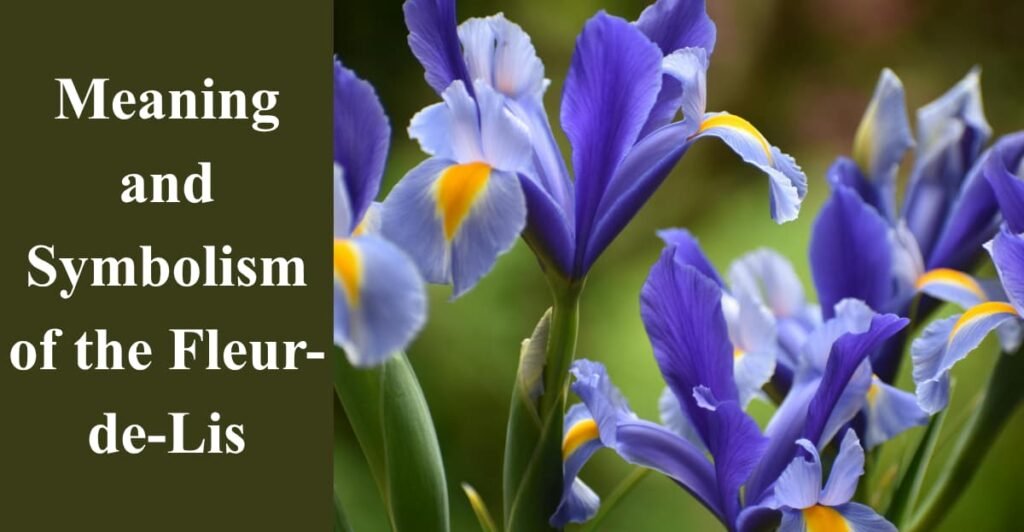
The Fleur-de-Lis has multi-faceted symbolism, representing virtues through its three petals, sometimes linked to the medieval social estates of peasantry, nobility, and clergy who worked, fought, and prayed. Its connection with the white lily represents Purity, moral cleanliness, and spiritual cleanliness, while Light, the sun, Enlightenment, philosophy, and art add deeper meaning to French culture. Its perfect symmetry suggests Perfection, life, spring, and continuity, while its role in the French state, monarchy, and royal authority preserves French culture, heritage, spirituality, illumination, national identity, and cultural symbolism across the world.
I find the Fleur-de-Lis fascinating because its simple design carries layers of spiritual, royal, and cultural meaning.
Why the Iris Is Associated With France
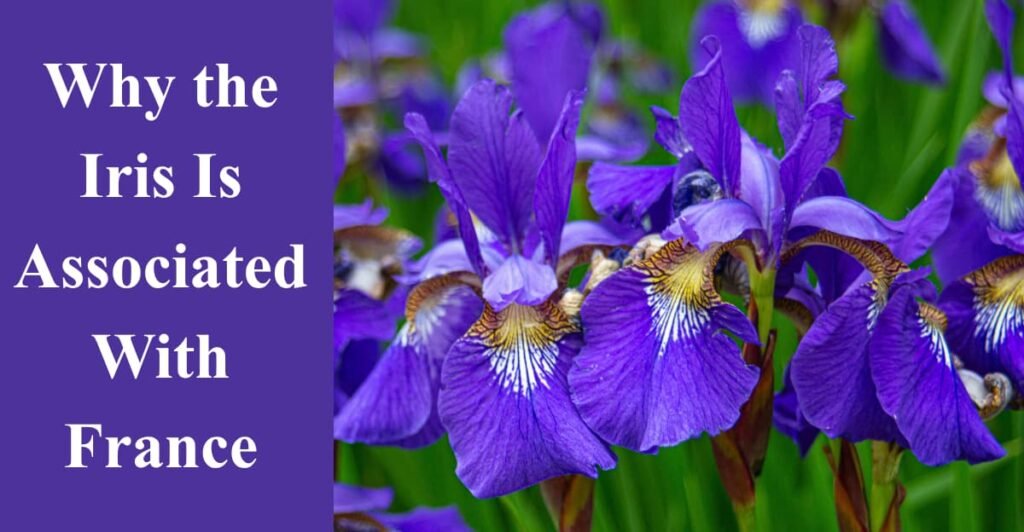
The iris is associated with France because the wild yellow iris grew abundantly along riverbanks, the Seine, and marshes in the French countryside. Its hardy plant nature, resilience, and presence among early Frankish tribes connected it with the land, while Lis and Fleur-de-Lis developed through linguistic evolution. This link between the botanical iris and heraldic lily became part of French consciousness, French heritage, national identity, and cultural symbolism.
I find the connection between nature and French history especially fascinating.
Cultural Significance of France’s National Flower
The France national flower has strong cultural significance in French culture, appearing in French literature, folklore, politics, and war as a recurring floral motif. In French perfumery, iris root or Orris root is a prized ingredient valued for its powdery scent and sophisticated fragrance in classic French fragrances. Irises and lilies also appear in traditional French celebrations, local festivals, and French heritage, connecting Francité, cultural identity, and national identity.
I especially admire how the iris connects French fragrance, traditions, and cultural heritage.
Religious and Spiritual Meaning of the French National Flower
In Catholic tradition, the lily and iris carried strong spiritual weight in France, with the white lily symbolizing the Virgin Mary, purity, and innocence in medieval France. The Fleur-de-Lis, with its three petals, was also given religious meaning through the Holy Trinity Father, Son, Holy Spirit strengthening its connection with faith, divine favor, and the Christian heritage of the nation.
I find the Fleur-de-Lis fascinating for how its floral design connects French history with religious symbolism.
Popular Uses of the Fleur-de-Lis in Modern France
In 2026, the Fleur-de-Lis remains a popular motif in French fashion, jewelry, interior design, and high-end brands, where heritage luxury meets modern design. It also appears in sports, scouting, French sports clubs, and logos, often using a stylized iris to express pride and historical continuity. In the digital age, this thousand-year-old flower remains relevant as an emoji, graphic element, and feature of French social media, showing how French history, cultural heritage, national symbol, French identity, fashion, symbolism, and tradition continue into modern France.
I find its use in modern design especially interesting because it keeps French tradition visually relevant.
Interesting Facts About the National Flower of France
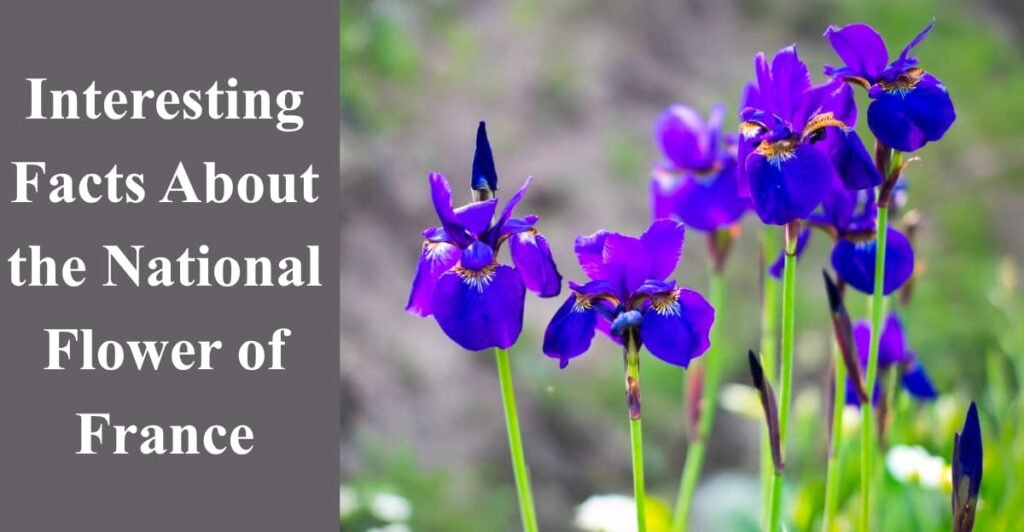
The National Flower of France is surrounded by fascinating facts linking French history, heraldry, and ancient botanical symbolism.
Not a Lily: The fleur-de-lis has botanical inspiration from the iris, despite its traditional lily association.
Golden Meaning: In heraldry, the Golden Flower represents Or, gold, the sun, and divinity.
Global Symbol: The fleur-de-lis appears with the Boy Scouts of America and the New Orleans Saints, an NFL team.
Hidden Messages: During political upheaval, it could express loyalty when worn by supporters of an exiled monarchy.
Ancient Roots: Similar ancient symbols appear in ancient Mesopotamian and Egyptian art, adding depth to its cultural history.
French Heritage: Its connection with monarchy, royal symbol traditions, political symbolism, cultural heritage, and global recognition keeps the fleur-de-lis important today.
I find its combination of ancient history and French symbolism particularly fascinating.
Conclusion
France’s floral heritage is deeply connected to the Fleur-de-Lis, iris, royal history, and enduring cultural symbolism. From medieval traditions to modern design, this iconic symbol continues to reflect French heritage, identity, and elegance. Explore its fascinating history and symbolism to better understand why the Fleur-de-Lis remains an enduring part of France’s cultural story.
Frequently Asked Questions
1. What is the national flower of France?
The iris is commonly associated with France, while the Fleur-de-Lis is the country’s most famous floral symbol.
2. Is the Fleur-de-Lis a lily or an iris?
The exact botanical inspiration is debated, but the Fleur-de-Lis is generally considered a stylized floral symbol rather than a specific flower.
3. What does the Fleur-de-Lis symbolize?
It has been associated with royalty, purity, faith, sovereignty, French heritage, and cultural identity.
4. Why is the Fleur-de-Lis important to France?
Its long connection with French monarchy, heraldry, history, art, and cultural traditions has made it a recognizable symbol of France.
Please Write Your Comments